
Scegliere quello sbagliato tessuto può trasformare una buona idea di prodotto in resi, reclami e vendite perse. Il tessuto in olefina sembra semplice, ma gli acquirenti dovrebbero esaminarlo attentamente.
Il tessuto olefinico è un tessuto sintetico ricavato da fibre di polipropilene. È leggero, resistente, impermeabile, antimacchia ed economico. Viene spesso utilizzato per tappeti, rivestimenti, prodotti per esterni, borse, fodere e alcuni capi di abbigliamento tecnico, ma presenta anche evidenti svantaggi.
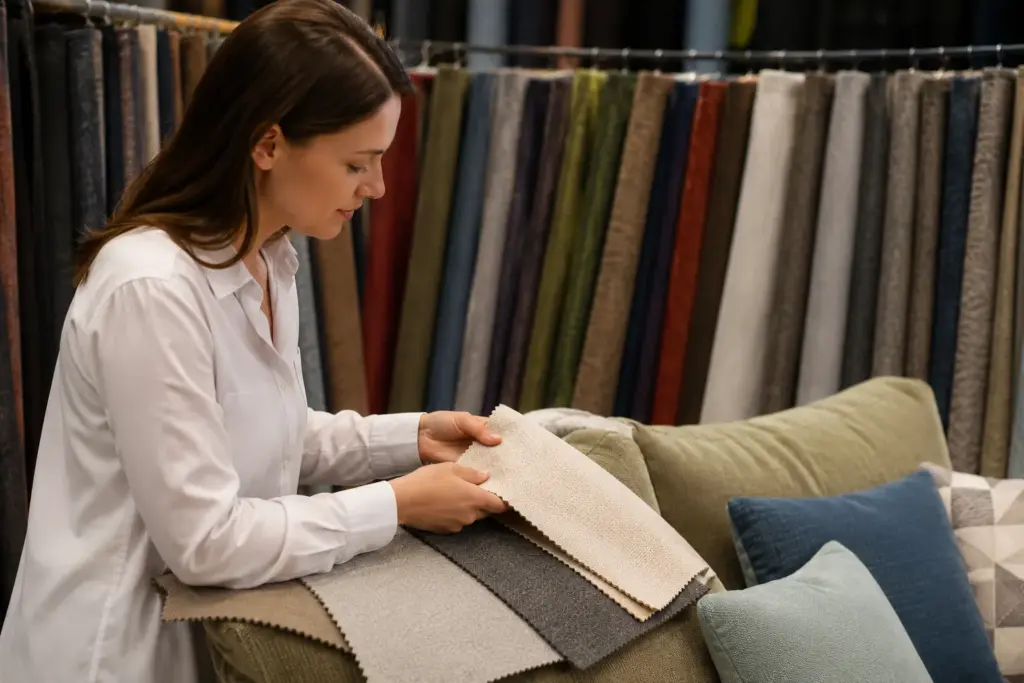
Ho prestato per la prima volta molta attenzione al tessuto in olefina quando un acquirente mi ha chiesto di confrontarlo con poliestere Per una linea di prodotti per esterni. La richiesta sembrava semplice: l'acquirente desiderava un tessuto resistente all'acqua, che mantenesse il colore e che rientrasse in una fascia di prezzo ristretta. Dopo averne verificato l'utilizzo reale, ho scoperto che l'olefina era utile, ma solo quando il design del prodotto ne sfruttava i punti di forza. È così che considero ancora oggi l'olefina. Non la considero un materiale magico, ma un materiale pratico con i suoi limiti.
Che cos'è il tessuto olefinico e cosa comprende realmente il termine olefinico?
Molti acquirenti vedono la parola olefina e non sono sicuri. Il nome suona tecnico e questo può creare dubbi durante fonte colloqui.
Il termine olefina si riferisce a un gruppo di fibre sintetiche ricavate da materiali poliolefinici. Nell'ambito dell'approvvigionamento di tessuti, olefina si riferisce solitamente al polipropilene. fibra di olefina. Quindi, quando le persone chiedono cos'è il tessuto olefinico, di solito si riferiscono a un tessuto realizzato con fibra di polipropilene.
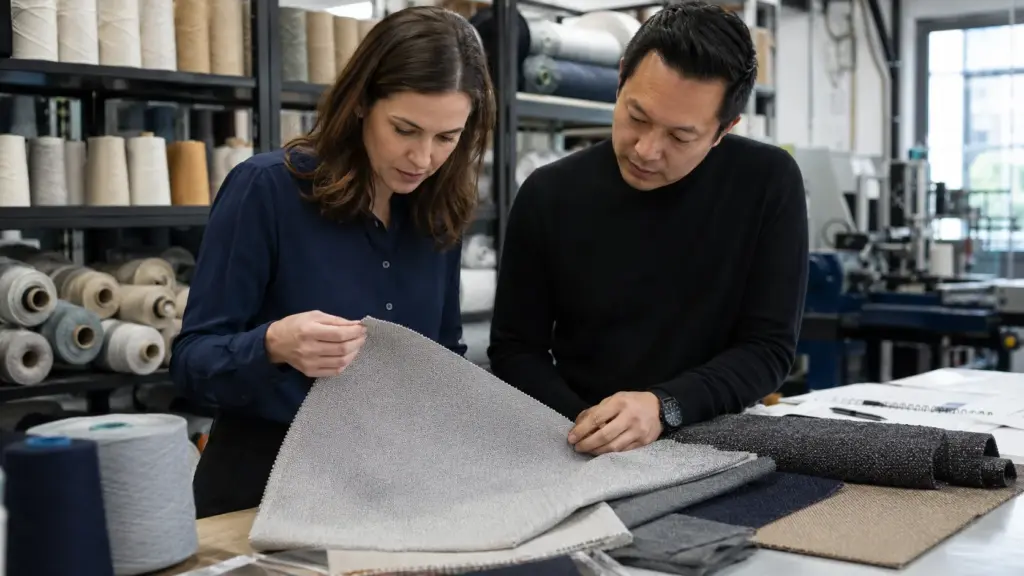
Definizione di base di olefina
Quando spiego cos'è l'olefina agli acquirenti, cerco di essere conciso. Il tessuto in olefina è un tessuto sintetico a base di polipropilene. Il polipropilene è un polimero plastico che può essere fuso, fatto passare attraverso piccoli fori e trasformato in lunghe fibre. Queste fibre di olefina possono poi essere tessute, lavorate a maglia o trasformate in tessuto non tessuto.
Alcuni acquirenti cercano anche "cos'è l'olefina" o "definizione di olefina". Nella maggior parte delle discussioni sul settore tessile, la domanda è sempre la stessa: vogliono sapere se il materiale olefinico è sicuro, resistente, lavabile e adatto al loro prodotto.
| Termine di ricerca | Significato semplice |
|---|---|
| cos'è un'olefina | Una famiglia di materiali sintetici |
| tessuto in olefina | Tessuto realizzato in fibra di olefina |
| polipropilene olefina | Olefina ricavata dal polipropilene |
| Che cos'è la fibra olefinica? | Una fibra realizzata in polimero poliolefinico |
| tessuto in olefina | Tessuto realizzato con fibra di olefina |
Perché gli acquirenti utilizzano il materiale olefinico
Vedo che l'olefina viene utilizzata quando il prodotto necessita di un basso assorbimento d'acqua, una buona resistenza alle macchie e un costo contenuto. Non è una fibra di lusso. È una fibra performante e conveniente. Per un marchio di moda, questo è importante. Un materiale può apparire bello in un campione, ma deve anche funzionare nella produzione in serie, nel trasporto, nello stoccaggio e nell'utilizzo finale.
Il tessuto olefinico viene spesso scelto per tappeti, rivestimenti, tessuti per mobili da esterno, borse riutilizzabili, tessuti industriali e alcuni articoli di abbigliamento sportivo. Nei progetti di abbigliamento, di solito testo prima la sensazione al tatto perché alcuni tessuti olefinici risultano meno morbidi rispetto ai misti poliestere o cotone. Quindi la domanda giusta non è solo "cos'è l'olefina?", ma piuttosto "l'olefina è adatta all'uso finale di questo prodotto?".“
Quali sono le principali caratteristiche delle olefine che gli acquirenti dovrebbero conoscere?
Un tessuto può superare un primo controllo visivo ma risultare comunque inadeguato nell'uso reale. Le caratteristiche delle olefine devono essere testate in relazione alle condizioni di utilizzo quotidiane del prodotto.
Le principali caratteristiche delle olefine sono leggerezza, resistenza all'acqua, resistenza alle macchie, asciugatura rapida, buona resistenza meccanica, resistenza allo scolorimento e basso assorbimento di umidità. Queste qualità rendono le olefine utili per tappeti, rivestimenti, articoli per esterni e alcuni capi di abbigliamento tecnico.
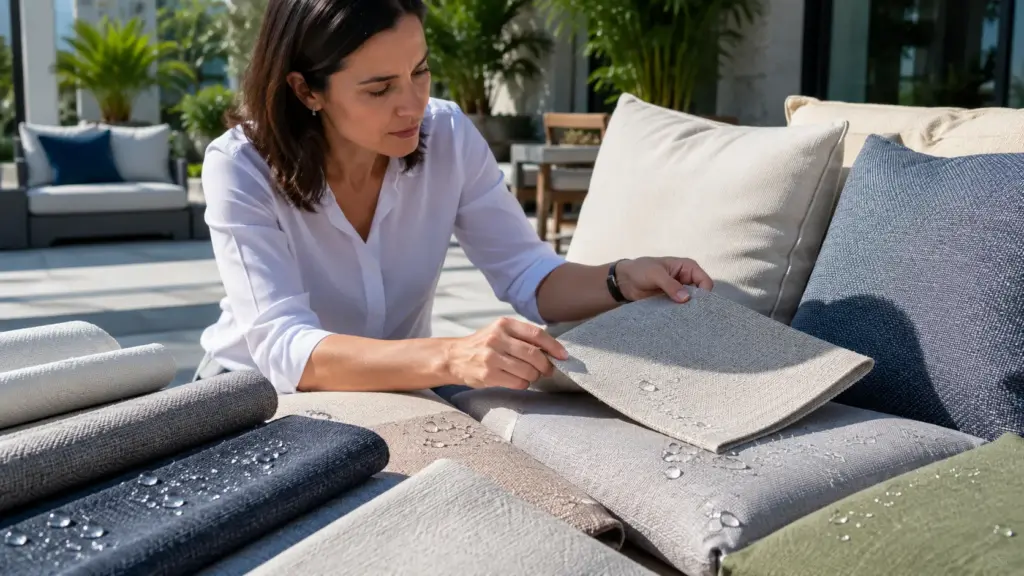
Caratteristiche prestazionali nei prodotti reali
Nel mio lavoro in fabbrica, cerco di non giudicare un tessuto da un solo piccolo campione. Chiedo dove verrà venduto il prodotto finito, come verrà lavato, a quanta luce solare sarà esposto e quale fascia di prezzo si aspetta l'acquirente. I tessuti in olefina spesso si comportano bene quando l'umidità è il problema principale. Non assorbono acqua come il cotone, si asciugano rapidamente e resistono a molte macchie perché i liquidi non penetrano facilmente nelle fibre.
| Caratteristica dell'olefina | Vantaggio per l'acquirente | Dove è utile |
|---|---|---|
| Basso assorbimento d'acqua | Asciuga rapidamente | Cuscini da esterno, borse, tappeti |
| Peso leggero | Più facile da gestire | Articoli da viaggio, fodere, articoli sportivi |
| Resistenza alle macchie | Cure più semplici | Rivestimenti, tappeti, tessuti per la casa |
| Buona forza | Durata di utilizzo più lunga | Tessuto industriale, supporto per moquette |
| resistenza al colore | Migliore aspetto esterno | Tessuti per patio, tende da sole, coperture |
Il materiale olefinico è impermeabile?
Molti acquirenti chiedono: "Il tessuto in olefina è impermeabile?". Rispondo con cautela. La fibra di olefina in sé è altamente resistente all'acqua, ma il tessuto finale potrebbe non essere completamente impermeabile. Un tessuto in olefina intrecciato può comunque permettere all'acqua di passare attraverso gli spazi tra i fili. Se l'acquirente necessita di una vera impermeabilità, il tessuto potrebbe richiedere un rivestimento, una laminazione o una costruzione speciale.
Questo punto è importante nella fase di approvvigionamento. Un rappresentante di vendita potrebbe liquidare la questione con troppa fretta, affermando che il materiale è "impermeabile". Preferisco invece verificare lo standard di prova. Ad esempio, una giacca antipioggia, una fodera per divano da esterno e un tappeto in olefina non necessitano delle stesse prestazioni in termini di impermeabilità. Se Maria, una buyer russa, mi chiedesse informazioni sull'olefina per una linea stagionale da esterno, prima di confermare la produzione in serie, richiederei i risultati del test di resistenza alla pressione dell'acqua, del test di solidità del colore e del test di abrasione.
Quali sono i principali svantaggi dei tessuti in olefina?
Un prezzo basso può nascondere problemi futuri. Il tessuto in olefina ha dei vantaggi, ma ignorarne gli svantaggi può causare recensioni negative dopo la spedizione.
I principali svantaggi dei tessuti in olefina sono la minore resistenza al calore, la possibile fusione ad alte temperature, le opzioni di tintura limitate, la possibile formazione di pelucchi o lo schiacciamento in alcune lavorazioni e una sensazione al tatto meno naturale rispetto al cotone o alle miscele di poliestere di alta qualità.
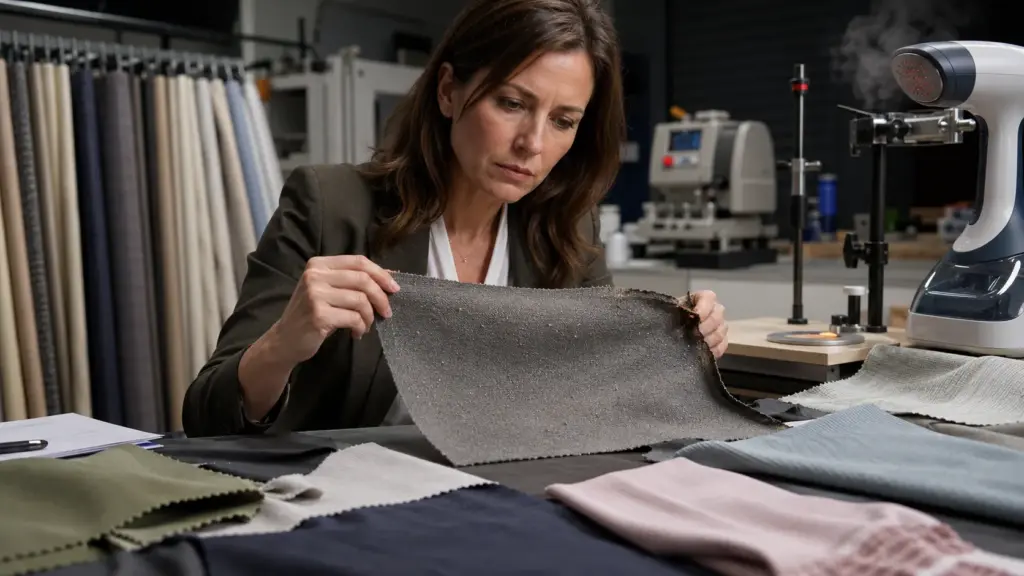
I limiti che verifico prima degli ordini all'ingrosso
Apprezzo l'olefina quando l'acquirente ne comprende i limiti. La principale preoccupazione è il calore. L'olefina può fondersi o deformarsi ad alte temperature. Questo è importante per la stiratura, la stampa a trasferimento termico, l'asciugatura e alcuni processi di finitura. Se un capo di abbigliamento richiede un aspetto stirato e definito, l'olefina potrebbe non essere la scelta migliore. Se un logo necessita di un trasferimento termico ad alta temperatura, la fabbrica deve prima testarlo.
| Svantaggio delle olefine | Perché è importante | Consigli per gli acquisti |
|---|---|---|
| Minore resistenza al calore | Può fondersi o deformarsi | Prova di stiratura e pressa a caldo |
| Più difficile da tingere dopo la lavorazione delle fibre | Le opzioni di colore potrebbero essere limitate | Confermare il colore prima della fase di filatura |
| Tocco meno naturale | Potrebbe sembrare artificiale | Verifica la sensazione al tatto con il campione dell'acquirente. |
| problema delle macchie d'olio | L'olio può essere più difficile da rimuovere | Evitare l'uso di prodotti oleosi |
| Non biodegradabile | I rifiuti rimangono più a lungo | Informati sulle opzioni di riciclaggio. |
Svantaggi delle fibre di olefina nell'abbigliamento
Per quanto riguarda l'abbigliamento, gli svantaggi delle fibre di olefina richiedono particolare attenzione. Un tessuto per tappeti può essere rigido. Un tessuto per la moda femminile deve avere drappeggio, comfort e una piacevole sensazione sulla pelle. L'olefina può essere utilizzata per fodere, pannelli funzionali, accessori sportivi e alcune parti di capispalla. Tuttavia, non la userei ciecamente per un abito morbido, una t-shirt di alta qualità o una camicetta di lusso, a meno che il tessuto non sia stato sviluppato specificamente per quello scopo.
L'altro problema è la comunicazione. Alcuni fornitori si limitano a dire che "l'olefina è economica e resistente". Questo non basta per un acquirente serio. Consiglio sempre di richiedere un rapporto di prova, le istruzioni per la cura del capo, i dati sul restringimento, i dati sulla solidità del colore e un campione dopo il lavaggio. Un piccolo test può far risparmiare un'intera stagione. Ho visto acquirenti perdere tempo perché il primo campione sembrava perfetto, ma il tessuto in grandi quantità non corrispondeva al livello di comfort promesso dal marchio.
I tessuti in olefina sono cancerogeni o sicuri?
I dubbi sulla sicurezza possono far desistere rapidamente dall'acquisto. Gli acquirenti spesso chiedono informazioni sul rischio di cancro, poiché le olefine sono sintetiche e derivate da materiali plastici.
I tessuti in olefina sono generalmente considerati sicuri per il normale utilizzo tessile, a condizione che siano prodotti e rifiniti secondo standard adeguati. Alla domanda "i tessuti in olefina causano il cancro?" si dovrebbe rispondere attraverso la sicurezza dei materiali, test chimici e certificazioni, non tramite supposizioni.
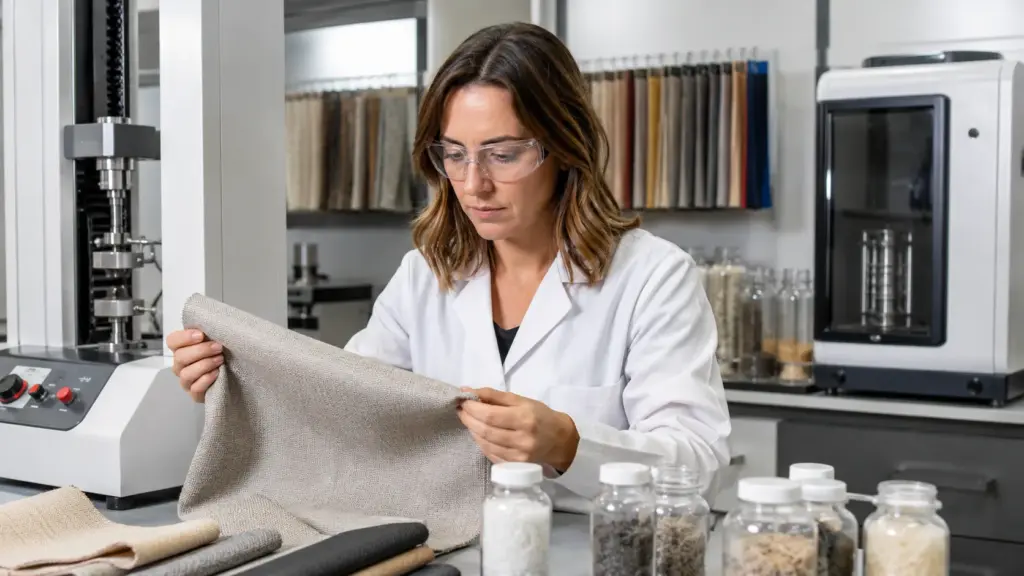
Il mio punto di vista sulla sicurezza
Quando un acquirente mi chiede: "L'olefina è tossica?", non do una risposta superficiale. Spiego che il polipropilene olefinico è ampiamente utilizzato in molti prodotti, ma la sicurezza finale dipende da additivi, coloranti, rivestimenti, ritardanti di fiamma e prodotti chimici di finitura. La fibra di base è solo una parte del quadro. Un tessuto sicuro deve avere anche un processo di lavorazione sicuro.
| Domanda sulla sicurezza | Risposta pratica |
|---|---|
| I tessuti in olefina causano il cancro? | Verificare i risultati dei test e delle sostanze chimiche soggette a restrizioni. |
| I tessuti in olefina sono sicuri? | Può essere sicuro se prodotto e certificato correttamente. |
| L'olefina è tossica? | Il rischio finale dipende dagli additivi e dalle finiture |
| cos'è il materiale olefinico | Solitamente si tratta di un materiale sintetico a base di polipropilene. |
| quali certificati sono utili | OEKO-TEX, REACH, CPSIA quando necessario |
Perché i certificati sono importanti per gli acquirenti
Maria una volta mi disse che una delle sue più grandi paure erano i certificati falsi. Capisco questa paura. Un documento può sembrare professionale, ma potrebbe non corrispondere al tessuto reale. Nel mio lavoro, consiglio di verificare il numero del certificato, il laboratorio di analisi, l'ambito di applicazione del prodotto e la data di validità. Suggerisco anche di inviare grandi quantità di tessuto per analisi a terzi quando l'ordine è consistente o quando il prodotto è destinato a bambini, intimo o articoli a contatto con la pelle.
Per i prodotti in olefina, gli acquirenti devono prestare attenzione alle sostanze soggette a restrizioni, ai metalli pesanti, alla formaldeide, ai coloranti azoici e ai ritardanti di fiamma, qualora questi vengano utilizzati. Un normale tessuto per tappezzeria in olefina può avere trattamenti chimici di finitura diversi da una semplice sacca in tessuto di olefina. Pertanto, il controllo di sicurezza deve corrispondere al prodotto finale. Non consiglierei a un acquirente di fidarsi solo della promessa del fornitore. Richiederei piuttosto un rapporto di prova reale, relativo al lotto di tessuto.
A cosa servono i tappeti, le moquette e i tessuti per tappezzeria in olefina?
Alcuni tessuti sono più adatti per l'arredamento che per la moda. L'olefina è uno di quei materiali che spesso si presta bene alla realizzazione di tappeti e rivestimenti.
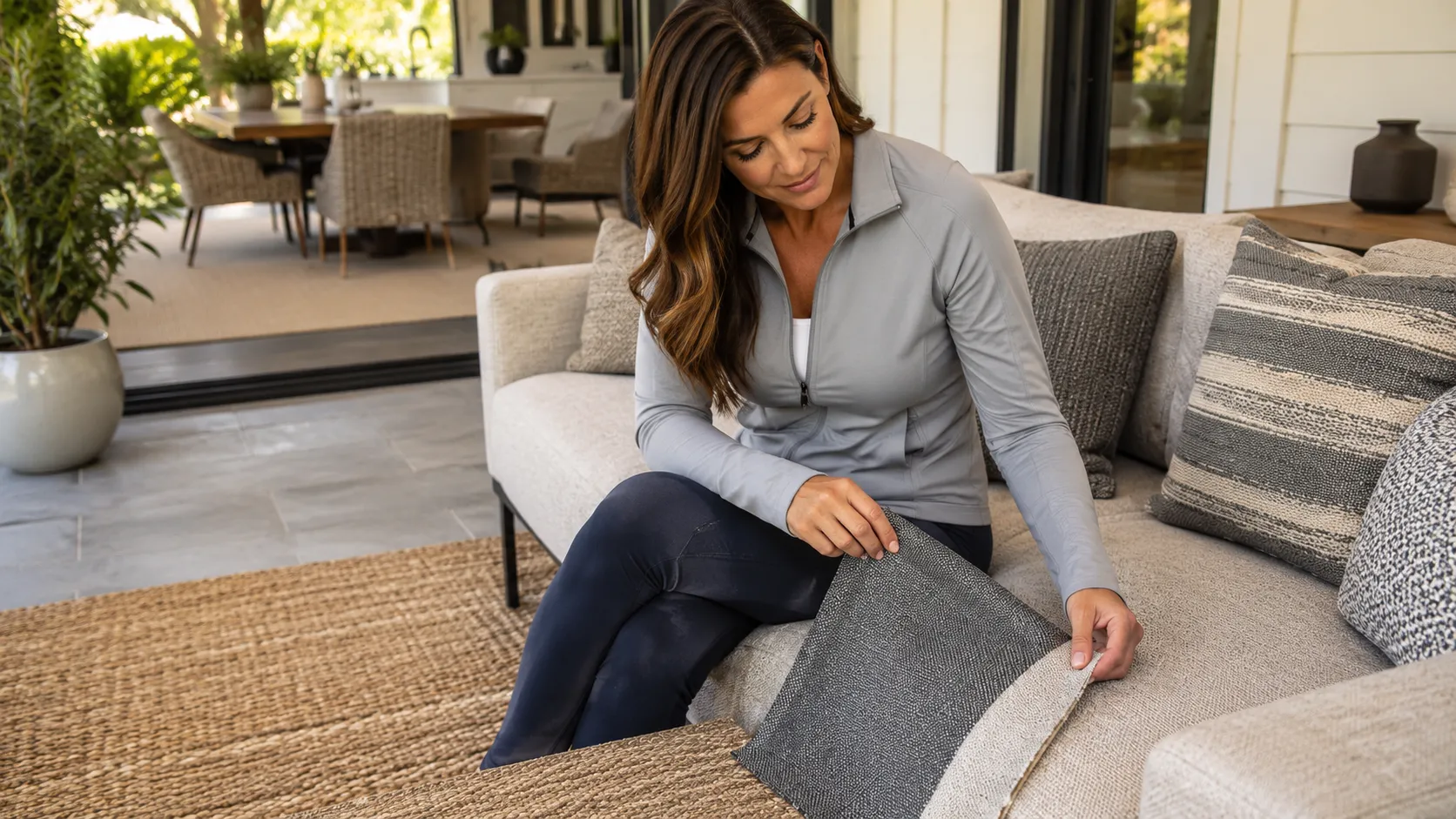
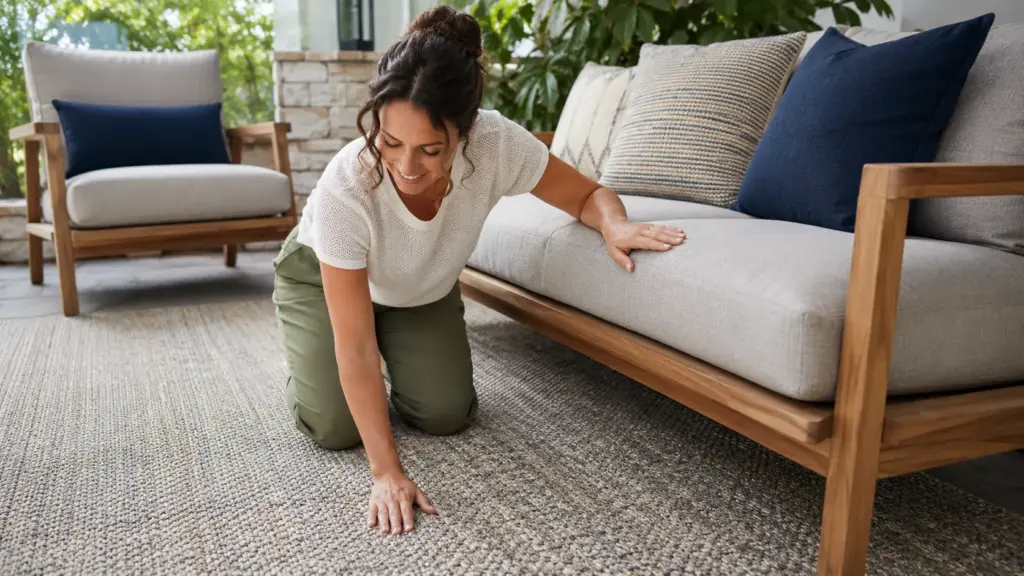
I tappeti e le moquette in olefina sono prodotti per pavimenti realizzati con fibra di olefina. Il tessuto di rivestimento in olefina viene utilizzato per divani, sedie, cuscini e mobili da esterno perché resiste all'umidità, alle macchie, allo scolorimento e all'usura quotidiana in diversi ambienti.
Usi comuni delle olefine
Gli usi delle olefine sono molteplici grazie alla loro leggerezza, resistenza ed economicità. Nei prodotti per la casa, vengono spesso utilizzate per tappeti, moquette, imbottiture, coprimaterassi, fodere per cuscini e tessuti per mobili da esterno. Nei prodotti industriali, trovano impiego in tessuti per imballaggio, materiali filtranti, coperture protettive e articoli in tessuto non tessuto. Nelle filiere della moda, le si ritrovano più frequentemente in borse, finiture, fodere, pannelli funzionali e alcuni articoli sportivi o per attività all'aperto.
| Tipo di prodotto | Perché l'olefina funziona |
|---|---|
| Che cos'è un tappeto in olefina? | Un tappeto realizzato con fibra di olefina per resistere alle macchie. |
| Che cos'è un tappeto in olefina? | Un tappeto realizzato con fibra di olefina per una facile manutenzione. |
| Tessuto per tappezzeria in olefina | Utile per cuscini da mobili e da esterno |
| Tessuto in olefina al metro | Acquistato per piccole produzioni o campionature |
| Prodotti olefinici | Tappeti, coperture, borse, tappezzeria, articoli per esterni |
Perché è popolare nell'arredamento e nei tessuti per la casa
Il tessuto per tappezzeria in olefina è molto apprezzato perché resiste all'umidità e alle macchie più comuni meglio di molte fibre naturali. Inoltre, è spesso più economico di alcuni tessuti per esterni di alta gamma. Per gli acquirenti all'ingrosso, questo è un aspetto importante, poiché prezzo, tempi di consegna e rischi post-vendita incidono sul profitto.
Ma controllo comunque la fattura. Un tessuto olefinico economico al metro potrebbe non avere la stessa resistenza all'abrasione di un tessuto di qualità superiore. Un tappeto in una stanza poco frequentata ha esigenze diverse da un tappeto nella hall di un hotel. Un cuscino da esterno in Norvegia ha esigenze diverse da un cuscino da patio in Arabia Saudita. Il nome del materiale da solo non determina la qualità. Il filato, la tessitura, il peso, la finitura, il supporto e i risultati dei test determinano il livello del prodotto finale.
Questa lezione è utile anche per chi acquista abbigliamento. Non limitatevi a scegliere in base al nome della fibra. Scegliete in base alle prestazioni desiderate. L'olefina può essere utile, ma solo quando la struttura del tessuto è adatta al prodotto.
Tessuto in olefina o in poliestere: quale scegliere?
Due tessuti possono sembrare simili in uno showroom, ma comportarsi in modo diverso dopo l'uso. Il confronto tra poliestere e olefina è frequente nella fase di approvvigionamento.
La scelta tra tessuto in olefina e poliestere dipende dall'utilizzo finale. L'olefina è più adatta per un basso assorbimento d'acqua e una maggiore resistenza alle macchie. Il poliestere è generalmente più indicato per la varietà di capi d'abbigliamento, la resistenza al calore, le opzioni di tintura, la morbidezza al tatto e un'ampia gamma di applicazioni nel settore della moda.
Il mio semplice confronto per gli acquirenti
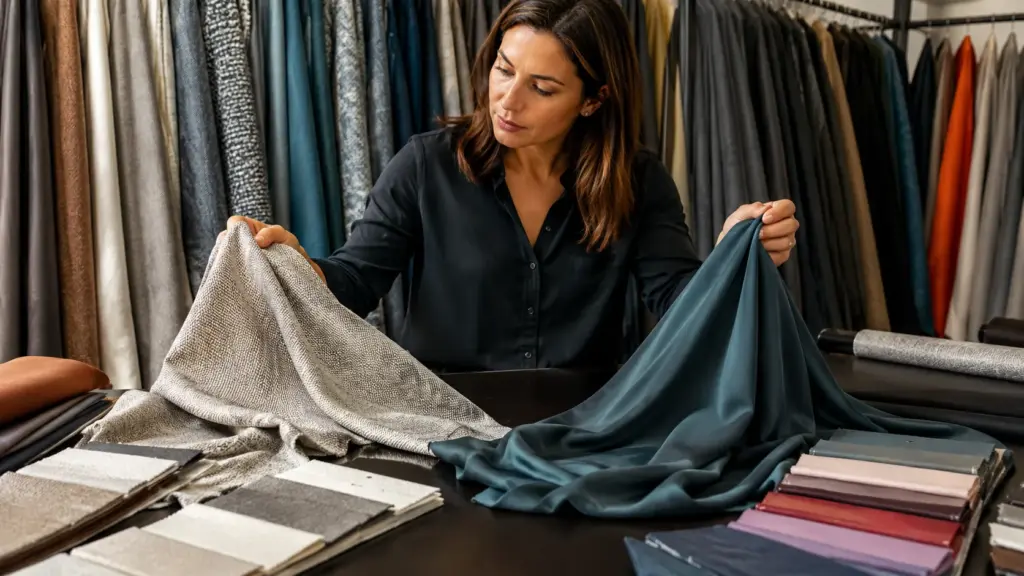
Quando gli acquirenti mi chiedono informazioni sul poliestere rispetto all'olefina, la prima cosa che chiedo riguarda il prodotto. Per l'abbigliamento, il poliestere offre solitamente maggiore libertà di design. Può essere trasformato in chiffon, raso, pile, rete, pongee, taffetà e molte altre texture. Inoltre, si presta ai processi di lavorazione più comuni nel settore tessile. Per tappezzeria, cuscini da esterno, tappeti e moquette, l'olefina può essere molto competitiva grazie alla sua resistenza all'umidità e alle macchie.
| Punto di confronto | Olefina | Poliestere |
|---|---|---|
| Assorbimento dell'acqua | Molto basso | Basso, ma solitamente superiore a quello delle olefine |
| resistenza al calore | Inferiore | Di solito è meglio |
| Flessibilità nella tintura | Più limitato | Opzioni più ampie |
| Uso dell'abbigliamento | Più limitato | Molto ampio |
| Utilizzo per tappezzeria | Ottima opzione | Anche forte |
| Costo | Spesso competitivo | Ampia gamma di prezzi |
Come sceglierei in un ordine reale
Per un abito da donna, di solito inizierei con poliestere, viscosa, misto cotone o altri tessuti per abbigliamento prima di considerare l'olefina. Per una borsa della spesa riutilizzabile, un cuscino da esterno, un tappeto o un tessuto per mobili, prenderei in considerazione l'olefina fin da subito. Per l'abbigliamento sportivo, confronterei lo stesso tessuto in olefina con un tessuto tecnico in poliestere perché comfort e gestione del sudore sono importanti.
Il vero errore è chiedersi: "Quale tessuto è migliore?". Questa domanda è troppo generica. Preferisco chiedermi: "Quale tessuto è più adatto a questo prodotto, a questo mercato, a questa etichetta di lavaggio, a questo prezzo obiettivo e a questa data di consegna?". Un acquirente russo che vende articoli per la casa a marchio privato potrebbe scegliere l'olefina per tappeti e rivestimenti. Lo stesso acquirente potrebbe scegliere il poliestere per abiti e giacche. Entrambe le scelte possono essere corrette quando l'obiettivo del prodotto è chiaro.
Qual è l'impatto ambientale del tessuto in polipropilene olefinico?
Un tessuto può essere utile e al contempo generare problemi di spreco. L'impatto ambientale delle olefine richiede un'analisi equilibrata, non semplici elogi o semplici critiche.
Il tessuto in polipropilene olefinico presenta sia vantaggi che svantaggi. Può richiedere meno acqua rispetto ad alcune fibre naturali ed è riciclabile, ma è derivato dal petrolio, non è biodegradabile e può persistere nell'ambiente se i rifiuti non vengono gestiti correttamente.

Aspetti positivi e negativi
Non presento l'olefina come un tessuto completamente ecologico. Non sarebbe onesto. Si tratta di un materiale sintetico. Nella maggior parte dei casi, la sua produzione deriva da risorse fossili. Non è biodegradabile come alcune fibre naturali. Questo è un punto cruciale per gli acquirenti che vendono a mercati con forti aspettative in termini di sostenibilità.
Allo stesso tempo, in alcuni casi le olefine possono presentare vantaggi pratici dal punto di vista ambientale. Sono leggere, il che può ridurre il peso del trasporto. Sono resistenti all'umidità e alle macchie, il che può contribuire a prolungare la durata di alcuni prodotti. Inoltre, possono essere riciclate se esiste un sistema di raccolta e riciclaggio adeguato.
| Punto ambientale | Significato per gli acquirenti |
|---|---|
| Basso assorbimento d'acqua | Minore quantità di acqua trattenuta durante l'utilizzo del prodotto |
| Prestazioni durature | Maggiore durata del prodotto in alcuni utilizzi |
| Materiale riciclabile | Possibile utilizzo circolare in caso di raccolta |
| A base di petrolio | Non è una fibra naturale rinnovabile |
| Non biodegradabile | I rifiuti possono rimanere per lungo tempo |
Come gestisco le questioni relative alla sostenibilità
Quando un acquirente mi chiede se l'olefina sia sostenibile, non rispondo con una sola parola. Chiedo informazioni sul mercato, sulla durata del prodotto, sulle aspettative del cliente e sul piano di smaltimento. Un tessuto per cuscini da esterno di lunga durata potrebbe essere più ragionevole di un prodotto promozionale di breve durata che viene gettato via rapidamente. Un'opzione in olefina riciclata potrebbe essere migliore del materiale vergine, a condizione che la qualità e la tracciabilità siano stabili.
Per gli acquisti B2B, il passo migliore è richiedere documentazione chiara. Questa può includere prove del contenuto riciclato, test di sicurezza chimica, registri di audit di fabbrica e dati di controllo della produzione. Suggerisco inoltre di evitare la sovrapproduzione. Un tessuto "verde" diventa comunque uno spreco se l'acquirente ne ordina troppo o sceglie il modello sbagliato. A mio avviso, un approvvigionamento responsabile significa abbinare materiale, funzionalità, prezzo e domanda reale.
Come dovrebbero fare gli acquirenti a reperire tessuti in olefina dalla Cina?
Anche la scelta di un buon tessuto può rivelarsi un fallimento se la provenienza non è controllata. I tessuti in olefina richiedono campioni chiari, regole di prova precise e una comunicazione onesta con i fornitori.
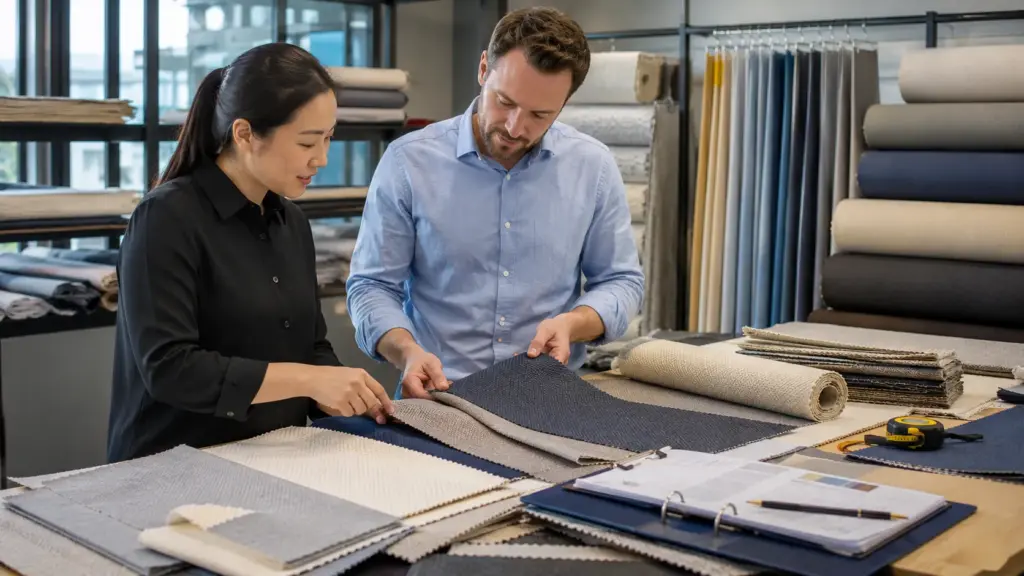
Prima di effettuare ordini all'ingrosso, gli acquirenti dovrebbero procurarsi tessuti in olefina dalla Cina verificando la composizione delle fibre, il peso del tessuto, la larghezza, la consistenza al tatto, la solidità del colore, la resistenza all'acqua, la resistenza all'abrasione, le certificazioni, il prezzo, i tempi di consegna e le condizioni logistiche.
La mia pratica lista di controllo per l'approvvigionamento
In qualità di produttore di abbigliamento in Cina, ho imparato che gli ordini migliori iniziano con dettagli chiari. Un acquirente può dire "Ho bisogno di tessuto olefinico". Ma il fornitore ha comunque bisogno di conoscere il prodotto finale, il peso del tessuto, il colore, la finitura, la larghezza, la quantità, il metodo di imballaggio e i requisiti di collaudo. Senza questi dettagli, il preventivo può sembrare allettante ma risultare inutile in seguito.
| Articolo di approvvigionamento | Ciò che chiedo |
|---|---|
| Contenuto di fibre | 100% olefina o miscela di olefine |
| Costruzione del tessuto | Tessuto, a maglia, non tessuto o supporto |
| Peso e larghezza | GSM e larghezza utile |
| Test delle prestazioni | Resistenza all'acqua, alle macchie, all'abrasione e al colore |
| Prova di sicurezza | OEKO-TEX, REACH o test richiesto dall'acquirente |
| Controllo di massa | Campione di laboratorio, campione di pre-produzione, ispezione finale |
Perché la comunicazione in fabbrica è importante
Una comunicazione inadeguata è uno dei maggiori rischi nell'approvvigionamento dalla Cina. Ho visto acquirenti perdere tempo perché il fornitore non aveva chiarito tempestivamente i limiti. Nel caso delle olefine, questi limiti possono includere restrizioni termiche, limitazioni di colore, modifiche al rivestimento o ritardi nelle consegne. Un acquirente sicuro di sé come Maria può condurre la conversazione, ma ha comunque bisogno di un fornitore che risponda in modo chiaro e non nasconda i problemi.
In Truekung, preferisco discutere i rischi prima di procedere con la campionatura. Questo rende l'ordine più agevole. Se l'olefina non è la scelta migliore, preferisco dirlo subito e confrontare poliestere, nylon, misto cotone o altri materiali. Se invece l'olefina è adatta, confermo campioni, test, tempi di produzione e logistica prima che l'acquirente avvii la stagione di vendita. Nel commercio all'ingrosso, il tessuto migliore non è solo quello con buone proprietà, ma anche quello che arriva in tempo, supera i controlli di qualità e contribuisce al profitto.
Conclusione
Il tessuto in olefina è pratico, resistente ed economico, ma gli acquirenti devono abbinarlo al prodotto giusto, allo standard di prova adeguato e al controllo del fornitore.
Lavora con Truekung
Se state cercando tessuti in olefina, poliestere o capi di abbigliamento su misura dalla Cina, posso aiutarvi a confrontare i materiali, verificare i campioni, controllare la qualità e gestire la produzione con una comunicazione chiara.
Truekung collabora con marchi, grossisti e supermercati in tutto il mondo. Offriamo servizi di produzione di abbigliamento OEM/ODM, supporto per l'approvvigionamento di tessuti, sviluppo di campioni, produzione in serie, controllo qualità e servizi di esportazione.
Contattami per discutere del tuo prossimo progetto di abbigliamento.
Lancy Chia
Truekung
E-mail: [email protected]
Sito web: https://truekung.com
Visualizzazioni: 169