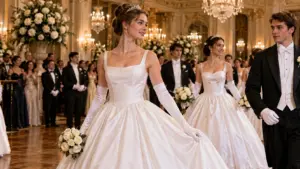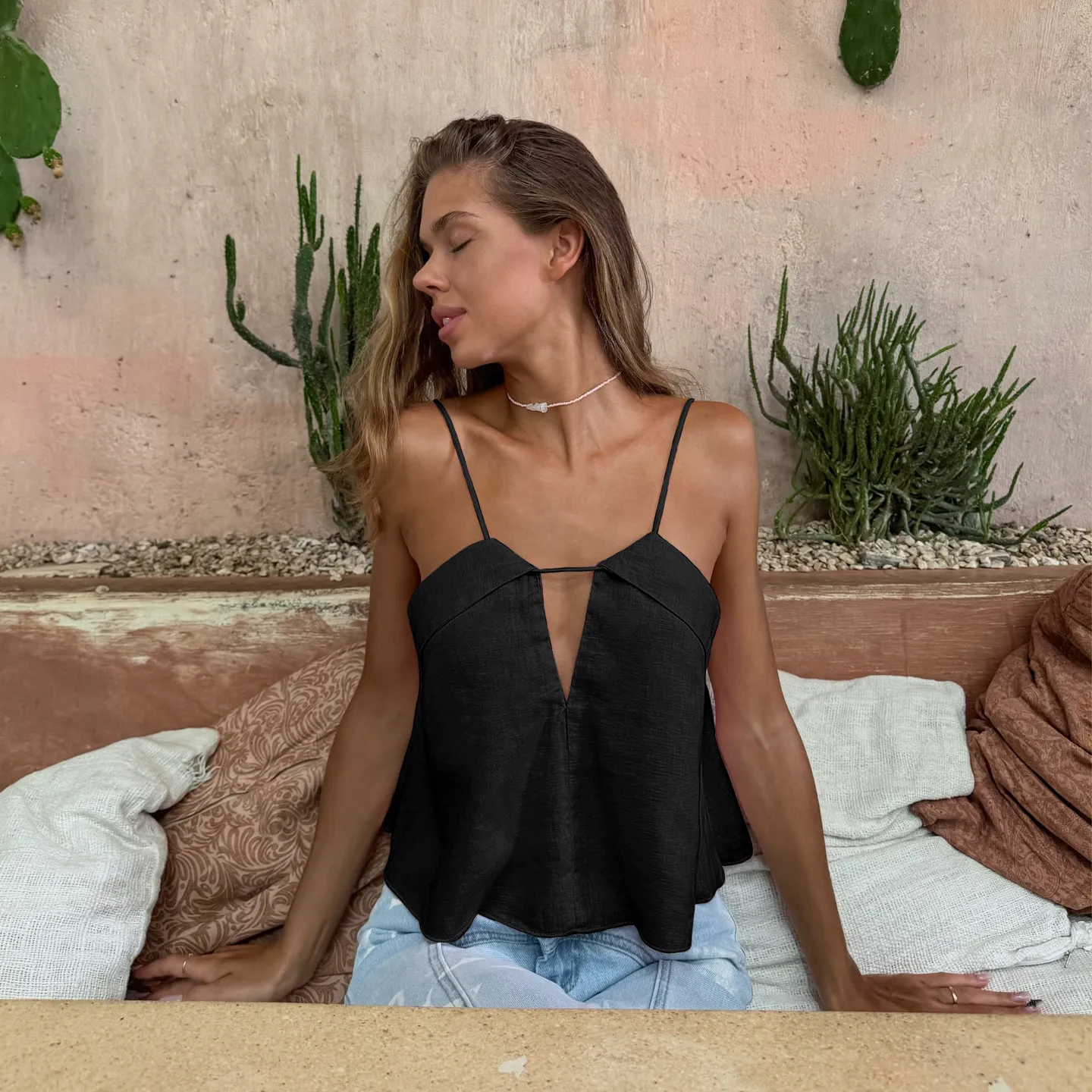

Luxus Úgy érzem, “visszatért”, de a postaládám más történetet mutat. A vevők bizonyosságot akarnak. A piac vegyes jelzéseket ad. Ez a különbség kockázatosnak tűnik a tervezés szempontjából.
Igen, a luxuscikk-piac visszatérése továbbra is jó úton halad, de egyenetlennek tűnik. A növekedési előrejelzések helytállóak, de a geopolitikai és utazási sokkok gyorsan leállíthatják a keresletet, különösen a Közel-Keleten. Én egy fellendülésre számítok, de tartalékokat építek be és gyorsabban reagálok.

Továbbra is a luxust nézem divat hírek és luxusmarketing hírek, mert ezek megmozgatják az én termelés tervek. Az egyik héten az ügyfelek több egységet követelnek. A következő héten halasztást kérnek. Én a hullámzás közepén maradok, ezért szükségem van egy egyszerű módszerre, hogy megítéljem, még mindig tart-e a fellendülés.
Miért vált hirtelen a Közel-Kelet a luxuspiac stressztesztjévé?
A Közel-Kelet mindig is egy fényes pont volt, így minden ottani sokk gyorsan aláásta a bizalmat. Amikor a járatok változnak és a gyalogosforgalom csökken, az ügyfeleim érzik meg először. Aztán én is.
Egy konfliktus lelassíthatja az üzlet forgalmát és az áruk mozgását is. Ez azt jelenti, hogy még a lelkes vásárlók sem biztos, hogy időben észreveszik az új termékeket. Én úgy kezelem a régiót, mint egy műszerfal lámpát: amikor villog, mindent ellenőrzök.
Amit először nézek meg (és miért nézem)
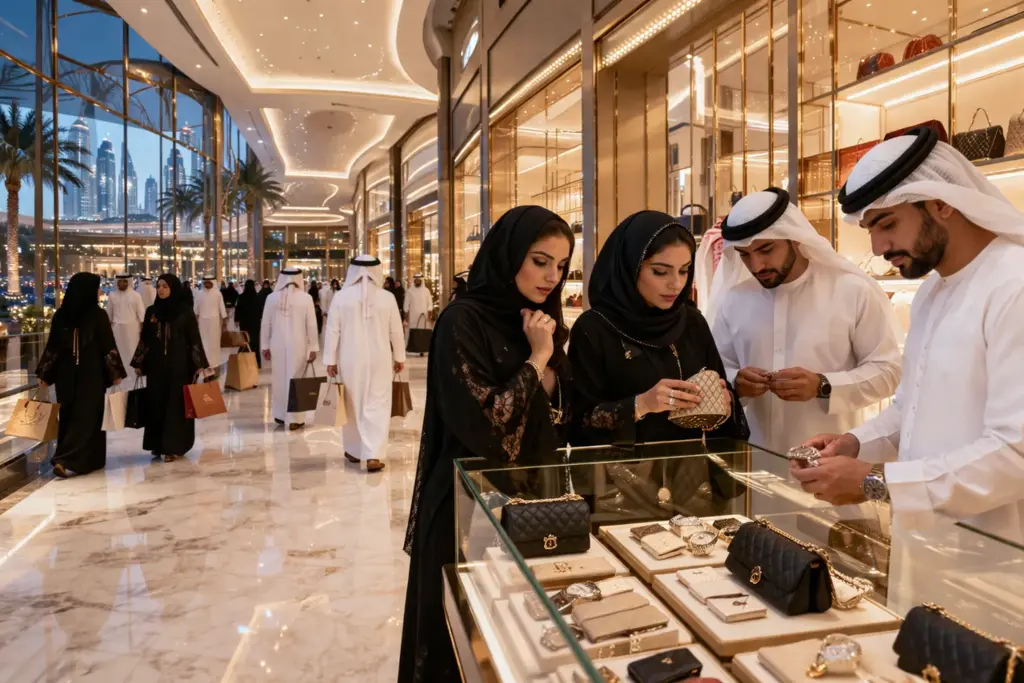
Egy egyszerű ténnyel kezdeném: a Közel-Kelet nem a globális luxuscikkek eladásainak legnagyobb részét teszi ki, de egy kulcsfontosságú ingadozó piac. A legfrissebb jelentések szerint a régió a globális luxuscikkek eladásainak 5-61 tripláját teszi ki, és az Egyesült Arab Emírségek ennek a regionális összesítésnek a nagy részét teszi ki. Ez számomra azért fontos, mert egy “kis” részesedés is befolyásolhatja a hangulatot, az utazási kiskereskedelmet és a szezonális termékbevezetéseket. A ramadán időzítését is figyelem, mert előrehozhatja a vásárlásokat, és az európai utazásokat is. Ha az utazás gyengül, a luxusvásárlás mindkét régióban egyszerre enyhülhet. Nincs szükségem tökéletes előrejelzésekre. Korai jelzésekre van szükségem.
“Lerajzolom a reakció fő termékét”
Amikor a Közel-Kelet erős, gyakran látom, hogy megnő az igény a státuszt egyértelműen mutató, meghatározó termékekre. Amikor a régió bizonytalanná válik, gyakran látom, hogy az ügyfelek a biztonságosabb nyertesek felé fordulnak. Szeretném világosan megfogalmazni ennek a reakciónak a fő eredményét:
| Piaci hangulat, amit a vevőktől hallok | Amit látok, gyorsabban mozog | Amit látok, az lelassul |
|---|---|---|
| Magabiztos és ünneplő | Alkalmi ruhák, díszes szettek, prémium felsőruházat | Alapvető kötött felsők |
| Óvatos, de mégis vásárol | Klasszikus kabátok, letisztult szabás, igényes darabok | Hangos logó megjelenés |
| A logisztika kockázatosnak tűnik | Raktáron lévő kapszulák, ismétlődő stílusok, kisebb cseppek | Új szövetek hosszú átfutási idővel |
“Definiálja a nehéz helyzetben lévők fogalmát” – ahogyan én használom a beszerzésben
Amikor azt mondom, hogy egy kategória “szorult helyzetben van”, arra gondolok, hogy nagy nyomás alatt áll, és sok oldalról éri csapás. Nyomás alatt állhat a gyenge kereslet, a magas árak és a lassú készletforgás miatt. 2026-ban néhány vágyott luxuscikket szorult helyzetbe hoznak, mivel a vásárlók értéket akarnak, és a márkák az elmúlt években sokat emelték az árakat.
Mit jelent valójában egy 4/6 százalékos előrejelzés a megrendeléseimre nézve?
Az előrejelzések tiszták, de a megrendelések kuszák. Egy 4/6 százalékos szalagcím elrejtheti a régiók és termékek közötti nagy ingadozásokat. Iránymutatásként használom, nem ígéretként.
Ha az elemzők 4–6 százalékos célt tartanak, akkor sem növelem vakon a termelést. A kockázatot az időzítés, az anyagok és a SKU-mélység között osztom el. “Továbbra is folyamatban lévő” piacra tervezek, de felkészülök a szünetekre is.

Amit szerintem a “4–6%” sor valójában elárul nekem
Amikor 4–6 százalékos növekedési célt olvasok a piacon, azt hallom, hogy “mérsékelt növekedés, de bizonytalansággal”. Egyes hírek szerint az elemzők a geopolitikai bizonytalanság ellenére is 4–6% globális organikus bevételnövekedési célt tartottak fenn. Emellett a szélesebb körű iparági munkára támaszkodom, amely a luxuscikkek összkiadását stabilnak tekinti, majd a körülmények javulásakor mérsékelt növekedéshez tér vissza. Tehát nem egyetlen tényezőként kezelem a 4–6% mutatókat. Úgy kezelem őket, mint egy sor eredményt.
Hogyan fordítom le ezt egy gyári tervvé
Három sávban gondolkodom: a készpénz védelme, a szállítás védelme, a nyereség védelme. Beszéltem Mariával (egy oroszországi vevővel), aki erősen a minőségre és az árra helyezte a hangsúlyt. Bizonyítékokat szeretett volna a tanúsítványokra, és gyorsabb szállítási határidőket kért. Mondtam neki, hogy mindkettőt meg tudom csinálni, de csak akkor, ha okosabban tervezem a cikkszámokat. Itt segít egy előrejelzési tartomány.
| Tervezési sáv (hogyan futom) | Mit csinálok a gyártásban? | Amit a vevő kap |
|---|---|---|
| Védje a készpénzt | Kisebb mennyiségek, megosztott anyagok, ismétlődő minták | Alacsonyabb kockázat cseppenként |
| Szállítás védelme | Korábbi foglalás, pufferkapacitás, egyszerű vágások | Kevesebb késés |
| Védje fejjel lefelé | “Opcionális” kapacitás a gyors utánrendelésekhez | Sebesség a kereslet megugrásakor |
Ahol az előrejelzés kudarcot vallhat a való életben
Az előrejelzések nem tartalmazzák teljes mértékben a hirtelen utazási korlátozásokat, a szállítási útvonalak átirányítását vagy a rövid távú üzletbezárásokat. Ezek az események a “növekedési évet” a heti eladások “hullámos évévé” változtathatják. Ezért részesítem előnyben azokat a szerződéseket, amelyek lehetővé teszik a megosztott szállítmányokat és a gördülő visszaigazolásokat. Ez mindkét felet megnyugtatja, amikor a piaci hangulat megfordul.
Hogyan kellene változnia a luxusmarketingnek, amikor a figyelem az internetre irányul?
A luxusmarketing ma már nem csak a csillogásról szól. A sebességről, a bizonyítékokról és a bizalomról is. Az emberek először a képernyőn látják a terméket, ezért a vizuális elemeknek valóságosnak kell tűnniük. Ezután a megvalósításnak meg kell felelnie az ígéretnek.
Úgy látom, hogy a márkák az élesebb történetmesélés, a szűkebb választék és a platformokon átívelő tartalmak felé mozdulnak el. A nyertesek könnyen elhiszik a vásárlóknak.

Miért fontosabbak a képek, mint valaha (és miért érdekel)
Amikor egy ügyfél új kapszulát kér tőlem, gyakran képekkel kezdik. Mutatnak egy hangulattáblát. Kampányfotókat mutatnak. Versenytársak hirdetéseit mutatják. Ezért figyelek olyan eszközökre, mint az Offset és a Shutterstock. Az Offset pozicionálása prémium és válogatott, és a Shutterstock azt is kijelentette, hogy az Offset képei mostantól licenceltek a Shutterstock.com-on. Az én világomban ez azért számít, mert a vásárlók ezeket a képi hivatkozásokat használják a “luxus” meghatározására (igen, néhányan szó szerint így írják), mielőtt meghatároznák a specifikációkat. Ezért korán bekérem a képforrásokat, és egy egyértelmű technikai csomagot készítek, amely illik a megjelenéshez.
A furcsa jel: “luxusélet online játék”
A szórakoztatóiparba is átszivárog a vágy. Már egy olyan kifejezés is, mint a “luxusjáték online”, azt mutatja, hogy az emberek egy gyors, játékos formátumú luxusérzetet szeretnének. Én ezt nem termékkategóriaként kezelem. Viselkedési jelzésként kezelem: a vásárlók gyors dopamint, egyértelmű státuszjelzéseket és egyszerű megosztást akarnak. Ez a marketinget a rövid videók, az alkotói tartalmak és az azonnali “öltözködési matematika” felé tereli, mint például: kabát + ruha + táska = egy megjelenés.
Amit megváltoztatok a termékfejlesztésben e váltás miatt
A termékoldalakat és a mintadarabokat könnyebben fotózom. Kerülöm a gördülékeny anyagokat, amelyek a telefonfény alatt elkopnak. Letisztultabb szegélyeket szorgalmazok, amelyek közelről drágának tűnnek. Azt is kérem az ügyfelektől, hogy termékenként egy fő részletet válasszanak, mert az online figyelem kevés.
| Online figyelemminta, amit látok | Termék részletei I push | Miért működik |
|---|---|---|
| Gyors görgetés | Egy erős sziluett | 1 másodperc alatt leolvasható |
| Közeli zoom | Jobb varrás és hardver | Gyorsan jelzi a minőséget |
| Rövid videó | Mozgásbarát anyag | Eladja az érzést |
| Újraküldött kultúra | Tiszta színvilágú történet | Könnyebb formázni |
És még egy szabályt tartok be: nem hagyom, hogy a marketing elrejtse a gyenge minőséget. Amikor a múltban a vásárlókat hamisított tanúsítványokkal égették meg, a bizalom a termék részévé válik. Ez nem opcionális számomra. Ez a játékban maradás ára.
Következtetés
A luxuscikk visszatérése még tart, de egyenetlen. Rugalmas maradok, szorosan figyelemmel kísérem a Közel-Keletet, és olyan terveket szőök, amelyek túlélik a hirtelen szüneteket.
Miért írom ezt
Lancy Chia vagyok, és a Truekungot vezetem Kínában. Kizárólag B2B nagykereskedelemmel foglalkozom. A gyáramban több mint 200 ember dolgozik, és 20 éves export tapasztalattal rendelkezem. Divatos női ruházatot, kabátokat, szoknyákat, ruhákat, farmereket, pólókat, pulóvereket, pehelykabátokat, széldzsekiket, kabátokat, divattáskákat, sportruházatot, gyerekruhát és alsóneműt gyártok. OEM/ODM támogatást nyújtok márkák és szupermarketek számára világszerte.
Ha szeretnél beszélni a következő szezonra vonatkozó terveidről, a [email protected] címen érhetsz el, vagy ellátogathatsz a https://truekung.com weboldalra is.
Nézetek: 143