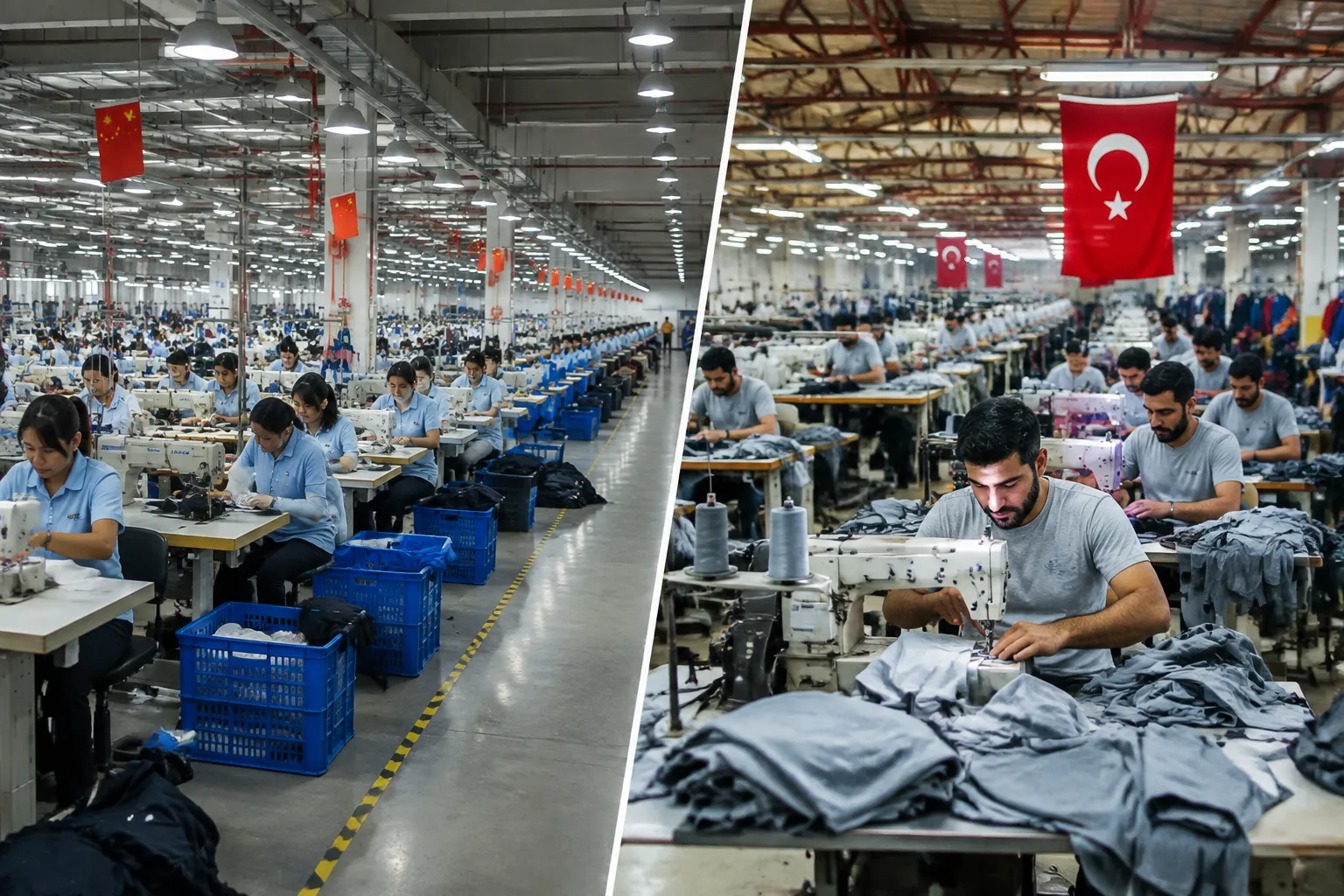

De nombreux acheteurs comparent la fabrication de vêtements en Chine et en Turquie, car un mauvais choix de partenaire de production peut faire grimper les coûts, retarder le lancement des produits et engendrer des problèmes de qualité. Le choix du fournisseur idéal dépend du type de produit, de la quantité commandée, du marché cible et des exigences de livraison.
Le choix entre la Chine et la Turquie pour la fabrication de vêtements dépend de vos objectifs commerciaux. La Chine est généralement plus performante pour la production à grande échelle, une gamme de produits plus étendue et un soutien logistique renforcé. La Turquie peut convenir aux acheteurs qui recherchent un accès plus rapide aux marchés européens et des circuits logistiques plus courts.
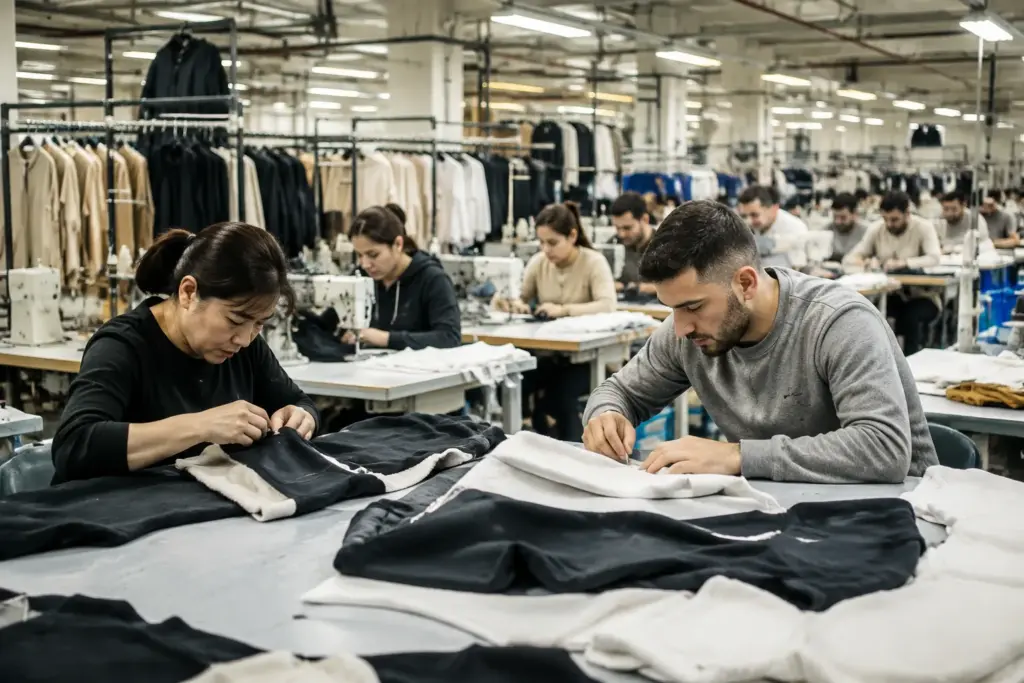
Je suis Lancy Chia de Truekung, une usine de confection chinoise forte d'une longue expérience à l'export. Notre usine propose la production de vêtements en OEM/ODM, la création de vêtements sous marque privée, le développement de prototypes, la production en série, le contrôle qualité et un accompagnement à l'export. J'ai collaboré avec des acheteurs internationaux qui comparent les fournisseurs de différents pays avant de passer commande.
D'après mon expérience en usine, les acheteurs ne se soucient pas uniquement du prix du vêtement. Ils s'intéressent aussi à la capacité du fournisseur à garantir la qualité, à communiquer clairement, à respecter les délais de livraison et à soutenir le développement des produits. Un prix bas associé à une mauvaise gestion de la production peut engendrer des coûts plus élevés par la suite.
Dans cet article, je comparerai la fabrication de vêtements en Chine et en Turquie du point de vue des usines. J'expliquerai la capacité de production, les facteurs de coût, les quantités minimales de commande, les délais de livraison, le contrôle qualité et les critères de sélection des fournisseurs que les acheteurs de vêtements sérieux devraient prendre en compte.
La Chine ou la Turquie est-elle meilleure pour la fabrication de vêtements ?
De nombreuses marques de mode hésitent entre la Chine et la Turquie, car les deux pays possèdent une industrie textile performante. Un mauvais choix peut impacter la qualité des produits, les délais de livraison et les marges bénéficiaires.
La Chine est souvent plus avantageuse pour les marques qui ont besoin d'une grande capacité de production, d'une large gamme de vêtements et de coûts de fabrication compétitifs. La Turquie peut être un bon choix pour les acheteurs qui privilégient des délais de livraison plus courts vers l'Europe et une production flexible adaptée à certains marchés.
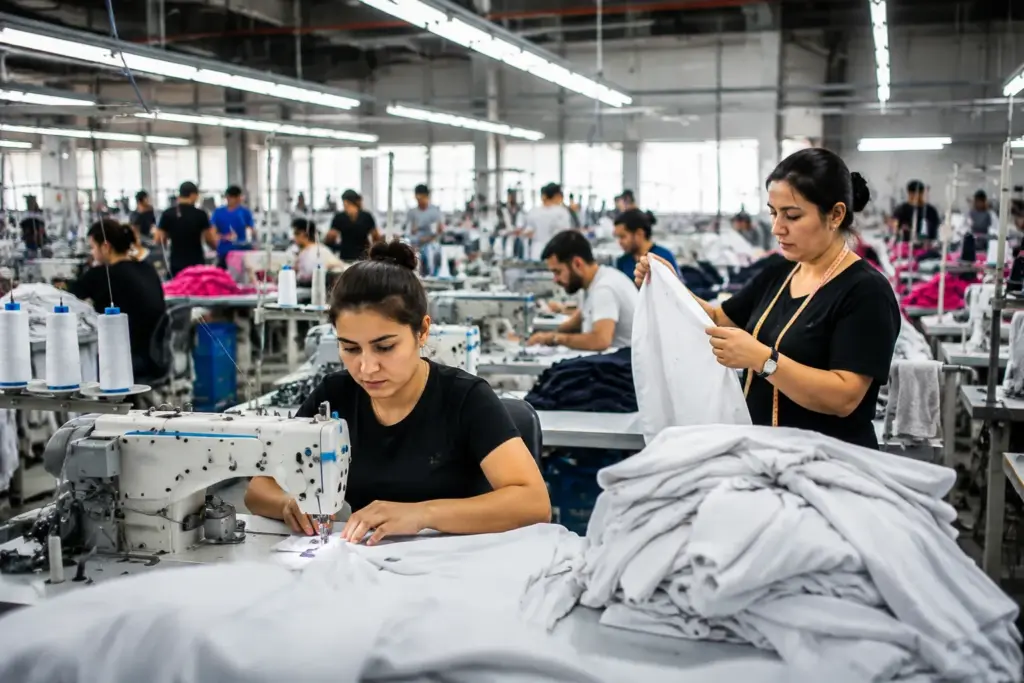
Comment les usines de vêtements gèrent cela
Du point de vue de la production industrielle, la Chine dispose d'une chaîne d'approvisionnement textile très complète.
Une commande de vêtements ne se limite pas à la couture. Elle comprend l'approvisionnement en tissus, les fournitures, la création de patrons, le développement d'échantillons, la coupe, la couture, l'inspection, l'emballage et la préparation à l'expédition.
En Chine, de nombreuses usines de confection travaillent en étroite collaboration avec des fournisseurs de tissus, de fermetures éclair, des imprimeries, des ateliers de broderie et des entreprises d'emballage. Ce partenariat leur permet de gérer différentes catégories de produits, comme les t-shirts, les robes, les vestes, les jeans, les vêtements de sport, les vêtements pour enfants et les doudounes.
Chez Truekung, nous accompagnons souvent nos clients dès la phase de prototypage. Nous analysons les modèles, recommandons les tissus adaptés, ajustons les échantillons et préparons les plans de production en série.
La Turquie possède également une solide tradition textile. De nombreux acheteurs européens privilégient la Turquie en raison de sa situation géographique et de la proximité des transports avec l'Europe.
Ce à quoi les acheteurs doivent faire attention
De nombreux acheteurs comparent les pays uniquement en fonction du prix unitaire.
Cela peut poser problème car le fournisseur le moins cher n'est pas toujours le choix le plus économique.
L'acheteur doit également prendre en compte :
- Stabilité de la production
- vitesse de communication
- Précision de l'échantillon
- processus d'inspection de la qualité
- Frais de livraison
- fiabilité de la livraison
Un fournisseur incapable d'expliquer clairement les étapes de production peut engendrer des problèmes lors de commandes en gros.
Points clés que les acheteurs doivent vérifier
| Pourquoi c'est important | Pourquoi c'est important | Ce que je recommande |
|---|---|---|
| expérience de catégorie de produits | Chaque usine a ses propres points forts. | Demandez une expérience produit similaire |
| Soutien à la chaîne d'approvisionnement | Affecte l'efficacité de la production | Vérifier la capacité d'approvisionnement en matériaux |
| Exigence de quantité minimale de commande | Influence le niveau d'investissement | Confirmer la quantité minimale de commande avant l'échantillonnage |
| Calendrier de production | Affecte le lancement sur le marché | Demandez un horaire réaliste |
| Expérience à l'exportation | Réduit les problèmes d'expédition | Renseignez-vous sur le processus d'exportation |
Ce que j'ai appris de la production
D'après mon expérience en usine, la plus grande différence entre la Chine et la Turquie ne réside pas simplement dans le prix.
La véritable différence réside dans l'environnement de production.
La Chine a développé un vaste réseau de production. Cela permet aux usines de traiter différentes catégories de vêtements et de répondre à diverses exigences de production. Par exemple, un acheteur fabriquant des vestes peut avoir besoin de tissu imperméable, de doublures, de fermetures éclair, de boutons, d'étiquettes et d'emballages. Une chaîne d'approvisionnement complète contribue à réduire les problèmes de coordination.
La Turquie présente toutefois aussi des avantages. Les acheteurs qui vendent principalement en Europe peuvent prendre en compte les délais de transport et la réactivité du marché. Des trajets d'expédition plus courts peuvent parfois permettre aux marques de réagir plus rapidement.
J'ai vu des acheteurs perdre du temps à cause de leur choix de fournisseurs fondé uniquement sur la réputation du pays. Ils pensaient qu'un pays offrirait automatiquement des prix plus bas ou une meilleure qualité. En réalité, le système de gestion de l'usine est bien plus important.
Je vous suggère de comparer les fournisseurs en utilisant les mêmes exigences produit. Envoyez le même dossier technique, les mêmes spécifications de tissu, la même quantité et la même date de livraison aux différentes usines.
Un fournisseur de vêtements sérieux doit expliquer clairement les détails de la production. Il doit vous indiquer comment il gère l'échantillonnage, l'approbation des tissus, le contrôle qualité et la préparation de la livraison.
Le meilleur choix n'est pas toujours le pays le moins cher. C'est le partenaire de fabrication qui correspond à votre modèle d'entreprise.
La Chine ou la Turquie offre-t-elle un meilleur contrôle de la qualité des vêtements ?
De nombreux acheteurs s'inquiètent de la qualité lorsqu'ils comparent la fabrication de vêtements en Chine et en Turquie. Aucun pays ne peut garantir la qualité à lui seul. Le résultat final dépend du système de production, de l'expérience et du processus de communication de l'usine.
La Chine et la Turquie sont toutes deux capables de produire des vêtements de qualité. Les acheteurs doivent évaluer les fournisseurs en se basant sur des échantillons, le contrôle de la production, les méthodes d'inspection et la capacité de communication.
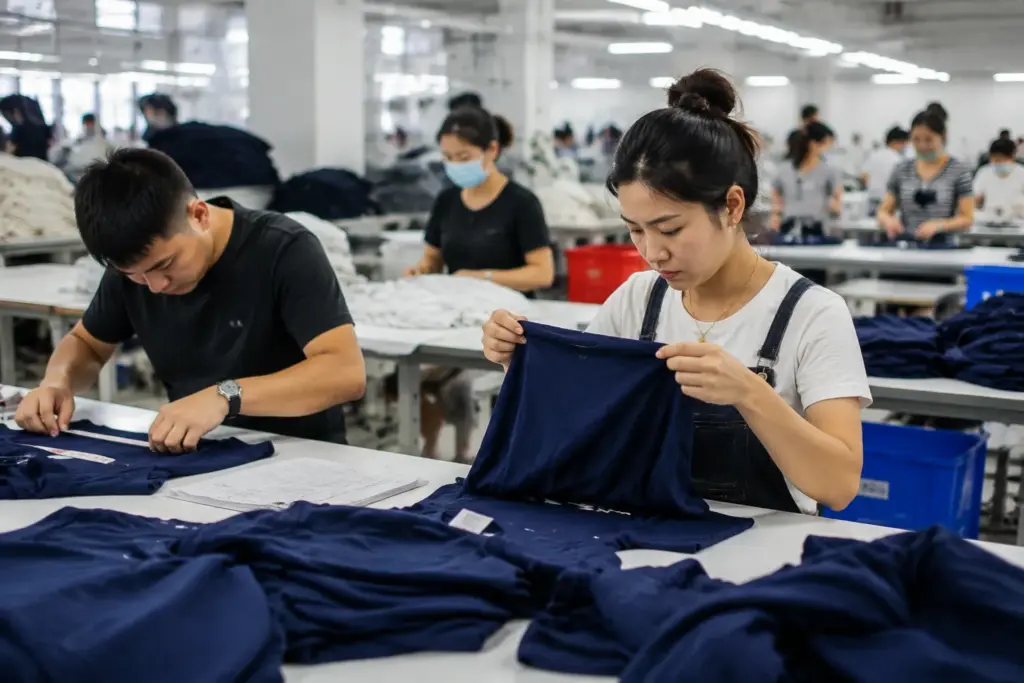
Comment nous contrôlons la qualité pendant la production
Le contrôle qualité commence avant la production en série.
Chez Truekung, nous nous concentrons sur plusieurs points de production :
- Vérification du tissu
- Approbation du modèle
- Confirmation de l'échantillon
- Qualité de couture
- Contrôle de la mesure
- Inspection finale
- Vérification de l'emballage
Un bon échantillon est important, mais le contrôle de la production en série l'est encore plus.
Par exemple, un acheteur peut approuver un prototype de sweat à capuche. Lors de la production en série, l'usine doit s'assurer que chaque sweat à capuche présente le même poids de tissu, la même couleur, les mêmes dimensions, la même qualité de couture et les mêmes finitions.
Problèmes de qualité courants que les acheteurs doivent éviter
Certains acheteurs se contentent de vérifier des photos ou des échantillons et supposent que la production sera identique.
Des problèmes peuvent survenir lors de la production en série :
- Différentes nuances de tissu
- Mesures incorrectes
- Coutures lâches
- Étiquettes incorrectes
- erreurs d'emballage
Cela peut paraître anodin, mais cela peut avoir un impact sur les réclamations des clients et la réputation de la marque.
Points de contrôle qualité que les acheteurs doivent confirmer
| Pourquoi c'est important | Pourquoi c'est important | Ce que je recommande |
|---|---|---|
| Processus de validation des échantillons | Démontre une bonne compréhension du fonctionnement de l'usine | Confirmez tous les détails avant le traitement en masse |
| points de contrôle qualité | Évite les erreurs de production | Demandez quand ont lieu les inspections |
| Tolérance de mesure | Contrôle la cohérence | Normes de taille approuvées |
| Mises à jour de la production | Améliore la communication | Demande d'informations sur l'avancement |
| Gestion des défauts | Fait preuve de responsabilité | Méthode de réponse du fournisseur |
Ce que j'ai appris de la production
Je demande généralement aux acheteurs de vérifier comment une usine gère les problèmes.
Tous les fournisseurs peuvent affirmer proposer des produits de qualité. La question essentielle est de savoir comment ils maîtrisent les risques.
Par exemple, les différences de couleur des tissus constituent un problème courant dans la production de vêtements. Une usine professionnelle doit vérifier les rouleaux de tissu avant la découpe. En cas de problème, elle doit communiquer avec l'acheteur avant de poursuivre la production.
Un fournisseur peu fiable peut poursuivre la production et expliquer le problème après l'expédition.
J'ai vu des acheteurs dépenser plus d'argent pour corriger des problèmes de qualité que pour choisir un meilleur fournisseur dès le départ.
Lorsqu'ils comparent la Chine et la Turquie, les acheteurs ne devraient pas se demander uniquement : “ Quel pays offre une meilleure qualité ? ”
La question la plus pertinente est :
“ Quelle usine est capable de comprendre mes besoins et de maîtriser mes risques de production ? ”
Ma règle de décision est simple : choisir un fournisseur qui donne des réponses claires concernant le tissu, l’échantillonnage, le contrôle qualité, le calendrier de production et l’expédition.
Une bonne communication fait partie de la qualité.
Quel pays offre les meilleurs coûts et délais de production de vêtements ?
Le coût et les délais de livraison sont des facteurs déterminants lorsque les marques comparent la fabrication de vêtements en Chine et en Turquie. Les acheteurs doivent prendre en compte le coût total de la chaîne d'approvisionnement plutôt que de se contenter de comparer les prix d'usine.
La Chine offre souvent des avantages concurrentiels en termes de coûts pour les commandes importantes grâce à ses capacités de production à grande échelle. La Turquie peut présenter des avantages pour les acheteurs qui privilégient des délais de livraison plus courts et un accès plus rapide aux marchés européens.
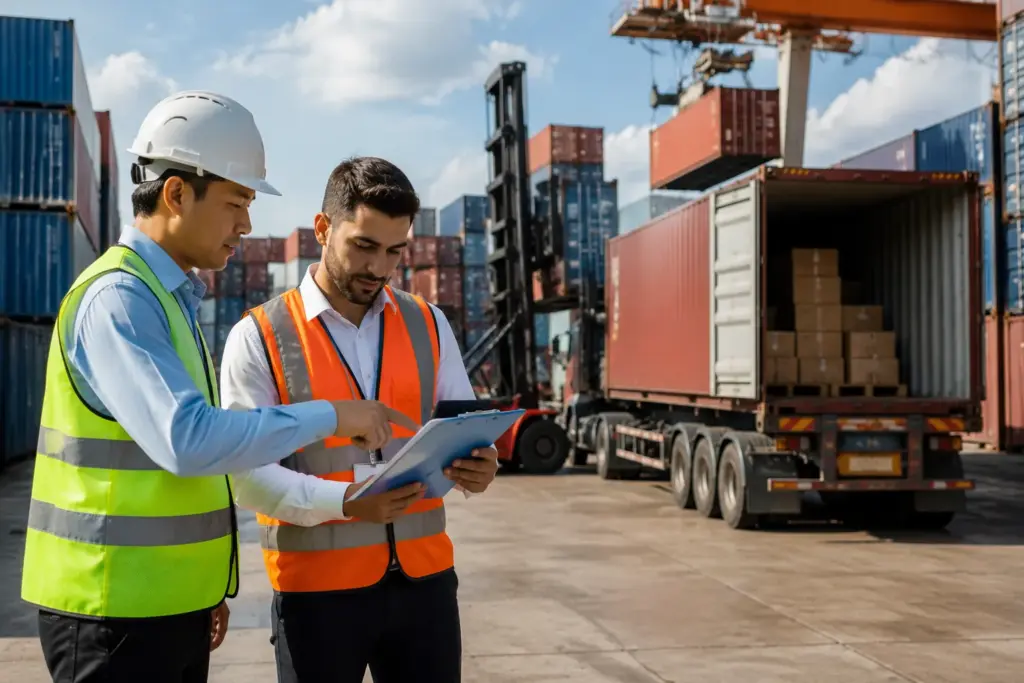
Comment les usines calculent les coûts de production des vêtements
Le coût de production dépend de nombreux facteurs :
- choix du tissu
- Complexité du produit
- Quantité commandée
- Besoins en main-d'œuvre
- Détails de l'emballage
- méthode d'expédition
Un simple t-shirt et une veste d'hiver sophistiquée ne peuvent pas avoir le même coût de production.
Par exemple, les doudounes nécessitent davantage d'étapes de production, notamment le contrôle du garnissage, le matelassage, les tests de tissu et une inspection détaillée.
Une usine a besoin d'informations précises avant de pouvoir fournir un devis fiable.
Coûts cachés que les acheteurs doivent prendre en compte
De nombreux acheteurs choisissent leurs fournisseurs sur la base du premier devis.
Cela peut créer des problèmes cachés :
- coûts de matériel supplémentaires
- Production retardée
- Modifications inattendues des échantillons
- Frais d'expédition plus élevés
Le prix le plus bas n'est pas toujours la meilleure décision commerciale.
Facteurs de coût et de délai que les acheteurs doivent comparer
| Pourquoi c'est important | Pourquoi c'est important | Ce que je recommande |
|---|---|---|
| coût total de production | Démontre un véritable investissement | Comparer les devis complets |
| MOQ | Affecte le risque lié aux stocks | Confirmer la quantité minimale de commande |
| Délai de mise en œuvre | Affecte le lancement du produit | Demandez une livraison réaliste |
| Conditions de paiement | Affecte les flux de trésorerie | Veuillez confirmer avant de commander. |
| méthode d'expédition | Modifications du coût final | Comparer les options logistiques |
Pourquoi le coût total est plus important que le prix unitaire
D'après mon expérience en usine, les acheteurs devraient penser à la valeur totale et pas seulement au prix du vêtement.
Une marque de mode peut perdre de l'argent à cause de retards de livraison, même lorsque le coût du produit est faible.
Par exemple, un acheteur peut commander des robes d'été. Si la production est retardée et que la livraison arrive après la saison des ventes, l'acheteur peut demander des remises pour écouler son stock.
C’est pourquoi la planification de la production est importante.
La Chine peut offrir des avantages aux acheteurs ayant besoin de volumes importants et de systèmes de production stables. La Turquie peut s'avérer intéressante pour les acheteurs souhaitant un accès plus direct aux clients européens.
Ma suggestion est de calculer :
- Coût du produit
- Coût de l'échantillon
- Frais de livraison
- coût d'inspection
- Risque de retard possible
Un bon fournisseur devrait vous aider à comprendre le délai de production avant que vous ne passiez commande.
J'ai constaté qu'une communication claire dès le départ permet d'éviter bien des problèmes par la suite. Les acheteurs doivent fournir des informations complètes sur les produits et demander aux fabricants des suggestions réalistes.
Que préparer avant de contacter une usine de vêtements en Chine ?
Une demande claire aide l'usine à fournir un prix, un délai et une suggestion de production plus précis.
| Informations à préparer | Exemple | Pourquoi l'usine en a besoin |
|---|---|---|
| Catégorie de produit | veste, robe, sweat à capuche, jean | Comprendre les exigences de production |
| Photos de référence ou tech pack | Dessins techniques, mesures | Créer des échantillons précis |
| Tissu | Coton, polyester, nylon | Calculer le coût des matériaux |
| Gamme de tailles | XS-XXL | Préparer la notation |
| Quantité par style/couleur | 1 000 pièces par couleur | Estimer l'efficacité de la production |
| Marché cible | États-Unis, Europe, Australie | Comprendre les exigences |
| Niveau de qualité | Basique, premium | Recommander des matériaux appropriés |
| Emballage | Sachet plastique, carton, étiquettes | Calculer le coût final |
| Étiquetage | Étiquette de marque, étiquette d'entretien | Préparer les détails de production |
| Date limite de livraison | date de lancement | Planifier le calendrier de production |
| Certificats | Documents de test requis | Confirmer la conformité |
| Prix cible | Gamme de budget | Suggérer des options appropriées |
Quand demander un devis à Truekung ?
Si vous avez besoin d'une production de vêtements OEM/ODM, de produits de mode en marque blanche, d'une communication stable à l'exportation et d'un soutien pratique en usine, Truekung pourrait être un partenaire approprié.
Je vous suggère de nous contacter lorsque vous avez des idées de produits, des échantillons de référence, des dossiers techniques ou des exigences d'approvisionnement précises. Mon équipe peut vous aider à analyser votre projet, à développer des échantillons et à discuter de solutions de production réalistes.
Email : [email protected]
Site web : https://truekung.com
Conclusion
Le choix entre la fabrication de vêtements en Chine et en Turquie dépend de votre produit, de votre marché, des quantités souhaitées et de vos besoins en matière de chaîne d'approvisionnement. Un partenaire fabricant fiable vous aide à maîtriser la qualité, les coûts et les délais de livraison.
Vues : 161