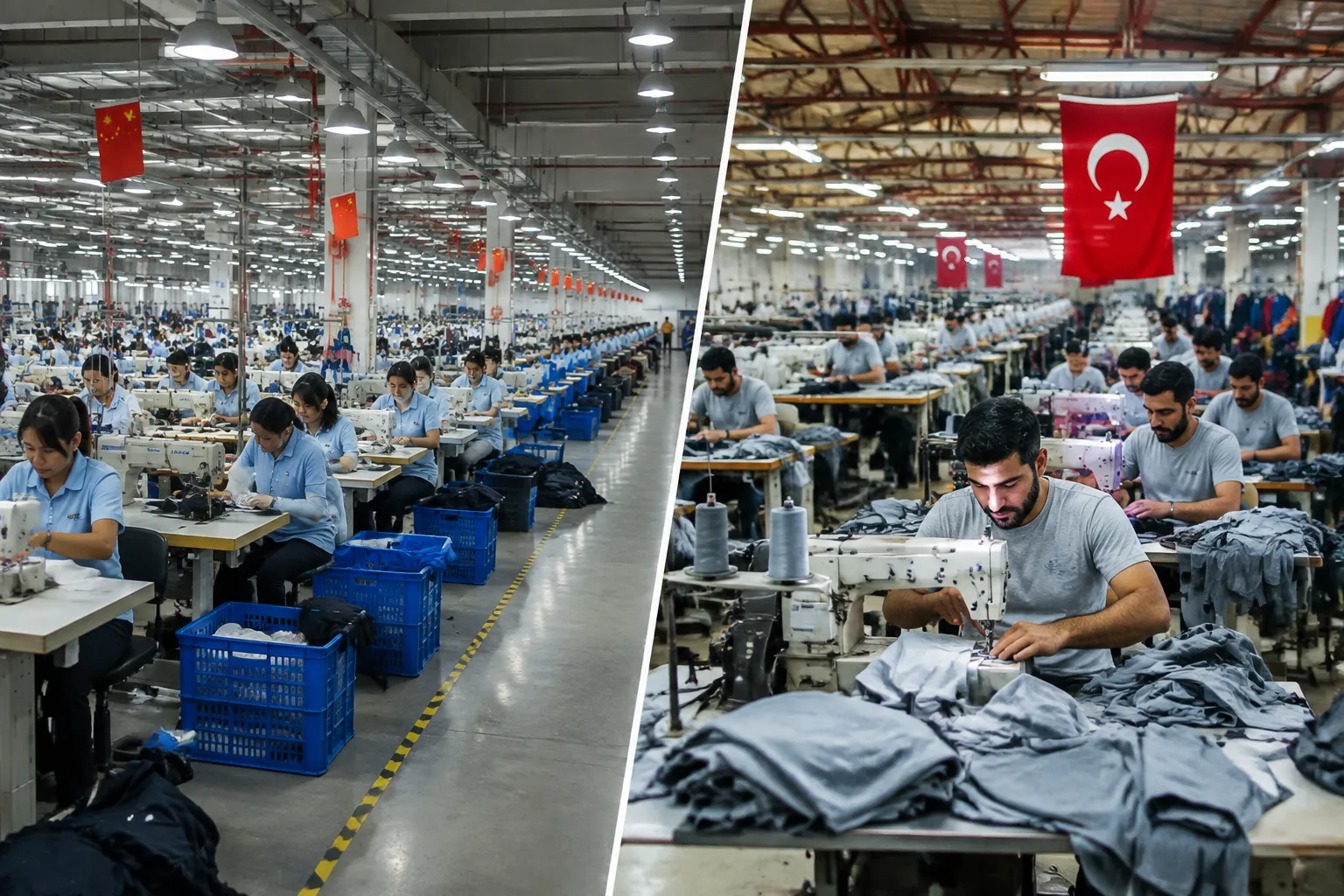

多くのバイヤーが中国とトルコの衣料品製造業者を比較検討するのは、生産パートナーの選択を誤るとコスト増、製品発売の遅延、品質問題などが発生する可能性があるためです。最適なサプライヤーの選択は、製品の種類、注文数量、ターゲット市場、納期要件によって異なります。.
中国とトルコのどちらで衣料品製造を行うかは、ビジネス目標によって異なります。中国は一般的に、大規模生産、幅広い製品カテゴリー、サプライチェーンのサポートにおいて強みを発揮します。一方、トルコは、ヨーロッパ市場への迅速なアクセスと短い物流ルートを必要とするバイヤーに適しています。.
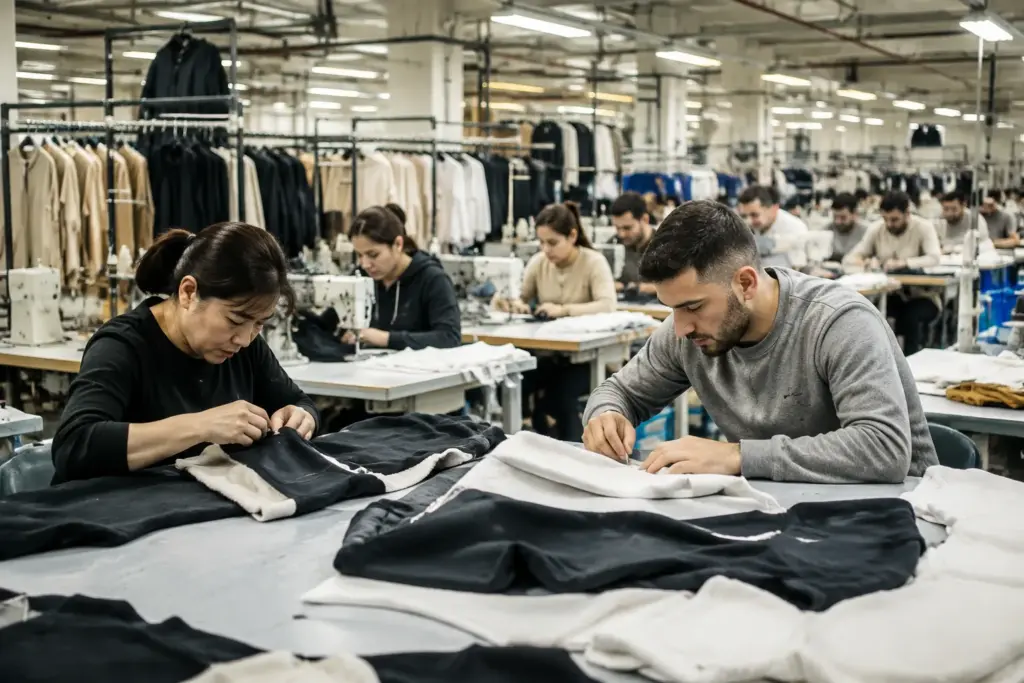
私はTruekungのランシー・チアと申します。Truekungは長年の輸出実績を持つ中国の衣料品工場です。弊社では、OEM/ODM衣料品製造、プライベートブランド衣料品製造、サンプル開発、量産、品質管理、輸出サポートを提供しています。これまで、発注前に複数の調達国を比較検討する海外バイヤーの方々と数多く仕事をしてきました。.
私の工場での経験から言うと、バイヤーは衣料品の価格だけを気にしているわけではありません。サプライヤーが品質管理を徹底しているか、明確なコミュニケーションが取れるか、納期を守れるか、製品開発をサポートできるかといった点も重視しています。低価格でも生産管理が不十分だと、後々ビジネスコストが高くなる可能性があります。.
この記事では、工場側の視点から中国とトルコの衣料品製造を比較します。生産能力、コスト要因、最小発注数量(MOQ)、リードタイム、品質管理、そして真剣な衣料品バイヤーが確認すべきサプライヤー選定のポイントについて解説します。.
衣料品製造において、中国とトルコのどちらが優れているか?
多くのファッションブランドは、中国とトルコのどちらを選ぶかで苦慮している。両国とも繊維産業が盛んなためだ。選択を誤ると、製品の品質、配送スピード、利益率に影響が出る可能性がある。.
中国は、大規模な生産能力、多様な衣料品カテゴリー、そして競争力のある製造コストを必要とするブランドにとって、多くの場合最適な選択肢となる。一方、トルコは、ヨーロッパへの輸送ルートの短縮や、特定の市場向けの柔軟な生産体制を必要とするバイヤーにとって、良い選択肢となり得る。.
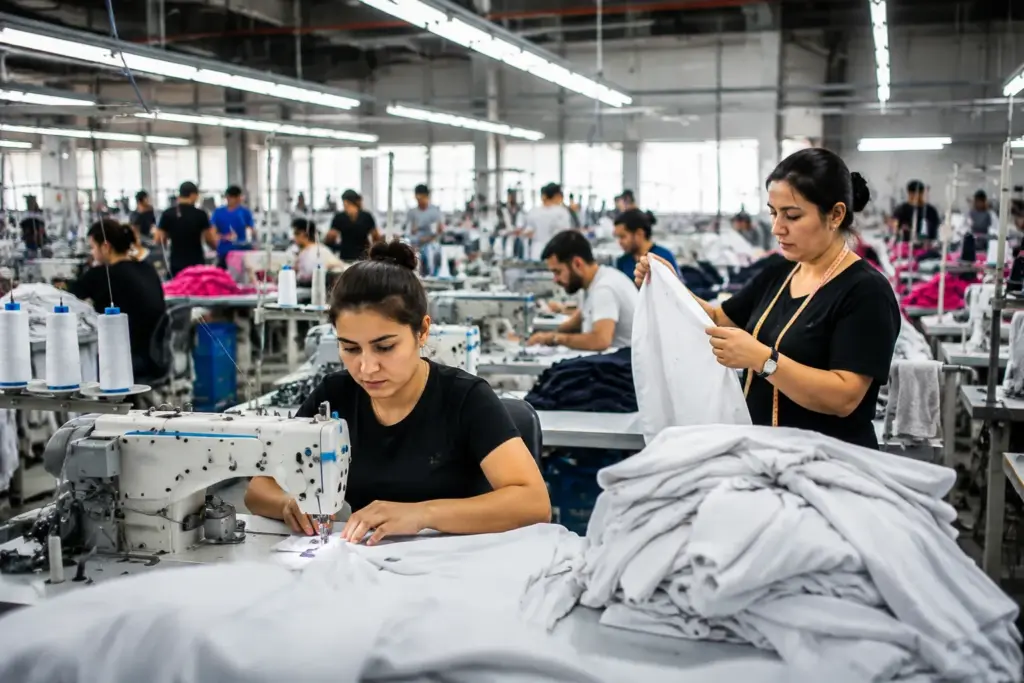
衣料品工場はこれをどのように処理するか
工場という観点から見ると、中国は非常に完成度の高い衣料品サプライチェーンを有している。.
衣料品の注文は、縫製だけではありません。生地の調達、装飾品、パターン作成、サンプル開発、裁断、縫製、検品、梱包、そして出荷準備など、様々な工程が含まれます。.
中国では、多くの衣料品工場が生地サプライヤー、ファスナーサプライヤー、印刷工場、刺繍工房、包装会社と密接に連携しています。この連携により、工場はTシャツ、ドレス、ジャケット、ジーンズ、スポーツウェア、子供服、ダウンジャケットなど、さまざまな製品カテゴリーを管理することができます。.
トゥルークンでは、サンプル段階からお客様をサポートすることがよくあります。デザインのレビュー、適切な生地の提案、サンプルの調整、そして量産計画の策定まで、幅広く対応いたします。.
トルコは繊維産業においても確固たる実績を誇っています。多くのヨーロッパのバイヤーは、トルコの地理的な位置とヨーロッパへの輸送距離の短さを理由に、トルコを投資先として検討しています。.
購入者が注意すべき点
多くの購入者は、国を比較する際に単価のみを基準にしている。.
これは問題を引き起こす可能性がある。なぜなら、最も安い供給業者が必ずしも最もコスト効率の良い選択肢とは限らないからだ。.
購入者は以下の点も考慮すべきです。
- 生産安定性
- 通信速度
- サンプル精度
- 品質検査プロセス
- 送料
- 配送の信頼性
製造工程を明確に説明できないサプライヤーは、大量注文の際に問題を引き起こす可能性がある。.
購入者が確認すべき重要なポイント
| 確認すべきこと | なぜそれが重要なのか | 私が提案すること |
|---|---|---|
| 製品カテゴリー体験 | 工場ごとに強みが異なる | 類似の製品体験をリクエストする |
| サプライチェーンサポート | 生産効率に影響を与える | 材料調達能力を確認する |
| 最小発注数量(MOQ)要件 | 投資水準に影響を与える | サンプル採取前に最小発注数量(MOQ)を確認してください。 |
| 制作スケジュール | 市場投入に影響する | 現実的なスケジュールをリクエストする |
| 輸出経験 | 配送上の問題を軽減します | 輸出プロセスについて質問する |
制作から学んだこと
私の工場での経験から言うと、中国とトルコの最大の違いは価格だけではありません。.
本当の違いは、生産環境にある。.
中国は大規模な製造ネットワークを構築してきた。これにより、工場は様々な衣料品カテゴリーや生産要件に対応できるようになった。例えば、ジャケットを製造するバイヤーは、防水生地、裏地、ファスナー、ボタン、ラベル、包装材などを必要とするかもしれない。完全なサプライチェーンは、調整上の問題を軽減するのに役立つ。.
しかし、トルコには利点もあります。主にヨーロッパで販売するバイヤーは、輸送時間と市場の反応速度を重視するでしょう。輸送ルートが短いほど、ブランドの対応が速くなる場合もあります。.
買い手が国の評判だけで仕入先を選定し、時間を無駄にしているケースを何度も見てきました。彼らは、ある国であれば自動的に価格が安かったり品質が良かったりすると考えていました。しかし実際には、工場の経営体制の方がはるかに重要なのです。.
私の提案は、同じ製品要件に基づいて複数のサプライヤーを比較することです。同じ技術仕様書、生地の要件、数量、納期を異なる工場に送付してください。.
信頼できる衣料品サプライヤーであれば、生産の詳細を明確に説明してくれるはずです。サンプル作成、生地の承認、品質管理検査、納品準備といった工程をどのように進めているかを説明してくれるでしょう。.
最良の選択は必ずしも最も安い国とは限りません。自社のビジネスモデルに合った製造パートナーを選ぶことが重要です。.
中国とトルコ、どちらが優れた衣料品品質管理を提供しているのか?
中国とトルコの衣料品製造を比較する際、多くの購入者は品質について懸念を抱きます。しかし、国が品質を保証することはできません。最終的な結果は、工場の生産システム、経験、そしてコミュニケーションプロセスによって決まります。.
中国とトルコはどちらも高品質の衣料品を生産できる。バイヤーは、サンプル、生産管理、検査方法、コミュニケーション能力などを通じてサプライヤーを評価する必要がある。.
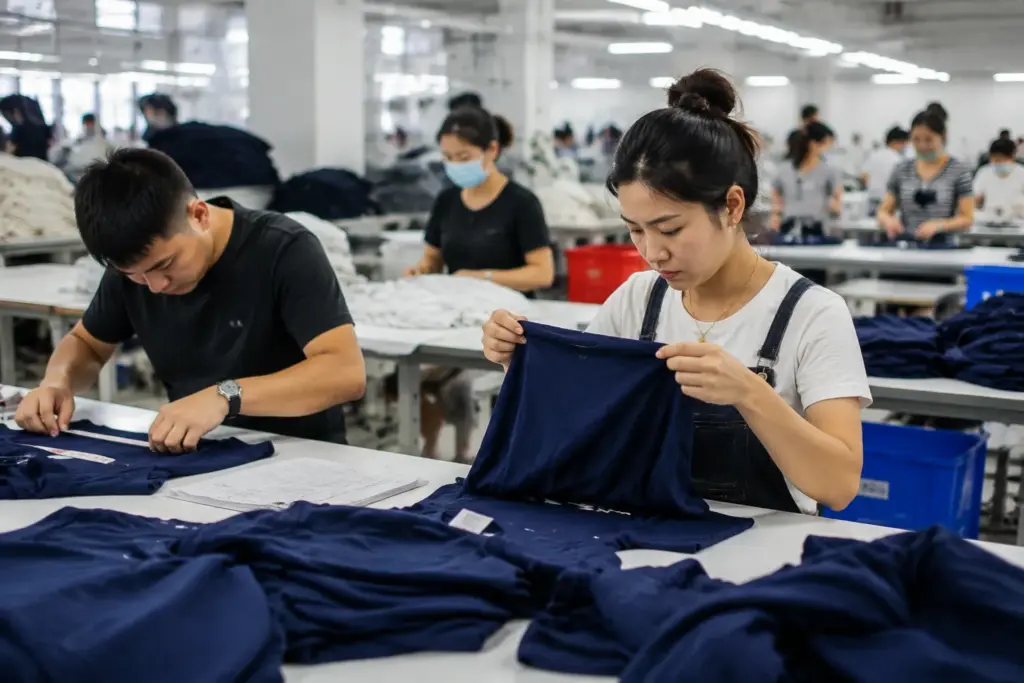
製造工程における品質管理方法
品質管理は量産開始前に始まる。.
トゥルークングでは、いくつかの生産拠点に重点を置いています。
- 生地のチェック
- パターン承認
- サンプル確認
- 縫製品質
- 計測制御
- 最終検査
- 梱包チェック
良質なサンプルも重要だが、量産時の品質管理の方がより重要だ。.
例えば、購入者がサンプルパーカーを承認したとします。量産時には、工場はすべてのパーカーが同じ生地の重さ、色、サイズ、縫製品質、仕上げの細部まで均一であることを確認しなければなりません。.
購入者が避けるべき一般的な品質問題
一部の購入者は写真やサンプルだけを確認し、製品も同じだろうと決めつけてしまう。.
大量生産中に問題が発生する可能性があります。
- さまざまな生地の色合い
- 測定が不正確
- 縫い目が緩い
- 間違ったラベル
- 梱包ミス
これは些細なことのように見えるかもしれないが、顧客からの苦情やブランドイメージに影響を与える可能性がある。.
購入者が確認すべき品質管理ポイント
| 確認すべきこと | なぜそれが重要なのか | 私が提案すること |
|---|---|---|
| サンプル承認プロセス | 工場の理解を示す | 大量注文前にすべての詳細を確認してください |
| 品質管理チェックポイント | 生産ミスを防ぐ | 検査はいつ行われるのか尋ねてください。 |
| 測定公差 | 一貫性を制御する | サイズ基準を承認する |
| 制作状況に関する最新情報 | コミュニケーションを改善する | 進捗状況に関する情報をリクエストする |
| 欠陥処理 | 責任感を示す | サプライヤーの回答方法を尋ねる |
制作から学んだこと
私は通常、購入者に対し、工場がどのように問題に対処しているかを確認するよう求めます。.
どのサプライヤーも「高品質を提供している」と主張できる。重要なのは、彼らがどのようにリスクを管理しているかだ。.
例えば、生地の色味の違いは、衣料品製造においてよくある問題です。プロの工場であれば、裁断前に生地ロールを検査するべきです。問題がある場合は、生産を続行する前に、工場は購入者と連絡を取る必要があります。.
経営状態の悪いサプライヤーは、出荷後に生産を続け、問題を説明する可能性がある。.
品質問題の解決に費やす金額は、最初からより良い仕入先を選んでいれば節約できたはずの金額よりも多かったケースを、私は見てきました。.
中国とトルコを比較する際、購入者は「どちらの国の方が品質が良いか?」とだけ問うべきではありません。“
より適切な質問は次のとおりです。
“「私の要求を理解し、生産リスクを管理できる工場はどこだろうか?」”
私の判断基準はシンプルです。生地、サンプル、品質管理、生産スケジュール、出荷について明確な回答をしてくれるサプライヤーを選びます。.
良好なコミュニケーションは、品質の一部である。.
衣料品の製造コストとリードタイムが優れているのはどちらの国ですか?
ブランドが中国とトルコの衣料品製造を比較する際、コストと納期は重要な要素となります。バイヤーは工場価格だけを比較するのではなく、調達にかかる総コストを計算に入れるべきです。.
中国は製造規模のメリットから、大量注文に対してコスト面で優位性を持つことが多い。一方、トルコは、配送ルートの短縮や欧州市場への迅速なアクセスを重視するバイヤーにとって有利な点を提供する可能性がある。.

工場が衣料品の生産コストを計算する方法
生産コストは多くの要因によって左右されます。
- 生地の選択
- 製品の複雑性
- 注文数量
- 労働要件
- 梱包の詳細
- 配送方法
シンプルなTシャツと凝ったデザインの冬用ジャケットでは、製造コストが同じになるはずがない。.
例えば、ダウンジャケットは、中綿の管理、キルティング、生地のテスト、詳細な検査など、より多くの製造工程を必要とする。.
工場が信頼できる見積もりを出すには、正確な情報が必要です。.
購入者が考慮すべき隠れたコスト
多くの購入者は、最初の見積もりに基づいて仕入先を選ぶ。.
これは隠れた問題を引き起こす可能性がある。
- 追加の材料費
- 生産遅延
- 予期せぬサンプル変更
- 送料が高くなる
最低価格が必ずしも最良の経営判断とは限らない。.
購入者が比較検討すべきコストとリードタイムの要素
| 確認すべきこと | なぜそれが重要なのか | 私が提案すること |
|---|---|---|
| 総生産コスト | 真の投資を示している | 見積もり全体を比較する |
| 最小注文数量 | 在庫リスクに影響を与える | 最小注文数量を確認してください |
| リードタイム | 製品発売に影響を与える | 現実的な配達を依頼する |
| 支払い条件 | キャッシュフローに影響を与える | ご注文前にご確認ください |
| 配送方法 | 変更後の最終費用 | 物流オプションを比較する |
総コストが単価よりも重要な理由
私の工場での経験から言うと、バイヤーは衣料品の価格だけでなく、総価値を考慮すべきです。.
ファッションブランドは、たとえ製品コストが低くても、納期遅延によって損失を被る可能性がある。.
例えば、購入者が夏物のドレスを注文したとします。生産が遅れ、商品が販売シーズン後に届いた場合、購入者は在庫処分のため値引きを求めるかもしれません。.
だからこそ、生産計画は重要なのです。.
中国は、大量購入と安定した生産体制を必要とするバイヤーにとって有利な条件を提供できる。トルコは、ヨーロッパの顧客へのアクセスをより重視するバイヤーにとって魅力的な選択肢となるだろう。.
私の提案は、以下のように計算することです。
- 製品原価
- サンプル費用
- 送料
- 検査費用
- 遅延の可能性あり
優良なサプライヤーであれば、注文前に生産スケジュールを分かりやすく説明してくれるはずです。.
初期段階で明確なコミュニケーションを取ることで、後々の多くの問題を未然に防げることが分かりました。購入者は製品に関する詳細な情報を提供し、工場に対して現実的な提案を求めるべきです。.
中国の衣料品工場に連絡する前に、どのような準備をしておくべきですか?
明確な問い合わせは、工場がより正確な価格、納期、および生産に関する提案を行うのに役立ちます。.
| 準備すべき情報 | 例 | 工場がそれを必要とする理由 |
|---|---|---|
| 製品カテゴリ | ジャケット、ドレス、パーカー、ジーンズ | 生産要件を理解する |
| 参考写真または技術資料 | 設計図、寸法 | 正確なサンプルを作成する |
| ファブリック | 綿、ポリエステル、ナイロン | 材料費を計算する |
| サイズ範囲 | XS-XXL | 採点の準備 |
| スタイル/色ごとの数量 | 各色1,000個 | 生産効率を推定する |
| ターゲット市場 | アメリカ、ヨーロッパ、オーストラリア | 要件を理解する |
| 品質レベル | ベーシック、プレミアム | 適切な材料を推奨します |
| パッケージ | ポリ袋、カートン、タグ | 最終費用を計算する |
| ラベリング | ブランドラベル、ケアラベル | 制作の詳細を準備する |
| 配達期限 | 発売日 | 生産スケジュールを計画する |
| 証明書 | 必要な試験文書 | コンプライアンスを確認する |
| 目標株価 | 予算範囲 | 適切な選択肢を提案する |
トゥルーカンに見積もりを依頼するタイミングは?
OEM/ODMによる衣料品生産、プライベートブランドのファッション製品、安定した輸出コミュニケーション、そして実用的な工場サポートが必要な場合は、Truekungが最適なパートナーとなるかもしれません。.
製品アイデア、参考サンプル、技術仕様書、または明確な調達要件をお持ちの場合は、ぜひご連絡ください。弊社のチームがプロジェクトのレビュー、サンプルの作成、そして現実的な生産ソリューションのご提案をお手伝いいたします。.
メールアドレス: [email protected]
ウェブサイト: https://truekung.com
結論
中国とトルコのどちらで衣料品を製造するかは、製品、市場、数量、サプライチェーンのニーズによって異なります。信頼できる工場パートナーは、品質、コスト、納期を管理する上で役立ちます。.
ビュー161