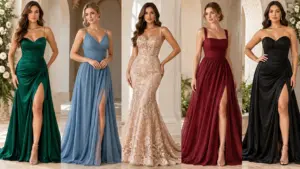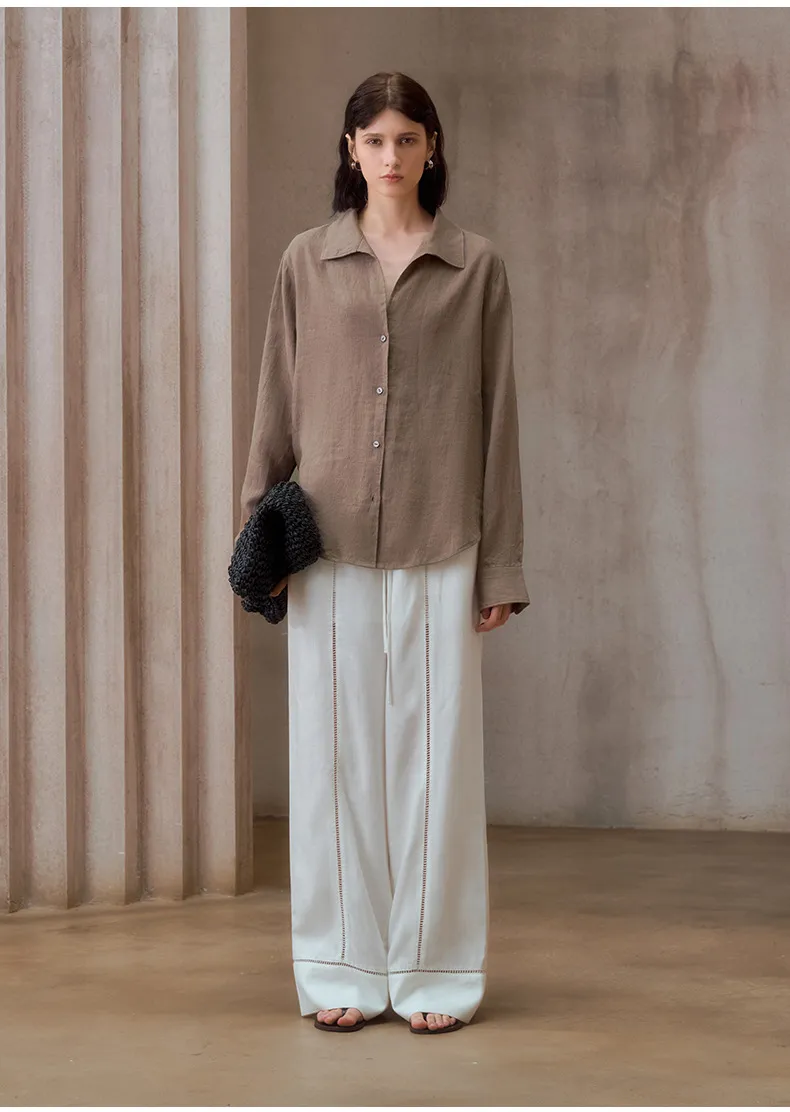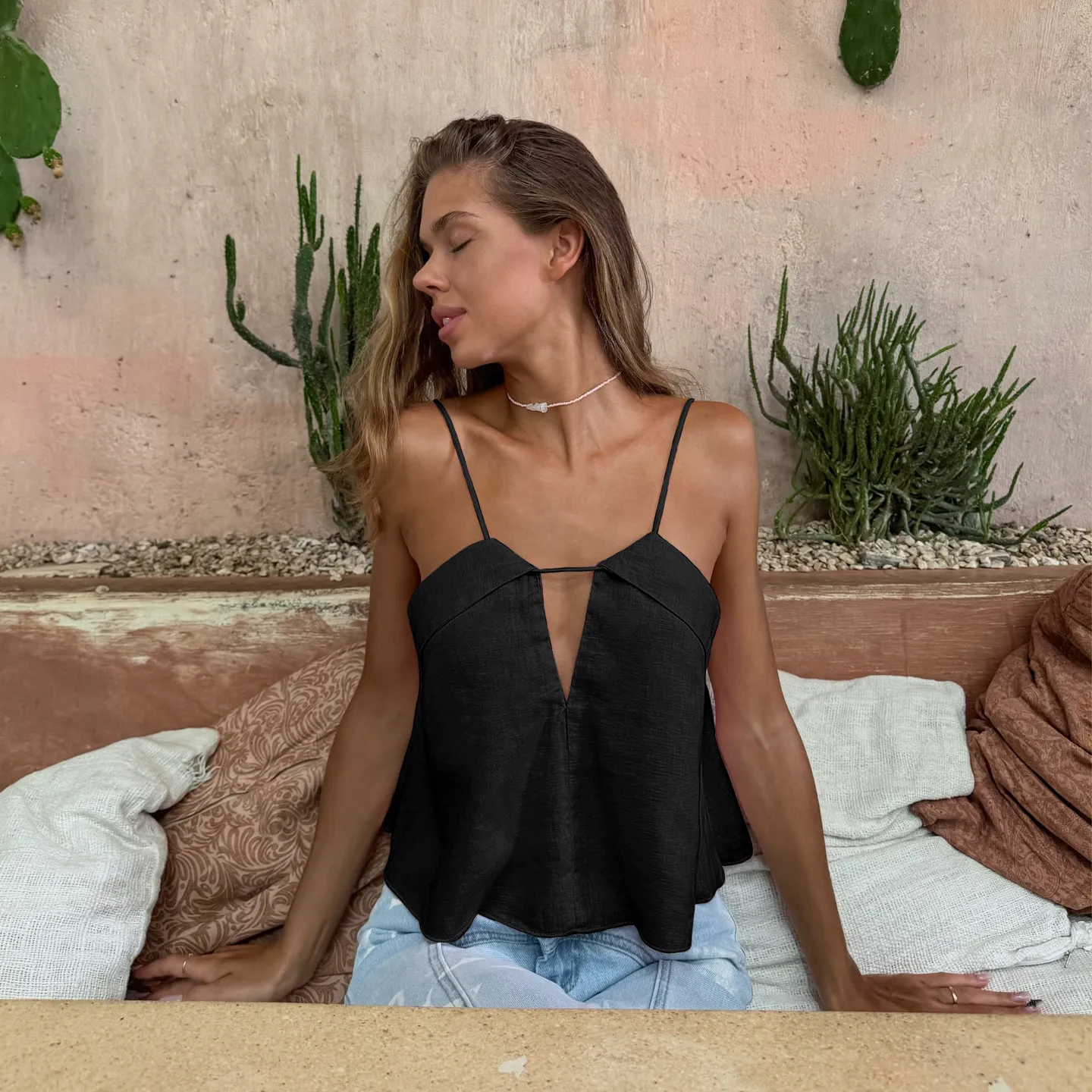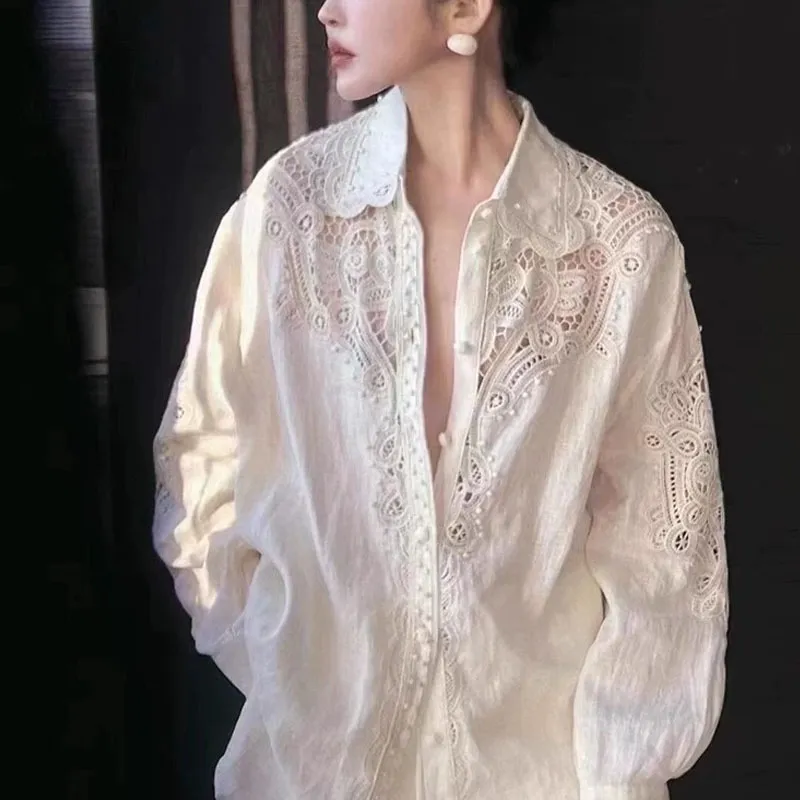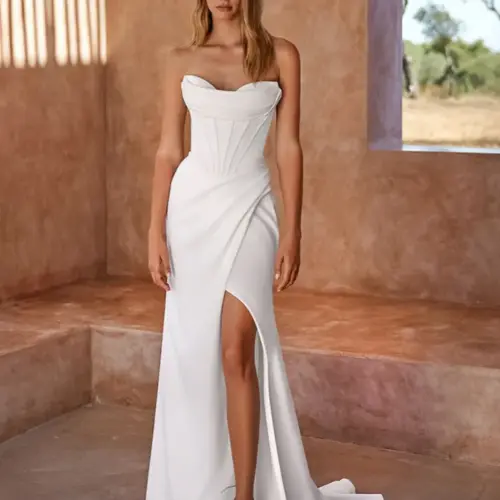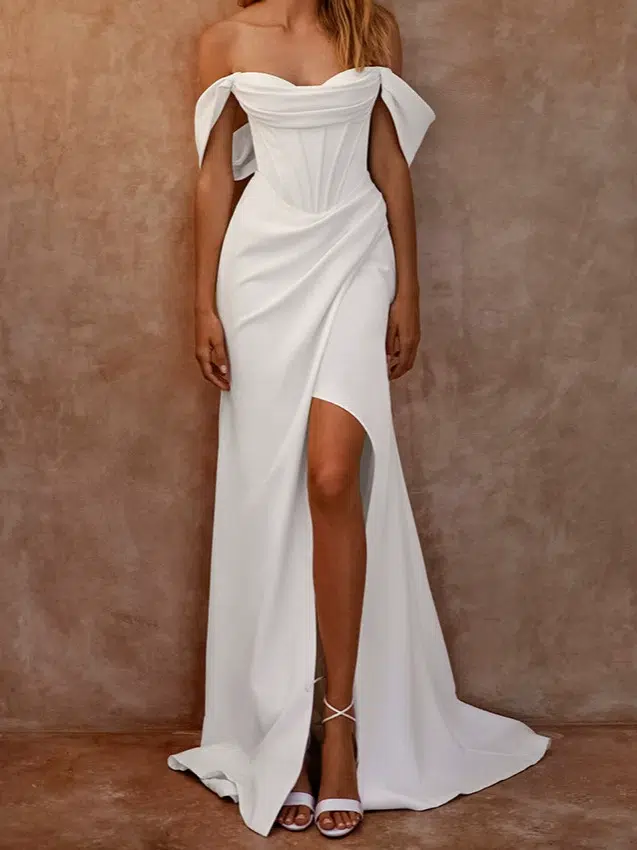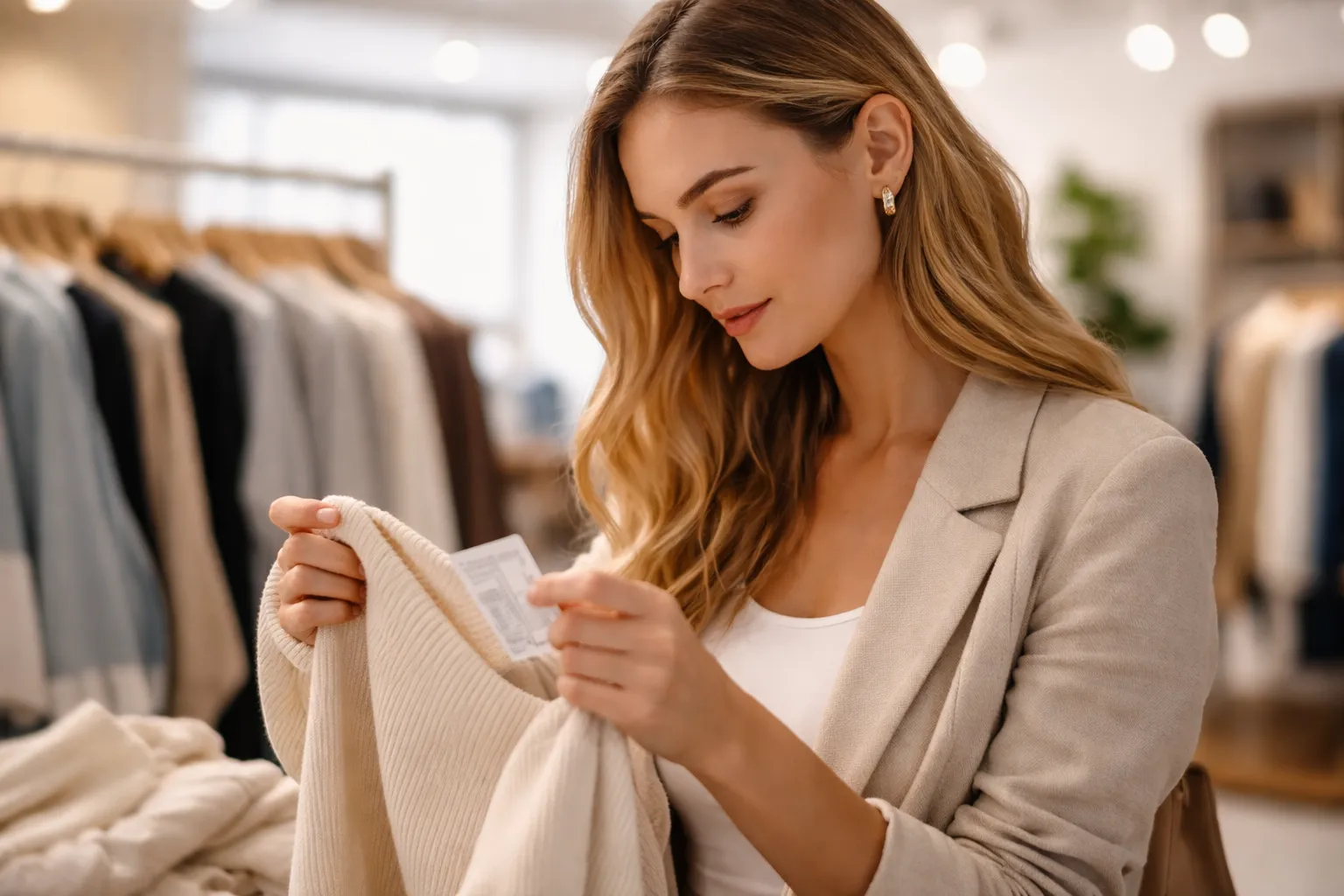

Je vois des prix bas et des nouveautés, et je suis tentée. Je m'inquiète aussi du gaspillage et du travail bâclé. Si j'achète sans preuve, je risque de cautionner des pratiques néfastes.
Lys rose on dirait mode rapide Parce que cette marque propose des articles tendance, avec des nouveautés fréquentes et des promotions importantes. Je ne me fie pas à mon intuition, mais aux preuves : la chaîne d'approvisionnement, les matériaux, la protection des travailleurs et des politiques claires. En l'absence de preuves, je considère le risque comme élevé.
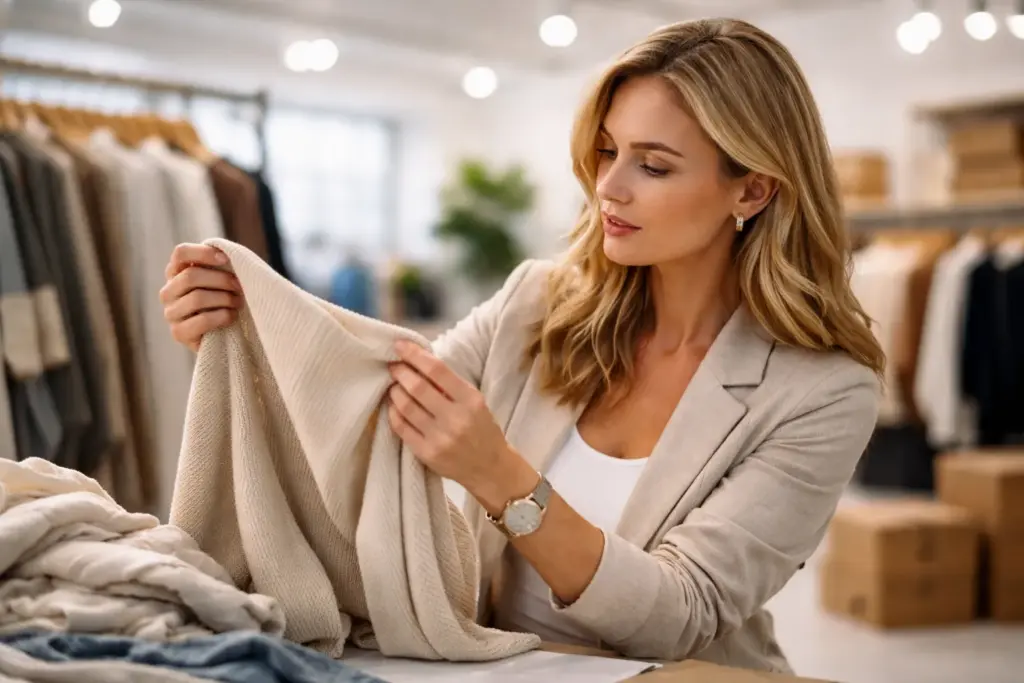
Je me souviens de la première fois où j'ai essayé d'évaluer une marque tendance pour une amie acheteuse. J'avais dix onglets ouverts et je n'étais toujours pas convaincue. J'ai donc mis au point une méthode simple et rapide que je vais vous partager.
Qu'est-ce qui donne à PinkLily.com l'apparence d'une marque de fast fashion ?
Je vois des nouveautés qui s'enchaînent sans fin, et des promotions qui incitent à l'achat immédiat. Je vois aussi des gens s'inquiéter de la qualité après un seul lavage. Ce mélange peut paraître attrayant, mais il peut aussi masquer les coûts.
Pink Lily adopte souvent les tendances de la fast fashion car elle propose des articles à la pointe de la mode à des prix bas à moyens et déploie des efforts marketing constants. Cela ne prouve pas la nocivité de l'enseigne, mais souligne la nécessité d'apporter des preuves.
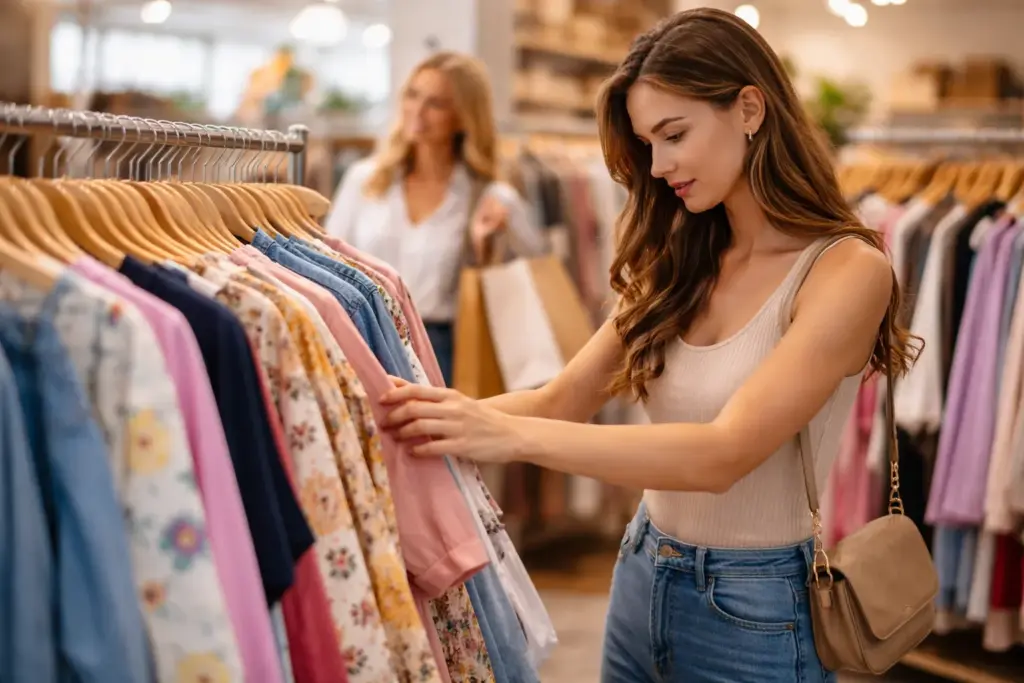
Comment je repère les signaux de la fast fashion en 15 minutes
Je commence par ce que je peux voir sans avoir accès aux coulisses. Je procède ainsi car les acheteuses comme Maria recherchent la rapidité, mais aussi la sécurité. J'ai également constaté que des usines peuvent être mises à rude épreuve lorsqu'une marque privilégie la rapidité sans planification. Une fois, une nouvelle cliente m'a demandé une “ robe virale ” en 12 jours. J'ai refusé. Je sais ce que 12 jours peuvent engendrer, tant pour les personnes que pour le contrôle qualité.
Voici ma liste de vérification rapide. Elle n'accuse personne. Elle m'indique simplement où le risque peut se cacher.
| Signal que je consulte sur le site d'une marque | Ce que cela peut signifier | Pourquoi cela m'importe en tant que personne travaillant en usine |
|---|---|---|
| De nombreux nouveaux styles chaque semaine | cycle de conception et de mise en rayon court | Cela peut entraîner des heures supplémentaires et des raccourcis. |
| Culture du rabais massif | Il mise sur le prix, pas sur la durabilité. | Cela peut augmenter les rendements et les déchets |
| Mix de produits fortement axé sur les tendances | Chases a des looks viraux | Cela peut entraîner une surproduction |
| faible traçabilité | Peu de détails sur le fournisseur | Je ne peux pas vérifier les allégations relatives au travail |
| De nombreux produits synthétiques | Production rapide et faible coût | Cela peut augmenter l'impact des microplastiques |
La réalité que je vois dans les conversations avec les acheteurs
Lorsque les consommateurs hésitent, ils utilisent sans cesse les mêmes termes de recherche. Je le constate dans les résultats Google et je l'entends lors des appels clients. Ces recherches me révèlent les craintes des consommateurs.
| Expression de recherche à forte intention | Ce que le chercheur désire vraiment | Que faire ensuite ? |
|---|---|---|
| “ Avis sur Pink Lily ” | “ Vais-je regretter cette commande ? ” | Je vérifie les plaintes répétées et les éloges répétés. |
| “ Taille Pink Lily ” | “ Est-ce que ça ira ? ” | Je vérifie l'élasticité du tissu, les conditions de retour et les détails du guide des tailles. |
| “ Politique de retour de Pink Lily ” | “ Puis-je récupérer mon argent ? ” | J'ai lu la politique ligne par ligne. |
| “ Délai de livraison de Pink Lily ” | “ Arrivera-t-il à temps pour mon événement ? ” | Je compare les promesses avec de vrais témoignages d'acheteurs |
| “ Vente d'entrepôt Pink Lily ” | “ Est-ce que c'est bon marché pour une raison ? ” | Je pense aux surstocks et aux variations de qualité. |
La fast fashion ne se résume pas à la vitesse. C'est aussi une question de contrôle. Si la vitesse augmente, le contrôle doit augmenter lui aussi. Si je ne perçois pas ce contrôle, je ralentis mes achats.
Comment éthique Et Pink Lily est durable, d'après des preuves que je peux vérifier ?
J'ai vu des marques affirmer “ nous nous soucions de vous ”, et j'ai aussi constaté la disparition de dossiers d'audit. J'ai appris à considérer les belles paroles comme un point de départ, et non comme une preuve. J'ai également appris que le véritable travail d'éthique est un travail fastidieux. Il s'agit de politiques, d'audits, de corrections et de suivi.
Je ne peux pas confirmer une éthique ou une durabilité solides sans preuves publiques solides, j'utilise donc une “ échelle de preuves ”. Chaque échelon réduit le risque.
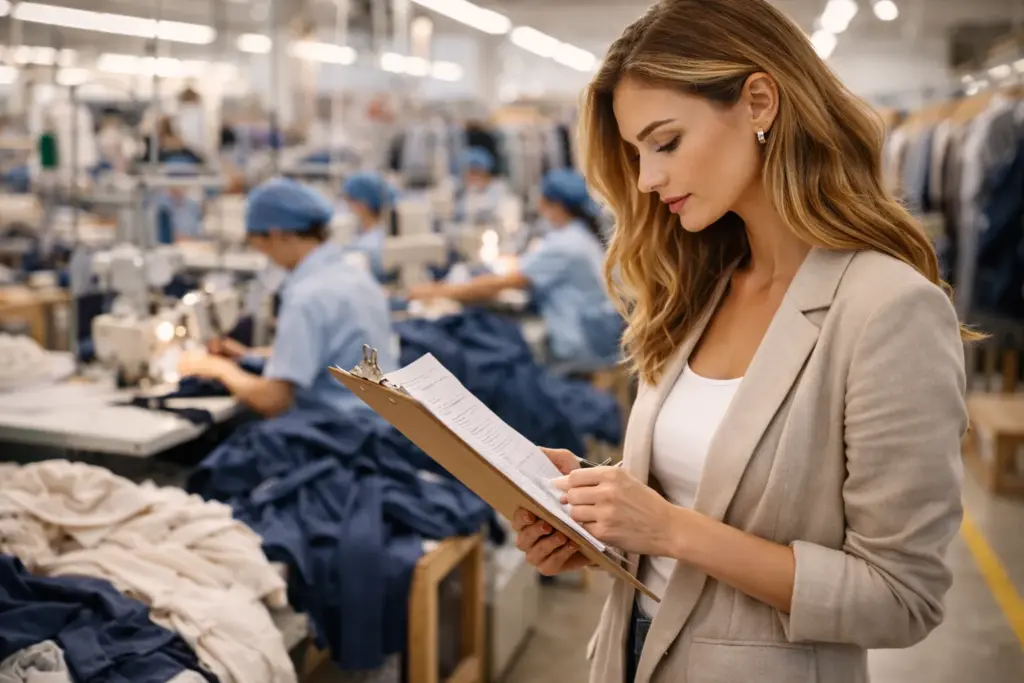
Mon échelle de preuves pour le travail et la transparence
J'utilise cette échelle pour chaque “ abordable » boutique”Je n'utilise pas seulement la marque « The Brand » pour Pink Lily, mais aussi pour les usines qui me contactent. Si une usine ne peut pas fournir de documents, je n'irai pas plus loin.
| Niveau de preuve | Ce que je m'attends à voir | Ce que cela me dit |
|---|---|---|
| Niveau 1 : Réclamations | “ Éthique ”, “ responsable ”, “ conforme ” | Discours marketing |
| Niveau 2 : Politiques | Code de conduite, interdiction du travail forcé | base minimale |
| Niveau 3 : Processus | Norme d'audit, cadence, remédiation | Système de contrôle de base |
| Niveau 4 : Divulgation | Liste des usines, pays, niveaux | Responsabilisation réelle |
| Niveau 5 : Résultats | Infractions, corrections, échéanciers, progrès | Éthique mesurable |
Mon bilan de durabilité : matériaux, déchets et emballages
Je raisonne comme un responsable de production. Le tissu est une matière première, les déchets sont des produits finis. Une version plus durable ne suffit pas si la gamme principale reste inchangée. Lorsque j'élabore un plan OEM pour une marque, je commence par le choix des tissus et les délais de livraison. En effet, le tissu et le temps sont déterminants pour l'impact global.
Voici comment j'évalue les matières premières courantes de la mode, en langage clair :
| Matériau | Que demander de plus ? | Quoi de pire ? | Mon déménagement d'acheteur |
|---|---|---|---|
| Coton | Sensation naturelle, entretien plus facile | Impact de l'eau et de l'agriculture | Je demande une meilleure preuve de la source |
| Polyester | Durable et bon marché | Microplastiques d'origine fossile | J'en limite l'usage et je demande des preuves recyclées |
| Viscose / rayonne | drapé souple | Risque forestier sans contrôles | Je demande une chaîne d'approvisionnement certifiée. |
| Mélanges | Performance et coût | Difficile à recycler | J'achète moins, et je garde plus longtemps |
Je recherche également des actions concrètes pour réduire le gaspillage. La production à la demande peut réduire les stocks dormants, si elle est réellement efficace et adaptable à grande échelle. J'apprécie tout ce qui diminue les retouches, les déchets d'impression et les rebuts. Je suis également attentif aux détails, car c'est dans les détails que réside la confiance.
Pour faire des achats plus sereins, deux choses simples peuvent surpasser la plupart des promesses des marques : acheter moins et conserver ses articles plus longtemps. Cela paraît simpliste, mais les chiffres parlent d'eux-mêmes : la quantité achetée a un impact, tandis qu'une utilisation prolongée le réduit.
Les avis, les tailles, les délais de livraison et la politique de retour de Pink Lily sont-ils fiables ?
Je sais ce que c'est que de consulter des avis à minuit. Je sais aussi combien il est facile de confondre “ adéquation au poste ” et “ éthique irréprochable ”. Les avis peuvent être utiles pour se sentir à l'aise et apprécier le service, mais ils ne peuvent pas garantir un salaire équitable.
Les avis sur Pink Lily peuvent vous aider à évaluer la coupe, la qualité du tissu et le service. Ils ne garantissent cependant pas l'origine éthique des produits. Je me sers des avis pour gérer les risques personnels et des documents pour évaluer l'éthique.

Ma méthode de révision qui met fin au chaos
Je regroupe les avis par catégories. Cela me permet d'y voir plus clair et de prendre des décisions rapidement. J'ai appris cette technique après avoir aidé Maria à réapprovisionner sa marque privée. Ses ventes étaient excellentes, mais le taux de retour était élevé. Le produit n'était pas “ mauvais ”, mais les descriptions des tailles étaient imprécises, ce qui obligeait les clients à choisir au hasard. Et qui dit hasard dit retours.
| Thème de révision | Ce que cela reflète souvent | Ce que cela ne prouve PAS |
|---|---|---|
| Coupe et taille | patron, gradation, contrôle qualité | Salaires équitables |
| Sensation du tissu | Matériaux et finitions | Usines sûres |
| vitesse d'expédition | Inventaire et logistique | faible impact environnemental |
| Retours et remboursements | Politique et service | transparence de la chaîne d'approvisionnement |
| “ On dirait des photos ” | Précision photographique | Approvisionnement éthique |
Ce que je vérifie dans la politique de retour avant d'acheter
Je lis toujours la politique de retour avant de passer ma première commande auprès d'une marque. Je le fais car elle indique clairement qui supporte les risques. Si les retours sont compliqués, l'acheteur prend davantage de risques. Si les remboursements entraînent des frais, l'acheteur doit les prévoir.
Voici la décision pratique que je prends :
- Si j'ai besoin de l'article pour un seul événement, j'évite les marques qui ont des conditions de retour strictes.
- En cas de doute sur la taille, j'évite les ventes finales.
- Si je devais retourner l'article, je considérerais le coût total comme “ article + frais de port + frais de retour ”.”
Le piège de la “ confusion des noms ” qui fait perdre du temps
Je surveille aussi les erreurs de recherche. Les gens tapent “ pinklily ”, “ pink lily ”, voire “ pink lilli ” lorsqu'ils cherchent des offres. J'ai vu des arnaqueurs utiliser des noms similaires dans le secteur de la vente en gros, et j'ai vu des acheteurs se retrouver sur une mauvaise page. Je vérifie toujours le domaine et l'identité du vendeur avant de me fier à une capture d'écran.
Si vous souhaitez être rigoureux, vous pouvez ajouter une vérification supplémentaire très utile : rechercher une vérification par un tiers, des mentions claires dans l’audit ou la transparence du fournisseur. Si vous ne trouvez pas ces éléments, vous pouvez toujours acheter pour le style, mais vous ne devriez pas qualifier cet achat d“” éthique ».”
Conclusion
Je gère Pink Lily comme n'importe quelle marque à forte croissance : la rapidité augmente les risques, et les preuves les diminuent. J'achète moins, je choisis des tissus de meilleure qualité et j'exige des documents clairs.
Pourquoi j’écris ceci
Je dirige Truekung en Chine et je produis des vêtements de mode exclusivement pour les grossistes B2B. Mon usine emploie plus de 200 personnes et je bénéficie de 20 ans d'expérience à l'export. Je propose des vêtements et des services OEM/ODM aux marques et supermarchés du monde entier, notamment des vêtements pour femmes, des vestes, des jupes, des robes, des jeans, des t-shirts, des sweats, des doudounes, des coupe-vent, des manteaux, des sacs, des vêtements de sport, des vêtements pour enfants et des sous-vêtements.
Si vous souhaitez parler de contrôle qualité, de certifications, de logistique, de délais de livraison et de modes de paiement, je peux vous faire part de ce que je vois du point de vue de l'usine.
Je m'appelle Lancy Chia.
Email : [email protected]
Site web : https://truekung.com
Vues : 58