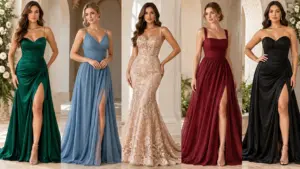
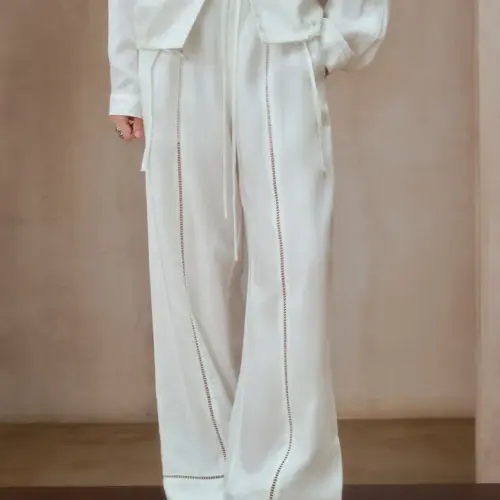
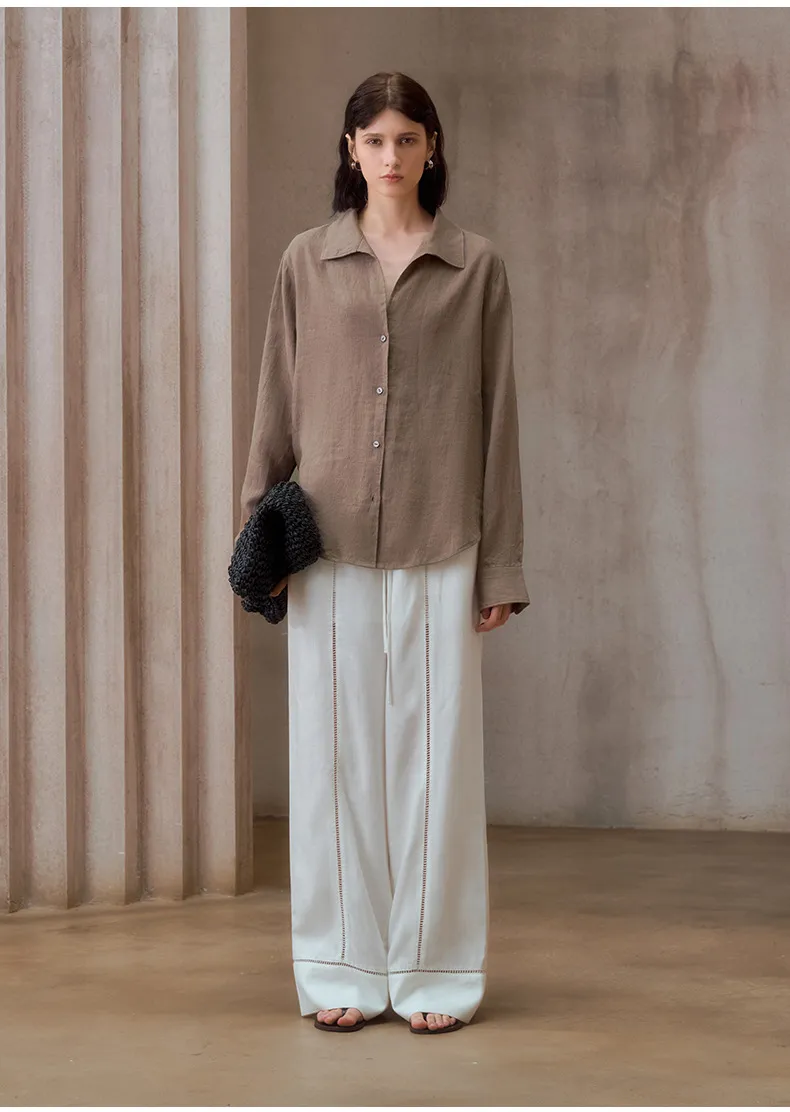
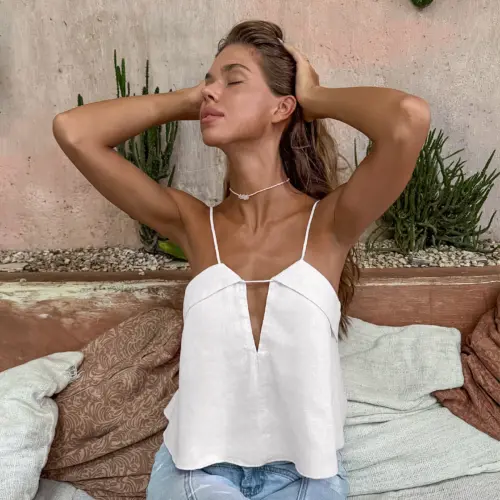
Ich sehe immer wieder “dyfne” und “dryne” in Käufernachrichten, und ich weiß, dass das eigentliche Problem das Vertrauen ist. Wenn ein Marke Das Wachstum verläuft schnell, die Verwirrung wächst noch schneller.
DFYNE ist ein Vereinigtes Königreich Sportbekleidung Die Marke hat ihren Sitz in Schottland, genauer gesagt in der Gegend um Glasgow. Wenn Sie eine eindeutige Antwort wünschen, denken Sie an “Glasgow, Schottland (UK)” anstatt an Australien, die USA oder einen beliebigen Marktplatzeintrag.

Ich erinnere mich an ein Telefonat, in dem Maria inne hielt und mich fragte: “Lancy, wo genau befindet sich dfyne, und warum sehe ich so viele Seiten mit der Aufschrift ‘dfyne Outlet’?” Ich verstand ihre Beweggründe. Sie wollte keine Geschichte, sondern eine Tatsache und die Möglichkeit, diese selbst zu überprüfen.
Wo hat DFYNE seinen Sitz, und was bedeutet “Sitz” eigentlich für eine schnell wachsende Marke?
Die Leute fragen “Wo hat dfyne seinen Sitz?”, weil sie wissen wollen, in welcher Stadt und in welchem Land, nicht nur nach einer Marketingstrategie. Ich verstehe das.
DFYNE hat seinen Sitz in Schottland, Großbritannien, und in der Geschäftsberichterstattung wird häufig Glasgow genannt. Wenn von “Sitz” die Rede ist, bedeutet dies in der Regel, dass sich die Unternehmensleitung, die Büros und die Kernprozesse dort befinden, selbst wenn Versand und Produktionsstätten an mehreren Standorten angesiedelt sind.

Was ich als Erstes überprüfe, wenn ein Käufer fragt: “Wo befindet sich dfyne?”
Ich halte mich an eine einfache Regel: Offiziellen Dokumenten vertraue ich mehr als Blogbeiträgen, und direkten Markenkanälen mehr als Händlerseiten. Das habe ich gelernt, nachdem ich miterlebt habe, wie Käufer auf gefälschte Websites hereingefallen sind, die zwar perfekt aussahen, aber keine echte Unternehmensidentität besaßen.
| Was ich überprüfe | Was es mir sagt | Warum es für Sie wichtig ist |
|---|---|---|
| Regierungsregister | Eingetragener Firmensitz und Rechtssitz | Es verankert die Marke an einer realen Adresse |
| Seriöse Wirtschaftsmedien | Hauptsitz und Wachstumsdetails | Es zeigt, wo das operative Team seinen Sitz hat. |
| Markenunterstützung und Richtlinien | Wie sie mit Rücksendungen, Support und Streitigkeiten umgehen | Es zeigt, ob die Marke wie ein echtes Unternehmen geführt wird. |
| Kundenbewertungsplattformen (vorsichtig) | Öffentliche Kontaktdaten und Muster | Es hilft dabei, gefälschte “Kundendienstnummern” zu erkennen.” |
Warum “Glasgow” so oft auftaucht
Viele schnell wachsende Online-Marken starten mit einem Hauptsitz in einer Stadt und bauen später Lager und Versandrouten auf. Wenn Sie nach “Wo befindet sich dfyne?” oder “Wo befindet sich dfyne erneut?” suchen, liegt das daran, dass Sie unterschiedliche Ergebnisse erhalten haben. Das ist für mich völlig normal. Die Marke kann schottisch sein, weltweit versenden und mit externen Produktionspartnern zusammenarbeiten.
Wenn Sie wie Maria Käuferin sind, ist Ihnen der Standort wichtig, denn er beeinflusst drei Dinge: Lieferzeit, Rückgabeabwicklung und Streitbeilegung. Deshalb ist “Standort” kein unwichtiges Detail. Er verändert Ihr Risiko.
Wie kann ich gefälschte “dfyne outlet”-Seiten, AliExpress-Kopien und Logo-Verwechslungen vermeiden?
Ich habe schon erlebt, dass Käufer in einem Chat dreimal “dfyne logo” geschrieben haben, und ich weiß auch warum. Sie wollen sichergehen, dass ein Produkt echt ist, und sie wollen eine Fälschung vermeiden, die ihnen die Saison ruinieren könnte.
Am sichersten ist es, DFYNE als primär onlinebasierte Marke zu betrachten und nur Kanälen zu vertrauen, die mit offiziellen Supportseiten und Bestellsystemen verlinken. Wenn eine Website behauptet, ein “DFYNE Outlet” zu sein, aber nicht nachweisen kann, dass sie mit der echten Marke verbunden ist, meide ich sie.

Warum “aliexpress dfyne” in den Suchergebnissen erscheint
Viele suchen nach “aliexpress dfyne”, weil die Preise auf dem Marktplatz verlockend sind. Das kann ich nachvollziehen. Ich betreibe eine Fabrik in China und weiß, wie schnell Kopien auftauchen können, wenn ein Design viral geht. Ein günstiger Preis ist aber kein Beweis für die Autorisierung. Oft ist es sogar das Gegenteil.
Ich trenne daher zwei Fragen:
1) “Handelt es sich hierbei um authentische DFYNE-Kleidung?”
2) “Kann ich einen ähnlichen Produktstil für meine eigene Marke herstellen, ohne zu kopieren?”
Die erste Frage betrifft die Authentifizierung. Die zweite Frage betrifft OEM/ODM und Clean-Design-Arbeit.
Eine praktische Checkliste zur Echtheitsprüfung für Käufer und Wiederverkäufer
| Kontrollpunkt | Was ich suche | Was mich misstrauisch macht |
|---|---|---|
| Domänen- und Unterstützungsfluss | Die Support-Links führen zum Hilfecenter der Marke. | Die Website verbirgt Kontaktdaten oder verwendet generische E-Mail-Adressen. |
| Rückgabeprozess | Übersichtliches Retourenportal und klare Regeln | Keine Rücksendeadresse und kein “Endverkauf” für alles |
| Produktbenennung | Einheitliche Namen wie Gamaschen, Shorts, Sets | Zufällige Namensgebung wie “Dyfie-Set” und gemischte Fotos |
| Preislogik | Es gibt Rabatte, aber es sieht trotzdem aus wie eine echte Marke. | Extreme Rabatte, die unmöglich erscheinen |
| Logoverwendung | Saubere, gleichmäßige Platzierung und Qualität | Schiefe Drucke, falsche Abstände, schlechte Nähte |
Was ich Maria über “defyne clothing” im Vergleich zu “dfyne clothing” erzähle”
Ich erkläre ihr, dass Suchmaschinen sich nicht um Rechtschreibung kümmern, Fälscher aber schon. Sie verwenden absichtlich falsche Schreibweisen wie “defyne clothes”, “dyfne”, “dyfen”, “dfny”, “opyne” oder “ofyne”, um Filter zu umgehen. Wenn in einem Eintrag viele ungewöhnliche Schreibweisen vorkommen, betrachte ich das als Warnung.
Wenn Sie Ihre eigene Marke aufbauen wollen, sollten Sie meiner Meinung nach genau das Gegenteil tun. Ihr Design sollte sich von anderen abheben, ebenso wie Ihre Passform. Auch die Auswahl an Verzierungen und Stoffen sollte klar sein. Das schützt Ihre Marke und vermeidet Probleme mit dem Zoll.
Wann füllt DFYNE seine Lagerbestände wieder auf und warum sind Artikel so oft ausverkauft?
Ich bekomme oft Nachrichten wie “Wann hat dfyne wieder Ware auf Lager?” oder “Wann wird dfyne wieder aufgefüllt?”, kurz nachdem eine Farbe wie “dfyne Crimson” in den sozialen Medien viral gegangen ist. Ich verstehe den Druck. Ein Käufer will die Ware jetzt, nicht erst nächsten Monat.
DFYNE füllt seine Lagerbestände regelmäßig wieder auf, die genauen Zeitpunkte können sich jedoch ändern. Die Marke informiert darüber üblicherweise über ihre Website und Supportkanäle. Ein Bereich mit dem Hinweis “Kürzlich wieder aufgefüllt” und häufig gestellte Fragen (FAQ) zu Nachbestellungen deuten darauf hin, dass die Marke die Produktverfügbarkeit und Nachbestellungen nicht kontinuierlich, sondern in Zyklen verwaltet.

Warum beliebte Artikel wie Leggings und Shorts ausverkauft sind
Wenn Sie nach “Dfyne Leggings” oder “Dfyne Shorts in meiner Nähe” suchen, fragen Sie sich eigentlich: “Wie kann ich die Ware zum richtigen Zeitpunkt ergattern?” Viele Online-Marken für Sportbekleidung führen Produkteinführungen in kontrollierten Wellen durch. So sichern sie ihre Liquidität und berücksichtigen die Produktionsvorlaufzeiten.
Ich habe Produktionspläne für Leggings, Sport-BHs, Sweatshirts und komplette “dfyne-Set”-Kollektionen erstellt. Ich kenne das gängige Muster:
| Was Sie als Kunde sehen | Was geschieht hinter den Kulissen? | Was das für Sie bedeutet |
|---|---|---|
| Eine Neuerscheinung ist schnell ausverkauft | Die Marke prognostizierte die Nachfrage und ging ein kontrolliertes Risiko ein. | Die Nachlieferung erfolgt möglicherweise in geplanten Chargen. |
| Eine Farbe verschwindet (wie zum Beispiel Karmesinrot). | Farbpartien und Stoffbuchungen begrenzen die Nachfüllgeschwindigkeit | Die nächste Charge kann eine leichte Farbabweichung aufweisen. |
| Eine Seite mit dem Titel “Kürzlich wieder aufgefüllt” erscheint. | Die Marke füllt ihre Kernsortimente wieder auf. | Sie sollten offizielle Informationen prüfen, nicht Gerüchte. |
| Viele Größen fehlen | Sie füllten zuerst die Bestseller wieder auf. | Die Produktion von Serien in voller Größe dauert länger |
Was ich tun würde, wenn Maria die gleiche “Drop-Energy” für ihre Marke wünscht.
Ich kopiere keine DFYNE-Designs. Ich empfehle es auch nicht. Ich mache etwas Nützlicheres.
Ich helfe ihr, einen Produktionsplan mit ihren eigenen Schnittmustern, ihrem eigenen Zubehörpaket und ihrem eigenen Branding zu erstellen. Ich sorge dafür, dass die gewünschte Produktkategorie passt, zum Beispiel eine nahtlose Leggings, eine Shorts mit Scrunch-Effekt oder ein schweres Sweatshirt. Dann lege ich frühzeitig den Stoff- und Färbeplan fest. So vermeidet sie, eine Saison zu verpassen.
Als Markeninhaber liegt Ihre wahre Stärke nicht darin, einen beliebigen Hersteller zu finden. Ihre wahre Stärke liegt darin, Ihren eigenen Hersteller, Ihre eigene Qualitätskontrolle und Ihren eigenen Lieferplan zu kontrollieren. Daraus ergeben sich Gewinnmargen und Reputation.
Fazit
DFYNE ist eine in Schottland ansässige britische Marke mit Verbindungen zur Region Glasgow. Die sicherste Methode zur Bestätigung von Angaben ist die Nutzung offizieller Register und offizieller Supportkanäle.
Warum ich das schreibe
Ich bin Lancy Chia von Truekung. Ich leite eine Bekleidungsfabrik in China mit über 200 Mitarbeitern. Ich unterstütze B2B-Großhändler mit OEM/ODM-Dienstleistungen in den Bereichen Damenmode, Sportbekleidung und mehr. Wenn Sie Ihre eigene Produktkategorie mit gleichbleibender Qualität und pünktlicher Lieferung aufbauen möchten, erreichen Sie mich unter [email protected].
Ansichten: 490