
Často se setkávám s kupujícími, kteří sledují nové trendy, ale stále si nejsou jisti, co dělá z značky skutečnou high-street značku.
Značky z hlavních ulic definuji jako mainstreamové módní prodejce, kteří prodávají aktuální a nositelné oblečení za dostupné ceny. Tyto značky obvykle oslovují zákazníky prostřednictvím kamenných obchodů, nákupních center, obchodních domů a internetových obchodů.
Pracoval jsem s oděvními nákupčími z mnoha trhů. Zjistil jsem, že úspěch v obchodech nepramení jen z designu. Věřím, že pramení ze správné kombinace módy, ceny, kvality, rychlosti a dodání.
Co znamená High Street v módě?
Často slýchám, jak si kupující spojují tento termín s drahou módou. Toto nedorozumění je může vést k nesprávným produktům a dodavatelům.
Definici hlavní nákupní ulice používám k popisu hlavní nákupní zóny ve městě. V módě tento termín používám pro mainstreamové maloobchodníky, kteří nabízejí aktuální oblečení široké skupině zákazníků za dostupné nebo střední ceny.
Jak chápu definici High Street
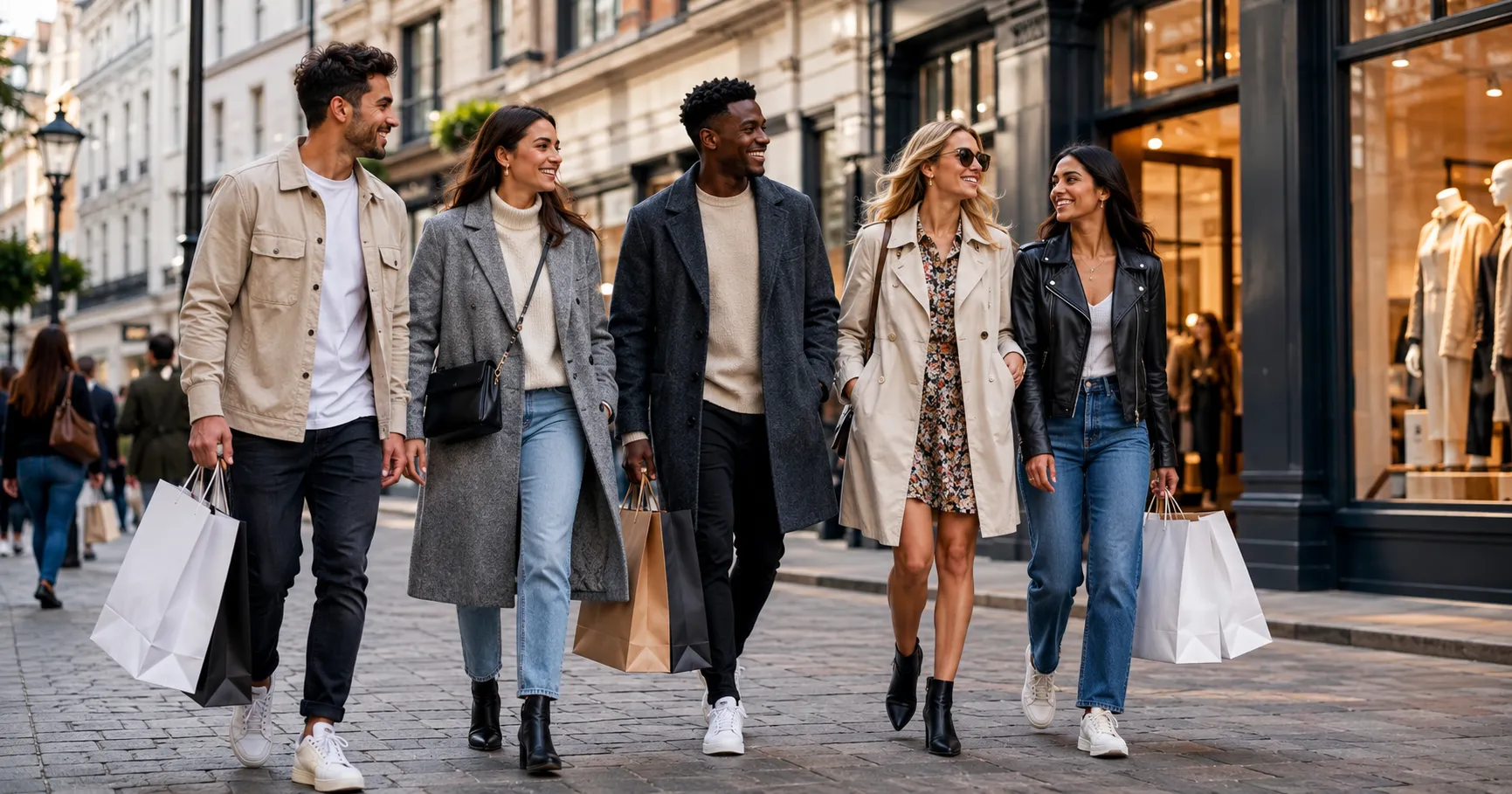
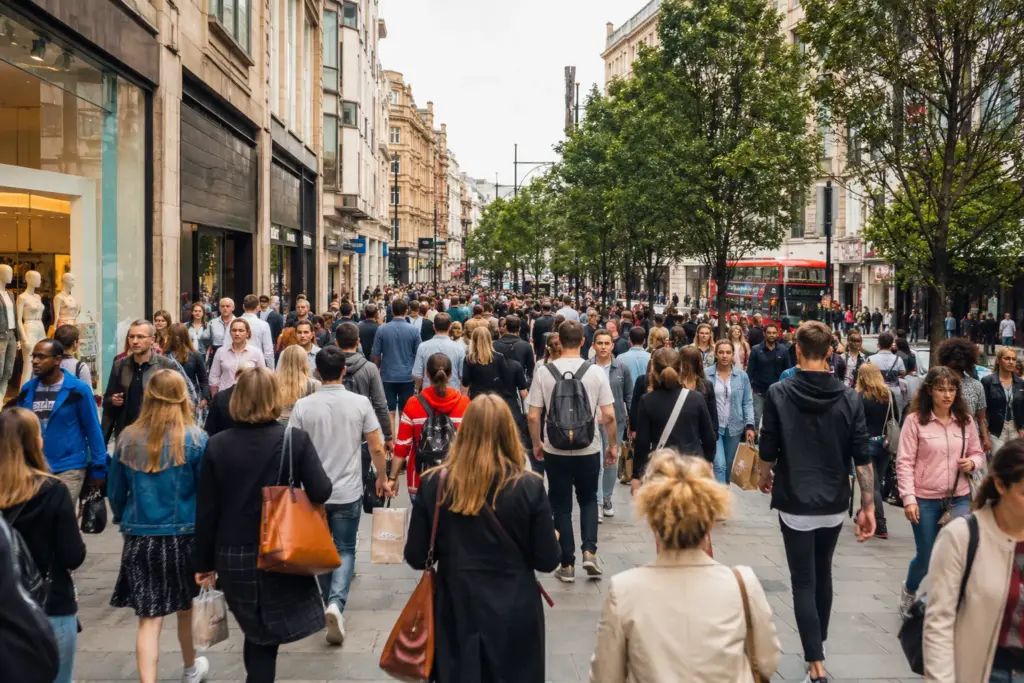
Význam slova „hlavní ulice“ chápu v první řadě jako místo. Ve Spojeném království je „hlavní ulice“ obvykle hlavní obchodní ulice ve městě. Lidé tam najdou banky, restaurace, supermarkety, podniky služeb a maloobchodní prodejny.
Význam se později rozšířil. Lidé začali používat výraz “hlavní ulice” k popisu známých maloobchodníků, kteří se nacházejí v těchto rušných nákupních oblastech. Proto nyní kupující hledají obchody na hlavních ulicích, obchodní čtvrti na hlavních ulicích, prodejny na hlavních ulicích a maloobchodní prodejny na hlavních ulicích.
Když se mě někdo zeptá: “Co je to hlavní ulice?”, popíšu centrální nákupní zónu. Když se mě někdo zeptá: “Co je to móda na hlavních ulicích?”, popíšu mainstreamovou módu, která sleduje současné trendy a zůstává dostupná běžným zákazníkům.
| Období | Jak to definuji |
|---|---|
| Hlavní ulice | Hlavní nákupní ulice ve městě |
| Obchody na hlavní ulici | Obchody tradičních značek v rušných nákupních zónách |
| Maloobchod na hlavní ulici | Maloobchod, který slouží široké skupině zákazníků |
| Oblečení z hlavní ulice | Nositelné a aktuální oblečení za dostupné ceny |
| Značka z hlavní ulice | Mainstreamová značka se širokým dosahem na trh |
| Nakupujte na hlavní ulici | Nakupujte v obchodech v hlavní nákupní zóně |
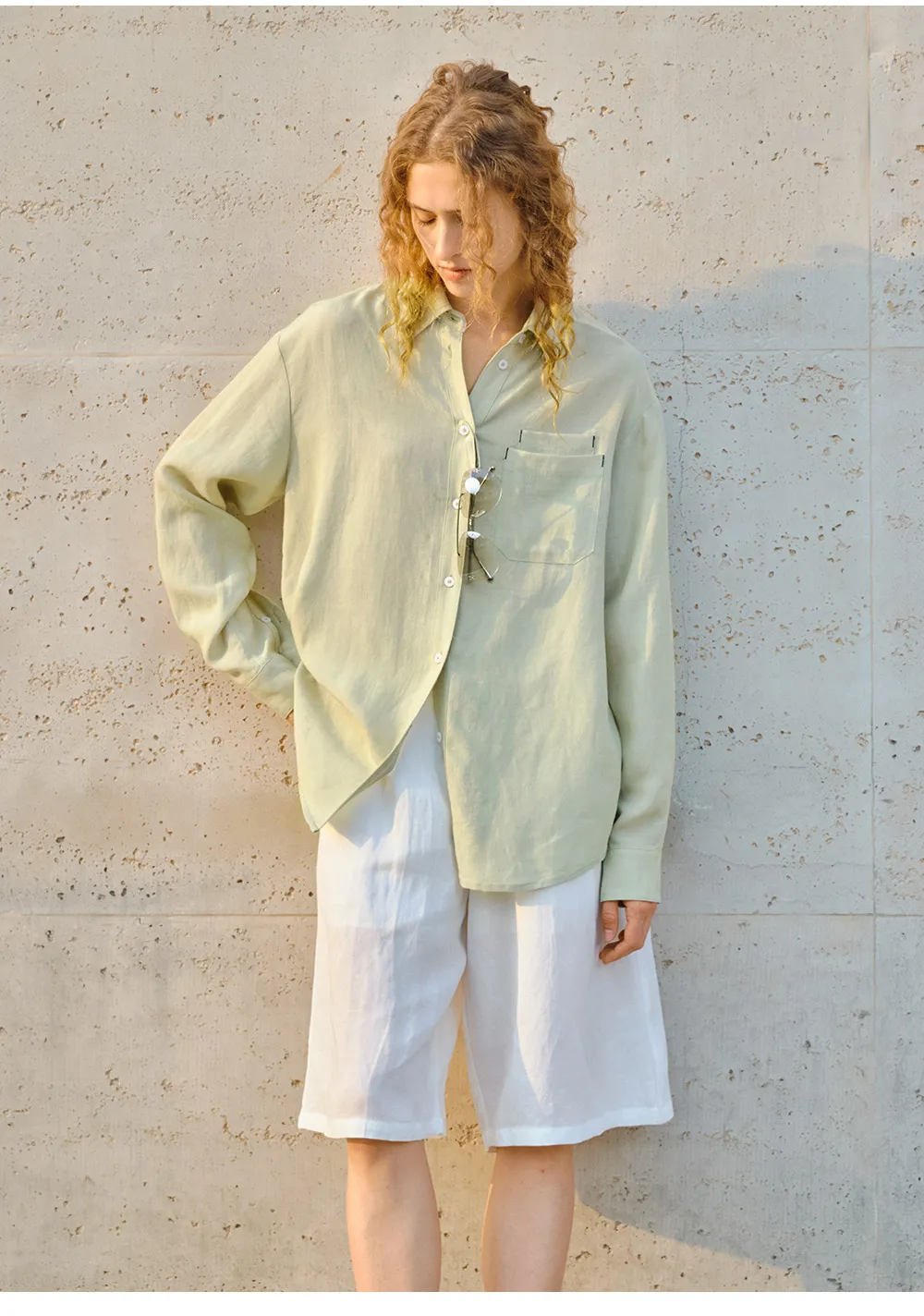
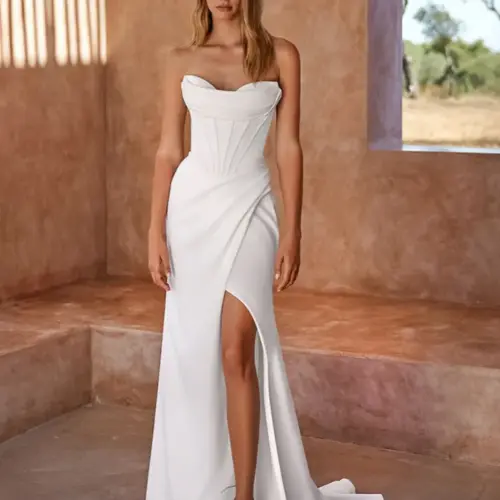
Nevnímám módu z hlavních ulic jako jeden pevně daný styl. V obchodech s oblečením na hlavních ulicích najdu šaty, bundy, džíny, trička, mikiny, kabáty, sportovní oblečení, spodní prádlo, tašky a dětské oblečení.
Zaměřuji se na pozici na trhu. Značka z běžného obchodu obvykle slouží zákazníkům, kteří chtějí aktuální módu, aniž by platili luxusní ceny. Značka musí nakupování usnadnit. Zákazník by měl rychle pochopit styl, kvalitu a cenu.
Jak se liší značky z hlavních ulic od luxusních značek?
Viděl jsem atraktivní vzorky, které selhaly, protože kupující kopírovali luxusní detaily, aniž by zohlednili cenovou hladinu na hlavních ulicích.
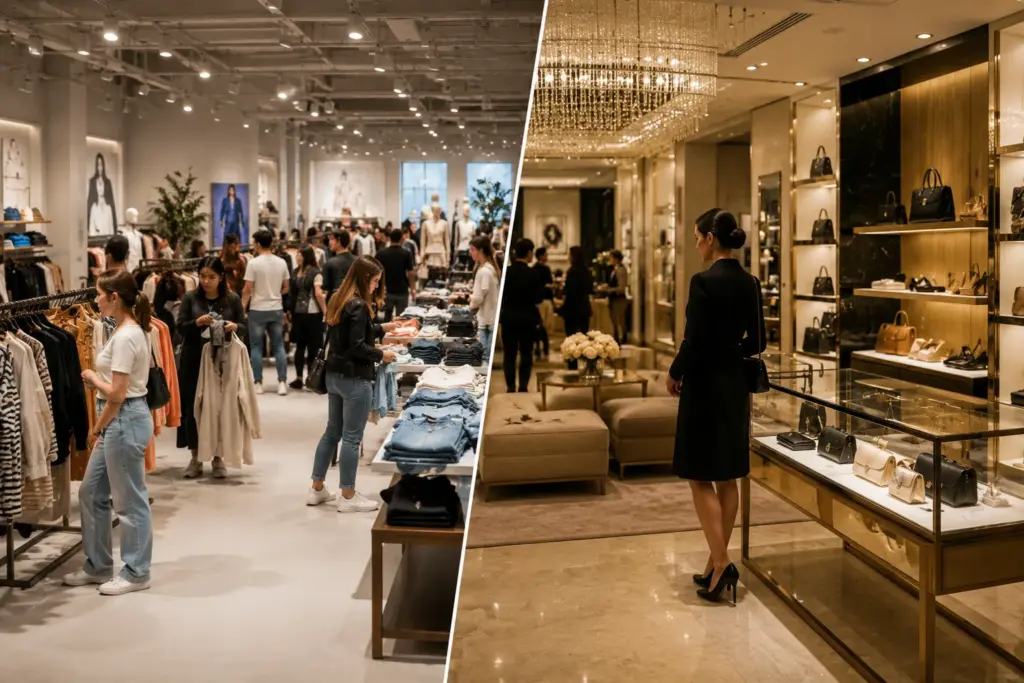
Značky z hlavních ulic od luxusních značek odděluji podle jejich zákaznického dosahu, ceny, objemu výroby a prodejního modelu. Značky z hlavních ulic vnímám jako dostupné a řízené trendy, zatímco luxusní značky vnímám jako exkluzivní, limitované a silně spojené s prestiží.
Začínám s cílovým zákazníkem
Vždycky se dívám na cílovou skupinu zákazníků, než posuzuji značku oblečení. Značka z běžného obchodu se obvykle snaží oslovit velkou skupinu zákazníků. Oblečení musí vypadat moderně, být pohodlné a nosit ho v každodenním životě.
Luxusní značka obvykle chrání exkluzivitu. Značka může používat vzácné látky, speciální zpracování, omezenou produkci a vybrané prodejní kanály. Zákazník často platí za produkt, historii, zážitek z obchodu a status značky.
Značka z běžného obchodu má jiný cíl. Musí proměnit módní nápady v praktické produkty. Design musí vypadat atraktivně, ale výrobní náklady musí stále podporovat cílovou maloobchodní cenu.
| Faktor | Značka na hlavní ulici | Luxusní značka |
|---|---|---|
| Cílový zákazník | Široký spotřebitelský trh | Malý prémiový trh |
| Cenová hladina | Cenově dostupné až střední třídy | Vysoká až velmi vysoká |
| Objem výroby | Střední až velká | Omezené nebo kontrolované |
| Hlavní hodnota | Trend, cena a pohodlí | Prestiž, vzácnost a historie |
| Prodejní kanály | Obchody na hlavních ulicích, obchodní centra a internetové obchody | Vlajkové obchody a vybrané butiky |
| Produktový cyklus | Časté sezónní aktualizace | Delší a kontrolovanější cykly |
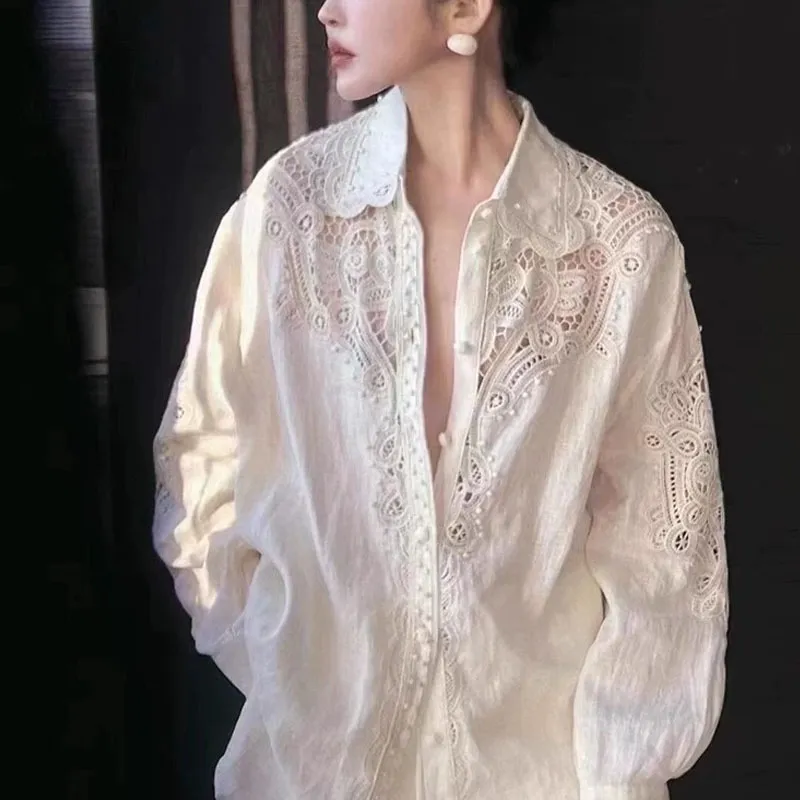
Viděl jsem kupující, kteří si k oblečení z obchodů přidávali drahé detaily. Mohou si vybrat těžké výšivky, zakázkové kování, složité praní, ručně vyráběné dekorace nebo drahé dovážené látky.
Vzorek může vypadat působivě, ale konečná cena se může ukázat jako příliš vysoká. Kupující pak může přijít o očekávanou maloobchodní marži.
Obvykle si ponechávám nejvýraznější detaily designu a zjednodušuji ty slabší. Mohu zachovat siluetu, ale změnit látku. Mohu zachovat výšivku, ale zmenšit její velikost. Mohu zachovat speciální lemování, ale použít ho pouze na klíčových místech.
Tento proces mi pomáhá chránit design a zároveň zachovat vhodnost produktu pro maloobchodní prodej v běžném obchodě.
Jsou značky z hlavních ulic totéž co rychlá móda?
Často slýchám kupující používat pojmy “high street fashion” a “fast fashion”, jako by měly stejný význam.
Nevnímám každou značku z hlavní ulice jako značku rychlé módy. Používám hlavní ulici k popisu pozice na trhu a maloobchodního kanálu. Používám rychlou módu k popisu rychlého systému pro navrhování, výrobu, prodej a nahrazování oblečení.
Dívám se na obchodní model
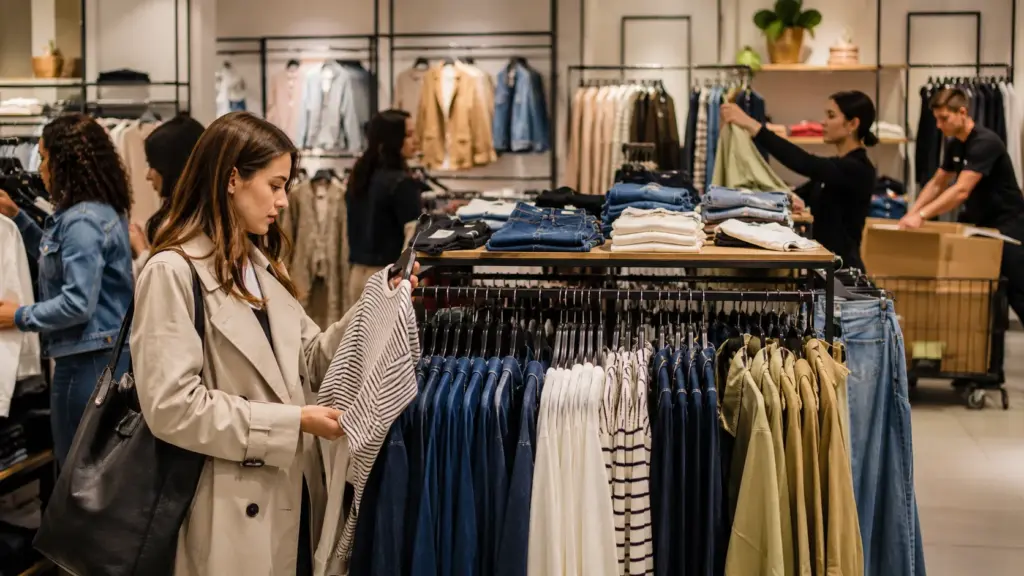
Módní firmu posuzuji podle toho, jak plánuje produkty a objednává zásoby. Společnost rychlé módy rychle reaguje na trendy. Může každý týden uvádět na trh nové modely. Může zadávat malé testovací objednávky a velmi rychle opakovat nejprodávanější modely.
Tradiční značka z běžného obchodu může plánovat kolekci několik měsíců před začátkem výprodejové sezóny. Značka se může spoléhat na stabilní produkty, jako jsou džíny, košile, kabáty, pletené zboží, šaty a jednoduchá trička.
Oba podniky mohou prodávat oblečení z běžné prodeje. Hlavní rozdíl spočívá v rychlosti návrhu, zajištění zdrojů, výroby, dodání a výměny.
| Obchodní otázka | Rychlá módní modelka | Tradiční model pro hlavní ulici |
|---|---|---|
| Jak často značka uvádí na trh nové styly? | Týdně nebo velmi často | Měsíčně nebo sezónně |
| Jak kupující zadává objednávky? | Malé testy a rychlé opakování | Větší plánované objednávky |
| Co řídí design? | Okamžité trendy a prodejní data | Sezónní plány a směřování značky |
| Co dodavatel potřebuje? | Rychlost a flexibilita | Stabilní kvalita a kontrola dodávek |
| Jaké je hlavní riziko? | Problémy s kvalitou způsobené rychlostí | Nadměrné zásoby způsobené velkými objednávkami |
Pracoval jsem s kupujícími, kteří chtěli velmi krátkou dodací lhůtu, ale zároveň požadovali speciální látky, složité vzory a detailní povrchovou úpravu. Tyto cíle si mohou protiřečit.
Rychle se prodávající sezónní produkt může vyžadovat dostupnou látku a jednoduchou konstrukci. Klíčový produkt může poskytnout více času na vývoj látky, úpravu, testování a opakované změny vzorků.
Nemyslím si, že rychlost by měla nahradit kvalitu. Rychlá objednávka stále vyžaduje schválený vzorek, jasnou tabulku velikostí, správné materiály, bezpečné lemování a řádnou kontrolu.
Také kontroluji slevovou sezónu. Dobře ušitý kabát má malou hodnotu, když dorazí po zimě. Správně vyrobené letní šaty se mohou stát mrtvým zbožím, když se do obchodu dostanou příliš pozdě.
Z tohoto důvodu vnímám kontrolu dodávek jako součást kvality produktu.
Jak značky z hlavních ulic proměňují trendy v prodejné oblečení?
Sledoval jsem, jak si kupující vybírají populární designy, které online vypadaly působivě, ale neodpovídaly skutečným zákazníkům.
Věřím, že značky z hlavních ulic proměňují trendy v prodejné oblečení výběrem užitečných designových prvků, zjednodušením konstrukce, výběrem vhodných materiálů, stanovením cílových cen, testováním poptávky a opakováním produktů, které se dobře prodávají.
Trendy překládám, místo abych je kopíroval/a
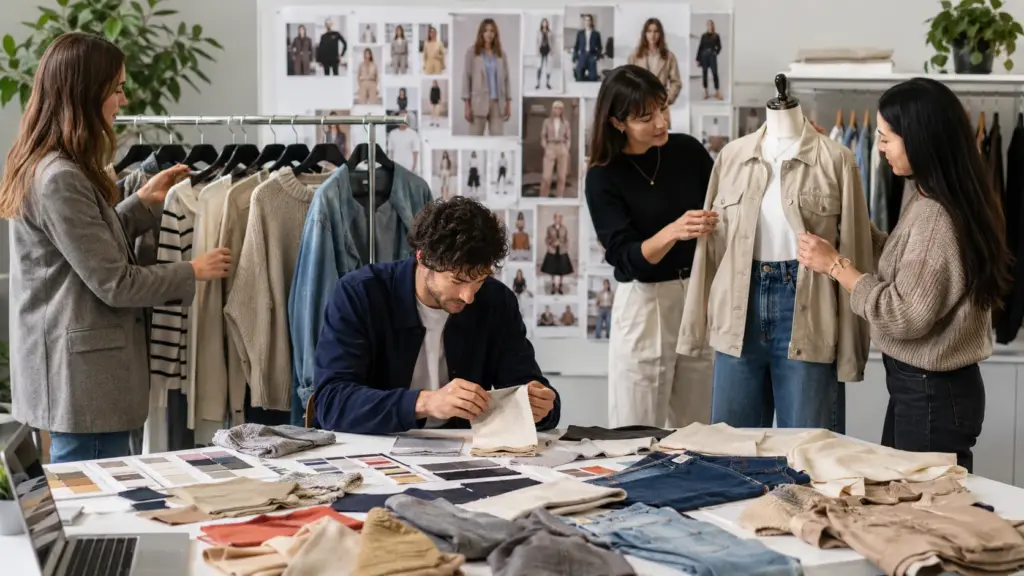
Nekopíruji design přehlídkového molu detail po detailu. Nejprve identifikuji tu část, která dává designu jeho hlavní hodnotu. Klíčovou částí může být barva, tvar, rukáv, potisk, povrch látky, zdobení nebo styling.
Pak se ptám, zda cílový zákazník může produkt nosit v běžném životě. Také se ptám, zda je továrna schopna jej vyrobit za požadovanou cenu, kvalitu a množství.
Tento proces mi pomáhá vytvářet módu pro běžné nošení. Většina zákazníků chce něco nového, ale také chtějí pohodlí, hodnotu a praktické využití.
Například kabát z přehlídkové mola může používat těžkou vlnu, ručně vyráběné dekorace, zakázkové kovové díly a složitou vnitřní strukturu. Verze pro běžné nošení si může zachovat stejný celkový tvar, ale použít lehčí látku, jednodušší podšívku a standardní kování.
Zákazník může stále pochopit designovou myšlenku. Kupující může také dosáhnout praktičtější maloobchodní ceny.
Cílovou cenu používám jako vodítko
Vždy se kupujícího ptám na cílovou maloobchodní cenu a cílovou nákupní cenu. Bez těchto informací si nemohu vybrat správnou látku, lemování, konstrukci ani způsob povrchové úpravy.
| Fáze vývoje | Otázka, kterou si kladu |
|---|---|
| Výzkum zákazníků | Kdo si tento produkt koupí a bude ho nosit? |
| Výběr trendů | Který designový prvek je nejdůležitější? |
| Výběr látky | Odpovídá materiál ročnímu období a ceně? |
| Vzorkování | Odpovídá vzorek designu a tabulce velikostí? |
| Kalkulace nákladů | Může produkt podpořit maloobchodní marži kupujícího? |
| Výroba | Může továrna zopakovat schválený vzorek? |
| Dodání | Dorazí produkty před začátkem prodejní sezóny? |
| Znovu objednat | Může dodavatel rychleji vyrobit více zásob? |
Viděl jsem kupující, kteří si vybrali látky ještě před stanovením cílové ceny. To často vede k mnoha změnám vzorků a dlouhým diskusím.
Raději začínám s cílovým zákazníkem, maloobchodní cenou, množstvím objednávky, úrovní kvality a konečným datem dodání. Pak mohu od začátku činit praktičtější rozhodnutí.
Tato metoda funguje pro oblečení z běžné nošení, luxusní oblečení, oblečení z běžné nošení, bundy, šaty, džíny, trička, mikiny, sportovní oblečení a módní tašky.
Také používám zkušební objednávky, pokud to obchodní model kupujícího umožňuje. Menší první objednávka může ukázat, které barvy, velikosti a designy se prodávají nejlépe. Kupující pak může zopakovat úspěšné položky a snížit riziko nadměrných zásob.
Jak se liší móda na hlavní ulici od streetwearu?
Často vídám kupující, jak si tyto pojmy pletou, protože oba obsahují slovo “ulice”.”
Popisuji módu z ulice jako mainstreamové oblečení prodávané prostřednictvím dostupných maloobchodních kanálů. Streetwear popisuji jako styl a kulturu spojenou s ležérním oblečením, hudbou, sportem, uměním a mládežnickými komunitami. Značka z ulice může prodávat streetwear produkty.
Streetwear vnímám jako kulturní trh
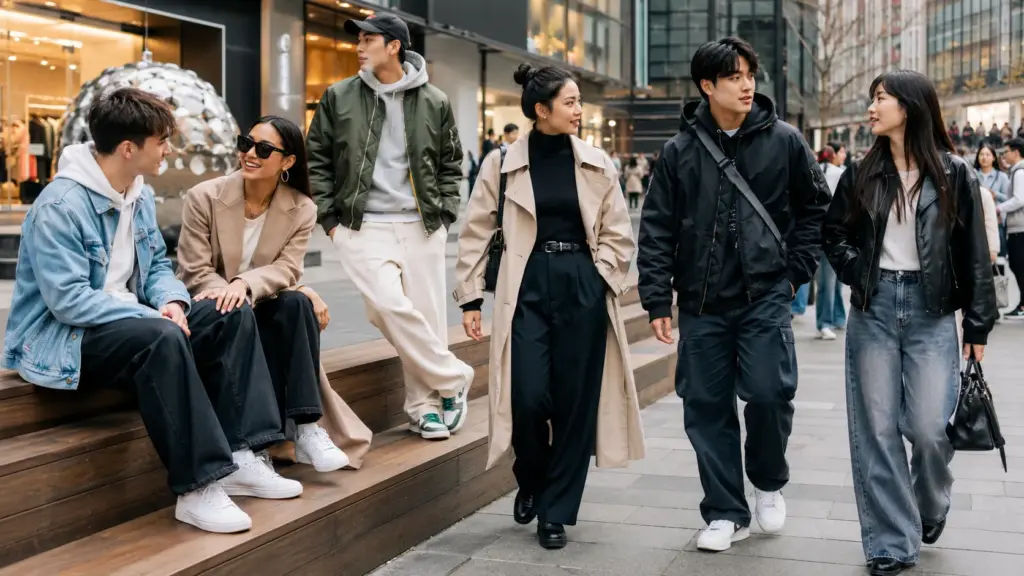
Nevnímám streetwear jen jako mikiny s kapucí, volná trička nebo cargo kalhoty. Silné streetwearové značky si často budují jasnou komunitu a identitu.
Tyto značky mohou používat omezené nabídky produktů, výraznou grafiku, nadměrné střihy, speciální spolupráce a silné kampaně na sociálních sítích. Zákazníci si mohou oblečení koupit, protože se chtějí spojit s kulturou značky.
Móda z hlavních ulic obvykle slouží širší skupině zákazníků. Značka z hlavních ulic může nabízet kancelářské oblečení, oblečení do volného času, společenské šaty, kabáty, džíny, spodní prádlo, dětské oblečení, sportovní oblečení a doplňky.
| Faktor | Móda z hlavní ulice | Pouliční oblečení |
|---|---|---|
| Hlavní myšlenka | Bezbariérová móda | Kultura, identita a ležérní styl |
| Skupina zákazníků | Široký trh | Často definovaná komunita |
| Produktová řada | Mnoho kategorií oblečení | Převážně produkty pro volný čas a sport |
| Metoda spuštění | Sezónní kolekce a pravidelné aktualizace | Drops a limitovaná vydání |
| Hlavní prodejní argument | Trend, cena a pohodlí | Identita značky a kulturní hodnota |
Pojmy jako high fashion streetwear, high-end street wear, značky oblečení s kapucí, značky trendy oblečení a top street brands mohou popisovat produkty, které se nacházejí mezi těmito dvěma trhy.
Obchodník na hlavní třídě může prodávat produkty inspirované streetwearem. Může nabízet nadměrné mikiny, trička s potiskem, bomber bundy, cargo kalhoty a volné džíny.
Rozdíl pramení z cílového trhu a obchodního modelu. Maloobchodník v běžném obchodě obvykle vyrábí tyto produkty pro širokou skupinu zákazníků a za dostupnější cenu.
Žádám kupující, aby mi poskytli jasné informace o produktu. Potřebuji vědět věk zákazníka, cílovou cenu, velikostní rozsah, preferovanou látku, množství objednávky, úroveň kvality a prodejní kanál.
Popis jako “vysoká móda” neposkytuje továrně dostatek informací. Jasný plán produktu mi pomáhá vytvořit správný vzorek a cenovou nabídku.
Proč mají zákazníci rádi obchody na hlavní ulici?
Myslím, že zákazníci čelí příliš velkému výběru módních doplňků. Přehledný a známý obchod může nákupní rozhodnutí mnohem usnadnit.
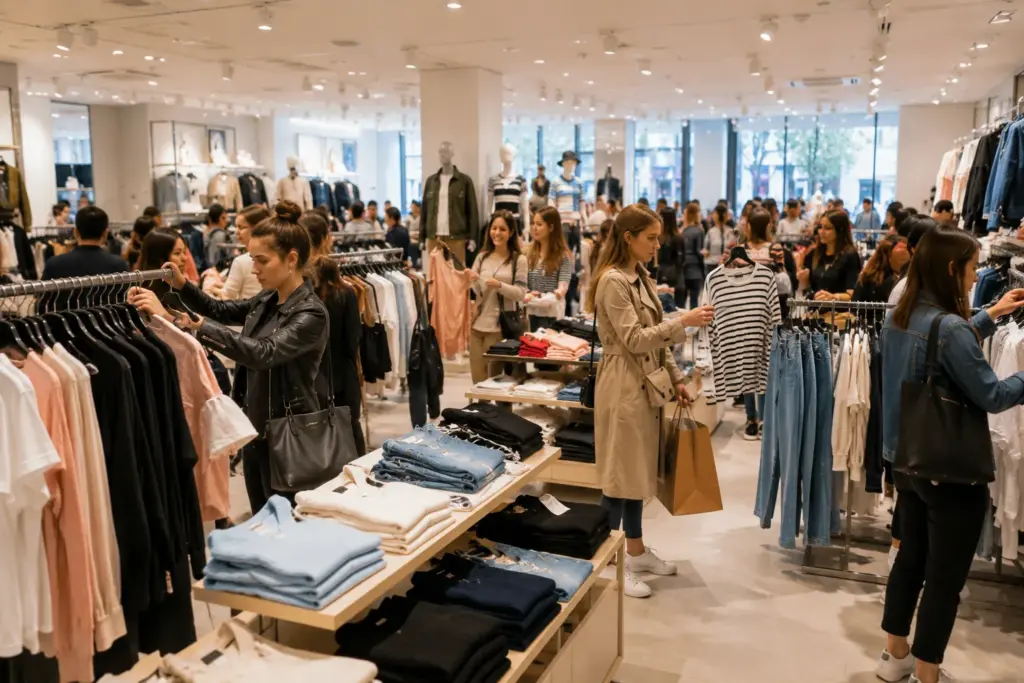
Věřím, že obchody na hlavních ulicích zůstávají oblíbené, protože kombinují aktuální módu, dostupné ceny, široký výběr produktů, výhodnou polohu a známé zážitky z nakupování. Zákazníci si mohou vyzkoušet nové trendy, aniž by se museli finančně zavazovat, jak to vyžaduje luxusní móda.
Věřím, že znalost snižuje riziko
Za jednu z nejsilnějších výhod značky z běžného obchodu považuji znalost zboží. Zákazníci často chápou cenovou hladinu obchodu, systém velikostí, podmínky vrácení zboží, designový směr a celkovou kvalitu produktů.
Díky této známosti se nové trendy cítí bezpečněji. Zákazník se může vyhnout neobvyklé bundě od neznámé firmy. Stejný zákazník si ji může vyzkoušet v známém obchodě na luxusní burze.
Obchody na hlavních ulicích umisťují vedle základních produktů i trendy zboží. Nakupující si může koupit módní top a sladit ho s jednoduchými kalhotami, džínami, kabátem nebo kabelkou ze stejné kolekce.
Pohodlí vidím jako hlavní výhodu
Zákazník může nakupovat na hlavní třídě, navštívit nákupní centrum nebo si objednat z internetového obchodu. Tyto kanály poskytují zákazníkovi více způsobů, jak najít, porovnat a koupit produkty.
| Potřeba zákazníka | Jak reaguje maloobchod na hlavních ulicích |
|---|---|
| Aktuální móda | Pravidelné nové styly a sezónní barvy |
| Dostupné ceny | Produkty základní a střední třídy |
| Snadné nakupování | Kamenné prodejny a online kanály |
| Sladění outfitů | Související oblečení a doplňky |
| Nižší riziko nákupu | Známé velikosti a podmínky vrácení zboží |
| Větší výběr | Široké kategorie produktů |
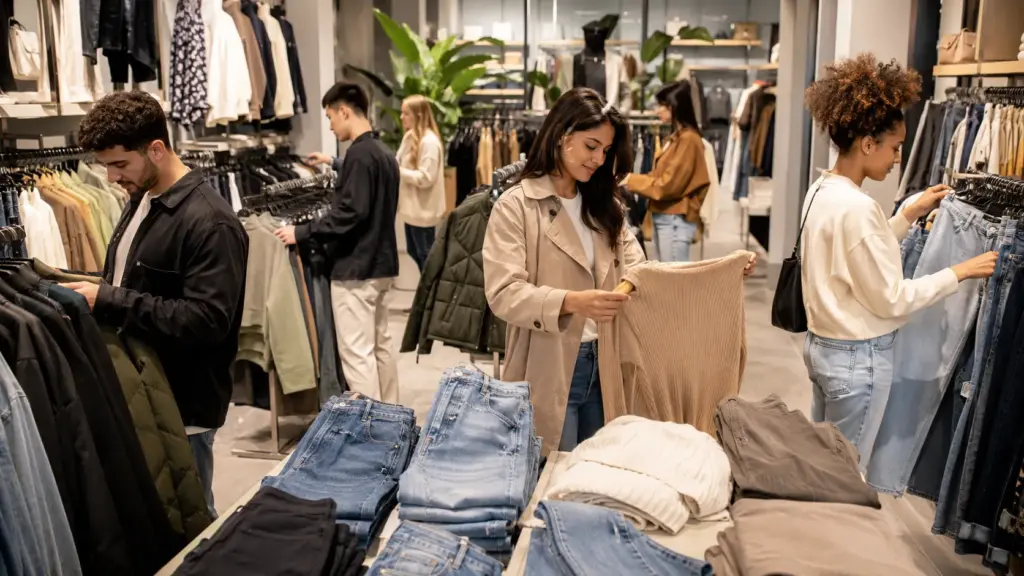
Věřím, že nakupování na hlavní třídě stále nabízí hodnotu. Zákazníci si mohou látku osahat, zkontrolovat skutečnou barvu, porovnat velikosti a produkt si před zakoupením vyzkoušet.
Online nakupování zvyšuje rychlost a pohodlí. Mnoho silných značek z hlavních obchodů propojuje své kamenné a online kanály.
Zákazník může objevit produkt online a koupit si ho v obchodě. Stejný zákazník si může produkt v obchodě vyzkoušet a online objednat jinou barvu.
Tento kombinovaný model dává značkám z hlavních obchodů více šancí obsloužit zákazníky.
Na co by si měli kupující dát pozor při výběru dodavatele oblečení z obchodu?
Viděl jsem nízké nabídky, které přilákaly kupující, ale nízká kvalita a pozdní dodání mohou zhatit veškeré očekávané úspory.
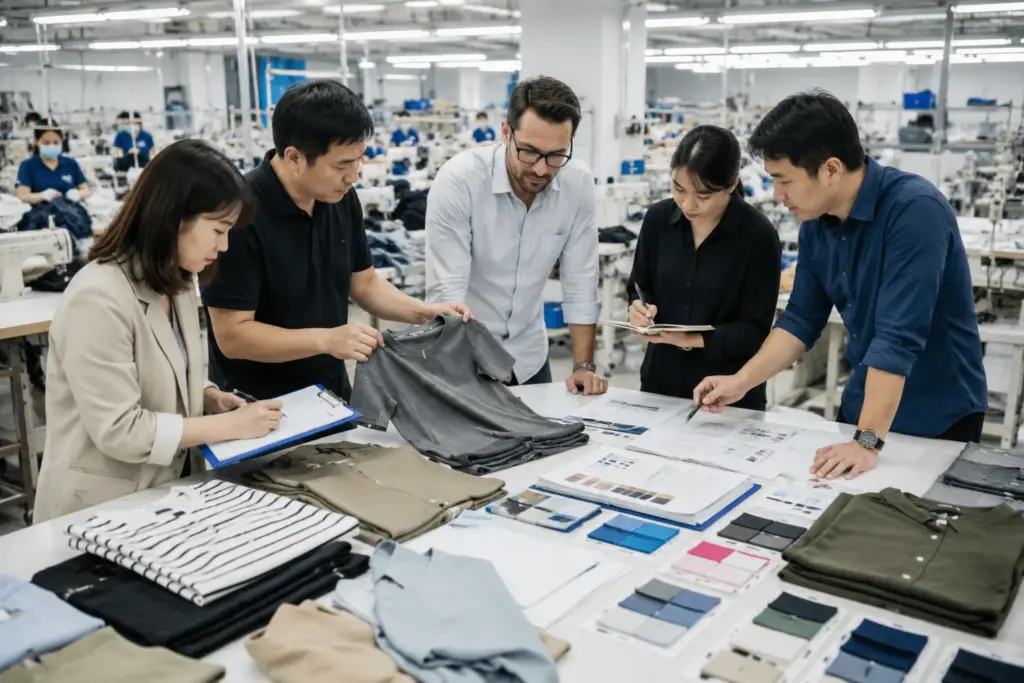
Kontroluji zkušenosti dodavatele s produkty, systém kvality, skutečnou kapacitu, certifikáty, komunikaci, dodací lhůtu, platební podmínky a logistický plán. Před zahájením hromadné výroby také schvaluji vzorek, látku, rozměry, etikety, balení a inspekční standardy.
Před stanovením ceny si ověřuji zkušenosti s produktem.
Nejprve se ptám, zda dodavatel vyrábí podobné oblečení z běžné noše. Továrna, která vyrábí hlavně základní trička, nemusí mít ty správné zkušenosti se strukturovanými kabáty, praným denimem, technickými bundami nebo detailními šaty.
Prohlížím podobné vzorky. Kontroluji šití, míry, kvalitu látky, srážlivost, stálobarevnost, potisk, vyšívání, praní a konečnou úpravu.
Také ověřuji skutečnou kapacitu továrny. Dodavatel může přijmout velkou objednávku bez dostatečného počtu pracovníků, strojů nebo výrobních linek. Tento problém často způsobuje zpoždění a změny kvality.
V Truekungu pracuji pro továrnu s více než 200 zaměstnanci. Poskytuji služby v oblasti OEM, ODM, privátních značek a velkoobchodní prodej oděvů. Mám více než 20 let zkušeností s výrobou oděvů a zahraničním obchodem.
Pečlivě ověřuji certifikáty
Nepřijímám fotografii certifikátu jako konečný důkaz. Kontroluji název továrny, adresu, číslo certifikátu, vydávající organizaci, rozsah a datum platnosti.
Někteří dodavatelé mohou předložit certifikát, který patří jiné továrně nebo jiné společnosti. Doporučuji kupujícím, aby si ověřili, zda se dokument vztahuje na skutečné místo výroby.
| Kontrola dodavatele | Žádost o důkazy |
|---|---|
| Zkušenosti s produktem | Podobné vzorky a výrobní záznamy |
| Kontrola kvality | Inspekční proces a normy pro vady |
| Výrobní kapacita | Pracovníci, stroje, plány linek a výstup |
| Osvědčení | Ověřitelné dokumenty pro správnou továrnu |
| Sdělení | Jeden zodpovědný kontakt a pravidelné aktualizace |
| Dodání | Podrobný výrobní harmonogram |
| Platba | Jasné podmínky vkladu a zůstatku |
| Logistika | Podrobnosti o balení a přepravní dokumenty |
Vytvořím si jasnou časovou osu
Celou dodací lhůtu dělím na výrobu látky, přípravu lemování, schválení vzorku, stříhání, šití, konečnou úpravu, kontrolu, balení a expedici.
Tato časová osa mi pomáhá včas odhalit problémy. Zároveň dává kupujícímu i výrobci jeden jasný plán.
Viděl jsem, jak opožděné objednávky způsobují, že kupující promeškají důležité slevové sezóny. Produkty sice mohou splňovat standard kvality, ale když dorazí pozdě, ztrácejí na hodnotě.
Také se domnívám, že jasná komunikace je součástí kontroly kvality. Dodavatel by neměl problémy skrývat. Dodavatel by měl co nejdříve hlásit problémy s látkami, zpoždění výroby a rizika týkající se kvality.
Jasná aktualizace dává kupujícímu čas na rozhodnutí. Pozdní aktualizace může vést k nákladům na leteckou přepravu, promeškaným propagačním akcím a prázdným místům v kamenných obchodech.
Jak si mohou kupující vybudovat vlastní značku na hlavní ulici?
Potkávám mnoho kupujících, kteří mají silné nápady, ale nemají jasný plán produktu a získávání zdrojů.
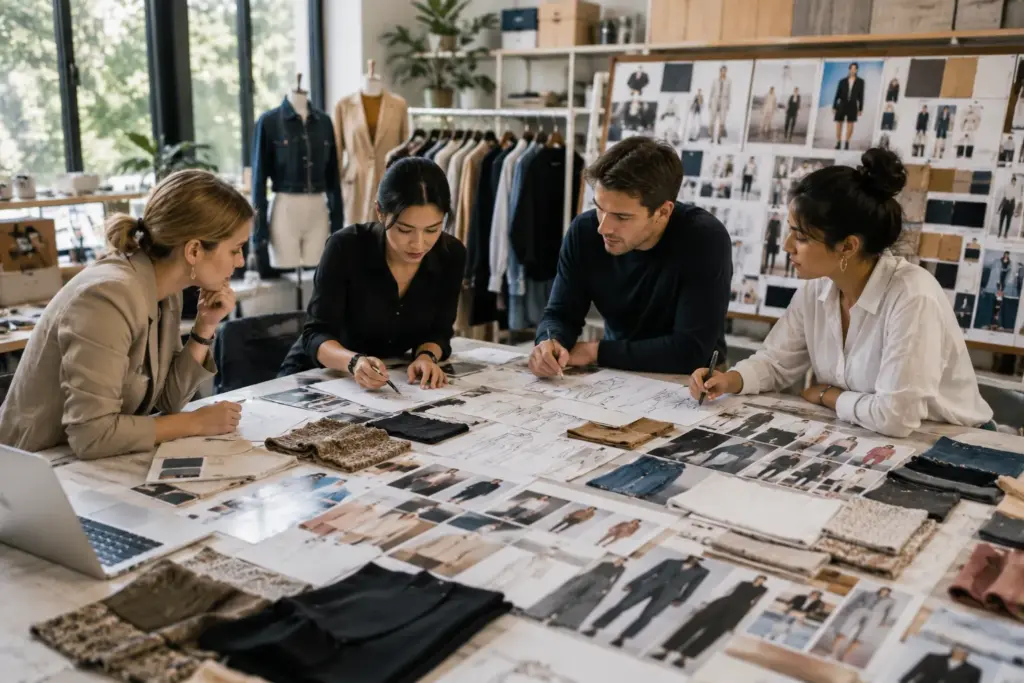
Věřím, že nákupčí si mohou vybudovat značku na hlavní třídě definováním zákazníka, cenové hladiny, kategorií produktů, stylu značky, prodejních kanálů, množství objednávek, standardů kvality a kalendáře uvedení produktů na trh. Doporučuji začít s cílenou kolekcí a rozšiřovat ji po prozkoumání skutečných prodejních dat.
Začínám s jasným zákazníkem
Nejprve definuji, kdo bude produkty kupovat. Přihlížím k věku, životnímu stylu, příjmu, zemi, tvaru postavy, velikostnímu rozpětí a nákupním zvyklostem.
Značka pro mladé online nakupující potřebuje jiný produktový plán než butik na hlavní ulici, který slouží zralým ženám.
Také rozhoduji, čím by měla být značka známá. Značka se může zaměřovat na šaty, bundy, džíny, sportovní oblečení, dámskou módu, dětské oblečení nebo kompletní sezónní kolekce.
Nová značka nemusí nabízet každou kategorii produktů. Obvykle doporučuji menší a silnější první kolekci.
Každému produktu dávám roli
Věřím, že každý produkt by měl mít jasný komerční účel.
| Role produktu | Účel |
|---|---|
| Produkt pro návštěvnost | Přilákejte zákazníky dostupnou cenou |
| Hlavní produkt | Vytvořte stabilní a opakovatelné prodeje |
| Trendový produkt | Ukažte, že značka sleduje aktuální módu |
| Obrázek produktu | Posílit vizuální identitu značky |
| Ziskový produkt | Podpora silnější maloobchodní marže |
| Opakujte produkt | Umožněte rychlé opětovné objednávky po silném prodeji |
Kupujícím doporučuji, aby se vyhýbali přílišnému množství nesouvisejících designů. Silná kolekce z běžného nakupování by měla působit propojeně.
Barvy, látky, tvary, lemování, etikety, balení a fotografie produktů by měly podporovat stejné sdělení.
Také doporučuji otestovat trh. Kupující může začít s menším množstvím, ověřit si prodej a zopakovat úspěšné produkty.
Tato metoda může snížit riziko spojené se zásobami. Kupujícímu také poskytuje skutečné informace o zákazníkovi, než zadá větší objednávky.
Nepoužívám nesouvisející názvy firem ani vyhledávání obchodů ve významu high street módy. Výrazy jako HighstreetMX, High St Studios Clothing, Dreams on High St, 6th Street Fashion, Fashion Town Beach, High Street Co, Topstreetear a adresář obchodů v High Street se mohou vztahovat ke konkrétním firmám nebo výsledkům vyhledávání.
Zaměřuji se na skutečné obchodní otázky. Zaměřuji se na zákazníka, produkt, cenu, kvalitu, objem objednávek, prodejní kanál a datum dodání.
Závěr
Věřím, že značky z hlavních ulic uspějí, když vyváží módu, cenu, kvalitu, rychlost a dodání a zároveň udrží zákazníka v centru každého rozhodnutí.
Zobrazení: 74