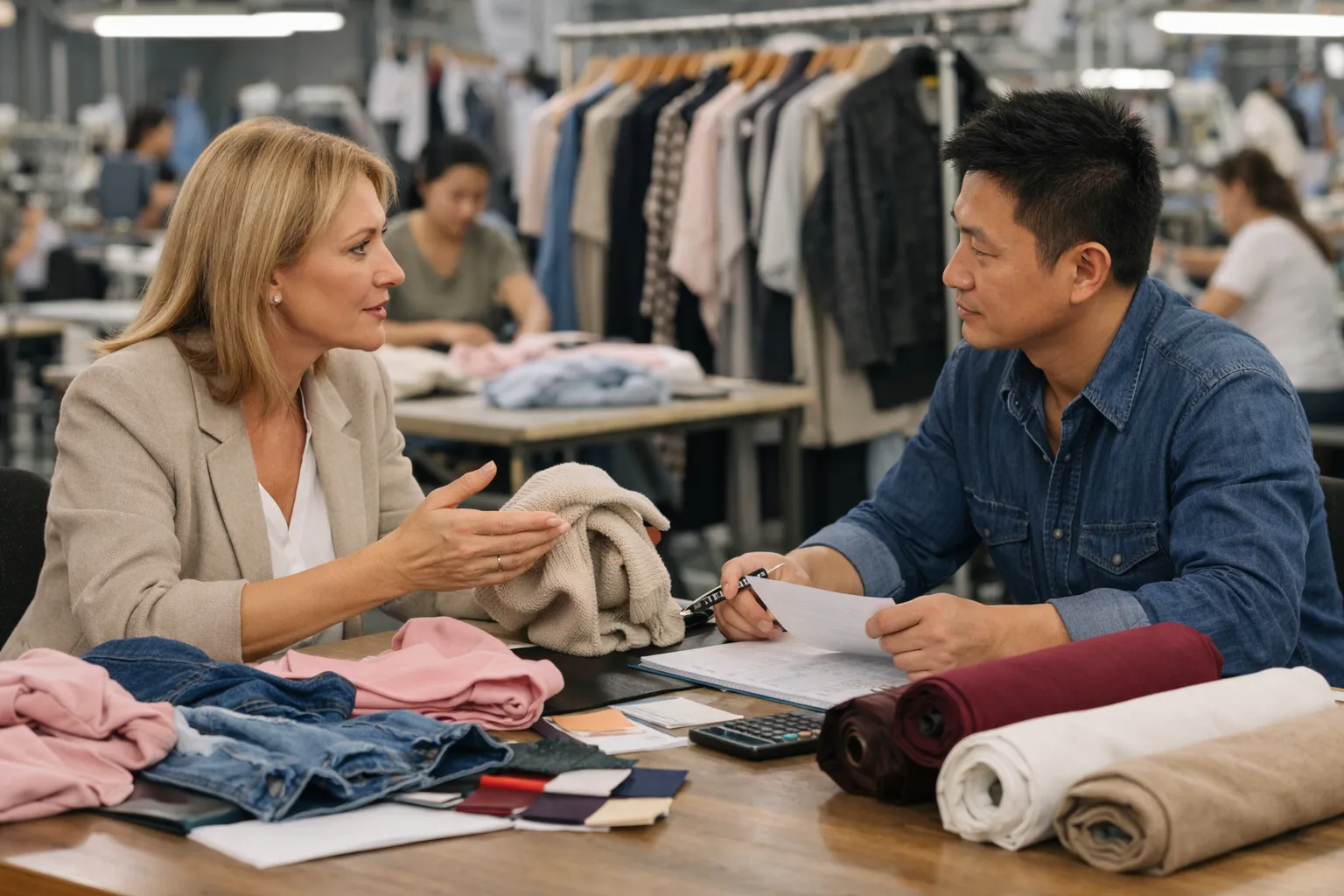

Vidím, jak mnoho nových značek paniká, když... továrna uvádí velké číslo. Bojí se tlaku zásob, hotovosti a pomalých prodejů. Tento strach je může dohnat ke špatné první objednávce.
Můžete se domluvit na oblečení výrobce Minimální objednávací množství propojením s faktory ovlivňujícími náklady ve výrobě, nabídkou inteligentnějšího sortimentu produktů a využitím postupné výroby, abyste nakupovali méně inventář zatímco továrna stále dosahuje stabilní marže.
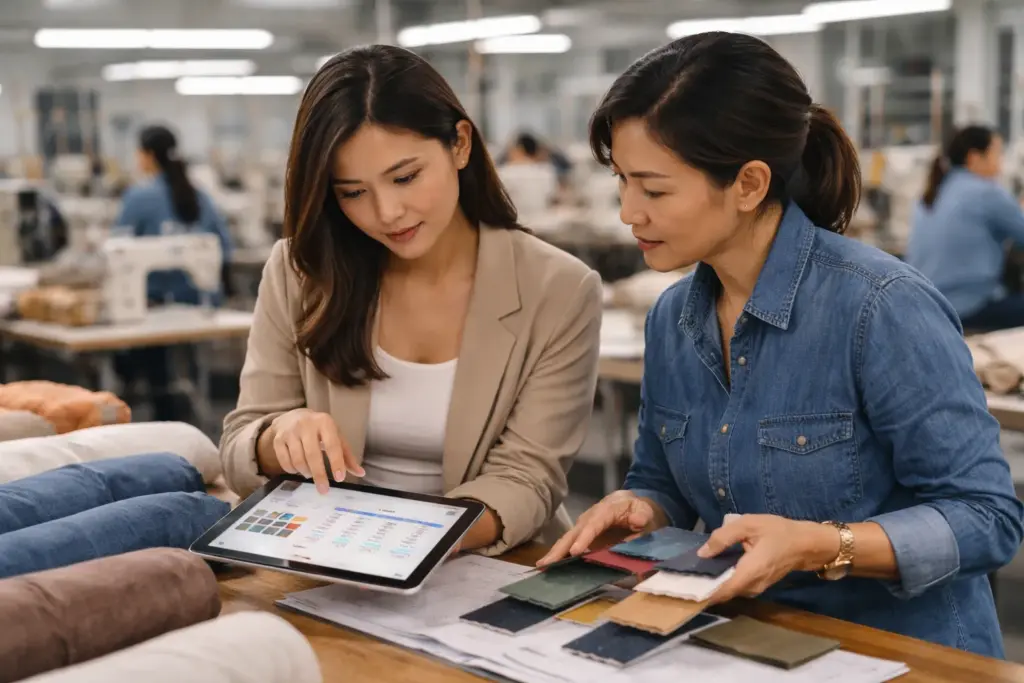
Pořád si pamatuji své první “skutečné” vyjednávání, kde jsem se snažil vyhrát tím, že jsem požadoval pouze nižší minimální objednávku (MOQ). Zněl jsem statečně, ale problém továrny jsem tím neřešil. Pokud budete číst dál, uvidíte kroky, které snižují MOQ a také snižují vaše riziko se zásobami.
Co potřebuji vědět, než budu vyjednávat minimální objednávku (MOQ) s výrobcem oděvů?
Jednání o minimálním objednávkovém množství (MOQ) mi připadají jako boj, když nevím, co číslo chrání. Viděl jsem kupující, kteří tvrdě tlačili, pak dostali “ano” a nakonec se potýkali se zpožděním a problémy s kvalitou. To je jiný druh rizika.
Než začnete vyjednávat o minimálním objednávkovém množství, zmapujte, kolik musí továrna zaplatit za nastavení, materiál a plánování linky, a poté se rozhodněte, které díly můžete pro první objednávku zjednodušit, aby továrna mohla přijmout menší sérii bez ztráty peněz.
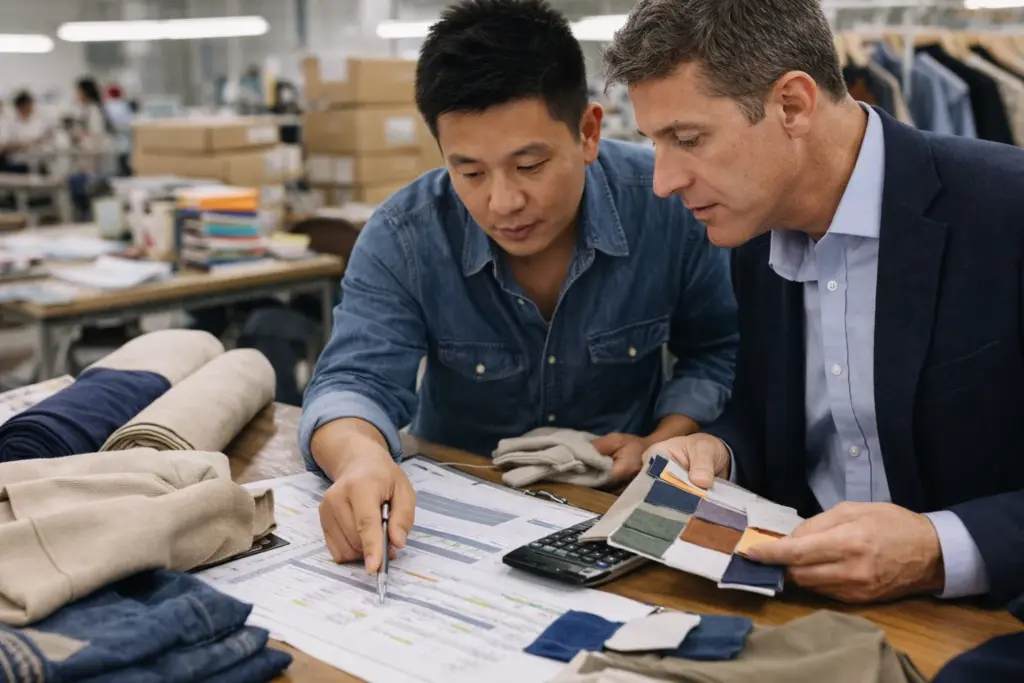
Co MOQ skutečně zahrnuje
Minimální objednávací množství (MOQ) není jen o zisku. Jde také o odpad a plánování. Když mluvím s týmem v továrně, často se nejdříve zajímají o tyto věci:
- Minimální požadavky na látky a lemování od dodavatelů
- Řezání odpadu, když značkovače nejsou efektivní
- Doba změny linky, doba odběru vzorků a nastavení kontroly kvality
- Minimální množství obalových materiálů a kartonů
- Riziko dopravy a platby pro malé kupující
Co si připravím, než požádám o nižší minimální objednávku (MOQ)
Vedu si lépe, když ukážu, že rozumím výrobnímu postupu. Přinesu si jasný technický balíček, tabulku velikostí a striktní barevný plán. Také si vyberu jednu základní látku a jednu základní sadu lemování. Když to udělám, můžu požádat o “snížení minimálního objemu výroby oděvů” způsobem, který zní férově. Také si stanovím vlastní limit rizika zásob pro danou značku oblečení. Rozhoduji se o maximálním počtu kusů, které mohu držet po dobu 90 dnů.
| Hnací síla nákladů | Proč to zvyšuje MOQ | Co změním u první objednávky |
|---|---|---|
| Minimální množství látek | Mlýn chce větší metráž | Použijte látku skladem nebo jednu běžně dostupnou látku |
| Šarže barviv | Malé šarže barviva stojí více | Použijte standardní barvy nebo méně barev |
| Nastavení linky | Čas je fixní cena | Zachovejte stejné stylistické detaily napříč všemi skladovými položkami |
| Ořezy | Minimální objednávkové množství dodavatele | Používejte běžné knoflíky, zipy, štítky |
| Kontrola kvality a balení | Čas nastavení | Používejte standardní balení a menší poměry balení |
Když tyto body znám, můžu mluvit jako partner. Na tomto tónu záleží, a to i u sebevědomých kupujících, jako je Maria, protože továrna dokáže vycítit, zda je požadavek založen na skutečných omezeních.
Jak mohu vyjednat minimální objednávkové množství (MOQ) s výrobcem oděvů s využitím nákladových a procesních pák?
Mnoho zakladatelů se mě ptají, “jak vyjednat minimální objednávkové množství s výrobcem oděvů”, a uvádějí jen jednu páku: tlak. Tlak může fungovat jednou, ale může také zvýšit skryté náklady. Já preferuji páky, které snižují riziko na obou stranách.
Abych mohl vyjednat minimální objednávku (MOQ), vyměňuji sníženou složitost za menší množství, nabízím stylový a barevný plán, který udržuje stabilní linku, a používám cenové kroky, aby továrna vydělala více na jednotku při nižším objemu, zatímco se vyhýbám nákupu nadbytečných zásob.
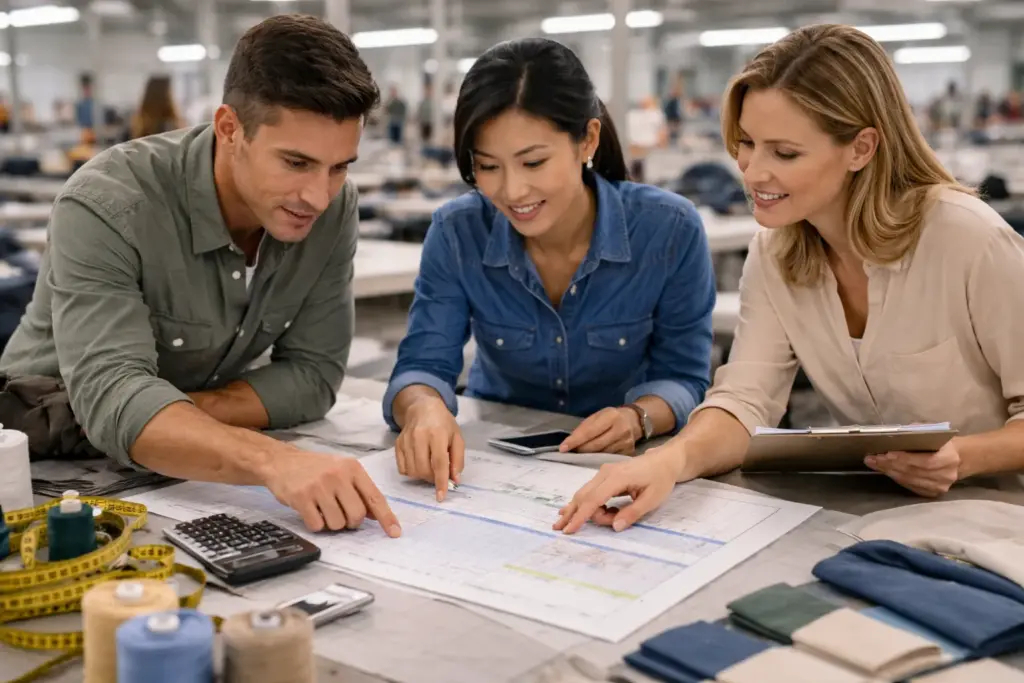
Páka 1: Vytvořte si plán “jedno tělo, mnoho vzhledů”
Často začínám s jedním osvědčeným blokem a jednou látkou. Pak vytvářím varianty s potisky, štítky a malými detaily. Zde se projevují výhody malosériové výroby. Továrna jednou řeže a šicí linka opakuje stejné kroky. To snižuje jejich obavy. Také mi to pomáhá testovat poptávku s menším množstvím zásob.
Páka 2: Používejte cenové kroky místo žebrání o laskavost
Říkám to přímo: “Když koupím méně kusů, můžu za kus zaplatit o něco více.” To definuje náklady na výrobu oděvů na kus jako matematický problém, nikoli jako problém ega. Mnoho výrobců oděvů s nízkým MOQ pro startupy to akceptuje, pokud je marže jasná a pracovní postup zůstane jednoduchý.
Páka 3: Rozdělení objednávky způsobem vhodným pro továrnu
Nedělím to způsobem, který by způsoboval chaos. Dělím to podle toho, co může továrna znovu použít. Například látky a lemování ponechávám stejné a dělím velikosti nebo potisky. Díky tomu je nákup čistý.
| Vyjednávací páka | Co nabízím | O co žádám | Proč to funguje |
|---|---|---|---|
| Cenové kroky | Vyšší jednotková cena při nižším množství | Nižší MOQ | Továrna chrání marži |
| Sdílené materiály | Jedna látka, společné lemování | Menší běh na styl | Továrna snižuje obtíže při hledání zdrojů |
| Jednoduchý barevný plán | 1–2 barvy jako první | Nižší barevné MOQ | Menší riziko barvení |
| Balíček čistých technologií | Rychlé schválení | Kratší dodací lhůta | Nižší náklady na přepracování |
| Záloha a podmínky | Jasný splátkový kalendář | Rezervujte si čas v řadě | Továrna snižuje úvěrové riziko |
Také mluvím o druhé objednávce první den. Říkám, co by spustilo opětovnou objednávku. Pokud se prodejní kapacita dostane do cíle, rychle objednávám znovu. Díky tomu se první objednávka jeví jako začátek, ne jako jednorázová událost.
Jaká strategie pro maloobchodní výrobu oděvů udržuje nízké riziko se zásobami po prvním obchodu?
Malá první objednávka může stále vést k riziku odezvy na skladové zásoby, pokud zvolím špatný mix skladových položek. Viděl jsem značky, které získaly nízké MOQ a přesto přišly o peníze, protože nakoupily příliš mnoho velikostí, barev a stylů najednou.
Bezpečná strategie pro maloobjemovou výrobu oděvů spočívá v testování poptávky s úzkým výběrem skladových položek (SKU), použití etapové výroby nebo částečných dodávek a nastavení pravidel pro opětovné objednání, abyste škálovali pouze vítězné modely a rychle ukončili pomalé modely.
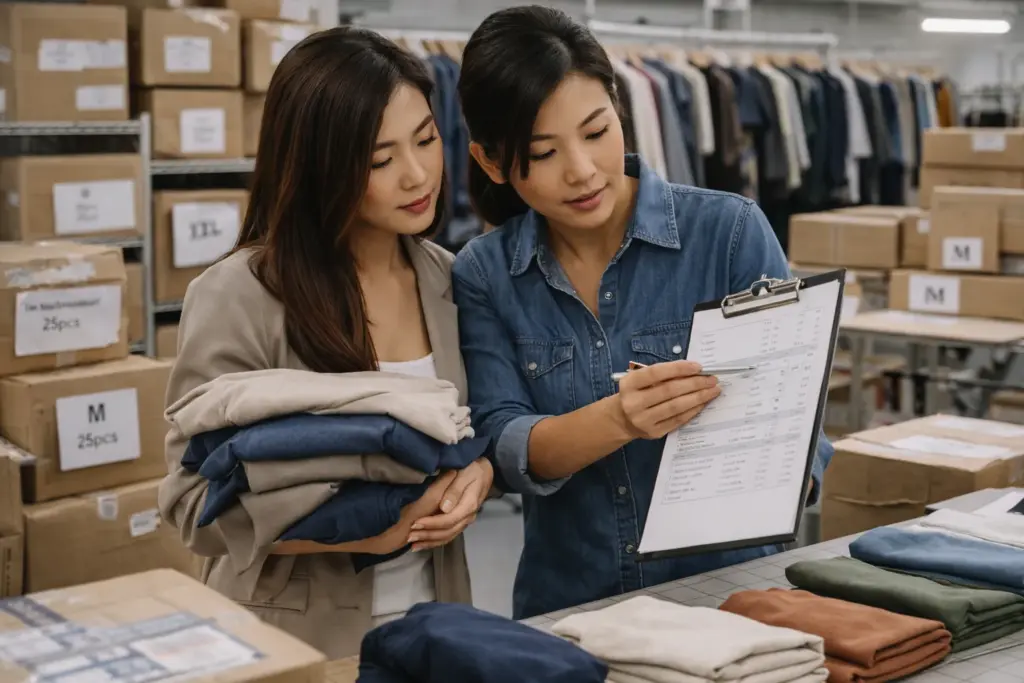
Udržujte sadu SKU úzkou a logickou
Pro první objednávku vybírám jeden styl Hero a jeden styl Support. Velikostní řady udržuji realistické. Pokud mám k dispozici, používám reálná prodejní data, a pokud ne, začnu s konzervativní křivkou. Takto snižujem minimální objednávkové množství oblečení, aniž bych vytvořil chaotický sklad.
Využijte postupnou výrobu ke snížení rizika
Pokud továrna souhlasí, stanovím postupný plán:
- Fáze A: vytvořit minimum pro spuštění
- Fáze B: rezervní kapacita pro rychlé doobjednání
- Fáze C: volitelný doplněk, pokud jsou prodeje silné
Takhle to s továrnou stále beru vážně. Také si chráním své peníze. Pokud prodám rychle, odemknu si fázi B. Pokud prodám pomalu, po fázi A s tím skončím.
Začleňte kvalitu a shodu s předpisy do dohody o minimálním objednávkovém množství (MOQ)
Když se sníží minimální objednávkové množství, továrna by mohla být v pokušení spěchat. Chráním se jasnými inspekčními body a kontrolami certifikátů. Mariin problém s padělanými certifikáty je v tomto odvětví skutečný. Proto do plánu zařazuji jednoduché kontroly.
| Riziková oblast | Co se může pokazit | Moje kontrola pro první objednávku |
|---|---|---|
| Inventář | Příliš mnoho pomalých skladových položek (SKU) | 80/20 zaměření na styly hrdinů |
| Kvalitní | Nekonzistentní šití | Předvýrobní vzorek + inline kontroly |
| Dodržování | Špatné nebo falešné dokumenty | Ověřte certifikáty a laboratorní zprávy |
| Dodání | Zmeškaná sezóna | Zamkněte materiály včas, ověřte si harmonogram |
| Hotovost | Nadměrné zásoby a pomalé otáčení | Plán fáze A/B a pravidla pro opětovné objednání |
Když řídím tento postup, nemusím riskovat. Můžu začít v malém, rychle se učit a přitom udržet továrnu motivovanou k tomu, aby mě podporovala.
Závěr
Minimální objednávkové množství vyjednávám tak, že odstraňuji složitost, platím spravedlivě za malé série a používám postupnou výrobu, takže chráním jak výrobní marži, tak riziko se zásobami.
Proč tohle píšu
Jsem Lancy Chia z Truekungu v Číně. Provozuji velkoobchodní výrobu oděvů s podporou OEM/ODM a pomáhám značkám vyvážit minimální objednávkové množství, náklady na jednotku a doručení, aniž by musely přebírat nebezpečné zásoby.
Zobrazení: 84