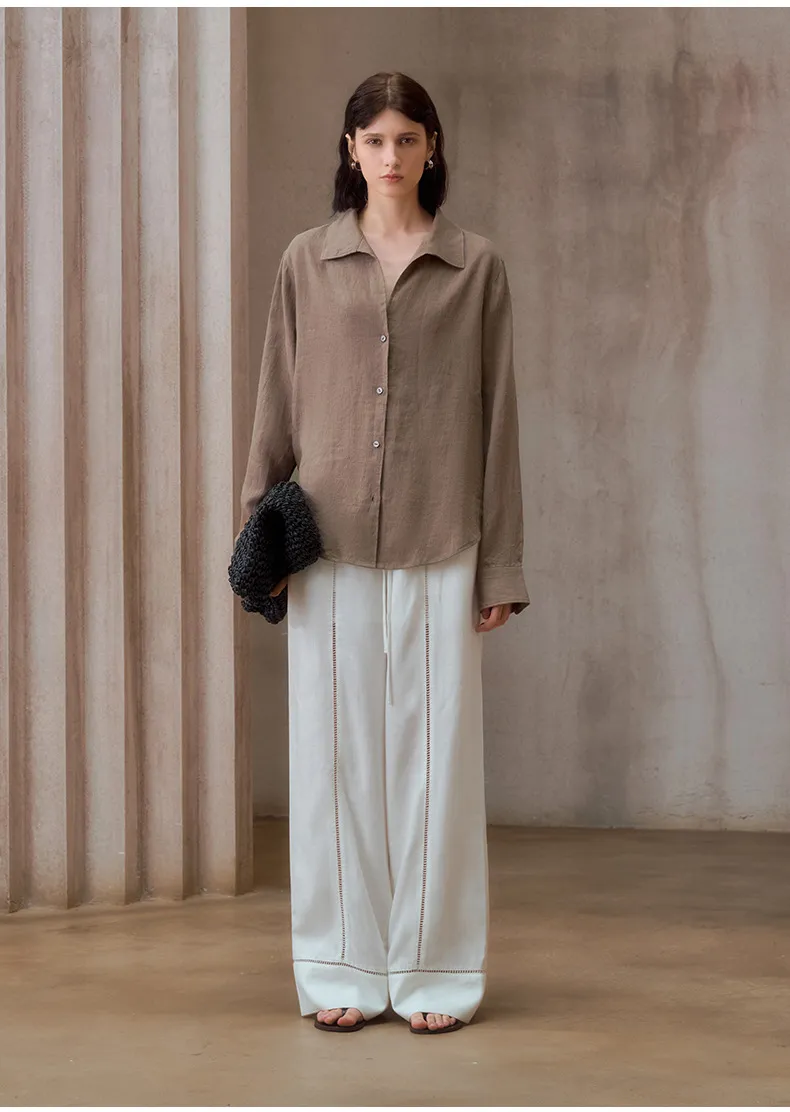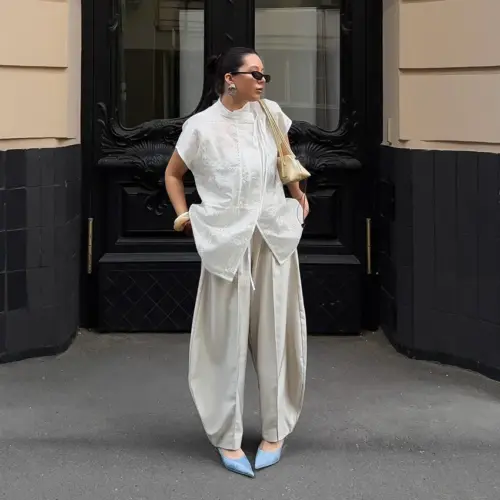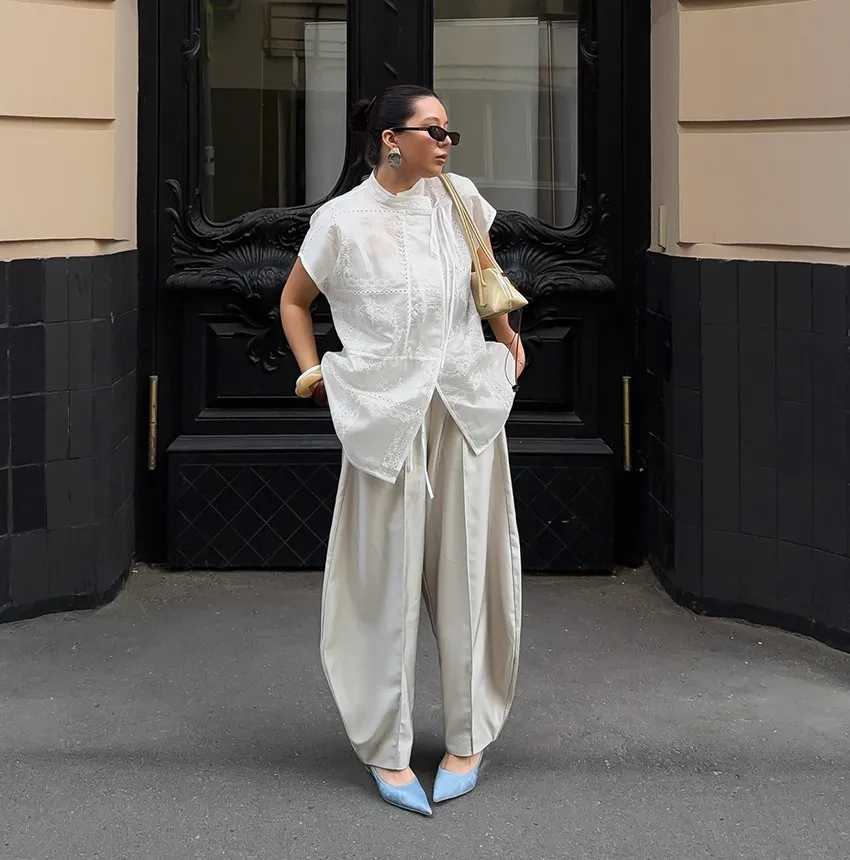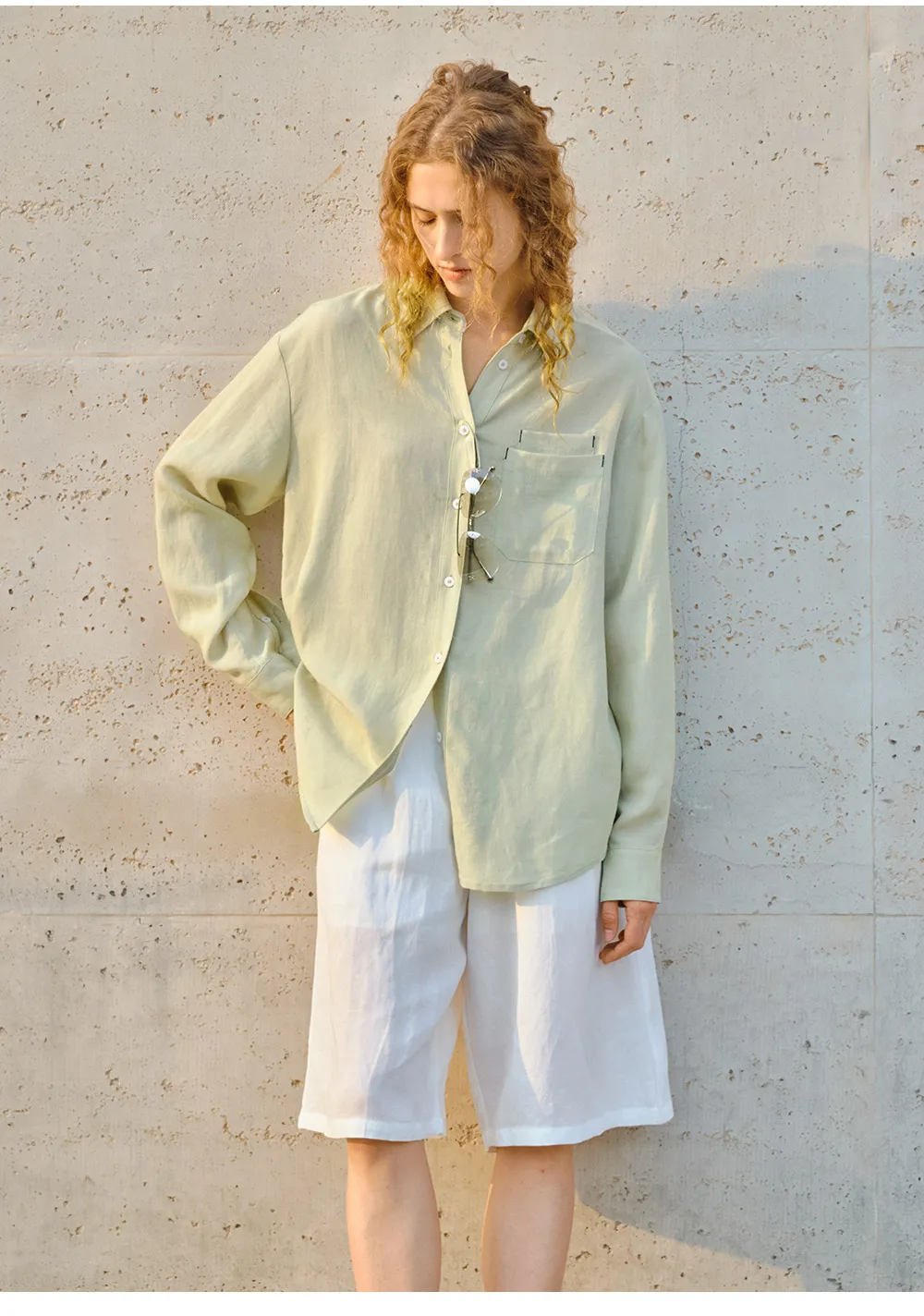

I see buyers lose time because one simple word changes across countries. That mix-up causes wrong samples, wrong labels, and angry customers. I fix it every season.
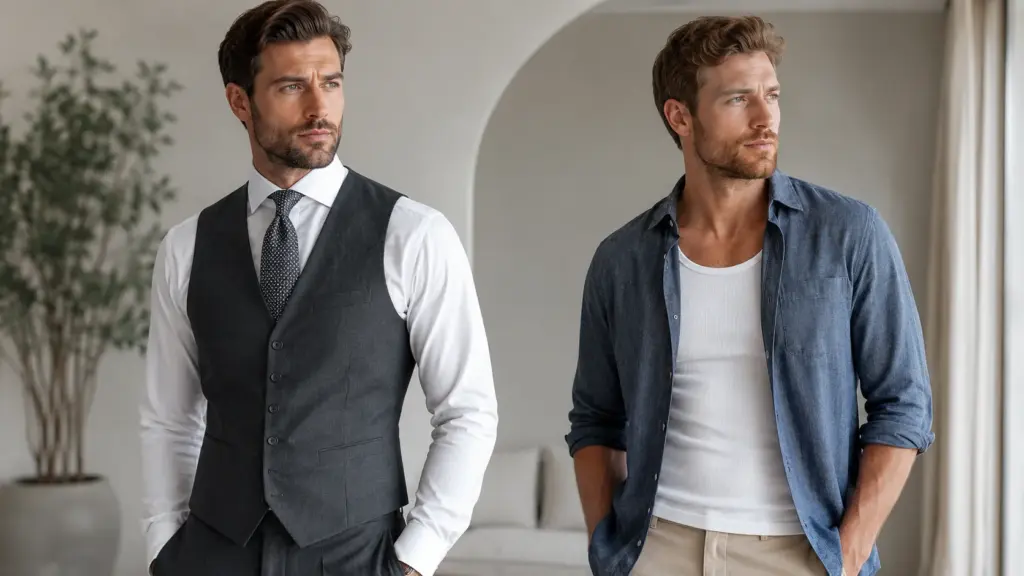
A waistcoat and a vest can be the same garment, but the meaning changes by region and by context. In the US, “vest” often means the suit piece. In the UK, “waistcoat” is the suit piece, and “vest” can mean an undershirt.
I still remember a call with a confident buyer from Russia who said, “Send me 2,000 vests.” I asked one extra question, and I saved both of us from a warehouse full of the wrong item, so keep reading and steal my checklist.
Is “waistcoat vs vest” just UK vs US language?
People search “define waistcoat” and “another word for vest” because the same item uses two names. That confusion turns into wrong product pages, wrong photos, and wrong packing lists.
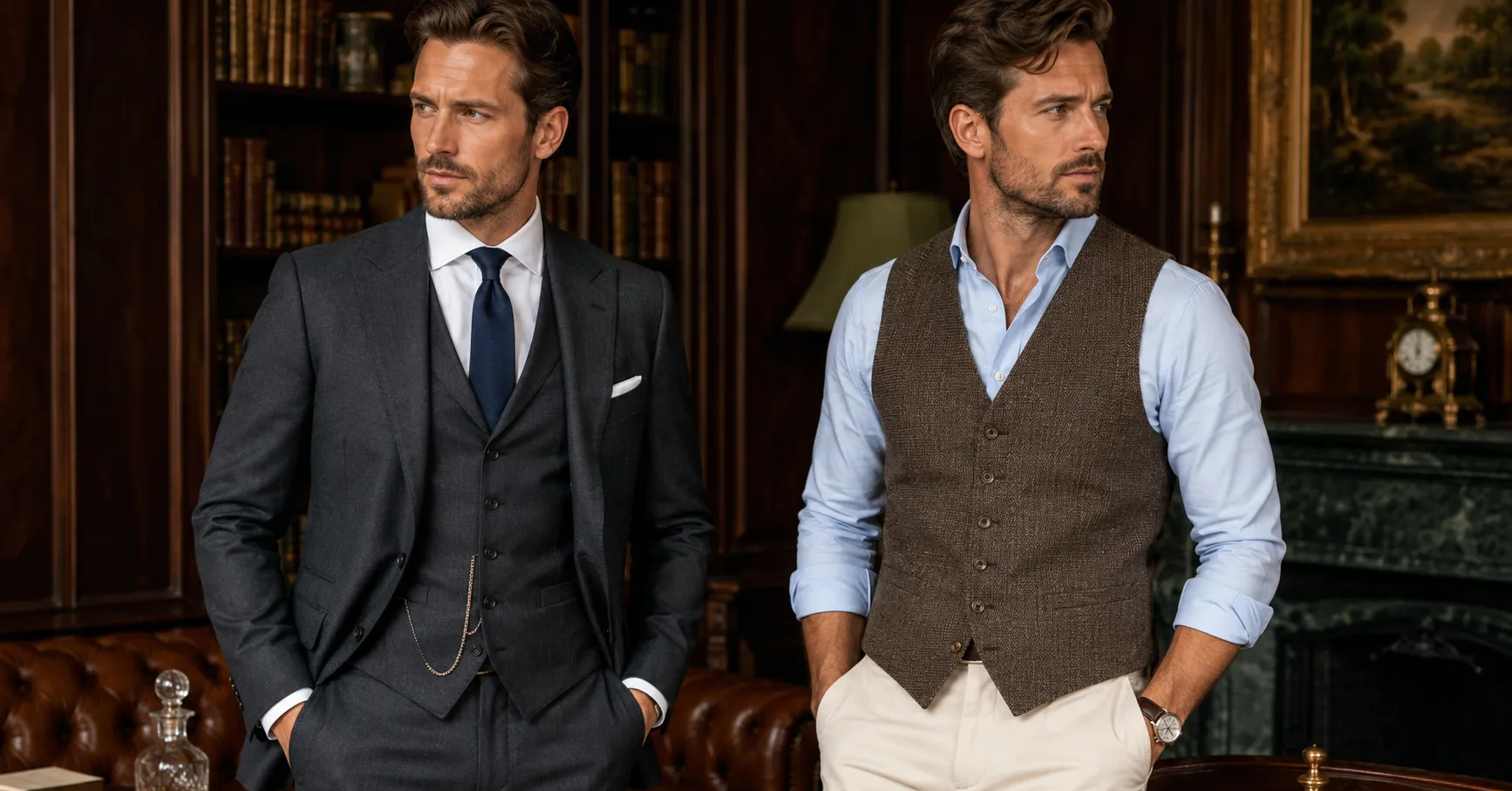
In most tailoring talk, a waistcoat is the same as a dress vest for men: a sleeveless, button-up layer worn under a jacket. The split starts with language. Americans say “vest” for the suit piece. British speakers often say “waistcoat,” and they may use “vest” for an undershirt.
What is a waistcoat, in plain terms?
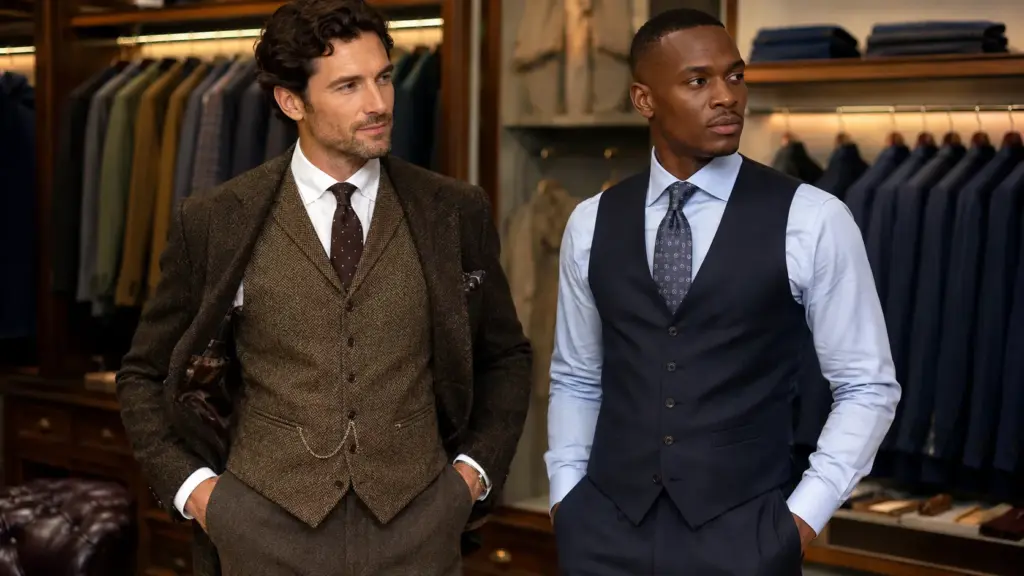
I define a waistcoat as a sleeveless garment that covers the chest and waist, and it buttons in front. I see it in three-piece suits, wedding sets, and smart uniforms. I also see it as a standalone layer with a shirt when weather is mild.
Why “waistcoast” and “wastecoat” keep showing up
I often see “waistcoast,” “wastecoat,” “wascoat,” and “waistvoat” in inquiries. I treat them as misspellings, but I still confirm the product with photos and a tech pack. My team uses the buyer’s pictures because words are not enough.
| Term you see | What it usually means | Where I see it most |
|---|---|---|
| Waistcoat | Suit vest piece | UK, EU, Commonwealth |
| Vest | Suit vest piece | US, Canada |
| Vest (UK use) | Undershirt | UK casual speech |
| Gilet / body warmer | Puffer vest outerwear | EU product listings |
How I pronounce “waistcoat” in calls
I say it like “WES-kit” in many UK-style conversations, and I say “waist-coat” when I want to be extra clear. I always repeat the key line: “Do you mean the suit waistcoat vest, or do you mean an undershirt vest?”
When does a “vest” stop being a waistcoat and become outerwear?
A buyer tells me “vest and waistcoat are the same,” and the next message shows a padded gilet. That gap can break a whole shipment because fabric, sizing, and testing are different.
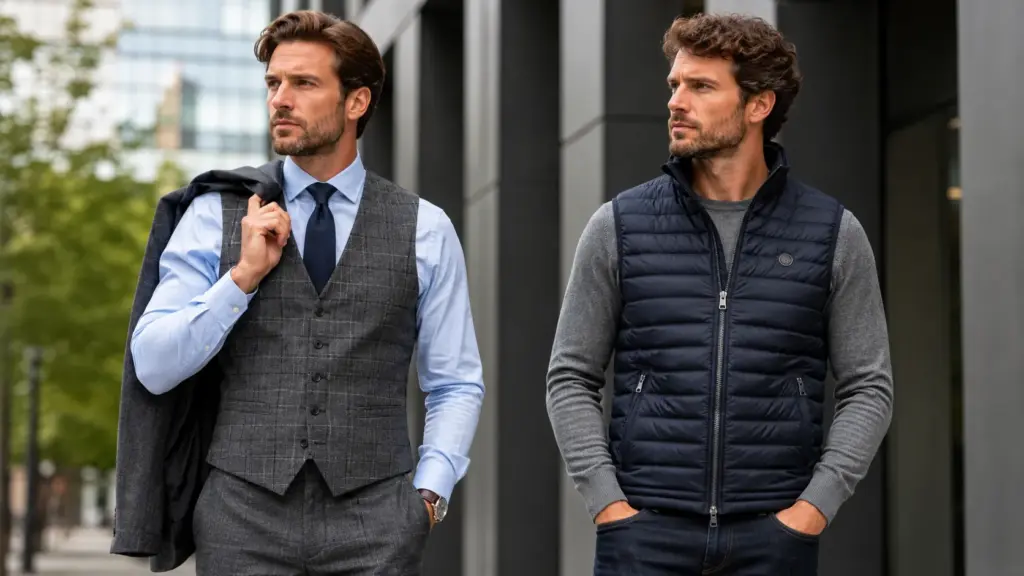
A waistcoat usually belongs to tailoring and formal outfits, so it pairs with a coat and vest in the same suit family. A vest can also mean many sleeveless items, like a puffer vest, denim waistcoat style, sweater vest, or workwear vest, so “vest” is the wider word in many catalogs.
The “waistcoat vs vest coat” question
Some people type “waistcoat vs vest coat” or “vest vs waist coat.” I read that as: “Is it a suit piece, or is it a sleeveless coat?” A waistcoat tends to be close to the body and built to sit under a jacket. A vest coat, in real shopping terms, is often outerwear like a quilted layer.
Fabric and build changes the category
I use fabric weight as my first test. A suit waistcoat often uses suiting fabric on the front, and it can use lining or a cheaper back fabric because a jacket covers it. A puffer vest uses shell fabric, down or poly fill, and it needs different stitching and tests.
| Feature | Tailored waistcoat (dress vest) | Outerwear vest (gilet/puffer) |
|---|---|---|
| Main job | Finish a suit look | Add warmth and function |
| Typical fabric | Wool blend, tweed, flannel waistcoat fabric | Nylon, polyester, coated shells |
| Inside build | Lining, canvas, clean facing | Padding, quilting, binding |
| Styling | With button up and vest under a jacket | Over hoodie, knit, or light coat |
What I ask before I quote
I ask one question that saves time: “Will you wear it under a jacket, or over a jacket?” That single answer tells me if we are making a waistcoat vest, a denim waistcoat look, or a real outerwear vest.
How do I choose a dress vest for men for a wedding or a suit?
A groom wants a sharp look, but he also wants comfort. A buyer wants low returns, but the buyer also wants a good price. I balance both sides when I build a wedding vest program.
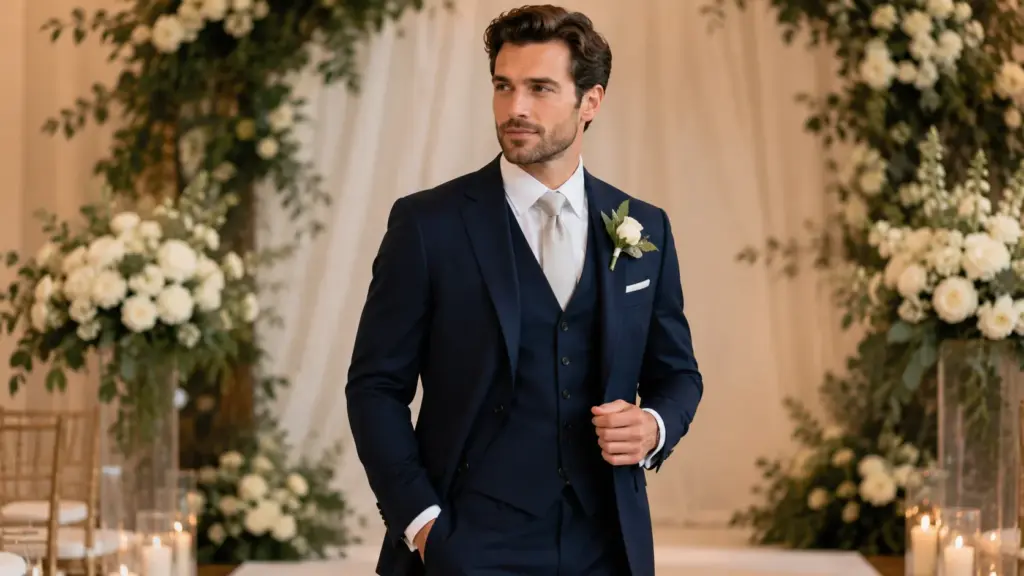
A wedding vest is usually a tailored waistcoat that matches the suit or complements it with a planned contrast. The best choice depends on dress code, jacket color, and fit. The waistcoat should sit flat, cover the waistband, and allow clean movement when the wearer sits.
Match rules I use for “suit and waistcoat”
I keep it simple. A three-piece suit uses the same fabric for jacket, trousers, and waistcoat. A two-piece suit can add a contrast waistcoat for style, but I keep contrast controlled for formal weddings. I also check the venue. A beach wedding and a ballroom wedding do not need the same shine.
I often get asked about the bottom button vest rule. I tell buyers that many men leave the bottom button undone on a single-breasted waistcoat because it helps drape and comfort. I still add that fashion rules change, so fit and confidence matter more than strict rules.
Small details that change the look
I focus on the vest back, the neckline, and the armhole. A cheap back fabric can feel hot and can pull. A good back panel and adjuster strap help fit for real bodies. I also confirm pocket position because many men still want a watch pocket look, even if they use it for earbuds.
| Wedding situation | Waistcoat color choice | Notes I give buyers |
|---|---|---|
| Classic formal | Same as suit | Safe, clean, low risk |
| Daytime and garden | Light contrast like dove/cream | Works well in photos |
| Modern minimal | Same color, matte fabric | Avoid loud textures |
| Statement style | Patterned waistcoat | Keep jacket solid and fit sharp |
What should buyers check in a waistcoat pattern, fit, and construction?
I see returns when a waistcoat looks fine on a hanger but fails on a body. That problem comes from patterns, grading, and weak factory checks. I run a simple inspection path that my team can repeat.
The best way to control waistcoat vest difference in quality is to check fit points and construction points. Buyers should review chest ease, waist shaping, hem coverage, and button stance. Buyers should also check fusing, lining, seam strength, and consistent sizing across the run.
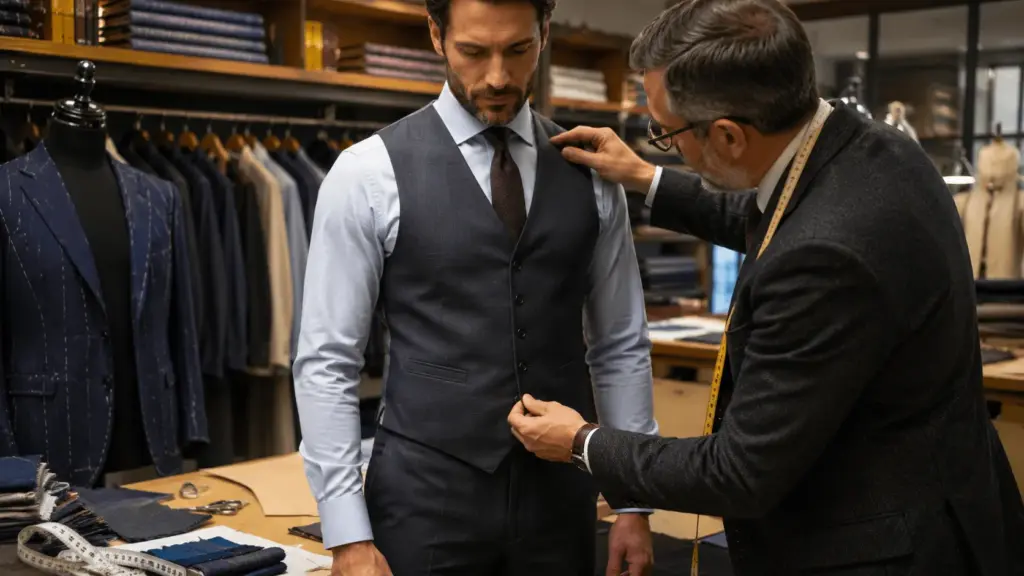
Fit points I measure on samples
I measure the front length because it must cover the trouser waistband when the wearer stands and sits. I also check the neckline because a high neckline can fight the shirt collar and tie. I check the armhole because a tight armhole rubs and creates sweat marks, so buyers blame quality.
Construction points that protect margins
I check the front fusing because bubbling kills the product fast. I check button strength because loose buttons become bad reviews. I check the lining because cheap lining tears at stress points. I also confirm that the buttons match the fabric weight because heavy buttons can pull the front down.
How I translate checks into a factory sheet
I put the checks into a short table, and I use photos. I do this because factories move fast and buyers move fast. I also do this because language issues still happen, even when both sides mean well.
| Check item | What I look for | Why it matters |
|---|---|---|
| Front length | Covers waistband, clean hem | Stops shirt from showing |
| Button stance | Even spacing, no twisting | Keeps front flat |
| Fusing | No bubbles after press | Protects appearance |
| Lining seams | Reinforced at stress points | Reduces tears |
| Size grading | Same shape across sizes | Reduces returns |
I also tell buyers to write the product name in both forms on the PO: “waistcoat (suit vest).” That one line prevents mistakes when a team member searches “what is a vest” and picks the wrong category photo.
Conclusion
I use “waistcoat” for the suit piece and I use “vest” carefully, because context changes the meaning, and clear specs protect style, cost, and delivery.
Why I Write This
I run Truekung in China, and I supply wholesale fashion clothing with OEM/ODM service. I work with buyers like Maria who care about quality and price, and I support QC, certificates, logistics, and clear communication.
Name: Lancy Chia
Email: [email protected]
Website: https://truekung.com
Brand: Truekung
Business: B2B wholesale, OEM/ODM, factory with 200+ workers, 20 years export experience
Views: 61