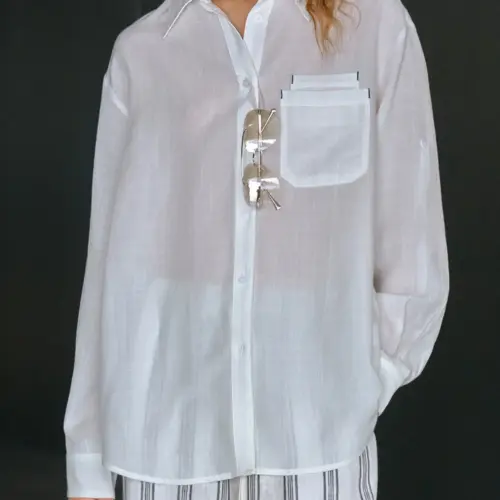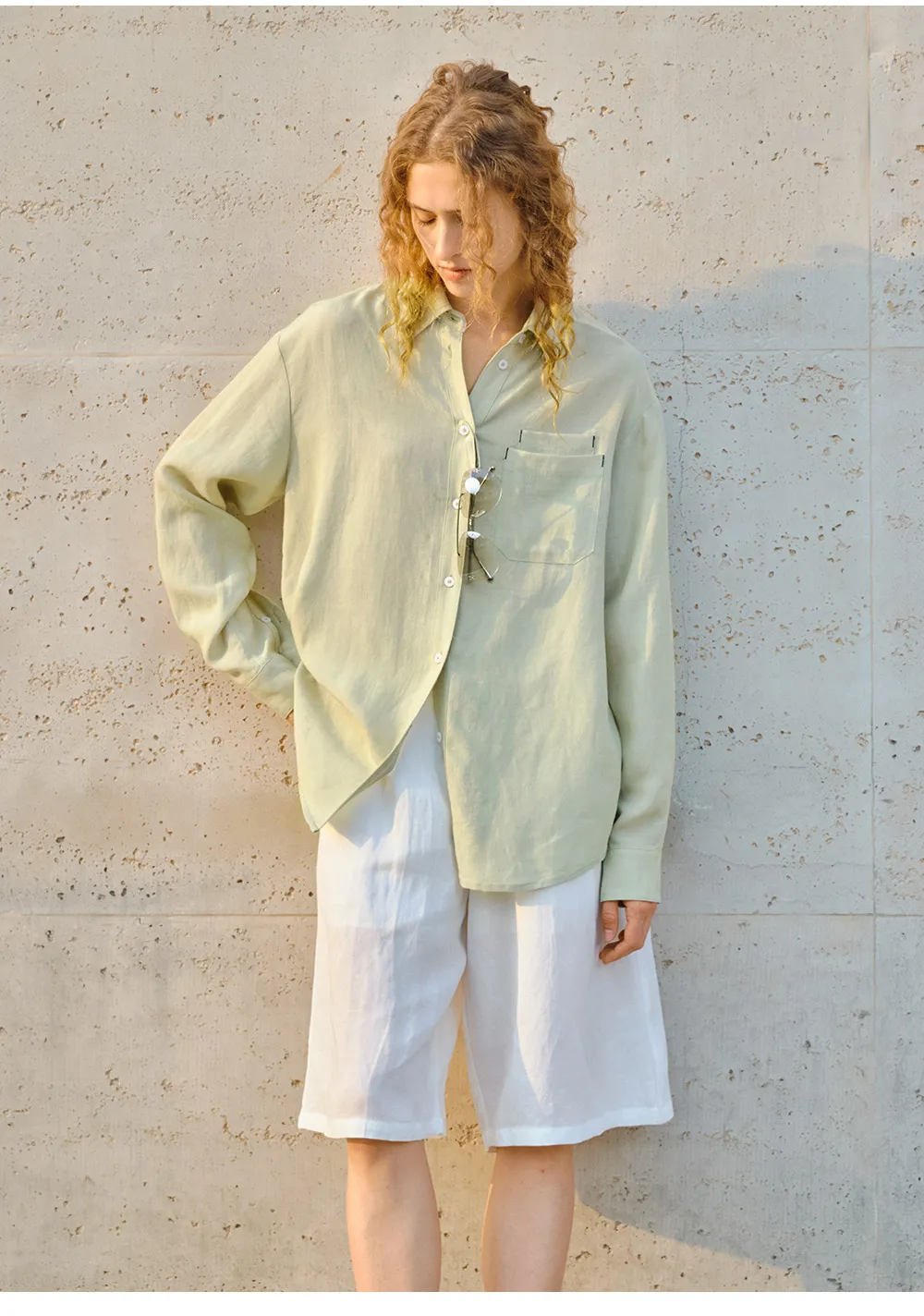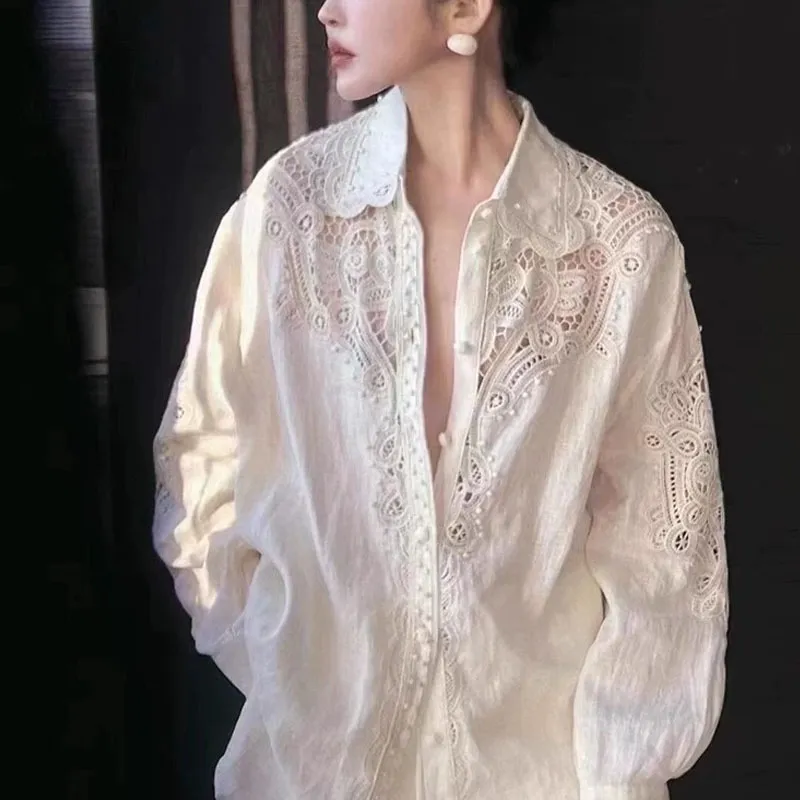

Hot weather can turn a normal workday into a sticky mess. The wrong summer fabric makes you sweat, itch, and look tired. I learned this the hard way on a factory floor in July.
The best fabric for summer is the one that lets air move and sweat dry fast. In most cases, linen, breathable cotton, chambray, seersucker, and lyocell (Tencel) are the safest picks for hot weather, while heavy polyester, thick denim, and velvet are the easiest ways to feel hotter.

I used to think “summer fabrics” was just a trend word. Then I watched buyers reject a whole rack of “light clothes” because they felt warm on the skin. That is why I now start every summer order with one simple question: will this cloth material for summer still feel good after 30 minutes in real heat? If you want the fastest way to pick good summer fabrics, keep reading, because the small details decide everything.
Which summer fabrics actually feel the coolest in hot weather?
Heat does not care about your design. It only cares about air, sweat, and skin contact. If I pick the wrong summer fabric, even the best cut will fail.
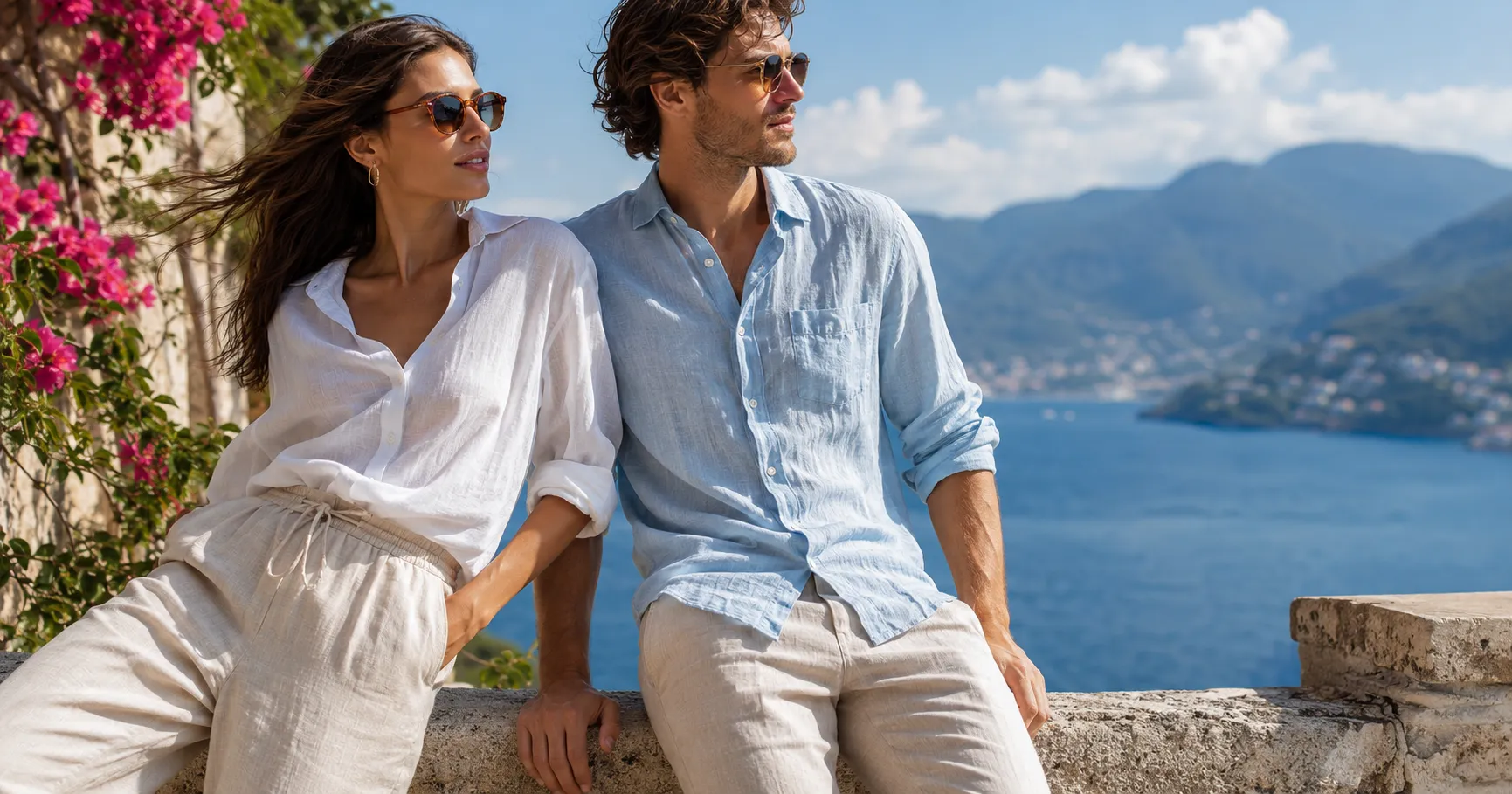
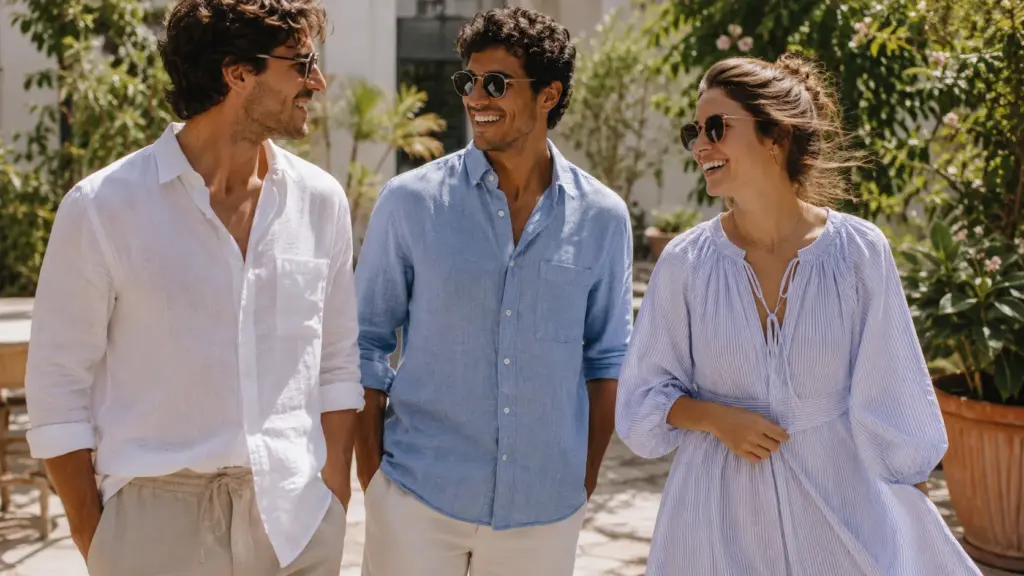
The coolest fabrics for hot weather are usually linen, lightweight cotton, seersucker, and light chambray because their weaves let air move. For active use, lightweight breathable fabric blends like lyocell or performance knits can feel cooler because they dry faster.
What “cool” really means in fabric
When I talk with Maria, she often says, “I want the best cloth for summer, not a marketing story.” I agree. “Cool” is not one thing. It is three things at once: airflow, moisture handling, and how much fabric touches your skin.
The short list I use in production
Here is a simple way I group lightweight fabrics for summer when I plan a line for wholesale clients:
| Summer clothing material | Why it works in heat | Best use cases | Watch-outs |
|---|---|---|---|
| Linen (flax) | Open structure, fast heat release | Summer blouses for women, dresses, loose pants | Wrinkles, can feel crisp |
| Cotton (lightweight) | Breathable, easy on skin | Shirts, tees, casual pants | Can hold sweat if too dense |
| Seersucker | Puckered surface lifts off skin | Shirts, summer suits, dresses | Needs right finishing |
| Chambray | Light weave, airy feel | Shirts, light jackets, casual tops | Not the same as denim |
| Lyocell/Tencel | Smooth feel, manages moisture well | Drapey tops, wide-leg pants | Needs good construction |
| Rayon/viscose | Often feels cool at first touch | Flowy dresses, blouses | Can feel hot if weave is tight |
My quick rule for buyers
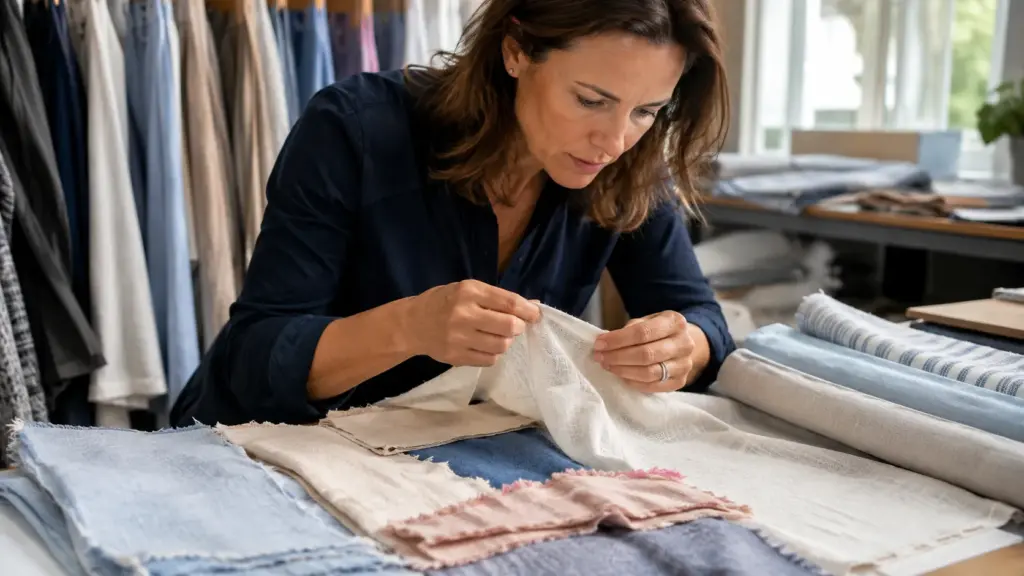
If you only remember one thing, remember this: “lightweight fabric” is not enough. A light fabric can still trap heat if the yarns are tight and smooth. I always ask for a fabric swatch and do a simple breath test. I hold it over my mouth and blow. If air moves easily, it is a better fabric for hot weather.
Is cotton breathable, and is it the best fabric for humid weather?
Cotton has a good reputation. But I have seen cotton breathable clothing that still feels heavy in the sun. The problem is not cotton itself. The problem is the build.
Yes, cotton is breathable, but not all cotton is breathable enough for humid weather. The best cotton for summer is lightweight, loosely woven, and not heavily coated, while dense cotton poplin or heavy jersey can feel warmer and stay damp longer.

Why cotton can feel great, then feel bad
I remember a client who ordered “best fabric for summer shirts” and insisted on 100% cotton. The samples felt fine in the office. But when we tested in real heat, the shirts held sweat around the back and chest. That is because cotton absorbs water well. In humidity, that can mean it stays wet longer, and wet fabric can feel hotter on the skin.
What I check to decide if cotton is a good summer fabric
I use a simple checklist before I approve cotton breathable clothing for bulk:
| Cotton type or structure | Feel in heat | Best picks for | What I avoid |
|---|---|---|---|
| Lightweight plain weave | Airy and stable | Best material for summer shirts | Too thin can turn see-through |
| Cotton voile / lawn | Very light and soft | Light top, summer blouses for women | Needs lining sometimes |
| Gauze / double gauze | Air pockets, soft | Light clothes for hot weather | Can shrink if mishandled |
| Jersey knit (light) | Comfortable, flexible | Tees, casual wear | Can cling when sweaty |
| Poplin (dense) | Crisp but can trap heat | Office shirts if light | Heavy poplin in humid weather |
A practical tip for humid climates
For the best fabric for humid weather, I often suggest cotton blended with a small percent of a faster-drying fiber, or I switch to linen-cotton. Buyers sometimes fear blends, but a smart blend can make clothes that breathe and still look clean after shipping and storage. In my factory, this is how we balance comfort and stable quality for wholesale.
Is rayon hot to wear, and what about lyocell, modal, and bamboo?
Rayon sounds like it should be cool. Sometimes it is. Sometimes it feels like a trap. I learned to stop arguing about fiber names and start judging the fabric as a system.
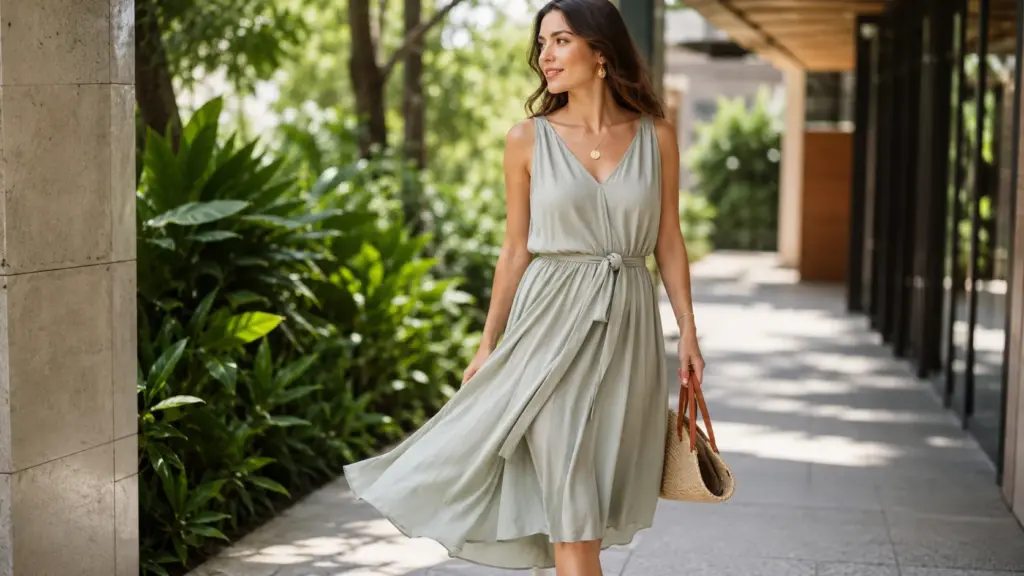
Rayon is not always hot to wear, but it depends on the weave, weight, and finish. Many rayon fabrics feel cool and drapey, while tight rayon weaves can hold moisture and feel warm. Lyocell (Tencel) and modal often feel cooler because they handle moisture and feel smooth on skin.
How I explain “semi-synthetics” to buyers
Rayon, viscose, modal, and lyocell come from cellulose, but they behave differently. In real orders, the weave and finishing matter more than the label. I once had two “rayon” swatches on my desk. One felt like a cool breeze. The other felt like a plastic bag. Same fiber family. Different build.
My factory notes on these summer fabrics
This is how I think about these materials for summer clothes:
| Lightweight fabric material | What it feels like | Best uses | Risk points |
|---|---|---|---|
| Rayon/viscose | Cool touch, flowy | Dresses, blouses, skirts | Can lose strength when wet |
| Lyocell/Tencel | Smooth, often cooler | Lightweight pants for summer, shirts | Needs good stitching control |
| Modal | Softest cloth material feel | Tees, base layers | Can pill if low quality |
| Bamboo viscose | Soft, often marketed as breathable | Underwear, tees | Quality varies a lot |
| Spandex rayon blend | Stretch and drape | Fitted tops, light weight pants for summer | Too much spandex reduces airflow |
The blend rule I use for comfort
Many buyers ask me about spandex rayon because they want stretch. I like stretch too, but I keep it small. If the goal is “most breathable fabrics,” then I usually cap elastane at a low percent. You still get movement, but you avoid that rubbery cling in heat. This matters a lot for summer fabric pants and for women’s lightweight pants that need comfort during travel.
How do I choose lightweight pants for summer for women and men?
Pants are harder than shirts. Pants touch more skin, they bend at joints, and they trap heat when the cut is tight. That is why “ladies pants for summer” is a fabric problem and a pattern problem.
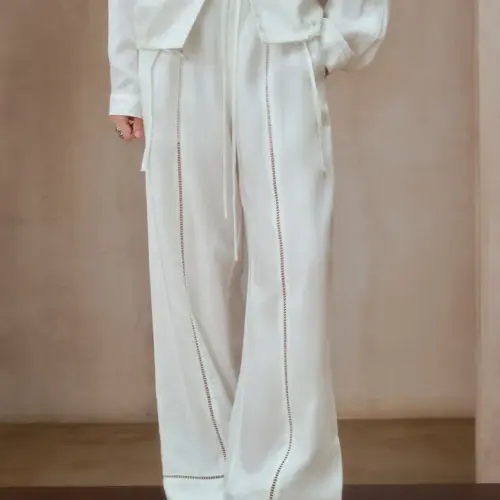
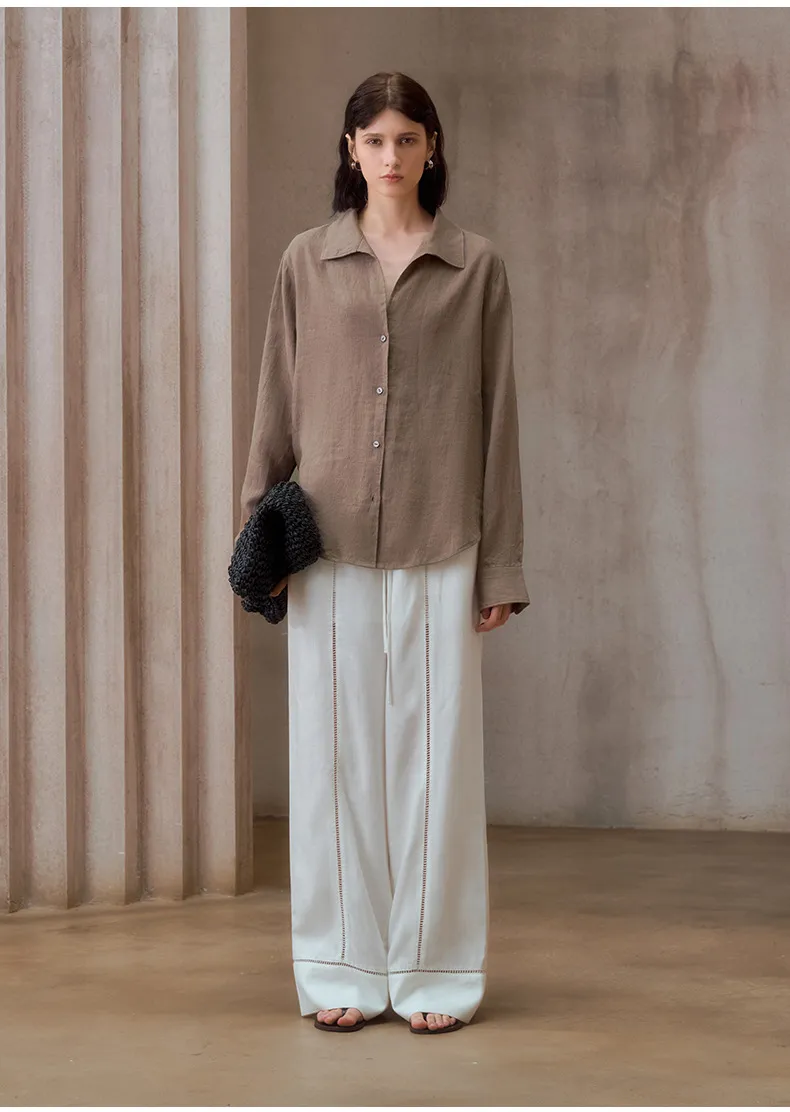
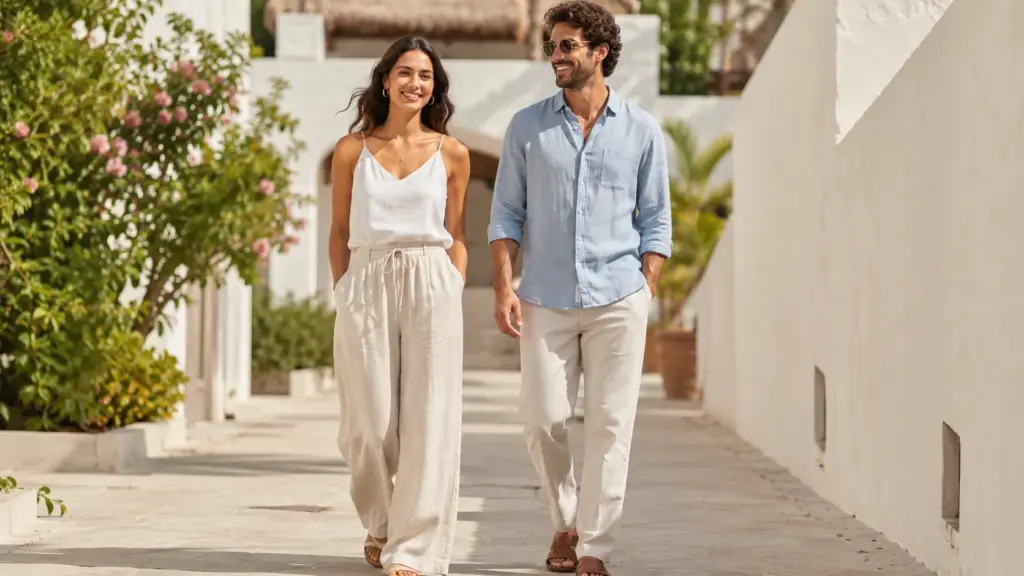
For lightweight summer pants, I start with breathable fabrics like linen, linen-cotton, light cotton twill, chambray, or lyocell, then I match the weave to the fit. Wide-leg and straight cuts feel cooler than skinny cuts, even with the same fabric.
Step 1: pick the fabric, then pick the structure
When a buyer wants the best fabric for summer pants, I ask where the pants will be worn. City walking needs different fabric than beach restocking. For men summer pants, I also check crease behavior because many men want a clean look.
Step 2: use a simple decision table
I use this kind of table in my own product planning meetings:
| Use case | Best material for summer clothes | Why it works | Notes for bulk orders |
|---|---|---|---|
| Everyday casual | Linen-cotton, chambray | Airflow and easy care | Check shrink and twist |
| Office and travel | Light cotton twill, seersucker | Holds shape, still breathable | Test wrinkling and bagging |
| High humidity | Lyocell, airy cotton weaves | Feels smooth, dries better | Watch seam slippage |
| Stretch comfort | Cotton with low elastane | Moves with body | Avoid heavy finishes |
| Re-label basics | Breathable cotton clothes | Easy for many markets | Control colorfastness |
Even the best fabric for hot weather can fail if the fit is tight at the thigh or seat. For ladies lightweight summer pants, I prefer wide-leg, tapered, or straight cuts with enough ease. For men summer pants, a relaxed taper often sells well because it looks clean but still breathes. This is also where pocket bags matter. Heavy pocketing can ruin a “lightweight fabric for summer” feeling, so I often switch to lighter pocketing fabric in production.
How can I test summer fabrics before I place a wholesale order?
Buyers get burned when they trust a spec sheet. I did too, early in my career. A fabric can look perfect on paper, then fail after wash or after shipping.
Before a bulk order, I test breathable summer fabrics with simple checks: airflow, hand feel in heat, sweat marks, shrink, and colorfastness. These quick tests catch most problems before they become expensive returns or delays.
The “real life” tests I run in the factory
I do not need a lab for the first pass. I need consistency. Here is the basic set I use when a client asks for the best breathable fabric for summer:
| Test | What I do | What it tells me | Why it matters for delivery |
|---|---|---|---|
| Airflow test | Blow through swatch | If fabric breathes | Comfort, complaints risk |
| Heat touch test | Hold to skin for 60 seconds | If it traps heat | Best fabric for hot weather feel |
| Sweat mark check | Drop clean water, watch spread | Absorb vs dry behavior | Visible marks in stores |
| Shrink test | Wash and measure | Size stability | Fewer chargebacks |
| Color rub test | Rub on white cloth | Crocking risk | Safer logistics and returns |
A note about “lightest fabric for summer”
Some buyers chase the lightest clothing material. I understand why. But ultra-light can create see-through issues, seam damage, and higher defect rates during packing. I prefer “light but stable.” That is how I protect both comfort and quality control. It also helps me keep delivery on time, which is a common pain point in summer seasons.
Conclusion
The best summer fabrics are the ones that breathe, dry fast, and sit off the skin. I rely on linen, smart cotton builds, and lyocell, then test every swatch before bulk.
Why I Write This
I am Lancy Chia from Truekung in China. I run a clothing factory with over 200 workers, and I focus on B2B wholesale only. I produce fashion women’s clothing, jackets, skirts, dresses, jeans, T-shirts, sweatshirts, down jackets, windbreakers, coats, fashion bags, sportswear, children’s clothing, and underwear. I also provide OEM/ODM services for brands and supermarkets worldwide.
If you are sourcing summer clothing material and you want fewer delays, clearer communication, and stable quality, you can reach me at [email protected] or visit https://truekung.com.
Views: 169