I used to see men buy a suit too fast, then regret it. The pain is real. A bad suit feels tight, looks off, and wastes money. I want to fix that.
The best suit styles for men depend on the event, the fit, and the fabric. Start with the dress code, then pick structure (single or double-breasted), then pick fit, then pick cloth for the season.

I run a clothing factory, so I see “suit types” in a very practical way. I do not start with fashion words. I start with how the suit must work on a real body, in real weather, under real deadlines. If you keep reading, I will help you sort suit kinds without stress, and you will know what to ask before you pay.
How do I choose suit types by occasion and formality?
A man can buy a nice suit and still look wrong at the event. That mistake hurts. It wastes time, and it can cost confidence. I use a simple order so I do not guess.
The fastest way is to match the suit style to the dress code first, then match the fabric to the season, then check fit and details.

When I talk with buyers like Maria, I always ask three questions: “Where will it be worn, what time of day, and what climate?” This helps me decide the suit types before I talk about colors or trim. I also keep a quick table on my desk, and I use it when a customer says, “I just need the best suits for men.” There is no single best suit. There is only the best suit for the job.
| Event | Best starting point | Avoid |
|---|---|---|
| Office / meetings | Business suit, single-breasted | Velvet, loud checks |
| Weddings | Lounge suit or three-piece | Very shiny fabric |
| Black tie | Tuxedo | Regular business suit |
| White tie | Tailcoat | Anything else |
1) Business suit
I treat the business suit as the “default” in mens suit style. It is clean, calm, and safe. I like worsted wool in navy, charcoal, or mid-grey, because it drapes well and holds shape. The jacket is often single-breasted with notch lapels. The pants match, and the full look feels planned. When I build a business suit order for wholesale, I focus on stable fabric lots and strict QC on shoulder symmetry. This is the suit that shows up in “types of suits” searches for a reason. It solves many days.

2) Lounge suit
A lounge suit is an everyday suit, but it can still look sharp. I think of it as a step more relaxed than formal office “uniform” energy. The fabric can be wool, wool-blend, or seasonal cloth, and the color can be wider. This is a strong answer when someone asks me for different kinds of suits that work for many events. I have worn a lounge suit to meetings, dinners, and even a wedding with the right shirt and tie. If you want one suit to cover many cases, this is a strong pick.

3) Wedding suit
A wedding suit is not one single suit type. It is a goal: look special, but not louder than the couple. I like a suit that fits close, with clean lines, and a fabric that looks rich in photos. For daytime weddings, a lighter grey or blue works well. For evening weddings, deeper tones look more serious. I often recommend a three-piece if the groom wants a stronger presence, because the waistcoat keeps the look sharp even after the jacket comes off.

4) Travel suit
A travel suit is about performance. I want wrinkle resistance, comfort, and easy care. I look for wool blends with a bit of stretch, and I avoid fabrics that crease fast. I also like darker colors because they hide small marks. If you travel often, this suit type can become your real “best suit,” even if it is not the most formal. In production, I check seam strength and lining quality, because travel is hard on jackets. This is one of the most practical suit designs for men today.

5) Suit separates
Suit separates mean the jacket and pants are not the same fabric. I like them when I want range. I can wear the jacket with chinos, and I can wear the pants with knitwear. This helps a man build more outfits with fewer items. It also helps brands sell more units with less risk, because sizes can move differently. If you search suit and style ideas for men, this is a smart angle. The key is to keep colors in the same mood, so it looks planned.

6) Tuxedo (black-tie)
A tuxedo is not just a “nice suit.” It is a formal system with specific details. I look for satin or grosgrain on lapels, and often on buttons and trouser side stripes. Black or midnight blue are classic. A tuxedo answers the black-tie question fast. I have seen men wear a business suit to black tie and feel underdressed all night. If you only wear it once a year, you can still justify it, because it saves you from that awkward feeling.

7) Dinner jacket outfit (contrast look)
Some people say “dinner suit” and mean a tuxedo. I separate the dinner jacket look because it often includes a contrast jacket, like white or ivory, with black trousers. It is common in warm places and formal parties. I like it for summer black-tie events, because it looks light and still formal. If you choose it, the fit must be precise. A loose dinner jacket looks like a costume. A clean one looks like confidence.
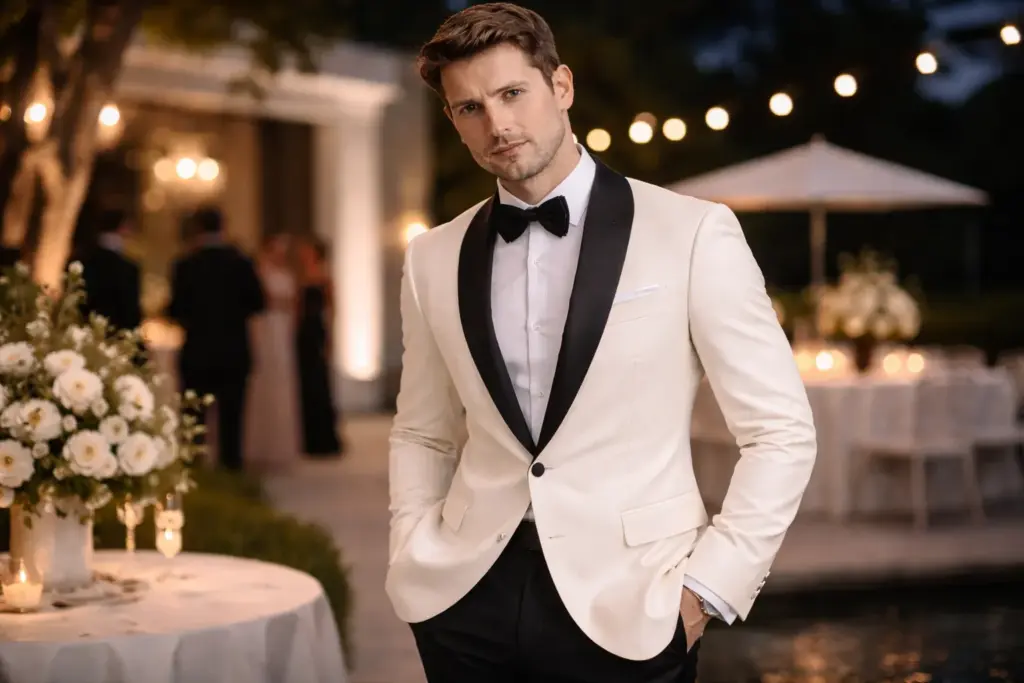
8) Morning suit
A morning suit is formal daytime wear. It often uses a black or charcoal coat with tails, striped trousers, and a waistcoat. I do not see it in daily life, but it still matters for certain weddings and ceremonies. When a client needs it, I confirm the event rules first, because morning dress has traditions. The coat shape is very specific, so pattern cutting must be correct. If you ever need this, do not improvise. Follow the code, then add small personal touches.

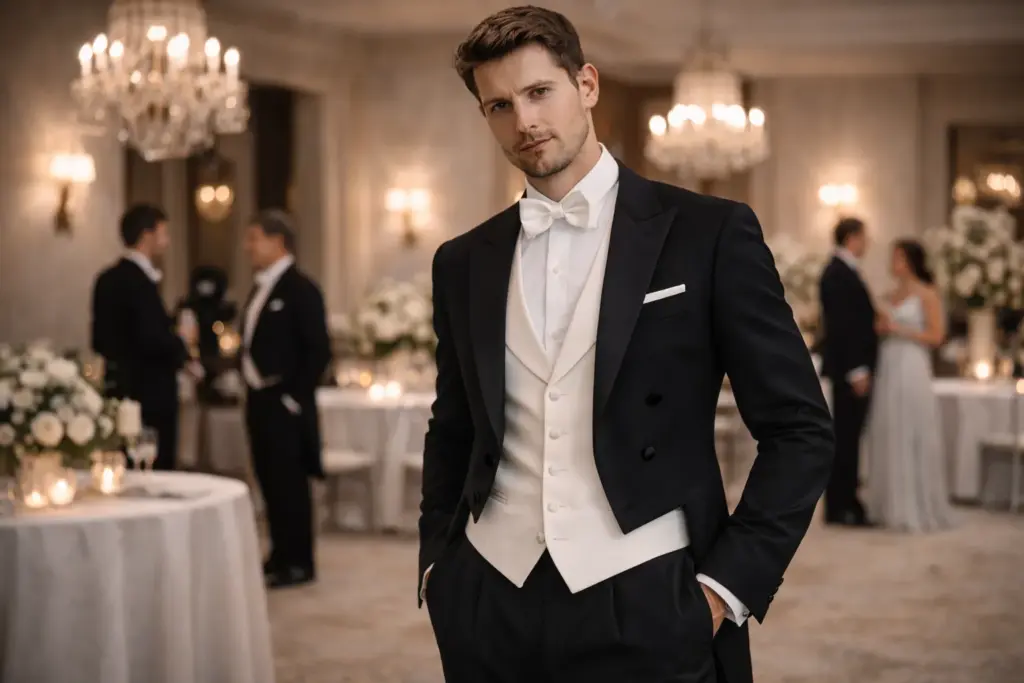
9) Tailcoat (white-tie)
White tie is the top level of formality. The tailcoat is the center piece. It has a very sharp cut, and it pairs with specific shirt, bow tie, and waistcoat rules. I treat it like a uniform for a rare event. Most men do not need it, but when they do, nothing else works. If you search “men’s formal suit styles,” this is the extreme end. If your event is truly white tie, rent or make it right.
10) Two-piece suit
A two-piece suit is the classic jacket and trousers set. It is the easiest entry point for most men. I like it because it is simple to fit, simpler to price, and easy to repeat for brands. For a first suit, I often tell people to start here. Then you can build up. If you are unsure about your style of mens suits, this gives you a clean base. You can dress it up with a tie, or down with a knit polo.

11) Three-piece suit
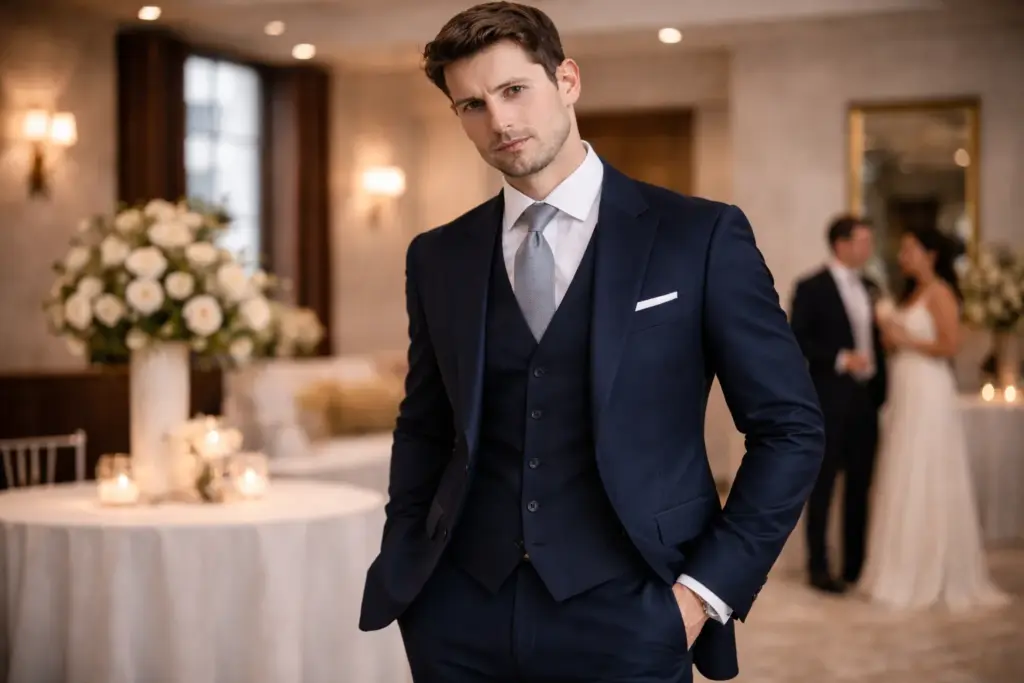
A three-piece suit adds a waistcoat. I like the extra structure it gives, because it keeps the body line clean. It also gives flexibility. If you remove the jacket, you still look complete. This helps at events where people move between indoors and outdoors. In my factory notes, I mark three-piece orders with extra checks for waistcoat fit at the chest and waist. A good waistcoat should sit flat and not pull. This suit type is a strong pick for grooms and speakers.
How do I choose a suit by structure, fit, and construction?
Many men pick a suit by color first. Then they wonder why it feels wrong. That pain is common. The suit can look “right” on a hanger and still fight your body.
I pick structure first, then fit, then construction, because those choices decide comfort and shape more than the color does.
In wholesale, this is where problems or profits appear. Fit blocks returns. Construction affects cost and customer trust. I have seen brands lose money because the jacket chest was tight in one size run, or because fused fronts bubbled after cleaning. So I keep a simple grid. It helps me explain different suit styles for men in clear steps.
| Choice | What it changes | What I check in production |
|---|---|---|
| Single vs double-breasted | Visual power, front shape | Button stance, lapel roll |
| Fit (slim/modern/classic) | Comfort and silhouette | Chest ease, sleeve balance |
| Canvas vs fused | Drape and long-term shape | Front bubbling risk |
12) Single-breasted suit
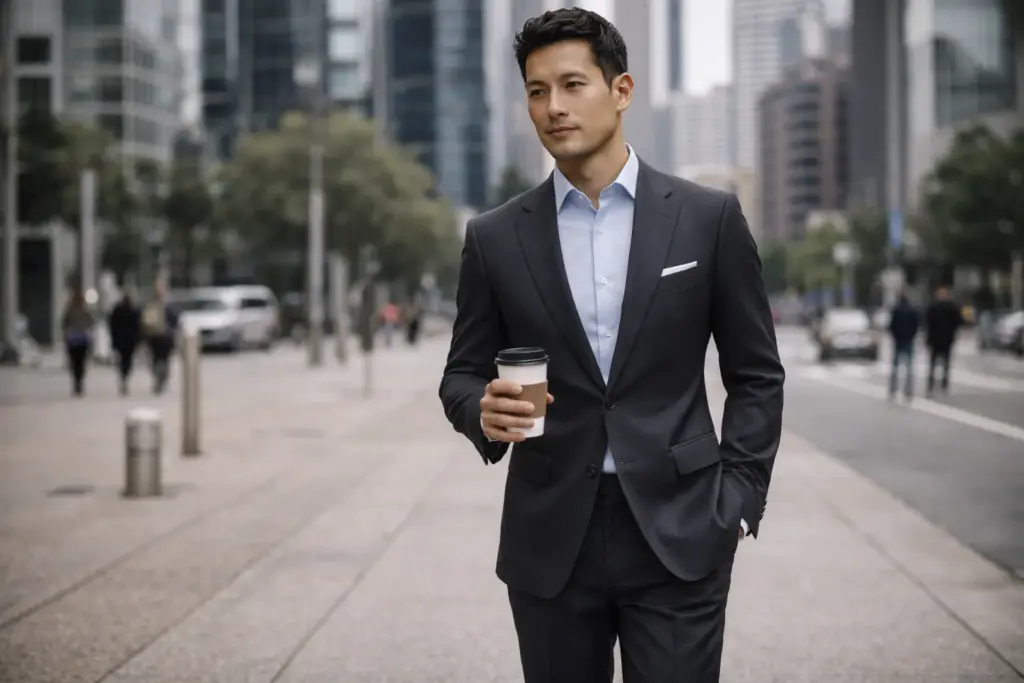
The single-breasted suit is the most common structure. It works for most body types, and it fits most events. I like it because it is easy to style and easy to adjust. The clean front line also helps the suit look modern without tricks. If you are building a capsule wardrobe, this is often the first piece. When I wear one, I keep it simple: white or light-blue shirt, and clean shoes. This suit type is the safe anchor in mens suit fashion.
13) Double-breasted suit
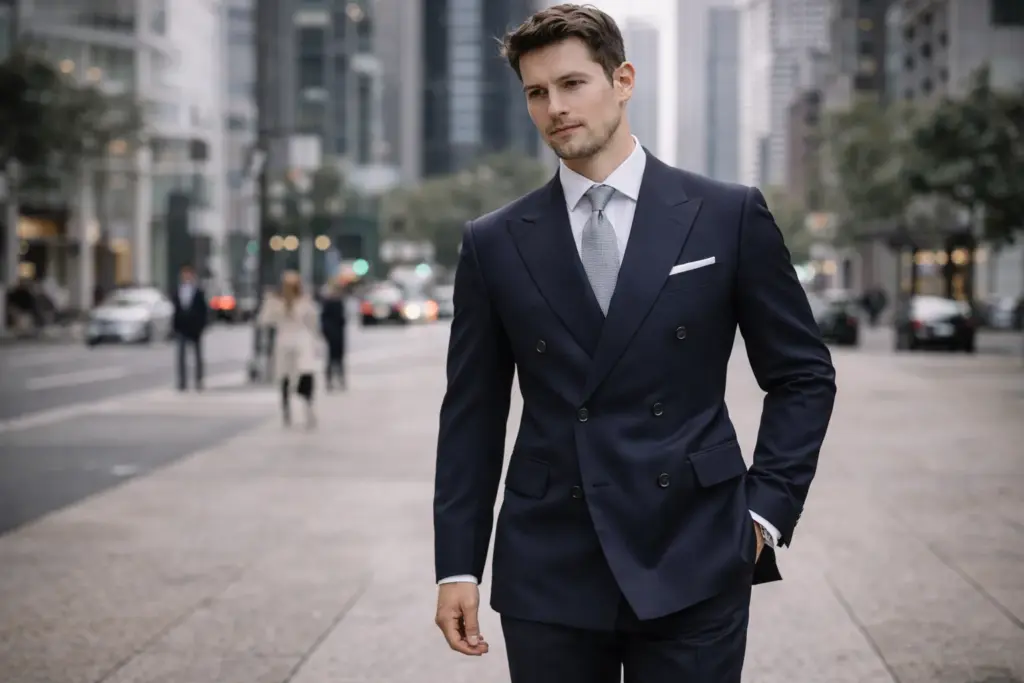
A double-breasted suit has more visual weight. It can make a man look stronger in the chest and shoulders. I like it when someone wants a “statement,” but still wants to stay classic. It is also less forgiving if it does not fit, because the front overlap must sit clean. If the waist is too tight, it pulls. If it is too loose, it looks boxy. I often suggest it for tall or lean frames, but it can work for many men if tailored well.
14) Slim fit suit
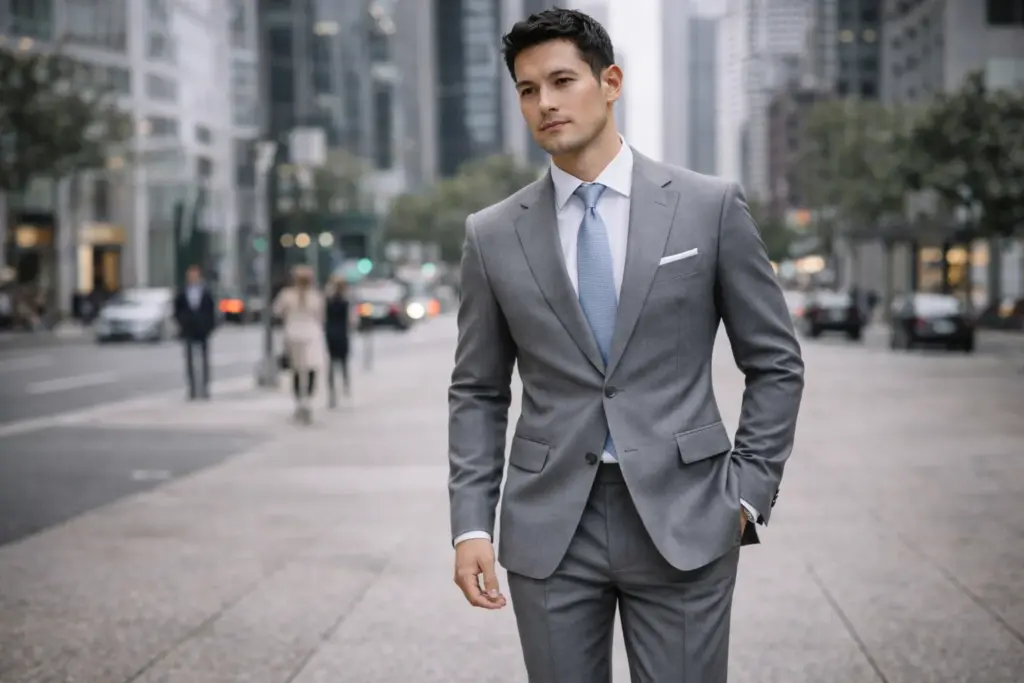
Slim fit is about a closer line at chest, waist, and leg. It can look sharp, but it can also feel harsh if the pattern is too tight. I tell men to check sitting comfort first. If you cannot sit without strain, it is not a good slim fit. In factory terms, I pay attention to armhole shape and back width, because that decides movement. Slim fit works best when the cloth has some natural give, and when the wearer likes a clean, modern look.
15) Modern fit suit
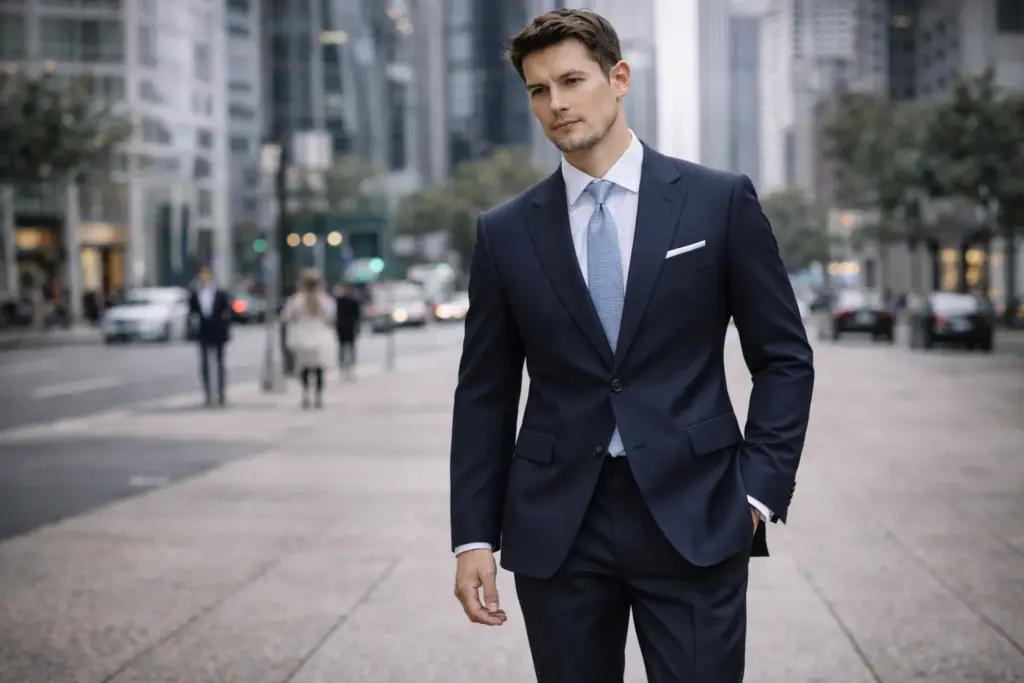
Modern fit sits between slim and classic. This is the fit I suggest most often, because it balances shape and comfort. The jacket follows the body, but it does not cling. The pants look clean, but they do not squeeze the thigh. If someone asks me, “What suits are in style now?” I often say modern fit, because it looks current without being extreme. It also reduces sizing problems for brands, because it fits more body shapes with fewer alterations.
16) Classic fit suit
Classic fit gives more room. It can look very elegant when the shoulders and length are right. Many men think classic fit means “big,” but that is not true. It can still look clean. It just gives ease in the chest and waist, and it often has a straighter leg. I like it for comfort, for bigger builds, and for long workdays. If you want a suit that does not fight you, classic fit can be the quiet winner.

17) Tailored (athletic) fit suit
Tailored or athletic fit is made for men with broader shoulders and a narrower waist. I like it because it respects the body shape instead of forcing it into a slim template. The jacket needs smart shaping in the back and side seams, and the armholes need to allow movement. When I cut samples, I check shoulder angle and chest ease first. This suit type often becomes the “best looking suit” for men who lift or who simply have a strong frame.
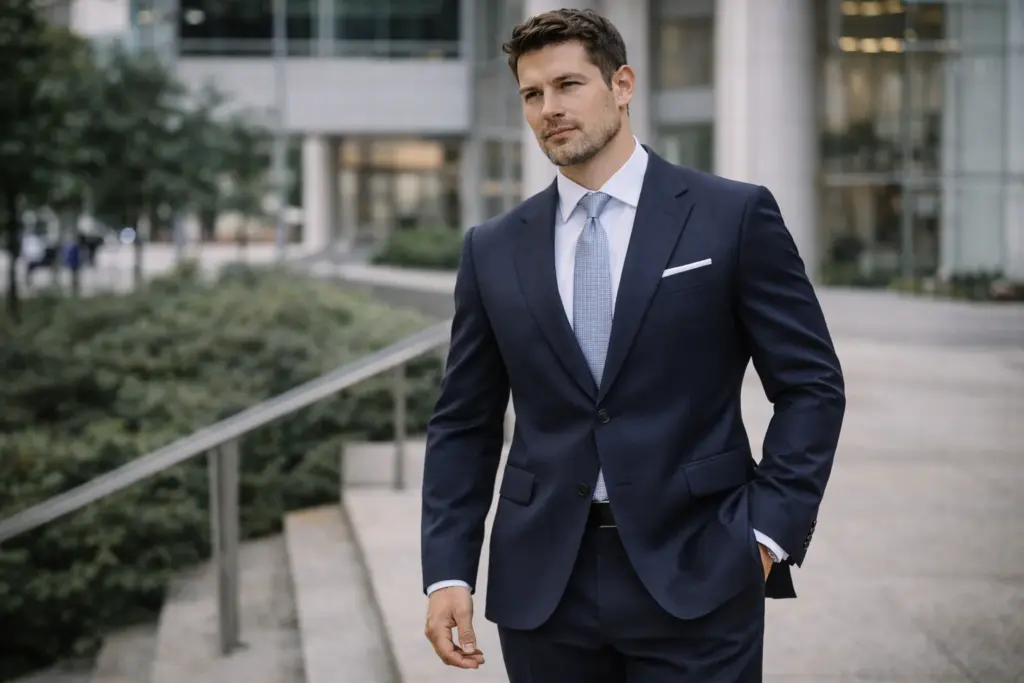
18) Unstructured suit
An unstructured suit removes heavy padding and stiff inner layers. It feels lighter and more casual. I like it for warm weather, travel, and relaxed offices. It also pairs well with T-shirts or knit polos, if the event allows it. The risk is that it can look messy if the fabric is too soft or the fit is too loose. I pick a fabric with enough body, and I keep the shoulder line clean. This is a key piece in modern suit styles for men.
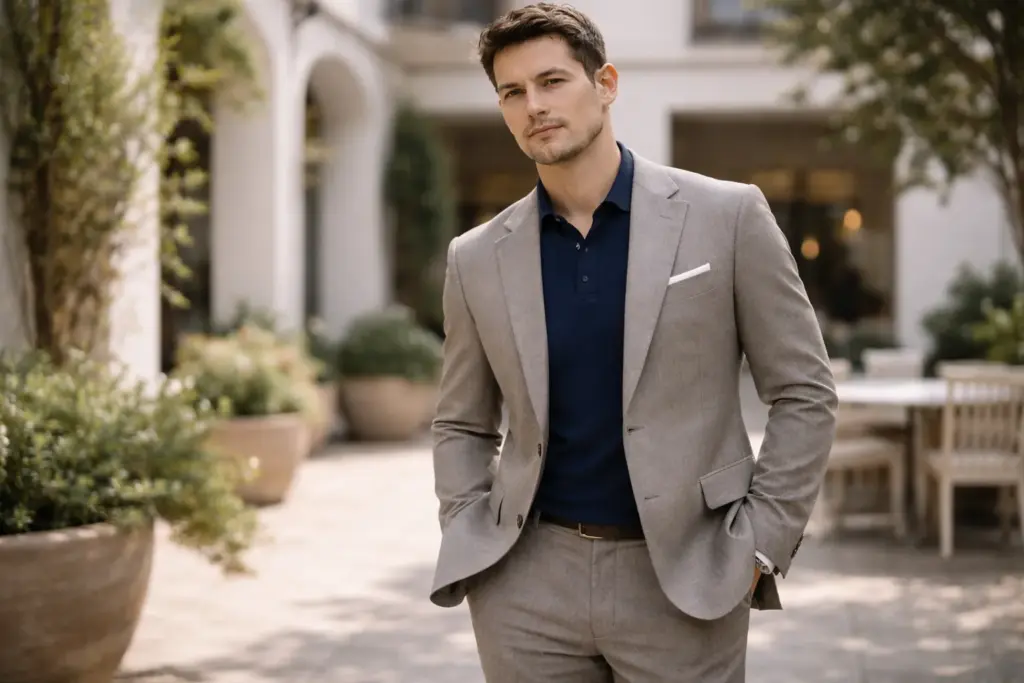
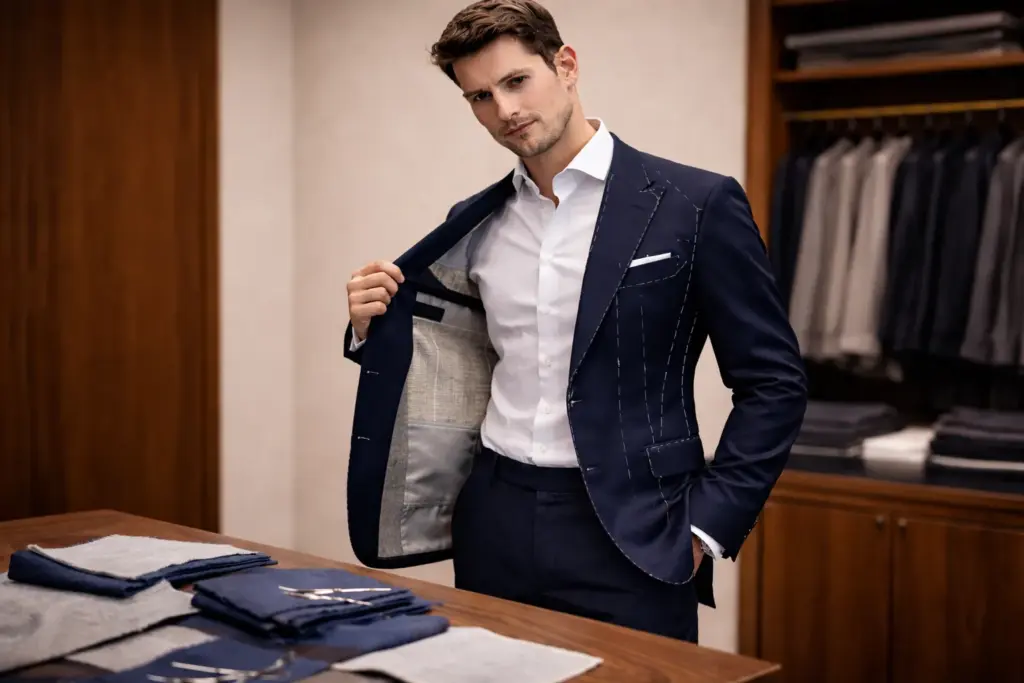
19) Fully canvassed suit
A fully canvassed suit uses a canvas layer through the full front. It helps the jacket drape better and age better. I like it for premium lines and long-term wear. It costs more, and it needs skilled work. In production, it also takes more time. If you want the suit to hold shape for years, this is a strong choice. Many buyers do not see it at first glance, but they feel it when they move. It often separates “good” from “great.”
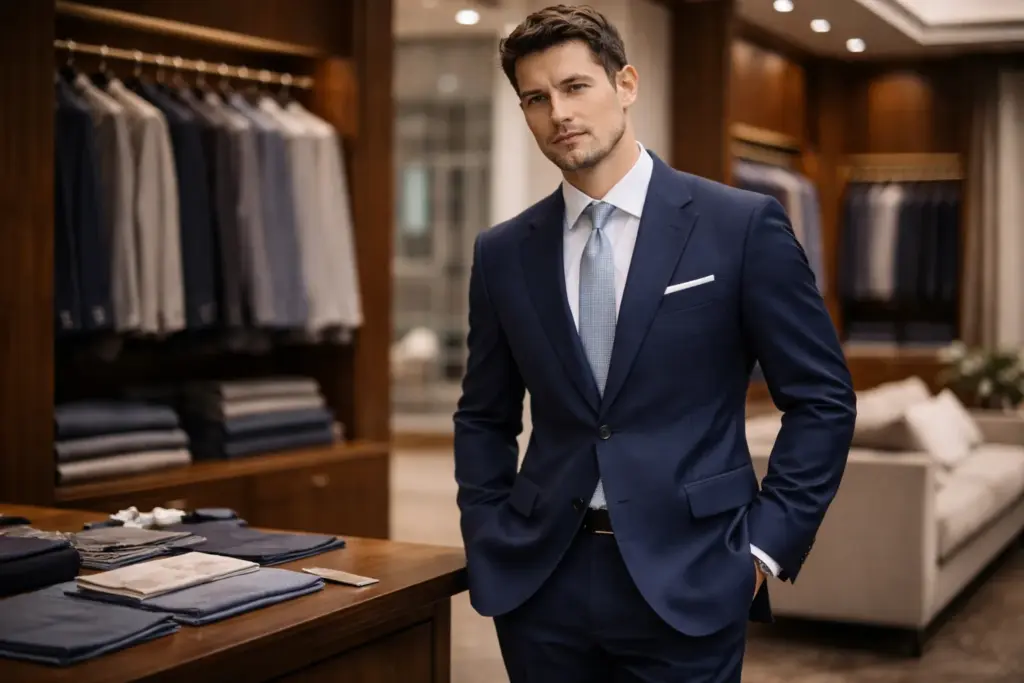
20) Half-canvassed suit
Half-canvassed suits place canvas in the chest and lapel area, and use other methods lower down. I like this as a balance between price and quality. It can give a nice lapel roll and better structure where it matters most. For wholesale, it often fits a mid-range brand well. If someone is price sensitive but still wants real tailoring value, I point them here. It is a practical answer to “best suits for men” when budgets are real.
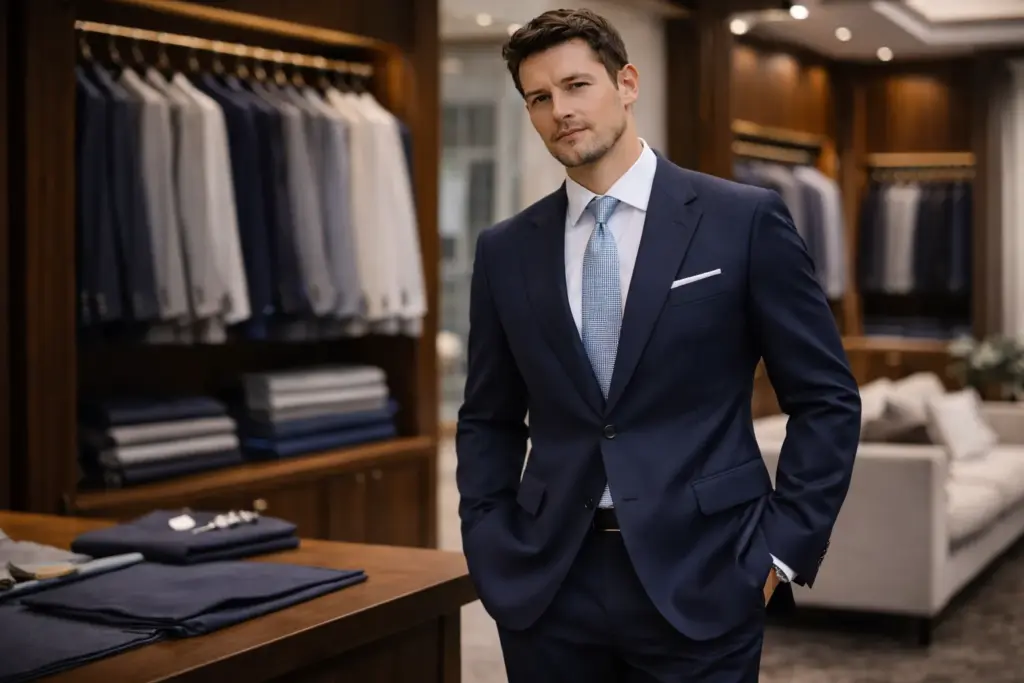
21) Fused suit
A fused suit uses glue to attach layers in the front. It is common in entry-level suits because it is cheaper and faster. It can still look good at first. The risk is bubbling after heat, moisture, or cleaning. I do not hate fused suits, but I treat them as short-term value. If a brand sells fused, I push for better fusing materials and better press control. If you only need a suit for rare use, it can be fine, but set expectations.
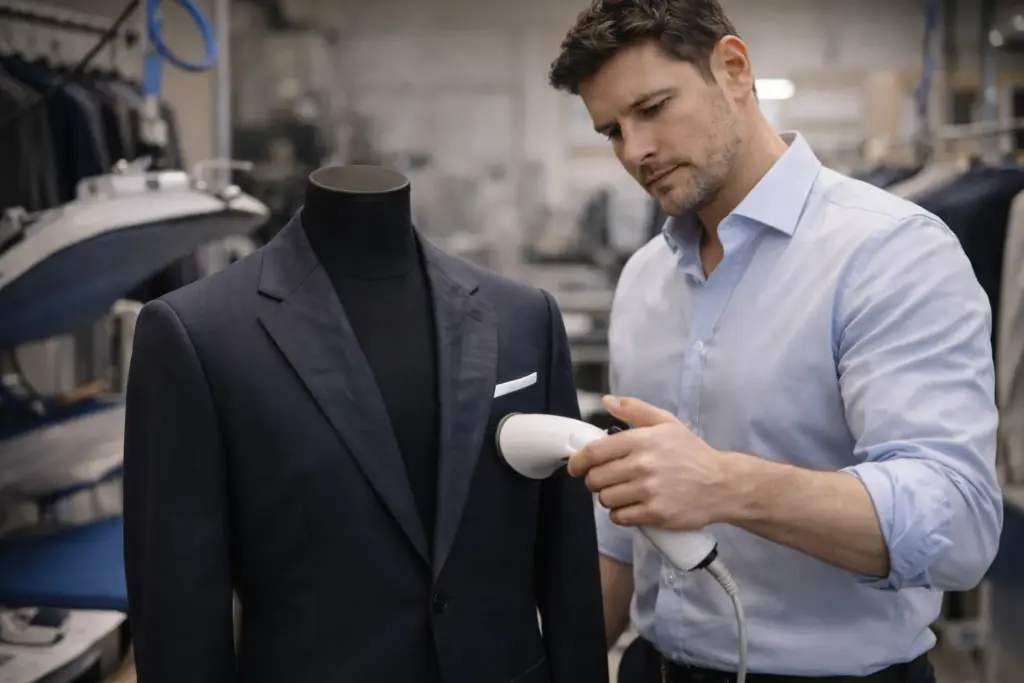
22) Double-vent suit
Double vents help movement and help the jacket hang clean when you put hands in pockets. I like double vents for comfort and for a slightly more refined look. It also works well for men with wider hips, because the vents reduce pulling. When I check samples, I look at vent alignment and how the back sits when walking. This is a small detail, but it changes how the jacket behaves all day. It is one of the easiest upgrades that many men never think about.
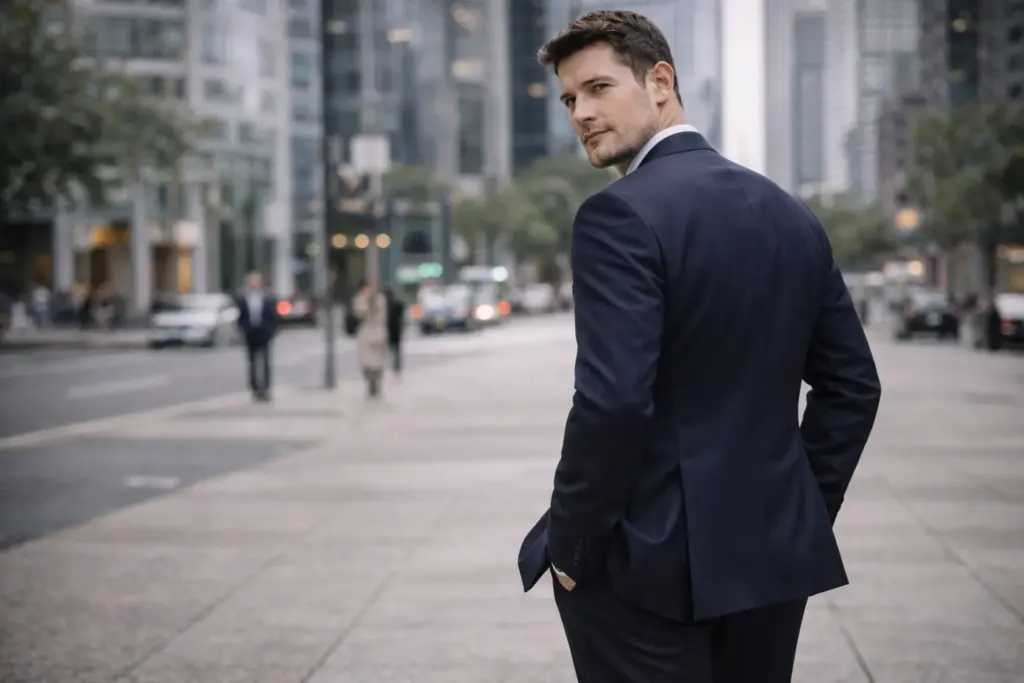
23) No-vent suit
A no-vent suit has a clean back, often seen in some modern or Italian-inspired cuts. It can look sleek when standing still, but it can bind when moving. I suggest it for slimmer builds and for shorter wear times, like dinner or events where you are not walking much. If you sit a lot, test it first. In production, no-vent designs need careful balance, because any tightness shows fast. It can look very sharp, but it asks more from fit.
How do I choose suit styles by fabric, pattern, and season?
I see men buy a heavy suit for summer, then stop wearing it. That is a painful waste. Fabric and season matter as much as the cut, and sometimes more.
Match the fabric to the climate first, then pick pattern and color, because comfort decides how often you actually wear the suit.
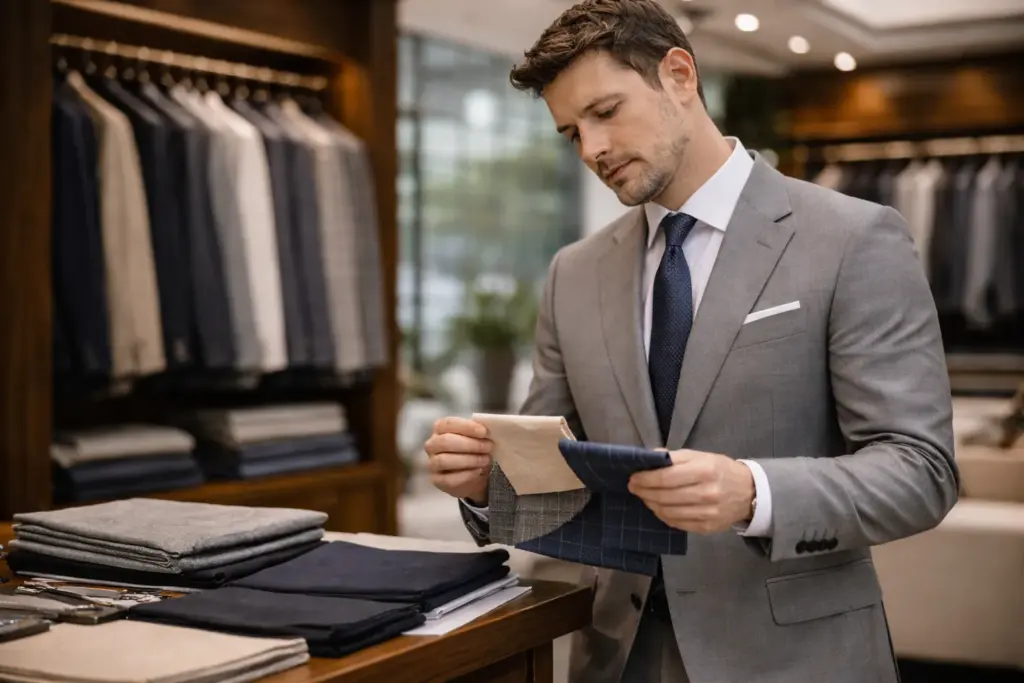
In my work, fabric choices also affect delivery and consistency. Some cloth has stable supply, and some is hard to repeat. If you are building a brand line, this matters a lot. I also remind buyers that patterns change the visual message. A pinstripe signals business. A windowpane feels social. A solid navy is flexible. I use a table to keep it simple.
| Season | Fabrics I like | Why |
|---|---|---|
| Hot | Linen, seersucker, light wool | Breathes, lighter feel |
| Mild | Worsted wool | Most versatile |
| Cold | Flannel, tweed, heavier wool | Warmth, texture |
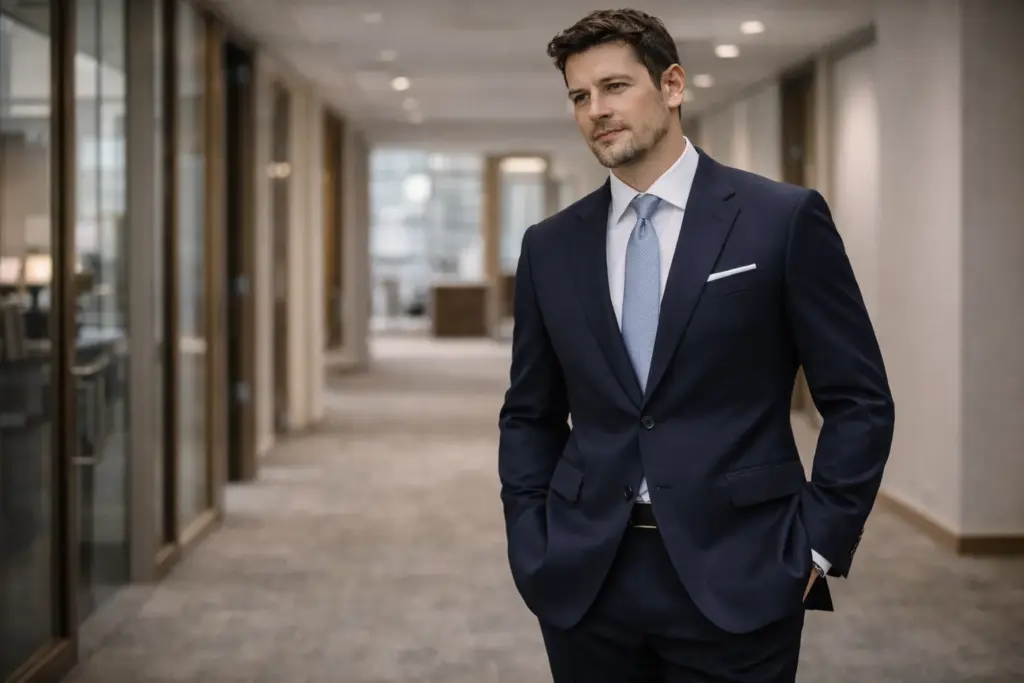
24) Worsted wool suit (four-season)
Worsted wool is my “workhorse” fabric. It looks smooth, holds shape, and works in many climates if the weight is right. Navy and charcoal worsted suits are the backbone of many men’s wardrobes. If someone asks me for suit types that always make sense, I start here. In production, I watch shrinkage, color consistency, and seam puckering. A good worsted wool suit can look sharp for years with basic care. It is boring in a good way.
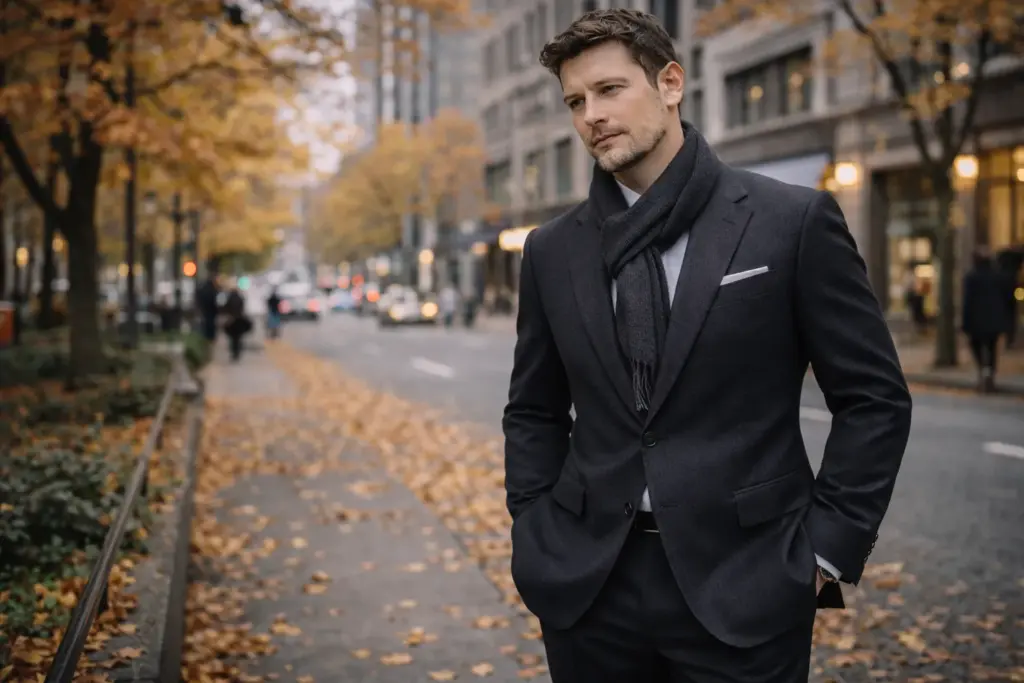
25) Flannel suit
Flannel has a soft, brushed surface. It feels warm and looks rich, even in simple colors. I like flannel in charcoal, mid-grey, and deep navy. It fits fall and winter well. The texture also makes the suit feel less strict than shiny smooth wool. I often suggest flannel for men who want a suit that looks mature, but not old. In QC, I check fabric nap direction and pressing marks, because flannel can show them.
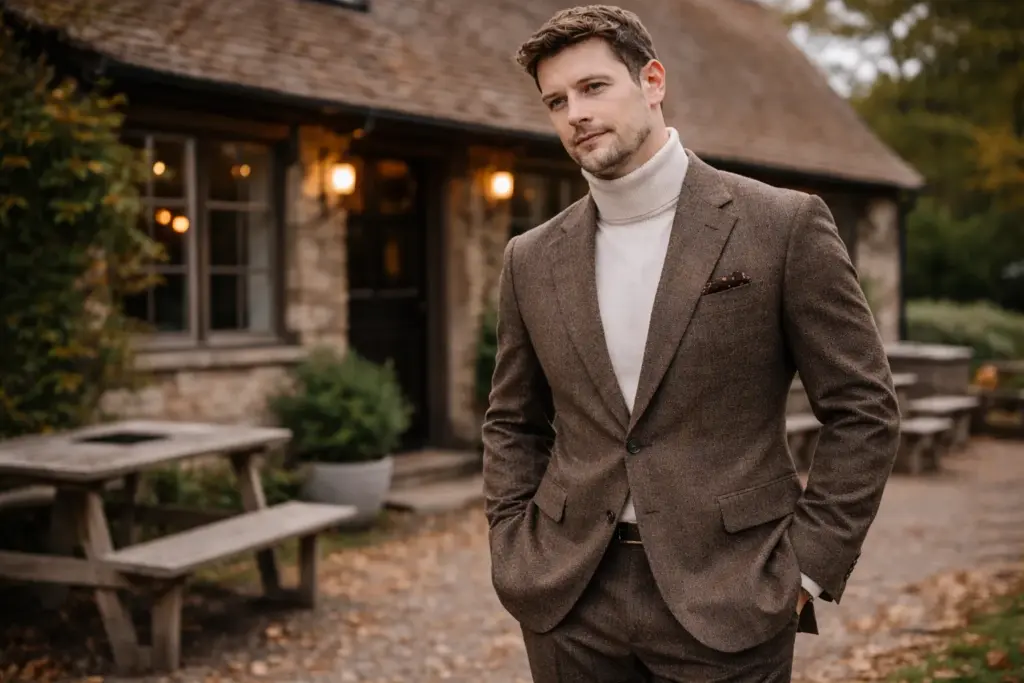
26) Tweed suit
Tweed is heavier and more textured. It often has mixed yarn colors, and it can handle cold weather well. I like tweed for country style, creative offices, and events with a relaxed tone. It is not the best for hot indoor rooms, so I plan the context. If you want a suit that stands out without loud colors, tweed is a quiet statement. In production, tweed needs careful seam handling because thickness can build up fast.
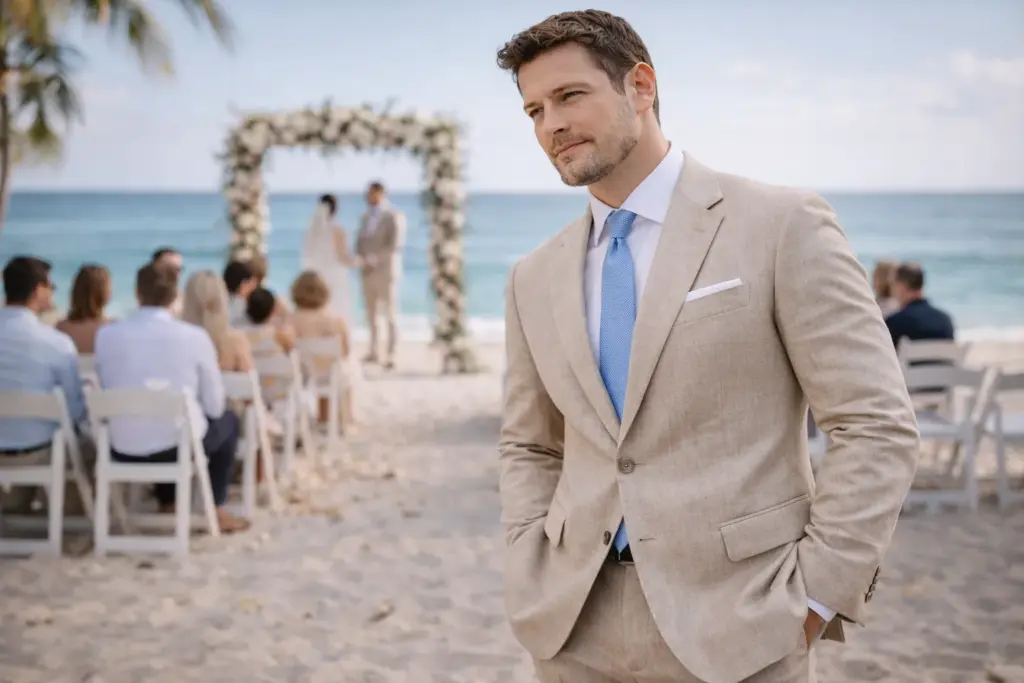
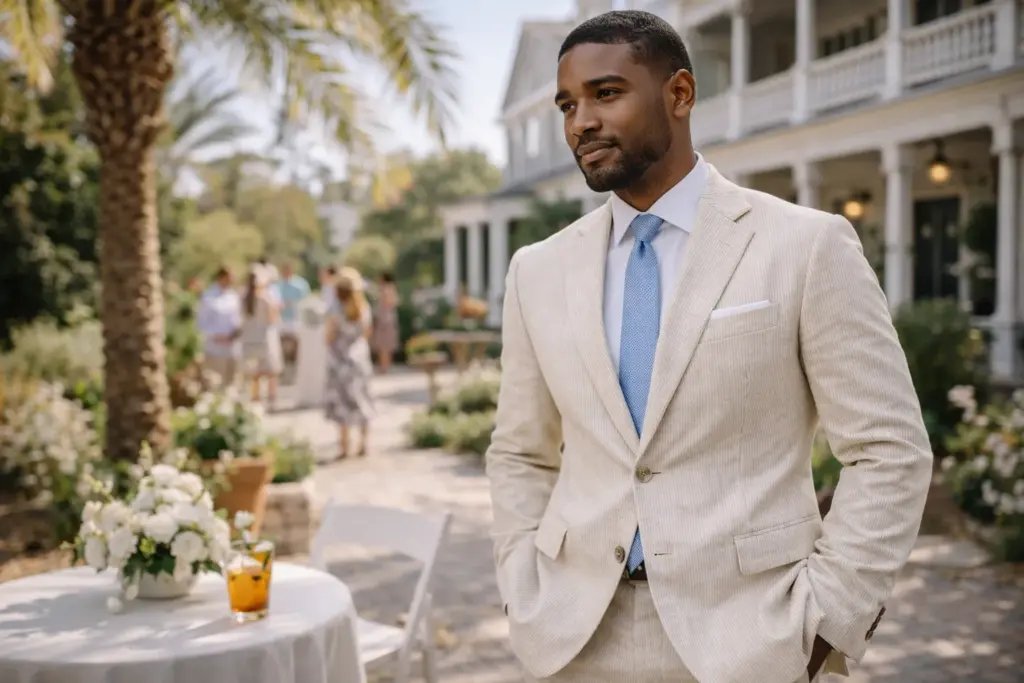
27) Linen suit
Linen breathes well, so it is a summer favorite. It also wrinkles, and that is part of the look. I tell men to accept the creases as “summer honesty.” A linen suit in beige, light grey, or soft blue looks fresh in daylight. It works great for beach weddings and warm city events. If a man needs to look relaxed but still sharp, linen is a strong suit style. In manufacturing, linen needs stable pre-treatment to manage shrink.
28) Seersucker suit
Seersucker has a puckered texture that lifts fabric off the skin. It is made for heat. I like it for daytime summer events, especially in light colors and subtle stripes. It reads as classic in some places, and playful in others. It is not a boardroom default, but it is a smart answer when you want comfort and style in the sun. If you wear it, keep the rest simple. Let the fabric do the talking.
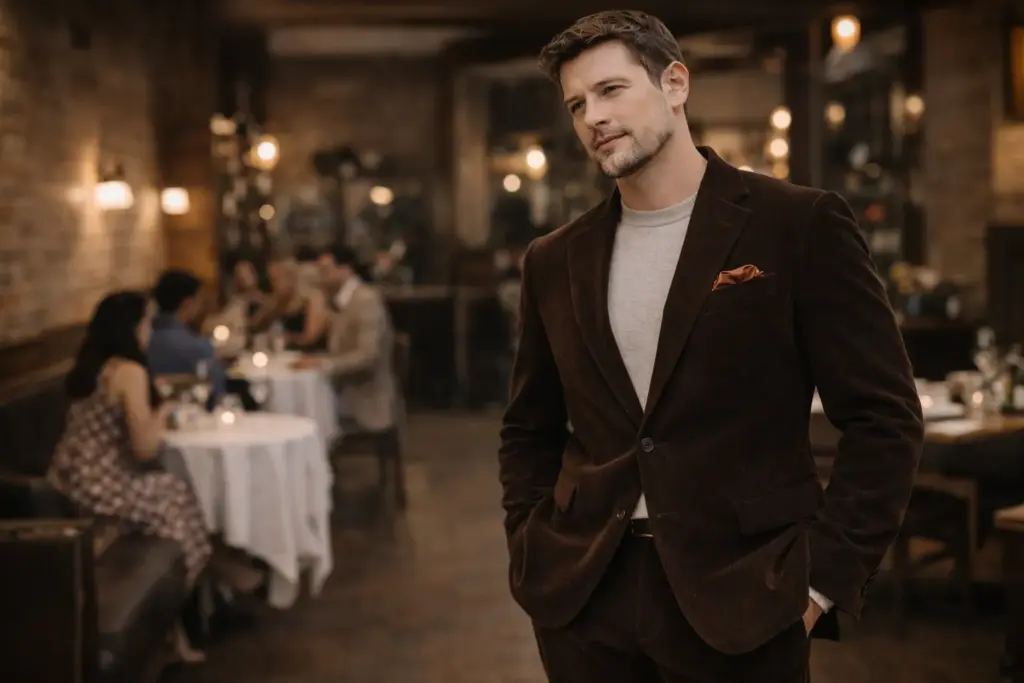
29) Corduroy suit
Corduroy is textured and warm. It feels casual, even when tailored. I like corduroy suits for creative work, dinners, and cool seasons. Dark brown, navy, and olive work well. The key is fit and balance, because corduroy can look bulky if the cut is too loose. In production, I check wale direction and shading, because corduroy can look different under light when panels are cut the wrong way.
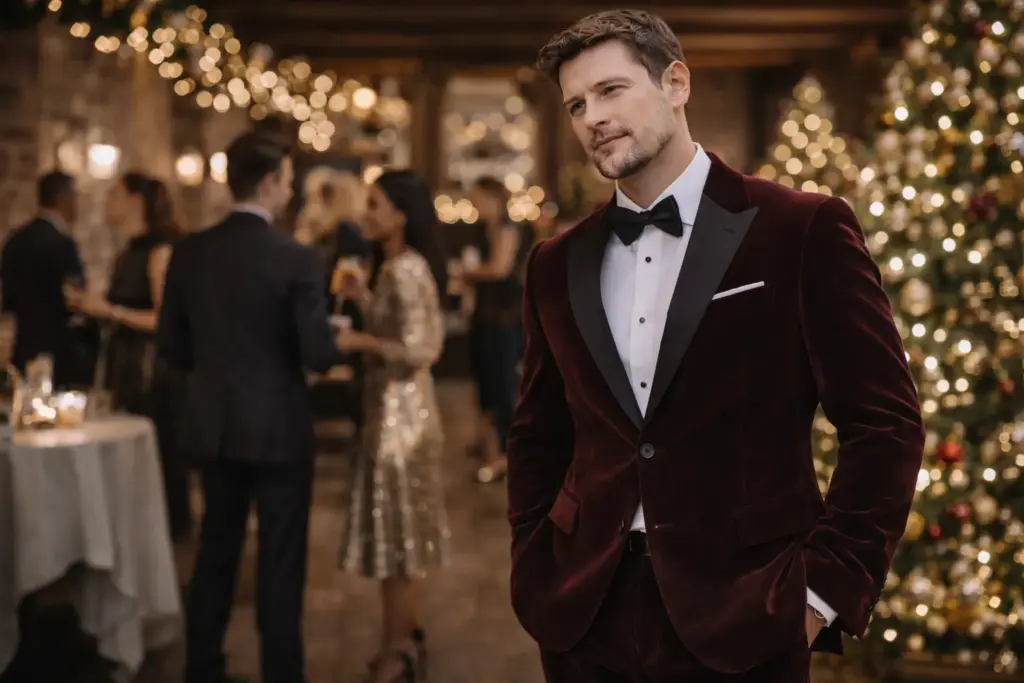
30) Velvet suit
Velvet is a statement fabric. I like it for parties, stage moments, and holiday events. It can look luxurious in deep colors like black, burgundy, and emerald. But it can also look like costume if the fit is sloppy. I keep the design clean, with minimal extra details, so the velvet stays the main feature. In QC, I check crush marks and color shading. Velvet is not an everyday suit, but it is a strong “wow” suit.
31) Pinstripe suit
Pinstripe is a pattern that signals business and authority. I like it when someone wants a stronger presence without bright colors. A navy pinstripe suit with a white shirt is a classic power look. The stripe spacing matters. Too wide can look costume-like. Too tight can look busy. In production, stripe matching is a serious QC point. If the pockets and seams do not align, the suit looks cheap fast. When done well, pinstripe is one of the best looking suits for formal work.

Conclusion
I pick suit types by dress code, then structure, then fit, then fabric. When I follow this order, I buy fewer suits, and every suit gets worn more.
Why I write this
I am Lancy Chia from Truekung in China. I run a factory with over 200 workers, and I provide wholesale clothing plus OEM/ODM. If you want mens suit style products with stable quality and clear timelines, you can reach me at [email protected] or visit https://truekung.com.
Views: 896