Too many jean names cause choice overload. You want clarity, fit, and good value. I give you simple answers now.
The fastest way to choose jeans is to match rise, leg shape, and fabric weight to your body and use-clear names for each of the 25 styles below.

I work with denim every day. I test fabric, check stitching, and fit samples on real bodies. Use my notes. Save time. Avoid mistakes.
Skinny Jeans: are they still worth it?
Tight jeans can scare people. Comfort and stretch end that fear. I make skinny work for real life.
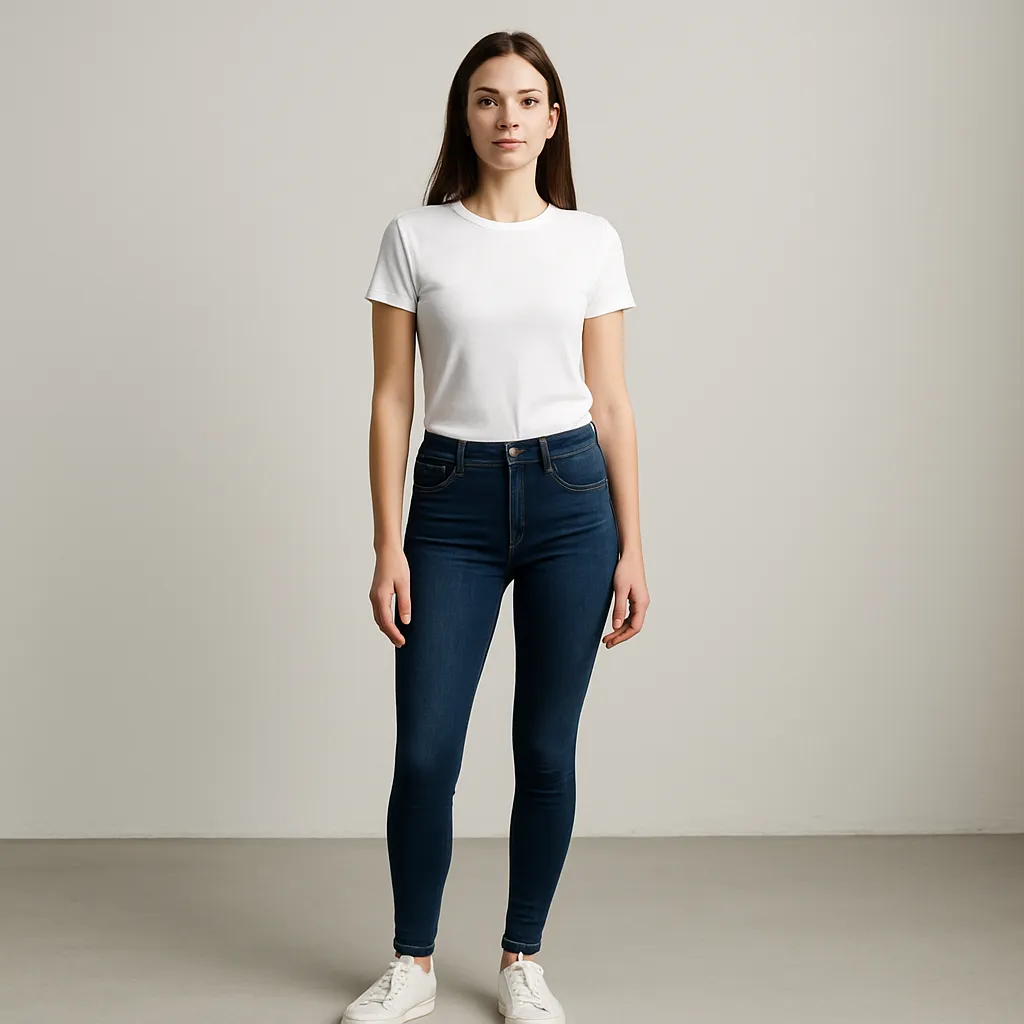
Pick high-rise skinny in 11–12.5 oz denim with 1–2% elastane. Size for light compression, not pain. Pair with long-line tops or a blazer.
Dive deeper
I use skinny when a client wants a clean line under coats or a leg-lengthening base for boots. The key is fabric recovery. I bend the knee three times and watch the knees. Good skinny snaps back. I avoid thin jeggings that shine and show every seam of the pocket bag. A high-rise holds the tummy and stops waist gaping. Ankle length keeps the hem clean on sneakers and flats. Black skinny reads smart and works with everything from knitwear to leather jackets. For buyers, I set 11.5–12 oz stretch with a soft hand and strong pocketing. I reinforce belt loops and back pockets since stress is higher on tight fits. If you want a trend read, pick a split-hem or a micro-slit at the ankle. Keep whiskers light. Comfort first. Shape second. Noise never.
Slim Jeans: how are they different from skinny?
Skin-tight is not for everyone. Slim gives shape without squeeze. It feels relaxed yet clean.
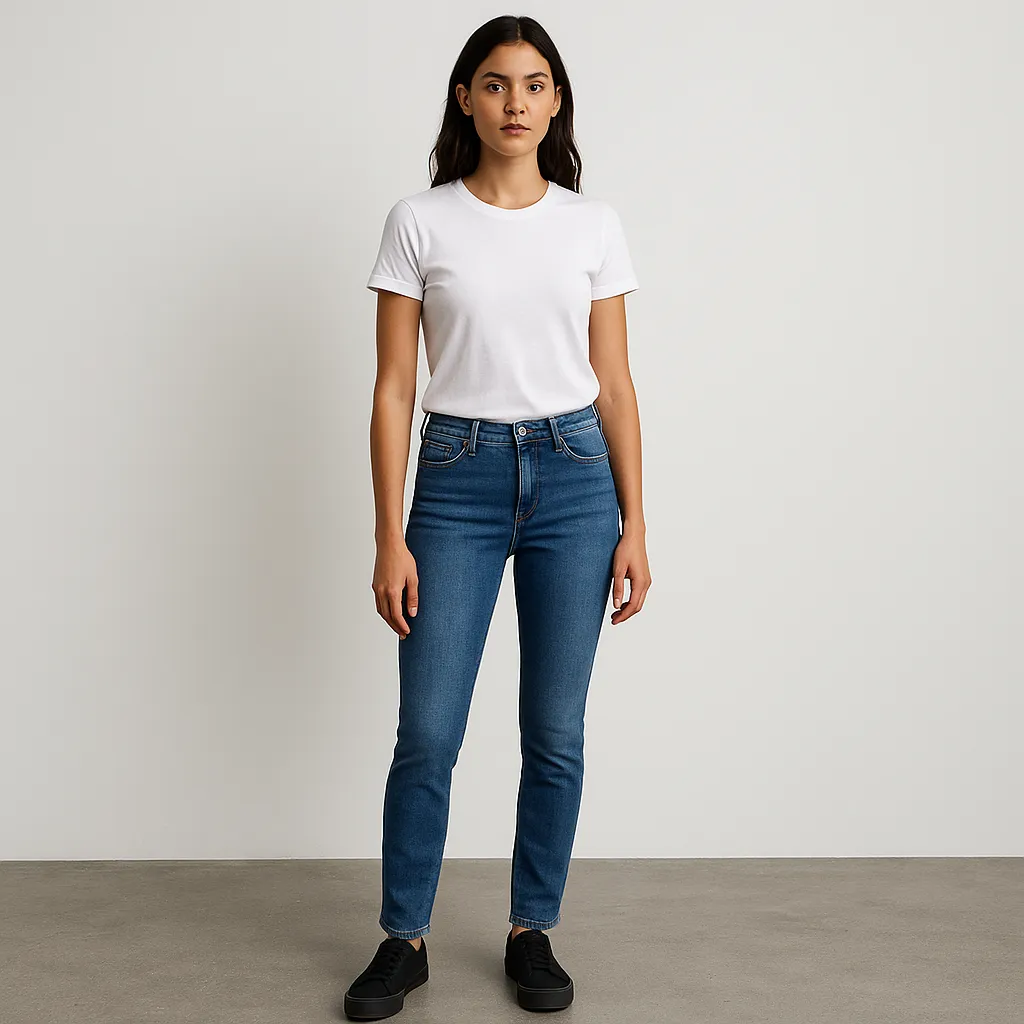
Choose slim when you want a close fit through thigh with a gentle taper. 12–13 oz stretch or soft rigid gives structure without stiffness.
Dive deeper
Slim jeans are my everyday workhorse for both men and women. The thigh is neat, the knee follows, and the hem is slimmer than straight but not tight. I like a front rise that meets the belly button or just below for balance. With 1% elastane, the fabric keeps its line during long days. Indigo with a soft enzyme wash looks modern and never cheap. For men, I keep the rise mid and the leg opening around 14–15 inches (measured flat circumference). For women, I tune the back yoke to shape the seat without pulling across the hips. Styling is easy: loafers and a shirt, or sneakers and a tee. Slim is the safe answer when you need one jean that works for office, travel, and weekend. It never shouts. It simply fits.
Straight Jeans: are they really the most versatile?
Trends change. Straight stays. It hides calves and balances most tops and shoes.
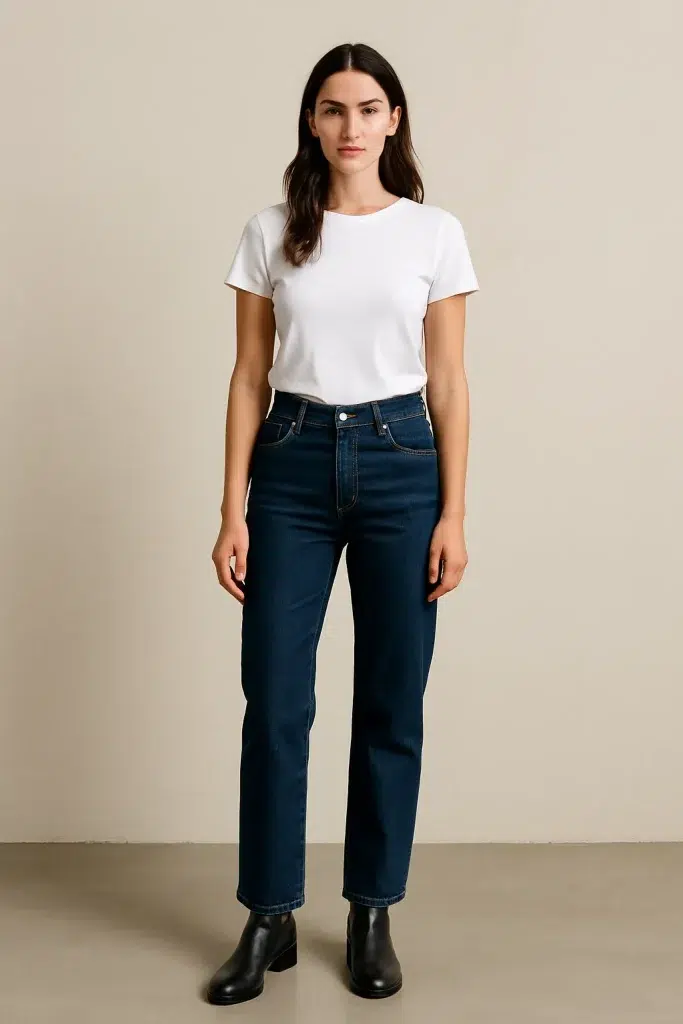
Pick straight when you want a timeless leg from knee to hem. Choose mid to high rise. Dark indigo or mid blue covers work and weekend.
Dive deeper
I often start fittings with straight jeans to reset the eye. The line is honest. It does not cling or flare. That makes proportion simple. On petite clients, I choose a cropped inseam to show ankle and avoid stacking. On taller clients, I keep a classic full length over low-profile sneakers or ankle boots. Rigid 100% cotton gives a vintage look that softens with wear; 1% stretch makes daily life easier. Straight jeans accept many washes: light for summer, mid for daily wear, dark for sharper outfits. I keep distressing minimal to avoid trends that fade. The hem width matters. Wider hems feel more workwear; slimmer hems feel cleaner. Straight jeans are also ideal for denim-on-denim sets. The calm silhouette lets a trucker jacket or denim shirt sit without competing. When in doubt, go straight.
Tapered Jeans: how do they sharpen your look?
Big thighs and neat ankles can fight each other. Tapered solves that by narrowing smoothly.
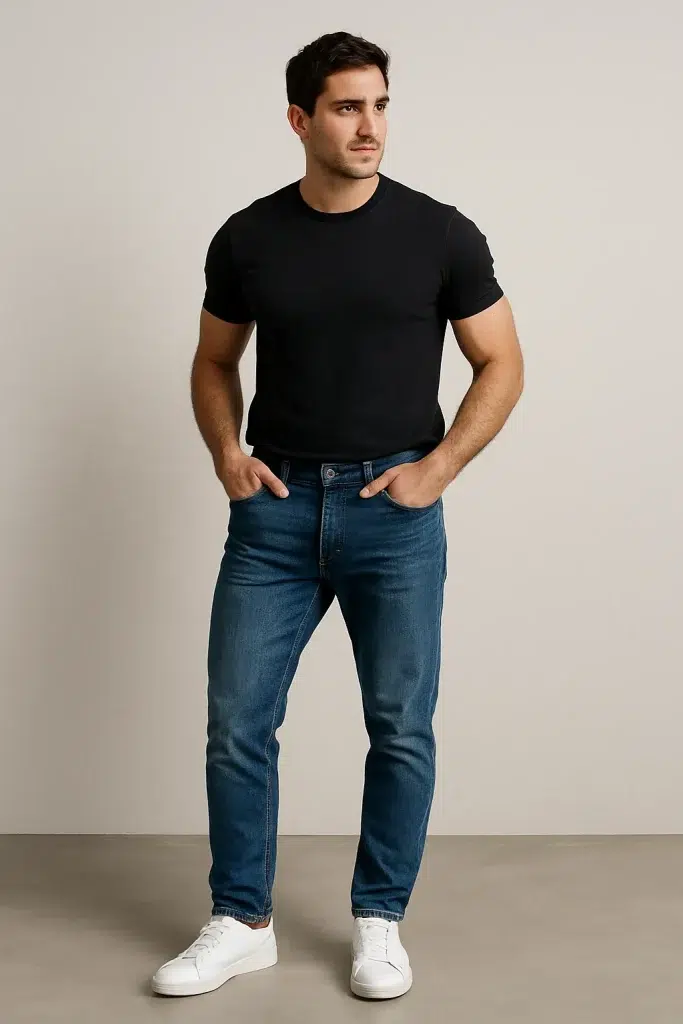
Choose tapered if you want room at the thigh with a clean ankle. It suits athletic builds and modern sneakers.
Dive deeper
Tapered jeans start generous at the top and close down toward the hem. I use them when a straight leg looks bulky near the shoe. The trick is the knee position and the taper amount. Too much taper creates drag lines. Too little loses the effect. I fit the thigh for comfort, then draw a clean angle to the ankle. Stretch helps but is not mandatory. A mid-rise prevents waistband flip when sitting. Tapered pairs well with minimal trainers, derbies, or slim boots. For workwear fans, I keep a carpenter pocket on a tapered base to mix utility with a sharp ankle. For women, a tapered barrel variant adds curve without width at the hem. If you want a sleek street look without skinny, tapered is the sweet spot. It feels current and flattering in one move.
Bootcut Jeans: why do boots love them?
Straight hems bunch on chunky footwear. Bootcut clears the shaft and keeps the line long.
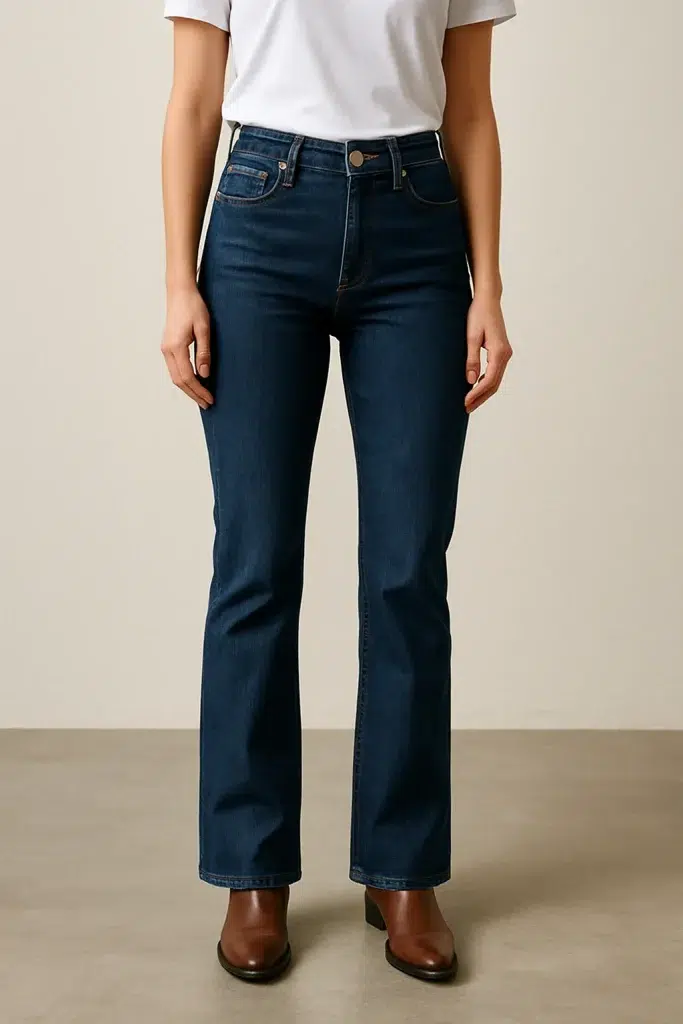
Pick bootcut when you wear Western, biker, or stacked-sole boots. The hem widens slightly from the knee for a balanced drape.
Dive deeper
I build bootcut for clients who live in boots. The flare is subtle, enough to skim over the shaft without a bell shape. The knee placement matters because it decides where the leg starts to open. Too high and the thigh looks wide; too low and the hem fights the boot. Dark indigo with a pressed crease creates a long leg line for dressier looks. For casual, a mid-blue wash feels classic. Stretch can help movement, but rigid denim keeps the hem from collapsing. I spec slightly longer inseams to allow for heel height. On women’s fits, high-rise bootcut lengthens the leg and balances broader hips. On men’s fits, a mid-rise with a clean seat works best. Keep back pocket placement natural to avoid dated vibes. Simple top, big belt, done.
Flare Jeans: when does the bell shape shine?
You want drama and balance. Flare gives both. It narrows the knee and kicks out.
Choose flare to balance wider hips or to add movement. High-rise plus a defined knee creates the best line.

Dive deeper
I use flares when a client wants a vintage, leggy look. The curve starts above the knee and grows to a strong bell. High-rise pulls the waist in and sets the proportion. Heavier denim keeps the flare crisp; mid-weight adds sway. With heels, the hem can graze the floor; with sneakers, I crop to show the shoe. Pressed creases sharpen the shape. I avoid heavy whiskers or sandblasting here, because the silhouette already speaks. For comfort, a small stretch content works, but rigid flares age beautifully. Pair with a tucked tee, fitted knit, or cropped jacket to keep focus on the waist. Flares also photograph well, which is why many brands push them during campaign seasons. If you love motion and leg length, flares deliver instantly.
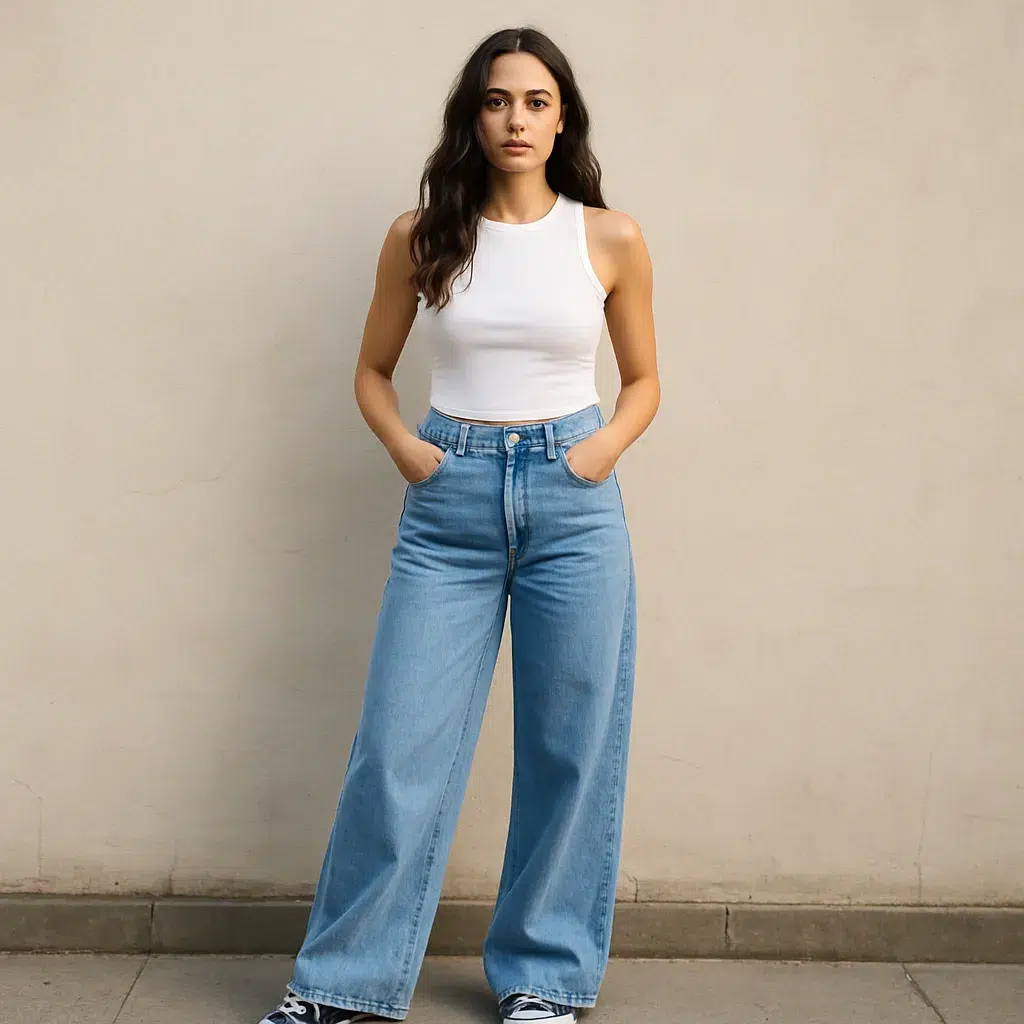
Wide-Leg Jeans: are they the easiest way to look fresh?
Tight clothes hide nothing. Wide legs give ease, air, and style in one simple move.
Pick wide-leg for drape and comfort. Use 11–12 oz rigid for flow. Keep the top neat or cropped to balance the volume.
Dive deeper
Wide-leg jeans read modern, creative, and relaxed. I design them with a straight drop from hip to hem, or a gentle A-line. Fabric choice matters most. Light rigid denim swings and does not cling. I press the leg to keep edges sharp after washing. High-rise versions create a column effect and work with tucked shirts. Mid-rise versions look casual with boxy tees. On petite clients, I crop to the ankle so the width does not swallow the shoe. On tall clients, I allow a shallow stack on sneakers. Pockets should not spread; I keep them slightly closer to center. If you want a minimal wardrobe, a dark wide-leg plus a white tee and loafers can be a uniform. Make the jean the hero and keep the rest quiet.
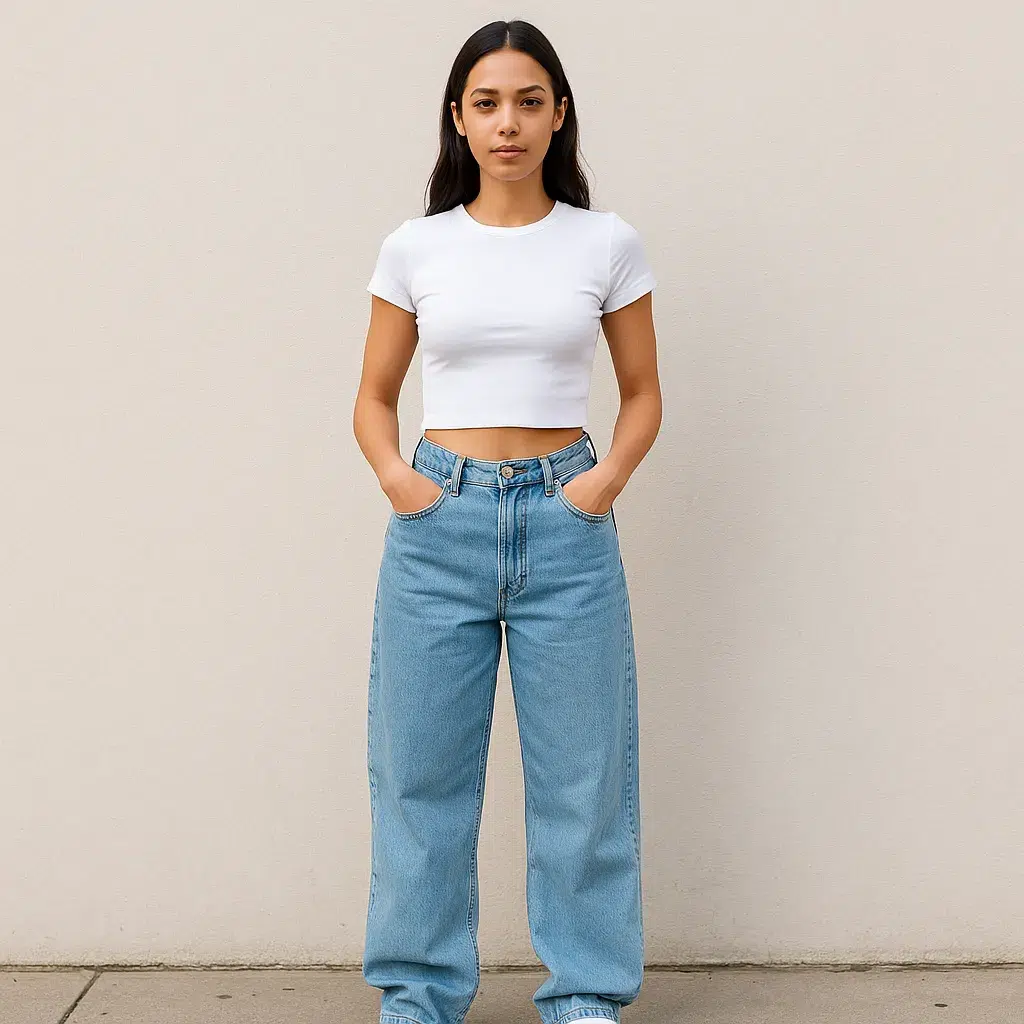
Baggy Jeans: how do you avoid looking sloppy?
Oversize denim can feel risky. Balance solves it. Structure up top, freedom below.
Choose baggy with a defined waist, then pair with fitted or cropped tops. Keep shoes clean and hems neat.
Dive deeper
Baggy jeans give street energy and comfort. I cut them with room in the thigh and knee, then keep the hem straight or slightly tapered. A belt and a tucked or cropped tee create shape. For fabric, I like 11.5–12 oz rigid for drape. Light blue and grey washes sell best, and contrast side stripes or patch pockets push the look. If you want subtle, choose a clean mid-blue and minimal branding. Hems should not eat the shoe; raw hems or small turn-ups help. For work, add a sharp blazer and loafers. For weekend, pick hoodies and high-tops. My QC checks include strong bar-tacks at pockets and a stable waistband so the jean hangs right. Baggy is about ease, not chaos. Set the proportions, and you look intentional.
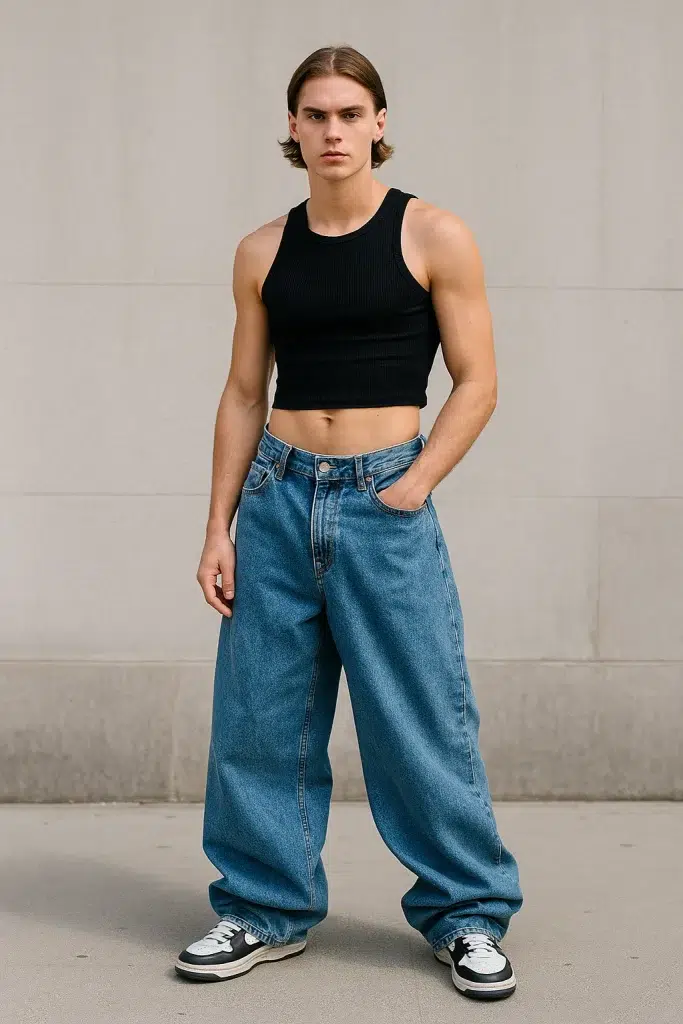
Super Baggy Jeans: who should wear the biggest fits?
Extra volume needs extra care. Shape the waist and let the legs speak. Keep styling tight.
Use super baggy for Y2K and skater vibes. Balance with cropped tops, short jackets, and bold sneakers or boots.
Dive deeper
Super baggy jeans go beyond relaxed into statement territory. I increase front rise slightly so the jean sits stable on the waist. The thigh and knee are generous, and the hem can be very wide or mildly tapered. Light stonewash, ice blue, or faded black fit the era. Details like contrast side stripes, painter pockets, or cargo flaps add texture. I keep tops short to reveal the waistband and avoid a blocky torso. Shoes matter: chunky sneakers, skate shoes, or heavy boots anchor the look. When ordering, I add reinforced inseams and seat seams because fabric stress is higher with oversized cuts. For women, a snug or cropped top keeps the silhouette sharp. For men, a fitted tee or zipped hoodie works. Super baggy should look deliberate, not accidental.
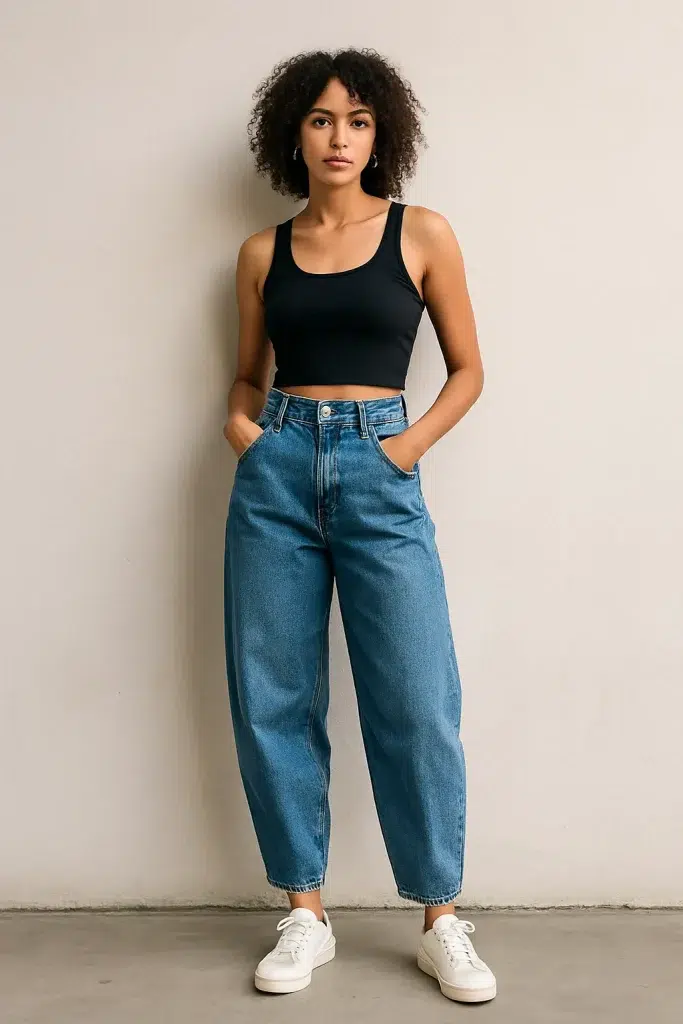
Balloon/Barrel Jeans: what makes the curve work?
Curved legs feel new but wearable. The shape adds character without heavy volume.
Pick balloon when you want a round thigh and a neat ankle. Cinch the waist or tuck tops for balance.
Dive deeper
Balloon or barrel jeans swell at the thigh, then taper to a smaller hem. I draft the side seam with a soft curve to keep the shape friendly. A front seam or darts can guide the roundness and stop fabric twisting. High-rise helps, because it defines the waist before the leg curves out. I prefer mid-blue washes with clean finishes so the silhouette takes the lead. Sneakers with some bulk suit the ankle shape. If you fear volume, start with a milder curve and a cropped length. For factories, I add a little back thigh ease so sitting does not strain the seam. Pressing is key: a crisp press keeps the barrel intentional after wash. Balloon jeans suit creative work, cafes, and travel days. They feel different yet easy.
Carpenter Jeans: do utility details add value?
Tool loops and extra pockets look cool, but they must be strong. Function and style should align.
Choose carpenter when you want a rugged look with real storage. Check bar-tacks and pocket bags for durability.
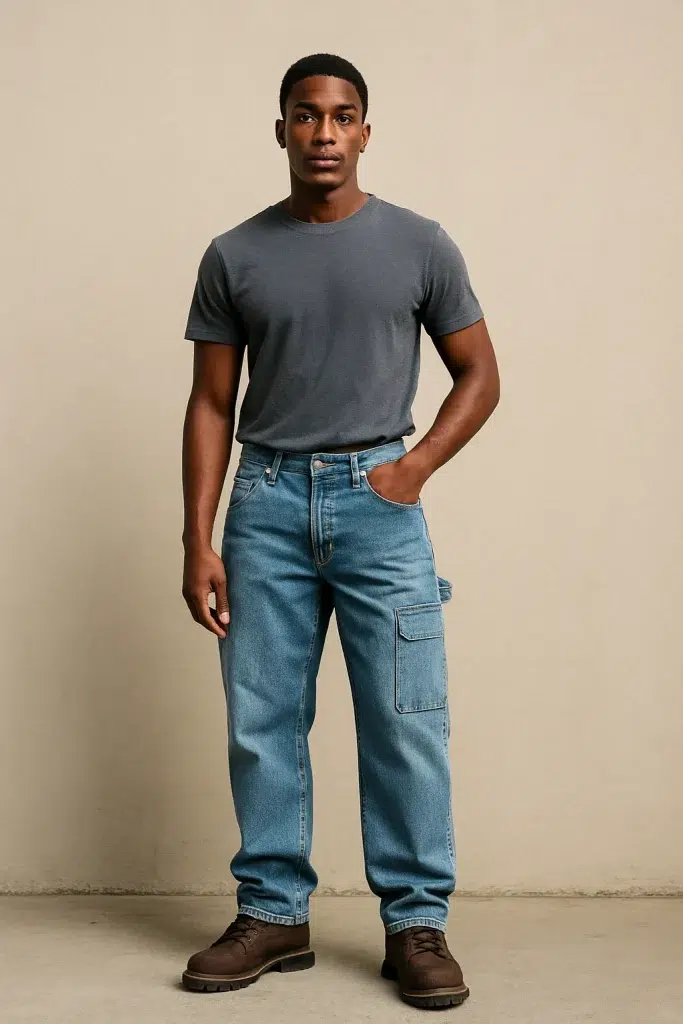
Dive deeper
Carpenter jeans come from real workwear. I keep the leg relaxed or tapered, never skinny. The hammer loop sits on the side seam or slightly back. I line back pockets and use heavier pocketing up front. Stitch density must be even, and bar-tacks must lock the stress points. For fabric, 12.5–14 oz denim gives the right hand. Triple-needle yokes and inseams add authenticity. Wash can be mid-blue with subtle whiskers or raw for purists. Styling is easy: chore jacket, plain tee, sturdy boots. If you want a cleaner read, remove the loop but keep the patch pockets. In wholesale, I confirm the loop position on size S and size L, since loops drift when grading. Carpenter jeans bring utility, character, and value when built well.
Painter Jeans: what’s the difference from carpenter?
Painter jeans simplify utility. They use patch pockets and a relaxed fit, made for movement and light tools.
Pick painter for a softer workwear look with roomy legs and patch pockets. Keep washes light to mid for a vintage vibe.
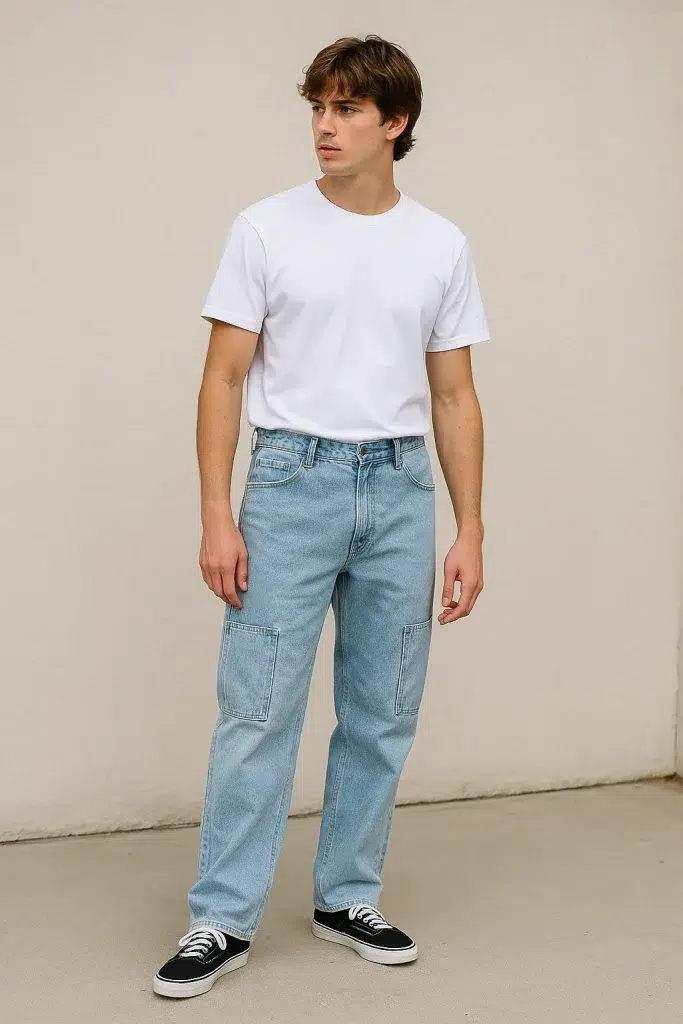
Dive deeper
Painter jeans usually skip the hammer loop or keep it minimal. The star is the patch pocket set and the loose leg that moves. I spec 11.5–12.5 oz rigid denim for drape, or canvas if you want true heritage. Light stonewash feels right, as painters historically wore white or pale tones. I set slightly larger back pockets and secure them with bartacks at corners. The rise sits mid to high for comfort when bending. For women, a cinched waist or tucked top adds shape. For men, a simple knit or hoodie works. Painter jeans mix well with sneakers and slip-ons. They are a casual uniform that hints at craft without shouting. If you hate cluttered jeans but want texture, painter is the calm utility choice.
Cargo Jeans: can cargos be sleek?
Side pockets add width. Smart placement and depth keep them clean. The leg should not balloon.
Choose cargo jeans with flat, secure pockets and a straight or tapered leg. Balance with fitted tops or short jackets.
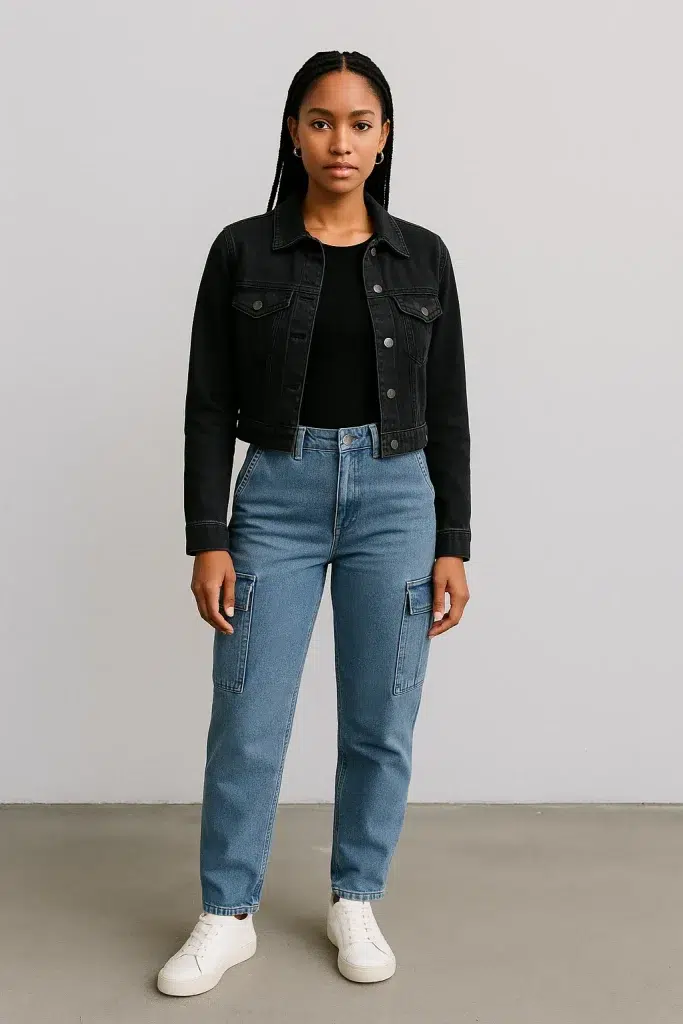
Dive deeper
Cargo jeans borrow from military pants. I place pockets mid-thigh, not at the knee, to keep the leg line tidy. Flaps should sit flat; bellows can be small. A tapered hem stops the silhouette from growing too wide. For fabric, mid-weight rigid denim holds pocket shapes. Dark or faded black reads modern; light blue feels Y2K. I keep pocket bags strong and sew drains at the corners to release stress. If you want a dressier take, choose concealed snaps and double-needle stitching. For styling, I skip loud tops. A plain tee, bomber, or field jacket is enough. Cargos add function and edge. Keep the rest simple.
Mom Jeans: why do they feel so safe?
High-rise and straight hips hug without squeeze. Many people relax the moment they try them.
Pick mom jeans for a vintage, secure waist and a straight leg. Tuck tops to show the rise and add a belt if needed.
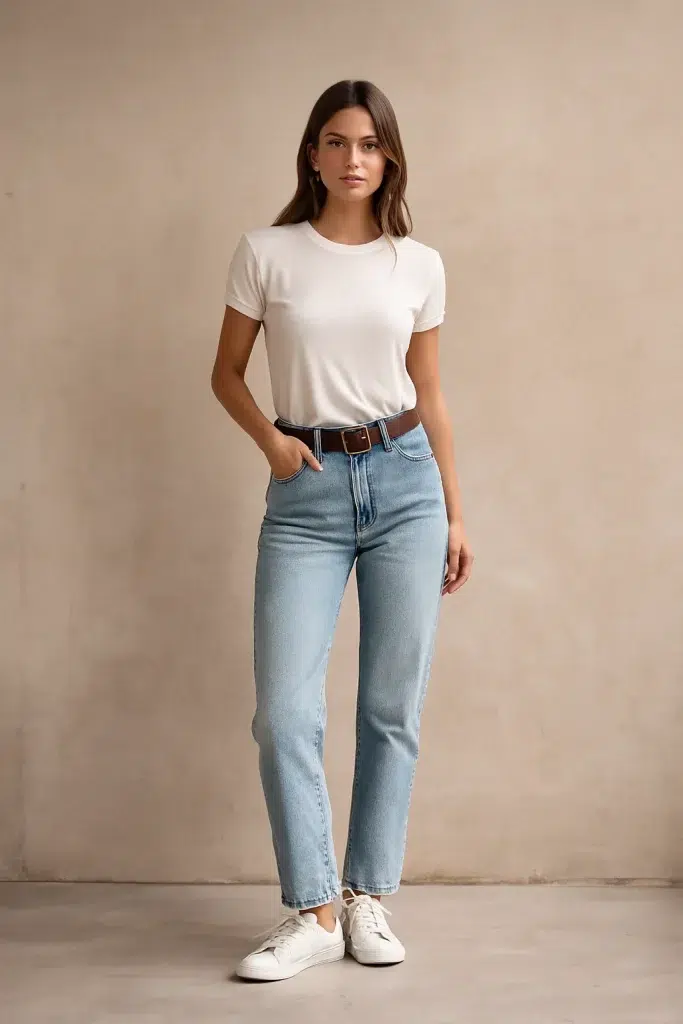
Dive deeper
Mom jeans sit above the belly button and level the tummy. The hip and thigh are straight, and the leg often ends at the ankle. I use 100% cotton for authenticity, then soften with rinse and enzyme. Back pockets are a touch higher to lift the seat. I keep washes light to mid with subtle wear at seams. Styling is easy: striped tee, trench, and sneakers. If you fear bulk, pick a slightly tapered ankle and avoid heavy pocket bags. For production, I watch the front rise curve because it controls comfort when sitting. Mom jeans are the gateway to rigid denim for many women. They feel honest, hold shape, and suit daily life.
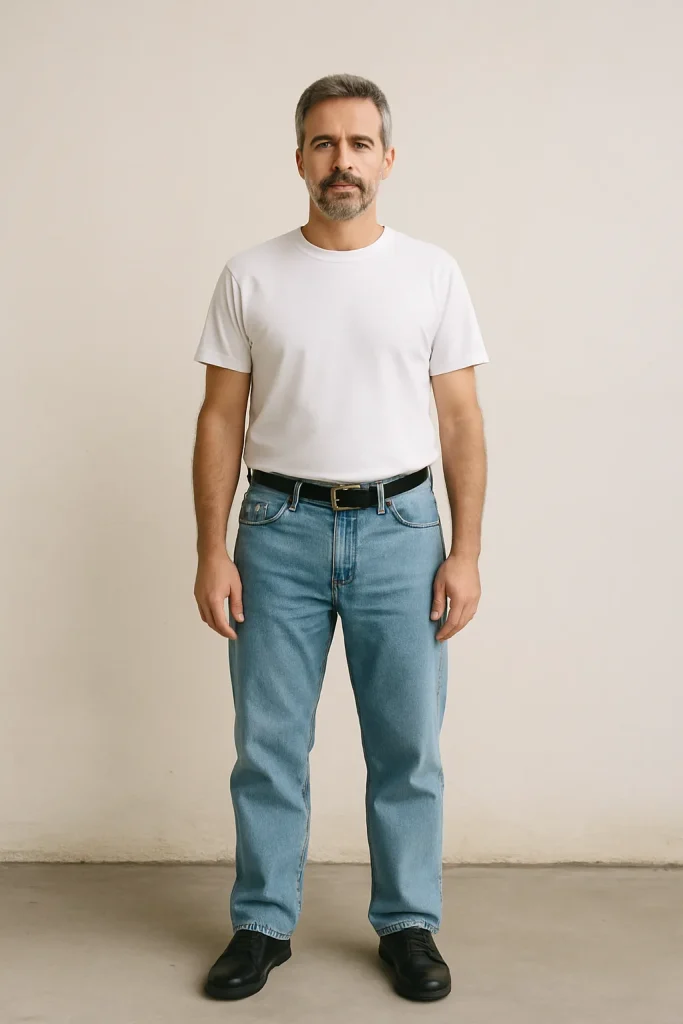
Dad Jeans: how do they nail normcore?
Mid-rise, roomy straight legs, and no drama. That is the point. They look simple and relaxed.
Choose dad jeans for an easy straight fit with comfort in the seat and thigh. Keep washes clean and details minimal.
Dive deeper
Dad jeans are the quiet classic. I set the rise mid and the leg straight with a wider hem than slim. The seat should be comfortable without sag. Dark stonewash or mid-blue with light whiskers keeps them friendly. If you want a smarter read, pick a dark rinse and crisp topstitching. Sneakers, crewneck sweaters, and coach jackets suit them well. For wholesale, I tune the back yoke to avoid baggy pockets in larger sizes. Dad jeans work across ages and are easy to size. They are not boring when the fit is right. They are calm, which many wardrobes need.
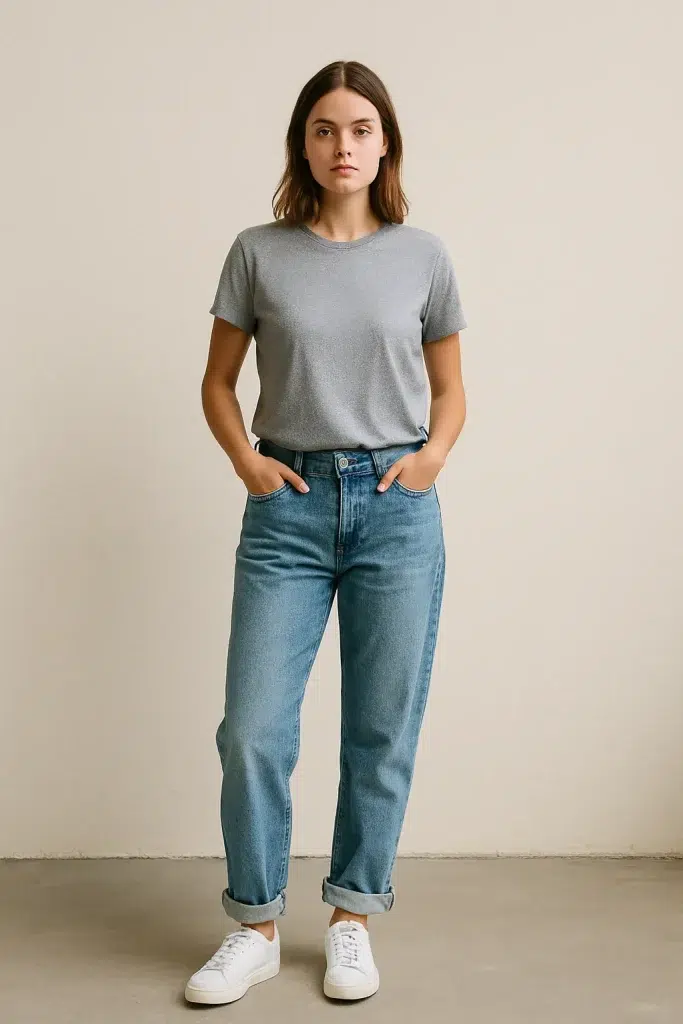
Boyfriend Jeans: what is the slouch about?
Borrowed-from-him energy with a softer shape. Relaxed, low to mid rise, often cuffed.
Pick boyfriend for a loose, lived-in feel. Roll the hem. Add a tee or a soft knit. Keep distress light.
Dive deeper
Boyfriend jeans balance comfort and style. The rise sits lower or mid, and the leg is relaxed with a gentle taper. I like light to mid washes with authentic wear patterns. A rolled hem shows the ankle and adds shape. Pair with a fitted tee or a tucked blouse for contrast. For factory specs, I request soft rigid or low-stretch for drape, and I clip back pocket width so the seat does not spread. Boyfriend jeans are forgiving on days when skinny feels wrong. They work with sandals, sneakers, or ankle boots. Keep tops tidy and you will never look sloppy.
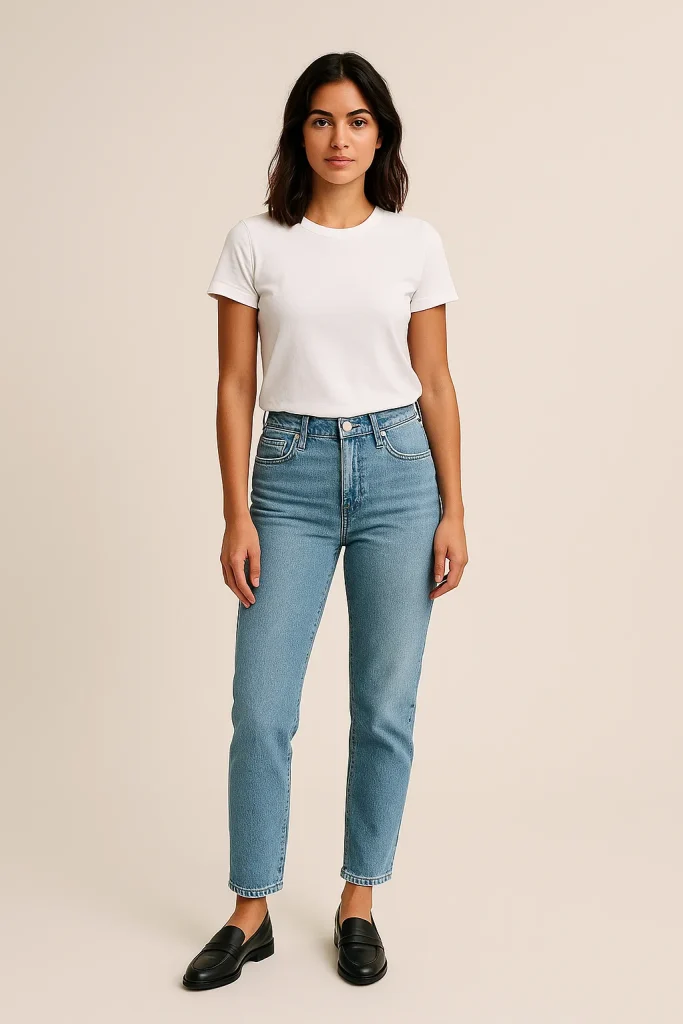
Girlfriend Jeans: how do they differ from boyfriend?
Girlfriend keeps the relaxed idea but cleans the line. It is slimmer and higher.
Choose girlfriend when you want a neater slouch. Mid to high rise, slim straight leg, ankle length.
Dive deeper
Girlfriend jeans are my fix when boyfriend looks too loose. The waist climbs higher, the thigh is closer, and the hem narrows slightly. I use 1% stretch or soft rigid to keep comfort. Ankle length keeps the look fresh with flats and sneakers. Light distress adds ease; clean washes make them office-friendly with a blazer. For production, I watch the hip curve so it hugs without pulling across the fly. Girlfriend jeans sit between relaxed and polished. They are a safe choice for casual Fridays and weekend brunch.
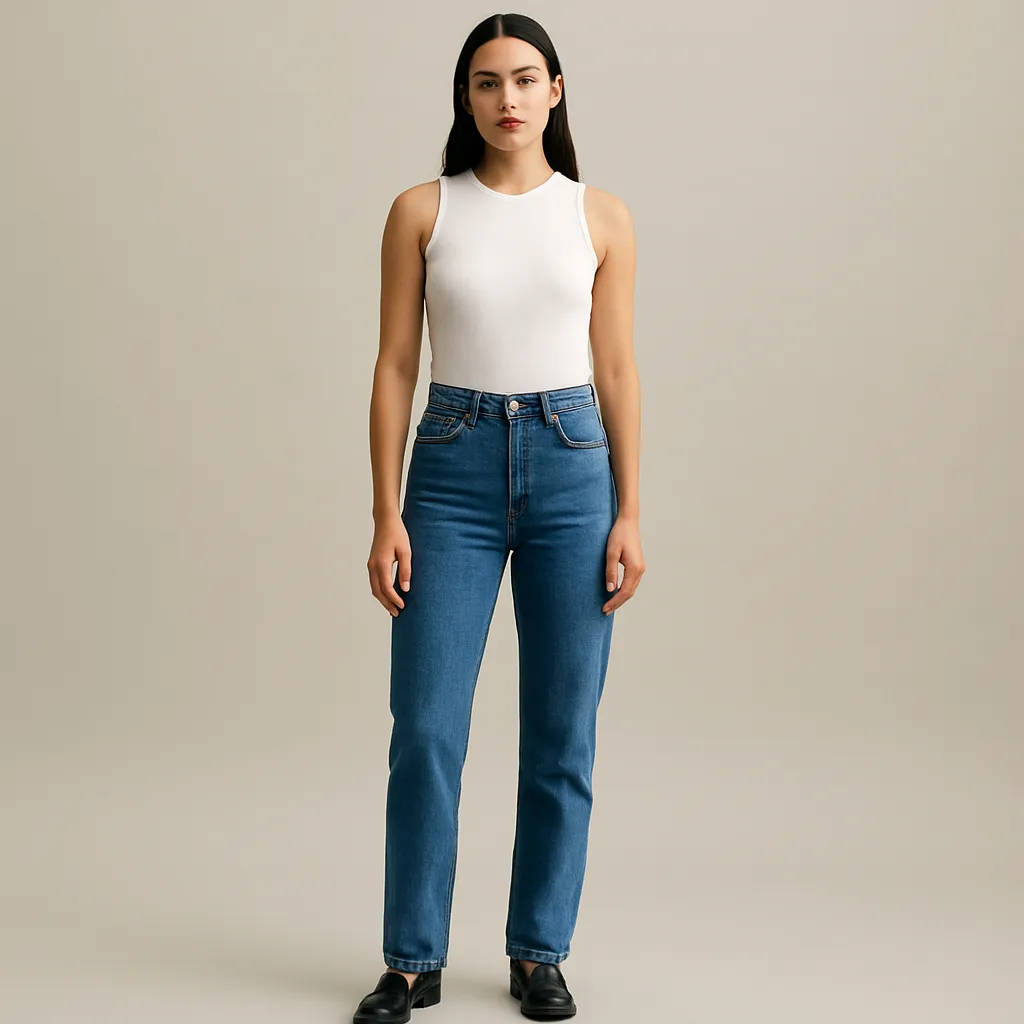
High-Rise Jeans: who needs the extra height?
Rise decides comfort and shape more than leg style. High-rise can change posture and proportions.
Pick high-rise to lengthen legs and support the midsection. It pairs well with straight, flare, wide, and skinny.
Dive deeper
High-rise means the waistband sits above the navel. It pulls the waist in and sets a long vertical line. I recommend it for tucking tops and for clients who want more core support. With flares, it creates a true vintage shape; with wide legs, it builds a clean column. Stretch can help, but rigid denim holds the waist firmly. The fly length and curve must be smooth to avoid puckers. Back pockets should not climb too high or they look toy-like. If you fear bulk, choose smooth pocketing and minimal lining. High-rise jeans restore confidence for many clients. They feel secure and look finished.
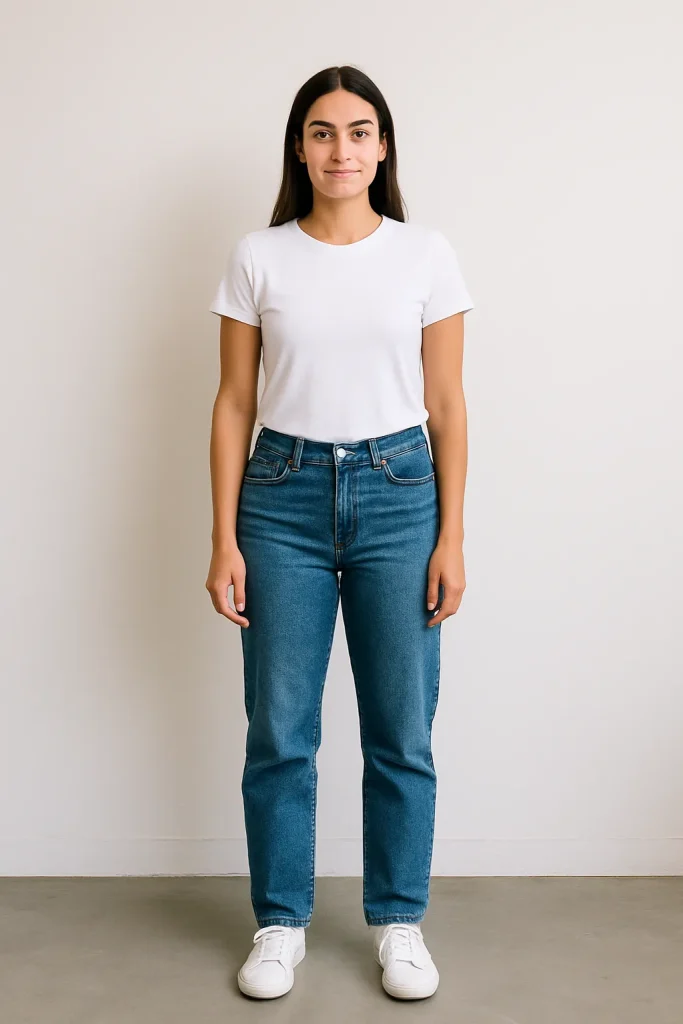
Mid-Rise Jeans: is “middle” the best everyday choice?
Not too high, not too low. Mid-rise is the daily driver for many wardrobes.
Choose mid-rise for comfort and flexibility. It works with most tops and leg shapes without drama.
Dive deeper
Mid-rise sits around the navel. It avoids waistband digging while keeping tops easy to wear untucked. I pair mid-rise with straight, slim, and tapered legs for universal fits. It suits long days, travel, and unsure shoppers. For production, I keep the front rise curve smooth and the back rise slightly higher for coverage. Pocket bags should be soft. When styling, I let hems hit the ankle or shoe tops for a tidy line. Dark indigo, black, and clean mid-blue cover most settings. Mid-rise is not boring. It is practical. That is powerful for a base jean.
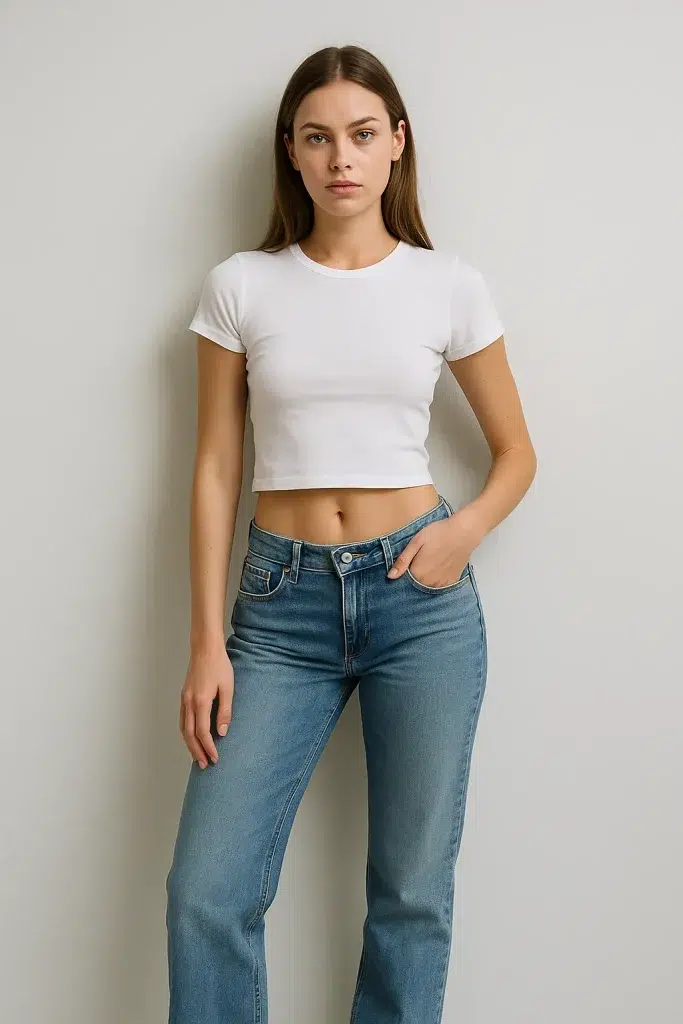
Low-Rise Jeans: how do you wear them now?
Y2K made them loud again. The trick is control. Keep lines clean and tops short.
Pick low-rise for a playful look. Choose sturdy waistbands, stable denim, and shorter tops to avoid bunching.
Dive deeper
Low-rise sits on the hips. It needs good pattern cutting to avoid slip. I increase waist stay strength and choose denim with body so the top edge does not collapse. Super baggy low-rise is a youth favorite; I keep the length long and the top fitted. For a calmer take, try a low-rise straight with a cropped cardigan. If you worry about exposure, pick longer tees or double-layer tanks. Belt loops must be strong, and back pockets should sit slightly lower to match the rise. Low-rise is about attitude. Wear it with intent and it works.
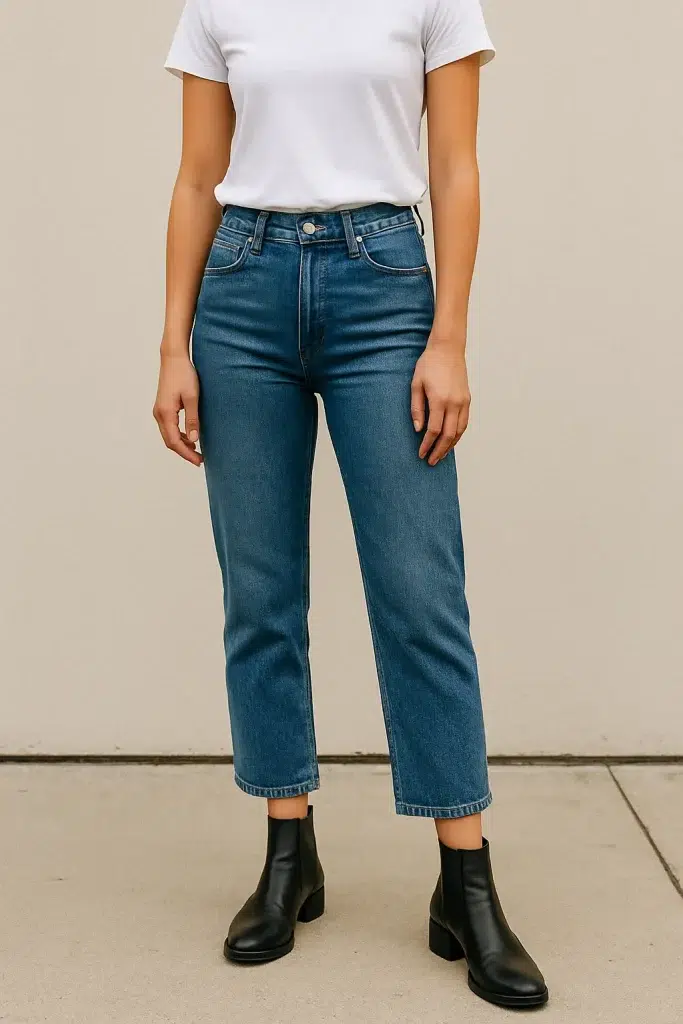
Cropped Jeans: when should hems be short?
Cropped hems show the shoe and lighten any outfit. They help petites and add variety.
Choose cropped to show ankle or boot tops. Keep the break clean. Avoid heavy stacking.
Dive deeper
Cropped jeans stop above the ankle bone. I use them to sharpen wide legs, straight legs, and slim cuts. The shorter length shows shoes and avoids puddling. On petite clients, cropped inseams make wide legs wearable. On taller clients, cropped straight with loafers looks chic. Raw hems or split hems add interest. For factories, I control shrinkage well because a small change impacts length. Cropped jeans suit warm weather and indoor days. They create rhythm in a wardrobe that is full of full-length denim.
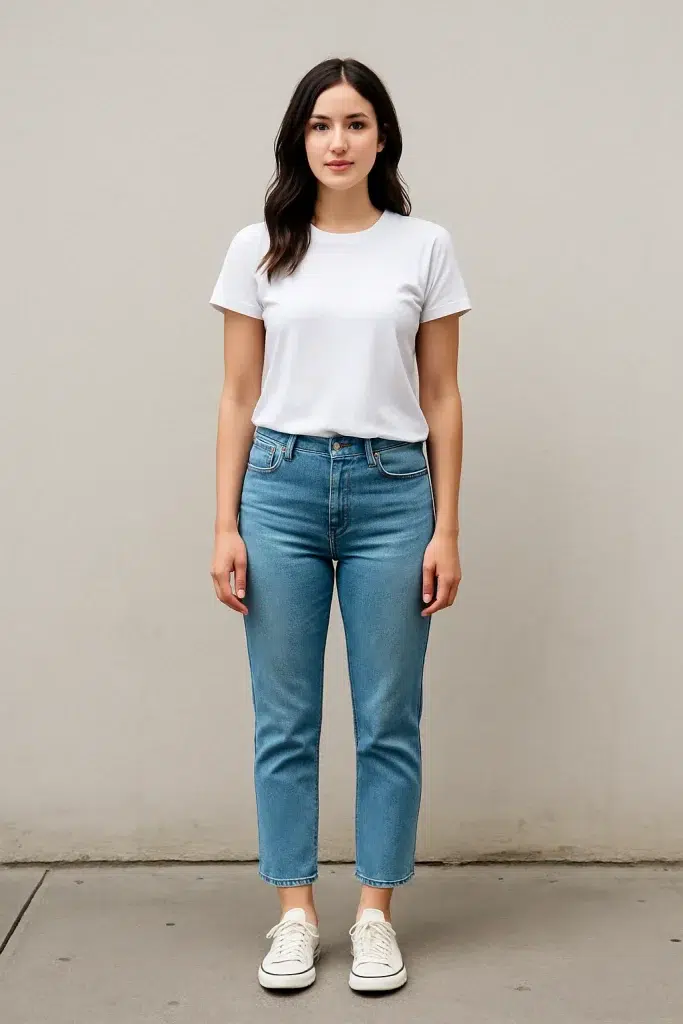
Ankle Jeans: how are they different from cropped?
Ankle length hits the bone, not above it. It frames footwear cleanly.
Pick ankle jeans for a precise finish with flats, heels, and sneakers. They keep outfits neat.
Dive deeper
Ankle jeans are a small but important tweak. They avoid the slouch that happens with longer hems. I set the inseam to the target height and test with common shoes. Straight and slim legs look tidy at this length; wide legs feel lighter. In winter, ankle jeans show a slim sock and a leather shoe. In summer, they free the ankle and breathe. If your closet feels heavy, switch one pair to ankle length and the whole wardrobe opens up. It is a simple tailoring trick in a ready-made jean.
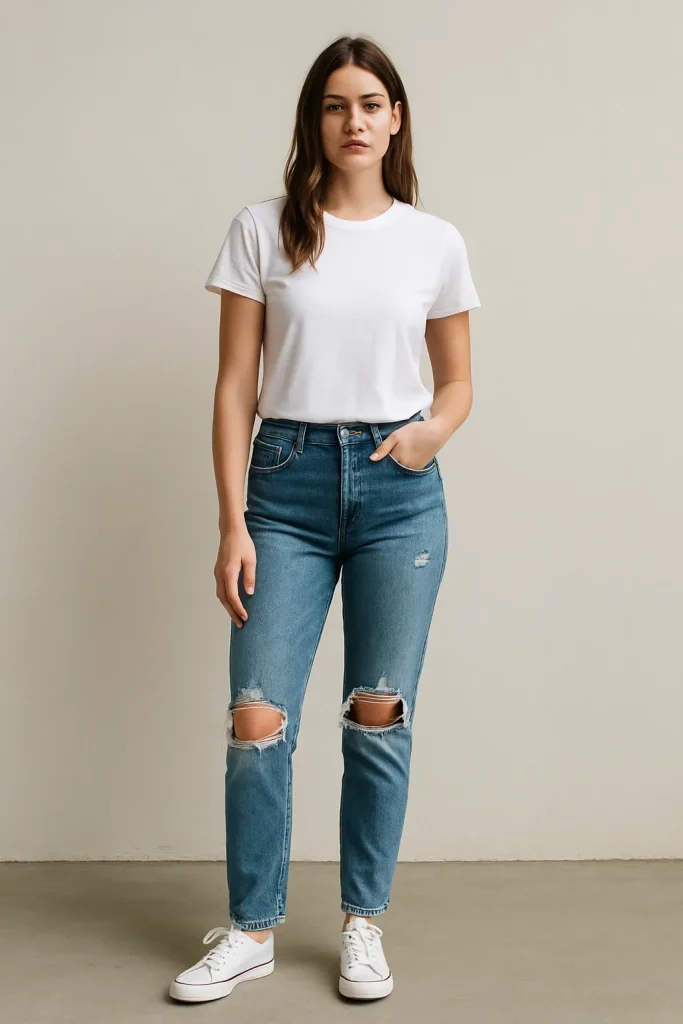
Distressed/Ripped Jeans: how much damage is right?
Too many rips look fake. Too few feel timid. Aim for believable wear.
Choose controlled distress that suits your lifestyle. Keep knee rips above the kneecap for comfort and durability.
Dive deeper
I use distress as texture, not costume. Hand sanding at thighs, whiskers that match body movement, and a few nicks at pockets feel real. Knee rips should allow bending without tearing further; I back them with a soft mesh or add patches for strength. For adults who want polish, I keep distress low and place it away from the high-wear zones. For youth, shredded knees and repaired panels sell. Stitch quality matters because distress weakens fabric. I increase SPI and add bar-tacks at stress points. Distress should tell a story without shouting.
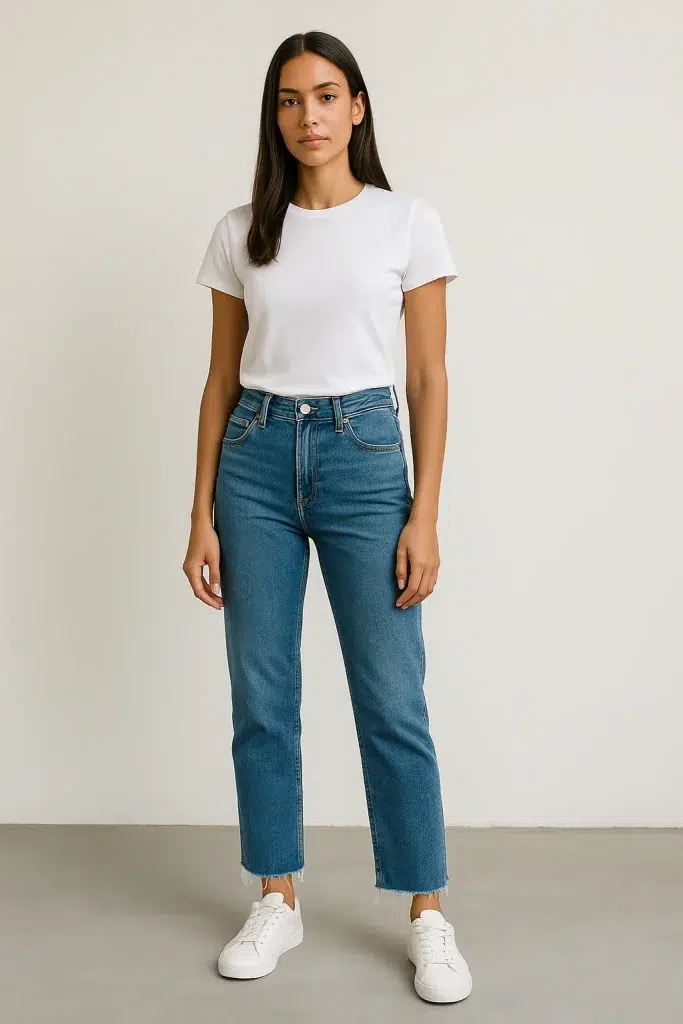
Raw/Cut Hem Jeans: can unfinished edges look expensive?
Yes, if the rest is clean. The raw edge gives bite. The fit must be right.
Pick raw hems to adjust length and add edge. Keep the leg simple. Press the seams for a crisp line.
Dive deeper
Raw hems are practical and stylish. I use them to fine-tune length without a tailor. After cutting, I wash once to set the fray and then trim loose threads. On slim and straight jeans, a raw hem gives a sharp, modern finish. On wide legs, it lightens the bottom visually. I keep the rest of the jean quiet: minimal whiskers, tidy stitching, clean rivets. If you want a step hem or micro-slit, mark both legs carefully to avoid mismatched sides. For factories, I control edge fray length during wash tests so units look consistent. Raw hems are small details that change everything.
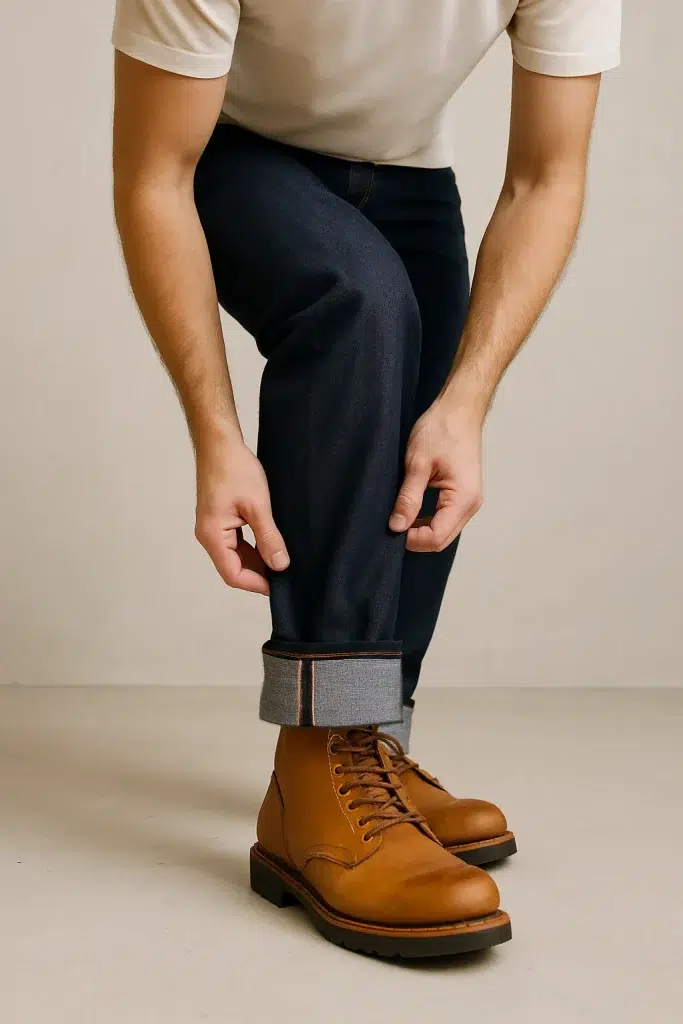
Selvedge Jeans: why do denim fans love them?
Selvedge shows the self-finished edge. It signals craft. It ages beautifully.
Choose selvedge for durability and patina. Start with 13–14 oz rigid and cuff to show the edge line.
Dive deeper
Selvedge denim comes from shuttle looms that weave narrow fabric with a sealed edge. The selvedge line, often red, appears when you cuff the hem. I prefer 13–14 oz for structure and long life. Break-in takes time, but the creases and fades are personal. Rinsed selvedge softens the first weeks; raw stays stiff at first. I spec heavy pocketing, hidden rivets, and chain-stitched hems that rope after wash. Care is simple: less washing, spot clean when needed, then cold wash and hang dry. Selvedge suits straight and tapered fits best. It is the denim lover’s choice when quality matters.
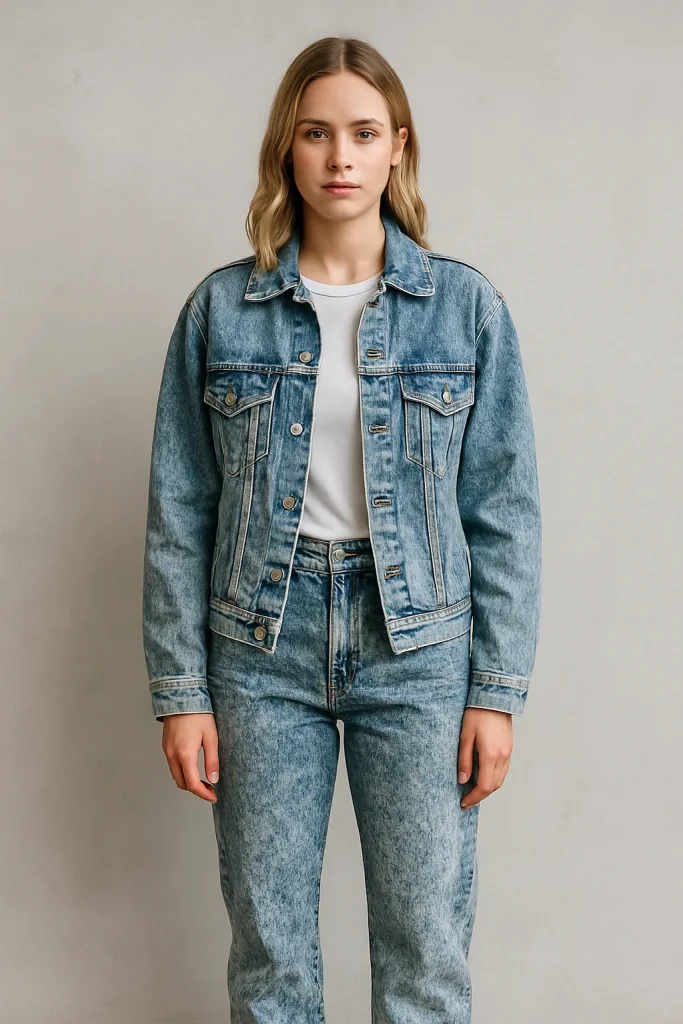
Acid/Stonewash Jeans: are vintage washes back?
Yes, but done cleaner. Texture matters. Over-wash ruins fabric and color depth.
Pick controlled stonewash or acid effects with even tone. Avoid chalky, weak fabric.
Dive deeper
Stonewash softens denim and adds vintage highs and lows. Acid effects create sharper contrast and a true 80s feel. I keep the base fabric good quality so wash does not kill strength. Enzymes replace heavy stones when possible to protect fibers. I ask laundries for sample swatches at different times to find a sweet spot. On slim or straight legs, stonewash feels classic. On baggy or super baggy, acid wash reads bold. Pair with plain tees and simple shoes to let the wash lead. Wash quality separates premium from cheap in one glance.
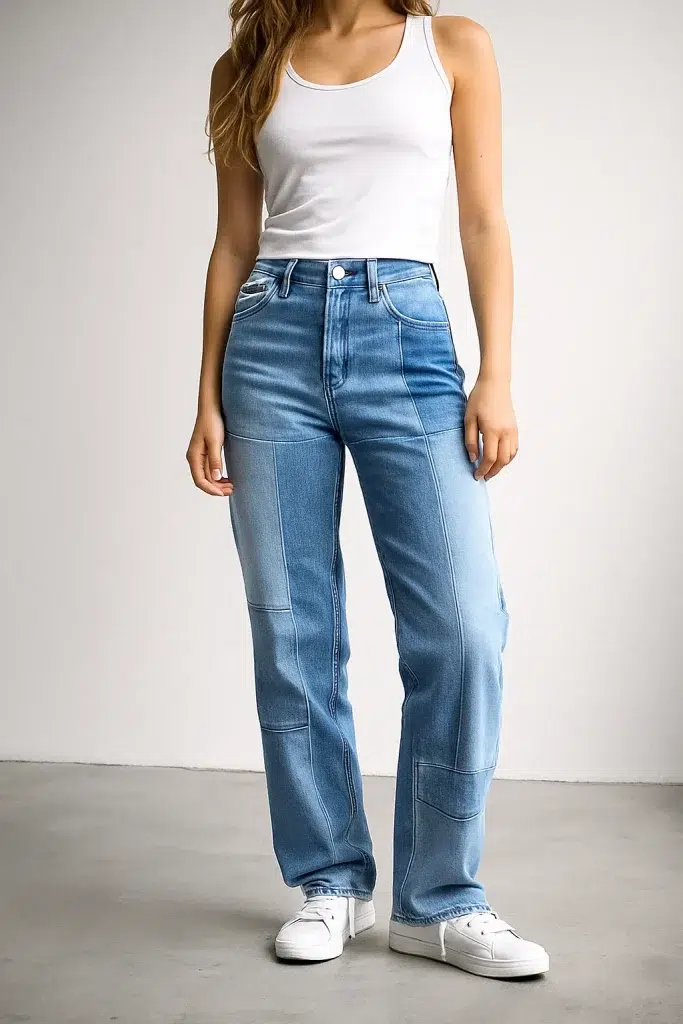
Patchwork/Paneled Jeans: how do you wear designs without noise?
Panels add interest and shape. Keep colors close or the same for a quiet read.
Choose tonal patchwork for texture. Use contrast stitching sparingly. Fit should stay clean.
Dive deeper
I use patchwork to sculpt legs or bring subtle design. Panels along the front seam can lengthen; knee panels add toughness. I keep hues within one family to avoid chaos. On baggy fits, I use larger panels; on slim fits, I micro-panel or place patches at the knee only. Stitching must be neat or the jean looks cheap. Inside, I overlock cleanly and iron flat so seams do not rub. Patchwork pairs best with minimal tops and shoes. It is design, not costume.
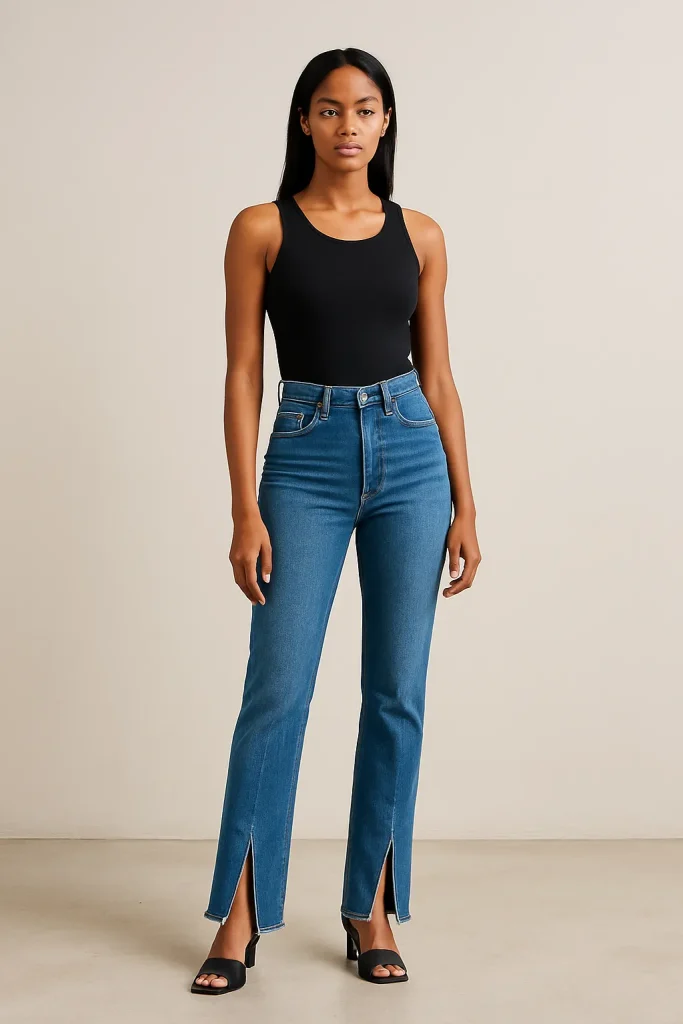
Slit/Front-Split Jeans: do small cuts change everything?
A small slit changes the way hems sit on shoes. It shows more of the footwear and lightens the leg.
Pick front or side slits to frame heels or sneakers. Keep the rest of the jean simple.
Dive deeper
I add slits to straight and slim legs to open over shoes. A front split displays pointed heels; a side slit shows sneakers better. The cut length must match your height and shoe choice. Reinforce the top of the slit with tight stitching so it does not rip further. Washes can be dark for polish or light for summer. Slit hems update classics without noise. They work for nights out and office looks alike.
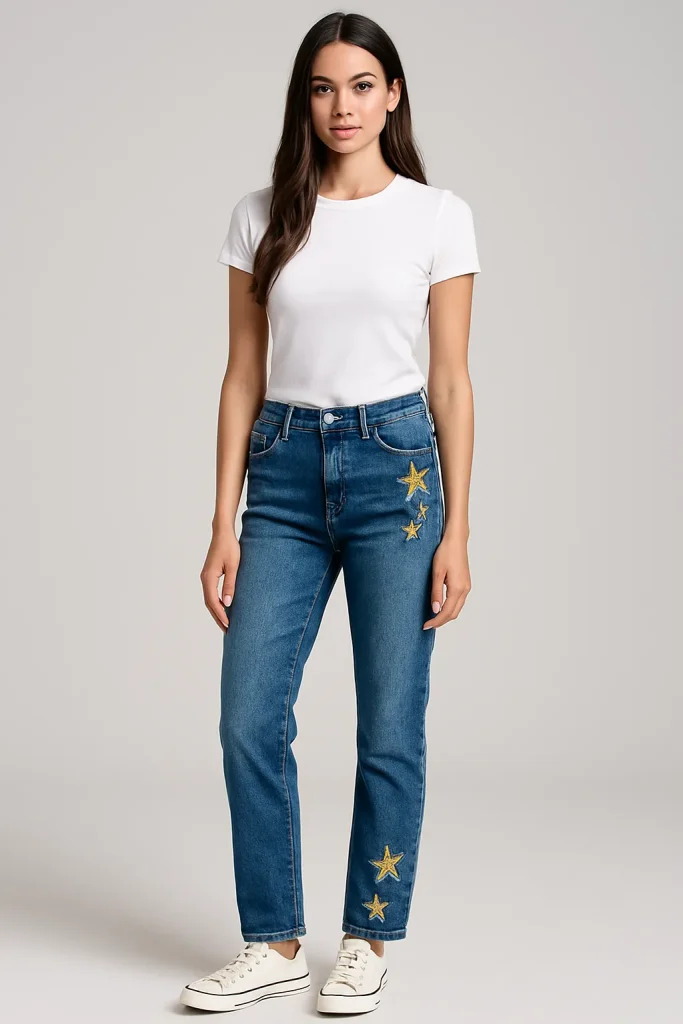
Embroidered/Printed Jeans: how do you keep them wearable?
Graphics can age fast. Use strong motifs and place them wisely.
Choose embroidery or prints that align with your wardrobe. Keep base fits simple like straight or slim.
Dive deeper
I place embroidery near pocket edges, yokes, or side seams to avoid heavy panels mid-thigh. For prints, I test wash fastness so colors do not bleed. Black slim jeans take tonal embroidery well; light blue straight jeans accept small motifs. For youth lines, bold allover prints sell, but I add softer versions for balance. Inside, I cover large embroidery with soft backing to stop scratch. Embellished jeans are best when the art serves the outfit, not the other way around.
Colored Jeans (Black/White/Brown): which colors earn space?
Indigo is not the only answer. Black, white, and brown extend outfits.
Choose black for sleek looks, white for summer sharpness, and brown for warm neutrals. Fit them like your best indigo pair.

Dive deeper
Black slim or straight jeans replace chinos for many offices. I keep fades low and stitching dark. White wide-leg or straight jeans feel fresh in warm months; I use denser fabric to limit show-through. Brown or ecru jeans pair with earth-tone knits and boots. For QC, I rub color with a white cloth to check crocking, especially on black. Colored jeans multiply outfits without changing your habits. They are simple switches that look new.
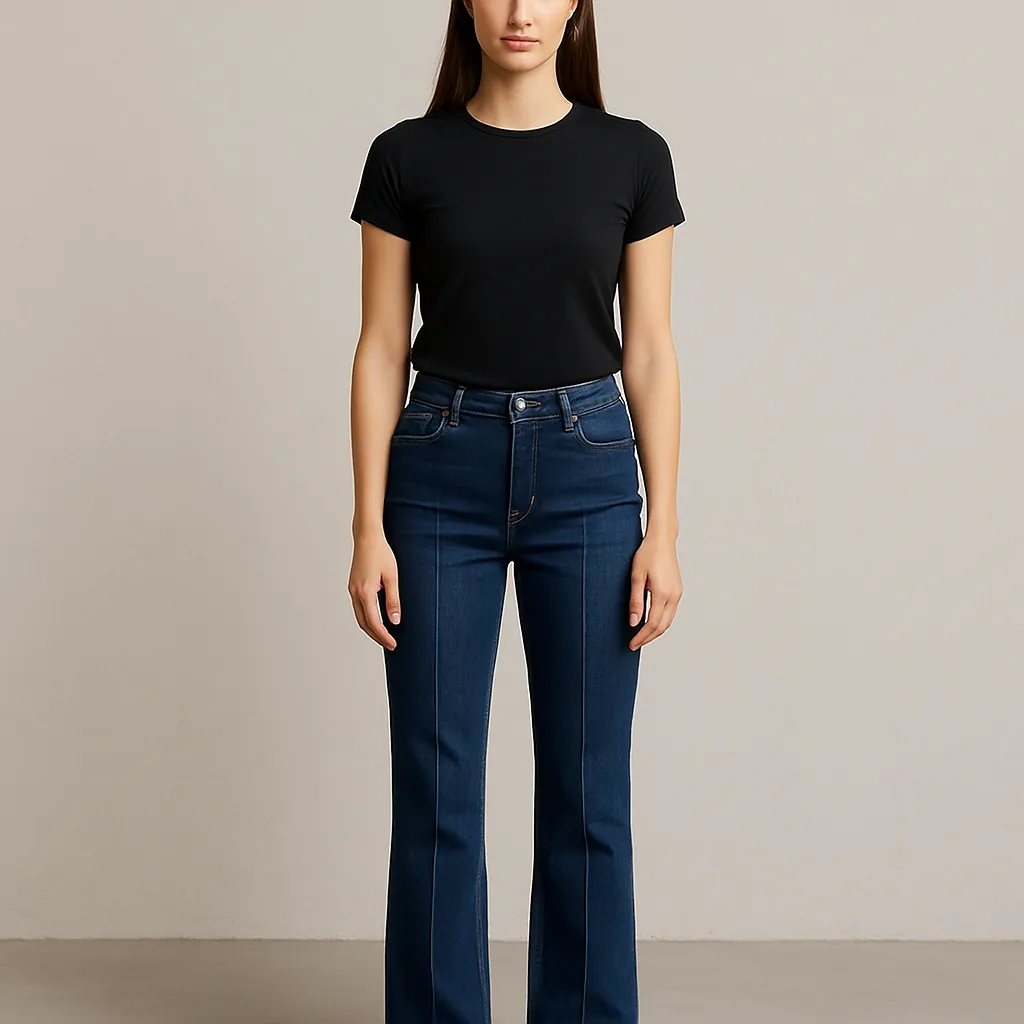
Pintuck/Seamed Jeans: why add a crease you cannot iron out?
A stitched crease lengthens legs and sharpens casual denim.
Pick pintucks on straight or bootcut legs. Keep washes dark or mid.
Dive deeper
I run a stitched crease down the front to mimic trouser polish. On bootcut, it increases the long-leg effect. On straight, it adds interest without bulk. Seams must be centered and straight; crooked lines ruin the look. I avoid heavy distress here. Dark indigo or black carries the idea well. Pair with loafers and a tucked shirt to bridge smart and casual. Pintucks are a small tailoring trick that elevates denim.
Jeggings/Ultra-Stretch Jeans: are they still useful?
Only when built well. Cheap ones shine and bag out. Good ones stay matte and supportive.
Choose dense knit-denim blends with strong recovery. Keep styling simple and lengths exact.
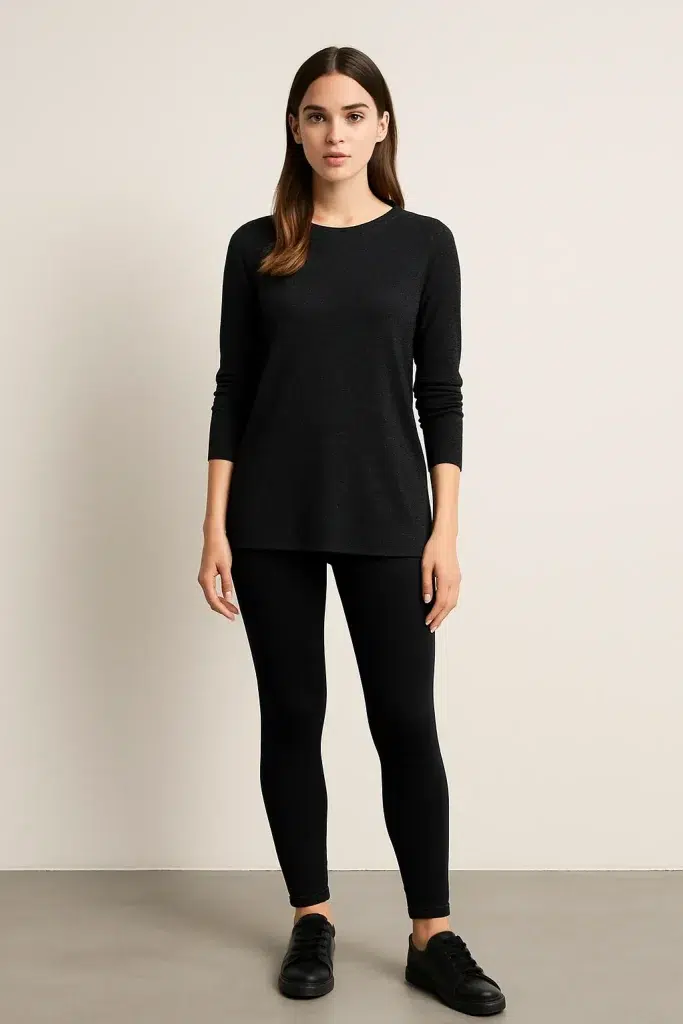
Dive deeper
I use jeggings for comfort-focused wardrobes and travel. The fabric must be dense, with high recovery to avoid sag. Waistbands need good elastic and secure stitching. Pocket prints can fake front pockets, but I prefer real back pockets for shape. Black jeggings under long knits or shirts make easy outfits. For factories, I test recovery with repeated stretches and wash cycles. Ultra-stretch is a tool, not a trend. When done right, it supports without screaming “leggings.”
Coated/Leather-Look Jeans: how do you get edge without leather?
A coated finish adds sheen and attitude. It needs careful care.
Pick coated black slim or straight. Wash inside out and rarely. Pair with crisp shirts or soft knits.
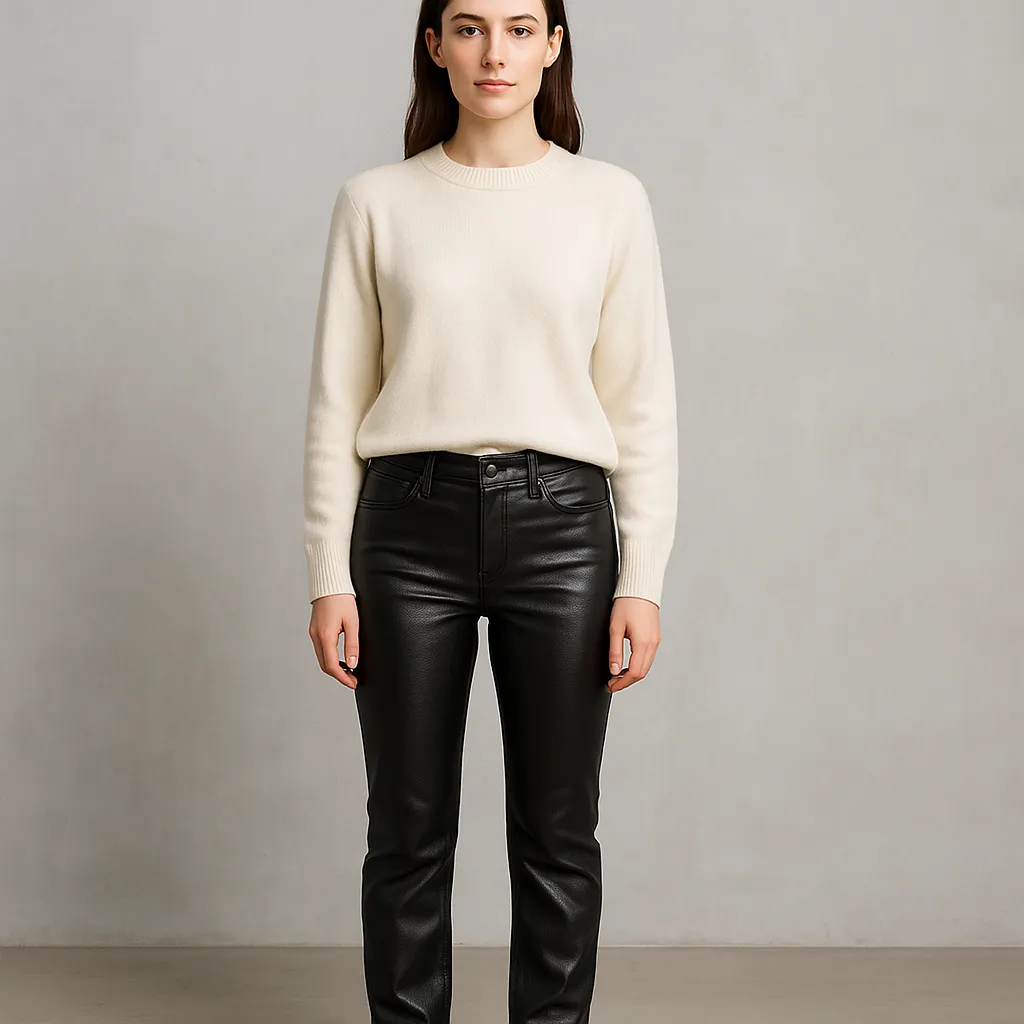
Dive deeper
Coated jeans feel like leather but flex like denim. I choose slim or straight fits to keep the surface smooth. The coating should be even, not sticky. I avoid heavy distress that breaks the finish. Wear with blazers or biker jackets, plain tees or silk tops. Footwear can be boots or sleek sneakers. Over time, coatings soften. That patina looks good when the base fabric is solid. Coated jeans deliver night-out energy with everyday comfort.
Conclusion
Pick your rise first, then your leg shape, then your fabric. Use clear names. Keep details sharp. Fit beats trend.
Why I write this
- My Name: Lancy Chia
- Email: [email protected]
- Brand: Truekung (China)
- Business: B2B wholesale only; OEM/ODM clothing factory with 200+ workers, 20 years export experience
- Products: fashion women’s wear, jackets, skirts, dresses, jeans, T-shirts, sweatshirts, down jackets, windbreakers, coats, fashion bags, sportswear, kidswear, underwear
- Main export countries: Netherlands, Denmark, Belgium, Norway, UK, USA, Germany, Australia, Thailand, Turkey, Italy, Russia, Saudi Arabia, and more
Views: 2704