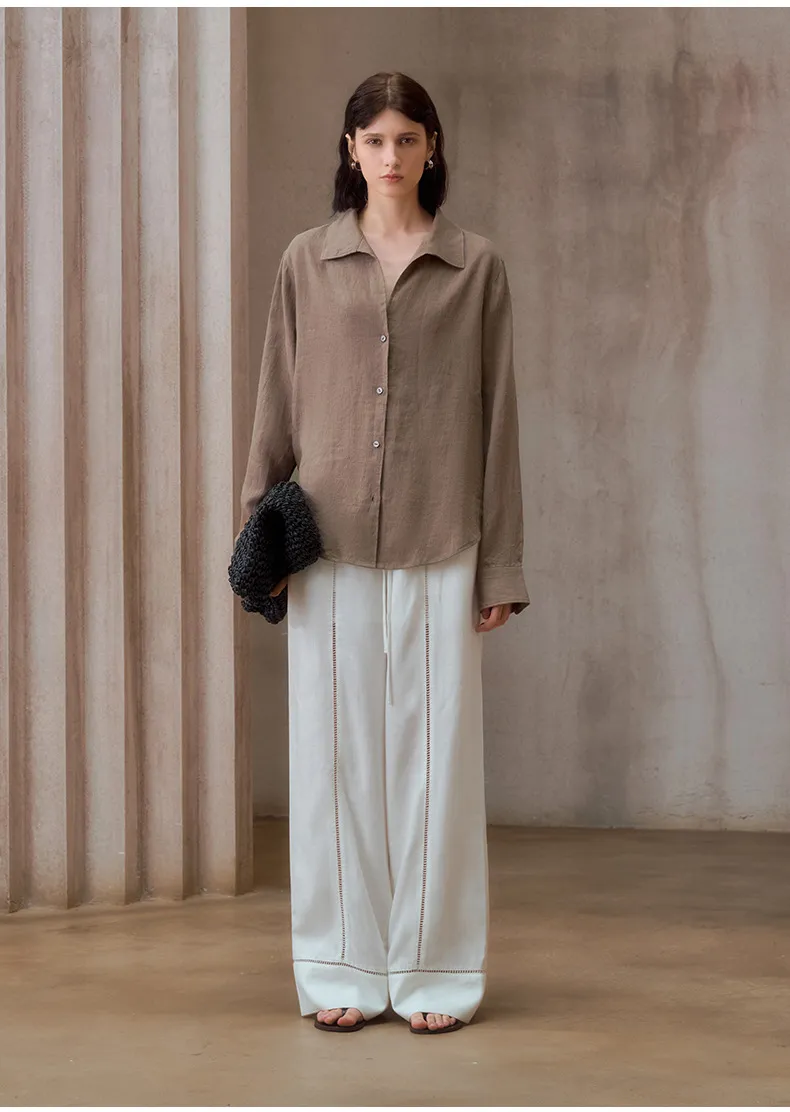
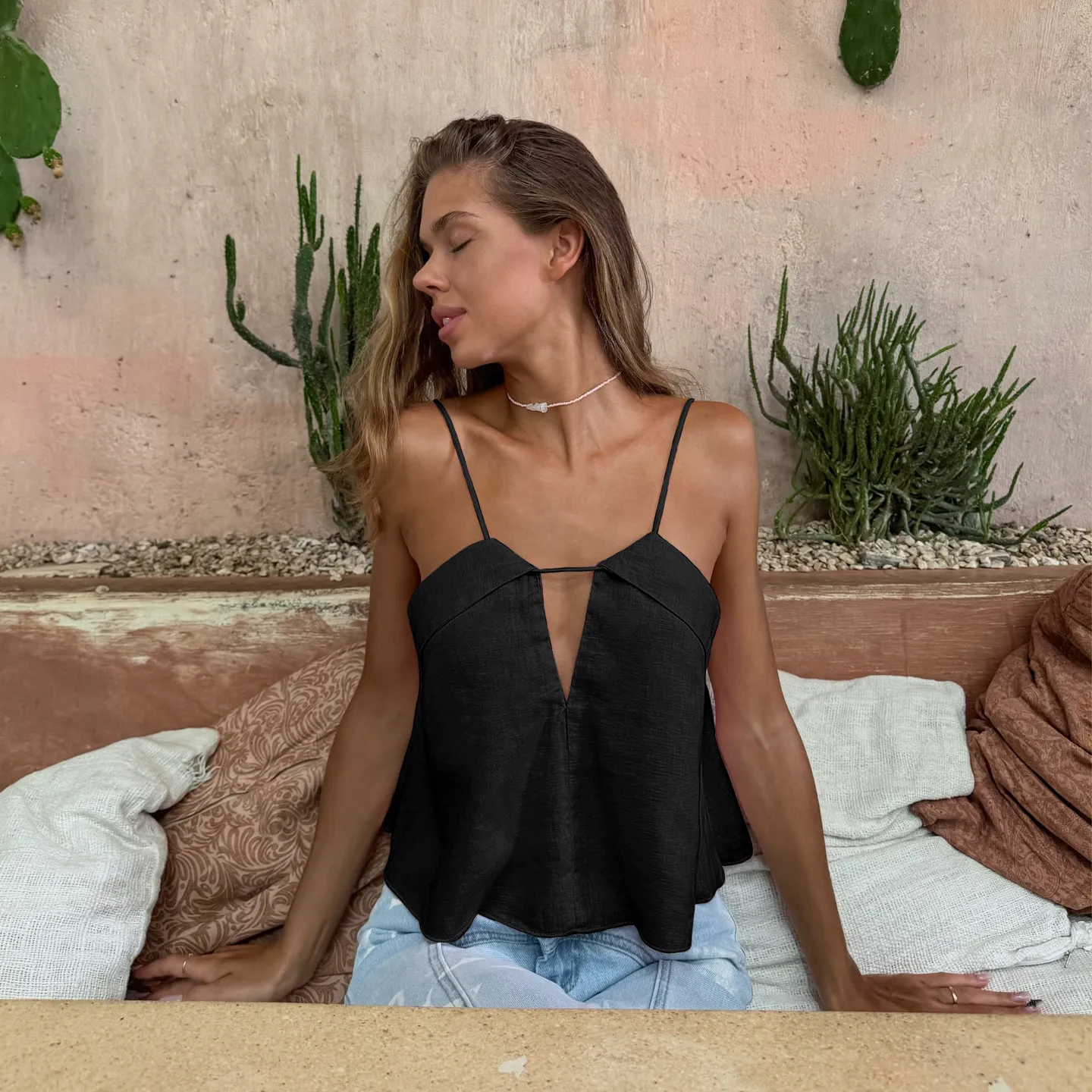
The dashiki caught my eye years ago and never let go. Bold print. Easy fit. Strong story.
A dashiki is a loose, colorful shirt or dress from West Africa that signals pride, identity, and creative style; it blends comfort with striking patterns, and today it spans casual streetwear to formal mens dashiki suits and women’s dashiki dresses.

I sell clothes for a living, so I watch how style moves. The dashiki moves fast. It crosses borders. It works for men and women. It works for daily wear and events. It also works for brands that want color, story, and margin. Let me show you how.
What is a dashiki, really?
You see the pattern first. Then you feel the comfort. Then you learn the roots.
A dashiki is a pullover garment with a V-neck and loose sleeves, often with a center panel and border motifs; it appears as dashiki shirts, dashiki dress for women, and formal african dashiki suits.

Go deeper: origin, language, and forms
I asked elders in the trade what “dashiki” means. People say “dashiki swahili meaning,” but the word likely comes from the Yoruba “danshiki,” and some trace it to Hausa workwear. Traders carried the look across West Africa. The print rose with wax-resist techniques, then adapted to local taste. Today I see three core forms on my buying trips and in OEM orders.
Key forms and use-cases
| Type | Cut & Features | Best Use | Notes |
|---|---|---|---|
| Dashiki shirts | Pullover, V-neck, side slits | Daily wear, street style | Also listed as “dashikis,” “dasiki,” “daskiki” in buyer searches |
| Dashiki dress | Knee/ankle length, belted or straight | Women’s events, resort | “womens dashiki dress” and “women’s dashiki dress” both trend |
| Dashiki suit | Tunic + pant + cap | Weddings, ceremonies | “men dashiki,” “dashikis for men,” “african dashiki suit” drive demand |
I learned to respect the garment’s roots while serving modern needs. The cut stays easy. The prints stay loud. The fit stays free.
How do dashiki prints and fabrics work?
Buyers love the color. Factories love repeatable motifs. Wearers love the drape.
Most dashiki outfits use cotton or poly-cotton with wax, imitation wax, or digital print; GSM ranges from light 120–140 for shirts to 180–220 for suits, with soft hand-feel finishes.

Go deeper: print types, hand-feel, and QC
When I place a mens dashiki order, I start with fabric. I touch the roll. I check the print edge. I test color rub. I then assess shrink after a quick wash test. Buyers ask for “dashiki pics” or “dashiki images,” but close-up fabric shots matter more. Below is my simple guide.
Print options
- Real wax: rich color, crackle effect, higher cost, long wear.
- Imitation wax: smoother surface, bright, lower cost.
- Digital print: fast sampling, complex motifs, flexible MOQs.
Fabric selection table
| Fabric | GSM | Pros | Watch-outs |
|---|---|---|---|
| 100% cotton poplin | 120–140 | Breathable, authentic feel | Shrink control, color fastness |
| Cotton sateen | 150–180 | Soft sheen, dressy | Snag risk, price |
| Poly-cotton 65/35 | 150–180 | Stable, low shrink | Heat build-up in summer |
| Microfiber blend | 160–200 | Smooth drape, vivid print | Less natural feel |
I always include a light enzyme wash for shirt africa programs. It softens the hand and reduces first-wash surprises. For a dashiki dress for ladies, I push lining only when fabric is sheer. For dashiki mens suits, I stabilize the tunic neckline with fusible tape. Simple steps, better reviews.
How should a dashiki fit and style for men and women?
Fit sells. Too tight kills the vibe. Too loose looks sloppy.
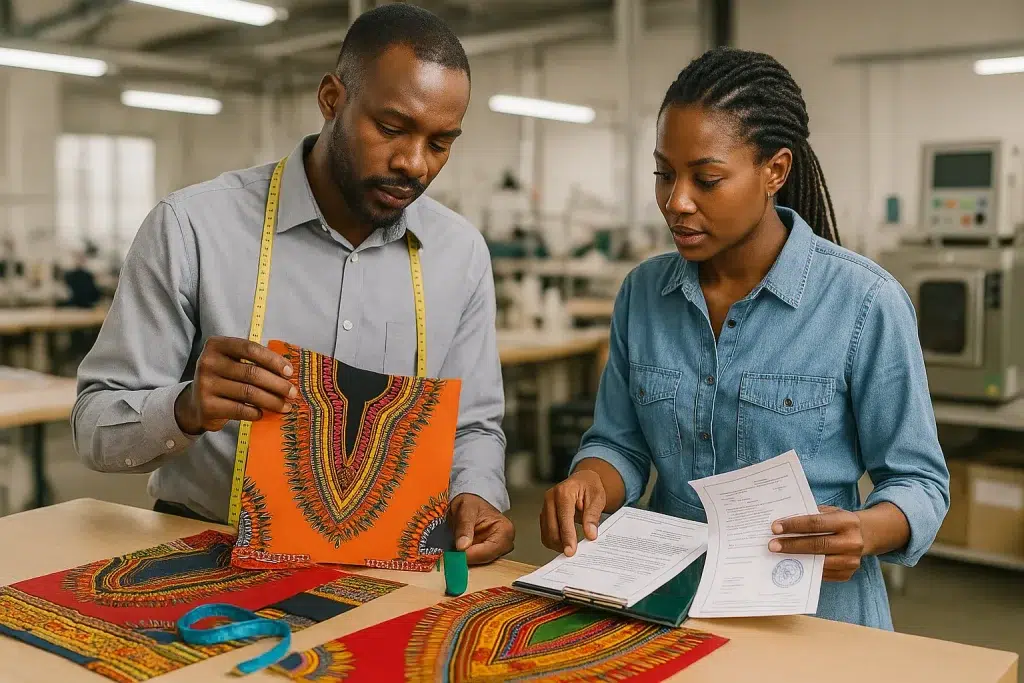
Men’s dashiki fits relaxed through chest with side slits; women’s dashiki dress shapes with belts or princess seams; length and sleeve opening define comfort and style.
Go deeper: size specs, styling notes, and buyer guides
I once shipped a big dasiki men order that ran small at the neck. Painful lesson. Now I lock specs early and share a styling sheet with every PO.
Size spec cues
- Neck drop: +0.5–1.0 cm vs standard tee for comfort.
- Chest ease: +12–16 cm for mens dashiki shirts; +8–12 cm for tailored women’s dashiki shirt.
- Sleeve opening: generous to avoid print cracking at seams.
- Length: shirts mid-hip; dresses knee to midi for travel retail.
Quick styling table
| Look | Piece | Tip | Buyer Tag |
|---|---|---|---|
| Street casual | Dashiki shirt | Pair with jeans and sneakers | “dashiki shirt,” “men dashiki” |
| Resort vibe | Dashiki dress | Add belt and sandals | “dashiki dress for women” |
| Ceremony | Dashiki suit | Tunic + trousers + cap | “dashiki mens suits” |
| Work-chic | Women’s dashiki tops | Layer under blazer | “womens dashiki tops” |
I keep the silhouette simple. I let the diashiki print speak. A narrow belt can turn a loose dress into a womens dashiki dress that flatters many shapes. For men, a clean trouser taper lifts the whole set.
How do I source, customize, and avoid common pitfalls?
Good sourcing makes or breaks a season. Poor checks break trust.
Pick factories with stable print partners, confirm strike-offs, run wash and rub tests, lock size sets, and verify certificates; plan buffer time to avoid delayed delivery and fake paperwork.

Go deeper: OEM/ODM flow, MOQ, and risk control
I run B2B wholesale and OEM/ODM, so I list steps for teams and for buyers like Maria who seek quality and a good price. This is my clean process that stops surprises.
OEM/ODM flow
- Brief: target “dashiki for men” or “dashiki dress,” price, MOQ, ship window.
- Artwork: colorways, border placement, center medallion scale.
- Strike-off: wax/imitation/digital; approve on bulk base cloth.
- Proto: confirm neck drop, chest ease, sleeve opening.
- Test: wash, rub, seam slippage; record results.
- PP sample: trim, labels, packaging, barcode.
- Bulk: inline AQL checks; photo updates for dashiki pictures.
- Final: carton drop test, size run audit, QC report.
MOQ & lead-time table
| Method | Print MOQ | Lead-Time | Cost |
|---|---|---|---|
| Real wax | 500–1,000/col | 35–50 days | $$$ |
| Imitation wax | 300–600/col | 25–35 days | $$ |
| Digital | 100–300/col | 15–25 days | $–$$ |
I also guard certificates. I cross-check lab reports via issuing labs. I never accept blurred scans. For payments, I split deposit and balance against passed inspection. This keeps timelines honest and protects both sides.
What trends shape dashiki mens and womens lines now?
Trends push color and shape, but story stays constant.
Top trends: softer palettes, eco bases, mix-and-match sets, and “heritage minimal” graphics; dashiki mens fashion adds tapered trousers, while women’s dashiki dress lines add pockets and adjustable belts.

Go deeper: colorways, sustainability, and merchandising
I test two paths each season. One is bold classic with red, green, gold. The other is cool neutral: sand, navy, charcoal. Retailers need choice. Shoppers need comfort.
Trend levers
- Color: heritage brights vs earthy tones for new buyers.
- Fabric: BCI cotton, recycled poly blends for eco claims.
- Function: pockets, breathable linings, wrinkle resistance.
- Sets: tunic + short for summer dashiki outfit capsules.
Merch table
| Capsule | Pieces | Rail Story | Why it Works |
|---|---|---|---|
| Classic Heritage | Men dashiki shirt, suit | Ceremony and pride | Clear identity, proven demand |
| Resort Light | Women’s dashiki dress, tops | Travel and leisure | Easy pack, photo-ready |
| Street Minimal | Neutral dashiki shirts | Daily uniforms | Low-risk entry for new buyers |
| Eco Edit | Organic base, digital print | Conscious choice | Credible claims, modern look |
I photograph each capsule on different bodies. I list “dashiki pics” and size notes. The images sell the fit. The table sells the buy.
Conclusion
Dashiki lives at the sweet spot of story, comfort, and color, and with smart specs and clean QC, it sells strong across men and women lines.
Views: 273