I used to chase every trend. My closet kept growing, but my margins and my conscience felt worse. Something was off.
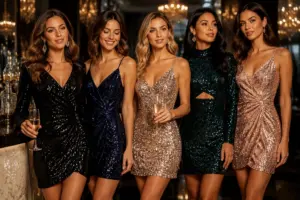
Fast fashion is a model that makes trendy clothes quickly and cheaply, pushing constant newness. It looks exciting, but it creates waste, pollution, and risky labor conditions that hurt people and the planet.

I want to break down what fast fashion is, how it became normal, and what it costs. I will also share practical checks I use as a buyer so you can spot it and choose better.
What does “fast fashion” actually mean?
You see new styles every week. Prices look too good. Quality feels light. It seems like “fashion, but faster.”
Fast fashion means rapid design-to-shelf cycles, high volumes, and low prices. Brands copy runway or social trends, produce at speed, and sell short-lived garments that push frequent buying.

Dive deeper
I first heard “quick fashion” from a client who wanted “Instagram now.” That urgency is the engine. Teams scan social feeds and runway looks, then brief factories to sample within days, not months. The goal is speed and volume.
Key traits of fast fashion
| Trait | What I look for | Why it matters |
|---|---|---|
| Lead time | Weeks or days | Encourages copying and overproduction |
| Price | Very low retail | Forces cheaper fabrics and trims |
| Assortment churn | New drops weekly | Trains constant buying |
| Quality | Thin fabrics, weak seams | Short garment life |
| Transparency | Vague sourcing | Hard to verify labor and compliance |
Related terms
- Ultra-fast fashion: even shorter cycles and lower prices.
- Trend turnover: rapid design obsolescence.
- Disposable clothing: items designed for a few wears.
When people ask “what is fast fashion meaning?”, I say: a system that moves faster than quality, ethics, and ecosystems can keep up.
How did fast fashion start and get so big?
It feels new, but it has roots in older shifts. The pace just keeps rising.
Fast fashion grew from outsourcing, cheaper fibers like polyester, and e-commerce. Social media shortened trend cycles, while global supply chains enabled massive, quick, and low-cost production.
Dive deeper
I watched the timeline inside factories. In the 1990s and 2000s, more brands outsourced to regions with lower labor costs. At the same time, mills pushed polyester and blends that dye fast and sew fast. CAD patterns and digital printing cut days off sampling. E-commerce removed shelf space limits and let brands upload hundreds of SKUs at once.
Milestones to note
| Period | Shift | Effect |
|---|---|---|
| Post-2000 | Offshore production | Lower unit costs |
| 2010s | Social + influencers | Faster trend adoption |
| Late 2010s | Ultra-fast platforms | Daily micro-drops |
| 2020s | On-demand data | Test small, scale hits |
Why the model sticks
- Price psychology: a $12 dress feels like a win.
- Content velocity: “new” drives clicks and sales.
- Risk hedging: brands test many styles; a few hits pay for misses.
But scale hides costs. The question is not “is fast fashion bad sometimes?” It is “what is the total cost when cheap and fast are the default?”
Why is fast fashion bad for the environment?
You can not see it in a mirror selfie. You can measure it in water, fiber, and trash.
Fast fashion stresses water, energy, and land. It relies on cheap synthetics, heavy dyeing, and overproduction. Clothes are worn less and discarded more, creating waste and microplastic pollution.

Dive deeper
In my audits, I see three big buckets: fiber, wet processing, and end-of-life.
Environmental pressure points
| Stage | Common issue | Practical fix I push |
|---|---|---|
| Fiber | Virgin polyester dominance | Recycled inputs; certified cotton |
| Dye/Finish | High water and chemicals | Closed-loop systems; ZDHC adoption |
| Cutting | High offcut waste | Better markers; fabric utilization |
| Logistics | Air freight for speed | Plan earlier; consolidate shipments |
| Use/End | Few wears; landfill | Design for durability; take-back |
Micro view
- Synthetics shed: polyester and acrylic release microfibers in wash cycles.
- Cheap trims break: snaps and zippers fail, driving early disposal.
- Overproduction: chasing every trend means unsold stock and markdowns.
I am not against polyester or trend-led design. I am against waste by design. Slow the drops, improve materials, and plan buys with demand, not hype.
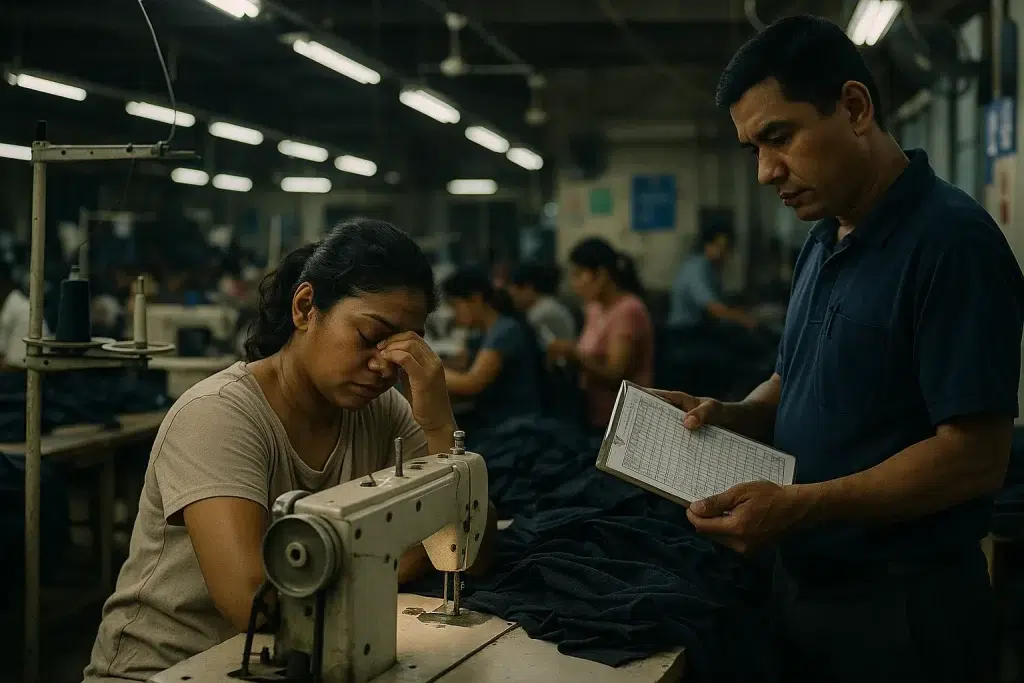
Price pressure does not stop at fabric. It lands on people.
Fast fashion’s tight margins can push poor working conditions, excessive overtime, and weak oversight. Lack of transparency makes it hard to ensure living wages and safe factories across long subcontracting chains.
Dive deeper
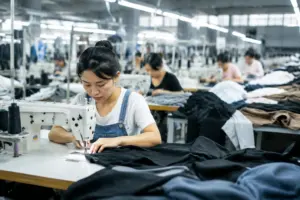
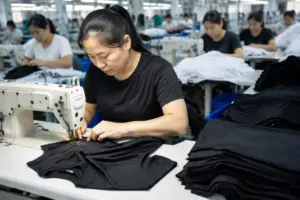
During factory visits, I check timecards, fire exits, and wage records. Most owners want orders and stability. The trouble starts when lead times shrink and price targets drop. Subcontracting appears. Controls weaken.
Risk signals I watch
| Signal | Why it worries me | What I request |
|---|---|---|
| Unannounced subcontractors | Dilutes oversight | Full facility list |
| Overtime spikes | Schedule stress | Load planning, line balancing |
| Cash payments | Traceability gaps | Digital payroll |
| Missing MSDS/SDS | Chemical risks | Compliance training |
Better practice
- Code of conduct with teeth: linked to purchase orders.
- Third-party audits plus follow-ups: not “one and done.”
- Capacity planning: realistic MOQs and lead times.
- Price for compliance: if the math only works by cutting corners, I walk.
As a buyer, I learned that “low price, quick delivery” often hides a human bill. Real savings come from better planning, not squeezing people.
How do I spot fast fashion and choose better alternatives?
You do not need a lab. You need a simple checklist and a clear plan.
Check price vs. fabric, drop frequency, and transparency. Favor brands with repair options, detailed supplier lists, and certifications. Buy fewer, better pieces, and use care routines that extend life.

Dive deeper
When I source, I run a quick screen before I fall for a style.
Quick screen questions
| Question | Red flag | Green sign |
|---|---|---|
| How often are new drops? | Daily or weekly | Seasonal or curated |
| What is the fabric? | Thin blends, vague labels | Clear fiber content, certifications |
| Can I see the factory list? | “Proprietary” | Transparent tiers |
| Are repairs offered? | None | Repair or spare parts |
| Price vs. build | Ultra-low | Fair for materials and make |
Practical steps I use
- Buy fewer, better: cost per wear beats sticker price.
- Prefer durable fabrics: heavier GSM, reinforced seams.
- Care smarter: wash cold, line dry, mend early.
- Support “slow fashion”: pre-order, small batches, timeless cuts.
- Ask questions: “Who made this?” “How long should it last?”
Alternatives include capsule wardrobes and rental or resale for one-off looks. You still enjoy style. You just stop treating clothes as disposable.
Conclusion
Fast fashion looks fresh, but it costs the earth and the people who make our clothes. Slow down, ask better questions, and buy what lasts.
Why I write this
My Name: Lancy Chia
My email: [email protected]
Link to my website: https://truekung.com
Brand Name: Truekung
Country: China.
Products: fashion clothes
Business model: B2B, Wholesale only
Status: The factory has more than 200 workers. We provide clothing products and OEM/ODM services to different brands and supermarkets around the world. We have 20 years of experience in foreign trade clothing production and export. The main products are: fashion women’s clothing, jackets, skirts, dresses, jeans, T-shirts, sweatshirts, down jackets, windbreakers, coats, fashion bags, sportswear, children’s clothing, underwear.
Main export countries: Netherlands, Denmark, Belgium, Norway, UK, USA, Germany, Australia, Thailand, Turkey, Italy, Russia, Saudi Arabia, etc.
Views: 774