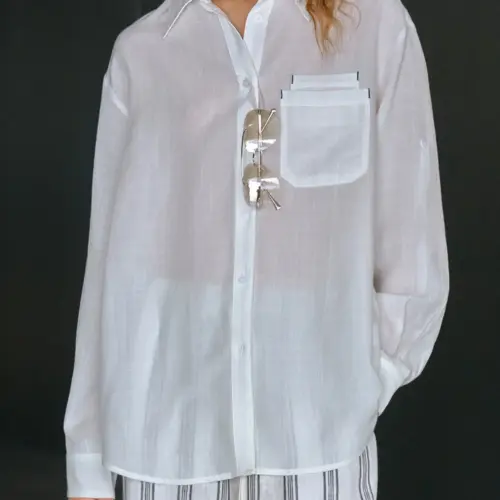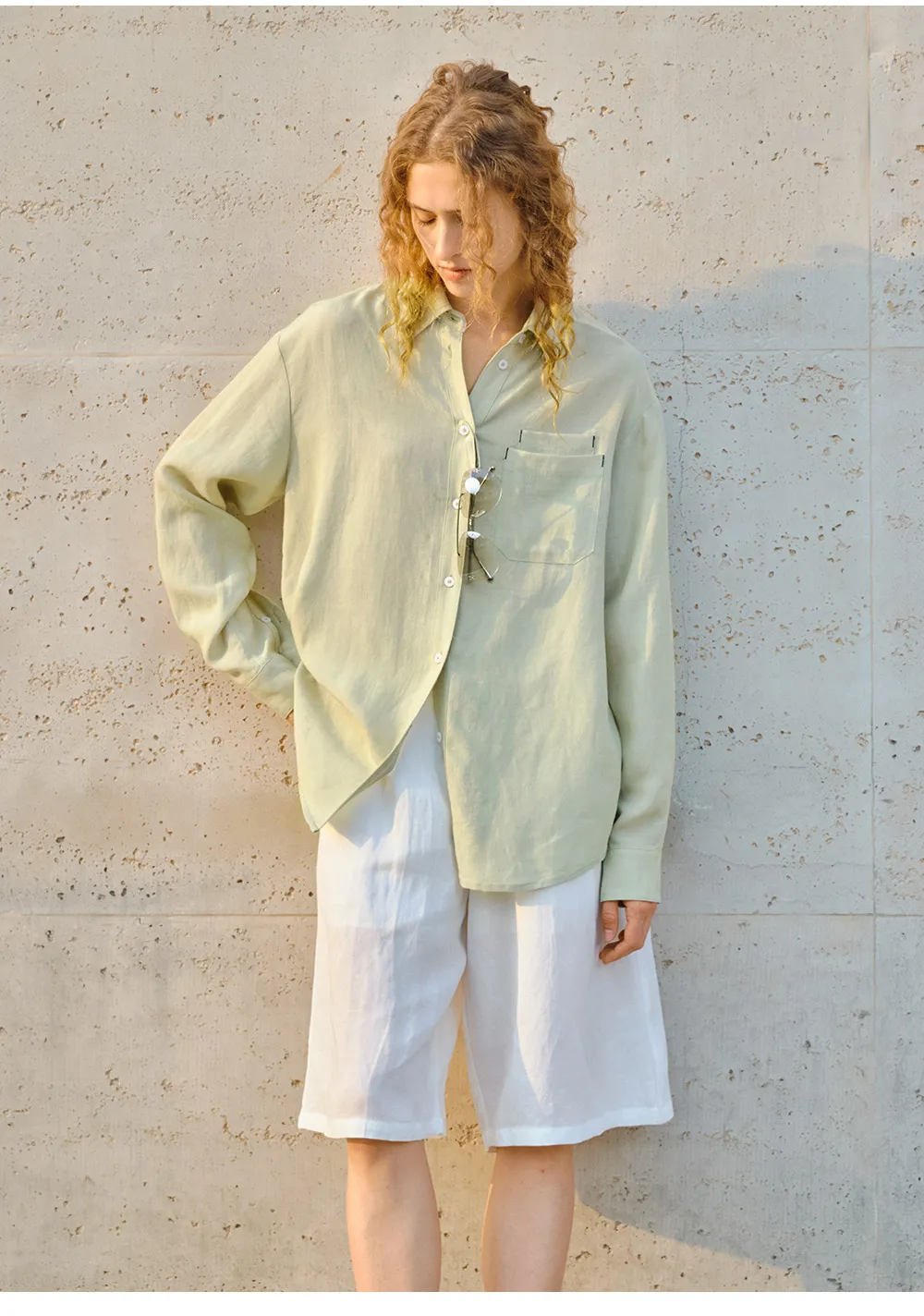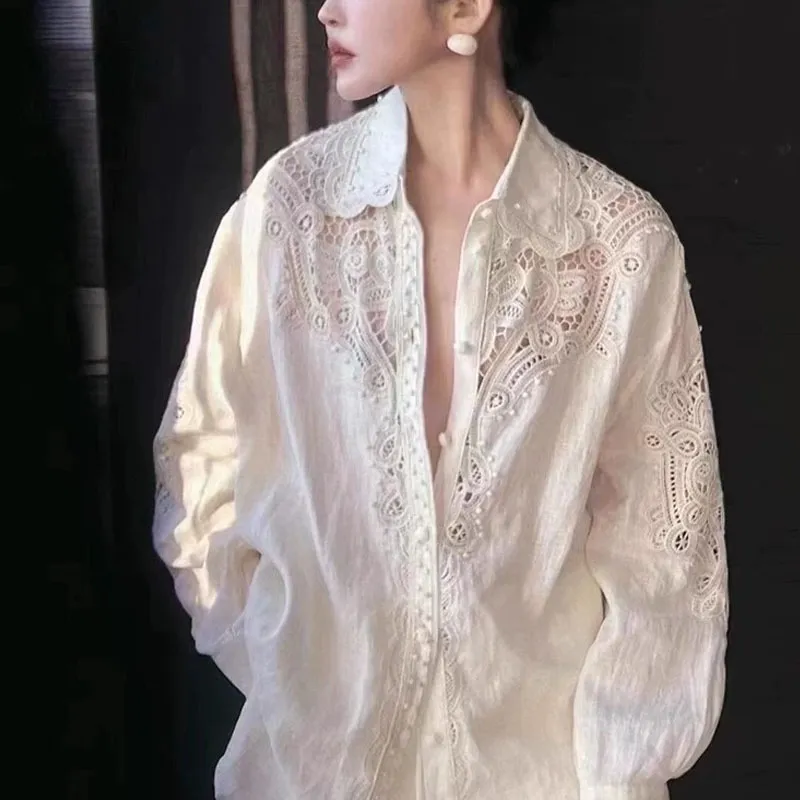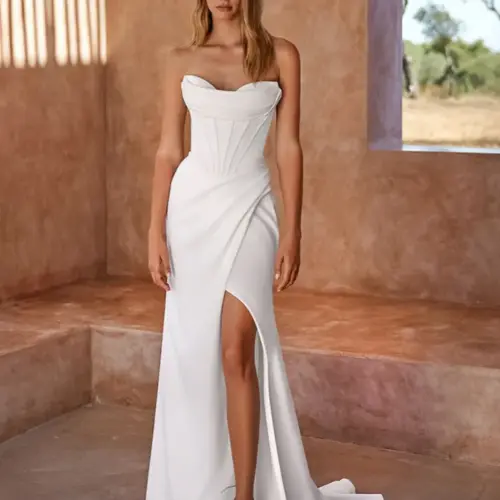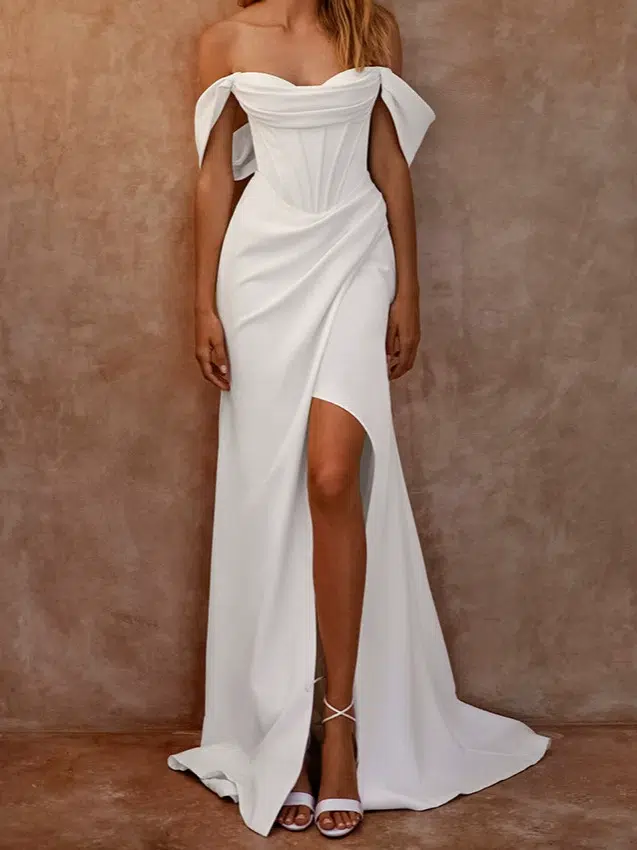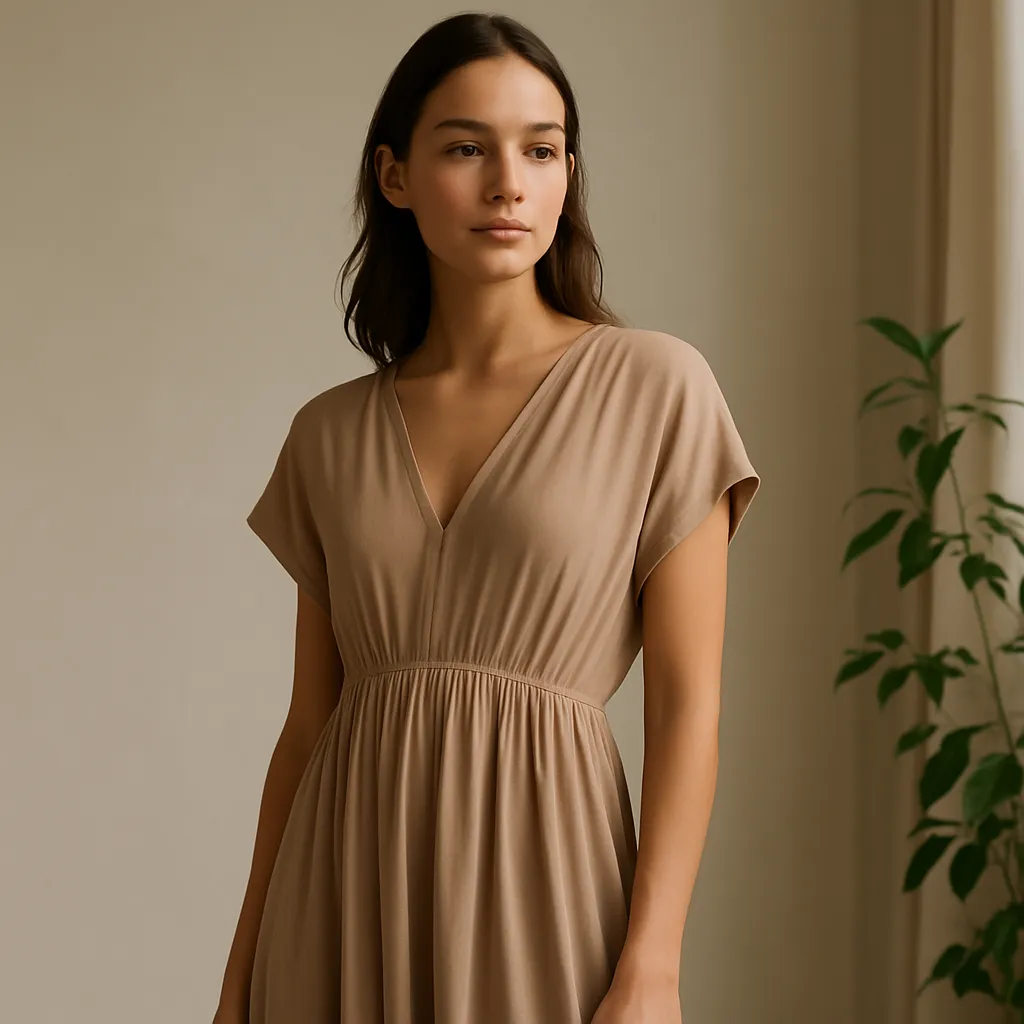

The fashion world loves viscose. Shoppers do too. But confusion grows. Is it natural, synthetic, or something in between?
Viscose is a semi-synthetic fiber made by dissolving plant cellulose and regenerating it into filaments; its sustainability depends on the wood source, the chemicals used, and the mill’s wastewater controls.

I buy viscose every season because clients ask for that soft drape. I also ask hard questions. I want the look and the feel. I also want a clean supply chain. This guide is my plain-language answer to “what is viscose?” and “is viscose sustainable?” from a buyer’s seat in a factory office.
What is viscose made from, and is viscose a natural or synthetic fiber?
Shoppers hear “plant viscose” and think “natural.” Others say “rayon is plastic.” The mix of terms is the problem. It leads to wrong choices and missed savings.
Viscose (rayon) is regenerated cellulose: wood pulp or bamboo pulp is dissolved and extruded to make new fibers; it is neither purely natural nor purely synthetic.
Dive deeper
Viscose sits between cotton and polyester. The raw input is cellulose from trees like beech, spruce, or eucalyptus. Mills turn chips into pulp, then into a thick liquid called “viscose dope.” They push the dope through spinnerets to make filaments, which solidify in a chemical bath. You will also see terms like rayon, viscose rayon, modal, and lyocell. All are cellulose fibers, but processes differ. Lyocell (e.g., TENCEL™) uses a safer solvent loop. Modal is stronger and often from beech. Classic viscose has great drape and a cool hand. It feels like cotton, sometimes like silk, and it dyes well. Is viscose plastic? No. It does not come from petroleum. But it still uses chemicals. So it is not “natural fiber” like cotton, nor “synthetic” like polyester. I explain it to buyers as “plant-based, chemically regenerated.” That phrase helps teams align specs, care labels, and marketing.
| Term | What it means | Source | Process type |
|---|---|---|---|
| Viscose / Rayon | Regenerated cellulose | Wood or bamboo | Viscose process |
| Modal | High-wet-modulus rayon | Beech | Modified viscose |
| Lyocell | Regenerated cellulose | Eucalyptus, etc. | Closed-loop solvent (NMMO) |
Is viscose a good fabric or a bad one?
I get this question in every line review. People ask if viscose is soft, breathable, cheap, or “toxic.” Some ask if it is safe to wear. They want a quick yes or no.
Viscose fabric is soft, breathable, absorbent, and drapes well; downsides include wrinkling, shrinkage, pilling risk, and strength loss when wet if the yarn or finish is poor.

Dive deeper
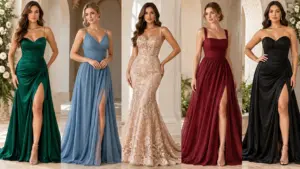
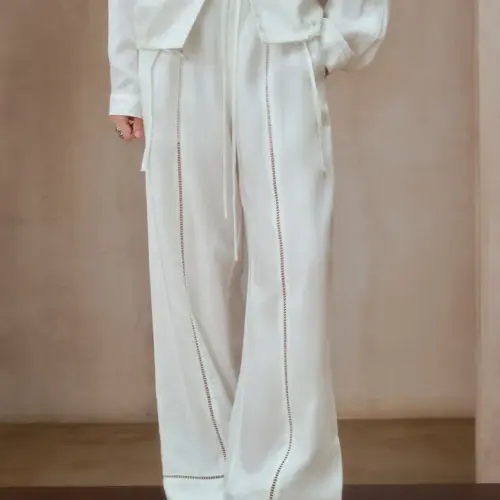
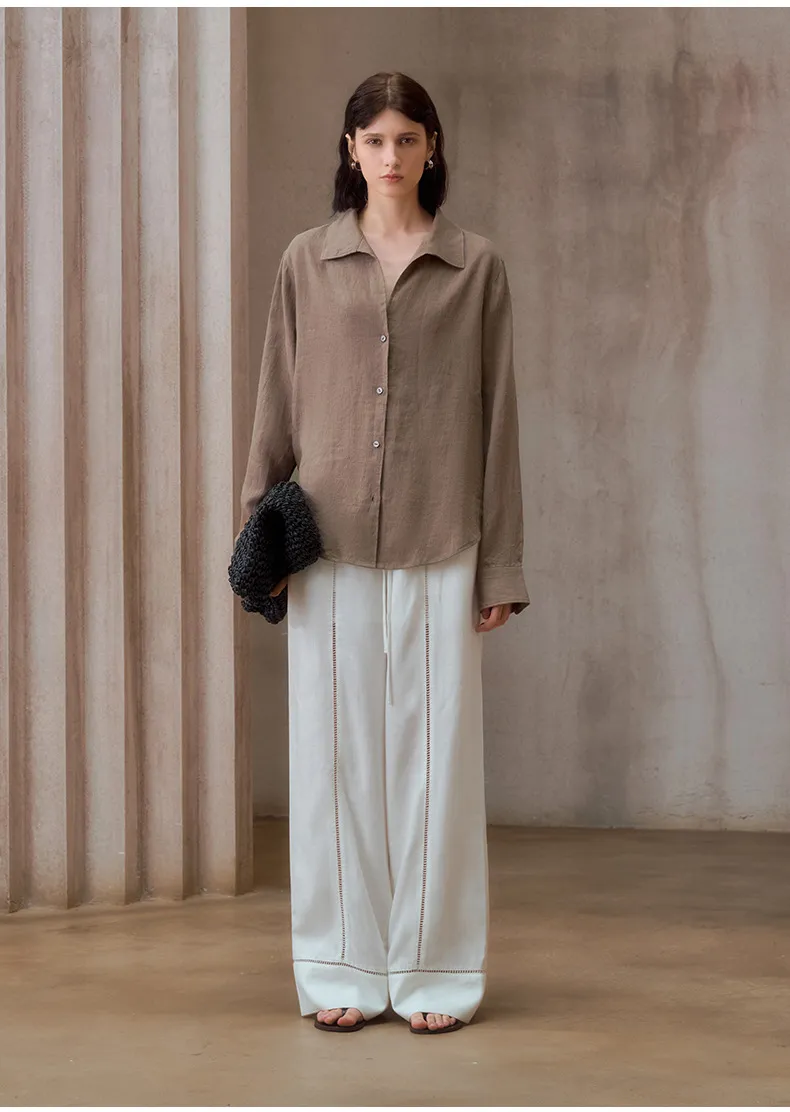
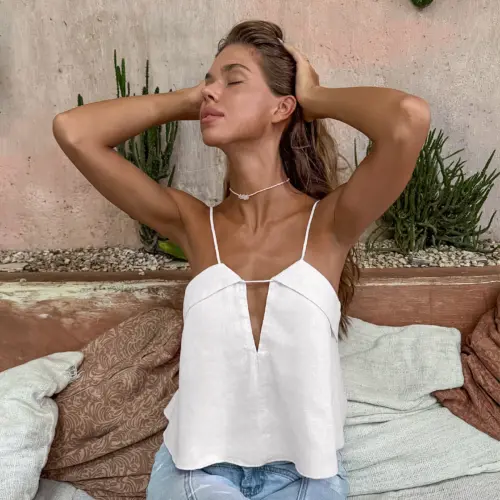
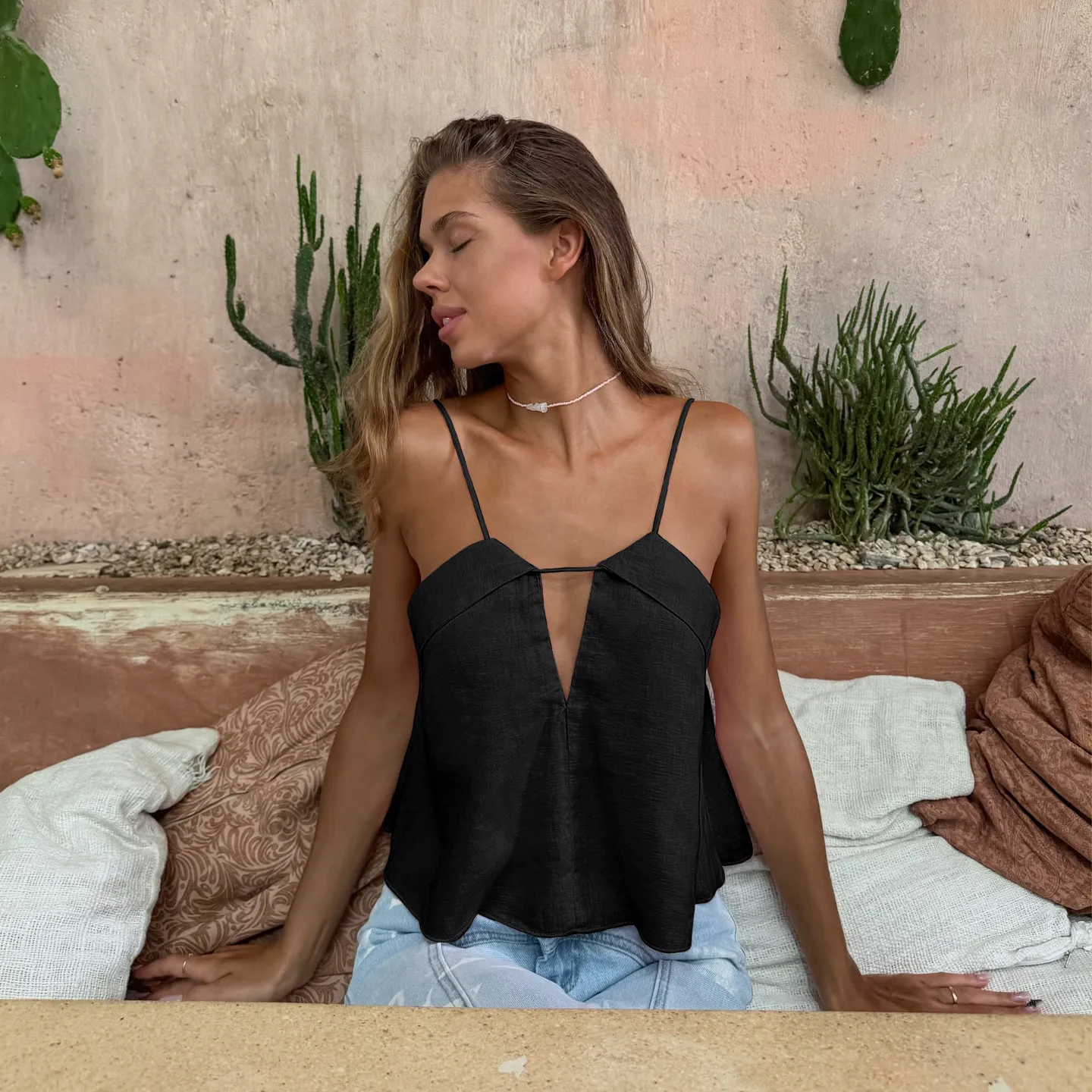
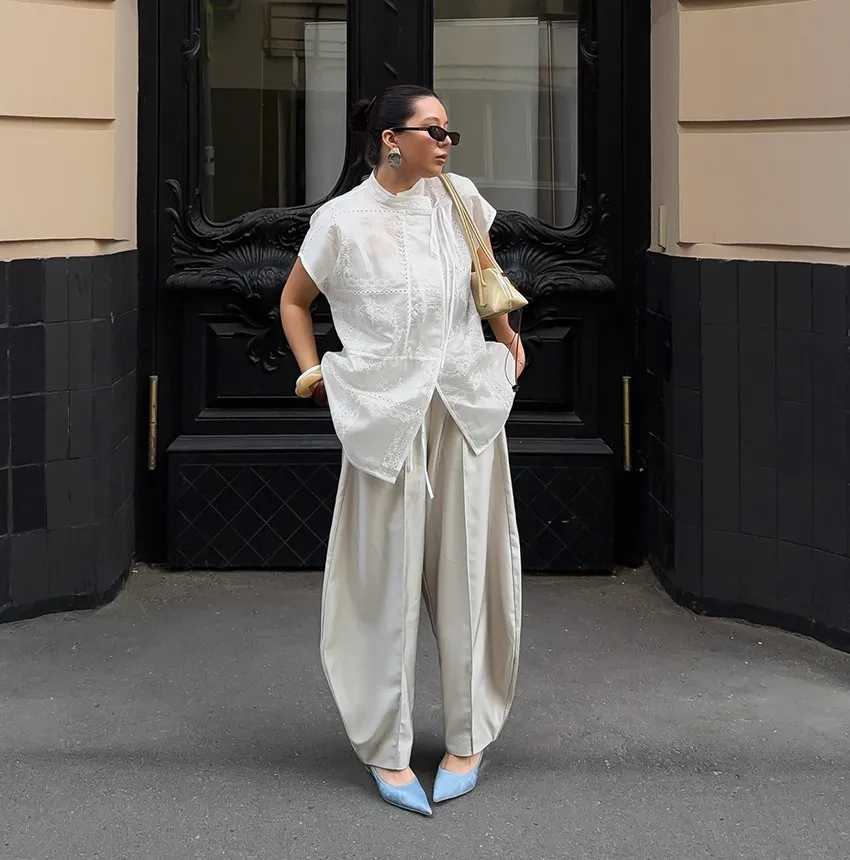
I use a simple matrix for merchandising. For tops, dresses, and blouses, viscose shines because it hangs clean and prints beautifully. It feels cool in summer. It blends well with linen, cotton, nylon, wool, and elastane. It can be sheer or heavy, woven or jersey. But pure viscose can crease and bag at the knees or elbows. It can shrink if not preshrunk. It weakens when wet, so stitching and seam allowance matter. Add 2–5% elastane and you get comfort stretch, but you must test recovery. If a buyer needs “wash and go,” I suggest viscose blends or modal/lyocell, or a mechanical finish that reduces wrinkles. If someone asks “is viscose safe?” I point to certified mills and chemical management. The fiber itself is not a skin toxin in normal use. The risk sits in how mills manage chemicals and wastewater, not in wearing a blouse.
| Property | Viscose | Cotton | Polyester |
|---|---|---|---|
| Handfeel | Soft, fluid | Soft, crisp | Smooth, sometimes slick |
| Breathability | Good | Good | Moderate |
| Wrinkle | Medium-high | Medium | Low |
| Strength when wet | Lower | Good | Good |
| Dye/Print | Excellent | Very good | Very good |
| Care | Gentle | Easy | Easy |
Is viscose sustainable or eco friendly?
When clients hear “bamboo viscose,” they think “green.” I slow them down. The label can be true and still hide risk. Sustainability depends on the forest and the factory.
Viscose can be sustainable if the wood is responsibly sourced and the mill uses closed-loop or best-practice chemical and wastewater controls; otherwise impacts include deforestation and pollution.

Dive deeper
There are three big impact gates. First is the forest. I ask for FSC® or PEFC proof, plus “no ancient or endangered forests.” Second is the chemistry. Classic viscose uses sodium hydroxide and carbon disulfide. Poor mills leak those into air and water. Good mills capture and reuse them and treat effluent. Third is transparency. I check whether the yarn is from recognized programs like LENZING™ Viscose or ECOVERO™, or from other “responsible viscose” initiatives. I want third-party verification like OEKO-TEX® and ZDHC participation. Is viscose biodegradable? Yes in most forms, since it is cellulose. But finishing chemicals and blends can slow that. Is viscose better than polyester? On microplastic shedding, yes. On energy and water, it depends on the mill. On durability, polyester wins. That is why I place viscose in dresses, blouses, and skirts for a soft look, and I use blends in bottoms.
| Risk/Opportunity | What I ask suppliers | Practical buyer tip |
|---|---|---|
| Wood source | FSC/PEFC, CanopyStyle status | Avoid generic “bamboo” claims |
| Chemistry | CS₂ recovery rate, effluent data | Prefer ECOVERO™/LENZING™ |
| Transparency | Batch trace, mill name, audits | Put in PO terms and QC plan |
How does viscose compare to cotton, polyester, and lyocell for real orders?
My buyers decide between viscose, cotton, polyester, or lyocell every week. They balance handfeel, price, lead time, and risk. They also care about returns and reviews.
Choose viscose for drape and print vibrancy, cotton for everyday durability, polyester for wrinkle resistance and price stability, and lyocell for a cleaner process with similar drape.

Dive deeper
Here is how I frame it in line planning. If the brief says “silky hand, under mid price, volume print,” I shortlist viscose or viscose/nylon, maybe with 2% elastane for comfort. If the brief says “travel-friendly, low wrinkle,” I push polyester or polyester/viscose blends. If the brief says “low impact, plant-based, premium,” I propose lyocell or ECOVERO™ viscose. For hot weather, viscose and cotton both breathe well. For winter knits, viscose blends with wool give warmth and a soft face. On cost, polyester is most stable, viscose sits in the middle, lyocell is higher. On care, advise gentle wash for viscose and set realistic shrinkage specs (I use 3–5% tolerance unless pre-shrunk). For QC, test colorfastness, pilling, dimensional change, and seam slippage. These decisions keep returns low and reviews high, which matters more than any single “good or bad” label.
| Use case | Best pick | Why |
|---|---|---|
| Flowing summer dress | Viscose / ECOVERO™ | Drape, breathability, color |
| Travel blouse | Polyester/viscose | Wrinkle resistance |
| Premium soft tee | Lyocell or modal | Handfeel, stronger wet |
| Everyday denim look | Cotton | Strength, handle |
Why do some people say “viscose is bad,” and how do I buy better?
I have heard buyers call viscose “toxic” after a bad supplier meeting. The story was not the fiber. It was the mill and the missing paperwork.
“Bad viscose” usually means poor chemical management, weak transparency, or cheap finishing; buy better by choosing certified wood, reputable mills, and clear PO terms on testing and audits.

Dive deeper
Here is my practical checklist that I use with new mills. First, I ask “what viscose fiber brand do you spin or buy?” If they say LENZING™ or ECOVERO™, I move forward faster. If they say “generic,” I ask for documents: FSC chain of custody, CanopyStyle status, OEKO-TEX Standard 100, ZDHC wastewater conformance, and MSDS for dyes and auxiliaries. Second, I lock testing in the PO: colorfastness, dimensional change, pilling, azo dyes, formaldehyde, and heavy metals per destination rules. Third, I control finishing. Enzyme or easy-care finishes can help, but they must meet our Restricted Substances List. Fourth, I plan logistics. Viscose can crease; I specify packing, hanger packs for some dresses, and steaming at inbound QC. Fifth, I design with care labels in mind. I do not oversell “eco” unless we have real credentials. This simple process prevents delays, rework, and bad reviews.
| Step | Action | Outcome |
|---|---|---|
| Source | Choose certified fiber/mill | Lower impact, fewer surprises |
| Verify | Audit docs + lab tests | Compliance confidence |
| Finish | Define hand + shrink controls | Better wear and care |
| Pack | Crease-smart packing | Fewer returns |
| Claim | Truthful labeling | Brand trust |
Conclusion
Viscose is plant-based and regenerated, great for drape, and sustainable only when the wood and the mill are right; choose trusted fiber programs, set clear PO tests, and design for care.
Why I write this
- My Name: Lancy Chia
- Email: [email protected]
- Website: https://truekung.com
- Brand: Truekung | Country: China
- Business model: B2B, Wholesale only
- Factory size: 200+ workers
- What I make: Fashion women’s wear, jackets, skirts, dresses, jeans, T-shirts, sweatshirts, down jackets, windbreakers, coats, fashion bags, sportswear, children’s wear, underwear.
- Services: OEM/ODM, 20 years export experience.
- Main export markets: Netherlands, Denmark, Belgium, Norway, UK, USA, Germany, Australia, Thailand, Turkey, Italy, Russia, Saudi Arabia, and more.
Views: 1100