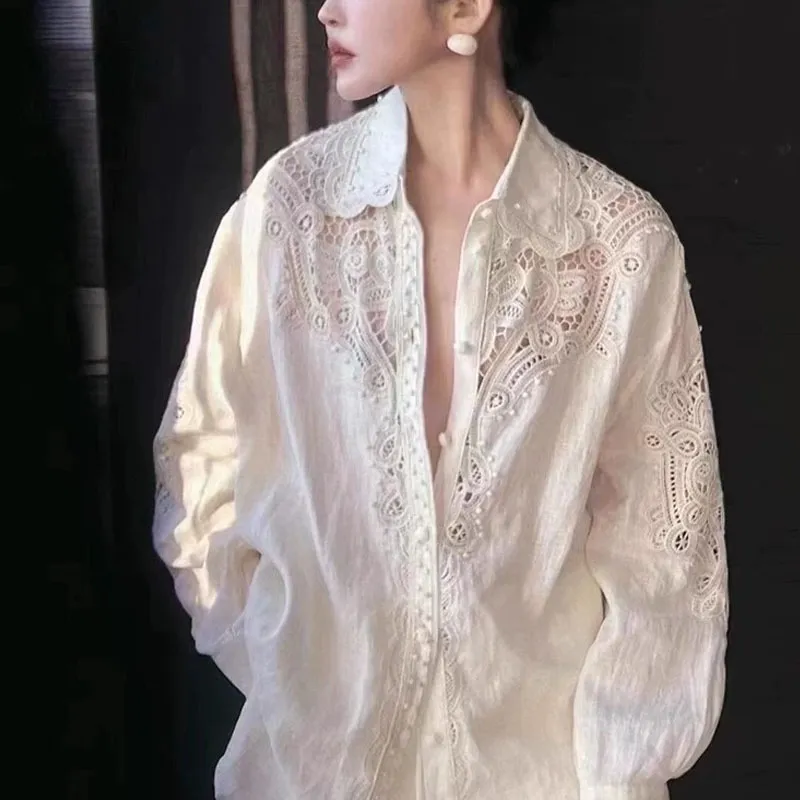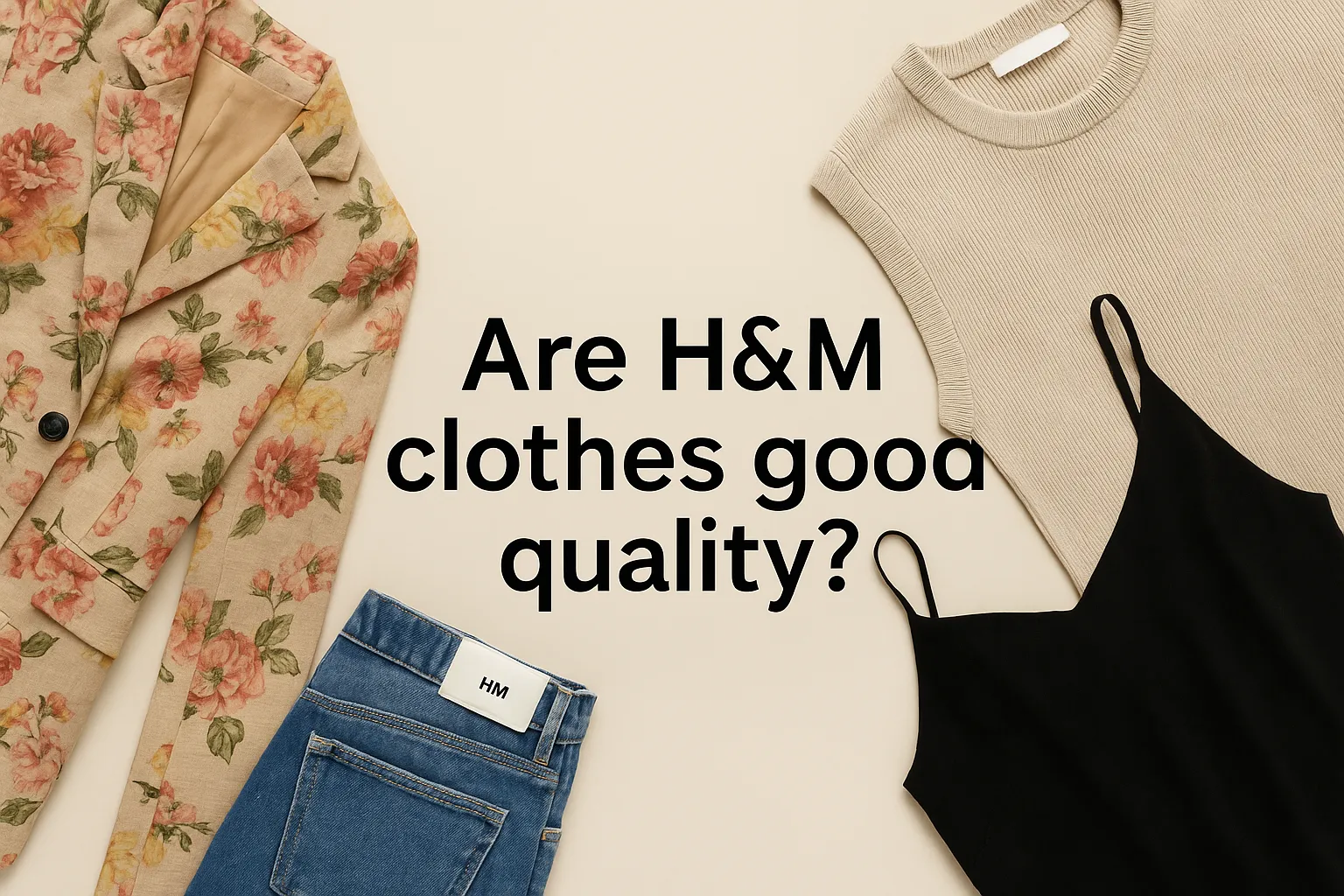
The fashion world is full of flashy trend‑pieces and bargain basics. If you’ve ever asked yourself “Is H&M good quality?”, you’re not alone. In this post I’ll walk you through what I found—and share how you can decide whether a piece from H&M makes sense for your business.
H&M clothing is generally average in quality—suitable for trendy, affordable wholesale stock, but not built for long‑term durability like premium brands.
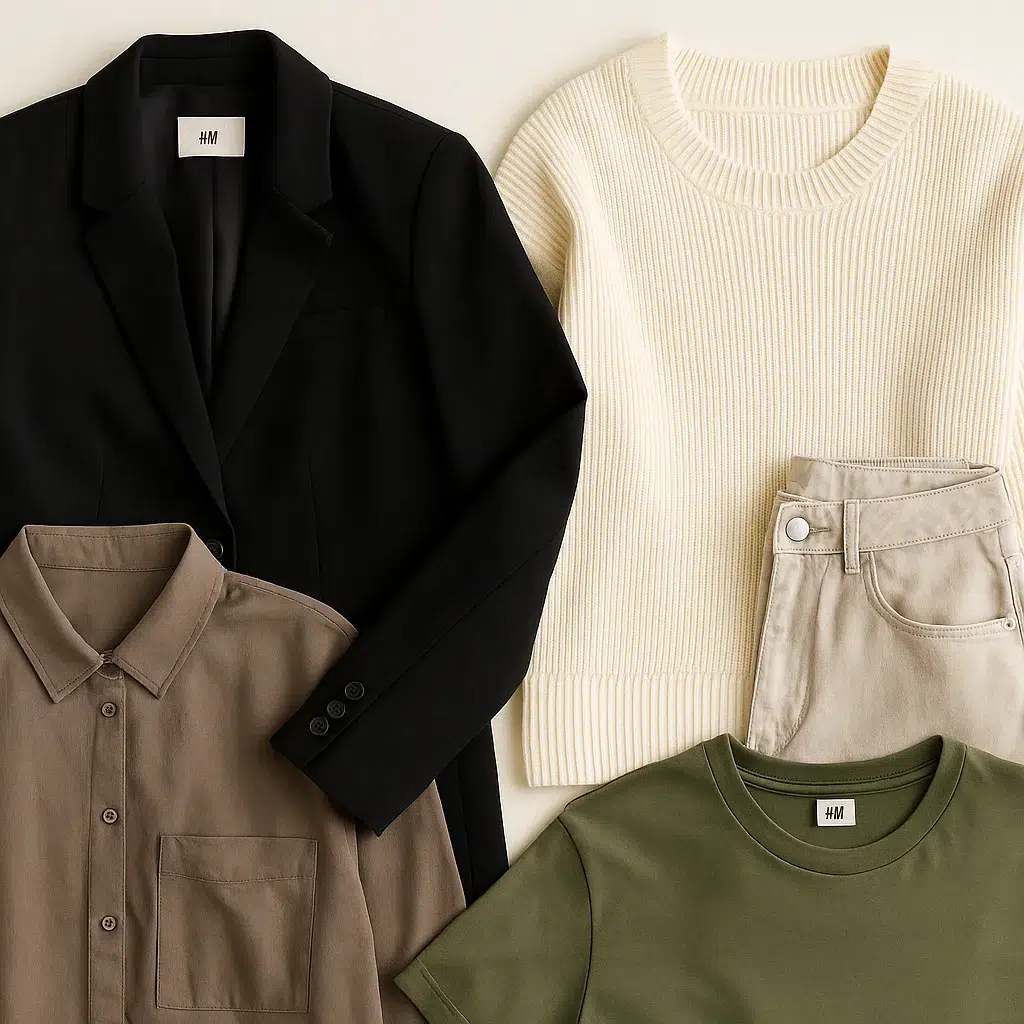
When you source fashion items, quality matters—not just for customer satisfaction, but also for your brand reputation. If your goal is to resell or re-label items under your own brand, it’s important to understand exactly what you’re getting with H&M-style fashion.
Is H&M better than Zara in quality?
If you’re weighing stock from H&M vs Zara, you might feel puzzled whether one is better.
Many analysts say Zara edges out H&M slightly in terms of fabric weight and finish, but neither offers luxury‑brand quality—both sit in the fast‑fashion tier.
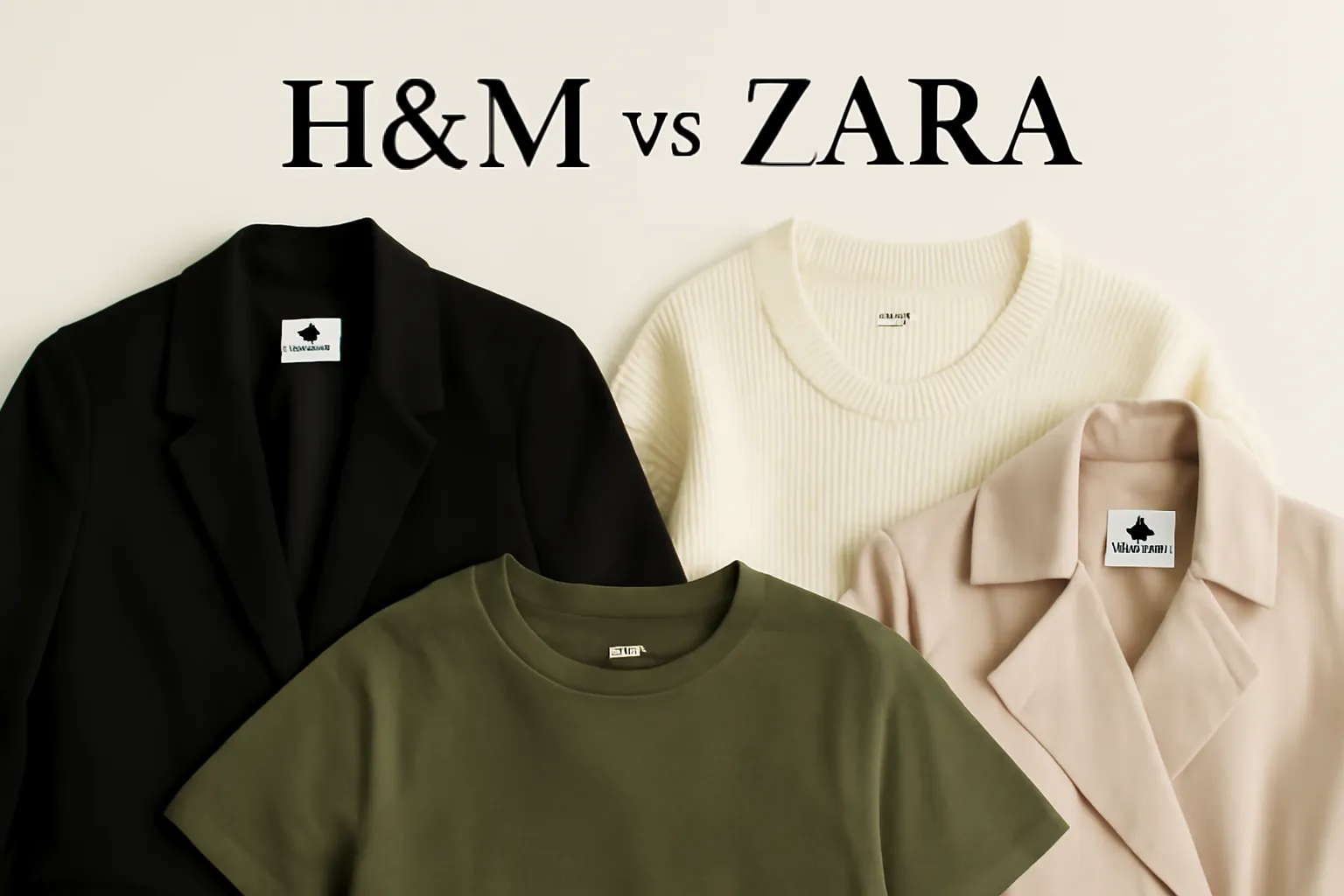
Breakdown of H&M vs Zara for wholesale buying
| Brand | Typical Price Tier | Material & Construction | Trend vs Classic | Suitable for Re-label |
|---|---|---|---|---|
| H&M | Lower-mid | Mixed; lots of synthetics | Very trend-focused | Yes, short-cycle items |
| Zara | Mid | Slightly better finishing | Mix of trend and semi-premium | Yes, for stylish segments |
If your brand needs frequent product refreshes, H&M fits well. But if you promise “premium feel” or durability, Zara might perform slightly better—or you may want to consider custom production.
What should I check when buying H&M-style stock?
Buying well means inspecting properly. I learned this after discovering one lot looked great in the showroom but faded badly after two washes.
Check fabric weight, fibre content, stitching quality, and labelling. Test samples for wash durability before buying large quantities.
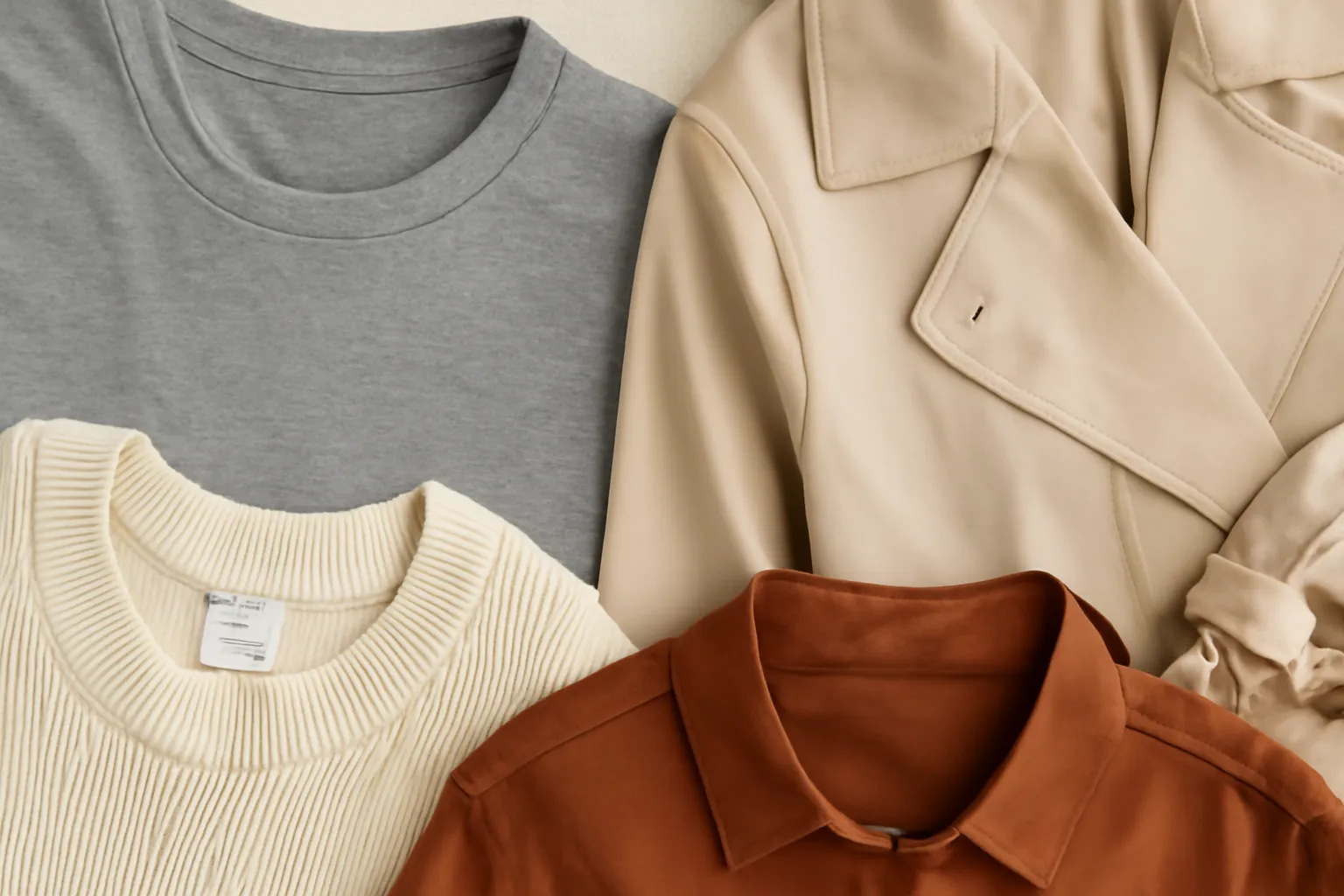
Key checkpoints for evaluating quality
- Fabric weight: Higher GSM fabrics usually last longer.
- Fibre content: Synthetics may feel soft but can wear out fast.
- Stitching: Look for neat seams, consistent overlocking, and solid hems.
- Wash test: Try a sample. Wash it. Does the shape hold? Does it fade?
- Labels & certifications: Check for OEKO-TEX, GOTS, etc.
If you’re sourcing from China and can communicate clearly with suppliers, you can often ask for these details directly. It sets you apart from many others.
Should I consider custom production instead?
If quality and consistency matter to your customers, it’s time to think beyond re-labelling fast fashion.
Custom production offers control over materials, fit, brand image—and avoids surprises like poor stitching or weak fabric.
With OEM/ODM clothing services, you choose the fabric, approve the samples, and define quality standards. This helps you:
- Build a reliable supply chain
- Strengthen your brand positioning
- Offer better value to customers
- Reduce product returns and complaints
If you’re tired of inconsistent batches, late deliveries, or worrying whether a supplier faked a certification, custom production gives you a clean, transparent alternative.
Conclusion
H&M clothes offer average quality, good for trend-focused retail. But for better brand control and higher margins, custom production is the smarter move.
If you’re sourcing from China and want to explore OEM/ODM services for your clothing brand, I can help you start today.
Views: 2467