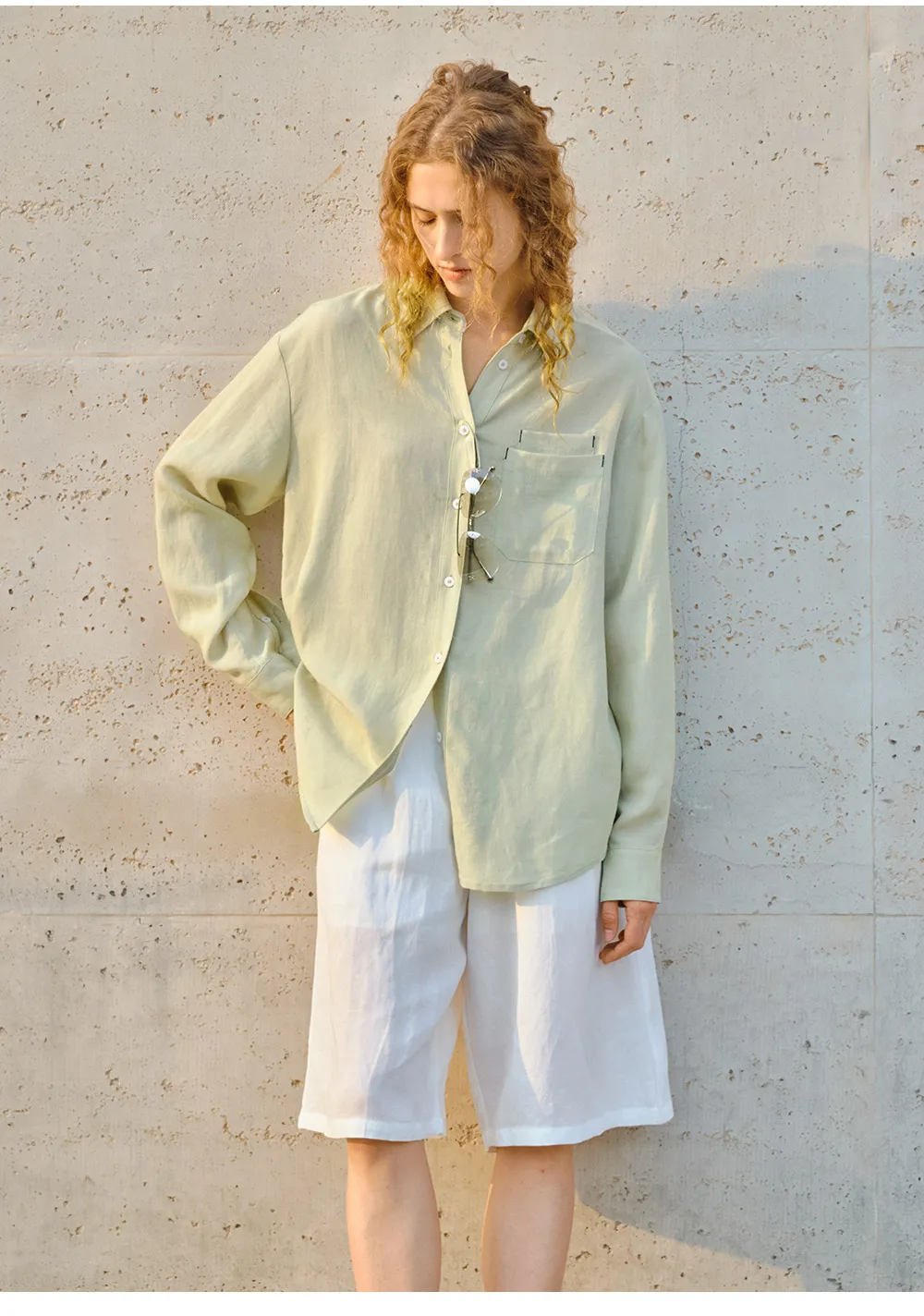
Are you sitting on piles of unsold clothing and wondering if thrift stores could turn them into quick cash? The truth is, the payout might disappoint you.
Most thrift stores only pay 10–30% of the item’s resale price in cash, or up to 50% if you take store credit.
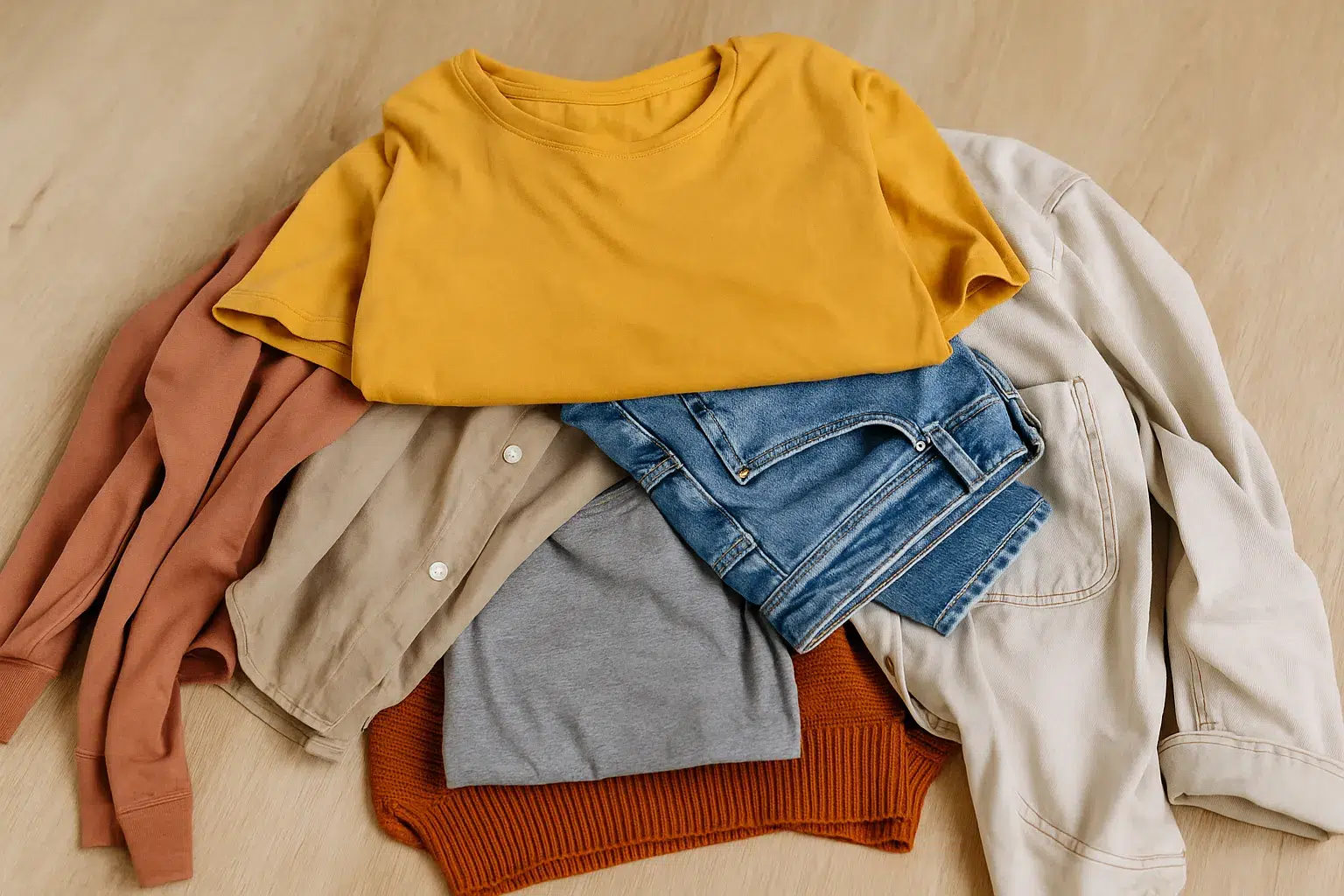
While selling to thrift stores may seem like a fast solution, the low profit margins and unpredictable demand make it an unreliable channel—especially for business owners looking to scale or maintain brand value.
Why is the payout from thrift stores so low?
You might expect your good-quality clothing to fetch a decent return. But when thrift stores offer only a few dollars per item, it can be frustrating.
Thrift stores pay less because they must cover their own costs, price items low to move inventory fast, and minimize risk.
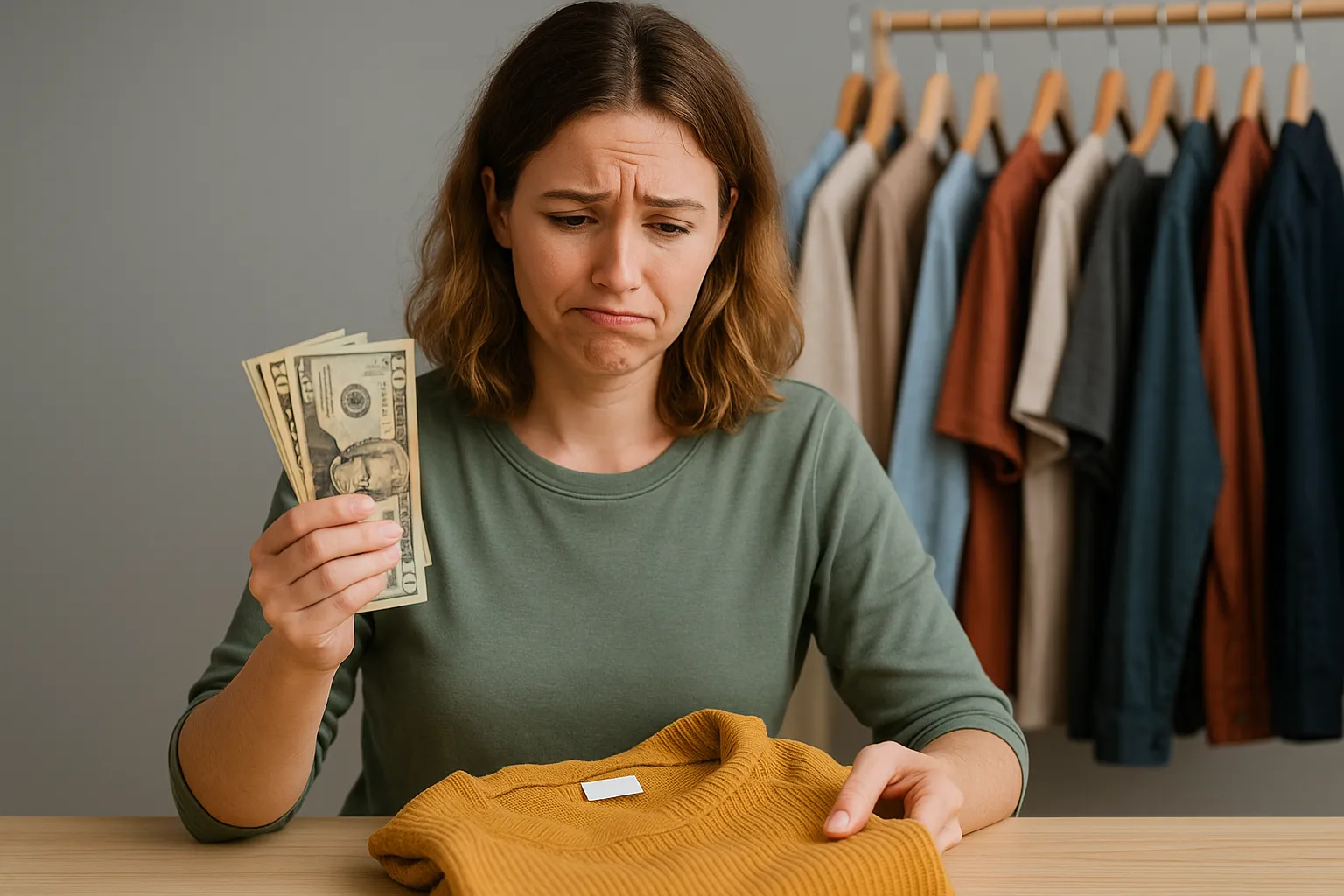
What affects the amount you get paid:
| Factor | Description |
|---|---|
| Brand | High-demand or designer brands bring better returns. |
| Condition | Clothes must be clean, undamaged, and ready to sell. |
| Style & Trend | Outdated styles sell slower, so you earn less. |
| Season | In-season clothes fetch better prices. |
| Type of store | Consignment stores may offer more than donation-based stores. |
If you’re a buyer working with Chinese factories or considering resale markets, these limitations are important when calculating cost-effectiveness and resale potential.
What do popular thrift stores like Uptown Cheapskate or Buffalo Exchange pay?
Many sourcing agents want clarity on how much stores like Uptown Cheapskate or Buffalo Exchange actually pay.
These stores typically offer 25–35% in cash or around 50% in store credit, depending on condition and demand.

Here’s how different stores compare:
| Store | Cash Offer | Store Credit |
|---|---|---|
| Uptown Cheapskate | 25–35% | ~50% |
| Buffalo Exchange | ~30% | ~50% |
| Goodwill | Usually donation only | Not applicable |
| Local consignment shops | Varies (up to 40%) | Varies (up to 60%) |
For wholesalers or private label brands, these payouts don’t align with sustainable profit margins. Selling directly or through custom production provides stronger financial control.
Is selling to thrift stores a good strategy for business buyers?
As a sourcing expert working with manufacturers, you want more than just low payouts and random resale.
Selling to thrift stores works for clearing personal closet space, but it’s not a viable path for profitable inventory turnover in business.

Here’s what you need to consider:
- Low ROI: You invest in design and materials, but resale returns are minimal.
- Brand dilution: Selling through low-end resale outlets may hurt brand image.
- Unpredictable payout: No control over how much or when you get paid.
- No scale: Limited volume capacity makes this channel unsuitable for bulk sellers.
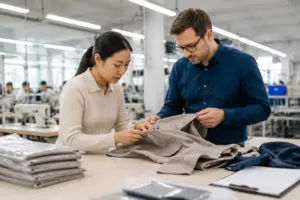
For Maria (a Russian buyer) and similar wholesale clients, the better route is custom manufacturing with trusted suppliers who offer quality assurance, competitive pricing, and brand control.
So, what should smart buyers do instead?
If you’re serious about scaling your fashion business, it’s time to consider long-term strategies.
The best move is to partner with OEM/ODM manufacturers for exclusive, on-trend pieces you can sell under your own brand.
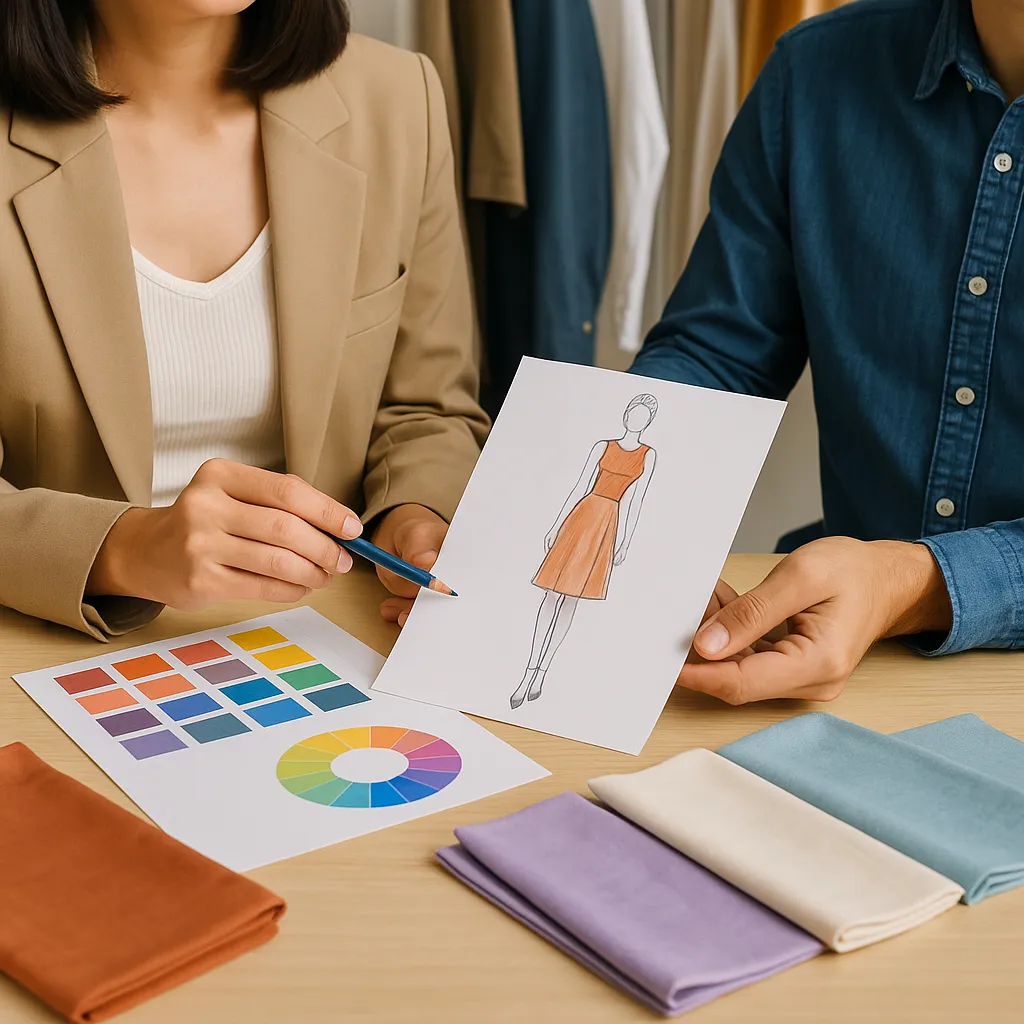
Here’s why custom manufacturing beats thrift store reselling:
| Benefit | Custom Manufacturing | Thrift Resale |
|---|---|---|
| Brand control | Full design & label control | None |
| Profit margins | High | Very low |
| Scalability | Bulk production available | Limited volume |
| Quality assurance | Built-in factory QC | Hit-or-miss |
| Certifications | Available on demand | Often missing or fake |
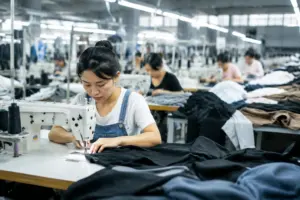
As a factory with 200+ workers, 20+ years of experience, and global reach, Truekung offers the reliability and customization that serious buyers need.
Conclusion
Thrift stores may pay a few dollars for clothes, but smart buyers should go for custom manufacturing to protect margins and build long-term brand value.
Lancy Chia
Truekung
[email protected]
truekung.com
Views: 1141