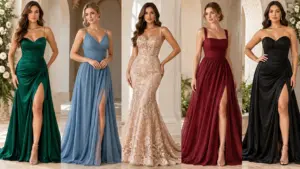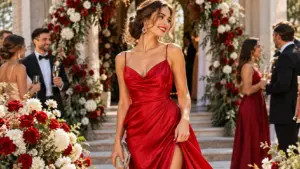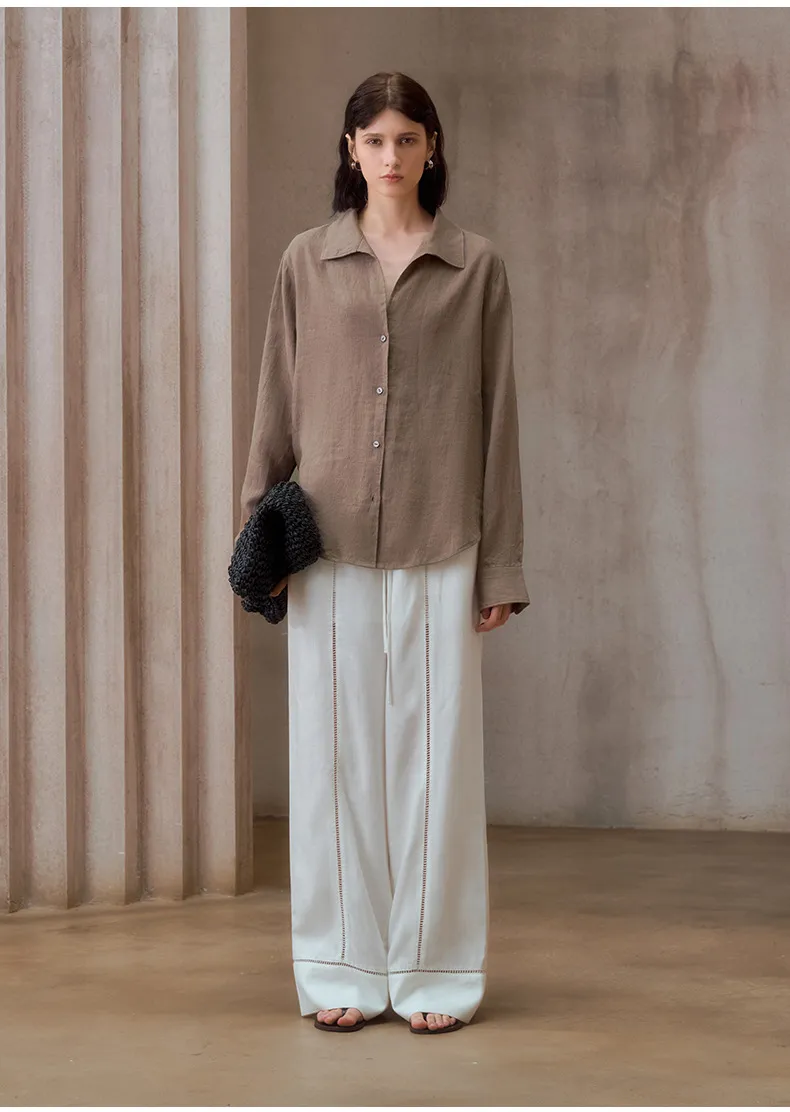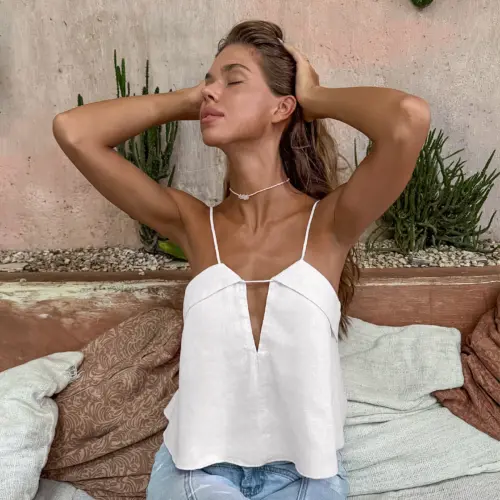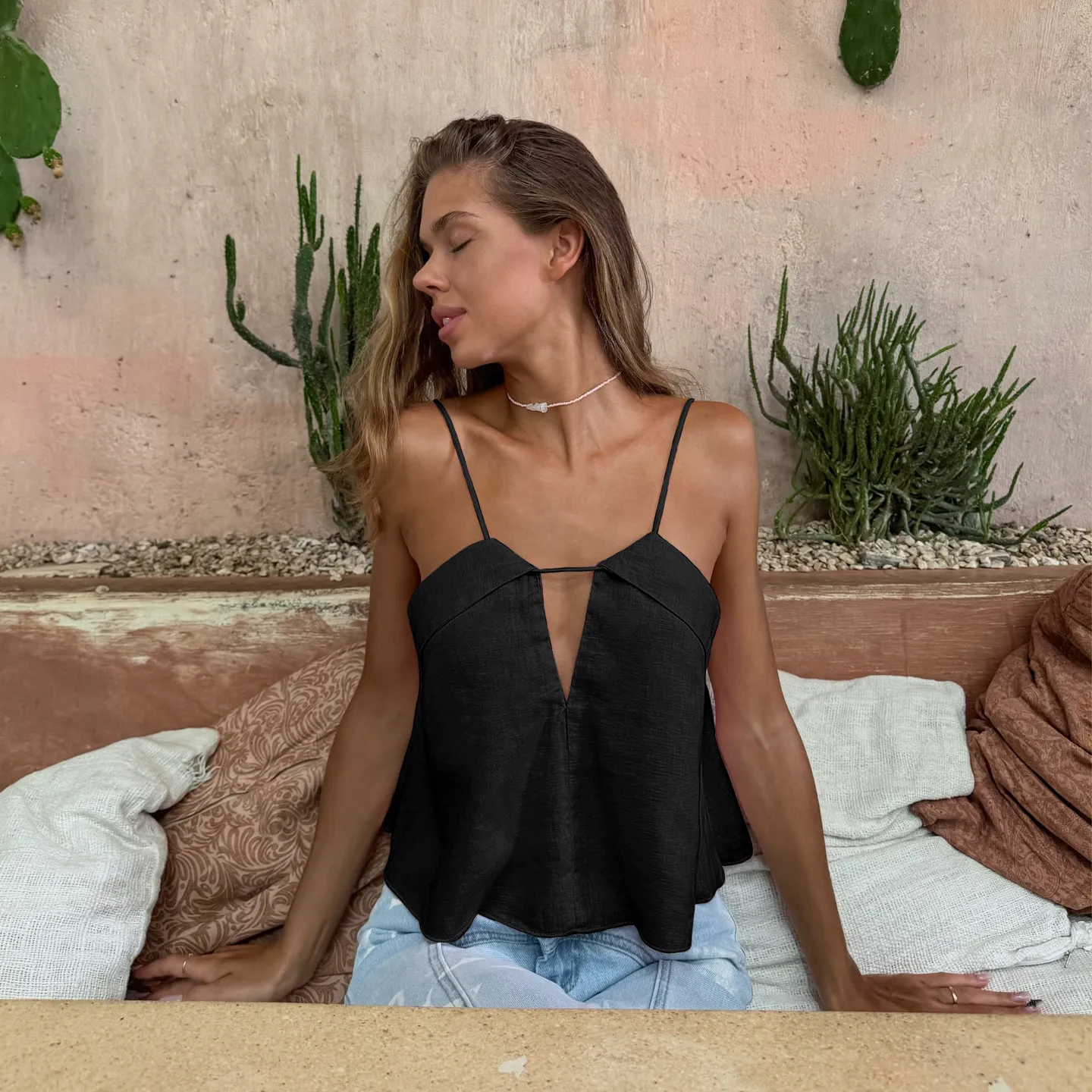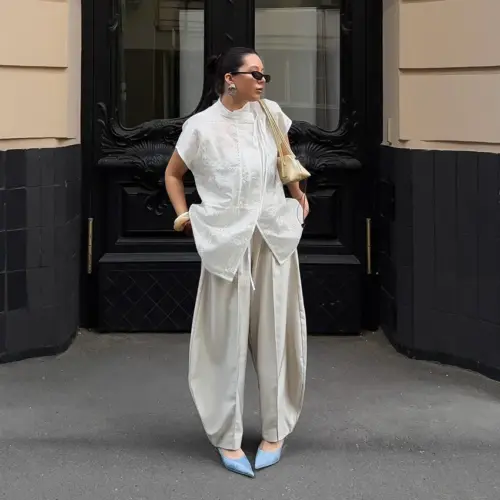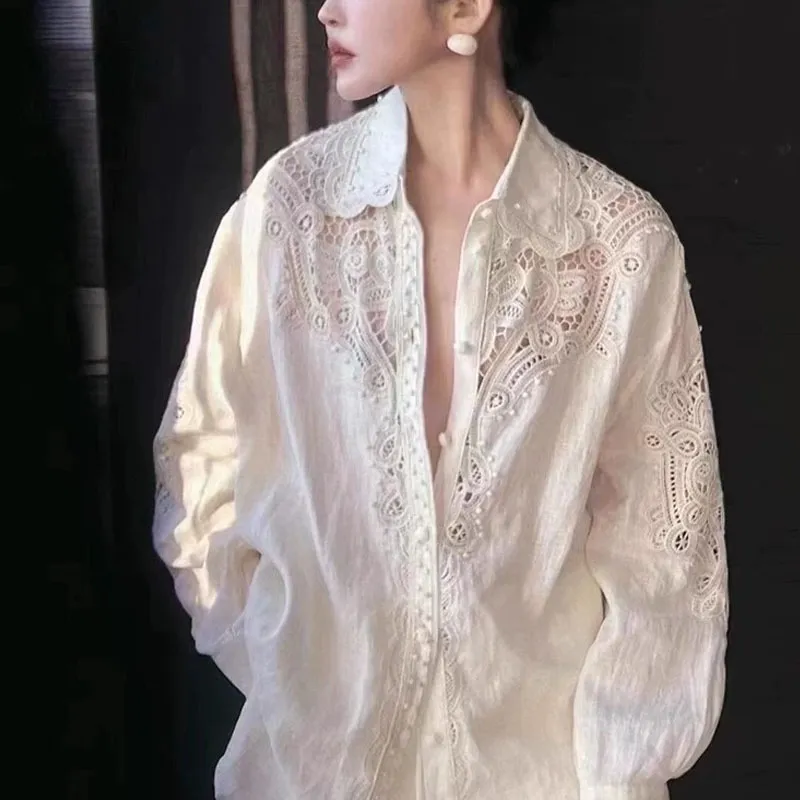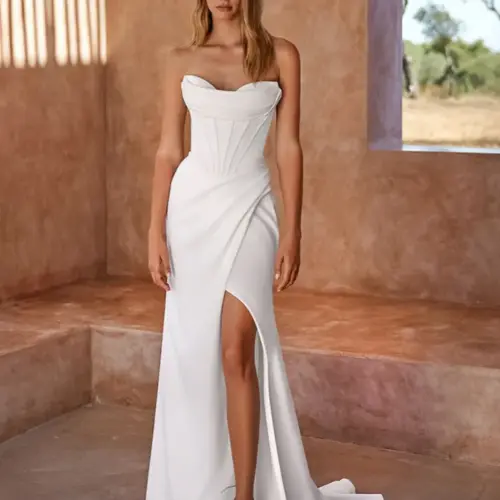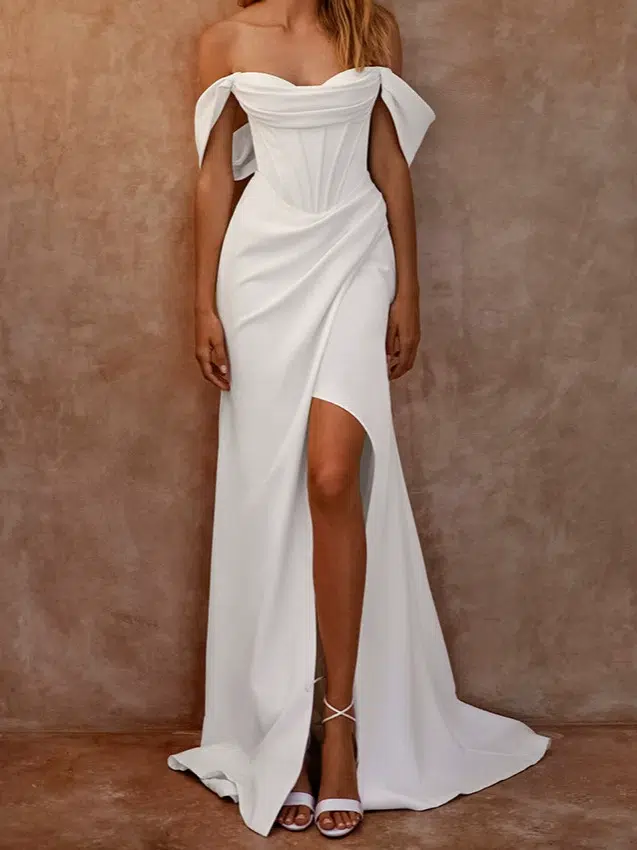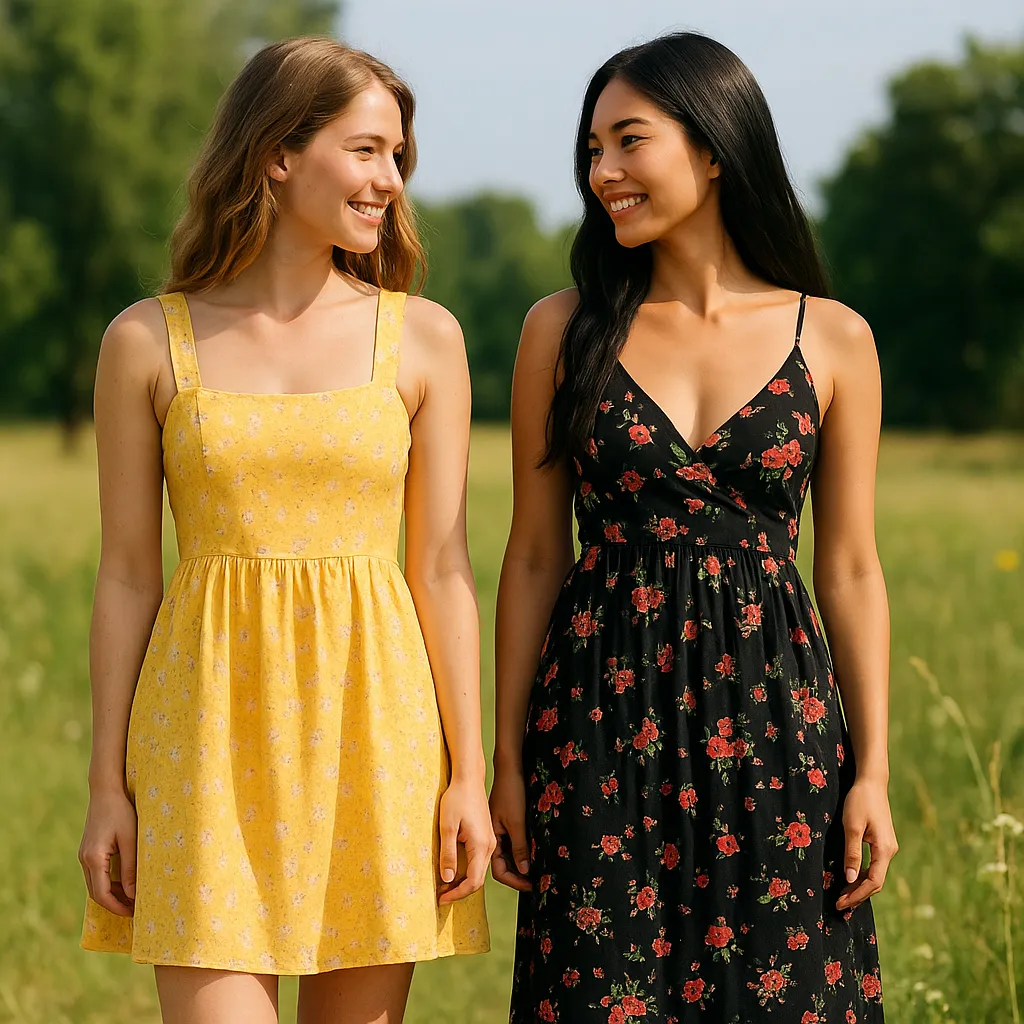

I used to stand in front of my wardrobe, overwhelmed by dresses. The problem: I couldn’t tell if something was a sundress or a maxi dress.
In short, a sundress is a lightweight, often sleeveless dress made for warm weather and casual wear. A maxi dress is defined by its long length — ankle or floor‑length — and can vary in sleeve, neckline and formality.

Now that I’ve clarified the basics, let’s dig deeper into both styles. Because though they overlap, there are meaningful differences worth noting — especially when you’re sourcing clothing for your brand with export in mind.
What exactly is a sundress?
Have you ever felt that a dress was made just for the sun and breeze? That’s the root of the sundress. I remember choosing one for a beach shoot and feeling instantly cooler.
A sundress is a casual warm‐weather dress, typically made from breathable fabric (cotton, linen), often sleeveless or with thin straps, and designed for relaxed daytime wear.
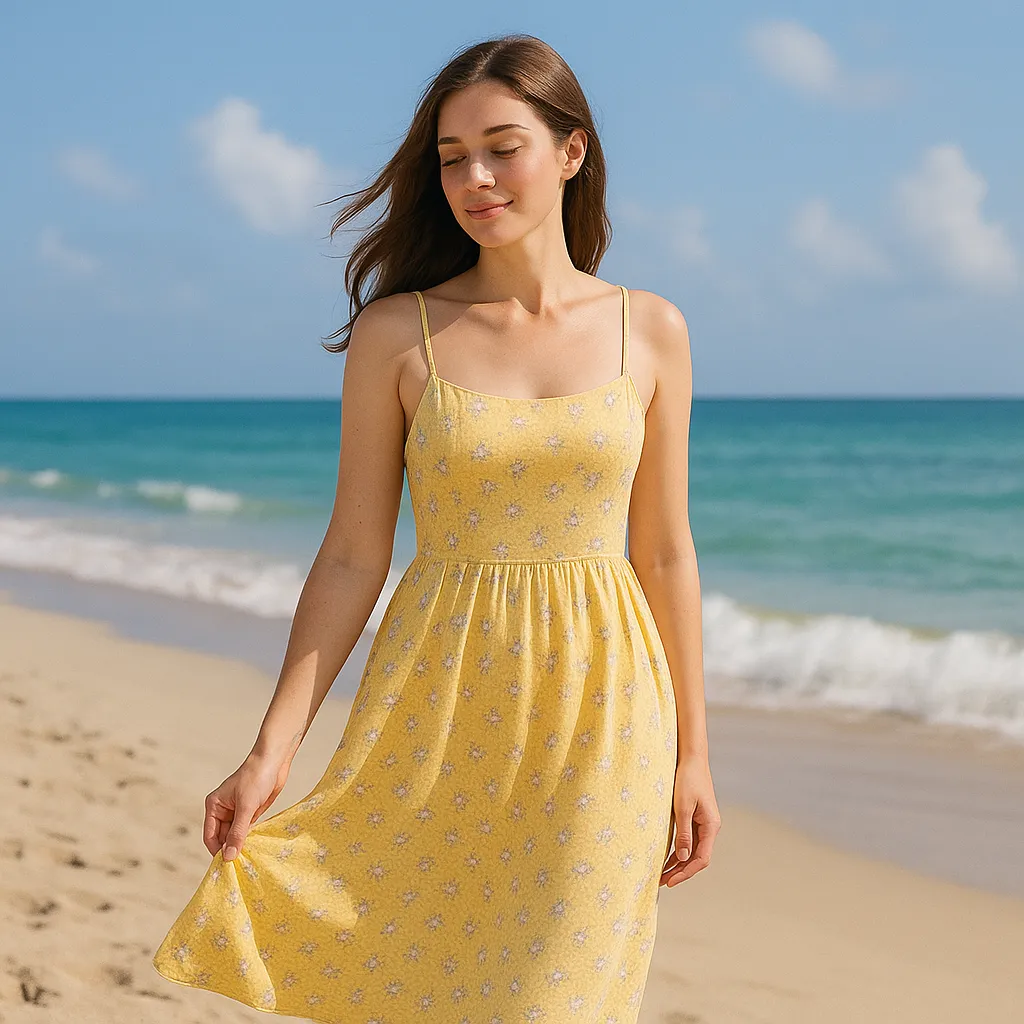
Dive deeper: what defines a sundress?
When I source dresses for my clients, I always check whether the piece meets “sundress criteria” — because for summer collections in Europe or Australia, that comfort factor matters.
| Feature | Details |
|---|---|
| Fabric | Lightweight, breathable (cotton, linen, rayon) |
| Structure | Relaxed fit, sleeveless or spaghetti straps |
| Length | Mini to maxi, but defined more by fabric and feel than hemline |
| Occasions | Daywear, beach, brunch, warm-weather travel |
In my experience working with factories in China (like ours at Truekung), sundresses are ideal for high‐volume summer export: less structure, faster turnaround, simpler QA. The challenge: communicate clearly to the factory that you want sundress attributes (lightweight straps, breathable fabric) rather than simply “summer dress”.
So what is a maxi dress?
Now flip the frame. A maxi dress makes you think of length — I once styled one for an evening rooftop shoot and its floor‐skimming hem made all the difference.
A maxi dress is defined primarily by its full length (typically ankle or floor length) and can come in many silhouettes, fabrics and formality levels — from casual to dressy.
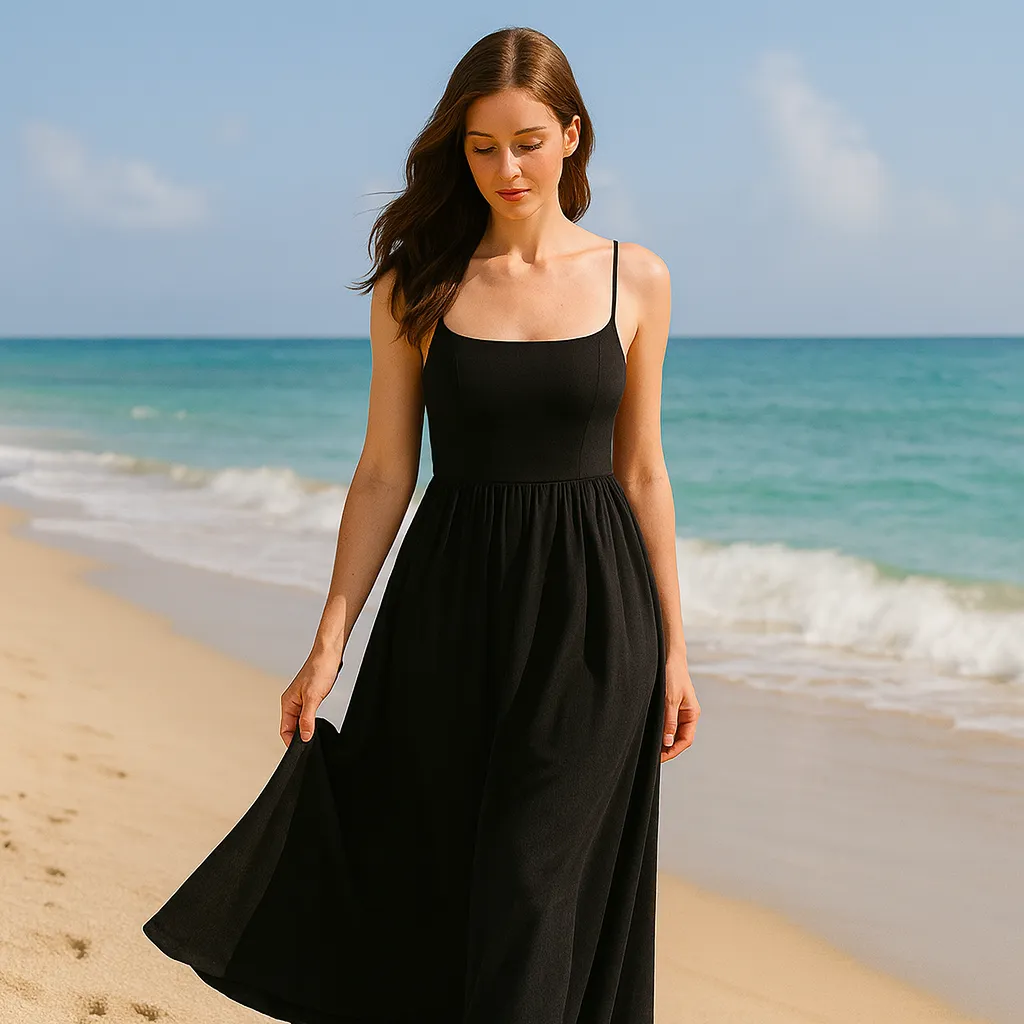
Dive deeper: what defines a maxi dress?
From a sourcing and wholesale perspective, maxi dresses are interesting because they span a wide spectrum — casual, resort, evening wear — so the term alone isn’t enough to define the product.
| Feature | Details |
|---|---|
| Length | Ankle to floor length |
| Style | A-line, empire waist, fitted or flowing |
| Sleeves | Any: sleeveless, short, long |
| Fabric | Light or heavy (jersey, silk, chiffon) |
| Occasions | Casual, formal, resort, travel |
In our factory context, when a buyer says “maxi dress,” I always clarify length, fabric, straps/sleeves, and intended use — to ensure proper specification and costing.
Sundress vs Maxi Dress — key comparison
When Maria (our Russian buyer persona) asks “What should I label this piece?” or “Is this a sundress or a maxi dress?” these are the comparison points I walk her through.
The main difference: sundress links to lightweight, warm‑weather ease; maxi dress links to length. They’re not mutually exclusive — you can have a “maxi sundress”. But their core identifiers differ.

| Attribute | Sundress | Maxi Dress |
|---|---|---|
| Defining trait | Lightweight, warm-weather casual | Length (ankle/floor) |
| Fabric | Cotton, linen, rayon | Any (light or heavy) |
| Fit | Relaxed | Varied |
| Sleeves | Often sleeveless | Any |
| Length | Mini to maxi | Always long |
From my supplier perspective, when we’re producing for export, clarifying these differences helps avoid mis‑labelling, mis‑shipment and dissatisfaction.
Can a dress be both a sundress and a maxi dress?
Yes — and I’ve made that mistake before when categorising garments. Some dresses fall into both camps.
A long, lightweight dress with straps and casual styling can be both a sundress and a maxi dress — often called a “maxi sundress”. The key is combining length + warm‑weather ease.

Dive deeper: implications for sourcing & wholesale
When sourcing for clients like Maria, I highlight this overlap because it offers versatility: a dress that works as a casual day piece yet still carries the “maxi” length appeal for resort or vacation settings.
- The fabric must remain light enough for the “sundress” feel.
- Construction must be adjusted for comfort, even at longer lengths.
- A maxi sundress may cost more (extra fabric, finishing), so clarity is needed for price negotiation.
This hybrid style is often a bestseller in summer and travel markets — a smart category to consider for your next custom collection.
Why does the difference matter — especially for wholesale & export?
From my own 20 years of experience in foreign trade clothing production, I know misunderstandings cost time and money.
For a B2B wholesale buyer, selecting “sundress” vs “maxi dress” affects fabric, construction, cost, lead time, and marketing. Clarifying the category upfront avoids delays, mismatches and extra costs.
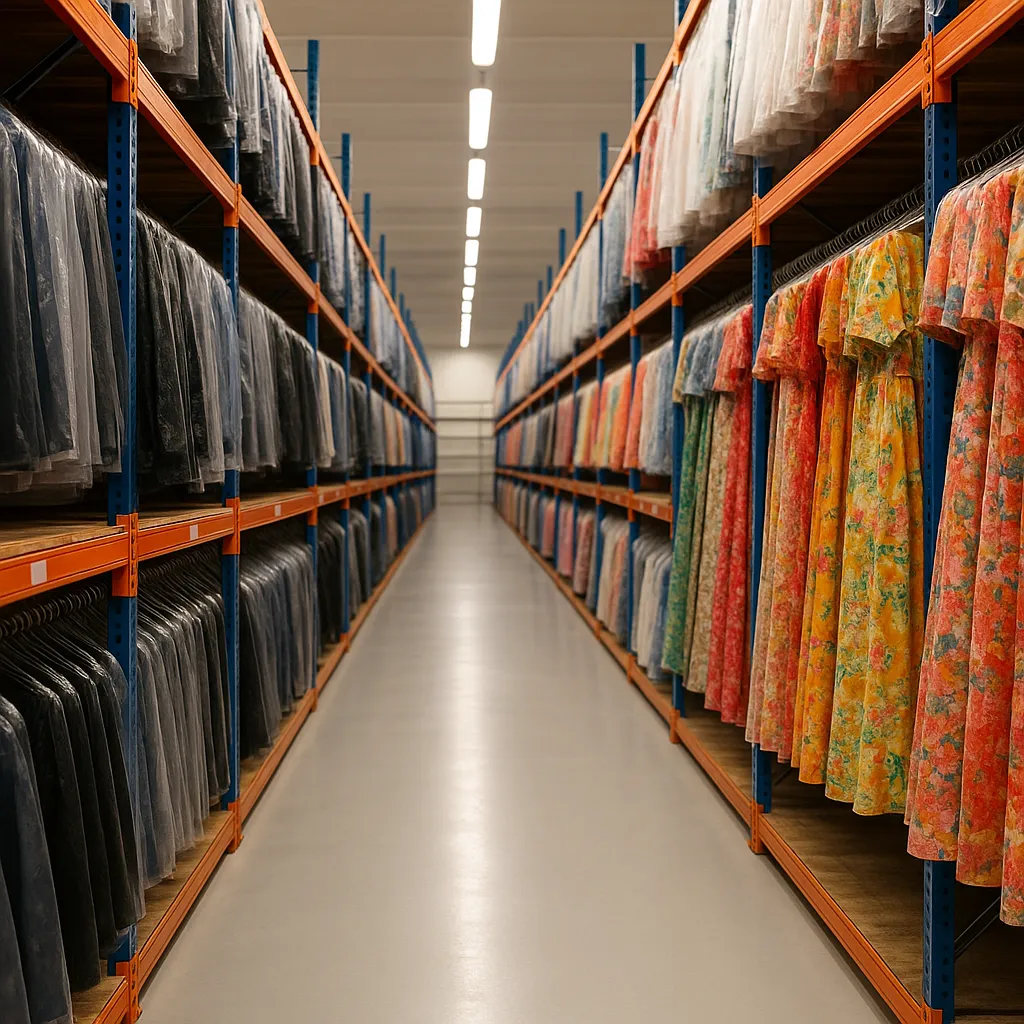
Dive deeper: lessons from factory life
- Quality control: Light cottons work for sundresses. Heavier fabrics for maxis. Be clear.
- Certificates: Buyers often request OEKO‑Tex or organic labels. Fabric type defines certificate needs.
- Lead time: Maxi dresses = more work, longer sewing time. Plan accordingly.
- Labeling: Maria must list products clearly for resale. Wrong tags = returns.
- Pricing: Maxi costs more. Know your margins.
This is why we recommend clear briefs. Always define dress type + use case.
Practical tips when selecting or designing sundresses vs maxi dresses
When I design the collection with our team at Truekung, I always ask: “What’s the intended length? What’s the fabric? What’s the usage?”
Key questions: What is the hemline? What is the fabric weight? Is it sleeveless/straps? What is the target occasion? Answering these helps you decide if you’re creating a sundress, maxi dress or both.
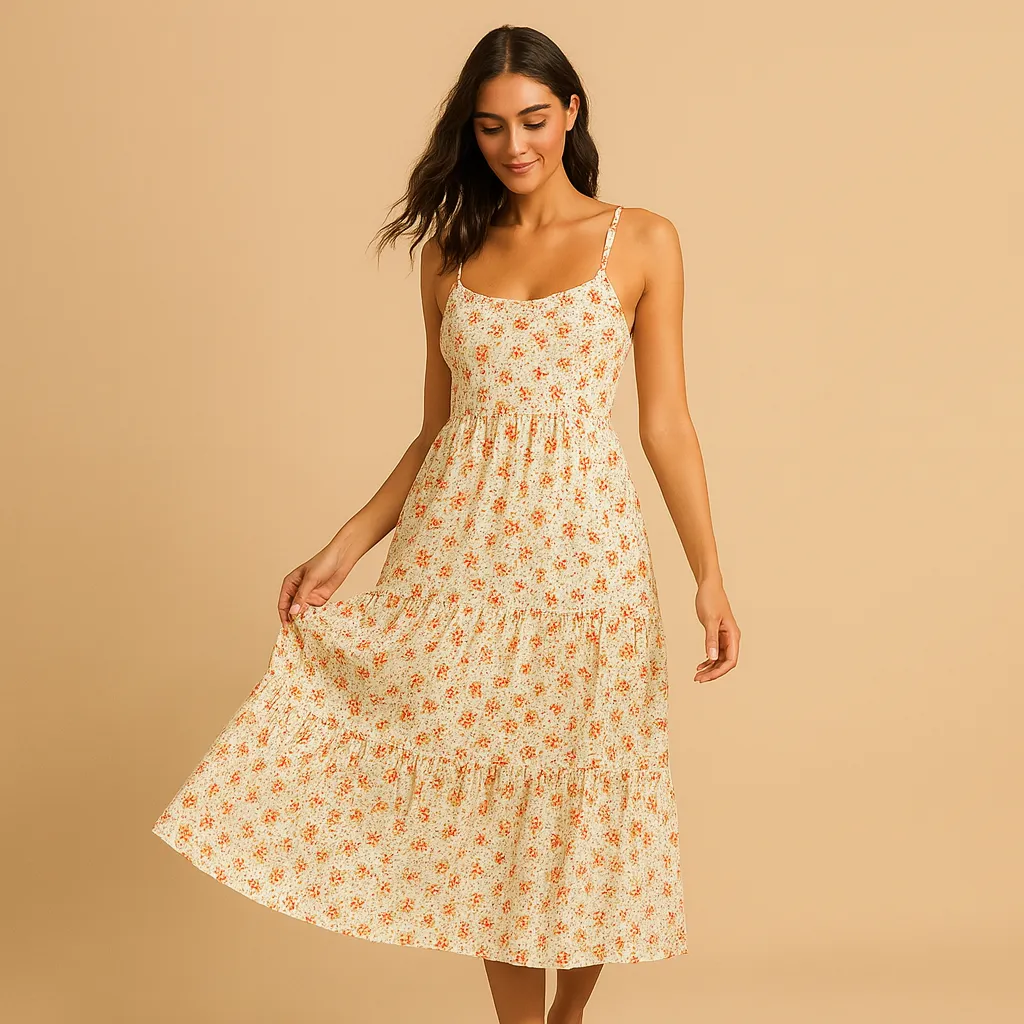
| Question | Why it matters |
|---|---|
| What is the hemline? | Defines if it qualifies as maxi |
| What is the fabric weight? | Light = sundress; heavy = maxi/formal |
| Are there straps/sleeves? | Sundresses usually sleeveless |
| Casual or formal? | Dictates fabric and finish |
| Where is it sold? | Western markets want summer labels clear |
Using this guide, you can prepare your brief or product selection more clearly. If you’re ready to develop your next collection, we at Truekung can help turn your design into production‐ready samples.
Conclusion
A sundress focuses on comfort and light fabric; a maxi dress focuses on length. Knowing the difference helps you create the right style for the right customer and season.
Contact: Lancy Chia
Email: [email protected]
Website: truekung.com
Factory: 200+ workers, 20 years’ experience, B2B clothing wholesale and OEM/ODM
Main exports: EU, USA, Australia, Russia, Middle East
Views: 414