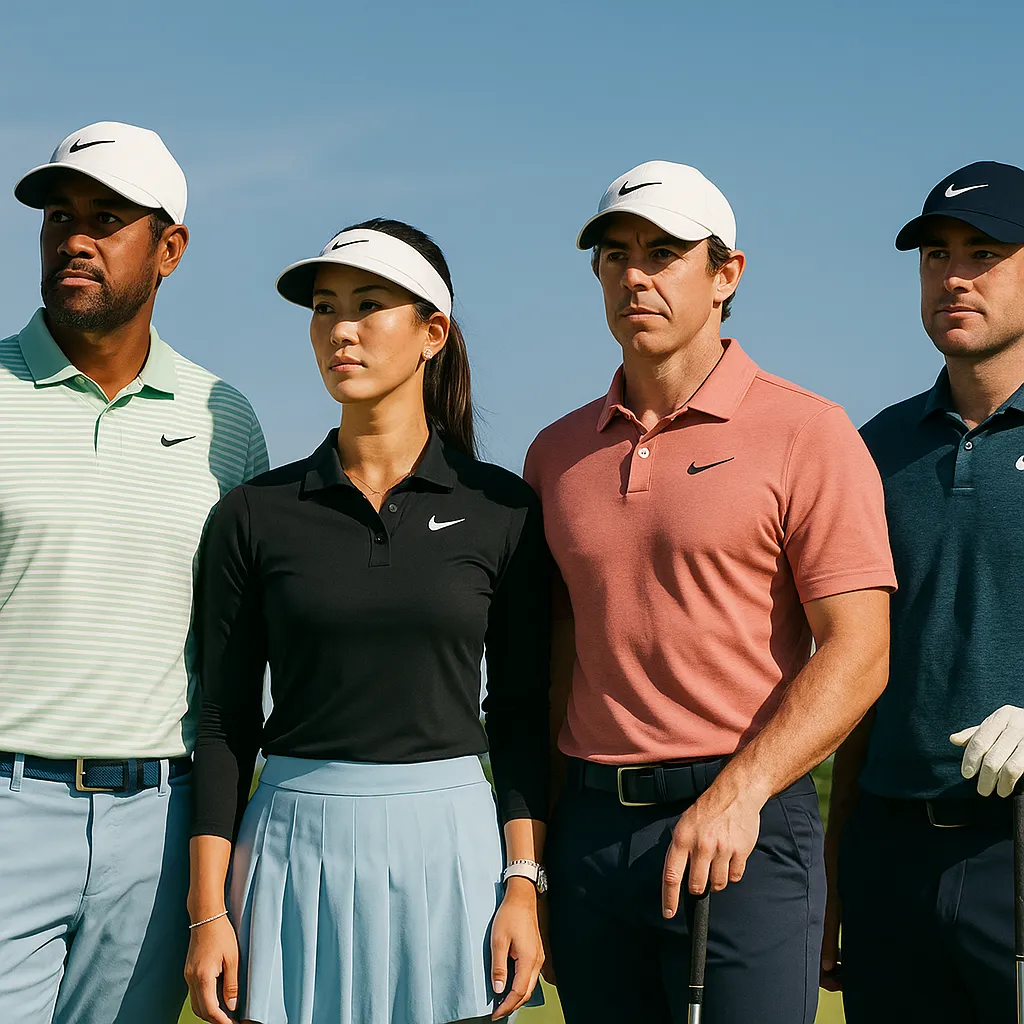

Sponsorships influence not just what golfers wear, but how fans perceive top athletes. Many brand owners like you wonder how Nike selects and supports its athletes—and how to build something similar.
These 10 Nike-sponsored golfers offer insight into how athlete partnerships work, and how smart clothing choices can build trust, visibility, and value for your brand.
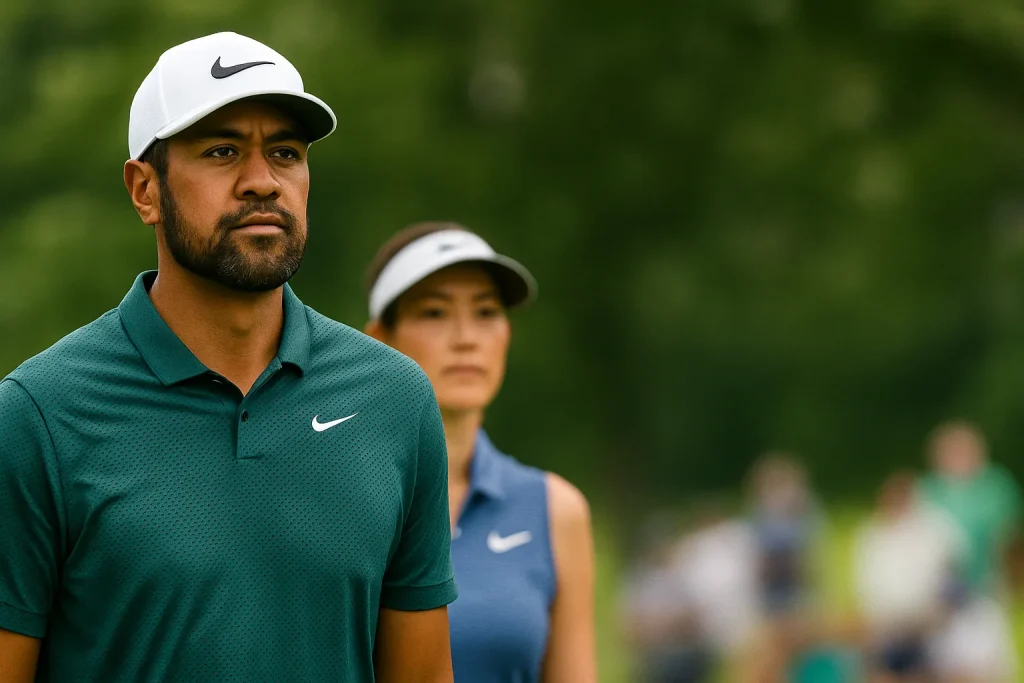
If you’re creating your own clothing line or want to co-brand with influencers, knowing what Nike does with its athletes gives you a real advantage.
Rory McIlroy — How did Nike turn him into a brand icon?
Rory’s long-term contract with Nike is legendary. His visibility on and off the course is no accident.
Nike signed McIlroy in 2013 to a deal reportedly worth up to $250 million. They used him to lead their golf identity after Tiger Woods.

Why it matters for your brand:
- Rory’s style is consistent: shirts, caps, shoes all match the brand.
- His image is clean, premium, and global—just like many brand owners want for their own apparel line.
- Nike focuses on quality fits, bold color drops, and iconic accessories to build his athlete profile.
| Strategy | What You Can Learn |
|---|---|
| Long-term commitment | Work with ambassadors who believe in your products |
| Consistent branding | Ensure your clothing line looks unified and premium |
| Lifestyle marketing | Promote beyond sports—on social media, events, and interviews |
Tony Finau — Can mid-tier stars still shine with Nike?
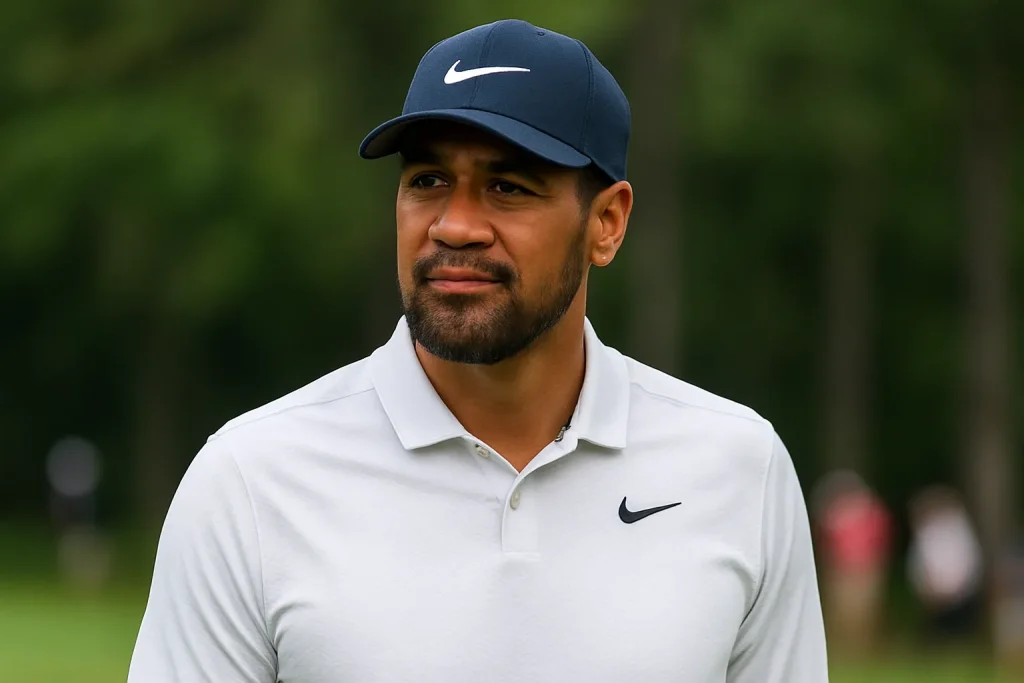
Yes. Nike backs Finau not just for wins but consistency and authenticity.
Finau reportedly earns $5–6 million a year from Nike. He’s seen as relatable and steady, making him an ideal mid-market ambassador.
Key takeaways:
- You don’t need a world #1 to sell.
- Nike emphasizes personal stories and family values in Finau’s promotion.
- His clothing is always performance-first, with relaxed fits and cooling fabrics.
If you’re targeting sportswear customers who value trust over hype, model your apparel approach on Finau’s wardrobe—clean, functional, and quietly stylish.
Michelle Wie West — What does women’s representation look like in Nike Golf?
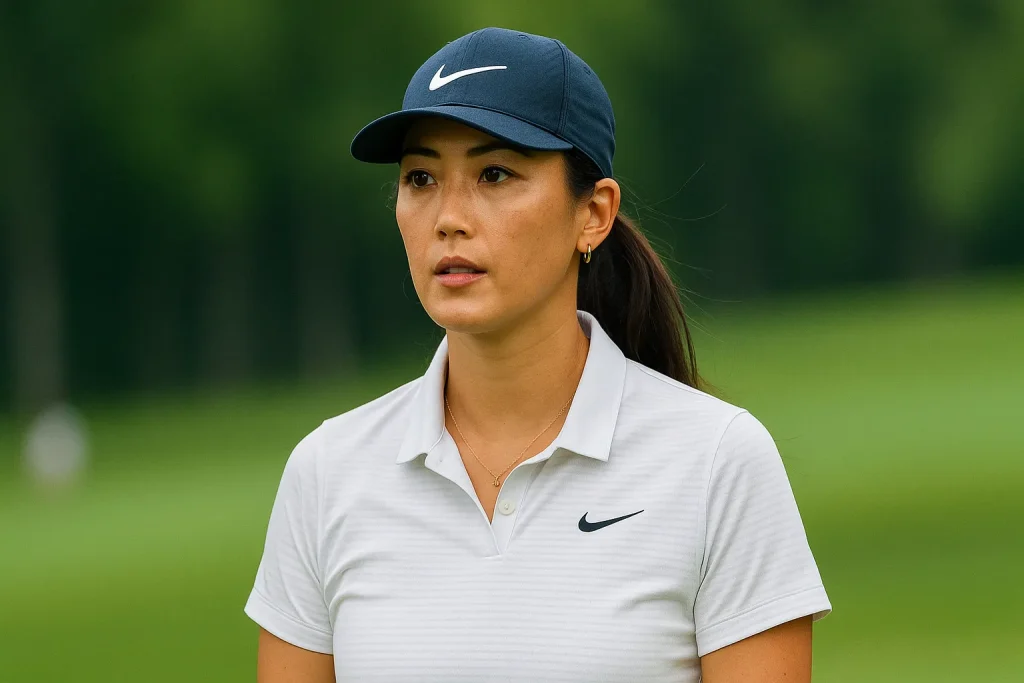
Michelle Wie signed with Nike as a teenager, showing their long-term focus on talent.
Her early deals were worth around $10 million annually. Even after retiring from full-time golf, she remains a brand presence.
If you’re designing for women:
- Learn from Wie’s mix of sporty and feminine cuts.
- Nike promotes confidence and movement—not just looks.
- Collaborate with women who stand for something bigger than sports.
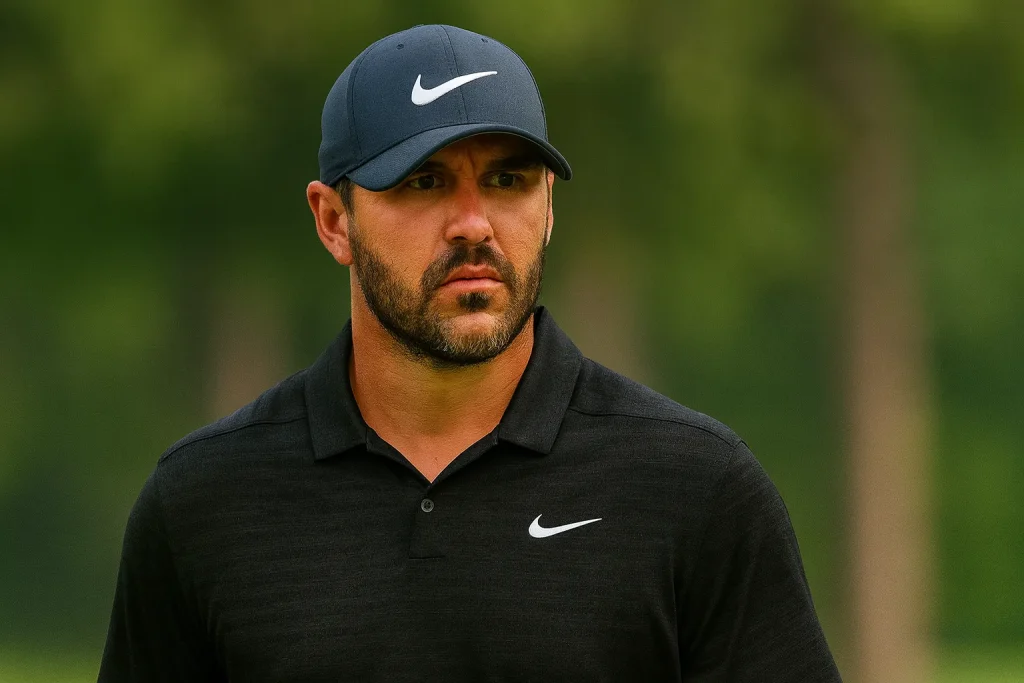
Brooks Koepka — What does a bold Nike athlete look like?
Brooks is edgy, intense, and direct—Nike designs his apparel to reflect that.
He stayed with Nike apparel even while joining LIV Golf, keeping the brand’s name in newer golf spaces.
Take inspiration:
- Modern athletes want to express attitude through fashion.
- Use monochrome looks, sharp lines, and strong materials.
- Don’t be afraid of loud prints—just make sure they match the wearer’s voice.
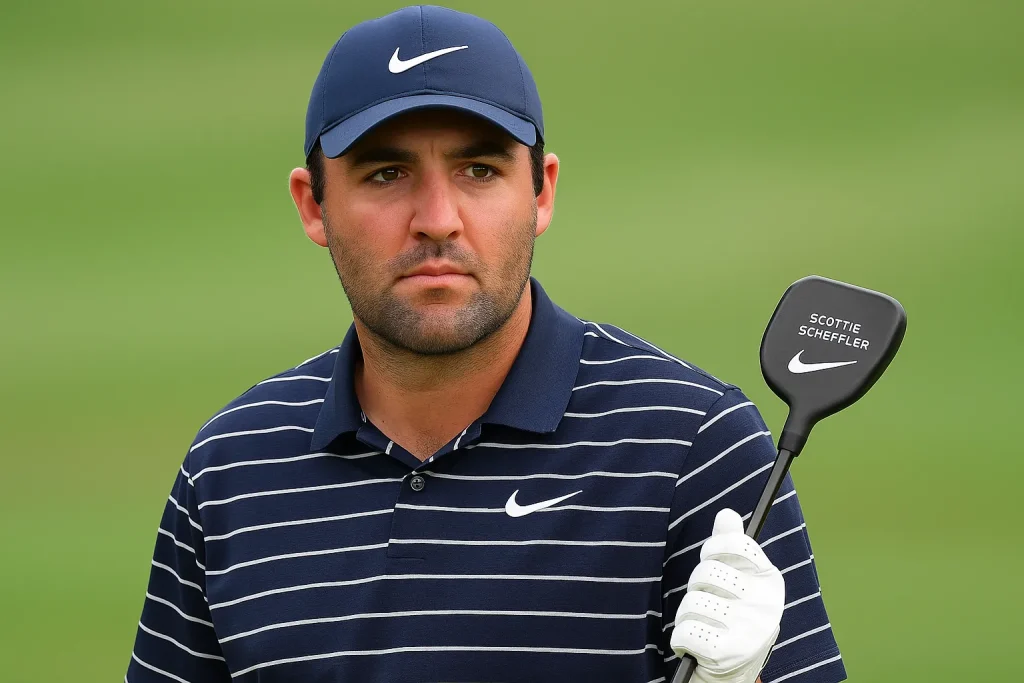
Scottie Scheffler — Can current form boost a clothing brand?
Scottie Scheffler’s rapid rise has helped Nike stay current.
His recent endorsements include product feedback roles, such as helping design the Victory Pro 4 shoe.
Apparel notes:
- Comfort, breathability, and precision tailoring are key.
- Use pro athletes to co-create and promote your collection.
- Tech fabrics + modern silhouettes = long-term success.
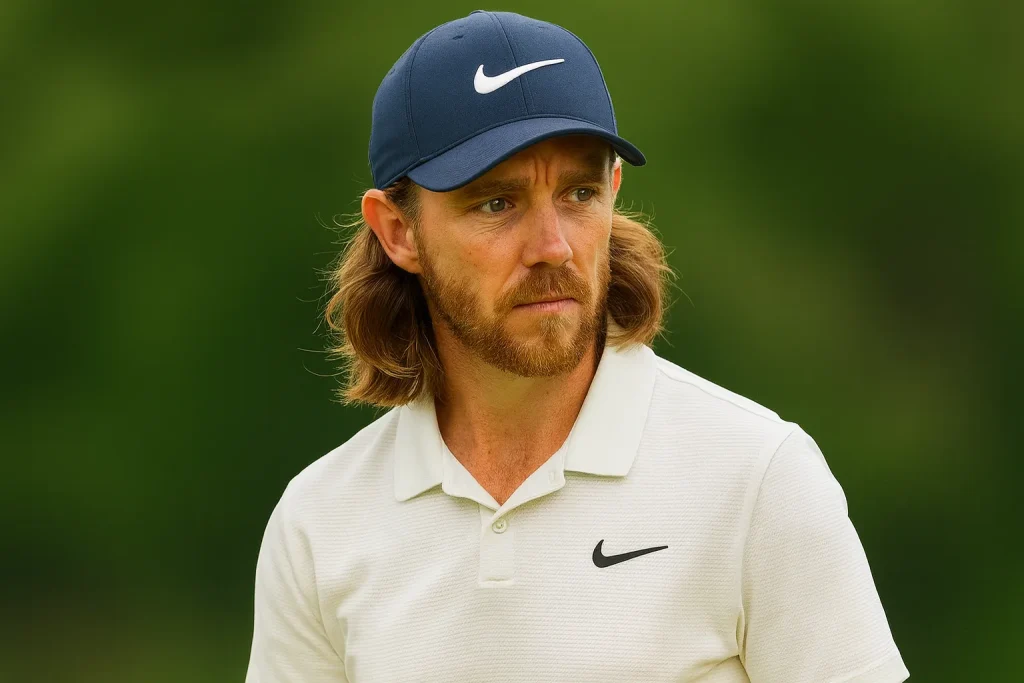
Tommy Fleetwood — How can European athletes help global branding?
Fleetwood has become a face of Nike Golf in Europe.
He’s known for his signature look—long hair, fitted polos, and clean tones.
For brands targeting EU/UK:
- Local faces build trust faster than global celebs.
- Style and tradition matter—think details like collars, cuffs, and tailoring.
- Use regional ambassadors to reflect your clothing culture.
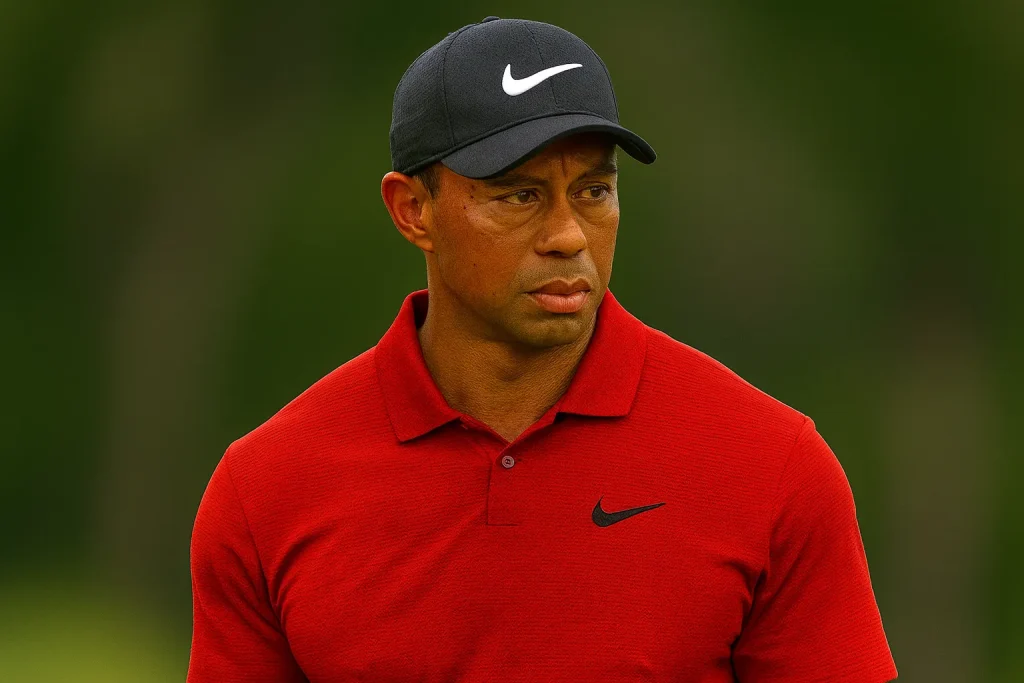
Tiger Woods — Is legacy branding still relevant?
Even though Tiger ended his 27-year Nike deal in 2024, he defined what Nike Golf meant.
His image, shoes, and red-Sunday look were key branding elements.
What to apply:
- Create signature looks for your ambassadors.
- Build campaigns around colors, not just logos.
- Longevity builds legacy—don’t switch ambassadors too fast.
Jason Day — Are short-term contracts useful?
Day’s 2017 Nike deal lasted a few years and was apparel-only.
Reported earnings were around $10 million a year.

Use case for short-term deals:
- Good for seasonal collections or re-launches.
- Use athletes during their peak exposure.
- Keep designs fresh by rotating influencers.
Tom Kim — Should brands invest in rising stars?
Nike believes so. They support Tom Kim and other young talents.
He’s part of Nike’s new wave strategy, focusing on youth engagement.
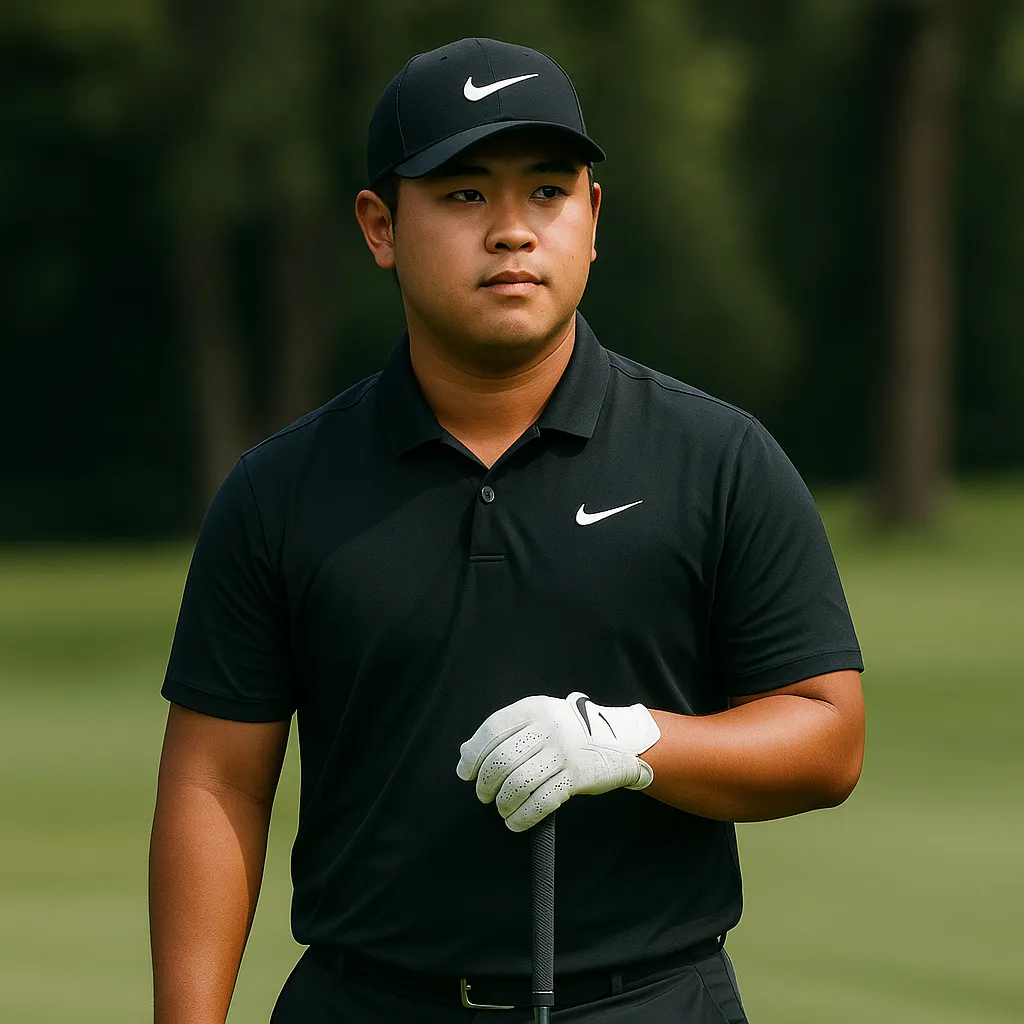
Advice for your brand:
- Sign early. Build loyalty.
- Work with college athletes or junior tour stars.
- Let younger players shape the style of their generation.
Nelly Korda — Can female athletes lead golf fashion?
Yes. Korda is now Nike’s face in women’s golf.
She mixes sleek dresses with active gear, appealing to both casual and athletic markets.
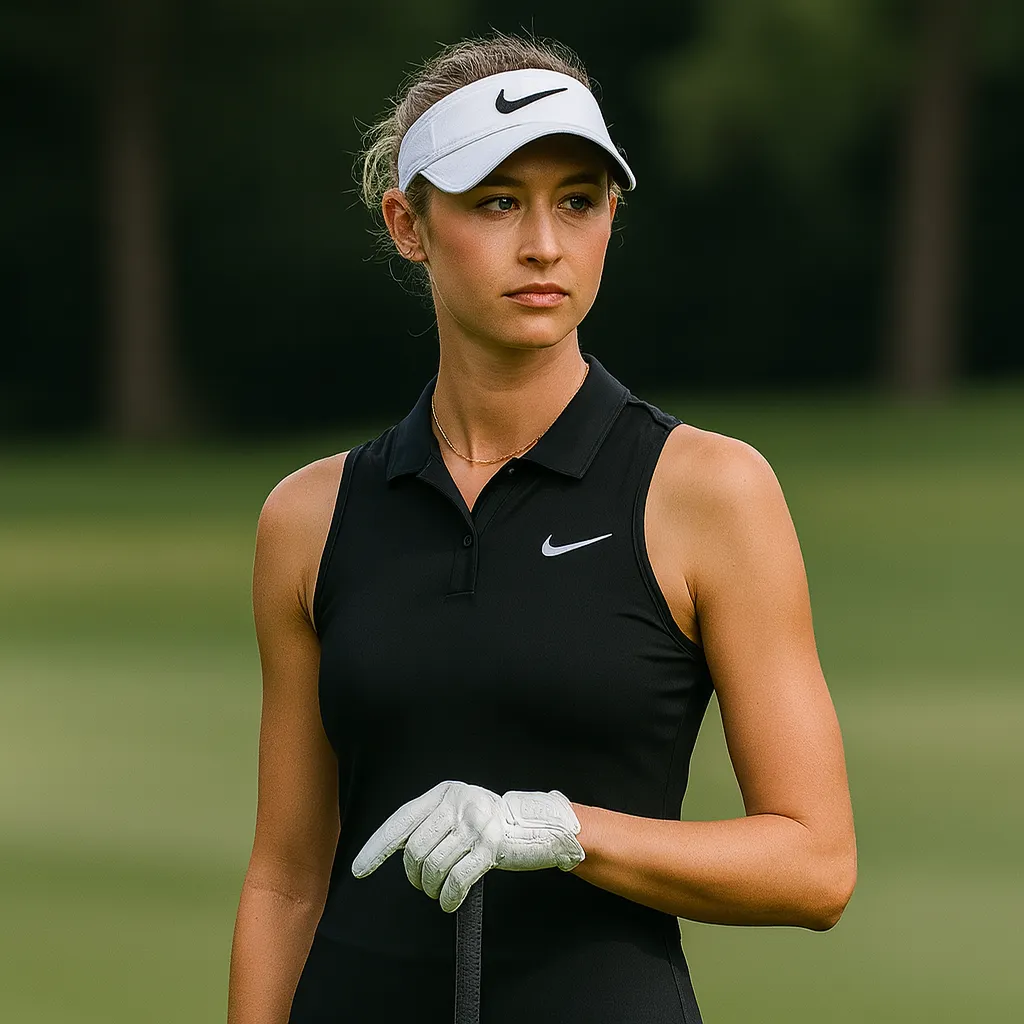
Trend-forward lessons:
- Women’s collections should have multiple fit types.
- Offer activewear that transitions to lifestyle.
- Celebrate athletes who redefine traditional looks.
Conclusion
Nike Golf’s top athletes prove the power of style and partnerships. If you want to build your own brand’s voice in golf or sportswear, learn from these strategies—and partner with the right ambassadors to grow.
Want to create your own golf or sportswear line? At Truekung, we specialize in OEM/ODM fashion manufacturing, including activewear, golf apparel, and influencer collections. Let’s build something impactful together.
Contact: Lancy Chia | [email protected] | truekung.com
Views: 1041