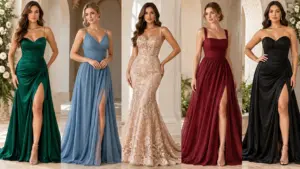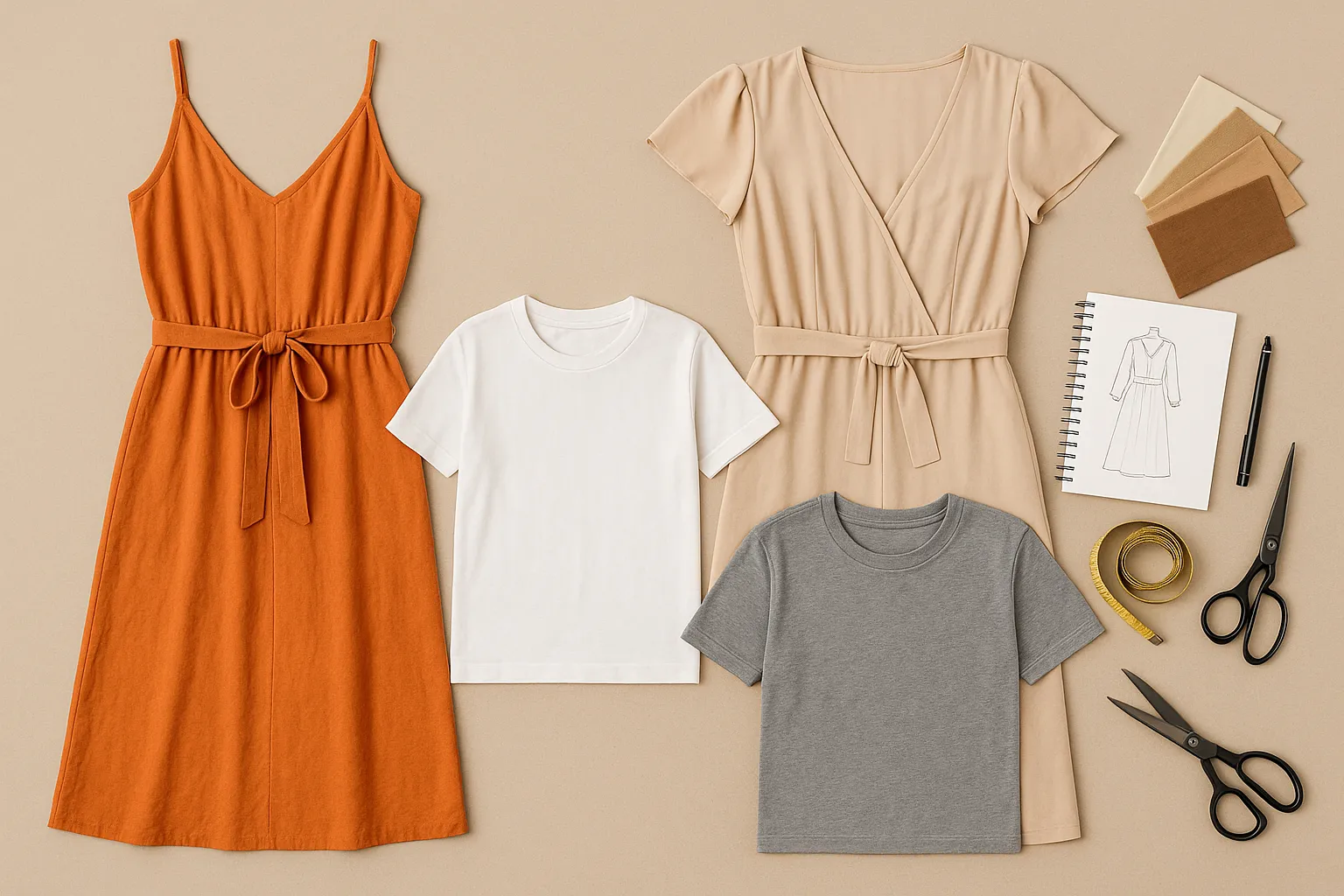

Struggling to choose between OEM and ODM for your fashion brand? You’re not alone. Knowing the difference can save you time, money, and avoid costly production mistakes.
OEM (Original Equipment Manufacturer) lets you control design and branding, while ODM (Original Design Manufacturer) provides ready-made designs you can label and sell as your own.
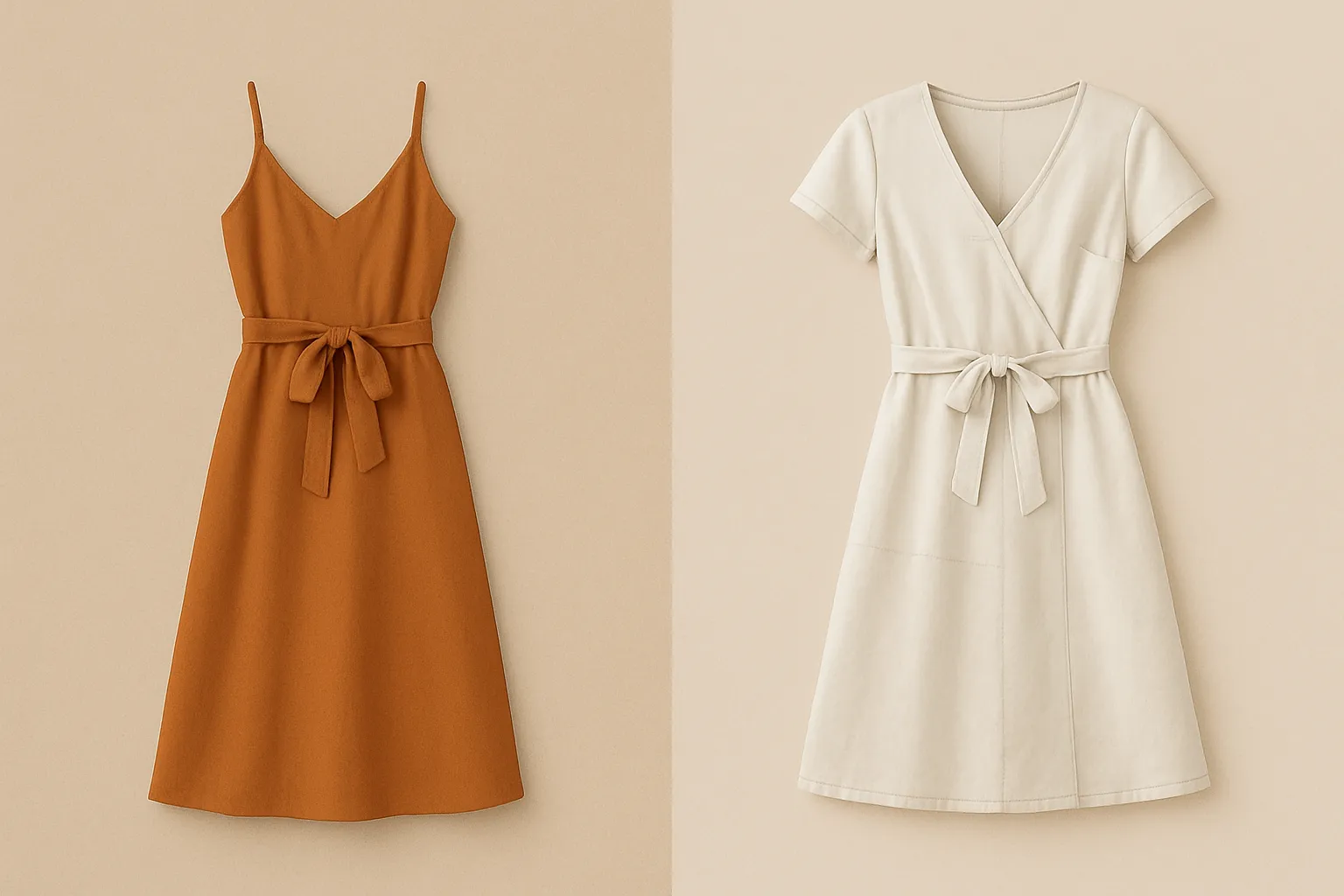
When I first started sourcing from China, I didn’t fully understand the difference between OEM and ODM. I thought they were basically the same. But over time, I learned that choosing the right model made a big impact on cost, speed, and customization. Let’s break it down together.
What is OEM and how does it work?
OEM means you provide the design and specifications, and the factory produces it.
With OEM, you control the product concept, and the factory handles the production based on your design and tech pack.
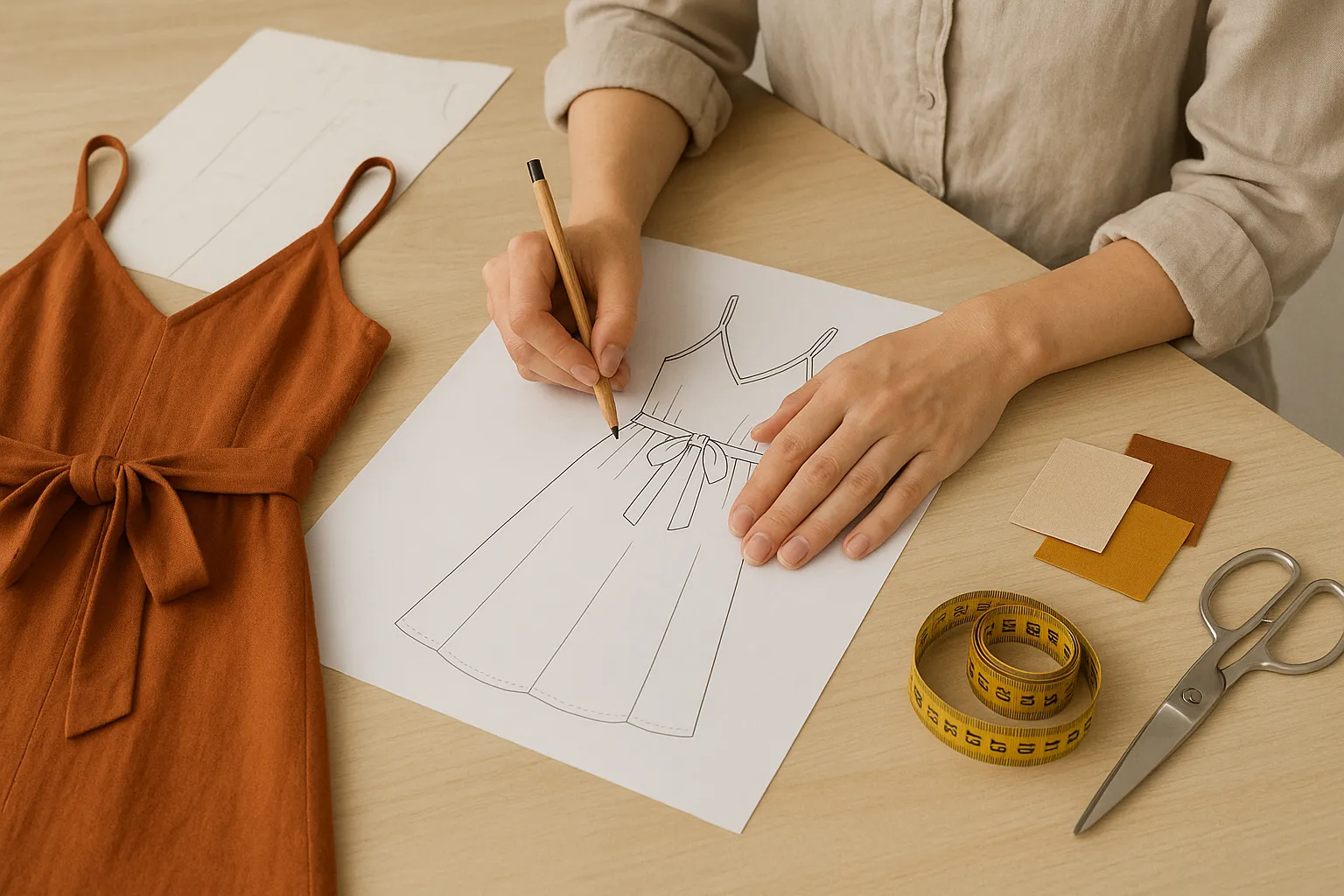
OEM is ideal when you have a unique brand identity and want your own custom products. I’ve worked with many clients who send us detailed sketches, fabric choices, and even sample garments. Our job is to turn their ideas into final products. This model gives full creative control. But it also needs time and experience. Mistakes in the design can lead to delays or defects, and the factory is not responsible for the design issues.
OEM Key Features
| Feature | Description |
|---|---|
| Product Design | Provided by the client |
| Branding | Full client branding on products |
| Flexibility | High, but depends on clear specifications |
| Cost | Higher, due to custom development |
| Lead Time | Longer, especially for first-time orders |
OEM is best for brands with strong design capabilities. But if you’re short on time or lack a design team, it might not be the best choice.
What is ODM and when should you use it?
ODM means the factory already has a ready-made design, and you just choose and brand it.
ODM saves time and costs by offering pre-designed products that can be customized with your label.
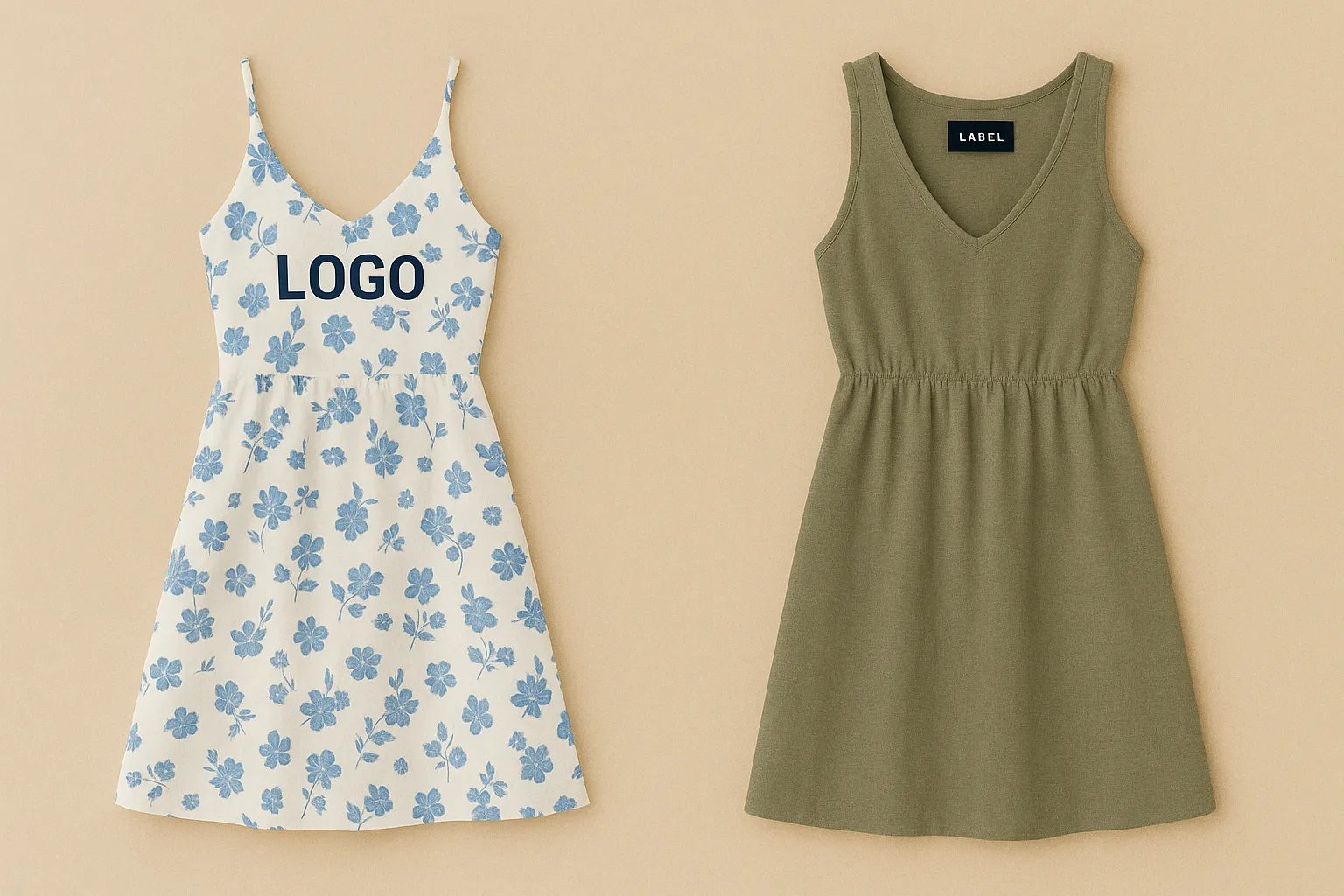
Many new buyers I meet love ODM. They don’t have to worry about pattern making or fabric sourcing. They can just select styles from our existing catalogue, maybe change some colors or trims, and then label them under their brand. This speeds up the production process and lowers the MOQ (minimum order quantity). But the trade-off is you might see similar styles in the market, especially if you’re working with popular factories.
ODM Key Features
| Feature | Description |
|---|---|
| Product Design | Provided by the factory |
| Branding | Customizable with buyer’s label |
| Flexibility | Medium, depending on the factory |
| Cost | Lower, because of ready-made templates |
| Lead Time | Faster, often only a few weeks |
ODM is great for seasonal trends or testing new markets. If your brand is growing and you want fast turnaround, this model makes sense.
Which model should fashion buyers choose?
This depends on your brand strategy, budget, and timeline.
If you want full control and unique designs, go with OEM. If you need speed and low risk, try ODM.
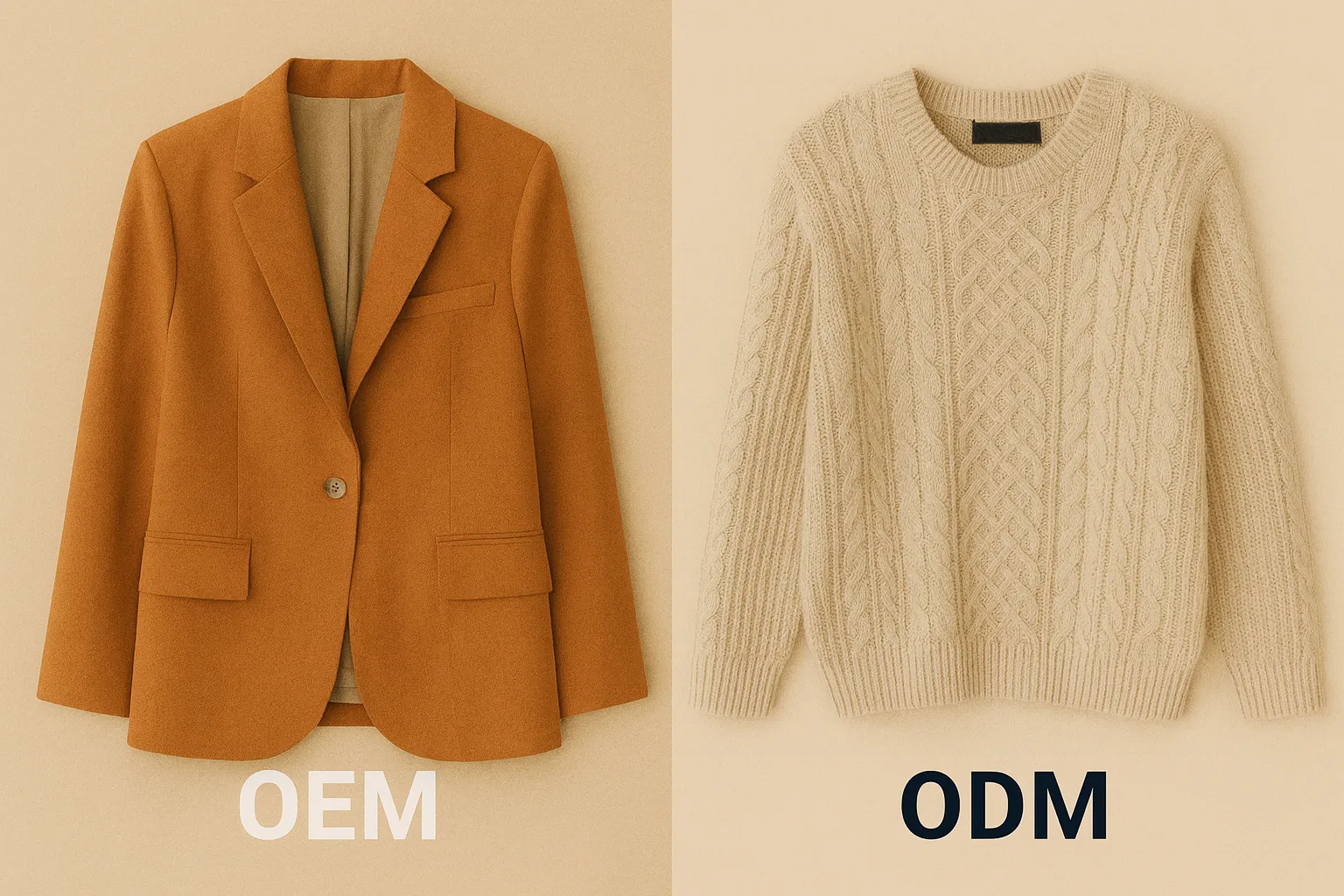
Personally, I recommend new brands or first-time buyers start with ODM. It reduces the learning curve. Once you build more experience and confidence, you can slowly move to OEM for your key pieces. For example, one of our Russian clients started with ODM for fast-moving styles, and once her sales stabilized, she developed her own dress collection using OEM. It worked well because she already knew what her customers wanted.
Quick Comparison Table
| Factor | OEM | ODM |
|---|---|---|
| Design Control | Full (you provide designs) | Limited (factory provides designs) |
| Speed | Slower | Faster |
| Cost | Higher | Lower |
| Risk | More on buyer | Shared with factory |
| Ideal For | Established brands | Startups or trend testing |
Understanding both models helps you avoid common mistakes. Don’t just focus on price. Think about your long-term brand identity and how each model fits into it.
Conclusion
Choosing between OEM and ODM depends on your brand’s goals. Use ODM for speed, OEM for control—and don’t mix them up.
Views: 498