When you want your design on a shirt, the minimum order can be a make-or-break factor. (Problem)
You worry: “Can I just order one shirt with my logo?” (Agitation)
In this post, I’ll explain what affects minimums, typical numbers, and how to get around limits. (Solution)
In short: the minimum order depends on the printing method and the supplier. Many places using DTG or heat transfer let you order a single shirt. More traditional methods like screen printing often require 10–25 pieces or more.
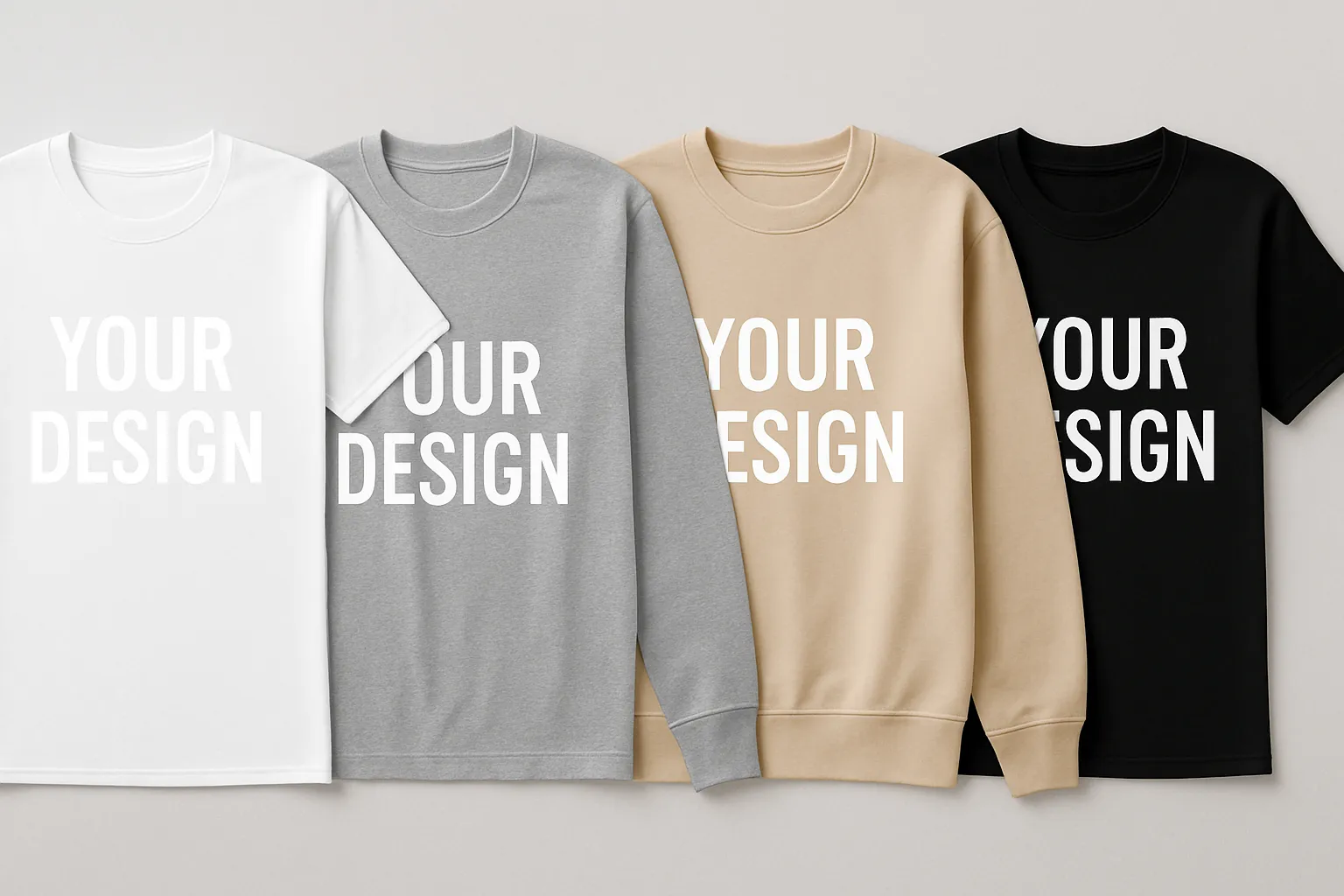
Let’s dig deeper so you know your options and can choose a supplier that fits your needs.
Why Do Printers Impose Minimum Orders?
Printers set a minimum order to make the job worthwhile for them.
Setup, tooling, and fixed costs need to be spread across enough units.
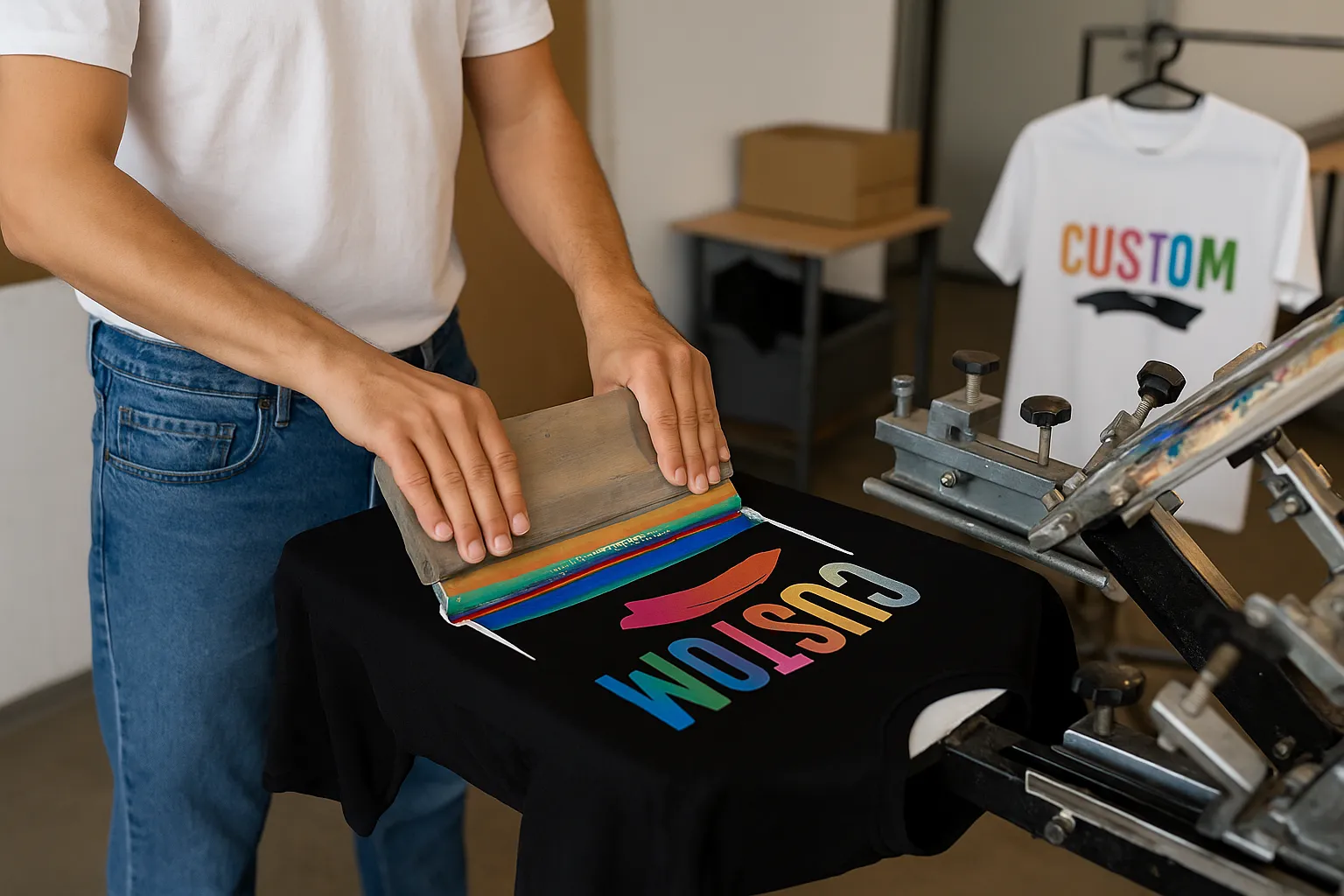
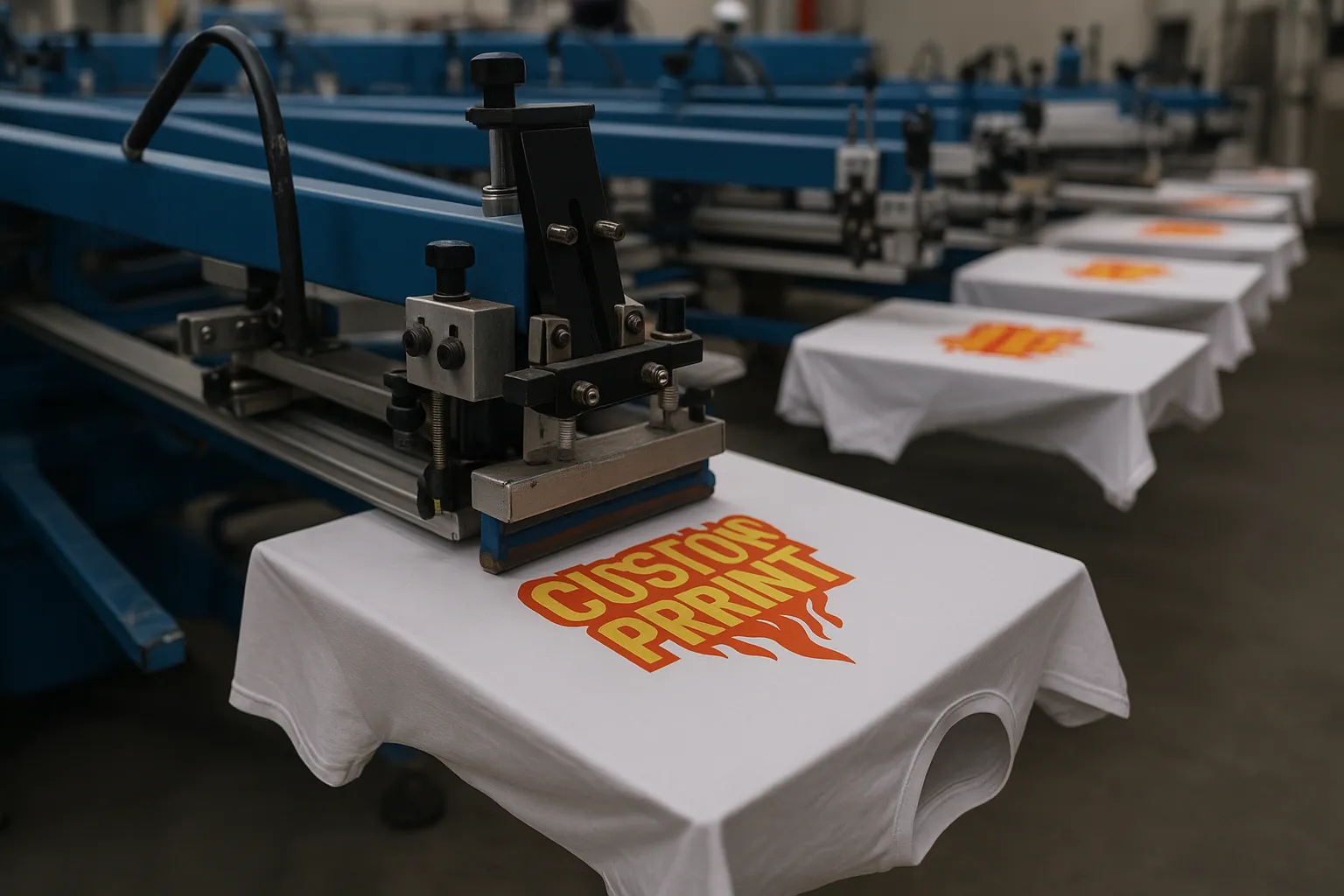
Screen printing, for instance, requires making “screens” for each color. That has labor and material costs. So a printer may say “we need at least 10 shirts” or more.
In contrast, digital methods (DTG) print directly on the fabric, so there’s less fixed setup. Some DTG services accept one shirt orders.
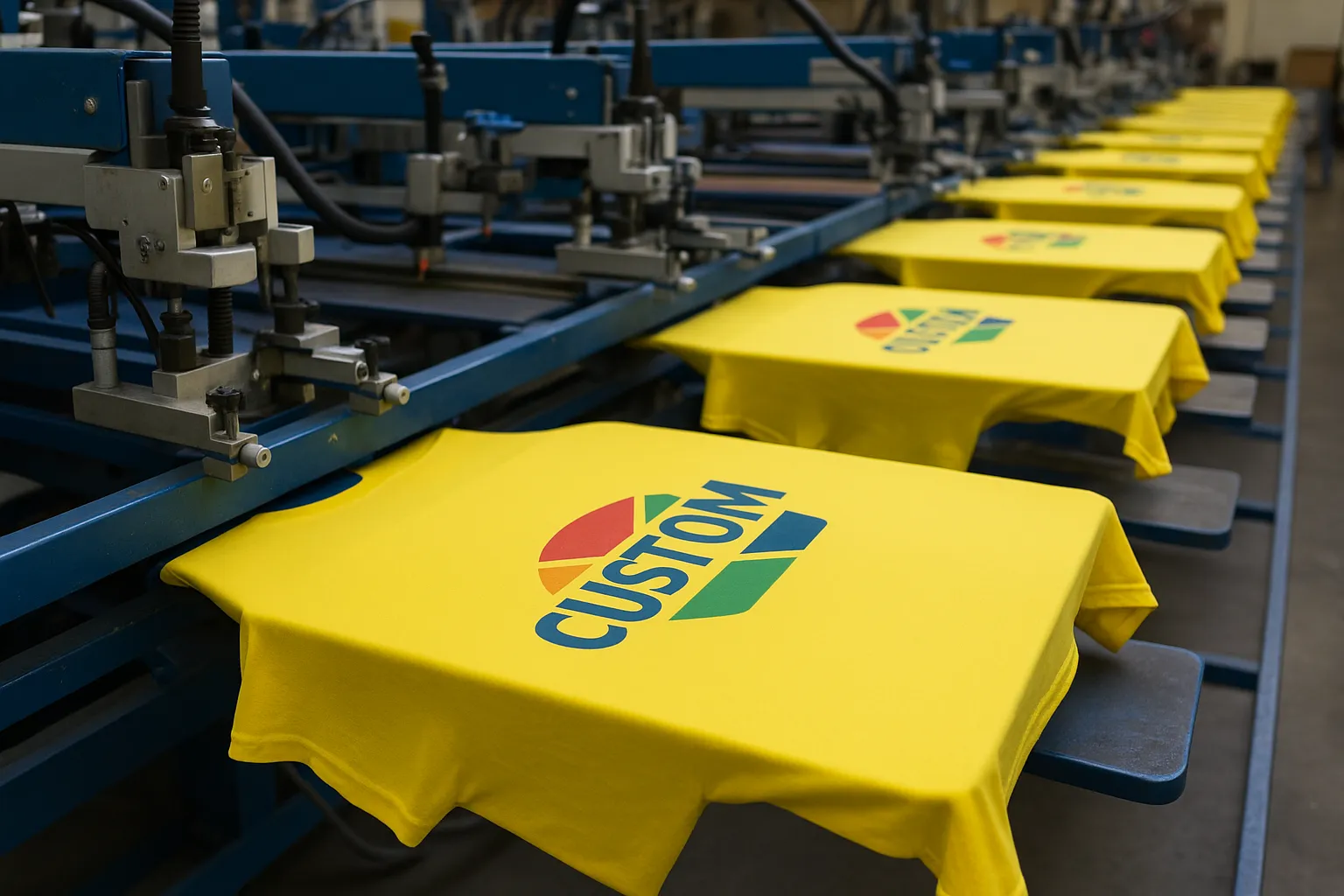
Also, many printing companies are optimized for batch work. They want to run many units at once for efficiency. If you only order one item, it interrupts their workflow and often costs more.
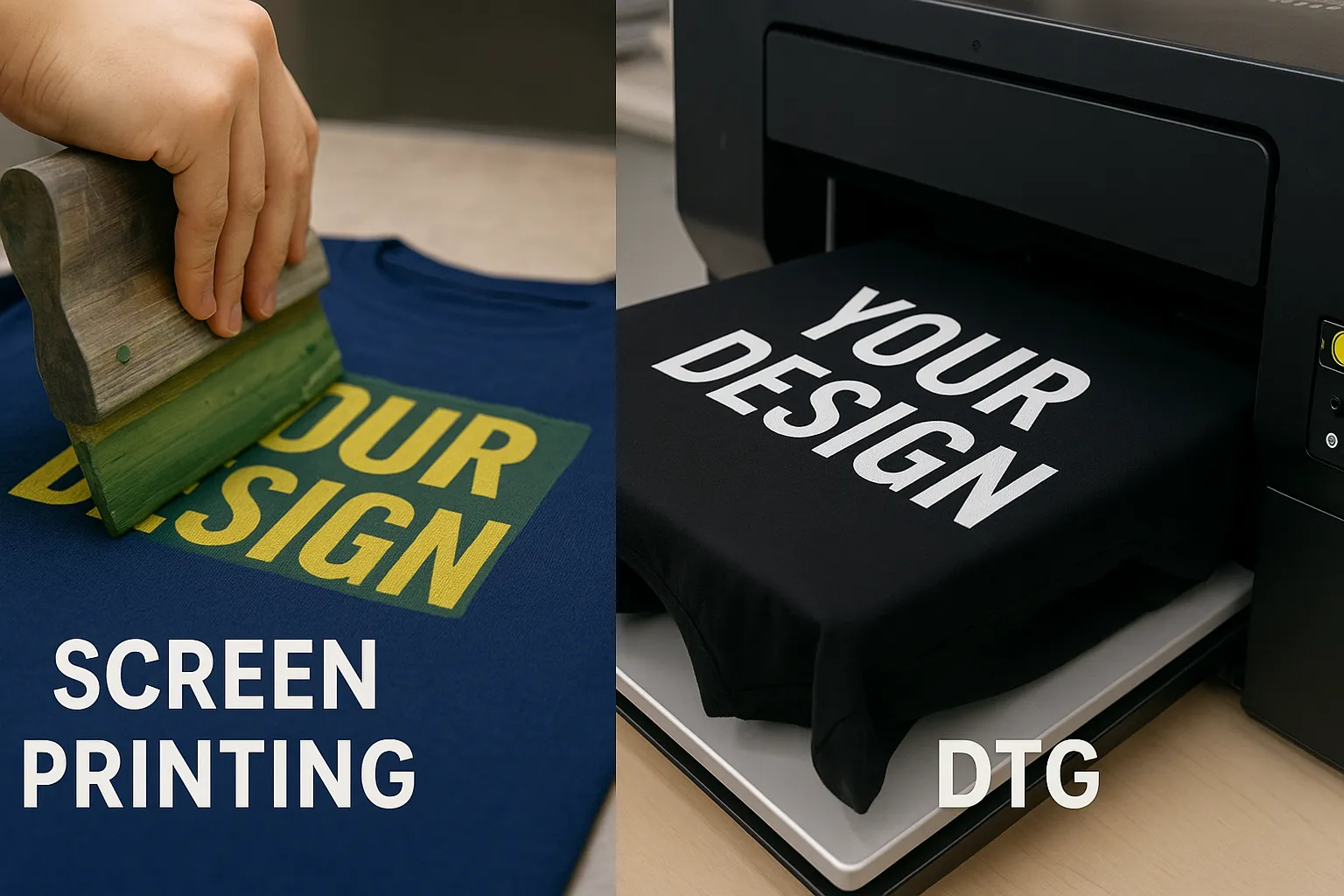
What Are Typical Minimums by Printing Method?
Let me break down how different printing methods handle minimums, and what you can expect.
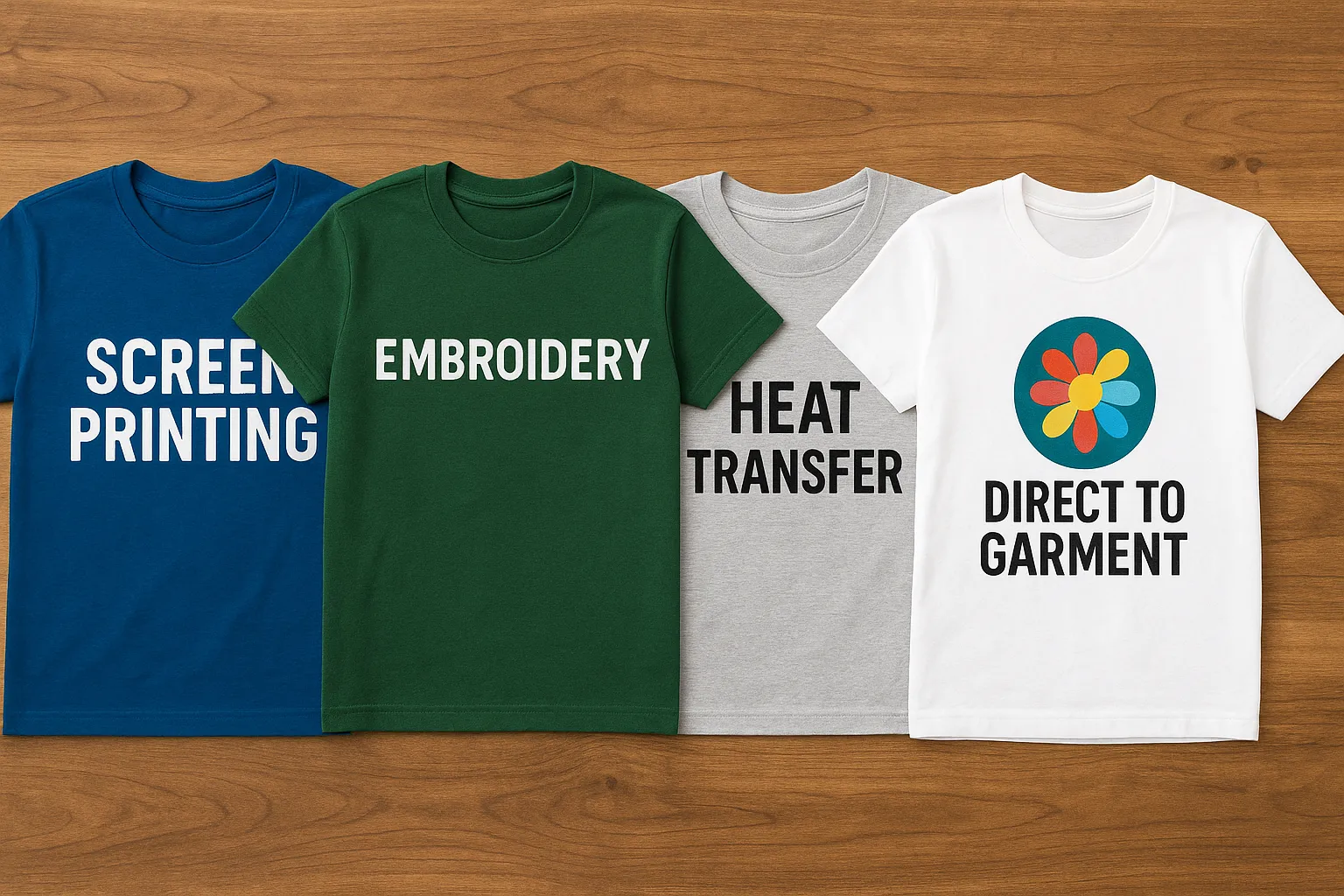
| Printing Method | Typical Minimum Order | Why That Minimum | Best Use Case |
|---|---|---|---|
| Screen Printing | 10–25 pieces (or more) | Needs screen setup per color and ink mixing overhead | Bulk orders, team shirts, urban sales |
| Direct to Garment (DTG) | 1 piece (no minimum) | Little setup, prints like an inkjet printer | Customized, small runs, proof shirts |
| Heat Transfer / Vinyl | 1 or small number | Cutting or pressing is easier to scale down | Small batches, specialty colors |
| Sublimation | Varies (depends on blank costs) | Needs special blanks and tooling | All-over prints, polyester garments |
From Modaknits’ guide:
- Their view: screen printing often needs 10–25 shirts for simple single-color jobs.
- DTG printing is more flexible and “generally has no minimum order requirements,” letting you print one shirt if desired.
So if your goal is “custom t shirts with no minimum order,” look for suppliers using DTG or heat transfer.
When There Is No Minimum — How That Works?
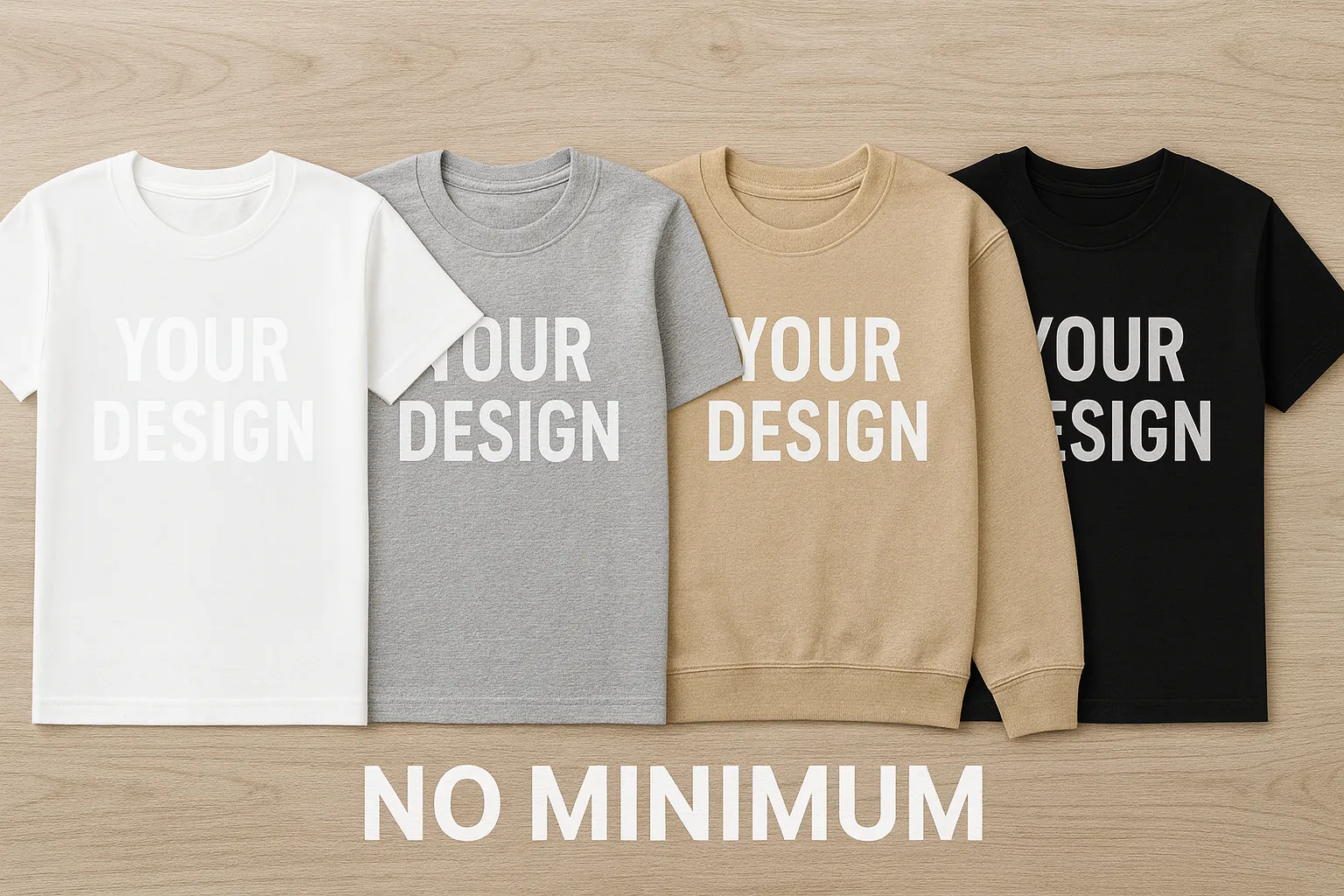
You may stumble on services that advertise “no minimum custom shirt orders” or “custom t shirts no minimum.” That’s often possible via:
- On-demand printing platforms (you order one shirt when someone orders).
- Digital methods that sidestep fixed tooling.
- Suppliers willing to absorb small-order costs as part of a broader business model.
These let you order one custom shirt or a few units. But remember: the unit price will probably be higher.
Also, not all garment types or printing styles work this way. For example, if you want metallic inks, specialty finishes, or full wrap prints, even “no minimum” services might impose rules.
How Quantity Affects Cost Per Shirt?
A core rule: the more you order, the lower your cost per unit tends to be.
- Small orders (1–5 shirts): high per-shirt cost
- Medium orders (10–50 shirts): moderate cost
- Large orders (100+): lowest cost per unit
You pay extra for setup, ink changes, and labor when ordering small.
Shipping and logistics cost per shirt is also higher when orders are small.
So even if you can order one shirt, it might cost 2–5x more per shirt than ordering in bulk.
Strategies to Order Small Quantity Without Paying Too Much?
You don’t always need 200 pieces to get good value. Here are tricks I’ve used:
- Use DTG / on-demand services for prototyping or small runs.
- Bundle orders — combine designs or styles in the same order if possible.
- Negotiate minimums — some manufacturers will lower their minimums if they see long-term potential.
- Accept simple designs — more colors, gradients, or effects increase cost and may force higher minimums.
- Start local — small local print shops may have more flexibility.
- Limit setups — use the same ink colors or print location to reduce changes.
These strategies help you do small batch custom shirts, custom long sleeve shirts no minimum, or even custom sweaters without paying astronomical per-shirt costs.
How to Find Printers That Support No Minimum Orders?
When you search for “t shirt making near me” or “shirt printing no minimum order,” check for these signs:
- They advertise “no minimum,” “small quantity custom shirts,” or “order one custom shirt.”
- They use DTG, heat transfer or digital printing.
- They show a price for a single unit.
- They have a setup fee structure separate from unit cost.
Also ask: can you do custom baseball hats, custom apparel inc, or personalized t shirts no minimum order? Because not all garment types are equally easy for small orders.
When contacting them, mention your design specifics (number of colors, print size, garment type) and ask:
- What’s your minimum?
- What’s the setup fee?
- What’s unit cost for 1, 5, 10, 20?
That way you can compare real offers instead of vague claims.
My Experience: Making a One-Off Shirt
When I first tried to launch a small brand, I only needed five shirts as samples. Many screen printers pushed back, saying “our minimum is 20.” One local shop agreed to do five, but doubled the price.
Then I found a DTG provider that would print just one shirt, even with gradients and photographic details. The price per shirt was high, but it let me validate my design and sell a test batch. After that, I moved to a screen printer for larger runs.
This two-step approach (prototype via no-minimum service, then bulk) saved me money and risk.

Conclusion
You can get custom printed shirts with no minimum order, especially using DTG or heat transfer. But traditional methods like screen printing often require 10–25 pieces or more.
If you want small quantity custom shirts, search for suppliers who advertise no minimums, ask about setup fees, and be prepared for higher unit costs on low quantities.
Views: 136