
The Truth About MOQ: Why Do Suppliers Always Ask for Minimum Order Quantities?
When sourcing clothing from factories, you always hit the MOQ wall. It seems rigid, frustrating, and sometimes even unreasonable. But is it?
MOQ stands for Minimum Order Quantity. It is the lowest number of units a supplier is willing to produce in one order. MOQ protects suppliers from losses and keeps production efficient.

From the buyer’s side, MOQ may feel like an obstacle. From the factory‘s side, it’s a formula for survival. Understanding why MOQ exists can help us plan smarter, negotiate better, and avoid costly miscommunication.
What exactly is MOQ and how is it calculated?
Many buyers think MOQ is just a random number, but it’s actually the result of math, materials, and manufacturing logic.
MOQ is calculated based on the minimum raw material quantities available from upstream suppliers and the factory’s production efficiency threshold.
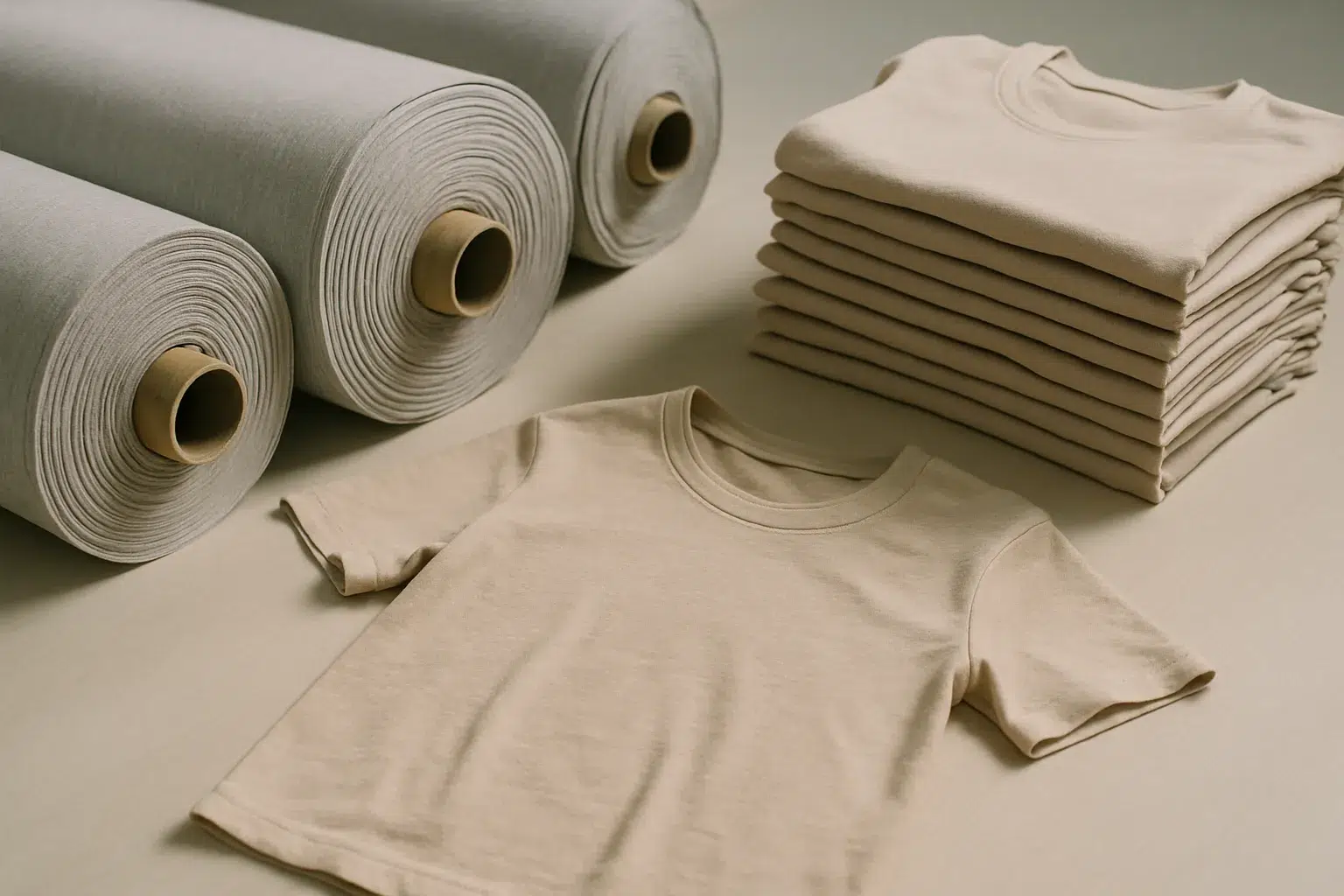
To give an example: suppose we want to produce a simple cotton T-shirt. Each shirt needs about 1.2 meters of fabric. But fabric suppliers usually sell by the roll, and one roll might contain 100 meters. This means we must buy at least 1 roll, which can make around 83 pieces. If we only need 30 shirts, the leftover fabric is wasted.
Now think about production. Cutting machines and sewing lines are designed for speed. Factories schedule work by batches. If the batch is too small, the machines still need setup time, workers still need to adjust, and efficiency drops. In some cases, it’s impossible to schedule a tiny order without delaying other large ones. This is where the MOQ starts.
Here is a simple breakdown:
| Element | MOQ Influence |
|---|---|
| Fabric purchase | Minimum 1 roll per color |
| Trims (buttons, zips) | Often sold in bulk (e.g. 1,000 units) |
| Print/embroidery | Minimum setup costs apply |
| Production workflow | Small runs disrupt scheduling |
| Quality inspection | Cost per piece increases if quantity low |
Who Decides The MOQ In Garment Production?
What happens if we ignore MOQ and insist on small orders?
It might seem smart to test the market with small orders, but sometimes this backfires badly.
Small orders lead to higher costs, longer lead times, and poor supplier relationships. MOQ exists to keep everything running smoothly.
When buyers force small orders, suppliers either reject the order or raise the price significantly. They may also deprioritize the order, putting it last on the schedule. Worse, if they accept and try to squeeze it in, quality can suffer.
Here’s what usually happens with small orders:
- Suppliers buy more raw material than needed and charge the buyer.
- Production line slows down due to frequent switching.
- Fixed costs like patterns, samples, testing, and shipping are spread across fewer units, increasing per-piece costs.
- Factories may not take the order seriously.
If we insist on small batches without understanding the system, we risk burning bridges and increasing our risks.
Can MOQ be negotiated? Under what conditions?
Yes, MOQ can be flexible—but only when we understand what drives it and make smart trade-offs.
MOQ can often be reduced if we compromise on fabric choice, colors, or combine orders across styles.
For example, if you accept fabric that the factory already has in stock (leftover rolls from past orders), they may allow smaller MOQs. Or if you can group different styles using the same fabric, trims, or prints, you may hit the factory’s MOQ without committing to just one product.
Other negotiation strategies:
| Strategy | Impact on MOQ |
|---|---|
| Use available fabric/colors | Lower MOQ as no fresh rolls needed |
| Combine styles with same trims | Reaches MOQ faster |
| Accept longer lead time | Factory fits it into empty slots |
| Share material with other buyers | Split MOQ and cost |
| Offer deposit or future orders | Builds trust and willingness |
Of course, these depend on trust and transparency. The more open we are with our suppliers about plans and expectations, the more likely they are to work with us.
Conclusion
MOQ is not the enemy. It’s the balance point between factory reality and buyer needs.
Views: 177


