
Tricot fabric is a versatile textile known for its durability, flexibility, and smooth texture. It is widely used in fashion, activewear, lingerie, and industrial applications. But what makes tricot fabric special, and why is it so popular in different industries?
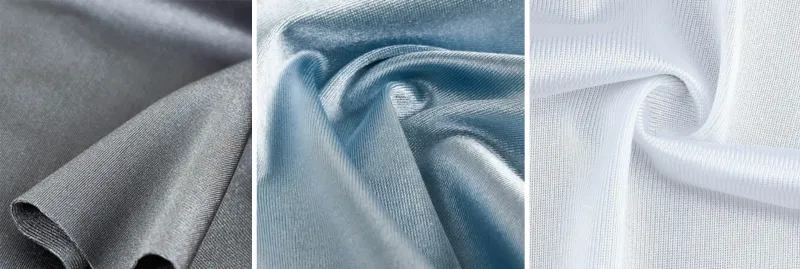
Tricot fabric is a type of warp-knit fabric that is lightweight, soft, and resilient. It has a distinctive zigzag weave pattern that makes it stretchy and durable while maintaining breathability and comfort.
To fully understand tricot fabric, we need to explore its composition, manufacturing process, types, and applications in different industries. Let’s dive deeper into the world of tricot fabric.
How Is Tricot Fabric Made?
Tricot fabric is produced using a warp knitting process, which differs from traditional weft knitting. This technique creates a zigzag pattern that runs parallel to the length of the fabric, making it stronger and more resistant to wear and tear.
Tricot fabric is made using a warp knitting process where loops are formed in a zigzag manner along the length of the fabric, creating a strong, stretchable, and smooth material.
The Warp Knitting Process
<iframe width=”560″ height=”315″ src=”https://www.youtube.com/embed/rnPjSk4ULoY” frameborder=”0″ allow=”accelerometer; autoplay; clipboard-write; encrypted-media; gyroscope; picture-in-picture” allowfullscreen></iframe>
- Warp Knitting vs. Weft Knitting: Unlike weft knitting, where yarns are looped horizontally, warp knitting aligns yarns in vertical columns. This results in a fabric with better shape retention and reduced fraying.
- Machines Used: Specialized warp knitting machines interlock yarns efficiently, producing a soft yet durable fabric.
- Common Fibers Used: Tricot fabric can be made from natural fibers like cotton or synthetic fibers such as polyester, nylon, or spandex.
Tricot Woven vs. Tricot Knit
<iframe width=”560″ height=”315″ src=”https://www.youtube.com/embed/JPaT6z18_7M” frameborder=”0″ allow=”accelerometer; autoplay; clipboard-write; encrypted-media; gyroscope; picture-in-picture” allowfullscreen></iframe>
Although the term “woven” is sometimes used to describe tricot fabric, it is technically a knit fabric. Woven fabrics are produced by interlacing two sets of yarns, while knitted fabrics involve loops of yarns interlocking.
- Tricot Knit: Has stretch, softness, and breathability.
- Tricot Woven: A misnomer, as tricot is always a knit fabric.
Types of Tricot Fabric
Different variations of tricot fabric exist, each with unique properties depending on fiber content and knit structure.
Cotton Tricot Fabric
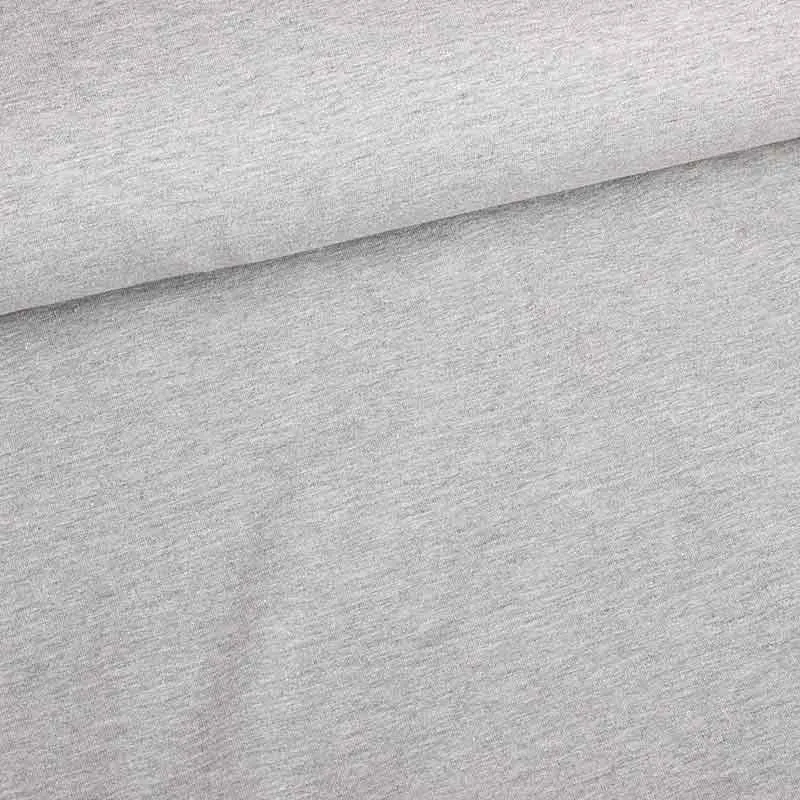
Cotton tricot is known for its natural softness and breathability.
- Characteristics: Lightweight, comfortable, and moisture-absorbent.
- Uses: Common in baby clothing, lingerie, and casual wear.
Nylon Tricot Fabric
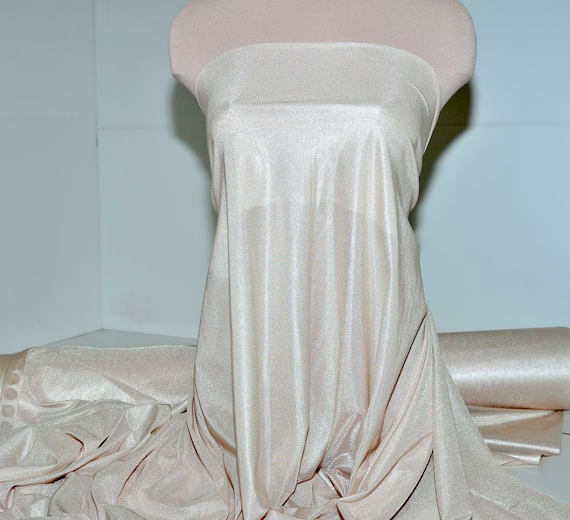
Nylon tricot is one of the most popular types due to its durability and elasticity.
- Characteristics: Smooth texture, high resilience, and excellent stretch.
- Uses: Ideal for lingerie, swimwear, and activewear.
Poly Tricot Fabric
Polyester-based tricot fabric offers resistance to wrinkles and shrinkage.
- Characteristics: Quick-drying, strong, and lightweight.
- Uses: Frequently used in sportswear, outerwear, and industrial applications.
Knit Tricot Fabric
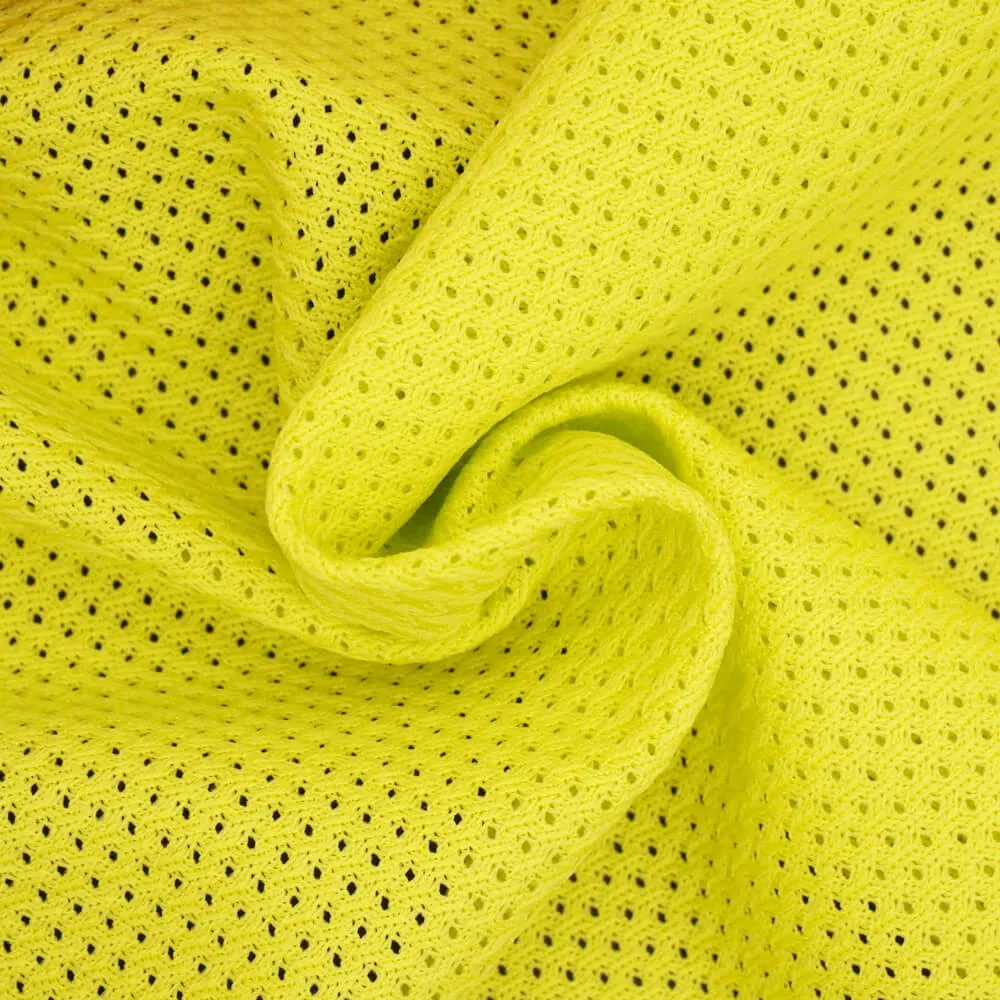
Tricot fabric’s knitting structure gives it unique flexibility and strength.
- Characteristics: Two-way or four-way stretch, enhanced durability.
- Uses: Common in leggings, tights, and compression garments.
Applications of Tricot Fabric in Fashion
Tricot Clothing
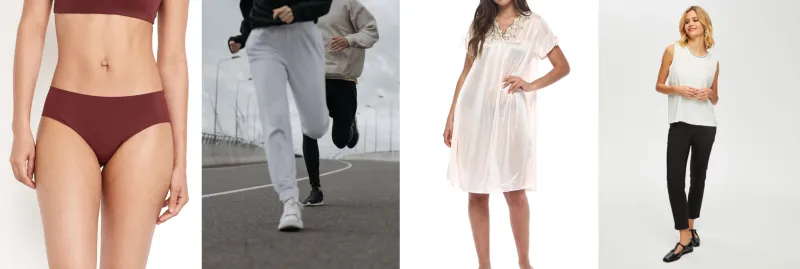
Tricot fabric is extensively used in the fashion industry for its flexibility and comfort.
- Lingerie & Undergarments: Soft texture and breathability make it ideal for lingerie.
- Sportswear & Activewear: Stretch properties enhance mobility.
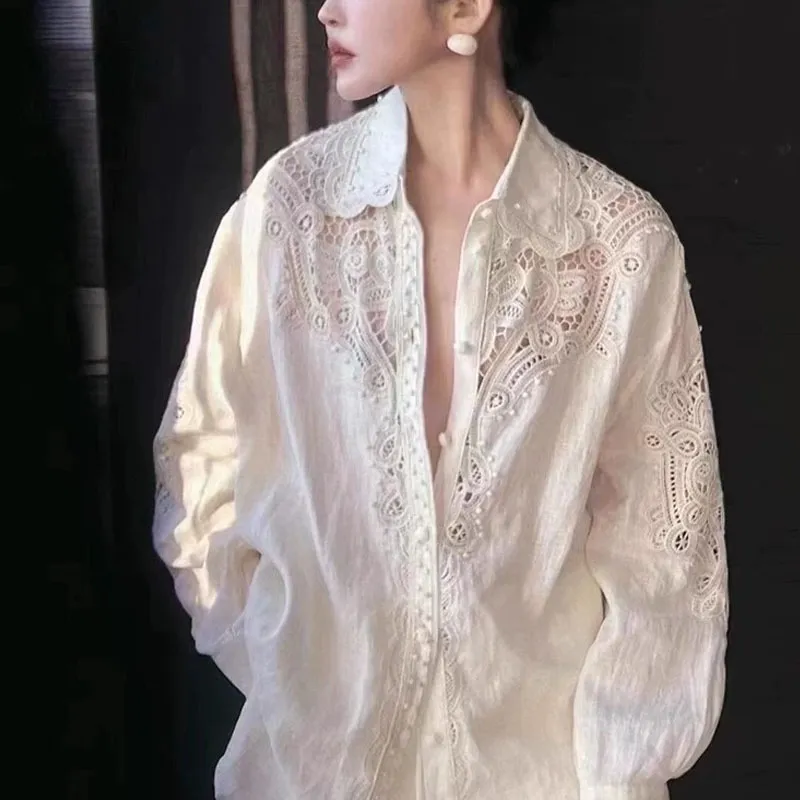
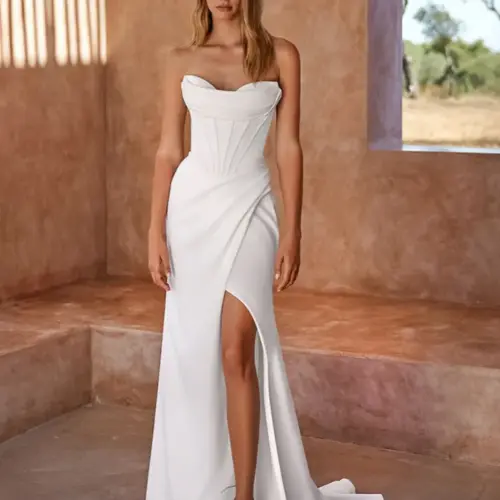
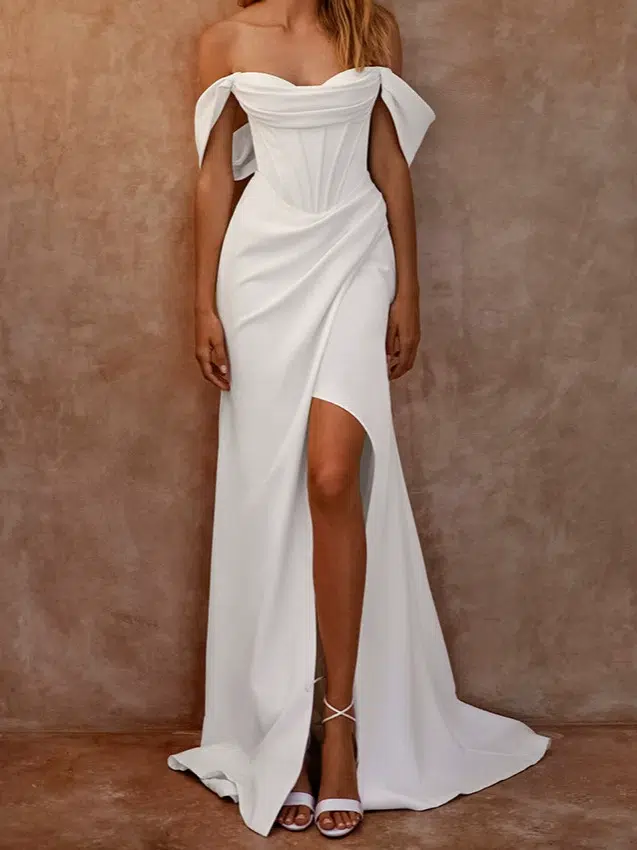
- Casual & Formal Wear: Often used in dresses, skirts, and blouses.
Tricot Jackets & Joggers
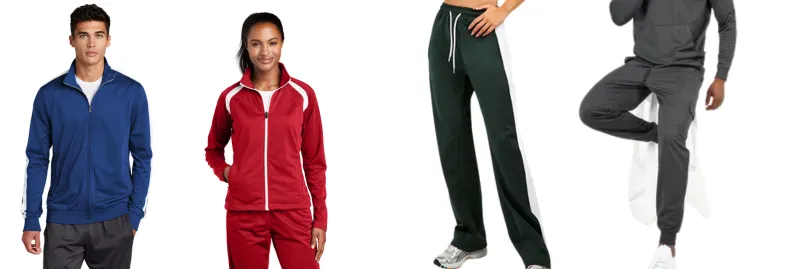
Athleisure wear benefits significantly from tricot fabric’s performance features.
- Jackets: Lightweight, breathable, and stylish.
- Joggers: Stretchable and moisture-wicking for comfort during workouts.
Tricot Jeans
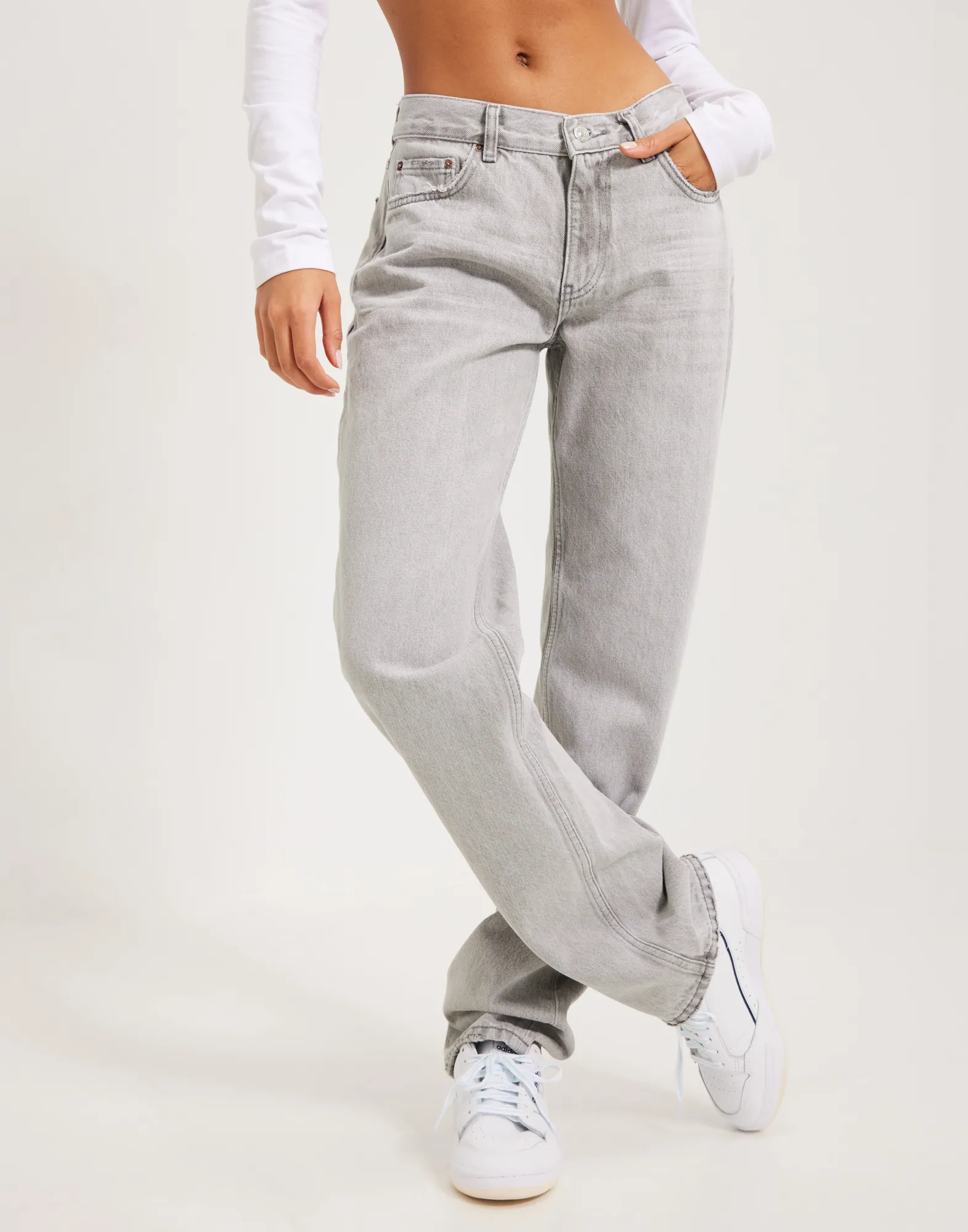
Tricot knit jeans offer a perfect balance between denim’s structure and knitwear’s flexibility.
- Characteristics: Soft, flexible, and lightweight.
- Benefits: Enhanced movement and comfort compared to traditional denim.
Specialty Tricot Fabrics
Tricot Comme des Garçons
A renowned Japanese fashion brand that incorporates tricot fabric into its avant-garde designs.
- Why It’s Popular: Unique textures and innovative use in high fashion.
- Common Uses: Jackets, skirts, and high-end streetwear.
Tricot Foam
A specialized form of tricot fabric with foam backing, adding structure and cushioning.
- Uses: Automotive interiors, upholstery, and protective clothing.
Tricot Knitwear
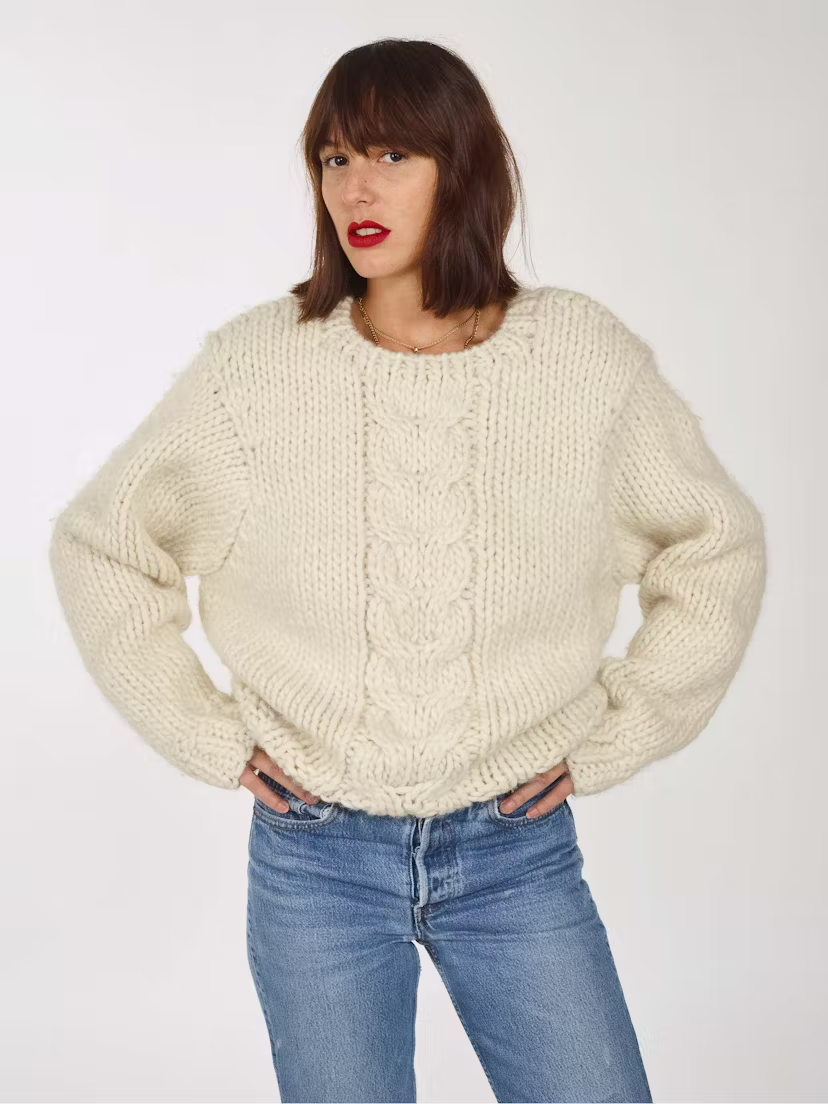
Tricot’s lightweight nature makes it suitable for various knitwear products.
- Examples: Sweaters, cardigans, and scarves.
Tricot Uses in Different Industries
Tricot fabric extends beyond fashion into industrial and commercial applications.
Automotive & Upholstery
Tricot’s durability makes it ideal for car interiors and furniture upholstery.
Medical Textiles
Tricot fabric is used in bandages, compression garments, and medical braces.
Sports & Outdoor Gear
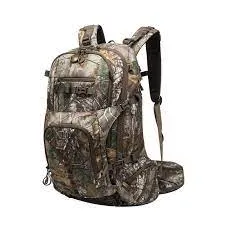
Used in backpacks, sports nets, and performance apparel due to its stretchability.
Care & Maintenance of Tricot Fabric
- Washing: Use cold water and mild detergent.
- Drying: Air drying is preferred to maintain elasticity.
- Ironing: Low heat to prevent damage to synthetic fibers.
Conclusion
Tricot fabric is a versatile and durable material used in various industries, from fashion to automotive and medical applications. Whether made from cotton, nylon, or polyester, tricot offers stretch, comfort, and resilience. Its unique knit structure makes it ideal for activewear, lingerie, and even upholstery. By understanding tricot fabric’s properties and uses, businesses and consumers can make informed choices when selecting textiles for their needs.
Views: 514