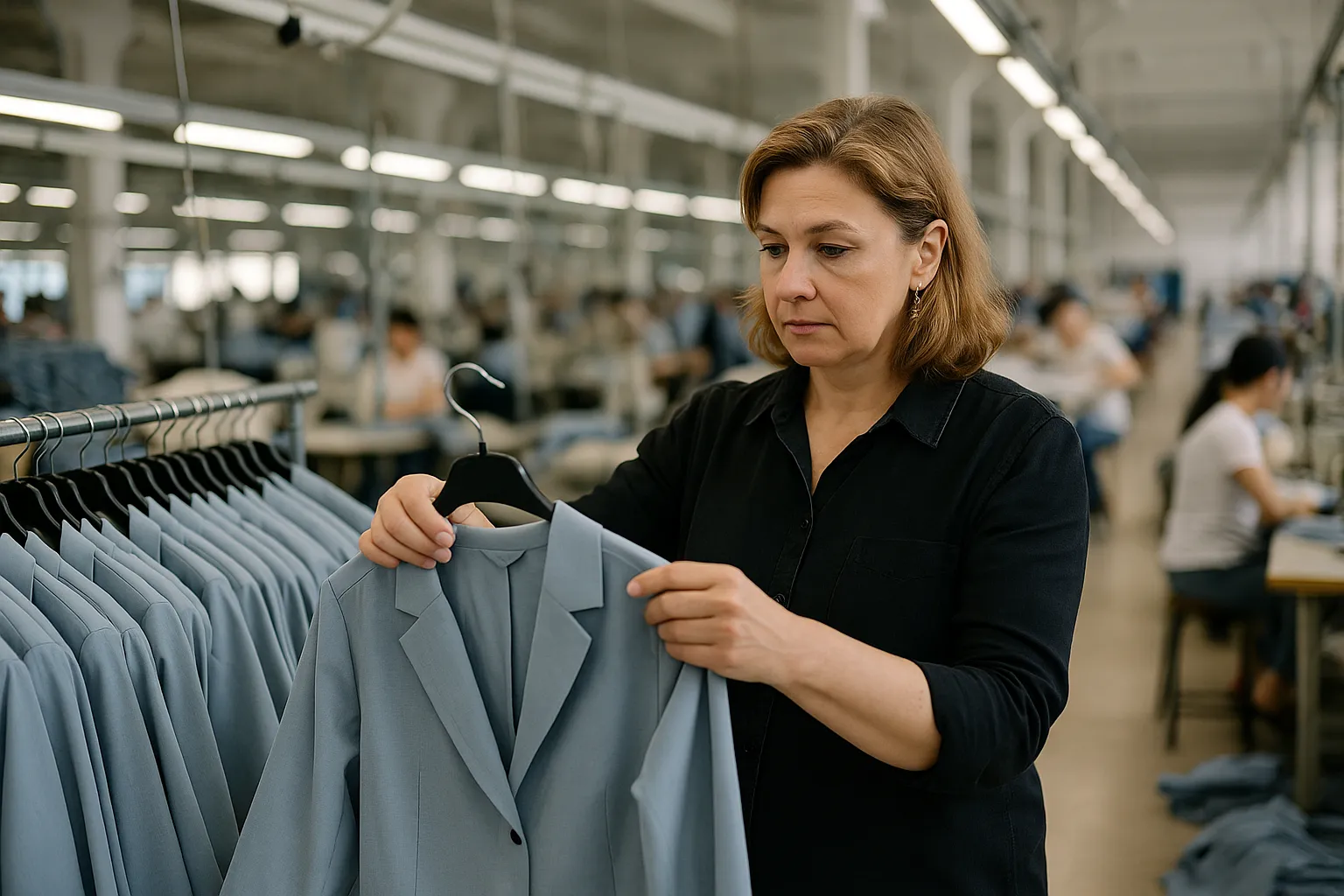

Jag förlorar sömn när leveranser sjunker. Marginalerna försvinner. Kunderna blir arga. Jag fixade detta med enkla steg. Du kan kopiera dem idag.
Använd en kort leverantör lista, verifiera certifikat tidigt, lås specifikationer skriftligen, etabla betalningar efter milstolpar och kör två inspektioner. Detta håller kvalitet stabil och leverans i tid.
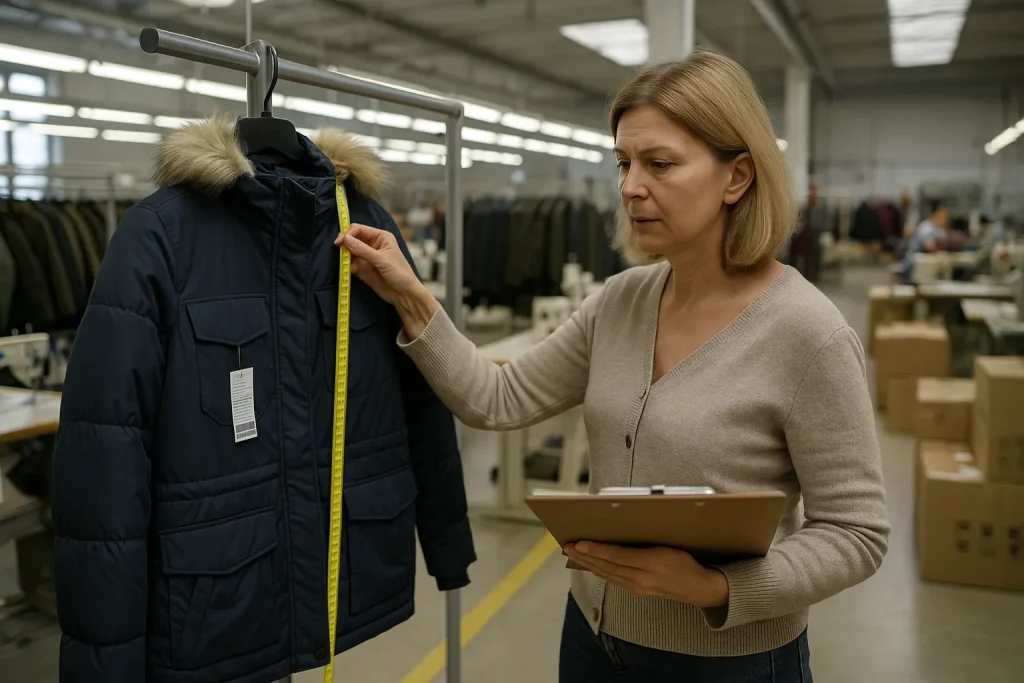
Jag arbetar med varumärken som säljer i Ryssland och Europa. Jag vet hur stressen är inför säsongen. Jag vet hur mycket det kostar när ett prov ser bra ut men lösvikten misslyckas. Jag vet hur det är när ett "klar"-datum flyttas och kassaflödet brister. Jag delar med mig av vad jag gör nu. Jag håller det enkelt. Jag förklarar varje steg med exempel från mitt eget arbete på Truekung i Kina.
Hur bedömer jag en fabrik under den första veckan?
Deadlines och löften låter bra på samtal. Förseningar gömmer sig i detaljerna. Jag behöver ett system som visar sanningen snabbt.
Kontrollera personer, maskiner och senaste beställningar på sju dagar. Begär tre bevis: linjekapacitetsplan, senaste månadens produktion per stil och riktiga kundreferenser med SKU:er.
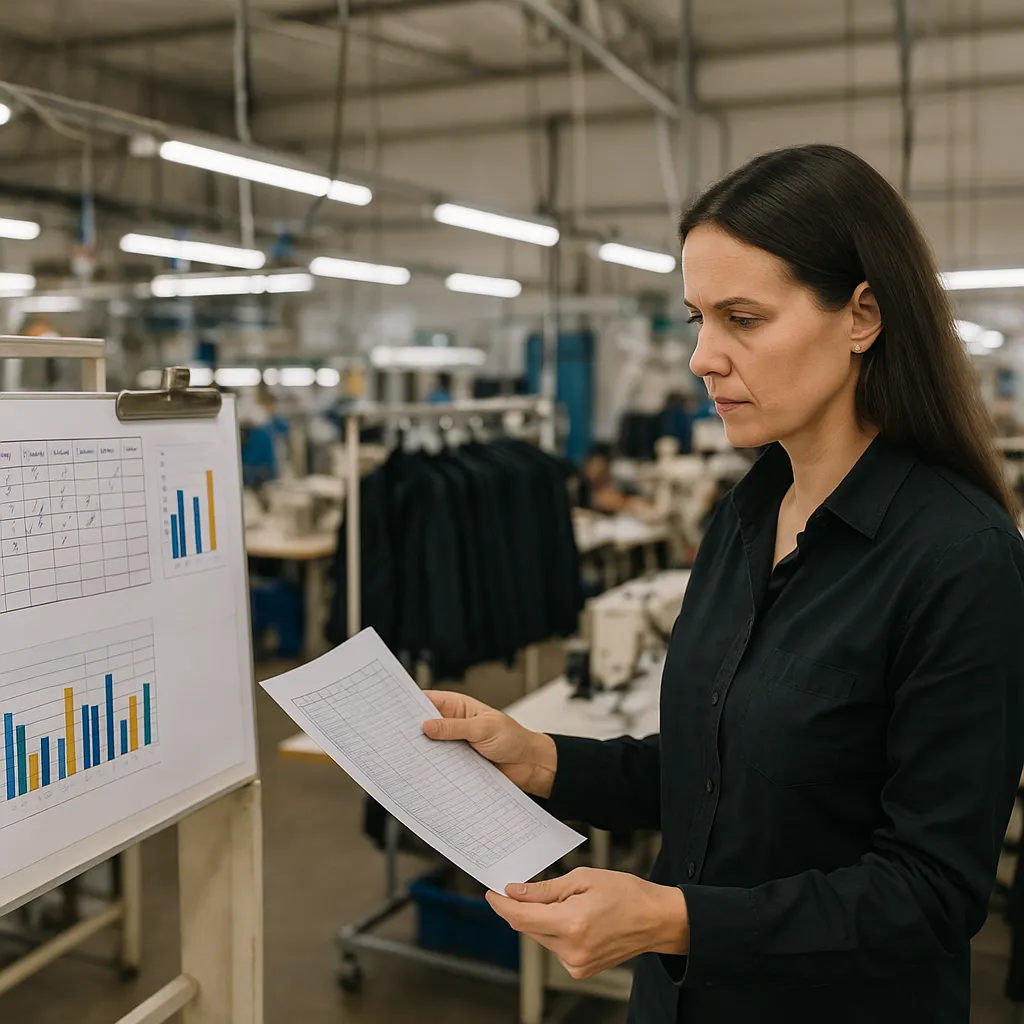
Jag börjar med ett kort samtal. Jag frågar vem som leder produktionen, inte bara försäljningen. Jag frågar om flaskhalsar, inte bara styrkor. Sedan begär jag ett enkelt paket med provexemplar. Jag behöver ingen blank kortlek. Jag behöver bara färsk data. Jag jämför vad de säger med vad jag ser på foton eller livevideo. Jag kör också ett litet pilotprojekt. Jag väljer en stil med ett knepigt stygn. Jag betalar för det snabbt. Jag ser hur de reagerar när jag driver på för en tydlig beräknad beräknad leveranstid och en checklista. Den här första veckan säger mig mer än något besök i utställningslokalen. Om fabriken motstår ett enkelt provexemplar går jag vidare. Tid är pengar.
Vad jag ber om och varför
| Bevis jag begär | Vad den visar | Röd flagga | Passsignal |
|---|---|---|---|
| Linjekapacitetsplan (innevarande månad) | Verklig förmåga per linje och per dag | Samma plan återanvänd från förra året | Planen matchar antal arbetare och skifttimmar |
| Förra månadens utdata efter stil/SKU | Färsk genomströmning, inga löften | Endast "årliga" siffror | Stilkoder + kvantiteter + datum |
| Tre kundreferenser med SKU:er | Levande relationer, inte logotyper | Vägrar på grund av "nödavtal" för alla | Minst en köpare bekräftar ombeställning |
| Nål-/trimskivor | QC-vanor | Tomma eller etappvisa formulär | Ifyllda blanketter med datum och underskrifter |
| Livevideo av klippning + sömnad | Faktiskt flöde | Ingen video tillåten när som helst | Normalt brus, WIP synligt |
Mitt manus för första veckan
- Jag presenterar mig som Lancy Chia från Truekung.
- Jag konstaterar att vi exporterar till Ryssland, EU, USA och fler.
- Jag listar våra huvudartiklar: damjackor, klänningar, jeans, t-shirts, sweatshirts, dun, kappor, väskor, sportkläder, barnkläder, underkläder.
- Jag begär korrektur och 48 timmars provtid för en stil.
- Jag ber om en tidslinje för pilotprojektet med tre kontrollpunkter.
Det här skriptet är enkelt. Det sparar mig veckor av gissande.
Vilka kvalitetskontrollsteg fungerar när budgeten är knapp?
Jag kan inte sätta en inspektör på varje linje. Budgetar är reella. Jag behöver fortfarande bra varor.
Använd två billiga grindar: ett gyllene provlås och en 30% inline-inspektion. Lägg till en slutlig AQL-kontroll före packning. Koppla betalningar till dessa grindar.

Jag låser in ett gyllene prov med signaturer från båda sidor. Jag förvarar ett på fabriken och ett på mitt kontor. Jag fotograferar det i bra ljus med en linjal i ramen. Jag lägger till ett specifikationsblad som alla på fabriken kan läsa. Inga fina ord. Bara siffror, stygnantal, bilder och toleranser. När bulkleveranser börjar skickar jag en snabb checklista till 30%. Jag väljer sömstyrka, nyans, mått och snitt. Jag kontrollerar förpackningen senare. Jag använder AQL för slutprovet. Jag väljer nivå II och en provtagningsplan som passar orderstorleken. Om defekter överskrider gränserna omarbetar fabriken innan jag skickar pengar. Denna enkla kedja eliminerar överraskningar och strider. Den håller också min köpare Maria nöjd under sin säsong.
Mitt QC-flöde med tre grindar
Grind 1: Gyllene provlås
Jag förbereder ett huvudprov med exakta etiketter och kanter. Jag skriver under tejpen på plastpåsen. Jag skriver inköpsordernumret och tygrullkoden på formuläret. Alla kan se hur "bra" ser ut. Inget utrymme för gissningar.
Gate 2: Inline vid 30%
Jag begär 10 stycken per storlek och färg direkt från sortimentet. Jag kontrollerar fyra saker: stygn per tum, sömsmån, nyckelmått och färgnyans under dagsljuslampa. Jag registrerar fel i en enkel tabell. Fabriken åtgärdar problem innan de växer.
Gate 3: Slutgiltig AQL före packning
Jag tar prover enligt diagrammet. Jag kontrollerar mått, utförande, märkning och kartongens nedsläpp. Om antalet misslyckade når kasseringslinjen, stoppar vi. Vi åtgärdar. Vi kontrollerar igen. Betalningen väntar på godkännande.
| Steg | Vad jag kontrollerar | Verktyg | Resultat behövs |
|---|---|---|---|
| Gyllene prov | Mått, lister, tyger | Tejp, linjal, fototavla | Signerad "gyllene" på båda sidor |
| Inline 30% | SPI, söm, skugga, viktiga POM:er | Stygnräknare, lampa | CAP gjort samma dag |
| Slutlig AQL | Utförande, etiketter, kartonger | AQL-diagram, skala | Godkänd på överenskommen nivå |
Den här planen kostar lite. Den sparar säsonger.
Hur stoppar jag falska certifikat och riskabla betalningar?
Jag har sett förfalskade testrapporter. Jag har sett CE-märkningar som inte är äkta. Jag har sett betalningsfällor. Jag vill ha bevis jag kan lita på.
Verifiera med utfärdare, inte säljare. Dubbelkolla rapportnummer, labkontakter och QR-koder. Dela upp betalningar efter milstolpar. Använd bankvänliga villkor och länkade dokument.
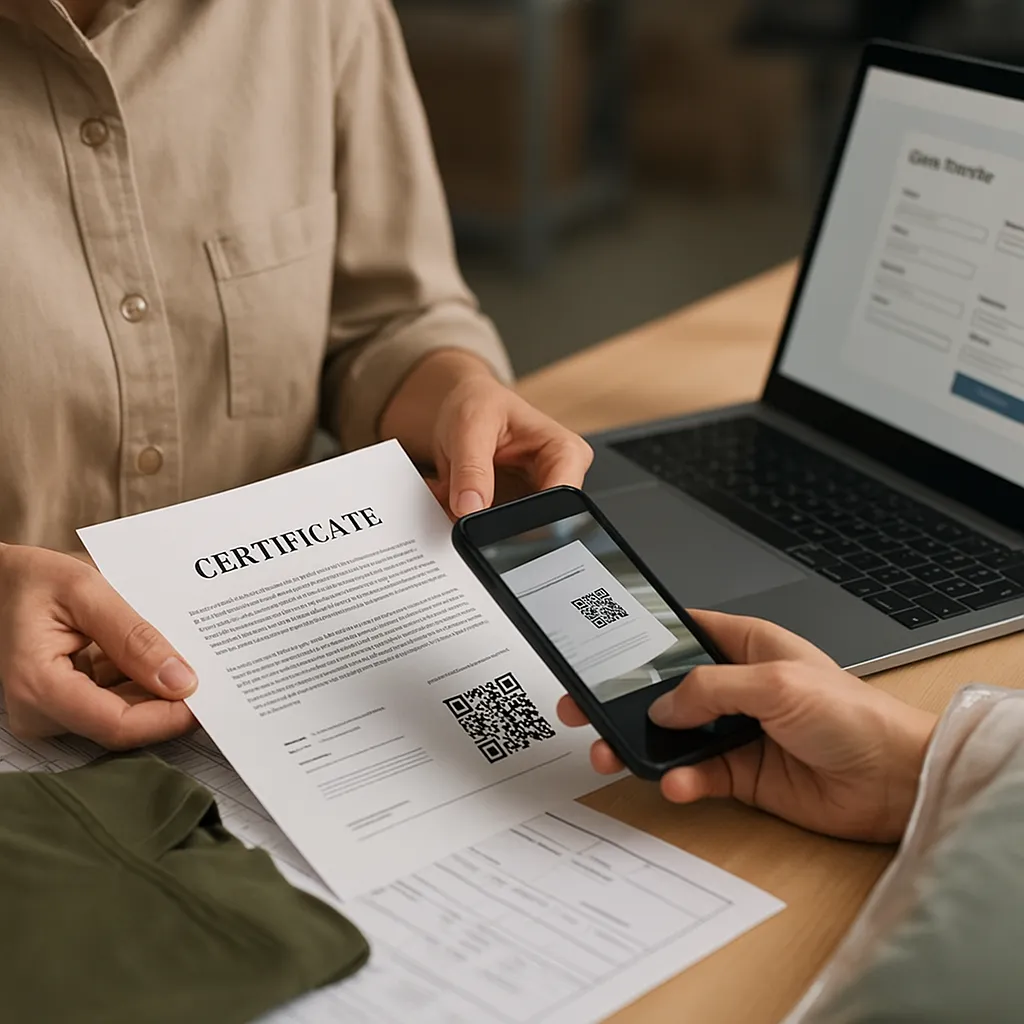
Jag ber om råa PDF-rapporter från labb, inte bara skanningar. Jag mejlar labbet med rapportnumret och fabriksnamnet. Jag frågar om rapporten är riktig och fortfarande giltig. Många rapporter har nu QR-koder. Jag skannar och bekräftar på labbets webbplats. Jag ber också om materialförteckningen som matchar testets omfattning. Om rapporten anger en tygkod måste samma kod finnas med på bulkrullarna. När villkor dyker upp delar jag upp betalningen i tre delar: deposition efter provkörning, mellanbetalning efter inline-körning och resterande belopp efter slutkörning och före frisläppning. Jag matchar PI, packsedeln och fakturan. Jag har också en enkel men strikt filnamnsregel så att jag hittar saker snabbt. Detta skyddar kontanterna och håller samtalet tydligt.
Min handbok för bedrägeribekämpning och betalningar
Certifikatkontroller
- Hämta källkods-PDF:n, inte skärmdumpar.
- Bekräfta med labbet via e-post eller portal.
- Matcha tyg, kanter och stilkoder i alla filer.
- Registrera utgångsdatum i ett delat ark.
- Om säljaren gör motstånd minskar jag omfattningen eller går därifrån.
Betalningsstruktur
- 30% efter godkännande av gyllene prov.
- 40% efter inline-pass med foton och blanketter.
- 30% efter slutgiltigt AQL-godkännande och BL klar för draft.
- Använd ett bankkonto som är känt för den juridiska personen.
- Inga ändringar av bankuppgifter mitt i beställningen.
| Risk | Vad jag gör | Go/No-Go-regeln |
|---|---|---|
| Förfalskad rapport | Verifiera med lab, korsmatchningskoder | Om utfärdaren inte bekräftar, ingen order |
| E-post om bankbyte | Ring ett känt nummer, bekräfta på brevpapper | Om det inte stämmer, frys betalningen |
| BL- eller CI-missmatchning | Justera data före balans | Om obalansen kvarstår, håll lasten |
| Okänd agent | Kontrollera licens- och skatteinformation | Ingen licens, ingen affär |
Det här är inte komplicerat. Det är stabilt. Det fungerar.
Hur håller jag ledtiderna realistisk när säsongerna är korta?
Brådskande order orsakar dolt kaos. Ett sent skepp missar fönstret. Jag behöver en plan som passar verkligheten.
Bygg en buffert, boka material tidigt och frys teknikpaketet. Följ upp med en veckovis Gantt. Lägg till en reservworkshop för omarbetning och överskott.
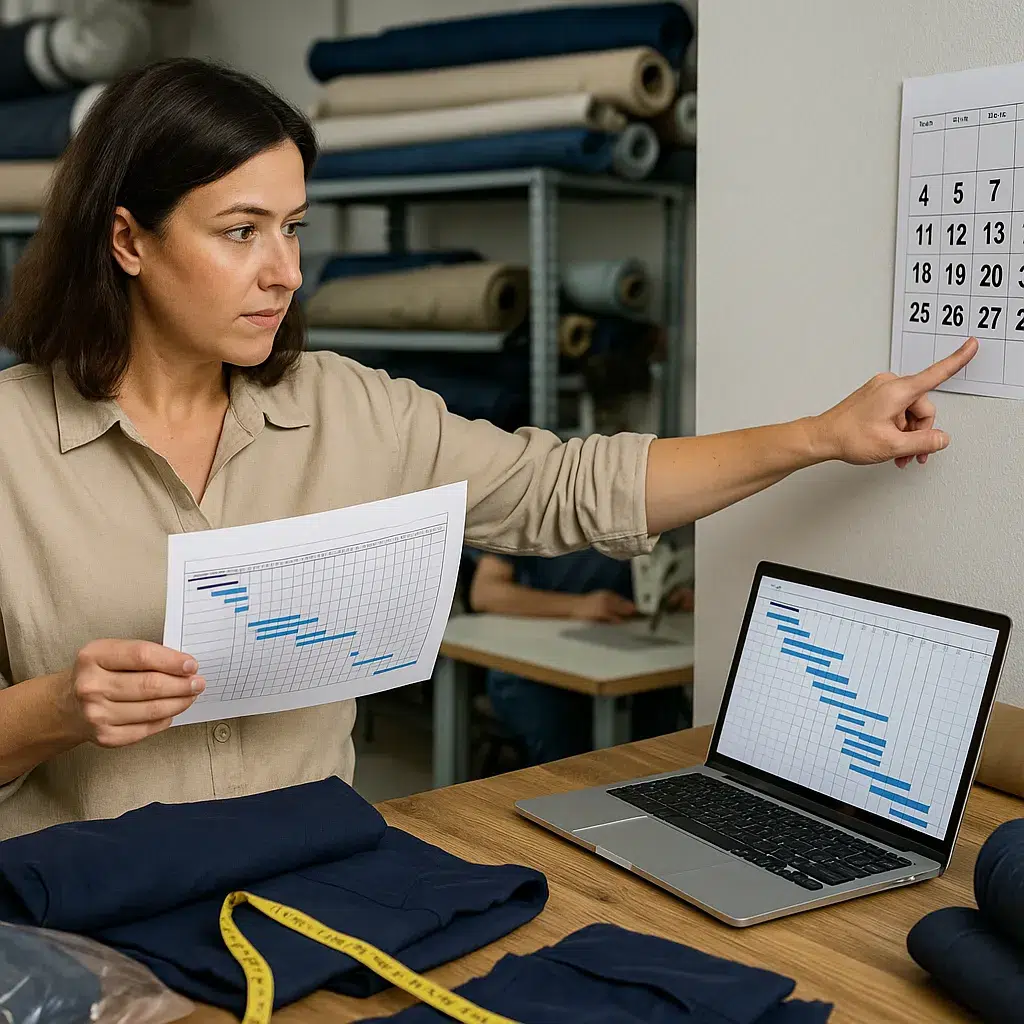
Jag kartlägger hela ordern från labbedippningar till lastning. Jag lägger till fem buffertdagar runt tygets ankomst och runt packning. Jag lägger inte till buffert bara i slutet. Jag fryser teknikpaketet när jag skickar inköpsordern. Om köparen vill ha en byte efter det prissätter jag det och flyttar datumet på arket. Jag "absorberar" det inte i tysthet. Jag för ett veckovis Gantt-schema med fyra färger: tyg, tillskärning, sömnad, packning. Jag ber fabriken att uppdatera gjorda kvantiteter, inte bara procent. Jag bokar också en backup-workshop som kan ta 10–15% av sömnaden när det glider undan. Denna backup sparar ofta min deadline. Jag lärde mig detta den hårda vägen under en vinterjacka-körning för en rysk kedja. Reservteamet tog ärmar och foder. Vi levererade i tid. Kunden ombeställde.
Mina tidslinjeverktyg och signaler
Frys och buffra
Jag fryser stycklistan och teknikpaketet vid inköpsordern. Jag lägger till buffertar vid tyg och förpackning. Jag anger ett senaste leveransdatum och ett ankomstdatum. Jag talar i datum, inte "veckor".
Spåra som en hök
Jag uppdaterar Gantt-diagrammet varje fredag. Jag ber om bilder på skärtabeller och utmatningsbiljetter. Siffror slår ord. Om kön faller med två dagar flyttar jag arbetet till reserven.
| Fas | Vanliga dagar | Buffert | Viktigt dokument |
|---|---|---|---|
| Labbdippar / strejker | 5–7 | +2 | Godkänt skuggkort |
| Tyg i bulk | 12–18 | +3 | Kvarnarens PI + godkänt test |
| Skärande | 3–5 | +1 | Klipp ut biljetten + rulla kartan |
| Sömnad | 7–12 | +2 | Daglig utdatalista |
| Efterbehandling/packning | 3–5 | +2 | AQL-godkännande + packlista |
Så här träffar jag säsonger och sparar vinst.
Slutsats
Jag använder tydliga provtryck, enkla kvalitetskontrollgrindar, riktiga buffertar och fasta betalningar. Detta säkerställer en stabil kvalitet och leveranser i tid.
Min roll
Mitt namn: Lancy Chia
Min e-postadress: [email protected]
Länk till min hemsida: https://truekung.com
Varumärke: Truekung
Land: Kina.
Produkter: modekläder
Affärsmodell: B2B, endast grossist
Status: Fabriken har fler än 200 anställda. Vi tillhandahåller kläder produkter och OEM/ODM-tjänster till olika varumärken och stormarknader runt om i världen. Vi har 20 års erfarenhet av utrikeshandel med klädproduktion och export. De viktigaste produkterna är: moderiktiga damkläder, jackor, kjolar, klänningar, jeans, t-shirts, tröjor, dunjackor, vindjackor, kappor, modeväskor, sportkläder, barnkläder, underkläder.
Huvudsakliga exportländer: Nederländerna, Danmark, Belgien, Norge, Storbritannien, USA, Tyskland, Australien, Thailand, Turkiet, Italien, Ryssland, Saudiarabien, etc.
Visningar: 78