Jag har sett smarta människor gå in på ett möte och känna sig underklädda på fem sekunder. Den känslan gör ont, och den kan kosta förtroende. Klädkoder låter enkla, men det är de inte.
Affärsmässig avslappnad är avslappnad men ändå polerad, medan affärsproffs är formell och strikt. Om du är osäker, välj en affärsproffs för första möten, intervjuer och arbete med klienter med höga insatser.

Jag lärde mig detta den hårda vägen när jag besökte en inköpare som skrev "casual professional" i kalendern. Jag dök upp i fel "casual". Jag såg bra ut, men jag såg inte redo ut. Om du fortsätter läsa kommer jag att visa dig ett enkelt sätt att välja rätt nivå varje gång.
Vad är business casual, och hur ser det ut på jobbet?
Ena dagen står det “business casual” på kontoret. Nästa dag ser du jeans, pikétröjor och sneakers. Då får du panik och frågar: vad är egentligen business casual-klädsel?
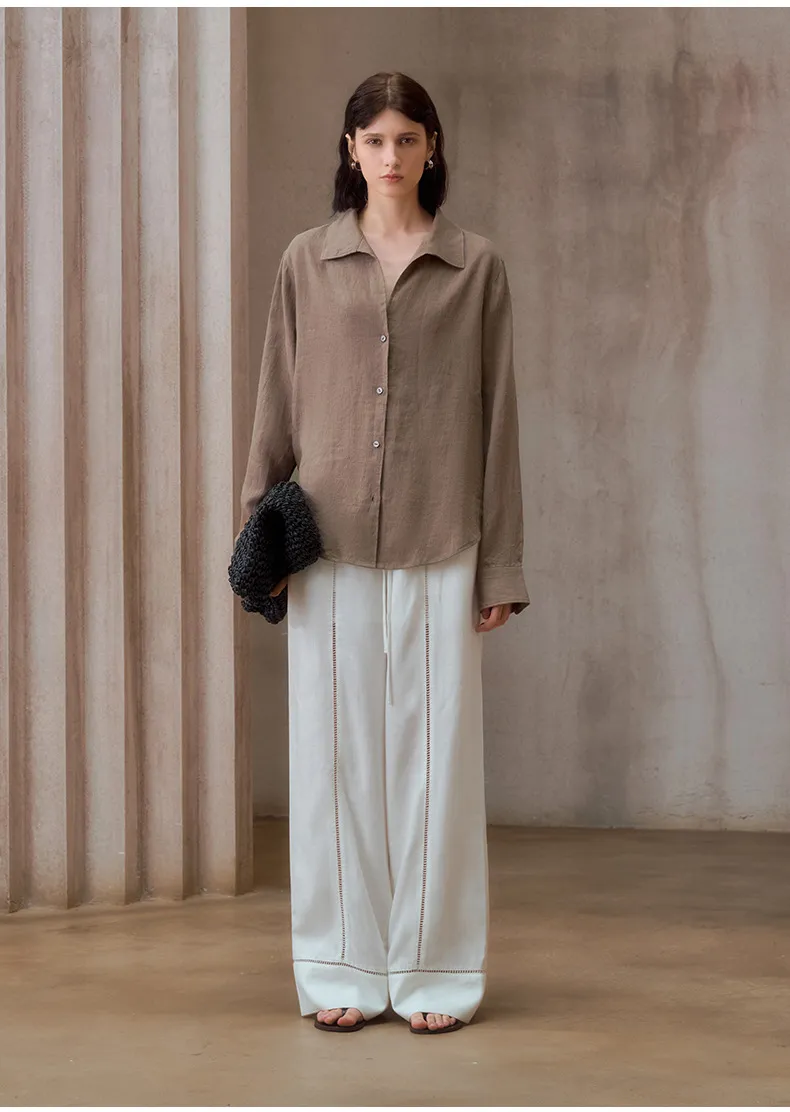
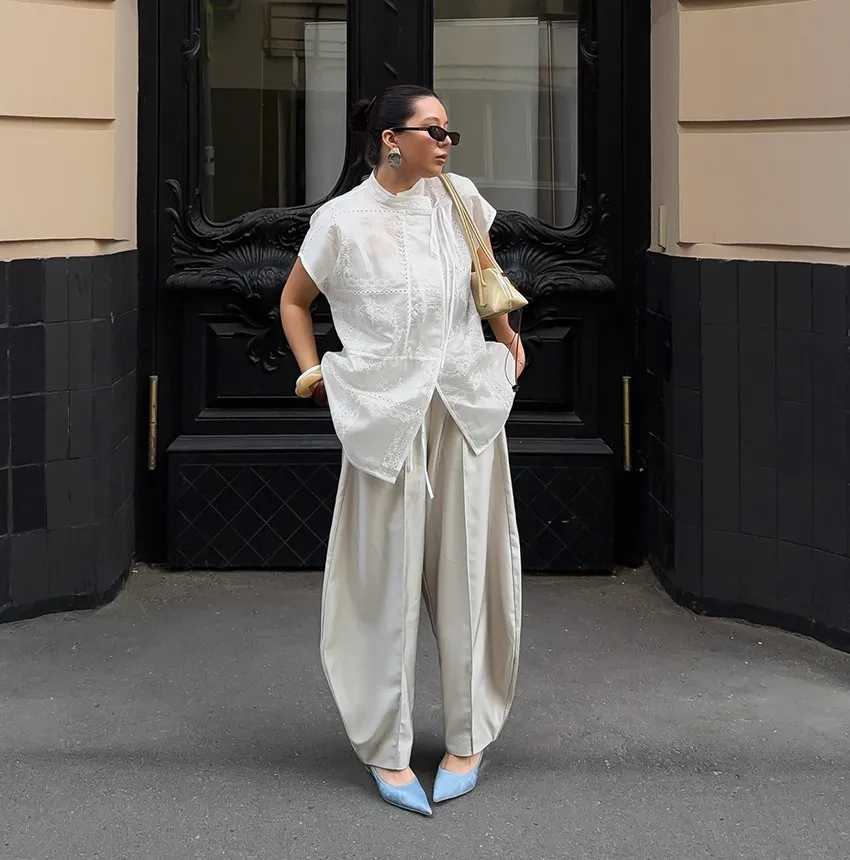
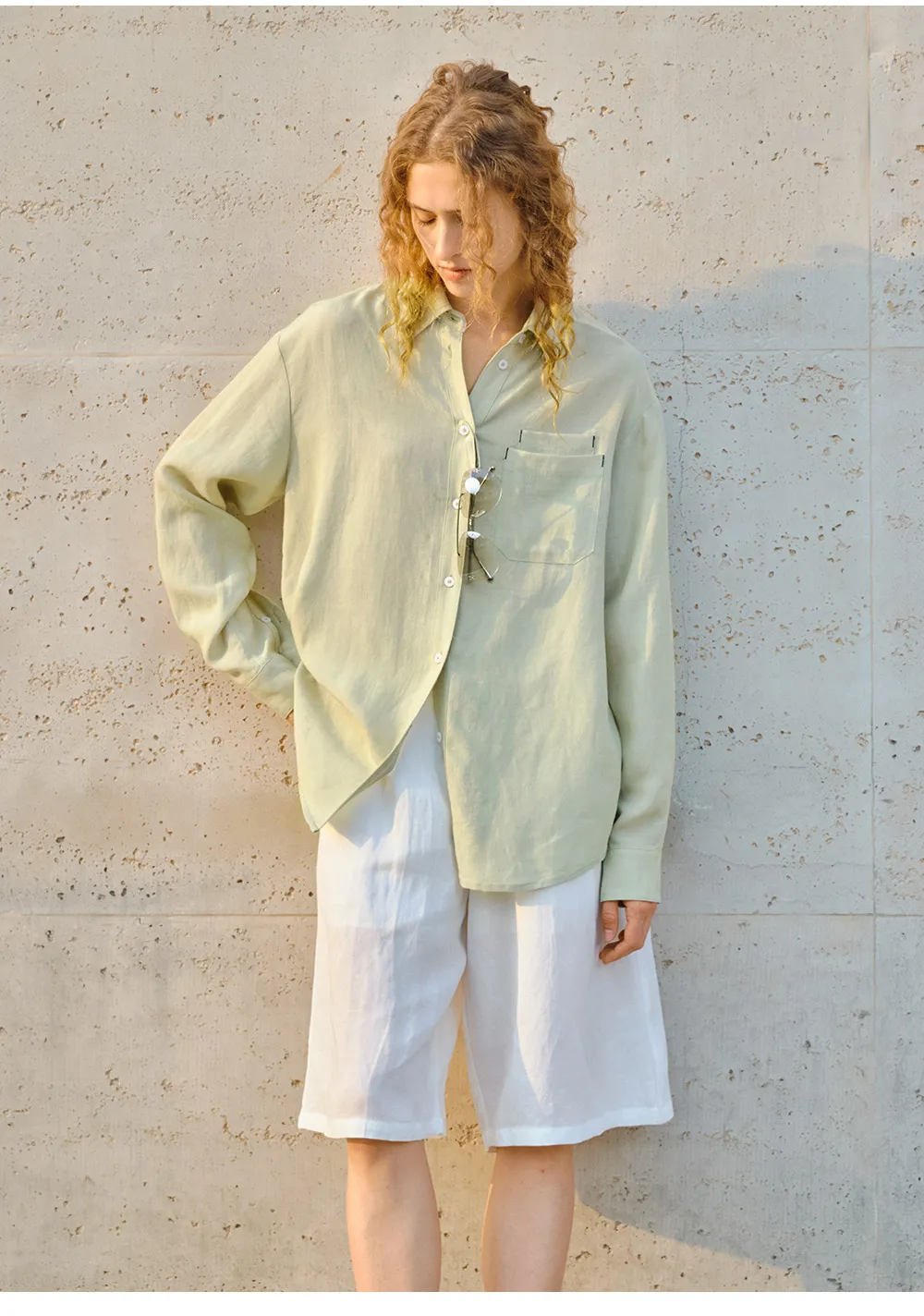
Business casual betyder rent, prydligt och redo för kontoret, men inte en hel kostym. Tänk separata plagg som chinos eller finbyxor, en blus eller klänning och enkla skor. Det ska se professionellt ut, men det ska kännas enklare än business professional.

Kärnidén jag använder
När jag planerar en business casual-outfit använder jag en regel: Håll "affärsdelen" tydlig. Jag strävar fortfarande efter struktur, bra passform och bra tyg. Sedan slappnar jag av i ett plagg. Jag slappnar inte av allt på en gång. Det är där många misslyckas.
Vad som fungerar för män och kvinnor
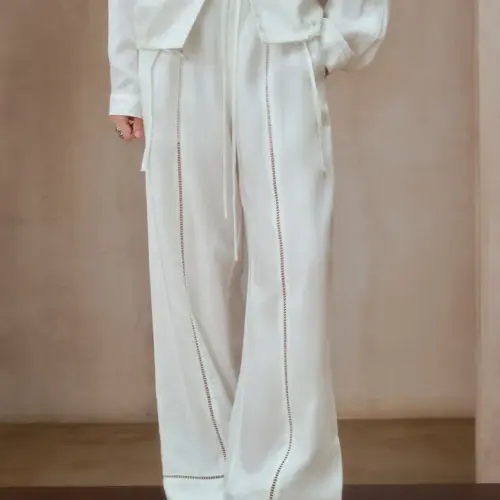
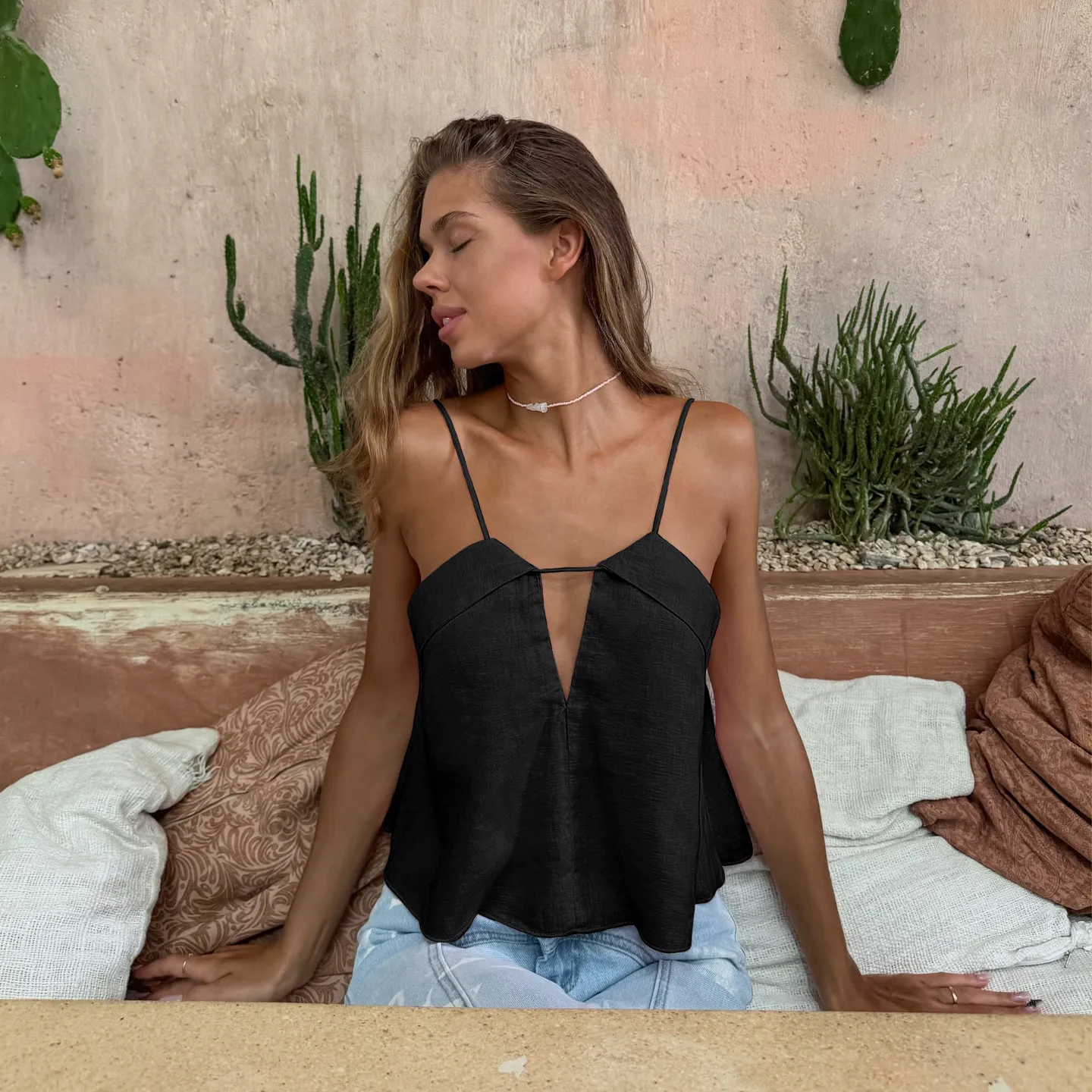
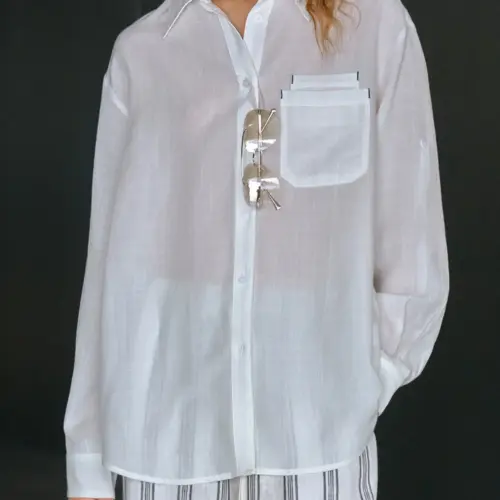
Affärsklädsel för män innebär ofta chinos eller fina byxor, en knapptryckning skjorta för intervjudagar och loafers eller rena finskor. Herrkläder i business casual-stil kan inkludera en kavaj, men det är valfritt på många kontor. Business casual-klädsel för kvinnor kan fungera bra om formen är ren, längden är rimlig och tyget inte ser ut som helgkläder.
Så här bryter jag ner det när någon frågar mig "affärsmässigt avslappnad kontra professionell" på en minut:
| Punkt | Affärsmässig avslappnad "ja"“ | Affärsmässigt avslappnad "nej"“ | Varför det spelar roll |
|---|---|---|---|
| Blast | knapptröja, stickad tröja, blus | högljudd grafik t-shirt | toppen är det som folk lägger märke till först |
| Bottnar | chinos, skräddarsydda byxor, diskret kjol | slitna jeans, shorts | kontoret tolkar detta som respekt |
| Lager | kavaj, kofta | huvtröja | lager styr hur "professionell" du ser ut |
| Skor | loafers, enkla platta skor, låga klackar | flip-flops, gymnastikskor | skor signalerar ansträngning snabbt |
| Färg | svart business casual, marinblå, grå | neon, tung nödsituation | lugna färger läser mer arbetsklara |
Vanliga misstag jag ser
Folk hör "business och business casual" och tror att det betyder "allt utom kostym". Det är inte sant. Business casual behöver fortfarande en professionell look. Jag ser också att folk provar ett marinblått linne utan lager. Det kan bara fungera om kontoret är väldigt avslappnat, och passformen inte är tajt, och man lägger till en kavaj. På de flesta ställen täcker jag mer så att jag inte distraherar någon.
Vad är professionell affärsklädsel, och när behöver jag den?
Du får en kalenderinbjudan där det står "klädkod affärsprofessionell". Du tittar i din garderob och tänker, vad är egentligen affärsprofessionell klädsel?
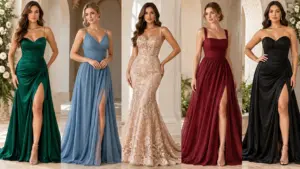
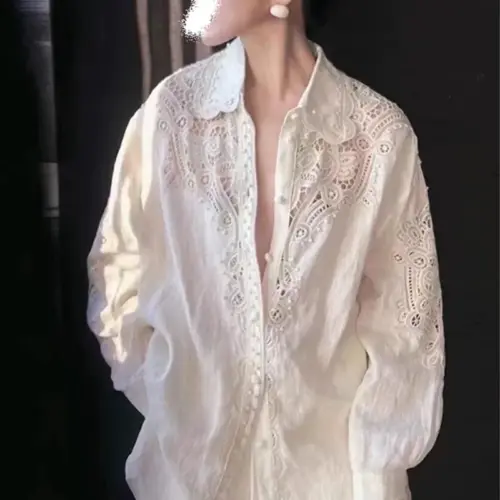
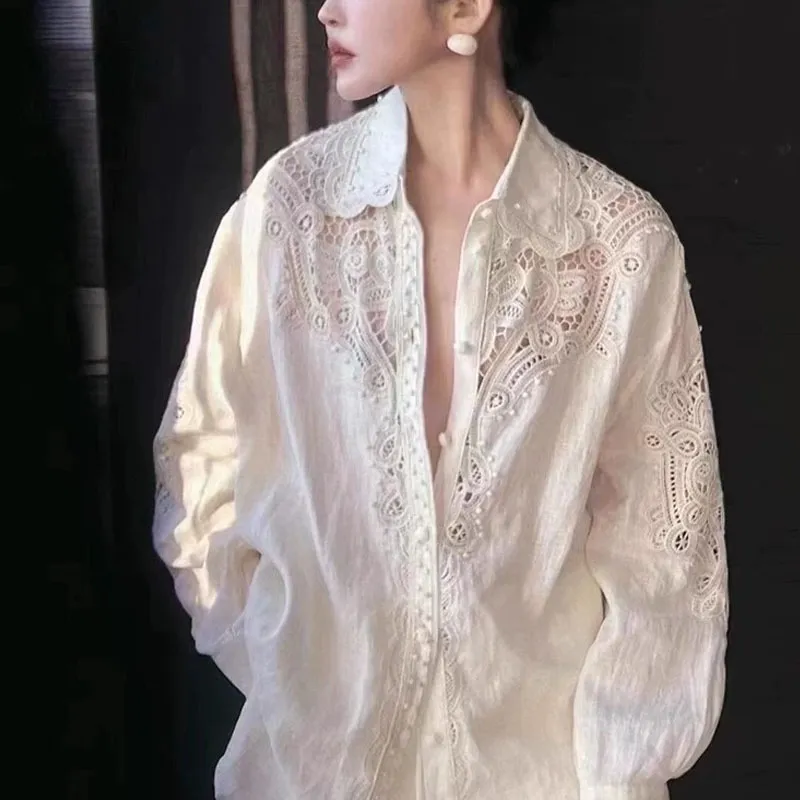
Professionell affärsklädsel är den vanligaste formella klädkoden på kontoret. Det innebär vanligtvis en välsittande kostym eller en strukturerad klänning, klassiska färger, minimalistiska mönster och polerade skor. Det är det säkra valet för intervjuer, kundpresentationer och företagsevenemang.

Vad "professionell affärsklädsel" signalerar
Affärsmässigt handlar det inte bara om kläder. Det handlar om riskkontroll. Det minskar tvivel om dig. När ett rum är seriöst bör din klädsel inte be folk att gissa om du hör hemma där. Det är därför professionell affärsklädsel förblir klassisk. Det är därför formell företagsklädsel ofta ser likadan ut mellan företag och länder.
Affärsexpert för män
Affärskläder för män innebär vanligtvis kostym, skjorta och läderskor. Många frågar: kräver affärskläder slips? I många traditionella miljöer förväntas slips ja. Om företaget är modernt hoppar vissa team över det, men jag tar ändå med mig en. Jag kan ta bort den senare. Jag kan inte lägga till en om jag inte tog med mig den.
Affärskläder för kvinnor
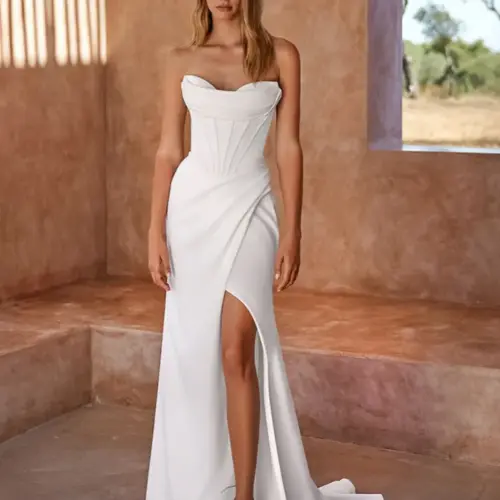
Kvinnors affärsklädsel kan vara en byxkostym, en kjolkostym eller en strukturerad klänning med en kavaj. Passformen ska vara ren och tyget ska hålla formen. Affärskvinnor väljer ofta svart, marinblått eller antracitgrå eftersom det ser stadigt ut och det ser bra ut.
Här är den snabba guiden jag delar med mig till inköpare och chefer när de frågar "vad är professionell klädsel":
| Kategori | Affärsprofessionell "ja"“ | “"Kanske" (beror på kontoret) | “"Inga"” |
|---|---|---|---|
| Kostym | matchande set, skräddarsydd | kostym separerar | avslappnad jacka med blekta byxor |
| Skjorta/topp | skarp skjorta, blygsam blus | finstickad topp | tunn t-shirt, mycket låg halsringning |
| Klä | strukturerad, knälång eller längre | enkel klänning med kavaj | åtsittande, mycket kort fåll |
| Skor | sluten tå, polerad | snygga lägenheter | sandaler, väldigt avslappnade sneakers |
| Tillbehör | minimalistisk, klassisk | ett uttalande | högljutt, många stycken samtidigt |
Den största fällan: att förväxla “affärsprofessionell” med “affärsformell”
Att uttrycka affärsmässig formellt kontra affärsmässigt avslappnat är lätt att förstå. Att uttrycka affärsmässig formellt kontra affärsprofessionellt är det förvirrande uttrycket. På många arbetsplatser är "affärsprofessionellt" den högsta nivån för det dagliga arbetslivet. "Affärsmässigt formellt" kan vara ännu mer konservativt, som mörkare kostymer, färre mönster och nästan ingen flexibilitet. Om du är osäker är affärsprofessionellt vanligtvis rätt målgrupp för arbete.
Hur väljer jag mellan business casual och business professional utan att gissa?
Jag brukade gissa baserat på stad eller bransch. Jag hade fel alldeles för ofta. Nu använder jag ett enkelt system som fungerar för både män och kvinnor.
Välj en affärsmässig klädsel när mötet påverkar pengar, rykte eller första intryck. Välj en business casual klädsel för vanliga kontorsdagar när du fortfarande vill se snygg men mindre formell ut. Om du är osäker, gå en nivå mer formellt och justera sedan när du anländer.

Mitt filter med 3 frågor
När någon frågar mig "affärsmässig professionell kontra affärsmässig vardaglig klädsel", ställer jag tre frågor:
1) Är detta ett första möte?
Om ja, börjar jag som affärsproffs. De första mötena är sköra.
2) Är detta en dag riktad mot omvärlden?
Om jag träffar kunder, partners eller investerare föredrar jag professionell affärsklädsel.
3) Är sammanhanget högt på spel?
Om svaret påverkar pris, betalning eller förtroende väljer jag affärsmässigt professionellt. Jag kan fortfarande se vänlig ut med färg och passform.
En praktisk beslutstabell
Den här tabellen är det snabbaste sättet jag vet för att stoppa klädmisstag:
| Situation | Bästa valet | Anteckningar för män | Anteckningar för kvinnor |
|---|---|---|---|
| Jobbintervju | affärsproffs | kostym, slips redo | kostym eller strukturerad klänning + kavaj |
| Kundpresentation | affärsproffs | polerade skor, enkelt bälte | slutna skor, rena linjer |
| Vanlig kontorsdag | affärsmässigt avslappnad | chinos + knappar | blus + skräddarsydda byxor eller business casual klänning för kvinnor |
| Möte för det kreativa teamet | affärsmässigt avslappnad | kavaj valfritt | kofta eller kavaj som kontrolllager |
| Resdag + möte | affärsprofessionell bas | bära kostym separerar | välj tyger som inte skrynklar |
Hur jag behåller min personliga stil utan att bryta mot regler
Folk frågar mig också "betydelsen av professionell klädsel" eftersom de vill känna sig som sig själva. Jag gör det med små val som förblir tysta. Jag väljer textur, som ull, bomullsblandningar eller en slät stickning. Jag väljer en detalj, som en näsduk eller rena smycken, och jag stannar där.
Den "svarta" frågan
Många söker efter "svart business casual" eftersom svart känns säkert. Svart är säkert, men det kan se för formellt ut om varje plagg är svart och väldigt strukturerat. Om jag vill ha svart i business casual lägger jag till mjukhet någonstans, som en stickad topp, ett lättare lager eller ett enkelt mönster. Om jag vill ha business professional är helsvart okej, men jag fokuserar fortfarande på passform, eftersom passformen är den starkaste signalen.
Slutsats
Business casual är avslappnad och ren. Business professional är formell och strikt. Jag väljer baserat på insatser, första intryck och vem som kommer att se mig.
Varför jag skriver detta
Jag heter Lancy Chia och kommer från Truekung i Kina. Jag driver en klädfabrik med fler än 200 anställda och har 20 års erfarenhet av utländsk handel med produktion och export. Jag säljer endast B2B-grossistförsäljning och tillhandahåller OEM/ODM för varumärken och stormarknader över hela världen. Mina huvudkategorier inkluderar moderiktiga damkläder, jackor, kjolar, klänningar, jeans, t-shirts, tröjor, dunjackor, vindjackor, kappor, modeväskor, sportkläder, barnkläder och underkläder.
Många köpare bryr sig om kvalitet, pris, leveranstid och riktig certifiering. Jag byggde min process kring tydlig kommunikation, stabil kvalitetskontroll och praktiska tidslinjer så att köpare inte missar reaperioder. Om du vill prata om din nästa kollektion kan du nå mig på [email protected], och du hittar mitt företag på https://truekung.com.
Visningar: 354