
Livrările întârziate, dimensiunile greșite și taxele surpriză pot transforma o afacere “ieftimă” China comandă în pierdere. Am văzut cumpărători care au ratat sezoane pentru că a fost omis un pas.
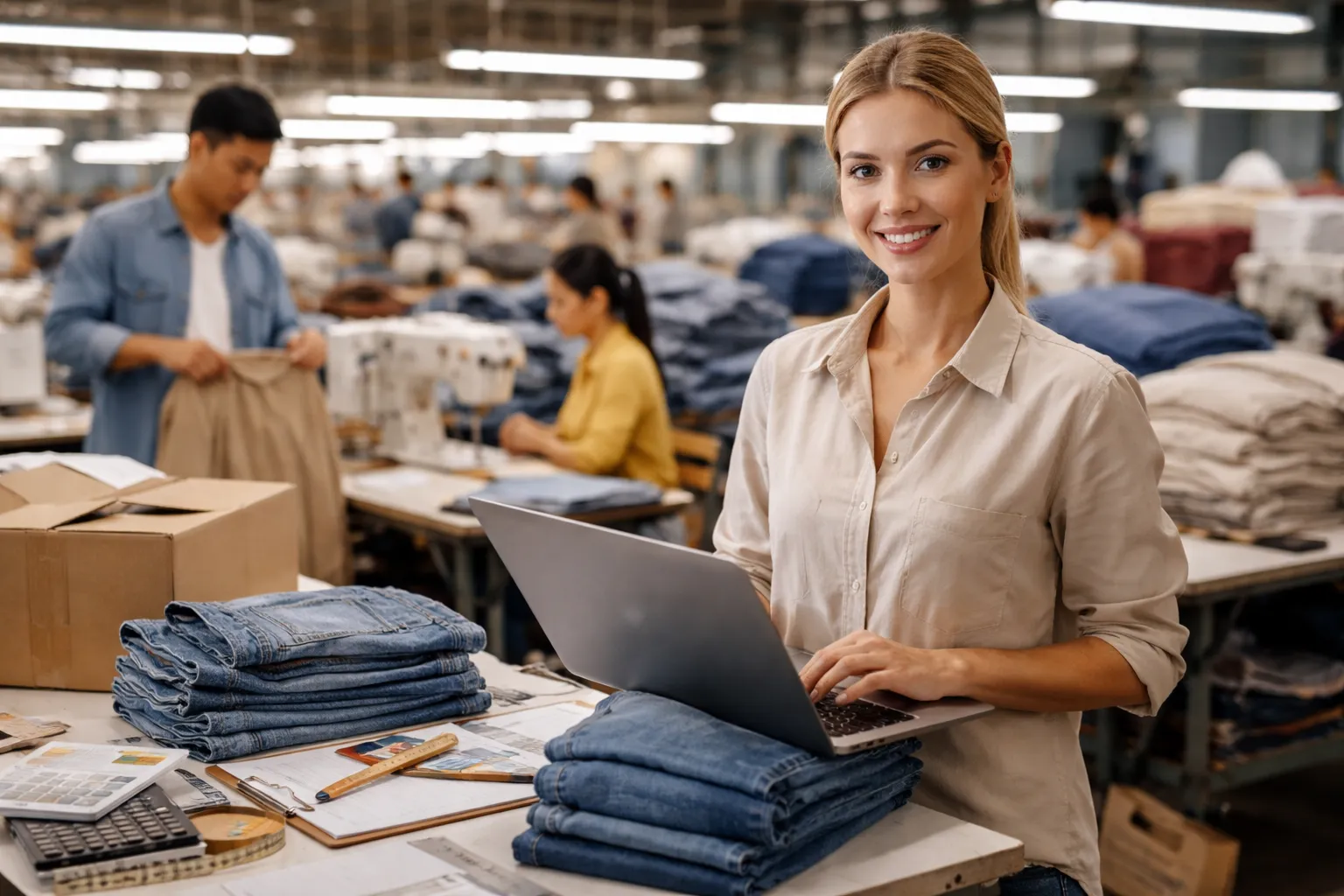
Importi haine din China prin blocarea unui pachet tehnic transparent și a unui contract, verificând fabrică’capacitatea reală a acestuia, confirmarea documentelor de conformitate, apoi gestionarea mostrelor, producției, inspecției și Transport cu Incoterms-urile, expeditorul și brokerul vamal potrivit. Tratez procesul ca pe o listă de verificare, nu ca pe o presupunere.
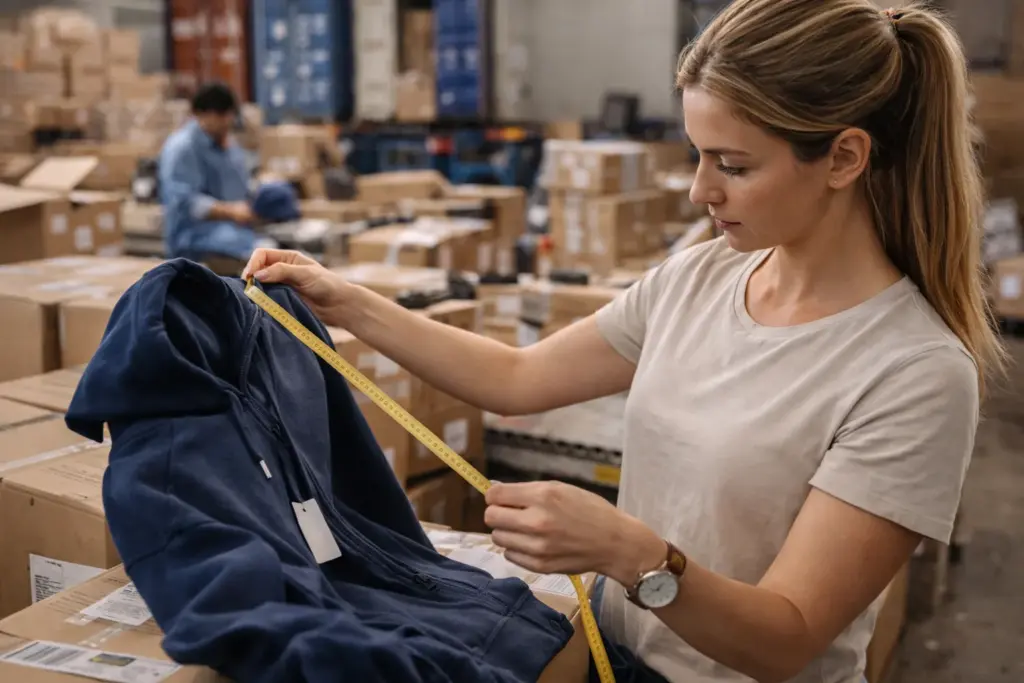
Încă îmi amintesc de prima mea comandă de import “simplă”. Credeam că o fotografie bună și un preț mic sunt suficiente. Am învățat că adevărata muncă începe după cotația de preț, nu înainte de ea. Acum execut fiecare comandă în aceeași ordine, pas cu pas, și urmăresc micile detalii care decid profitul sau dezavantajul. Dacă continuați să citiți, vă voi arăta punctele de control exacte pe care le folosesc și pe care nu le sar niciodată.
Cum aleg hainele chinezești potrivite Furnizor?
O fabrică poate arăta perfect pe un site web și totuși să nu ofere comenzii tale. Un comerciant poate părea rapid și totuși să ascundă problemele. Am văzut cumpărători pierzând săptămâni întregi pentru că au avut încredere în prima discuție fluentă.
Un furnizor bun se potrivește cu produsul, termenele limită și nivelul de calitate al companiei, iar dovada trebuie să fie în documente, mostre și viteză de răspuns, nu în promisiuni.
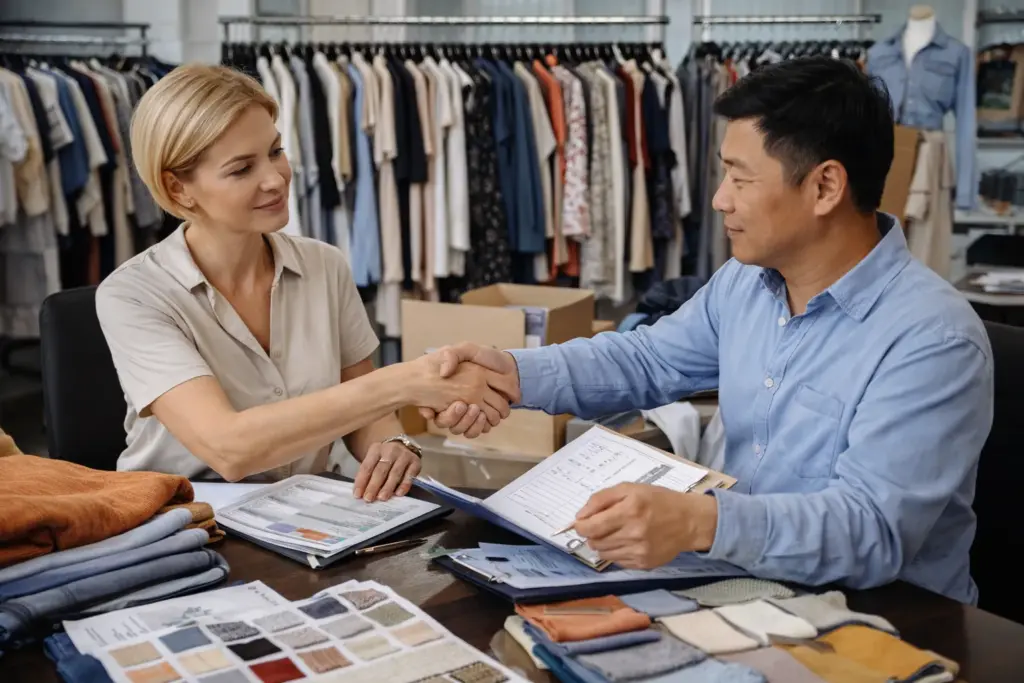
Încep cu potrivirea produsului, nu cu povestea companiei.
Încep prin a nota ce voi vinde. Enumăr materialul, gramajul, tipul de cusătură, metoda de imprimare, metoda de spălare și gama de mărimi. De asemenea, enumăr prețul țintă și data de livrare țintă. Această listă simplifică selecția furnizorilor. Un furnizor fie a mai făcut o muncă similară înainte, fie nu. Cer fotografii reale cu stiluri anterioare și un scurt videoclip din secția de producție. De asemenea, întreb ce mașini folosesc și care este capacitatea lor zilnică. Nu accept răspunsuri vagi.
Testez comunicarea ca și cum ar face parte din calitate
Tratez comunicarea ca pe un element de calitate. Trimit o solicitare clară cu trei întrebări. Observ dacă răspunsul răspunde la toate cele trei. Observ dacă furnizorul folosește termenii mei sau îi înlocuiește cu unii noi. De asemenea, observ cum gestionează greșelile. Îmi doresc un furnizor care spune: “Am greșit, iată soluția”, nu unul care dă vina pe transport sau pe sărbători.
Separ tipurile de furnizori pentru a putea gestiona riscurile
Lucrez cu diferite tipuri de furnizori pentru obiective diferite. Folosesc o comparație simplă, cum ar fi aceasta:
| Opţiune | Cel mai bun pentru | Riscul principal | Mișcarea mea de control |
|---|---|---|---|
| Fabrică directă | OEM/ODM, comenzi repetate stabile | Cotații mai lente, mai puține abilități de marketing | Folosesc un pachet tehnic clar și un plan de probă |
| Societate comercială | Articole mixte, MOQ-uri mici | Mai puțin control asupra producției | Cer numele real al fabricii și calea de audit |
| Agent de aprovizionare | Materiale greu de găsit, potrivire rapidă | Cost suplimentar, stimulente mixte | Am stabilit o taxă fixă și păstrez toate contactele cu furnizorii |
Verific capacitatea cu dovezi pe care le pot verifica
Cer informațiile de bază despre licența comercială și adresa fabricii. De asemenea, cer orice certificate pe care le solicită și verific dacă certificatul corespunde cu numele fabricii. Nu tratez un PDF ca fiind adevărat. Îl tratez ca pe un indiciu. Când pot, apelez la o companie de inspecție terță parte pentru un audit al fabricii sau o inspecție la prima comandă. Acest pas costă bani, dar economisește perioade.
Blochez termenii de preț și termenii de plată în avans
Întreb ce include oferta. Întreb dacă prețul include ambalajul, etichetele, etichetele suspendate și marcajele de pe cutie. De asemenea, întreb ce se întâmplă dacă prețul materialului se modifică. Stabilesc termeni de plată care corespund riscului. Pentru o primă comandă, folosesc adesea un avans și un sold după inspecție, nu după expediere. De asemenea, mențin clare regulile privind costul mostrelor. Nu vreau “mostre gratuite” care vin cu condiții ascunse.
Ce documente și pași de expediere îmi mențin importul la timp?
Un produs perfect poate ajunge totuși cu întârziere din cauza planului de livrare slab. Am văzut cumpărători care au dat vina pe fabrici, dar adevărata problemă a fost Incoterms neclare și birocrația lentă.
Importul la timp necesită un calendar care începe cu eșantionarea, include rezervarea spațiului din timp și se încheie cu etapele de vămuire care respectă regulile țării dumneavoastră.

Construiesc o cronologie simplă care obligă la luarea deciziilor timpurii
Întotdeauna stabilesc un calendar înainte de a plăti orice avans. Stabilesc datele pentru aprobarea PPS, aprobarea materialului textil în vrac, începerea producției, verificarea în linie, inspecția finală și data franco fabrică. De asemenea, stabilesc o dată de rezervare pentru transportul aerian sau maritim. Fac asta pentru că transportatorilor nu le pasă de programul meu din fabrică. Le pasă de spațiu și de datele limită.
Am ajutat odată o cumpărătoare care vindea articole de iarnă. Își dorea ca jachetele să ajungă înainte de o fereastră de reduceri pentru sezonul rece. Avea un design bun, dar a întârziat confirmarea dimensiunii cutiei. Cotația de transport s-a modificat, rezervarea a decalat, iar încărcătura a ratat cele mai bune săptămâni de vânzări. Acum blochez detaliile cutiei devreme, deoarece volumul influențează costurile și rezervările.
Aleg Incoterms pe baza controlului, nu a obișnuinței
Mulți importatori noi aleg FOB pentru că au auzit că este “standard”. Eu aleg termenii în funcție de cine ce controlează. Acest tabel simplifică lucrurile:
| Termen | Numere de utilizator pentru furnizori | Eu mă ocup | Când îl folosesc |
|---|---|---|---|
| EXW | Marfă gata la fabrică | De la preluare până la livrarea finală | Îl folosesc când am o logistică puternică în China. |
| FOB (Free Book) | Livrarea în port și documentele de export | Transport maritim și nu numai | Îl folosesc când vreau controlul mărfurilor |
| CIF | Transport maritim către portul meu | Taxe locale și vămuire | Îl folosesc când vreau o cotație mai ușoară, dar verific și comisioanele. |
| DDP | Livrare completă | Foarte puțin zilnic | Îl folosesc pentru comenzi mici de testare și verific riscul de conformitate. |
Tratez datele despre produse ca date vamale
Vama nu vămuiește “o rochie”. Vama vămuiește un produs cu un cod HS, conținut de material și valoare. Confirm conținutul de fibre și confirm regulile de marcare a țării de origine pentru piața mea. De asemenea, confirm dacă țara mea are nevoie de etichete speciale, cum ar fi etichete de îngrijire, reguli lingvistice sau avertismente de siguranță pentru îmbrăcămintea copiilor. Întreb agentul meu vamal din timp, deoarece reetichetarea după sosire costă mai mult și întârzie eliberarea mărfii.
Păstrez o listă de verificare a documentelor pentru fiecare livrare
Folosesc o listă de verificare de bază și nu trec la livrare fără ea:
| Document | De ce am nevoie de ea | Cine îl emite de obicei |
|---|---|---|
| Factură comercială | Valoare declarată și termeni | Furnizor |
| Lista de ambalare | Număr de cutii, greutăți, dimensiuni | Furnizor |
| Conosament / Scrisoare de transport aerian | Dovada transportului | Transportator sau expeditor |
| Certificat sau rapoarte de testare (dacă este necesar) | Suport pentru conformitate | Laborator sau emitent |
| Asigurare (dacă este necesară) | Acoperire pentru pierderi și daune | Asigurător sau expeditor |
De asemenea, confirm marcajele cutiei și marcajele de expediere, astfel încât depozitul să poată primi rapid. De asemenea, confirm dacă am nevoie de paletizare, fumigare sau reguli speciale de ambalare.
Cum protejez calitatea și evit certificatele false?
O mostră poate arăta grozav, iar un volum mare poate totuși să eșueze. Un certificat poate părea real și totuși inutil. Am văzut ambele lucruri și acum presupun că riscul există până când dovada îl elimină.
Protejez calitatea prin controlul materialelor, blocarea mostrelor de aprobare, efectuarea de inspecții la puncte de control stabilite și verificarea afirmațiilor cu teste efectuate de terți și documente trasabile.
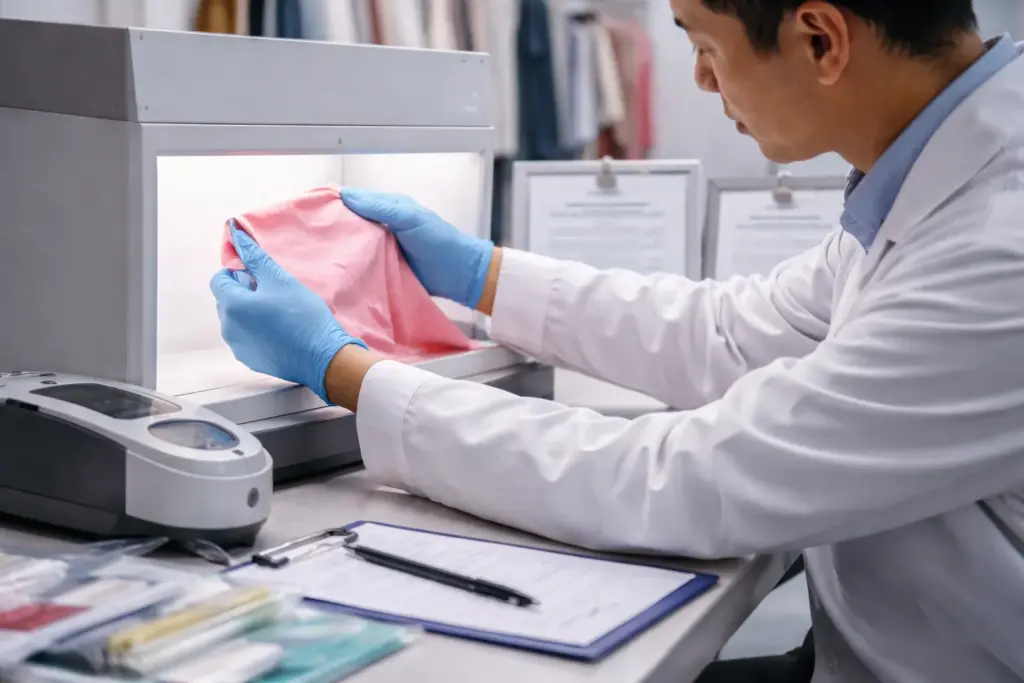
Blochez “eșantionul de aur” și îl fac măsurabil
Aprob o mostră de preproducție (PPS) care corespunde planului de producție în vrac. O păstrez ca “mostră de bază”. De asemenea, atașez o specificație de măsurare și o foaie de toleranță. Nu mă bazez pe “similar”. Mă bazez pe cifre. De asemenea, definesc regulile de contracție a țesăturilor și regulile de testare a spălării. Dacă produsul este tricotat, adaug note privind elasticitatea și recuperarea. Dacă produsul este denim, adaug note privind culoarea de spălare.
Planific inspecțiile pe parcursul procesului, nu la final.
O inspecție finală îmi poate spune doar ce este deja în neregulă. Folosesc puncte de control care detectează problemele din timp:
| Punct de control | Timing | Ce prind | Acțiunea mea |
|---|---|---|---|
| Aprobarea materialului textil și a garniturilor | Înainte de tăiere | Nuanță greșită, fermoar slab | Opresc vracurile și înlocuiesc materialele |
| Inspecție în linie | Producția 20–50% | Cusătură, abatere de dimensiune, defecte de imprimare | Corectez linia înainte de deteriorarea completă |
| Inspecția finală aleatorie | După ambalare | Defecte majore, erori la cutie | Rețin transportul până la reparare |
| Test de laborator (dacă este necesar) | Înainte de expediere | Rezistență la culoare, azo, siguranță | Retestez sau schimb materialul |
Adesea folosesc niveluri de eșantionare AQL pentru inspecția finală și clarific definițiile defectelor. De asemenea, definesc ce este considerat un defect major pentru piața mea. O pată mică poate fi un defect mare pentru o bluză albă.
Verific certificatele prin corelarea lor cu fapte reale de producție
Nu accept un fișier cu certificat de sine stătător. Întreb cine l-a emis, ce domeniu de aplicare acoperă și care sunt datele de valabilitate. De asemenea, întreb dacă certificatul corespunde cu numele, adresa și locația fabricii. Dacă un furnizor oferă “orice certificat de care aveți nevoie”, tratez acest lucru ca pe un semnal de alarmă. Conformitatea reală necesită timp și costuri. De asemenea, apelez la laboratoare terțe atunci când piața o cere. Un raport de laborator care enumeră stilul produsului meu, materialul și metoda de testare îmi oferă o plasă de siguranță mai clară decât o captură de ecran aleatorie a certificatului.
Concep un proces de reclamații înainte ca problemele să apară
Scriu regulile de reclamații în contract. Stabilesc termene limită pentru raportarea defectelor, reguli privind dovezile foto și video și opțiuni de rambursare sau refacere. De asemenea, definesc modul în care gestionez costurile de refacere și costurile de transport. Când ambele părți cunosc regulile, disputele sunt mai mici și mai rapide.
Concluzie
Import haine din China tratând aprovizionarea, transportul și calitatea ca pe un singur sistem. Folosesc dovezi, liste de verificare și control timpuriu, astfel încât comenzile mele ajung la timp și se vând.
De ce scriu asta
Sunt Lancy Chia din Truekung. Conduc producția de îmbrăcăminte en-gros B2B cu suport OEM/ODM în China. Echipa mea din fabrică are peste 200 de angajați și avem 20 de ani de experiență în export pe multe piețe. Dacă doriți să discutați despre următoarea comandă, vă răspund la [email protected] și vă împărtășesc mai multe informații la https://truekung.com.
Vizualizări: 113