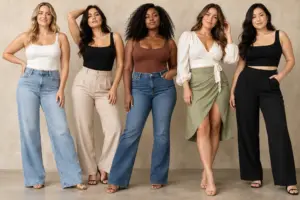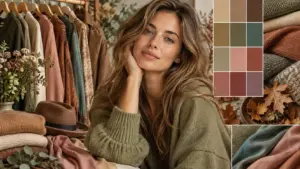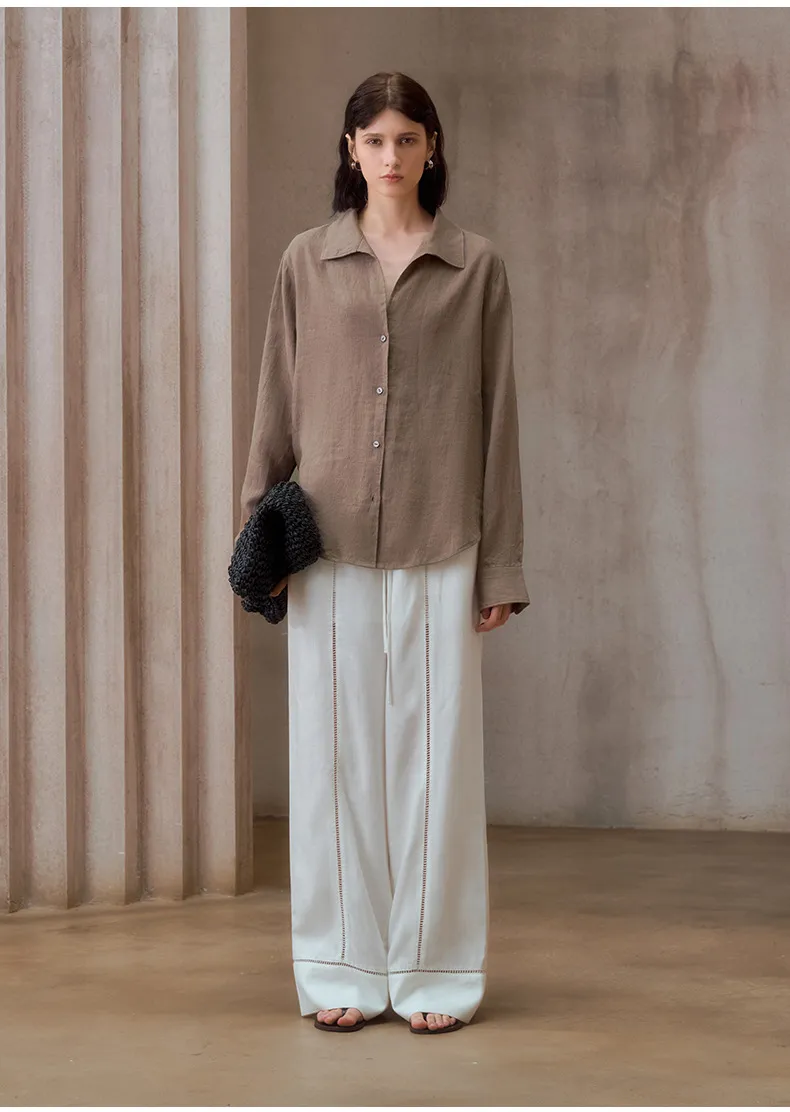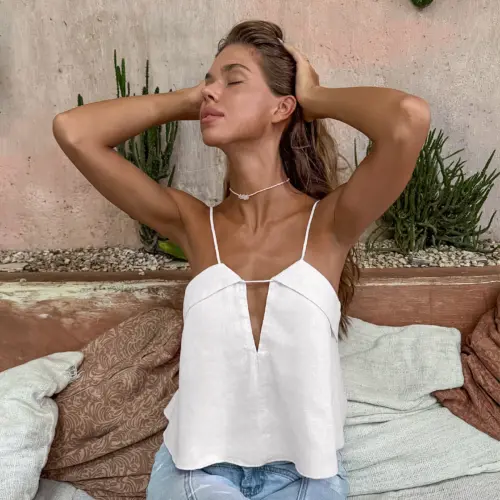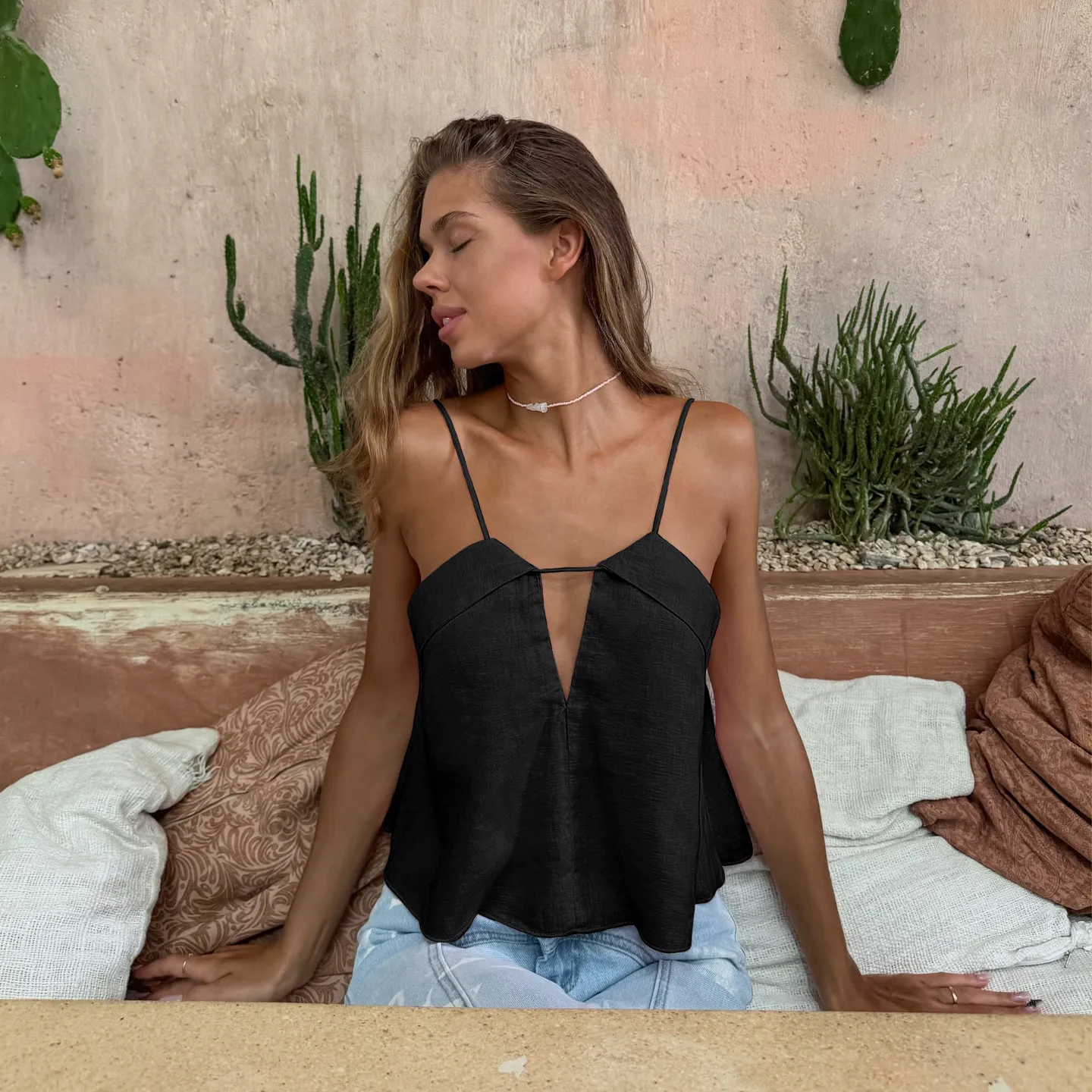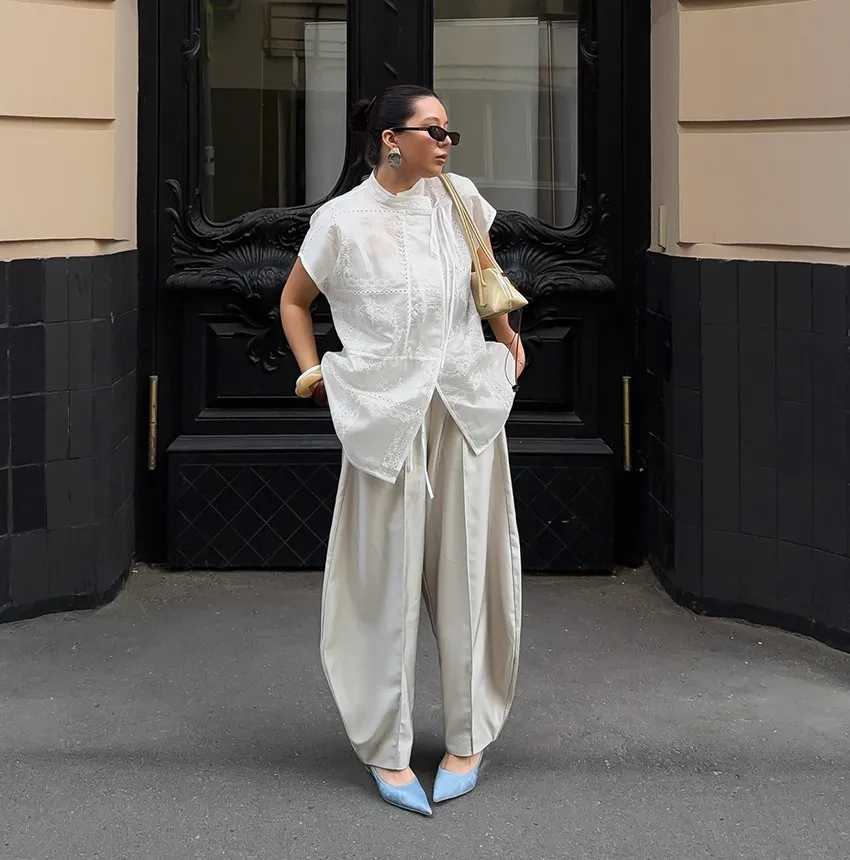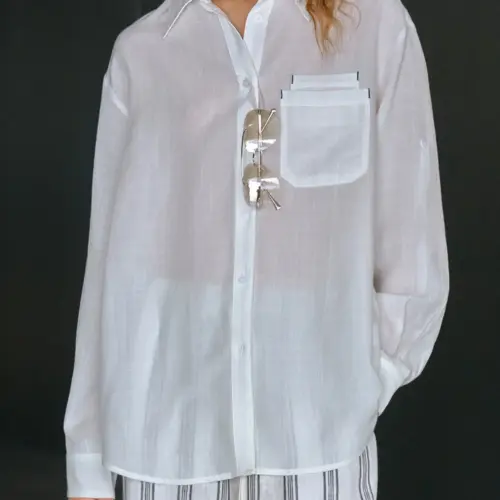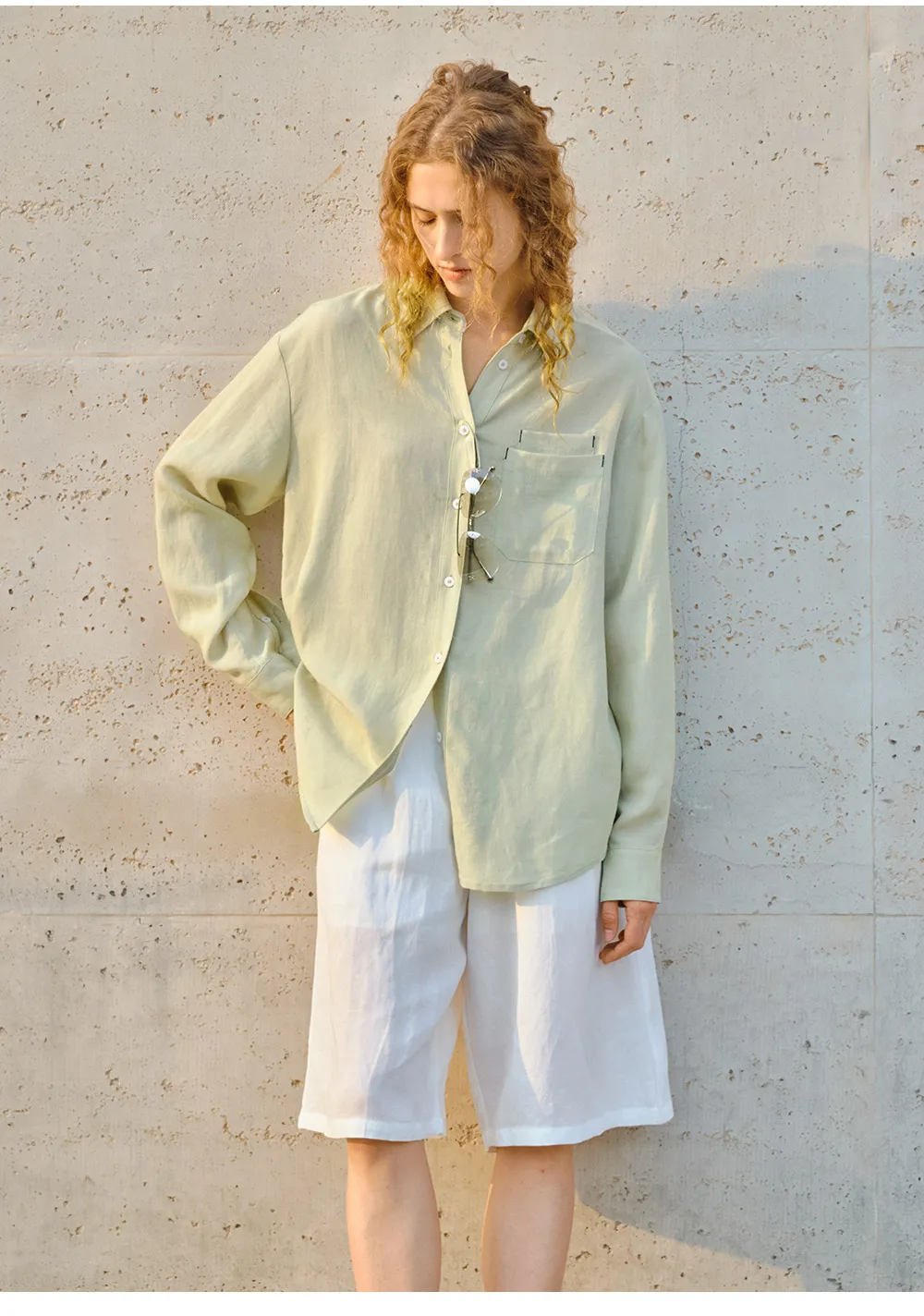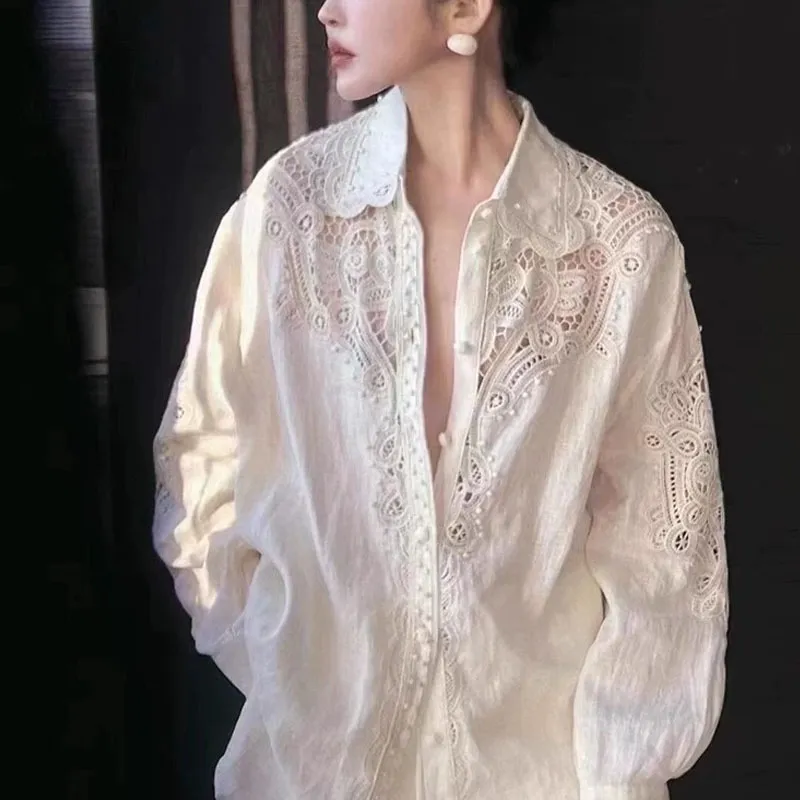

Choosing a dress color seems simple until you compare dozens of shades. The wrong color can change how a dress looks, feels, and sells. Understanding dress colors and their meanings helps you choose shades that match the occasion, personal style, and target market.
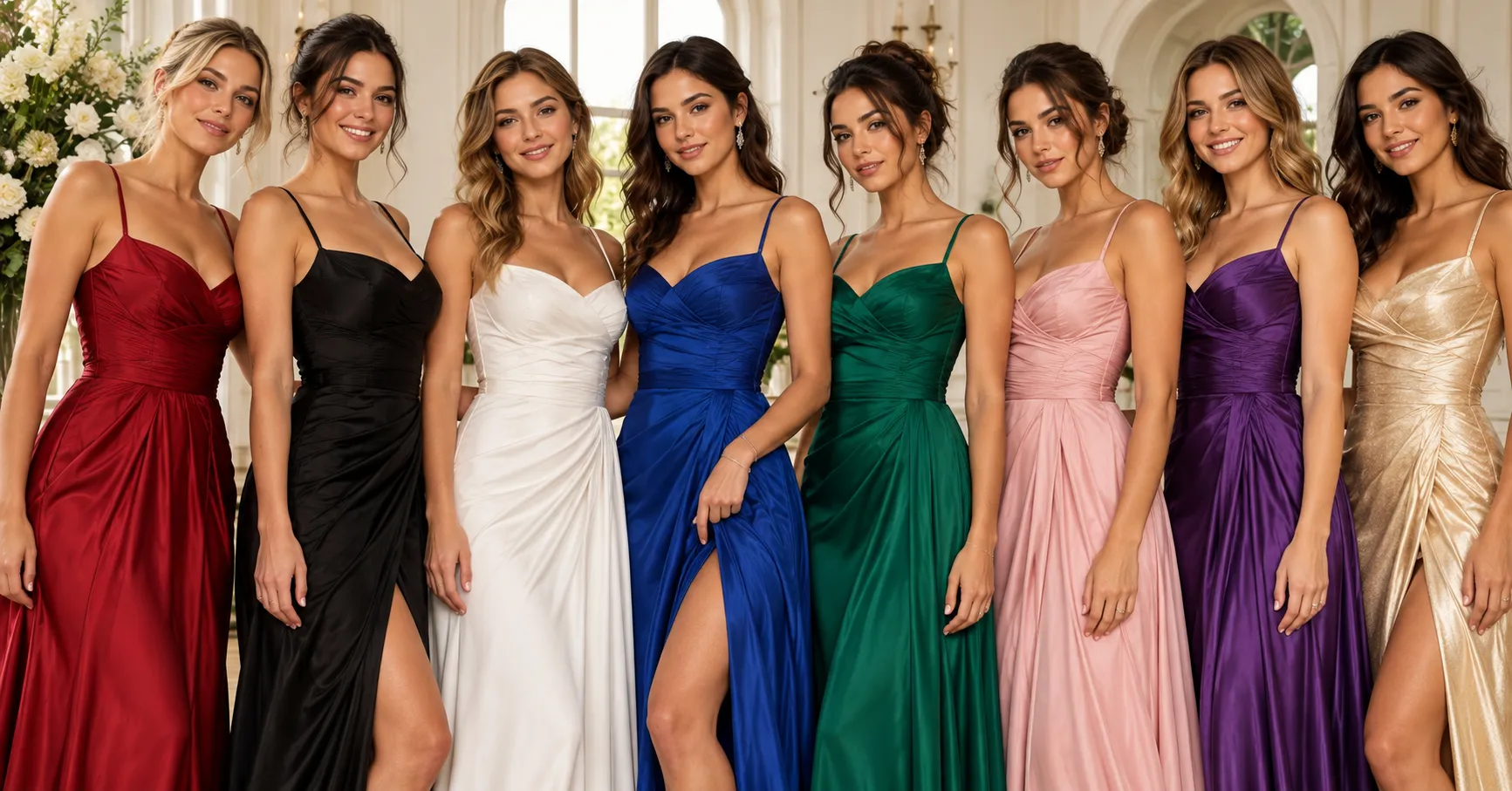
Dress colors often carry different meanings. Red suggests confidence and passion, black represents elegance, white is associated with purity, and blue communicates calmness and trust. The right dress color depends on the occasion, skin undertone, fabric, personal preference, and cultural background. For clothing brands, customer preferences and production consistency also matter.
I’m Lancy Chia from Truekung, a clothing manufacturer in China with 20 years of export experience and over 200 workers. We provide OEM/ODM clothing production, private label development, sampling, bulk manufacturing, and export support for overseas fashion brands, wholesalers, and sourcing managers.
In my factory experience, choosing a dress color involves more than selecting an attractive shade. Fabric composition, dyeing methods, lighting, production quantities, and customer expectations can all affect the final result.
Whether you are choosing a dress for yourself or developing a dress collection for your brand, understanding color symbolism and practical color selection can help you make better decisions.
What Do Different Dress Colors Mean?
Every dress color creates a different impression. Some colors feel romantic, while others communicate confidence, elegance, or creativity.
However, dress symbolism is not universal. The meaning of a color can change depending on culture, occasion, styling, and personal experience.
For clothing brands, these associations can help guide collection development and product positioning.
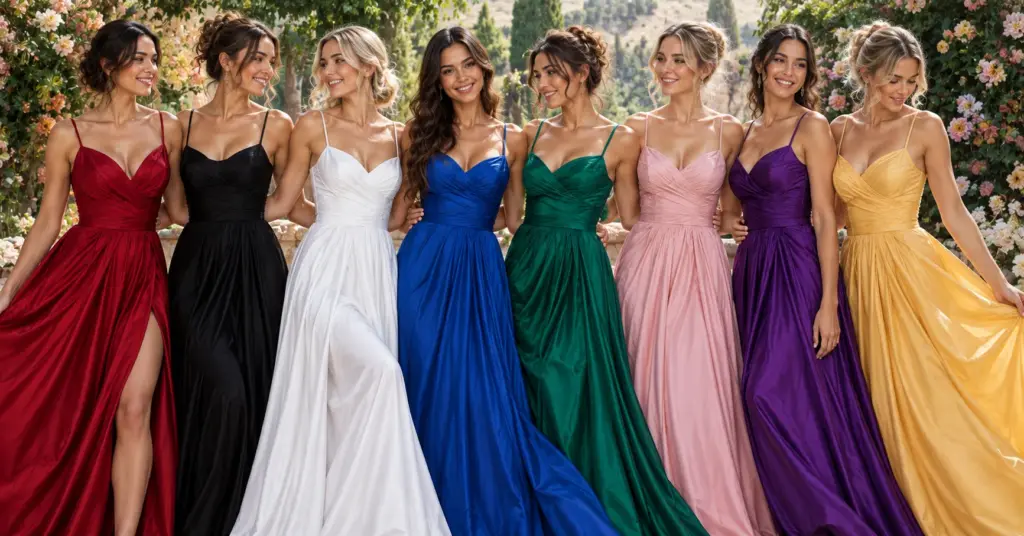
Red Dresses: Confidence, Passion, and Energy
Red is one of the most noticeable dress colors.
It is commonly associated with:
- Passion and romance
- Confidence and strength
- Energy and excitement
- Celebration and good fortune in some cultures
A red dress can work well for romantic dinners, evening parties, holiday collections, and special celebrations.
However, not all red shades create the same impression.
Bright red feels energetic and attention-grabbing. Burgundy creates a more reserved and sophisticated appearance. Wine red often works well for autumn and winter collections.
From a manufacturing perspective, red also requires careful color control. Different fabric compositions can produce slightly different results even when the same color reference is used.
For example, a polyester satin dress and a cotton dress may not look identical in the same red shade.
I usually ask buyers to approve actual fabric color samples before confirming bulk production.
Black Dresses: Elegance, Power, and Sophistication
Black remains a common choice for formal dresses, evening gowns, and everyday fashion.
It is often associated with:
- Elegance
- Autoridade
- Sophistication
- Mystery
- Formalidade
A black dress is suitable for many occasions because it works with different accessories, silhouettes, and fabrics.
For example, a simple black cotton dress can feel casual, while a black satin gown creates a more formal appearance.
Black is also useful for clothing brands developing basic collections.
However, black fabric is not always identical between suppliers. Some black fabrics have warmer undertones, while others appear cooler or slightly faded.
This difference becomes especially noticeable when a dress combines multiple materials.
White Dresses: Purity, Simplicity, and Freshness
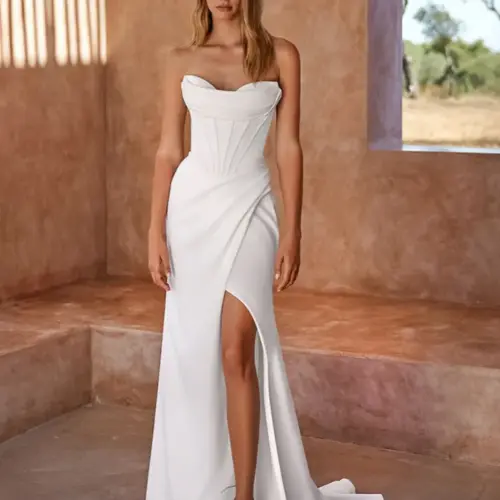
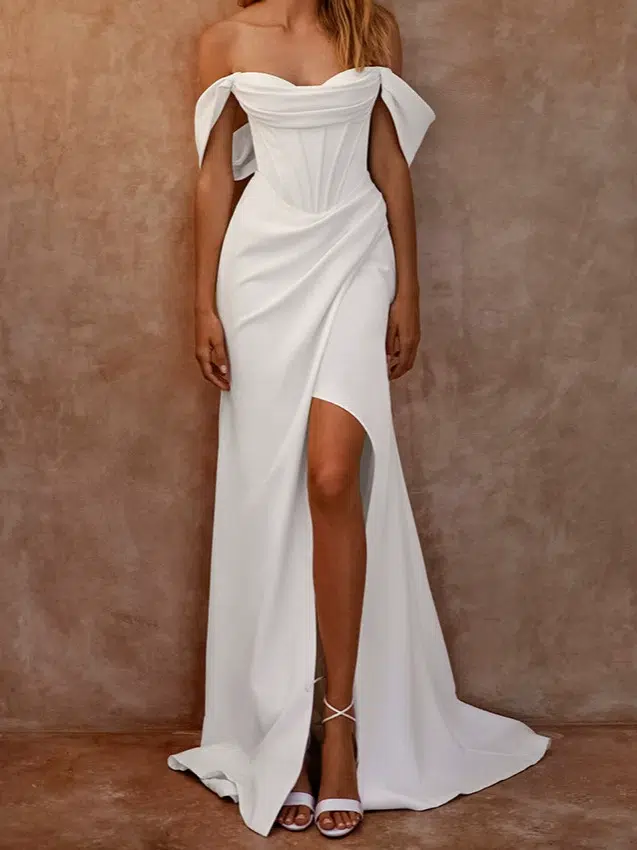
White dresses are commonly associated with purity, simplicity, and new beginnings in many Western wedding traditions.
They are frequently used for:
- Bridal collections
- Graduation dresses
- Moda de verão
- Minimalist clothing
- Resort wear
White is not a single shade.
Common variations include pure white, ivory, cream, and off-white.
These shades can look very different when placed next to each other.
For manufacturers, white dresses also require attention to fabric transparency, lining, and cleanliness during production.
A white dress that looks attractive in a product photo may become transparent under strong lighting if the fabric is too thin.
This is why fabric weight and lining selection should be confirmed during sampling.
Blue Dresses: Calmness, Trust, and Confidence
Blue is commonly associated with calmness, stability, and confidence.
Different blue shades create different fashion impressions.
| Blue Shade | Common Impression | Suitable Dress Styles |
|---|---|---|
| Navy blue | Professional and elegant | Formal dresses and office wear |
| Azul real | Bold and confident | Party dresses and evening gowns |
| Azul celeste | Fresh and relaxed | Summer dresses |
| Baby blue | Soft and delicate | Casual and bridesmaid dresses |
| Midnight blue | Refined and dramatic | Vestidos de noite |
Navy blue is particularly useful for brands developing formal dress collections.
It offers a dark alternative to black while maintaining a polished appearance.
Royal blue can create stronger visual impact, especially in satin or structured fabrics.
Green Dresses: Nature, Balance, and Renewal
Green is often associated with nature, growth, freshness, and balance.
It has become a versatile choice for casual dresses, formal wear, and seasonal collections.
Popular green dress colors include:
- Verde esmeralda
- Verde sálvia
- Olive green
- Verde menta
- Forest green
Emerald green creates a rich appearance for formal dresses and evening gowns.
Sage green offers a softer look that can work well for bridesmaid dresses and spring collections.
Olive and forest green are useful for autumn fashion.
For clothing buyers, the important point is that different green shades may appeal to different customer groups.
A brand targeting young summer shoppers may choose mint green, while a brand developing formal evening dresses may prefer emerald green.
Pink Dresses: Romance, Femininity, and Playfulness
Pink is commonly associated with romance, softness, affection, and playfulness.
However, its meaning changes considerably with the shade.
Blush pink creates a delicate appearance.
Hot pink feels energetic and expressive.
Dusty rose offers a softer, more muted alternative.
Pink dresses are frequently used in bridesmaid collections, summer fashion, party wear, and children’s clothing.
For brands developing cute dress colors, pink can be combined with details such as puff sleeves, floral prints, ruffles, or bows.
The final impression depends on the entire design rather than the color alone.
Purple Dresses: Creativity, Luxury, and Individuality
Purple has historical associations with royalty and luxury in some cultures.
Today, it is also connected with creativity, individuality, and imagination.
Lavender dresses often feel soft and romantic.
Deep purple creates a richer and more dramatic appearance.
Lilac can work well for spring and summer collections, while plum is suitable for autumn and winter fashion.
Purple can also be useful for brands that want alternatives to common black, red, and blue evening dress colors.
Yellow and Orange Dresses: Happiness and Optimism
Yellow and orange are commonly associated with warmth, happiness, energy, and optimism.
Light yellow can create a gentle summer appearance.
Mustard yellow feels warmer and more suitable for autumn.
Bright orange creates a stronger visual statement, while peach offers a softer alternative.
These colors are often used in vacation clothing, casual dresses, and seasonal fashion collections.
However, bright colors can look different under natural and artificial lighting.
For wholesale buyers, checking the actual fabric color is more reliable than approving a shade from a digital image alone.
Gold and Silver Dresses: Glamour and Celebration
Gold and silver are popular choices for special-occasion dresses.
Gold is often associated with celebration, luxury, and achievement.
Silver creates a modern and glamorous appearance.
These colors are frequently used for:
- Vestidos de noite
- Vestidos de baile
- Holiday party dresses
- Vestidos de cocktail
- Formal celebrations
Metallic dress colors often depend on fabric construction rather than dye alone.
Sequins, metallic yarns, satin finishes, and surface coatings can create different visual effects.
A gold sequin dress will not look the same as a champagne satin dress.
How Color Meaning Changes With Fabric
The same dress color can communicate different styles depending on the fabric.
Consider a black dress.
A black cotton jersey dress may be suitable for everyday wear. A black velvet dress creates a richer appearance, while a black satin dress may feel more appropriate for formal occasions.
This distinction matters when developing clothing collections. Buyers sometimes focus heavily on dress color but overlook how fabric texture affects the final appearance.
For example, a brand may request an elegant champagne evening dress using a reference photo showing silk-like satin. If the supplier uses a lightweight matte polyester fabric instead, the finished dress may have a very different appearance even when the color is similar. The color name alone cannot communicate the expected shine, drape, or texture.
My suggestion is to evaluate dress colors together with fabric swatches, garment samples, and intended selling occasions. Do not approve a shade only because it looks attractive on a computer screen.
For clothing brands, a practical decision rule is to confirm the color and fabric combination before approving the final sample. If either the shade or material changes, review the complete dress again before bulk production.
What Dress Color Should You Wear for Different Occasions?
The right dress color depends on where you plan to wear it.
A color that looks appropriate at a summer party may not create the same impression at a formal business event.
For clothing brands, understanding these differences helps develop collections that match customer expectations.
Choose dress colors according to the occasion, dress code, season, and personal style. Black, navy, and burgundy are common formal choices. Pastels and light colors work well for many daytime events. Red, emerald green, royal blue, and metallic shades can create stronger evening looks.
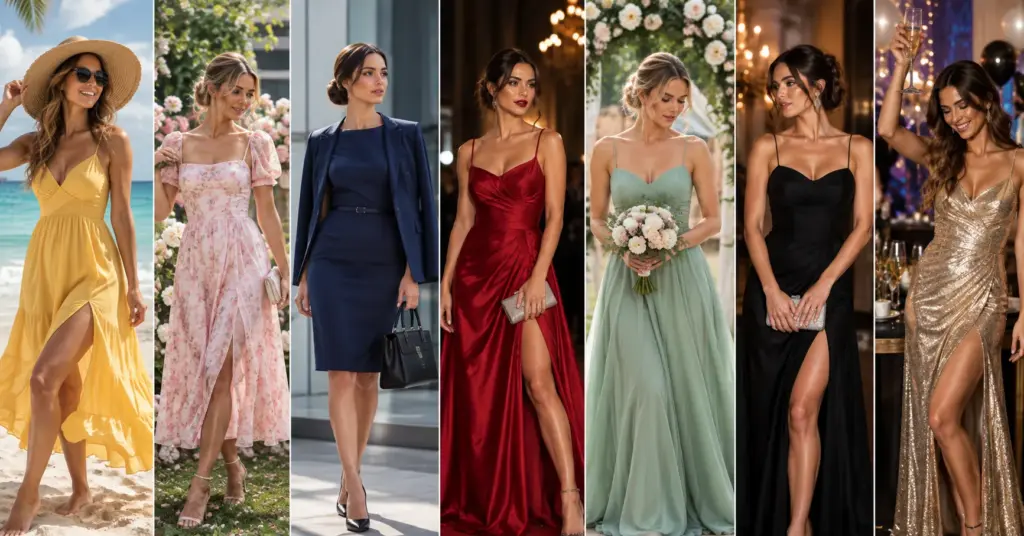
Which Colors Work for Formal Dresses?
Formal dress colors usually create a polished and refined appearance.
As opções mais comuns incluem:
| Formal Dress Color | Style Impression | Suitable Occasion |
|---|---|---|
| Preto | Classic and elegant | Formal dinners and evening events |
| Navy blue | Refined and understated | Corporate events and formal gatherings |
| Borgonha | Rich and sophisticated | Autumn and winter celebrations |
| Verde esmeralda | Elegant and noticeable | Festas à noite |
| champanhe | Soft and luxurious | Formal celebrations |
| Midnight blue | Dramatic and refined | Black-tie events |
The fabric and dress silhouette are just as important as the color.
A navy satin gown may look more formal than a navy cotton sundress.
For buyers developing formal dress collections, I suggest confirming the target occasion before selecting fabrics and colors.
What Are Popular Evening Dress Colors?
Evening dress colors often include deeper shades and materials that reflect light.
Black, burgundy, emerald green, royal blue, gold, and silver are common choices.
Dark colors can create a refined appearance, while metallic colors offer a stronger party atmosphere.
For evening gowns, fabric selection also affects color performance.
Satin reflects light differently from chiffon.
Velvet creates deeper shadows.
Sequins produce a brighter and more decorative appearance.
These differences should be considered when selecting colors for evening dress production.
What Color Prom Dress Should I Wear?
Prom dress color selection depends on personal style, skin undertone, the event theme, and the desired appearance.
Popular options include:
- Royal blue for a bold appearance
- Red for confidence and energy
- Lavender for a romantic style
- Emerald green for an elegant look
- Black for a classic appearance
- Champagne for a soft formal style
- Silver for a glamorous look
There is no single correct prom dress color.
A shade that looks attractive on one person may create a different effect on another.
Trying different colors under natural lighting can help identify a suitable option.
What Do Wedding Dress Colors Mean?
Wedding dress colors carry different meanings across cultures and traditions.
White is commonly associated with purity and new beginnings in Western bridal fashion.
Red is associated with happiness, prosperity, and celebration in traditional Chinese wedding customs.
Other bridal colors offer different style possibilities.
| Wedding Dress Color | Common Symbolism or Impression |
|---|---|
| Branco | Purity and new beginnings in Western traditions |
| Marfim | Soft elegance and tradition |
| champanhe | Warmth and sophistication |
| Blush pink | Romance and tenderness |
| Vermelho | Celebration and good fortune in some cultures |
| Ouro | Prosperity and luxury in some traditions |
| Azul | Calmness and individuality |
| Preto | Modernity and unconventional style |
These meanings are not fixed rules.
Brides may choose colors according to family traditions, personal preferences, or wedding themes.
For bridesmaid dresses, color coordination is often more important than symbolism alone.
How Seasonal Demand Changes Dress Colors
Seasonality can influence which dress colors customers expect to see in a collection.
Spring collections often feature pastel pink, lavender, mint green, and light blue. Summer collections may include white, yellow, coral, and bright floral prints. Autumn ranges often introduce burgundy, olive green, rust, and brown, while winter collections may emphasize black, navy, emerald green, and deeper red shades.
These are common styling patterns, not guaranteed sales trends. Customer preferences can differ by market, age group, price range, and brand identity.
For example, a wholesale buyer developing summer dresses for a resortwear collection may select white, sky blue, and coral. Another buyer developing summer evening gowns may prefer black, champagne, and royal blue because the intended occasion is different.
From the factory side, introducing many seasonal colors can increase sourcing complexity. Each new shade may require fabric availability checks, color approval, and separate production planning.
A practical decision rule is to select colors according to the target customer and selling occasion before expanding the color range. A focused collection with clearly defined shades is often easier to develop and manage than a collection with too many similar colors.
How Do You Choose the Right Dress Color for Your Skin Tone and Clothing Collection?
Choosing a flattering dress color involves more than identifying whether a shade is light or dark.
Skin undertone, color contrast, fabric texture, and lighting can all influence the appearance of a dress.
For fashion brands, these factors also affect product photography, color selection, and customer expectations.
Start by identifying warm, cool, or neutral undertones. Then compare several dress colors near the face under natural lighting. For clothing collections, choose shades that suit the target market, confirm fabric color samples, and control color consistency during bulk production.
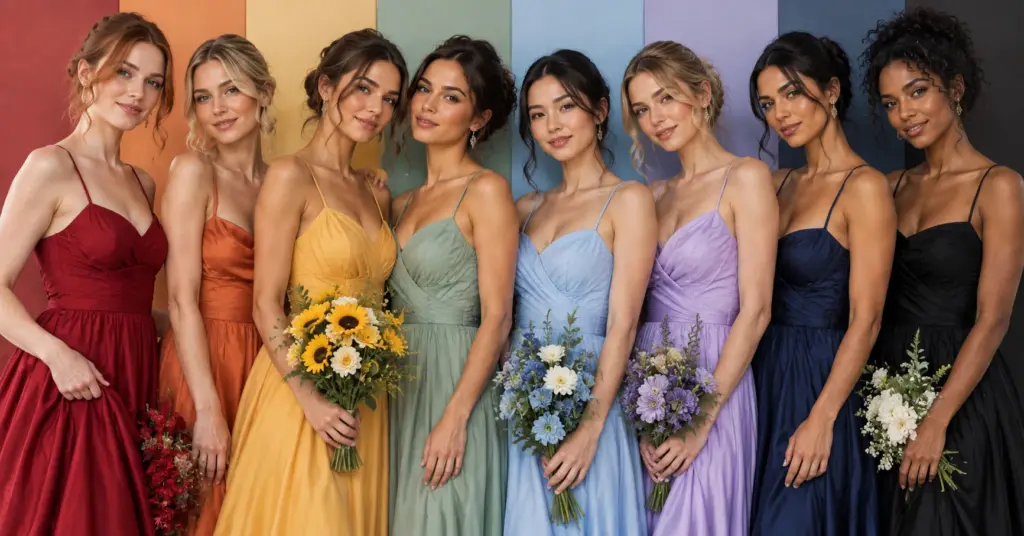
How Skin Undertones Affect Dress Colors
Skin undertone refers to the underlying warmth or coolness of the skin.
It is different from skin depth.
People with light, medium, or deep skin can have warm, cool, or neutral undertones.
Warm undertones may pair well with colors such as:
- Coral
- Pêssego
- Mustard yellow
- Olive green
- Warm red
- Creme
Cool undertones may pair well with:
- Azul real
- Lavanda
- Cool pink
- Verde esmeralda
- Blue-based red
- Prata
Neutral undertones may work with a wide range of warm and cool shades.
These are styling suggestions rather than strict rules.
Personal preference and the overall outfit should remain important.
Why Lighting Changes Dress Color Appearance
Have you ever ordered a dress online and found that the actual color looked different from the product photo?
Lighting may be one reason.
Natural daylight, warm indoor lighting, and cool artificial lighting can change how colors appear.
Digital screens also display colors differently.
This creates an important challenge for online clothing brands.
A dress photographed under warm lighting may appear more yellow than it does in person.
A blue dress may look darker under low lighting.
For manufacturers, approved physical color samples provide a more reliable reference than digital images alone.
What Should Buyers Check Before Bulk Production?
Color consistency is an important part of dress manufacturing.
When developing private label dresses, I suggest confirming several points before production begins.
| O que verificar | Por que isso importa | O que eu sugiro |
|---|---|---|
| Referência de cores | Color names can be interpreted differently | Provide a physical swatch or agreed color standard |
| Composição do tecido | Different fibers absorb dyes differently | Confirm the actual fabric |
| imersão em laboratório | Shows the proposed dyed shade | Approve the color before bulk dyeing |
| Disponibilidade do tecido | Some shades may require custom production | Check stock and MOQ |
| Solidez da cor | Poor performance can cause fading or staining | Agree on relevant testing requirements |
| Fabric lots | Different dye lots may show shade variation | Confirm lot control |
| Iluminação | Changes perceived color | Review under agreed lighting conditions |
| Embalagem | Can affect presentation and protection | Confirm before shipment |
A serious clothing supplier should explain how color approval works before starting bulk production.
Why More Dress Colors Can Increase Production Costs
Offering more dress colors can make a collection more attractive to different customers, but it also creates additional production requirements. Each color may need separate fabric sourcing, dyeing, cutting, quality checks, and inventory management. If the fabric supplier has a minimum dyeing quantity, dividing a small order into many colors can make production more expensive or difficult to arrange.
For example, imagine a clothing brand planning 600 dresses across six colors. The average quantity would be 100 dresses per color. If the selected fabric requires a higher minimum quantity for custom dyeing, the buyer may need to change the fabric, reduce the number of colors, accept additional material costs, or increase the order quantity. The actual options depend on the fabric supplier and production requirements.
This looks small, but it can affect delivery. Color approval delays may also postpone fabric purchasing and bulk cutting.
My suggestion is to begin with a manageable color range, especially when launching a new dress style. Confirm the available fabric colors and minimum quantities before finalizing the collection.
The practical decision rule is simple: add another color only when its expected commercial value justifies the additional sourcing, production, and inventory requirements.
O que você deve preparar antes de entrar em contato com uma fábrica de roupas na China?
If you are developing a dress collection, clear product information helps the manufacturer understand your expectations.
Before requesting a quotation, prepare the following details.
| Informação | Exemplo | Por que é necessário |
|---|---|---|
| Produto | Vestido, jaqueta ou roupa esportiva | Confirma a adequação da fábrica |
| Fotos/pacote técnico | Imagens, medidas, construção | Apoia a definição de preços e o desenvolvimento. |
| Tecido | Algodão, jeans, poliéster ou desconhecido | Afeta o custo, a quantidade mínima de encomenda e o prazo de entrega. |
| Tamanhos | XS–XL ou tabela personalizada | Afeta padrões e consumo. |
| Quantidade | Por estilo e cor | Afeta a quantidade mínima de encomenda e o preço unitário. |
| Mercado | UE, Reino Unido, EUA ou Austrália | Afeta o dimensionamento e a conformidade. |
| Nível de qualidade | Atacado ou premium | Orienta sobre materiais e mão de obra |
| Embalagem | Saco plástico, caixa ou código de barras | Afeta o custo e o prazo. |
| Etiquetas | Etiqueta para pescoço, cuidados, tamanho e preço | Afeta a arte, a quantidade mínima de encomenda e o custo. |
| Prazo final | data de chegada ao armazém | Apoia o planejamento da produção |
| Certificados | Certificados necessários | Confirms compliance requirements |
| Preço alvo | FOB ou preço de entrega | Ajuda a sugerir opções realistas. |
For dress color development, I also recommend providing color references or physical fabric swatches whenever possible.
If you have not selected the final colors, explain the intended collection style and target market.
Informações claras ajudam a fábrica a fornecer preços, cronogramas, sugestões de materiais e planos de produção mais precisos.
It is also useful to separate essential requirements from optional preferences.
For example, a specific brand color may be essential, while the exact lining composition may allow some flexibility.
This distinction gives the manufacturer room to suggest practical alternatives without changing the main product concept.
Quando você deve solicitar um orçamento à Truekung?
If you are planning to develop dresses for your clothing brand, you can contact Truekung during the early product development stage.
We work with overseas buyers who need OEM/ODM clothing production, private label development, sample development, bulk manufacturing, and export communication.
Whether you are developing casual dresses, party dresses, formal dresses, or seasonal fashion collections, I suggest sending your product information before requesting a final price.
Useful details include:
- Product images or technical packs
- Preferred dress colors and fabric references
- Estimated quantities per style and color
- Mercado-alvo
- Requisitos de qualidade
- Packaging and labeling needs
- Expected delivery date
If you are unsure which fabric or color options are practical for your order quantity, you can explain your requirements and ask about available alternatives.
Entre em contato com Lancy Chia na Truekung:
E-mail: [email protected]
Site: https://truekung.com
Conclusão
Understanding dress colors helps you choose shades that match the occasion, personal style, and customer expectations. For clothing brands, the right dress color should also meet fabric, MOQ, cost, and production requirements. Always confirm actual color samples before bulk manufacturing.
Visualizações: 0