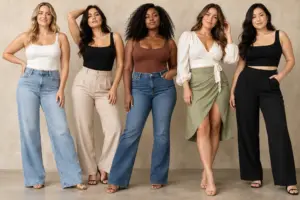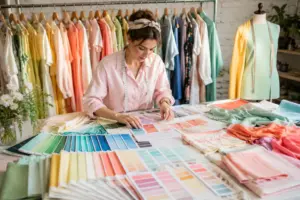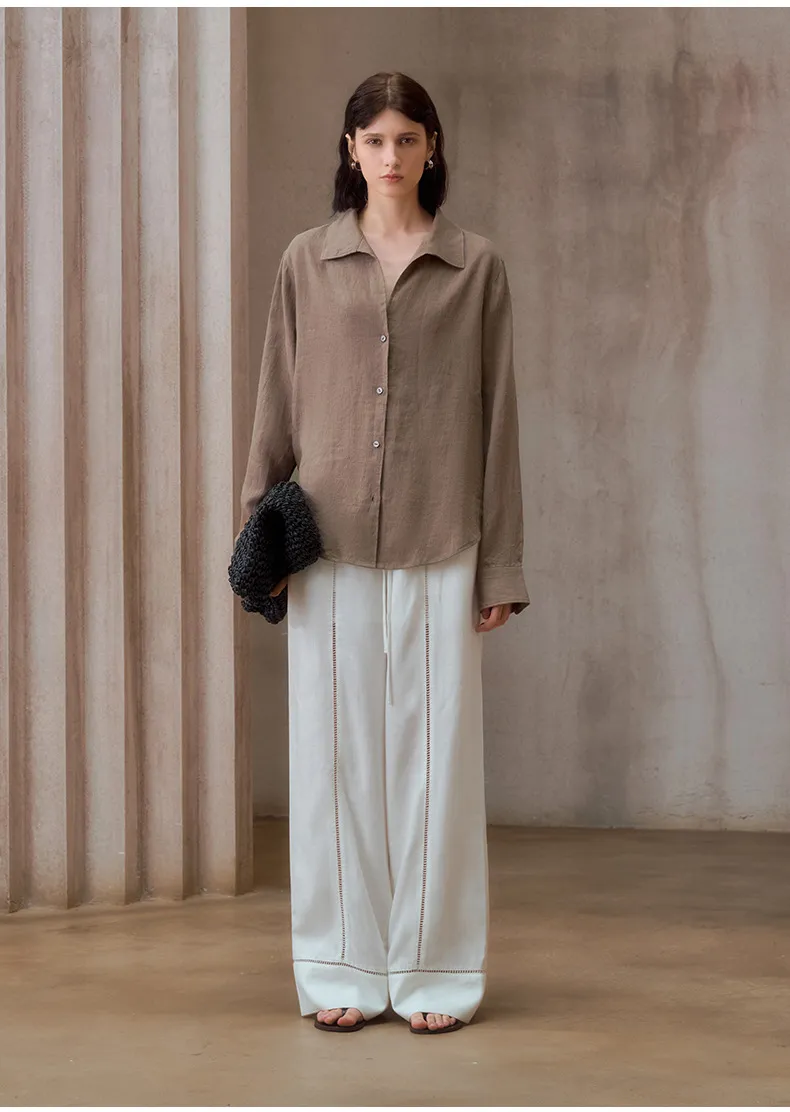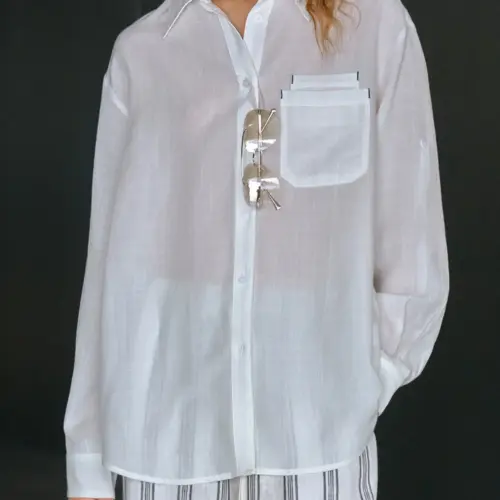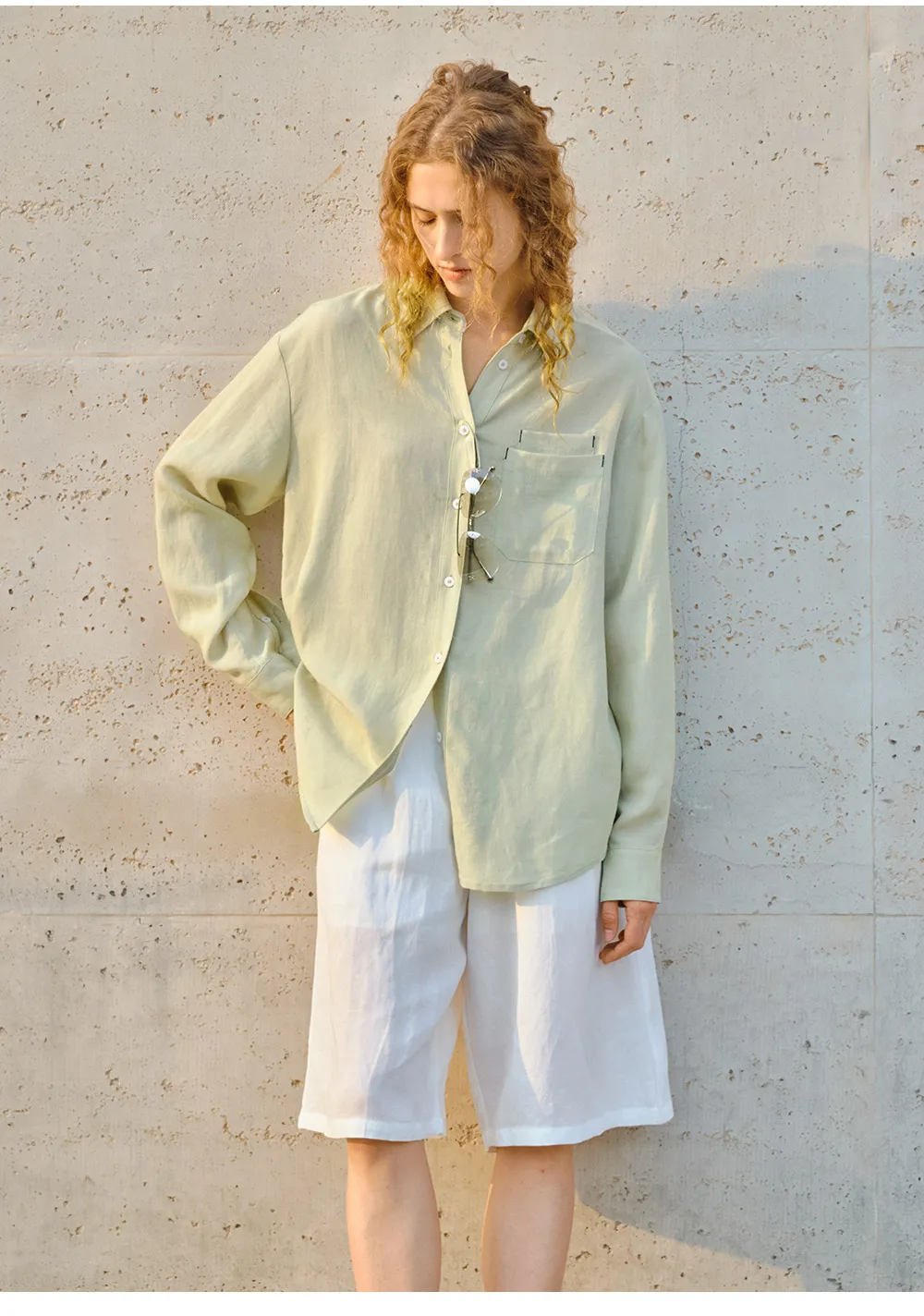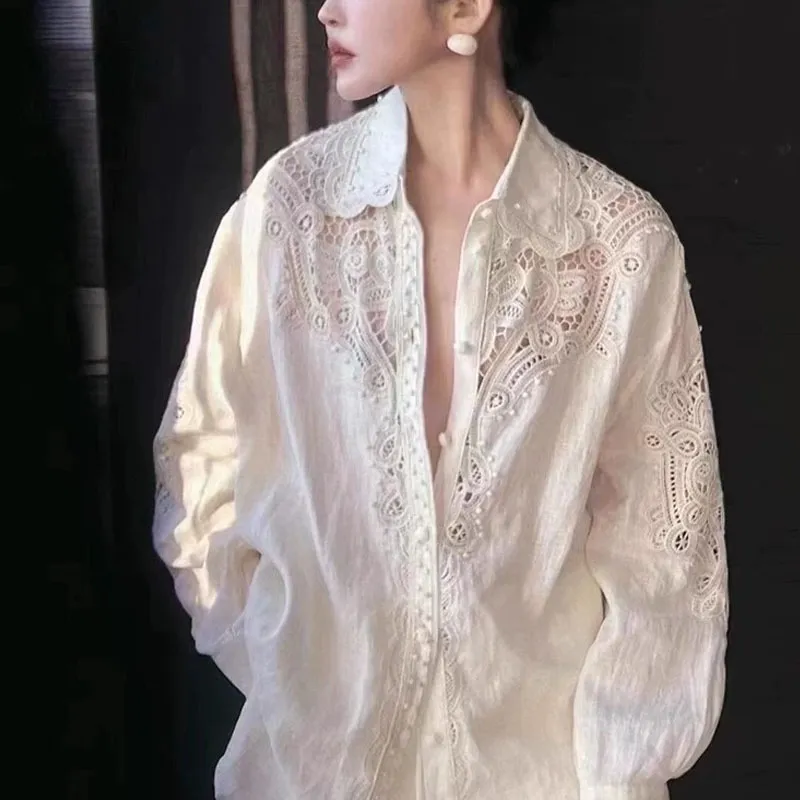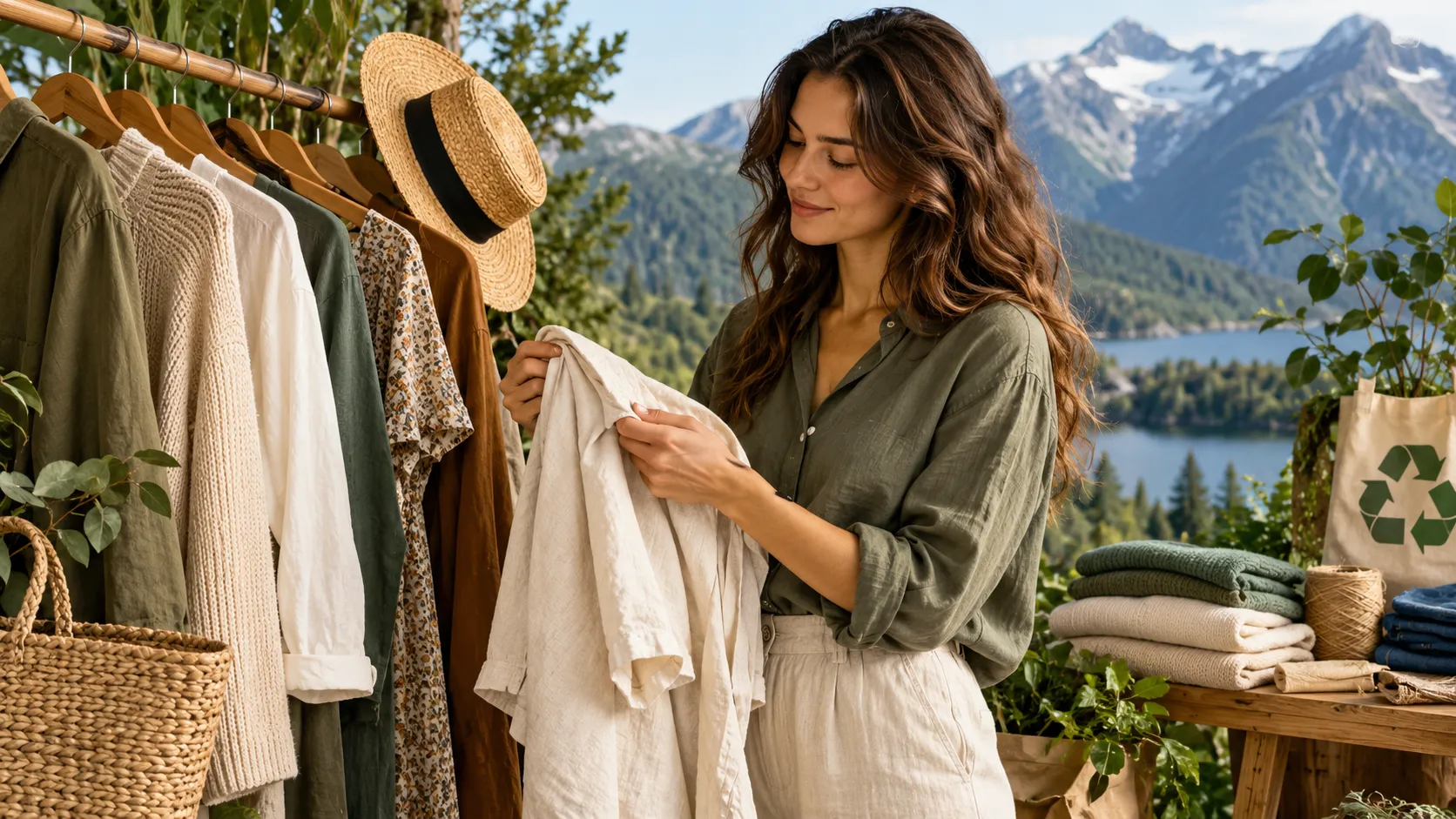

Sustainable fashion is no longer a small market. More clothing brands are exploring responsible materials and ethical manufacturing. However, sustainability claims can be difficult to verify. Understanding how established sustainable clothing brands approach production can help buyers make better sourcing decisions.
The sustainable clothing brands worth watching in 2026 include Patagonia, Reformation, Eileen Fisher, Pact, tentree, People Tree, and other companies working with responsible materials, transparent supply chains, durable designs, and circular fashion. Their approaches offer useful lessons for fashion brands, wholesalers, and clothing manufacturers.
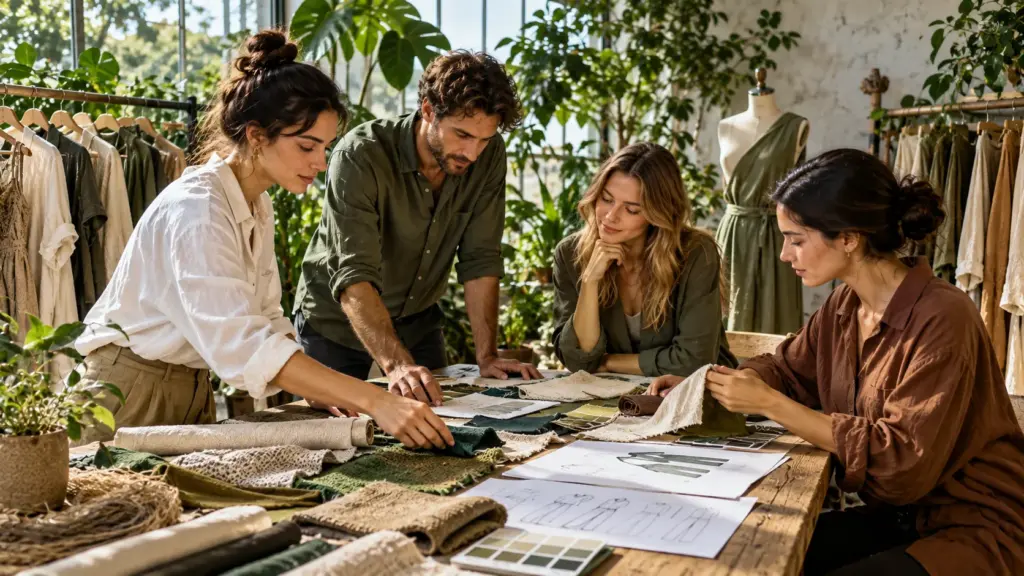
I am Lancy Chia from Truekung, a clothing manufacturer in China with 20 years of export experience and more than 200 workers. We provide OEM/ODM clothing production, private label development, sampling, bulk manufacturing, and export support for overseas fashion businesses.
From my factory experience, sustainable fashion is not simply about choosing organic cotton or recycled polyester. Fabric sourcing, garment construction, production planning, quality control, packaging, and transportation all influence the final product.
In this article, I will introduce 24 sustainable clothing brands, explain their different approaches, and share practical manufacturing lessons for buyers who want to develop their own sustainable apparel collections.
Which 24 Sustainable Clothing Brands Should You Know in 2026?
Many fashion companies now describe their products as sustainable. However, their approaches can be very different. Some focus on organic materials, while others invest in repair services, recycled fibers, ethical production, or longer-lasting designs.
The following 24 brands provide examples of different sustainable fashion strategies. They are not ranked by environmental performance. Instead, I have grouped them by their product categories and the sustainability practices they publicly communicate.
1. Patagonia: Durable Outdoor Clothing and Repair
Site: https://www.patagonia.com/
Patagonia is widely recognized for outdoor clothing, including jackets, fleece, sportswear, and performance apparel.
Its environmental programs include recycled materials, organic cotton, responsible down sourcing, and garment repair.
The company also operates Worn Wear, which encourages customers to keep clothing in use through repair and resale.
For clothing buyers, Patagonia demonstrates why product durability should be considered during development rather than after production.
A recycled polyester jacket still needs reliable stitching, functional zippers, suitable fabric strength, and consistent sizing.
Manufacturing lesson: Sustainable materials and durable garment construction should be developed together.
2. Reformation: Sustainable Women’s Fashion
Site: https://www.thereformation.com/
Reformation focuses on women’s clothing, including dresses, tops, denim, and occasionwear.
The brand communicates its approach through preferred material standards, supply chain transparency, circularity programs, and environmental reporting.
Its material choices include TENCEL™ Lyocell, recycled cotton, deadstock fabrics, and other preferred fibers.
For buyers developing sustainable women’s clothing, Reformation is an interesting example because it connects fashionable designs with material selection.
However, stylish garments can involve complicated construction, fabric consumption, and fitting requirements.
Manufacturing lesson: Sustainable women’s apparel still needs careful pattern development, fabric testing, and sample approval.
3. Eileen Fisher: Timeless Sustainable Womenswear
Site: https://www.eileenfisher.com/
Eileen Fisher is known for simple silhouettes, comfortable fabrics, and clothing designed for repeated wear.
The company has developed circular fashion initiatives, including its Renew take-back program.
Its product development also includes organic fibers and recycled materials.
From a manufacturing perspective, this approach shows the importance of designing garments that remain useful beyond one fashion season.
A well-developed shirt, dress, or coat can support repeat orders without requiring a completely new pattern every season.
Manufacturing lesson: Timeless designs can help brands maintain consistent quality and reduce unnecessary product development.
4. Pact: Organic Cotton Everyday Clothing
Site: https://wearpact.com/
Pact focuses on organic cotton clothing, including underwear, T-shirts, dresses, and everyday essentials.
The company communicates its use of certified organic cotton and Fair Trade Certified™ factories.
Its product range demonstrates how sustainable everyday wear can become a clear brand identity.
For buyers interested in organic clothing brands, Pact provides a useful example of building collections around a focused material strategy.
However, organic cotton sourcing requires more than asking a supplier whether cotton is organic.
Buyers should confirm fiber specifications, certification requirements, fabric performance, and supporting documents.
Manufacturing lesson: Organic cotton claims must be supported by appropriate material and supply chain documentation.
5. tentree: Sustainable Apparel and Environmental Restoration
Site: https://www.tentree.com/
tentree produces casual clothing, including T-shirts, sweatshirts, jackets, and other everyday garments.
The company connects clothing sales with tree planting and environmental restoration initiatives.
It also publishes information about preferred materials, traceability, and circularity.
Its approach shows how a sustainable clothing brand can combine product development with a broader environmental mission.
However, environmental projects do not replace the need to evaluate the garments themselves.
Fabric quality, workmanship, product durability, and supplier practices remain important.
Manufacturing lesson: Environmental initiatives should complement responsible production rather than substitute for it.
6. People Tree: Ethical Fashion and Fair Trade
Site: https://www.peopletree.co.uk/
People Tree is associated with ethical fashion, Fair Trade production, and organic cotton clothing.
Its collections include women’s dresses, tops, knitwear, and everyday fashion.
The brand has helped demonstrate how fashion businesses can connect design with the people involved in garment production.
For buyers, this approach highlights the importance of understanding who manufactures clothing and under what conditions.
A supplier’s material certificate alone does not establish its labor practices.
Manufacturing lesson: Evaluate material sourcing and manufacturing conditions as separate parts of responsible production.
7. Armedangels: Responsible Everyday Fashion
Site: https://www.armedangels.com/
Armedangels is a European fashion brand offering jeans, knitwear, T-shirts, and everyday clothing.
The company emphasizes preferred materials, supply chain transparency, and responsible production.
Its collections show how sustainable fashion can be developed around familiar wardrobe products.
For private label buyers, this is an important commercial lesson.
A sustainable clothing collection does not necessarily need unusual designs.
Well-made basics with suitable materials and consistent sizing can provide a practical starting point.
Manufacturing lesson: Start with products your target customers already understand and regularly purchase.
8. Thought Clothing: Natural Fibers and Everyday Wear
Site: https://www.wearethought.com/
Thought Clothing focuses on clothing made with materials such as organic cotton, hemp, and other selected fibers.
Its collections include women’s clothing, men’s clothing, and everyday wardrobe essentials.
The brand demonstrates how fabric choice can become part of a fashion company’s identity.
From a factory perspective, different natural fibers require different handling.
Hemp blends, cotton jersey, and lightweight woven fabrics do not behave identically during cutting, sewing, washing, or pressing.
Manufacturing lesson: Material selection must consider both environmental objectives and production performance.
9. Organic Basics: Responsible Underwear and Essentials
Site: https://organicbasics.com/
Organic Basics focuses on underwear, activewear, and everyday essentials.
The brand emphasizes material selection and responsible production in products designed for frequent use.
This category requires particular attention to comfort and performance.
Underwear and close-fitting garments need suitable stretch, recovery, seam construction, and washing stability.
A fabric may have an attractive sustainability profile but still be unsuitable for a particular garment.
Manufacturing lesson: Test fabric performance before confirming sustainable underwear or activewear production.
10. Kotn: Cotton Clothing and Supply Chain Development
Site: https://kotn.com/
Kotn is known for cotton clothing and its approach to building relationships within its supply chain.
Its collections include everyday basics and wardrobe essentials.
For buyers, Kotn illustrates the importance of understanding where materials originate.
Cotton quality can vary according to fiber characteristics, yarn construction, fabric finishing, and supplier consistency.
Two garments labeled as cotton may perform very differently after repeated washing.
Manufacturing lesson: Confirm fabric specifications rather than relying only on the fiber name.
11. MATE the Label: Organic Clothing and Comfortable Basics
Site: https://matethelabel.com/
MATE the Label focuses on clothing made with selected materials, including organic cotton.
Its products include casualwear, loungewear, and women’s everyday clothing.
The brand’s approach connects sustainability with comfort and simple designs.
For buyers developing similar collections, fabric hand feel is especially important.
Customers purchasing loungewear often expect softness, comfortable movement, and stable sizing.
These qualities should be evaluated during sample development.
Manufacturing lesson: Sustainable basics must meet customer expectations for comfort and repeated washing.
12. Girlfriend Collective: Recycled Activewear
Site: https://girlfriend.com/
Girlfriend Collective is known for activewear, including leggings, sports bras, and workout clothing.
The brand has communicated its use of recycled materials in selected products.
Its product category demonstrates the opportunities and challenges of recycled synthetic fibers.
Recycled polyester can be suitable for performance clothing, but the finished fabric still needs appropriate stretch, recovery, opacity, and moisture management.
For sportswear buyers, these technical requirements are essential.
Manufacturing lesson: Recycled fiber content does not automatically guarantee suitable sportswear performance.
13. Allbirds: Material Innovation and Everyday Products
Site: https://www.allbirds.com/
Allbirds is known primarily for footwear and also offers selected apparel products.
The company explores materials such as wool, plant-based fibers, and other material innovations.
Its approach demonstrates how material development can influence brand positioning.
However, innovative materials often involve sourcing limitations, minimum order requirements, and technical development costs.
For smaller fashion brands, adopting a new material should begin with a realistic production assessment.
Manufacturing lesson: Confirm material availability, performance, and MOQ before building a collection around an innovative fabric.
14. VEJA: Transparent Sneaker Production
Site: https://www.veja-store.com/
VEJA focuses on sneakers and communicates its approach to material sourcing, production, and social responsibility.
Its materials include selected cotton, rubber, and other components.
Although footwear production differs from clothing manufacturing, the sourcing lessons remain relevant.
A finished product contains more than its main material.
For clothing, labels, zippers, buttons, linings, elastic, and packaging can also affect sourcing decisions.
Manufacturing lesson: Evaluate the complete product bill of materials, not only the main fabric.
15. Nudie Jeans: Durable Denim and Repair
Site: https://www.nudiejeans.com/
Nudie Jeans is associated with denim, repair services, and efforts to extend garment life.
The brand demonstrates how durability can become part of a product’s value.
For denim buyers, construction details are particularly important.
Fabric weight, seam strength, washing processes, pocket reinforcement, and zipper quality influence garment performance.
A pair of jeans made with preferred materials can still disappoint customers if construction quality is poor.
Manufacturing lesson: Sustainable denim development should include durability testing and careful washing control.
16. Outerknown: Casualwear and Responsible Materials
Site: https://www.outerknown.com/
Outerknown offers casual clothing, including shirts, knitwear, denim, and other wardrobe products.
The brand communicates its approach to responsible materials and manufacturing.
Its collections demonstrate how sustainability can be integrated into familiar casualwear categories.
For buyers, the important lesson is that product quality must remain consistent across different materials.
A cotton shirt, denim jacket, and knitted sweatshirt require different production controls.
Manufacturing lesson: Develop product-specific quality standards rather than applying one general inspection standard to every garment.
17. Everlane: Material Choices and Supply Chain Transparency
Site: https://www.everlane.com/
Everlane is known for everyday clothing and its communication around production and pricing.
The company has also developed material and environmental initiatives.
Its products include denim, shirts, knitwear, dresses, and outerwear.
For wholesale buyers, Everlane provides an example of how product information can support purchasing decisions.
However, transparency should be supported by specific evidence.
Buyers should distinguish between general sustainability statements and information that can be verified for a particular product.
Manufacturing lesson: Ask suppliers for product-level details whenever possible.
18. Sézane: Long-Wearing Women’s Fashion
Site: https://www.sezane.com/
Sézane offers women’s clothing, including dresses, knitwear, jackets, and accessories.
The brand communicates environmental and social initiatives through its sustainability programs.
Its collections demonstrate how responsible fashion can be connected with recognizable design and long-term wardrobe appeal.
For buyers developing sustainable women’s fashion, product consistency is important.
A dress that fits well in the first production order should maintain the same measurements and workmanship in repeat orders.
Manufacturing lesson: Keep approved patterns, measurements, fabric specifications, and construction details consistent.
19. Stella McCartney: Sustainable Luxury Fashion
Site: https://www.stellamccartney.com/
Stella McCartney is a luxury fashion brand known for exploring alternative materials and animal-free fashion approaches.
Its collections include clothing, bags, and accessories.
The brand demonstrates how sustainability can influence material research and product design in luxury fashion.
However, advanced materials may require additional development time and specialized manufacturing processes.
For emerging brands, material innovation should be balanced with production feasibility.
Manufacturing lesson: A sustainable luxury product must combine material selection with suitable craftsmanship and technical development.
20. GANNI: Contemporary Fashion and Material Innovation
Site: https://www.ganni.com/
GANNI offers contemporary women’s clothing and accessories.
The brand communicates initiatives involving preferred materials, product circularity, and lower-impact alternatives.
Its collections show how sustainable fashion can also be trend-conscious.
For buyers, the challenge is balancing fashion speed with responsible production planning.
Frequent design changes can create additional sampling, fabric sourcing, and inventory risks.
Manufacturing lesson: Plan seasonal collections early enough to avoid unnecessary production pressure.
21. Finisterre: Responsible Outdoor Apparel
Site: https://finisterre.com/
Finisterre focuses on outdoor clothing designed for coastal environments and active lifestyles.
The brand communicates its approach to material selection, durability, and product repair.
Outdoor clothing provides a useful example of sustainability through functional performance.
A jacket must meet customer expectations for weather protection, comfort, and durability.
These requirements depend on fabric construction, seam design, accessories, and production quality.
Manufacturing lesson: Functional performance should be tested alongside environmental material claims.
22. Colorful Standard: Organic Cotton and Simple Designs
Site: https://colorfulstandard.com/
Colorful Standard focuses on everyday clothing in a broad range of colors.
Its products include T-shirts, sweatshirts, knitwear, and other basics.
The brand communicates its use of organic cotton and other selected materials.
Its product strategy offers a useful lesson for buyers developing private label clothing.
A limited number of core styles can support a wide collection when combined with different colors.
However, each additional color may affect fabric MOQ and inventory planning.
Manufacturing lesson: Develop a manageable color range before expanding a sustainable basics collection.
23. Asket: Timeless Clothing and Product Traceability
Site: https://www.asket.com/
Asket focuses on essential wardrobe products and communicates information about garment origins and production.
Its collections emphasize long-term use rather than constant style changes.
For buyers, this approach highlights the value of detailed product specifications.
A consistent T-shirt or shirt program can simplify repeat production when materials, measurements, and workmanship remain stable.
However, consistency requires clear communication between the brand and factory.
Manufacturing lesson: Maintain detailed technical documents for every approved product.
24. Rapanui: Organic Clothing and Circular Fashion
Site: https://rapanuiclothing.com/
Rapanui focuses on clothing and circular fashion initiatives.
Its products include T-shirts, sweatshirts, and other casual garments.
The company has communicated an approach involving organic materials and products designed with circularity in mind.
For buyers, this provides an example of connecting product design with end-of-life considerations.
However, garment recyclability depends on fiber composition, accessories, available recycling systems, and collection processes.
Manufacturing lesson: Consider how material blends and garment components may affect future recycling options.
What Can Clothing Buyers Learn From Sustainable Fashion Brands?
Studying sustainable fashion brands can help buyers understand different business models. However, copying a brand’s marketing message is not enough. The real challenge is converting sustainability objectives into clear manufacturing requirements.
I suggest evaluating sustainable clothing through four connected areas: material sourcing, garment durability, responsible production, and supply chain documentation. Each area should be considered during product development and supplier selection.
Why Material Selection Changes Production Costs
Fabric is one of the main factors affecting clothing production costs.
Organic cotton, recycled polyester, TENCEL™ Lyocell, hemp, and conventional fabrics may have different purchasing prices, minimum order quantities, and production requirements.
For example, a buyer developing an organic cotton T-shirt collection should confirm the fabric weight, composition, color requirements, shrinkage expectations, and certification needs.
The factory must also calculate fabric consumption based on garment measurements and size distribution.
A larger garment size generally requires more fabric than a smaller size.
If a buyer changes the fabric after approving the sample, the factory may need to adjust the pattern or repeat certain tests.
Parece algo pequeno, mas pode afetar a entrega.
Why Sustainable Materials Cannot Replace Quality Control
A garment made with preferred materials is not automatically durable.
Common clothing quality problems include:
- Fabric shrinkage after washing.
- Color fading or color transfer.
- Weak seams.
- Twisted garment panels.
- Poor zipper performance.
- Inconsistent measurements.
- Fabric pilling.
- Incorrect care labels.
In my factory experience, buyers sometimes focus heavily on fabric composition while giving less attention to construction quality.
Both are important.
For example, a sustainable cotton sweatshirt with unstable rib fabric may lose its shape after washing.
The material claim does not solve that problem.
I usually ask buyers to confirm quality requirements before bulk production begins.
What Buyers Should Verify Before Ordering
| O que verificar | Por que isso importa | O que eu sugiro |
|---|---|---|
| Composição do tecido | Affects performance and claims | Request clear specifications |
| Material certification | Supports specific claims | Confirm scope and validity |
| encolhimento do tecido | Affects garment measurements | Test before production |
| Solidez da cor | Affects customer satisfaction | Agree on test requirements |
| resistência da costura | Influences durability | Inspect approved samples |
| Supplier capability | Affects production consistency | Review relevant experience |
| Embalagem | Influences cost and waste | Choose practical materials |
| Rastreabilidade | Supports sourcing transparency | Confirm available documents |
How Sustainability Requirements Affect MOQ and Pricing
One important trade-off in sustainable clothing manufacturing is the relationship between material choice, customization, and minimum order quantity. A buyer may want a small collection of organic cotton dresses in several colors, but the fabric supplier may require a minimum quantity for each custom color. The garment factory may be willing to produce a smaller order, yet the fabric mill’s requirements can still determine the practical MOQ. This is why buyers should distinguish between fabric MOQ and garment MOQ. They are not always the same. For example, imagine a new women’s clothing brand planning three dress styles in five custom colors. If every style uses a different fabric, material purchasing becomes more complicated. The buyer may need to accept higher fabric costs, reduce the number of colors, or increase the order quantity. A more practical approach could be to develop several styles using one approved fabric and a smaller color range. This may simplify purchasing and quality control while supporting a consistent collection. My suggestion is to confirm material availability and MOQ before finalizing the designs. If a fabric is essential to your sustainability positioning, build the collection around its real purchasing conditions rather than assuming every color and quantity will be available.
How Can You Build Your Own Sustainable Clothing Brand?
Many overseas buyers want to create their own sustainable clothing lines but are unsure where to begin.
The biggest mistake is starting with broad environmental claims before confirming the actual product requirements.
I suggest starting with a focused product category, clear material specifications, realistic quantities, and a supplier who can explain the production process. Develop samples, verify relevant documentation, and confirm quality standards before placing bulk orders.

Start With a Focused Product Collection
A new sustainable clothing brand does not need to launch every product category immediately.
It may be more practical to begin with:
- Organic cotton T-shirts.
- Sustainable women’s dresses.
- Recycled polyester sportswear.
- Cotton sweatshirts.
- Durable denim.
- Everyday shirts.
- Casual jackets.
- Comfortable loungewear.
The right category depends on your target customers and brand positioning.
For example, a women’s sustainable clothing brand may begin with dresses and tops that share similar fabrics.
A sustainable men’s brand may focus on T-shirts, shirts, and sweatshirts.
Using fewer fabric types can simplify sourcing, sampling, and production management.
Avoid Unsupported Environmental Marketing Claims
Buyers should be careful with expressions such as:
- 100% sustainable.
- Completely environmentally friendly.
- Zero environmental impact.
- Fully ethical production.
- Certified organic clothing.
These statements may require evidence that a supplier cannot automatically provide.
For example, purchasing organic cotton fabric does not necessarily mean the finished garment can be marketed as GOTS-certified.
Certification depends on the applicable standard, the certified supply chain, and the documentation supporting the finished product.
Similarly, recycled polyester content should be supported by appropriate evidence if the brand makes a specific recycled-content claim.
A serious clothing supplier should explain which documents are available and which claims require additional verification.
What to Confirm With Your Manufacturer
| O que verificar | Por que isso importa | O que eu sugiro |
|---|---|---|
| Categoria de produto | Confirma a adequação da fábrica | Start with core products |
| Seleção de tecidos | Influences price and quality | Approve material specifications |
| MOQ | Determines purchasing feasibility | Confirm per style and color |
| Desenvolvimento de amostras | Tests the design | Aprovar antes da produção em massa. |
| Certificação | Supports relevant claims | Confirm required documents |
| Quality standards | Reduces production disputes | Agree on measurable requirements |
| Calendário de produção | Affects launch timing | Include approval time |
| Embalagem | Affects cost and presentation | Confirm before production |
| Export requirements | Affects delivery | Discuss destination market |
Why Small Sustainable Collections Need Careful Planning
Small clothing brands often face a difficult balance between product variety and purchasing efficiency. They want enough styles to attract customers, but each additional fabric, color, and design creates more development work. This becomes especially important when the collection uses materials with specific sourcing requirements. For example, imagine a buyer developing a sustainable women’s apparel collection with four dresses, three tops, and two skirts. If every garment uses a different fabric, the factory may need to source nine materials, prepare separate samples, and manage different shrinkage and sewing requirements. The buyer may also face higher material purchasing costs and longer development time. A simpler collection could use two or three approved fabrics across several styles. This allows the brand to create visual variety while keeping material sourcing more manageable. It may also make repeat orders easier because the factory already understands the approved fabric and construction requirements. However, reducing material variety should not compromise the product’s function or fit. My suggestion is to group styles by fabric and production process during collection planning. If two designs can use the same material without affecting quality, consider developing them together. If a product requires a special fabric for performance, keep that requirement rather than choosing a cheaper substitute.
O que você deve preparar antes de entrar em contato com uma fábrica de roupas na China?
Before contacting a clothing manufacturer, prepare the basic information needed for product development and quotation.
Informações claras ajudam a fábrica a fornecer preços, cronogramas, sugestões de materiais e planos de produção mais precisos.
| Informação | Exemplo | Por que é necessário |
|---|---|---|
| Produto | Vestido, jaqueta ou roupa esportiva | Confirma a adequação da fábrica |
| Fotos/pacote técnico | Imagens, medidas, construção | Apoia a definição de preços e o desenvolvimento. |
| Tecido | Algodão, jeans, poliéster ou desconhecido | Afeta o custo, a quantidade mínima de encomenda e o prazo de entrega. |
| Tamanhos | XS–XL ou tabela personalizada | Afeta padrões e consumo. |
| Quantidade | Por estilo e cor | Afeta a quantidade mínima de encomenda e o preço unitário. |
| Mercado | UE, Reino Unido, EUA ou Austrália | Afeta o dimensionamento e a conformidade. |
| Nível de qualidade | Atacado ou premium | Orienta sobre materiais e mão de obra |
| Embalagem | Saco plástico, caixa ou código de barras | Afeta o custo e o prazo. |
| Etiquetas | Etiqueta para pescoço, cuidados, tamanho e preço | Afeta a arte, a quantidade mínima de encomenda e o custo. |
| Prazo final | data de chegada ao armazém | Apoia o planejamento da produção |
| Certificados | Certificados necessários | Confirma a conformidade |
| Preço alvo | FOB ou preço de entrega | Ajuda a sugerir opções realistas. |
For sustainable clothing development, I also suggest preparing your environmental requirements separately.
For example, you may specify organic cotton, recycled polyester, preferred packaging, or particular certification requirements.
Separate essential requirements from optional preferences.
If certified organic cotton is essential to your brand, explain this before sampling. If recycled packaging is only a preference, tell the factory that alternative packaging can be considered.
This helps avoid unnecessary changes after the quotation or sample approval.
Quando você deve solicitar um orçamento à Truekung?
If you are planning a private label clothing collection or looking for a China clothing manufacturer, you can contact Truekung during the early product development stage.
We work with overseas buyers who need OEM/ODM production, private label clothing, sample development, bulk manufacturing, quality control, and export communication.
Our product categories include women’s fashion, dresses, skirts, jeans, T-shirts, sweatshirts, jackets, coats, down jackets, sportswear, children’s clothing, underwear, and bags.
If you are developing sustainable clothing, I suggest sending us your product requirements first.
Please include:
- Product images or technical packs.
- Estimated quantities per style and color.
- Target market.
- Preferred fabric and material requirements.
- Quality expectations.
- Required certificates or supporting documents.
- Packaging requirements.
- Expected delivery date.
We can discuss material options, sampling, production requirements, and the practical details that need confirmation before quotation.
Specific sustainable material availability and certification requirements should be checked for each project.
Entre em contato com Lancy Chia
E-mail: [email protected]
Site: https://truekung.com
Conclusão
The sustainable clothing brands featured here demonstrate different approaches to responsible fashion. For buyers developing sustainable apparel, I suggest focusing on verified materials, durable construction, realistic MOQ, supplier transparency, and consistent quality. These decisions matter more than sustainability claims alone.
Visualizações: 15