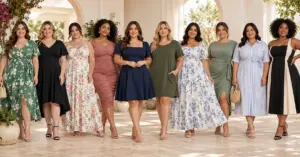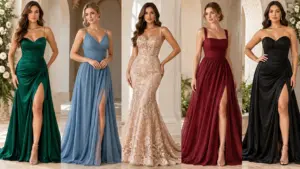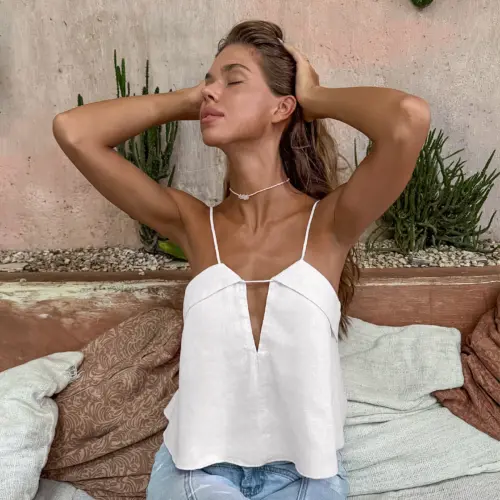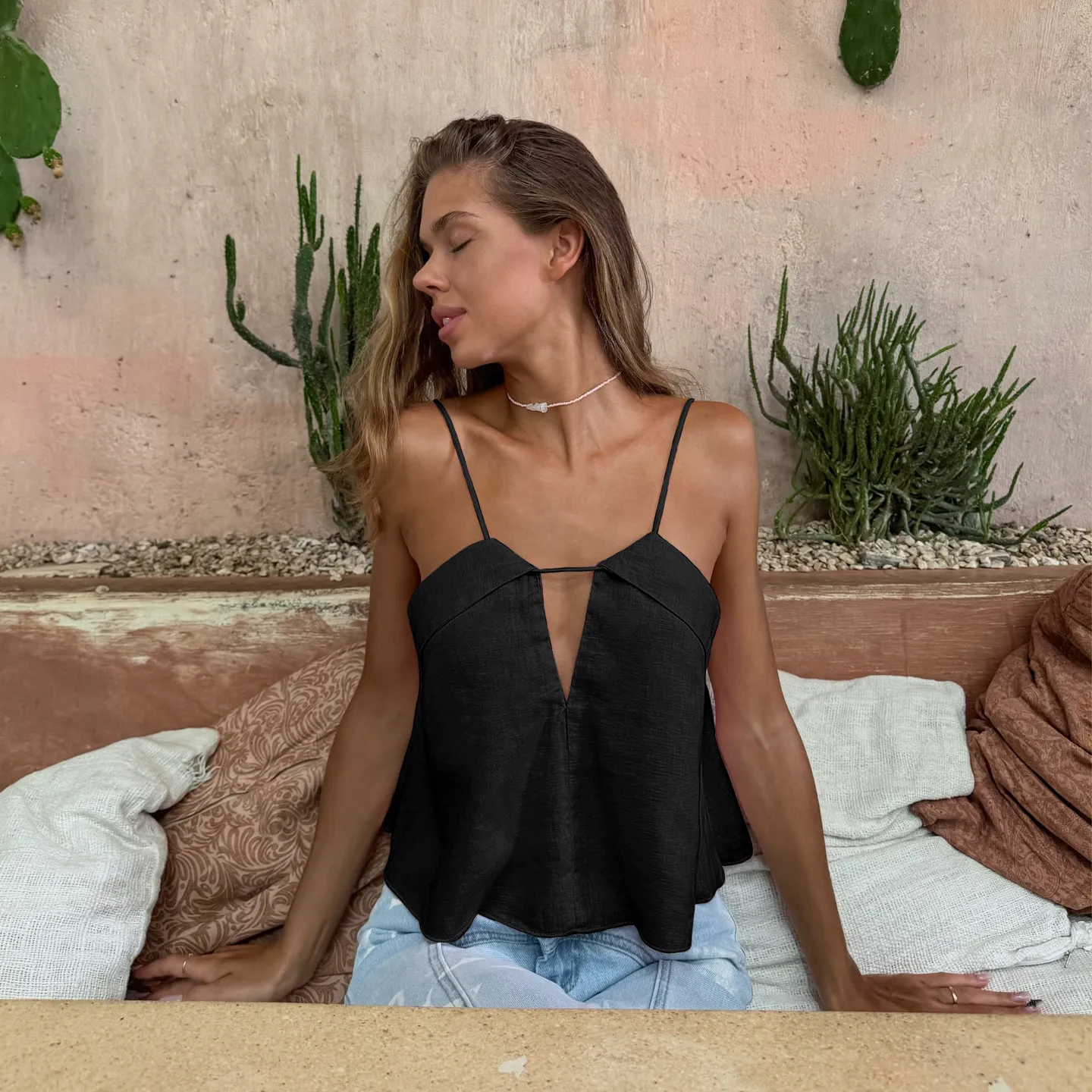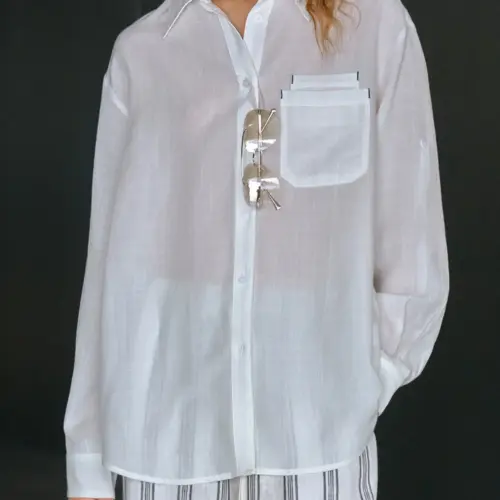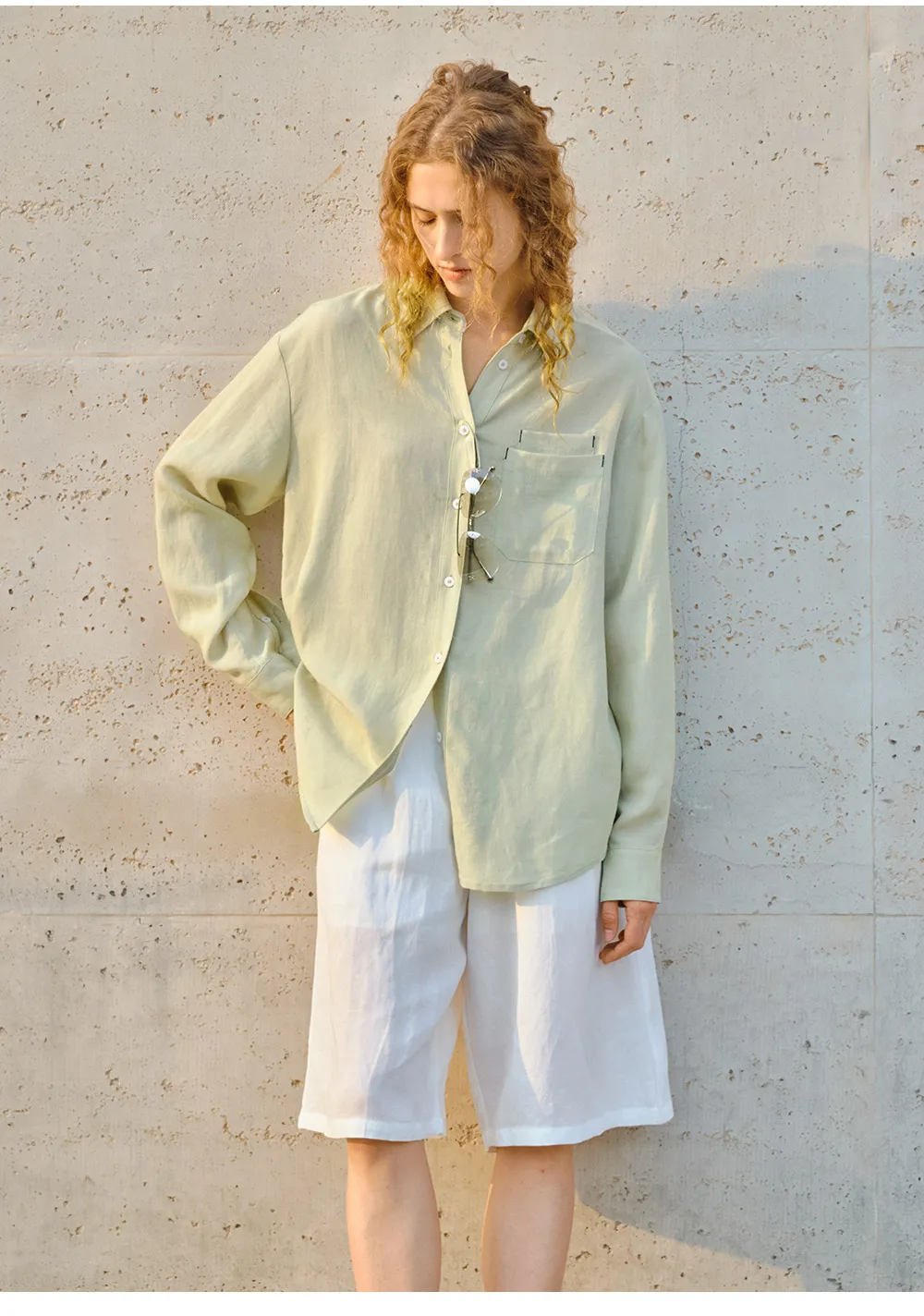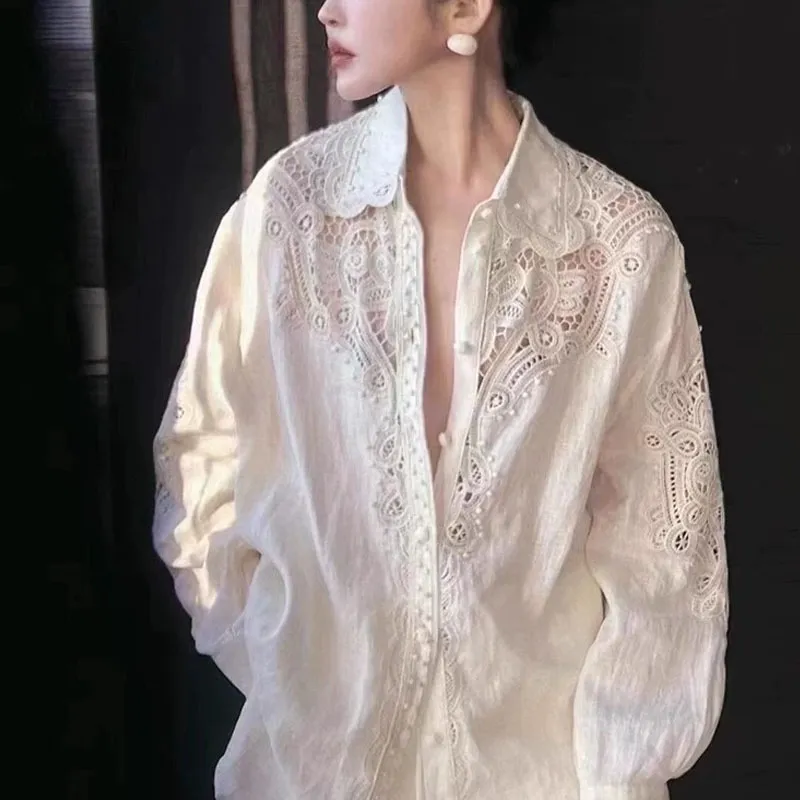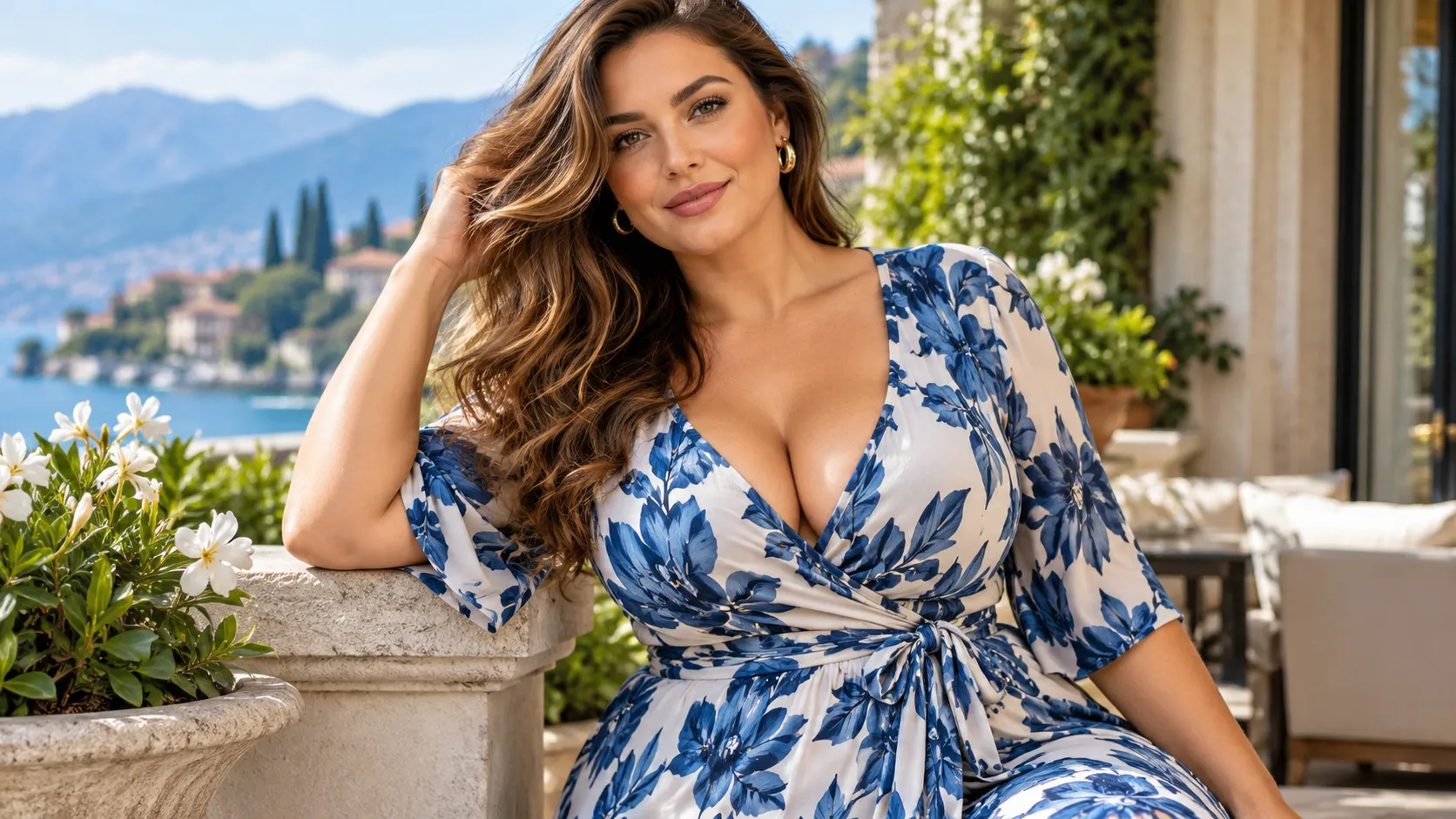

Women with a fuller bust often face the same clothing problems: pulling across the chest, gaping buttons, raised waistlines, and necklines that do not stay in place. Good fit comes from choosing the right silhouette, fabric, pattern, and construction.
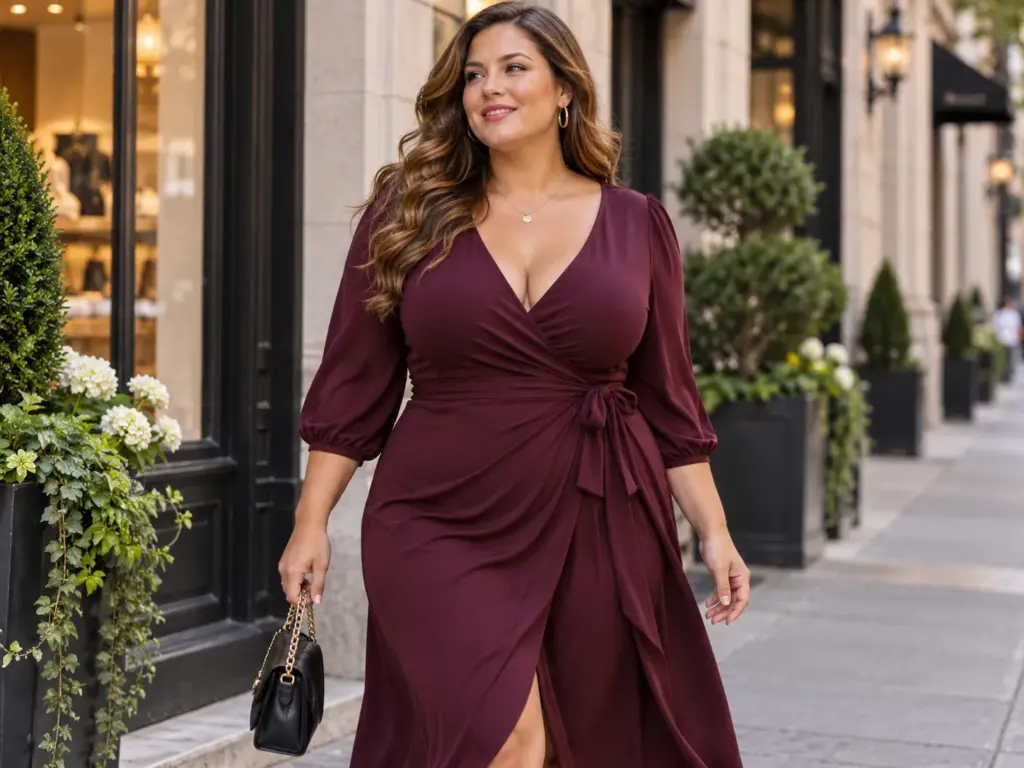
The most flattering clothes for women with big busts usually give enough room through the chest without making the whole garment oversized. Wrap dresses, V-neck styles, shaped waists, soft draping, and suitable stretch fabrics can all work well when the pattern is developed correctly.
I am Lancy Chia from Truekung. We are a China clothing factory with 20 years of export experience and over 200 workers. In my factory experience, clothing for a bigger bust needs more attention than simply increasing the chest measurement. Front body length, neckline position, armhole shape, waist placement, fabric stretch, and grading can all change how the garment fits.
For brand owners, wholesalers, and sourcing managers, this is important because a style can look good in a sketch but still fail during fitting. Below, I will explain which dresses and tops usually work better for a large bust, why common fit problems happen, and what buyers should confirm before bulk production.
What Dress Styles Work Best for Women With a Big Bust?
A dress may fit correctly at the waist and hips but still pull across the chest. It may also look fine on a hanger but change shape completely when worn. This is why bust fit should be considered during pattern development, not after bulk production.
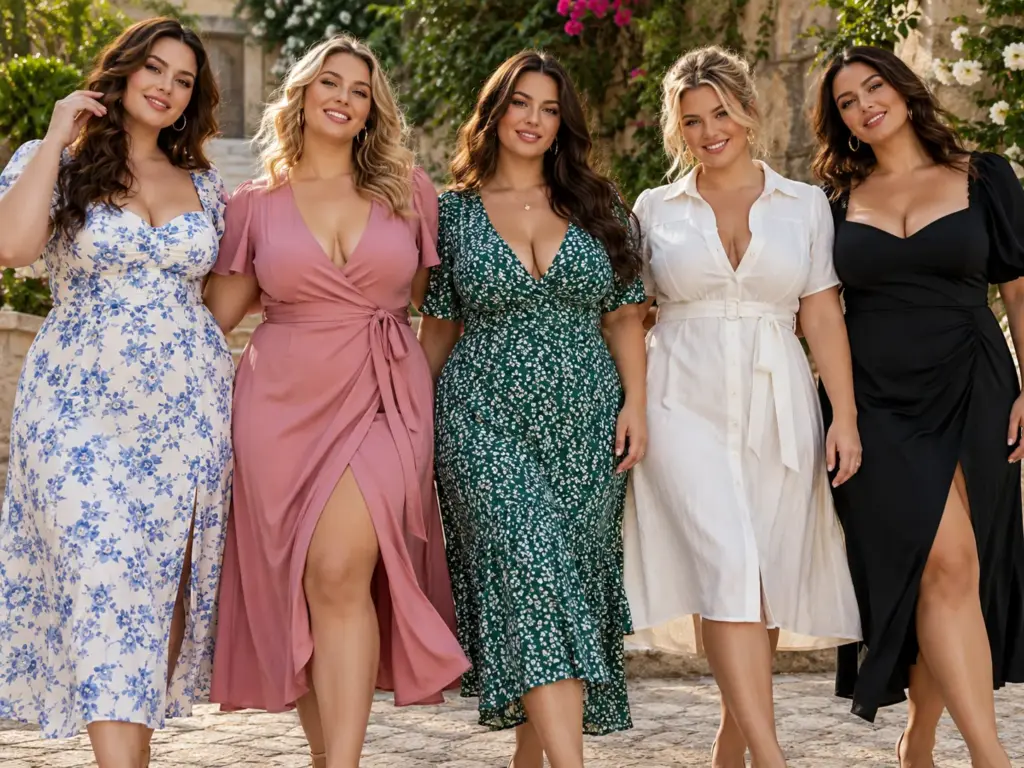
Wrap dresses, V-neck dresses, fit-and-flare styles, soft shirt dresses, and well-developed stretch dresses are often practical options for women with a big bust. The best dress style depends on body proportion, fabric, coverage, and how fitted the final garment should look.
How Pattern Shape Controls Bust Fit
When I review dresses for big busted women, I first look at the relationship between the bust, waist, shoulder, and front body length.
A fuller bust usually needs more room across the front of the garment. If a factory simply adds width to the whole chest, the back may become too loose while the front still does not sit correctly.
For woven dresses, darts, princess seams, gathers, pleats, or shaped panels can help create extra room where it is actually needed. A wrap dress can also work well because the front overlap gives more flexibility.
However, the wrap needs enough coverage. If the overlap is too shallow, the neckline may open when the wearer sits, bends, or walks.
Front length is another important point. A bigger bust can pull the front bodice upward and make the waist seam look too high.
I usually ask buyers to check the waistline from both the front and side. If the waist rises noticeably in front, the pattern may need additional front length rather than simply more width.
Why Making the Whole Dress Bigger Can Fail
One common mistake is choosing a larger overall size to solve a tight bust.
This may create enough chest room, but it can also make the shoulders too wide, the waist too loose, the armholes too low, and the sleeves too large. The customer then feels that the dress is oversized even though the bust finally fits.
This problem is especially common in dresses for a large bust and small waist.
A customer may have a fuller chest but still need a fitted waist. In that case, adding equal width everywhere changes the intended silhouette.
The same issue can appear in dresses for a big bust and tummy. Some customers need more room in both areas, while others only need extra bust space. The brand should define the target body shape before approving the size chart.
Fabric can also change the result.
A dress developed in soft stretch jersey will not fit the same way when made in non-stretch cotton or a firm woven polyester. I have seen buyers lose time because they changed fabric after approving the fitting sample.
Dit lijkt misschien onbeduidend, maar het kan de levering beïnvloeden.
What to Check on a Dress Sample
| Wat te controleren | Waarom het belangrijk is | Wat ik voorstel |
|---|---|---|
| Full bust measurement | Controls basic chest room | Compare garment measurements with your approved size chart |
| Front body length | A fuller bust can lift the waistline | Check the waist position from the front and side |
| Halslijn | Can gape or become too low | Test standing, sitting, and movement |
| Armsgat | Can pull toward the front | Check underarm comfort and front armhole shape |
| Waist fit | Important for shaped silhouettes | Do not solve bust problems by enlarging the whole waist |
| Wikkel overlap | Controls coverage | Check movement before approving the sample |
| Rekbare stof | Changes fit tolerance | Confirm stretch before final pattern approval |
| Side seam position | Shows pattern balance | Make sure it does not pull strongly toward the front |
When More Bust Room Changes the Silhouette
There is always a trade-off between extra bust room and a clean silhouette. If the dress has too little room, the fabric pulls across the chest, the side seams move forward, and the waistline may rise. If we add too much room, the upper body can lose shape and the garment may look larger than the designer intended. For example, a buyer may develop a woven fit-and-flare dress for women with a large bust and smaller waist. Increasing the full chest circumference can make the dress more comfortable, but it may also create extra fabric across the back and waist. A better solution may be to adjust the front bodice, dart intake, princess seams, or front length while keeping the back under control. Fabric also matters. A stretch jersey dress may need less ease than a firm woven dress because the material already gives some flexibility. My suggestion is to define the target fit first: fitted, semi-fitted, or relaxed. Then approve measurements according to that goal. A useful buyer rule is simple: do not approve bust fit based only on chest circumference. Check the neckline, side seams, waist position, armhole, front length, and movement together.
Which Tops and Necklines Are Flattering for a Large Bust?
Large chested women often experience button gaping, tight armholes, short front lengths, or necklines that move out of position. A flattering top needs enough bust room, but the shoulders, sleeves, neckline, and hem should still remain balanced.
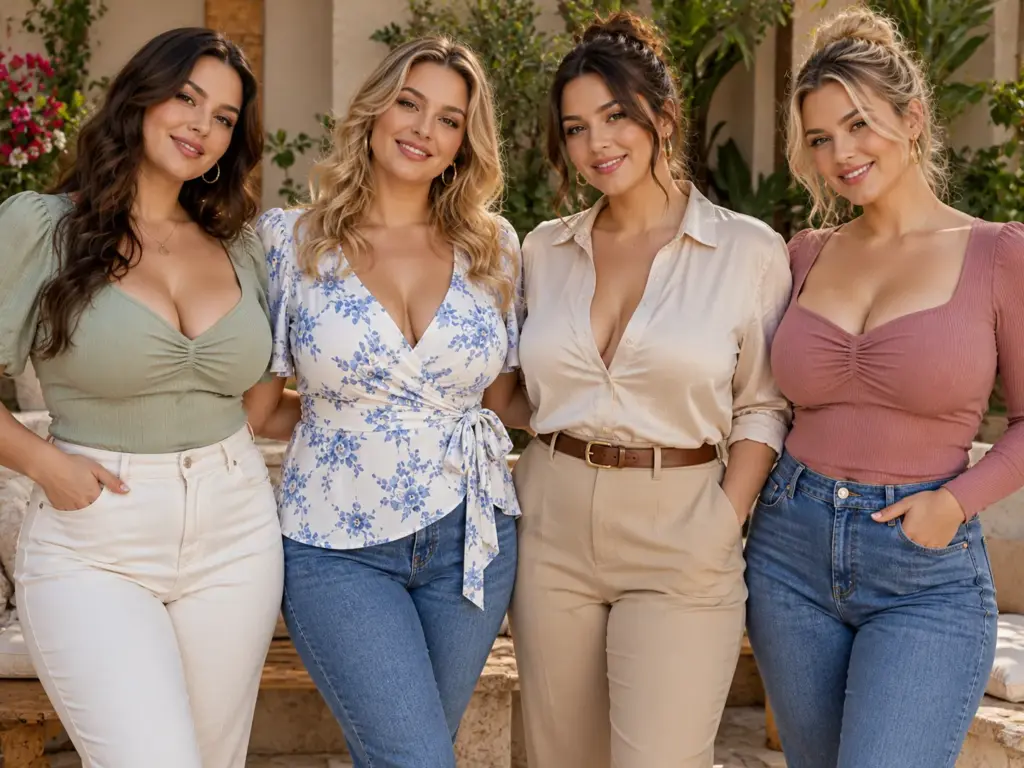
V-neck tops, wrap tops, soft blouses, open-neck shirts, simple fitted knits, and some stretch tops can work well for a larger bust. The final choice should match the customer, coverage level, fabric, styling, and sales market.
Why Neckline Construction Matters
Neckline design affects both appearance and fit.
A V-neck can create a more open shape around the upper body, but the factory still needs clear measurements for the depth and width.
If the neckline is too wide or stretches during sewing, it may become lower than the buyer expected.
Wrap tops require similar control. The overlap should stay in place when the wearer moves. Some buyers add a small hidden snap for more coverage. Others prefer a deeper front overlap without additional hardware.
Button-front shirts create another challenge.
For tops for big breasts, button spacing is very important. Even when the total chest measurement looks correct, the placket can still gape if there is too much tension between individual buttons.
I usually ask buyers to check the sample while the model is sitting, raising her arms, and moving naturally.
A static fitting photo is useful, but it does not show every problem.
For knitted tops, neckline recovery also needs attention. If the binding is stretched too much during sewing, the opening can become wavy or larger than the approved measurement.
How Fabric Changes the Final Appearance
Fabric can make two tops with the same measurements fit very differently.
A knit with elastane may follow the body more easily and provide better movement. A non-stretch woven fabric needs enough garment ease and correct shaping.
Thin fabric creates another issue.
A lightweight material may look fine when it is relaxed but become more transparent when stretched across the bust. Buyers sometimes approve a fabric swatch without checking how it behaves on the finished garment.
Heavier fabrics can also cause problems. They may add visual volume or pull a wrap neckline downward.
Soft fabrics usually drape better, but they may require more neckline control.
For summer dresses for a big bust or lightweight busty tops, fabric weight should be reviewed together with construction.
Shrinkage also matters.
If the fabric changes after washing, the chest width, front length, and neckline shape may change as well.
A serious clothing supplier should explain which tests are needed before bulk cutting, especially if the style depends heavily on stretch, recovery, or drape.
What to Check When Developing Tops
| Wat te controleren | Waarom het belangrijk is | Wat ik voorstel |
|---|---|---|
| Neckline depth | Controls coverage and appearance | Put the measurement in the tech pack |
| Button spacing | Helps reduce front gaping | Fit-test the shirt before approval |
| Lengte voorkant | A larger bust can shorten the front visually | Check front and back balance |
| Rekbare stof | Changes comfort and fit | Record stretch direction when relevant |
| Stofgewicht | Affects drape and coverage | Approve the actual fabric on a garment |
| Schouderbreedte | Can become too wide when sizing up | Keep shoulder fit separate from bust adjustment |
| Neckline recovery | Helps the opening stay in shape | Check knit tops after wear and washing |
| Armhole position | Affects comfort and movement | Review front armhole carefully |
When Stretch Helps and When It Does Not
Stretch fabric can make clothes for a large bust easier to fit, but more stretch is not always better. A very elastic fabric can accommodate a wider range of chest measurements and reduce pulling. At the same time, it can create a tighter appearance, show body contours more clearly, and become more transparent when stretched. For example, a buyer may choose a soft rib knit for a fitted top because it feels comfortable on several body shapes. During fitting, however, the material may stretch strongly across the bust, causing the color to look lighter and the neckline to become wider. We then need to consider fabric weight, recovery, pattern ease, and target appearance together. A heavier knit may give better coverage and shape, but it can increase fabric cost and make the garment warmer. A lighter knit may suit a summer collection, but the pattern may need a more relaxed fit. In my factory experience, it is better to define the final look before selecting stretch level. A useful buyer rule is to judge fabric by the appearance of the finished sample, not only by how far the material can stretch. Comfortable stretch is valuable, but only when the garment still keeps the intended shape.
How Should Brands Develop Clothes for Women With Big Busts?
A good design can still fail if the size chart and fitting process are built for the wrong body shape. Brands developing clothes for women with a big bust should define their customer clearly before the factory starts pattern work.
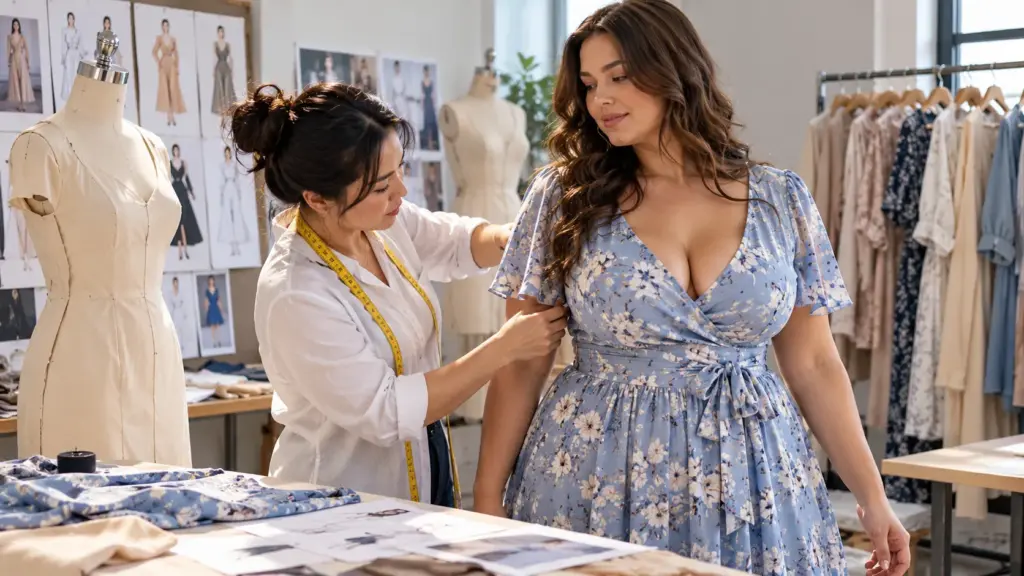
Give the factory a size chart, key garment measurements, fabric information, reference images, and target fit. Fit samples on a representative body shape and record all corrections before bulk production.
Start With a Clear Size Chart
The factory needs more information than S, M, L, or XL.
We need measurements.
If your brand targets women with a large bust, provide the body measurements behind your sizing system where possible. These may include bust, waist, hip, shoulder, and body length.
Then provide garment measurements for important points.
For dresses for a large chest, I also want to know the intended ease. Is the style body-fitted, semi-fitted, or relaxed? Should the fabric stretch? Is the waist supposed to be close to the body?
If your brand already has a well-fitting product, an approved sample can also help communicate your standard.
A tech pack with clear measurement points is even better.
The pattern maker should not have to guess what “comfortable for big bust ladies” means.
Different brands use different proportions, even within the same market. A size XL from one company may fit very differently from another.
My suggestion is to build your measurements around your own customer instead of copying another brand’s chart.
Fit the Sample Before Bulk Production
A fitting sample can prevent expensive problems later.
I usually ask buyers to check pulling across the chest, neckline position, front length, armhole comfort, sleeve movement, waist position, side seam balance, and hem level.
For dresses for a heavy bust, look carefully at the side seam.
If it is pulled strongly toward the front, the front bodice may need more room or better pattern balance.
For shirts, check whether the button placket stays closed.
For wrap garments, check whether coverage remains stable while walking and sitting.
For dresses for a big bust and belly, review both the bust and abdomen separately. Adding width only at the chest may not provide enough room lower down.
The underwear used during fitting can also affect the result because different bra shapes change bust position.
Once the sample is approved, record the corrections clearly.
Written measurements are much safer than comments such as “make the bust slightly bigger.”
Clear fit comments reduce misunderstanding between the buyer, merchandiser, pattern maker, sample room, and production team.
What to Approve Before Bulk Cutting
| Wat te controleren | Waarom het belangrijk is | Wat ik voorstel |
|---|---|---|
| Approved size chart | Keeps grading consistent | Confirm all key measurements |
| Pasvormmonster | Shows proportion problems | Approve before bulk cutting |
| Stofkwaliteit | Changes drape and stretch | Use bulk-equivalent fabric where possible |
| Pattern corrections | Controls repeatability | Record every approved change |
| Sortering op grootte | One size can fit while another fails | Review bust and waist grading |
| Labels | Needed for final production | Confirm artwork early |
| Verpakking | Can affect folding and presentation | Approve before packing |
| QC-standaard | Defines what is acceptable | Set critical fit points before production |
When Extra Development Is Worth the Cost
Developing a special fit for a bigger bust can require more work than using a standard block, and buyers should decide whether that extra development matches their market. The factory may need to modify the front pattern, make another fitting sample, review grading, or test alternative fabrics. That adds development work, but it can also reduce fit complaints if the product is specifically designed for large chested women. For example, a brand may want to sell dresses for a large bust and small waist. A standard size block may provide enough total chest circumference but still leave the waist too loose. We may need additional shaping through darts, princess seams, elastic, a wrap construction, or revised grading. Not every product needs this level of adjustment. Relaxed T-shirts, loose blouses, and tunics may work well with a simpler fit. Structured dresses and fitted shirts usually need more control. MOQ also matters. A special fit block becomes more commercially useful when the brand plans to use it across multiple styles or future collections. My suggestion is to identify your core repeat products first. A useful buyer rule is to invest more development time where bust fit strongly affects comfort, appearance, and returns, while keeping simpler products simple when a relaxed standard block already works.
How Do Fabric, MOQ, and Price Affect Big Bust Clothing?
Fit is not the only question when sourcing clothes for large busts. Buyers also need to consider fabric availability, MOQ, sampling cost, trims, labor, and grading. A style that is technically possible may still need adjustment to meet the target price or order quantity.
Fabric, construction, and order volume all affect the final cost. More complex shaping, special stretch fabrics, extra panels, reinforced necklines, custom labels, and small quantities can increase the unit price.
Fabric Choice Affects More Than Comfort
For this type of clothing, fabric selection should be discussed early.
A fabric with stretch may reduce the amount of pattern ease required. A stable woven fabric may need more shaping through darts or seams.
Drape is also important.
Soft fabrics can create a flattering line around the bust, but they may move more during sewing. Firmer fabrics hold shape better but can feel more restrictive.
Buyers should also consider opacity, recovery, shrinkage, pilling, colorfastness, and washing performance according to the product and market.
I usually ask buyers to confirm which fabric characteristics are essential.
If the buyer only says “soft fabric,” the factory still needs to know whether stretch, weight, composition, surface, or price is the priority.
The same style can have very different costs depending on the fabric.
A custom-developed fabric or special color may also have a higher MOQ than a stock fabric.
This is one reason why fabric should be discussed before final pricing.
Why Small Orders Can Cost More
Low MOQ is possible for some products, but buyers should understand how it affects price.
Fabric suppliers may have minimum order quantities for custom colors or custom compositions.
Labels, printed packaging, zippers, buttons, and other trims may also have their own MOQs.
If the garment uses many special materials, a small clothing order becomes more difficult to organize.
Labor cost per piece can also increase when the production quantity is small because the factory still needs to prepare patterns, samples, cutting markers, sewing instructions, and QC procedures.
A simple style made from available fabric is usually easier to produce in smaller quantities than a structured dress with custom fabric and many special trims.
A serious clothing supplier should explain which part of the order is creating the MOQ limitation.
That gives the buyer options.
Sometimes the solution is to use a stock fabric, reduce the number of colors, share one trim across several styles, or simplify a non-essential detail.
What to Confirm Before Comparing Prices
| Wat te controleren | Waarom het belangrijk is | Wat ik voorstel |
|---|---|---|
| Samenstelling van de stof | Changes cost and performance | Compare quotations using the same material |
| Stofgewicht | Affects consumption and quality | Confirm before final pricing |
| Bestelhoeveelheid | Strongly affects unit cost | Give quantity per color and size |
| Bouw | More seams require more labor | Send clear photos or tech packs |
| Sierlijsten | Custom trims may have their own MOQ | Confirm early |
| Labels | Private label items add cost and timing | Provide artwork before bulk |
| Verpakking | Retail packaging can change cost | Specify barcode and carton requirements |
| Delivery term | FOB and delivered prices are different | Compare the same shipping basis |
Lower Price Can Change the Product
Price discussions are normal in clothing sourcing, but the buyer should understand what must change when the target price is reduced. A lower quotation may come from a different fabric weight, simpler construction, cheaper trims, fewer operations, larger MOQ, or different packaging. For example, a buyer may request a fitted wrap dress with soft stretch fabric, lined front panels, custom labels, and small color quantities. If the target price is much lower than the original quotation, removing important bust-shaping details may save labor but can also damage the fit that makes the style valuable. A better solution may be to keep the pattern and fit but change an optional trim, select a more available fabric, or simplify the packaging. This is why I prefer buyers to tell me which features are essential and which are flexible. Price is easier to control when the factory understands the priority. My suggestion is to compare quotations based on the same specification rather than only comparing the final number. A useful buyer decision rule is this: if one supplier is much cheaper, ask exactly what fabric, construction, workmanship, packaging, and quality standard are included before assuming the products are equivalent.
Wat moet je voorbereiden voordat je contact opneemt met een Chinese kledingfabriek?
Clear information helps the factory understand your product and gives you a more accurate quotation, timeline, material suggestion, and production plan.
| Informatie | Voorbeeld | Waarom het nodig is |
|---|---|---|
| Product | Jurk, jasje of sportkleding | Bevestigt geschiktheid voor de fabriek |
| Foto's/technisch pakket | Afbeeldingen, afmetingen, constructie | Ondersteunt prijsbepaling en ontwikkeling |
| Stof | Katoen, denim, polyester of een onbekende stof. | Heeft invloed op de kosten, de minimale bestelhoeveelheid (MOQ) en de levertijd. |
| Maten | XS–XL of een aangepaste maattabel | Beïnvloedt eetpatronen en consumptiegedrag. |
| Hoeveelheid | Per stijl en kleur | Heeft invloed op de minimale bestelhoeveelheid (MOQ) en de eenheidsprijs. |
| Markt | EU, VK, VS of Australië | Heeft invloed op de maatvoering en de naleving van de voorschriften. |
| Kwaliteitsniveau | Groothandel of premium | Richtlijnen voor materialen en vakmanschap |
| Verpakking | Plastic zak, doos of barcode | Heeft invloed op de kosten en de timing. |
| Labels | Hals, onderhoud, maat en hanglabel | Heeft invloed op het artwork, de minimale bestelhoeveelheid (MOQ) en de kosten. |
| Termijn | Aankomstdatum in het magazijn | Ondersteunt de productieplanning. |
| Certificaten | Vereiste certificaten | Bevestigt naleving |
| Richtprijs | FOB- of leveringsprijs | Helpt bij het aandragen van realistische opties. |
I suggest separating essential requirements from optional preferences before contacting a supplier.
For example, fit, fabric composition, size range, safety requirements, color, and warehouse delivery date may be essential.
Decorative trims, special packaging, exact fabric weight, or some design details may be flexible.
This makes communication much easier when the target price, MOQ, or delivery schedule needs adjustment.
Wanneer moet je Truekung om een offerte vragen?
Truekung may be suitable if you need OEM/ODM clothing production, private labels, sample development, bulk manufacturing, QC, wholesale products, export communication, or practical factory support.
If you are developing dresses for big busted women, flattering tops for a large bust, or another product with special fitting requirements, send as much fit information as possible.
You can start with product photos or a tech pack.
Please also include your approximate quantity per style and color, target market, size range, quality requirements, fabric preference if known, and expected delivery date.
You do not need to finalize every production detail before contacting us. I can review the information from the factory side and explain which points need to be confirmed before sampling, costing, or production.
Conclusie
The best clothes for women with big busts depend on proportion, fabric, and pattern balance. For reliable results, check bust room, neckline, front length, waist position, and movement during sampling before approving bulk production.
Weergaven: 0