
配送の遅延、サイズの間違い、予期せぬ料金などにより、「安い」商品が“ 中国 注文が損失につながる。手順を一つ飛ばしただけで、買い手がシーズンを逃してしまうケースを私は見てきた。.
明確な技術パックと契約を締結し、中国から衣料品を輸入します。 工場’の真の能力は、コンプライアンス書類を確認し、サンプル、生産、検査、 配送 適切なインコタームズ、フォワーダー、通関業者を選ぶことが重要です。私はこのプロセスをチェックリストのように扱い、当てずっぽうで進めることはありません。.
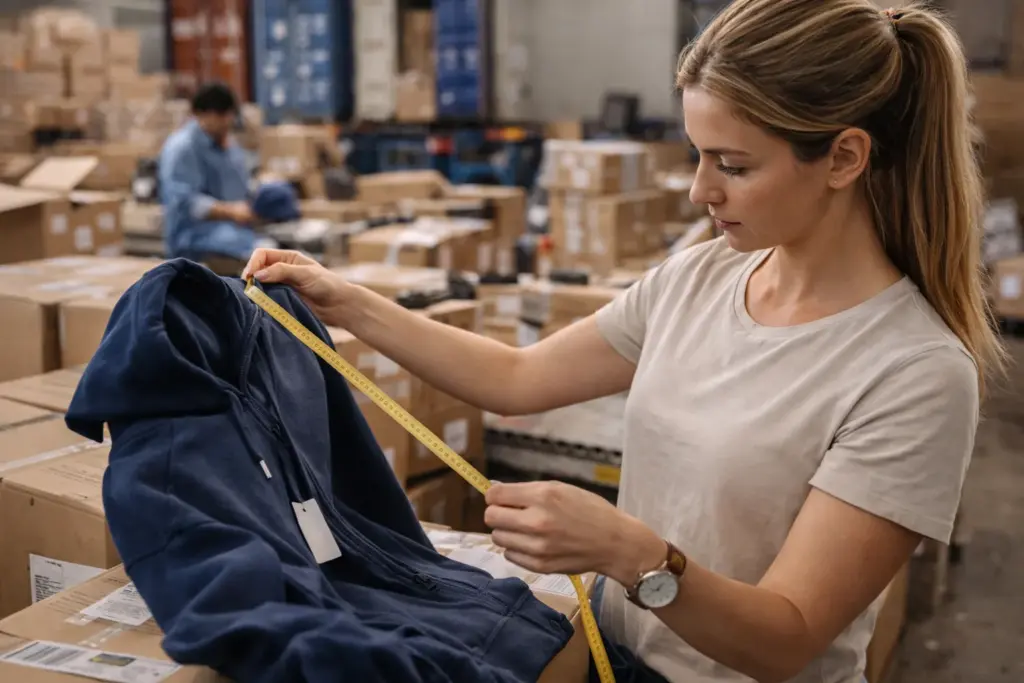
初めて「簡単な」輸入注文を受けた時のことを今でも覚えています。良い写真と安い価格さえあれば十分だと思っていました。しかし、本当の仕事は見積もりを出す前ではなく、見積もりを出した後から始まるのだと学びました。今では、すべての注文を同じ手順で、一つ一つ丁寧に処理し、利益と損失を分ける細かな点にまで気を配っています。この先を読み進めていただければ、私が実際に使用しているチェックポイント、そして決して省略しないチェックポイントをお見せします。.
適切な中国服の選び方は? サプライヤー?
ウェブサイト上では完璧に見える工場でも、注文を履行できない場合があります。営業担当者は手際よく話を進めるかもしれませんが、実際には問題を隠している可能性があります。私は、最初の巧みな話術を信じて、何週間も無駄にしてしまったバイヤーを何人も見てきました。.
優れたサプライヤーとは、あなたの製品、納期、そして品質レベルに合致するサプライヤーであり、その証拠は約束ではなく、書類、サンプル、そして迅速な対応によって示されるべきです。.

私は会社のストーリーではなく、製品の適合性から始めます
まず、販売する商品を書き出します。生地の種類、重量、ステッチの種類、プリント方法、洗濯方法、サイズ展開などをリストアップします。目標価格と目標納期も記載します。このリストがあれば、仕入先の選定が簡単になります。仕入先は、過去に同様の仕事をしたことがあるか、ないかのどちらかです。過去の商品の実際の写真と、製造現場の短い動画を依頼します。また、使用している機械の種類と、1日あたりの生産能力についても尋ねます。曖昧な回答は受け付けません。.
私はコミュニケーションを品質の一部であるかのようにテストします
私はコミュニケーションを品質管理の重要な要素として捉えています。明確な依頼を3つの質問とともに送ります。返信が3つの質問すべてに答えているかどうかを確認します。サプライヤーが私の提示した条件をそのまま使用しているか、あるいは新しい条件に変更しているかを確認します。また、ミスへの対応も注意深く見ています。「私の間違いでした。修正方法は以下のとおりです」と正直に言ってくれるサプライヤーを求めており、配送や休日を言い訳にするようなサプライヤーは求めていません。.
リスク管理のためにサプライヤーの種類を分けています
私は様々な目的のために、様々なタイプのサプライヤーと取引しています。その際、以下のようなシンプルな比較方法を用います。
| オプション | 最適な用途 | 主なリスク | 私のコントロールムーブ |
|---|---|---|---|
| 工場直送 | OEM/ODM、安定したリピート注文 | 見積もり対応が遅い、マーケティングスキルが低い | 私は明確な技術資料とサンプルプランを使用します |
| 商社 | 複数商品の組み合わせ、少量注文可 | 生産管理の自由度が低い | 実際の工場名と監査経路を尋ねます |
| 調達エージェント | 入手困難な素材、迅速なマッチング | 追加費用、様々なインセンティブ | 私は固定料金を設定し、すべての仕入先との連絡を保管しています。 |
私は検証可能な証拠に基づいて能力を確認します
私は事業許可証の基本情報と工場の住所を尋ねます。また、彼らが主張する証明書があれば提出を求め、証明書が工場名と一致するかどうかを確認します。PDFファイルは真実として扱いません。あくまで手がかりとして捉えます。可能な場合は、第三者検査会社に工場監査または初回注文検査を依頼します。この手順には費用がかかりますが、納期の短縮につながります。.
価格条件と支払い条件を早めに確定します
見積もりには何が含まれているのかを確認します。価格には梱包、ラベル、下げ札、カートンマークが含まれているかを確認します。また、生地の価格が変動した場合どうなるかも確認します。リスクに見合った支払い条件を設定します。初回注文の場合は、出荷後ではなく、検品後に前払い金と残金を支払うようにしています。サンプル費用に関するルールも明確にしています。隠れた条件付きの「無料サンプル」は求めていません。.
輸入を予定通りに進めるために必要な書類と配送手順は何ですか?
完璧な製品でも、配送計画が不十分なために到着が遅れることがあります。買い手が工場を非難するケースをよく見かけますが、本当の問題はインコタームズの不明確さや書類手続きの遅さにあるのです。.
予定通りに輸入を行うには、サンプル採取から始まり、早期のスペース予約、そして自国の規則に合わせた通関手続きまでを含むタイムラインが必要です。.

私は早期の意思決定を促すシンプルなタイムラインを作成します
私は必ず、手付金を支払う前にタイムラインを作成します。PPS承認、生地の一括承認、生産開始、インラインチェック、最終検査、工場出荷日の日付を設定します。また、航空便または船便の予約日も設定します。これは、運送業者は私の工場のスケジュールを気にせず、スペースと締め切り日だけを重視するからです。.
以前、冬物商品を販売するバイヤーを担当したことがあります。彼女は、冬の販売シーズンが始まる前にジャケットを入荷させたいと考えていました。デザインは良かったのですが、カートンサイズの確定を遅らせたため、運賃の見積もりが変わり、予約が遅れ、貨物は最も売れる時期を逃してしまいました。今では、数量がコストと予約に大きく影響するため、カートンの詳細を早めに確定するようにしています。.
私は習慣ではなく、管理に基づいてインコタームズを選択します。
多くの新規輸入業者は「標準」だと聞いてFOBを選択しますが、私は誰が何を管理するかに基づいて条件を選択します。この表はそれを分かりやすく示しています。
| 学期 | サプライヤーが扱う | 私は | 使うとき |
|---|---|---|---|
| EXW | 工場で商品が準備完了 | 集荷から最終配達まで | 中国での物流が充実している時に使います |
| FOB | 港への配送と輸出書類 | 海上輸送とその先へ | 貨物管理が必要な時に使用します |
| CIF | 私の港への海上輸送 | 現地手数料と通関手続き | 見積もりを簡単に済ませたいときに使いますが、料金も確認します。 |
| DDP | エンドツーエンドのデリバリー | 日々の出来事はほとんどない | 私は小規模なテスト注文に使用し、コンプライアンスリスクをチェックしています |
私は製品データを税関データとして扱います
税関は「ドレス」単体の通関手続きは行いません。税関はHSコード、素材、価格に基づいて製品を通関手続きします。私は繊維素材を確認し、自国市場における原産国表示規則を確認します。また、自国で特別なラベル表示(洗濯表示、言語規則、子供服の安全警告など)が必要かどうかも確認します。到着後にラベルを貼り直すと費用がかさみ、通関手続きも遅れるため、早めに通関業者に問い合わせます。.
私は出荷ごとに書類チェックリストを作成しています
私は基本的なチェックリストを使用しており、それなしでは発送作業には進みません。
| 文書 | なぜそれが必要なのか | 誰が通常発行するのか |
|---|---|---|
| 商業送り状 | 申告価格および条件 | サプライヤー |
| 包装Table of Contents明細書 | カートン数、重量、サイズ | サプライヤー |
| 船荷証券/航空運送状 | 運送証明書 | 運送業者またはフォワーダー |
| 証明書または試験結果報告書(必要な場合) | コンプライアンスサポート | 研究所または発行者 |
| 保険(必要な場合) | 損失および損害補償 | 保険会社または運送業者 |
カートンマークと出荷マークも確認し、倉庫での迅速な受け取りを促します。また、パレット積み、燻蒸処理、特別な梱包規則が必要かどうかも確認します。.
品質を守り、偽造証明書を避けるにはどうすればよいですか?
サンプルは素晴らしく見えても、量産品は不良品となる可能性がある。証明書も本物に見えても、役に立たないことがある。私は両方を見てきたので、証明によってリスクがなくなるまでは、リスクは存在すると考えるようになった。.
私は、原材料の管理、承認サンプルの保管、定められたチェックポイントでの検査の実施、第三者機関による試験と追跡可能な文書を用いた主張の検証によって、品質を保護しています。.
私は「黄金のサンプル」をロックし、それを測定可能にする
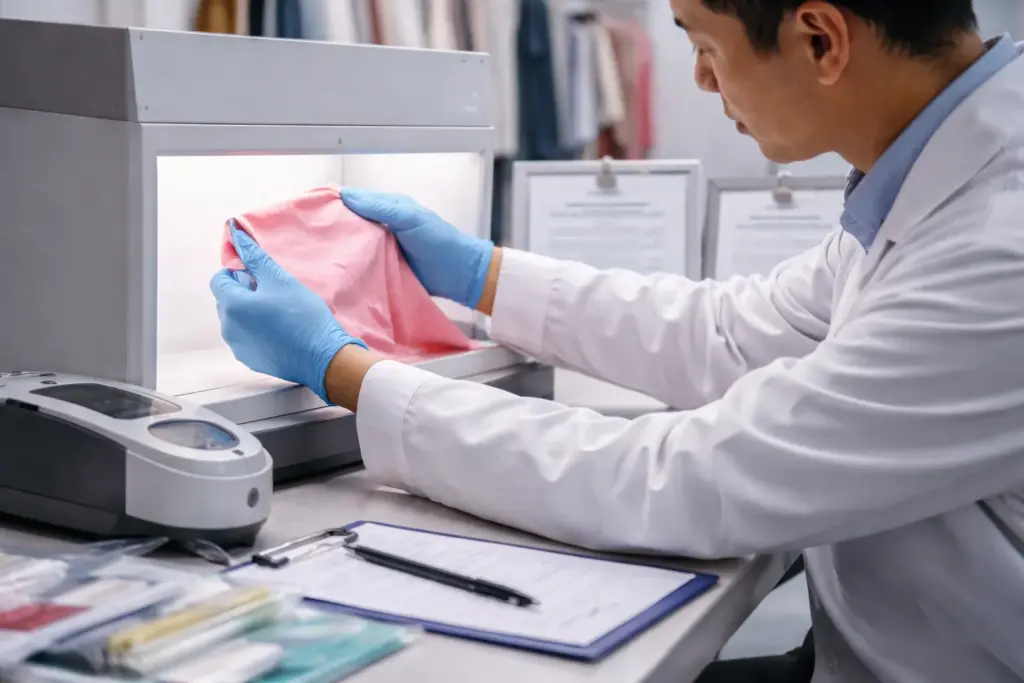
量産計画に合致する試作サンプル(PPS)を承認します。これを「ゴールデンサンプル」として保管します。また、寸法仕様書と許容誤差表も添付します。「類似」という表現は使わず、数値に基づいて判断します。さらに、生地の縮率と洗濯テストのルールも定めます。ニット製品の場合は、伸縮性と回復性に関する注記を追加します。デニム製品の場合は、洗濯による色落ちに関する注記を追加します。.
私はプロセス全体を通して検査を計画し、最後にまとめて行うのではなく、プロセス全体を通して検査を計画します。
最終点検では、既に発生している問題点しか把握できません。そこで、問題を早期に発見するためのチェックポイントを設けています。
| チェックポイント | タイミング | 私が捕まえたもの | 私の行動 |
|---|---|---|---|
| 生地およびトリムの承認 | 切る前に | 色合いが違う、ファスナーが弱い | 大量購入を止めて材料を補充します |
| 走行検査 | 20–50% 生産 | 縫い目、サイズずれ、印刷不良 | 完全な損傷が発生する前に線を修正します |
| 最終無作為検査 | 梱包後 | 重大な欠陥、カートンのエラー | 修理が完了するまで出荷を保留します |
| 臨床検査(必要な場合) | 出荷前 | 色落ちしにくさ、アゾ染色、安全性 | 再テストするか、材料を変更する |
私は最終検査にAQLサンプリングレベルをよく使用し、欠陥の定義を明確にしています。また、私の市場における重大な欠陥の定義も定めています。例えば、白いブラウスにとって小さなシミは大きな欠陥になり得ます。.
私は証明書を実際の運用状況と関連付けることで、証明書の妥当性を検証します。
私は証明書ファイルだけでは受け入れません。発行者、適用範囲、有効期限を確認します。また、証明書に記載されている工場名、住所、所在地が一致するかどうかも確認します。「必要な証明書は何でもお渡しします」というサプライヤーの申し出は、要注意です。真のコンプライアンスには時間とコストがかかります。市場の要求に応じて、第三者機関の検査も利用します。製品のスタイル、素材、試験方法を記載した検査報告書は、無作為に取得した証明書のスクリーンショットよりも、はるかに明確な安心材料となります。.
問題が発生する前にクレーム処理プロセスを設計します。
私は契約書にクレームに関する規定を明記します。欠陥報告の期限、写真や動画による証拠提出のルール、返金または再製作の選択肢などを定めます。また、再加工費用と送料の取り扱いについても明確に定めます。双方がルールを理解していれば、紛争はより小規模かつ迅速に解決できます。.
結論
私は中国から衣料品を輸入する際、調達、輸送、品質管理を一体化したシステムとして扱っています。校正、チェックリスト、早期管理を活用することで、注文品が期日通りに届き、確実に売れるようにしています。.
私がこれを書く理由
Truekungのランシー・チアと申します。中国でOEM/ODMサポート付きのB2B卸売衣料品製造を運営しています。工場には200名以上の従業員がおり、多くの市場で20年以上の輸出実績があります。次回のご注文についてご相談がありましたら、[email protected]までご連絡ください。詳細はhttps://truekung.comをご覧ください。.
ビュー113