Ho visto persone perdere soldi due volte con un solo ordine. Pagano le spese di spedizione per riceverlo, poi pagano di nuovo per rispedirlo indietro. È frustrante e sembra ingiusto.
Spesso puoi evitare di pagare extra ritorno È possibile ridurre i costi scegliendo il momento giusto per il reso, optando per il metodo di reso più adatto, conservando tutte le etichette e le ricevute e richiedendo l'opzione che prevede un'etichetta prepagata o l'esenzione dalle commissioni di spedizione.
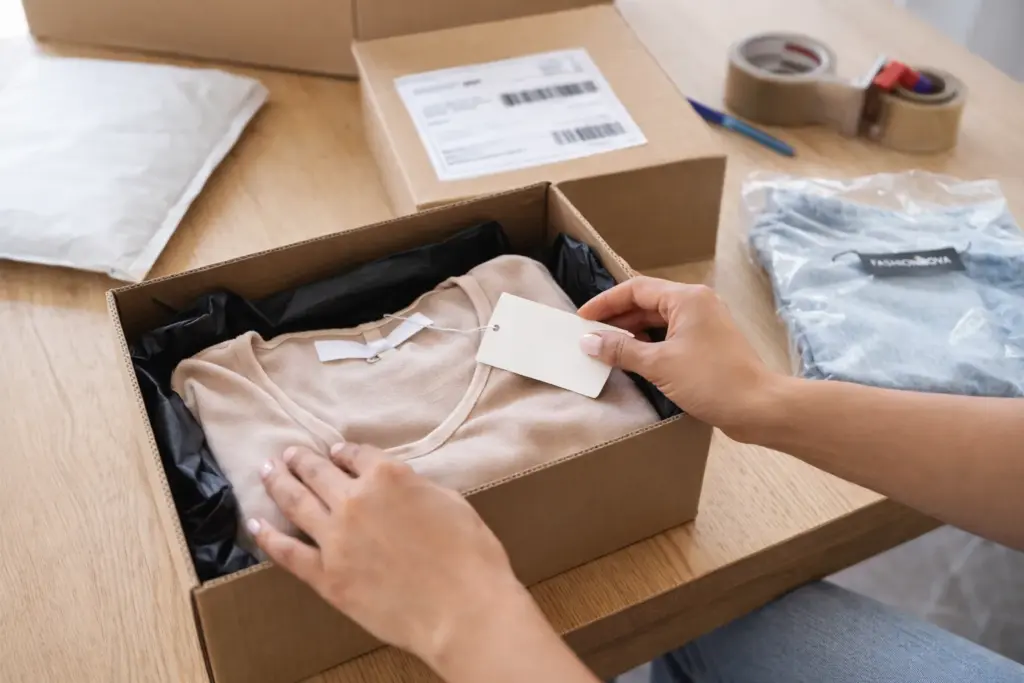
Gestisco una fabbrica di abbigliamento, quindi tratto i resi come un piccolo progetto logistico. Consulto la politica aziendale, conservo le prove e agisco rapidamente. Se fate lo stesso, smetterete di fare supposizioni e di pagare per errori evitabili. Ora vi mostrerò esattamente come ragiono, passo dopo passo, così potrete risparmiare denaro.
Che cosa significa il Fashion Nova Cosa significa davvero la politica di reso per il tuo portafoglio?
Ho visto acquirenti dare per scontato che "reso" significasse "rimborso completo". Poi ricevono un buono acquisto e si arrabbiano. Il vero problema è la sorpresa, non il reso in sé.
Le condizioni di reso solitamente specificano cosa si intende per "ammissibile", il periodo di tempo applicabile e l'aspetto del modulo di rimborso. Il tuo obiettivo è semplice: ottenere il reso che ti costa meno.
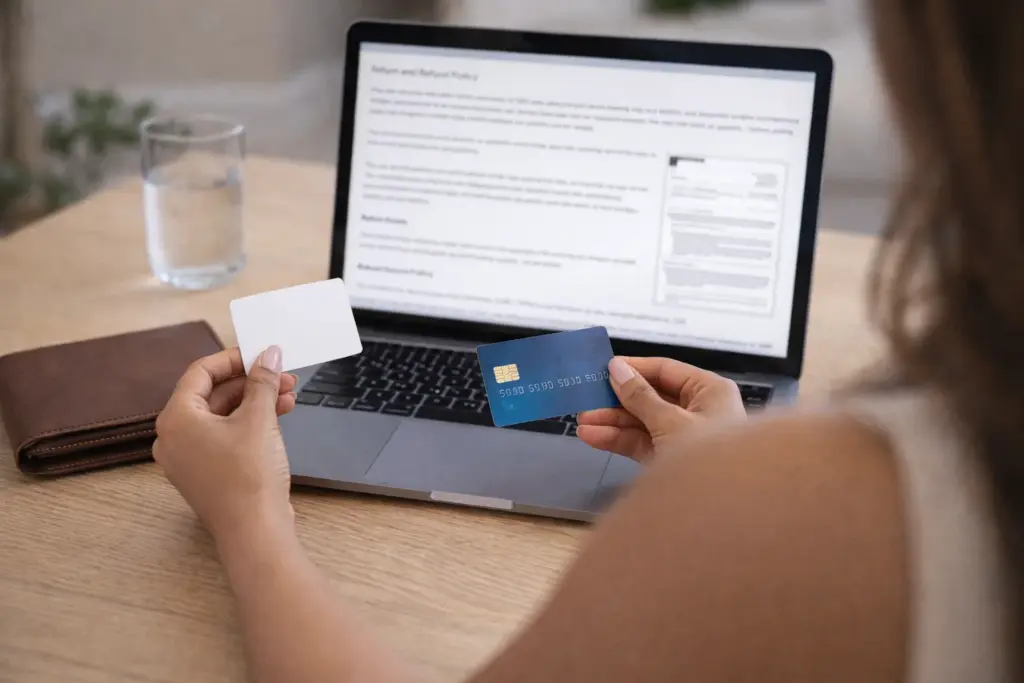
I risultati di ritorno che dovresti pianificare
Quando aiuto un acquirente a pianificare un reso, parto dai risultati attesi. Non parto dalle emozioni. Parto da ciò che il sistema farà concretamente.
| Risultato | Ciò che ricevi di solito | Ideale per | rischio per i tuoi soldi |
|---|---|---|---|
| Credito in negozio | Un codice di credito o un credito sul conto | Se effettuerai un nuovo ordine a breve | Basso, se lo acquisterai di nuovo |
| Rimborso sul metodo di pagamento originale | Rimborso sulla carta o sul metodo di pagamento | Se non desideri un altro articolo | Medio, perché potrebbe non essere disponibile per tutti gli articoli |
| Scambio | Stesso articolo, in una nuova taglia o colore | Se la vestibilità è l'unico problema | Basso, se il processo di scambio è agevole |
L'idea del “non pagamento” che è ancora legale
Quando si parla di "reso senza pagamento", io lo traduco in tre obiettivi legali:
- In questo modo evito di pagare le spese di spedizione per la restituzione.
- Evito di perdere valore utilizzando un metodo di restituzione errato.
- In questo modo evito di perdere la possibilità di reso, il che mi costringerebbe a optare per una soluzione peggiore.
Ho appreso questa mentalità lavorando nel B2B. Se non rispetto una scadenza di consegna per un programma di un supermercato, la penalità è seria. I resi al dettaglio funzionano allo stesso modo, solo in misura minore. Il tempo e la documentazione determinano il costo.
Cosa faccio nel momento in cui arriva un pacco
Seguo una semplice procedura che mi permette di evitare la maggior parte dei costi di reso.
- Scatto foto dell'articolo, dell'etichetta e della bolla di accompagnamento.
- Conservo la busta o la scatola originale, perché spesso riporta i dettagli dell'etichetta d'ordine.
- Provo l'articolo una sola volta, su una superficie pulita, con cura. Non rimuovo le etichette.
- Controllo velocemente la pagina del prodotto, perché potrebbero esserci clausole di vendita definitiva.
Se fai queste cose, mantieni aperte le tue opzioni. Le opzioni sono ciò che ti fa risparmiare denaro. Quando perdi i tag, perdi il potere contrattuale. Quando perdi gli slip, perdi velocità. Quando perdi velocità, perdi il percorso più economico.
Come si inizia un Moda Nova restituisce così non ti ritrovi a dover pagare commissioni?
Ho visto persone perdere giorni a cercare la pagina giusta. Poi iniziano la procedura di reso in ritardo. A quel punto il sistema offre meno opzioni. Il tempo perso rende i resi costosi.
Desideri un processo di reso rapido e senza intoppi. Vuoi registrare il reso sul portale ufficiale e desideri un numero di tracciamento fin dal primo giorno.

La mia lista di controllo "avvio rapido" che protegge i tuoi soldi
Utilizzo una lista di controllo perché non mi fido della memoria. Eseguo lo stesso procedimento anche per l'esportazione dei documenti.
| Fare un passo | Cosa fare | Perché è importante |
|---|---|---|
| 1 | Trova il tuo numero d'ordine e l'indirizzo email | Il portale spesso ha bisogno di entrambi |
| 2 | Seleziona l'elemento esatto e la motivazione | Un motivo errato può bloccare le opzioni |
| 3 | Fai uno screenshot della pagina di conferma | La prova è utile se il portale non funziona. |
| 4 | Salva l'etichetta o il codice QR | Ne hai bisogno prima di fare le valigie. |
| 5 | Scatta una foto del pacco sigillato | Aiuta a risolvere le controversie |
Dettagli dell'imballaggio che impediscono il rifiuto
So che può sembrare un dettaglio insignificante, ma l'imballaggio può fare la differenza tra l'accettazione o l'annullamento del reso. Ho visto acquirenti piegare male gli articoli, facendoli apparire usurati. Ho visto macchie di trucco sui colletti. Ho visto articoli con la busta interna di plastica mancante. Il reso si ritarda e il cliente perde tempo.
Quindi faccio così:
- Piego l'oggetto con cura.
- Mantengo tutte le etichette attaccate.
- Allego la bolla di accompagnamento se disponibile.
- Se possibile, utilizzo la borsa originale.
- Sigillo bene il pacco, perché i pacchi aperti causano controversie.
Il messaggio di contatto che utilizzo quando qualcosa non va.
A volte il portale non mostra l'opzione di etichetta che ti aspetti. A volte l'articolo è danneggiato. A volte il pacco arriva in ritardo e ritieni che i tempi previsti dalla polizza non siano equi. Non discuto prima. Documento prima.
Ecco un semplice messaggio che puoi adattare:
- “"Salve, ho ricevuto l'ordine [numero]. L'articolo [nome] non corrisponde alla descrizione / è arrivato danneggiato / è arrivato troppo tardi per il mio evento. Vorrei restituirlo. Potreste confermarmi il metodo di reso più adatto e se è possibile ricevere un'etichetta di spedizione prepagata? Ho delle foto e posso condividerle."”
Questo approccio è calmo, conciso e chiaro. Offre loro un motivo per aiutarti. Inoltre, segnala che hai delle prove. Le prove cambiano il tono delle chat di supporto.
Quali sono i metodi legittimi per evitare di pagare le spese di spedizione per il reso su Fashion Nova?
Ho incontrato acquirenti che cercano di imbrogliare. Dichiarano danni inesistenti. Scambiano gli articoli. Come prima mossa, richiedono un rimborso. Questo comportamento può ritorcersi contro di loro rapidamente e portare al blocco dell'account. Io non lo faccio e non lo consiglio.
Mi concentro su metodi legali per ridurre o eliminare i costi di spedizione per il reso.
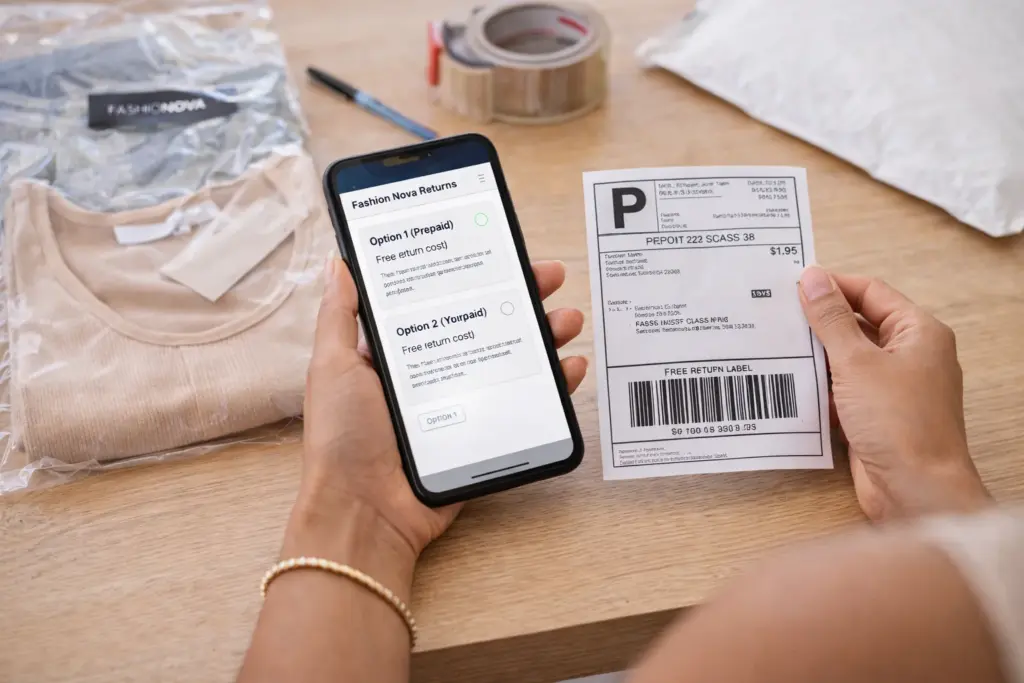
Metodo 1: Utilizzare l'opzione di reso più economica offerta dal portale
Alcuni portali offrono più di un metodo di reso. Un metodo può essere un'etichetta di spedizione a pagamento. Un altro può essere un codice QR per la consegna in un punto di raccolta, più economico. Un altro ancora può essere un buono acquisto con una struttura tariffaria diversa. Non posso garantire cosa troverai, perché le opzioni cambiano, ma posso dirti cosa cercare.
Cerco questi segnali:
- “dicitura ”etichetta prepagata”
- “Formulazione ”consegna”
- “Formulazione ”credito immediato”
- Qualsiasi riga che menzioni una “tassa di reso” o una “tassa di riassortimento”
Quindi scelgo l'opzione che tutela il valore, non i sentimenti. Se il buono acquisto ti va bene, può essere la soluzione migliore per evitare di pagare. Se acquisterai di nuovo la prossima settimana, il buono acquisto non rappresenta una perdita. È denaro che rimane nello stesso negozio.
Metodo 2: Raggruppa i resi e riduci i viaggi e gli sprechi di imballaggio
Se ordino più articoli, non li restituisco uno alla volta. Li restituisco tutti insieme quando il sistema lo permette. Il motivo è semplice: un solo viaggio, un solo pacco, un solo percorso di tracciamento. Anche se è previsto un costo aggiuntivo, si riducono i costi nascosti, come il tempo e il trasporto.
Ecco cosa ne penso:
| Scenario | Mossa migliore | Perché |
|---|---|---|
| Hai acquistato 6 articoli in un unico ordine | Effettua un unico reso per tutti gli articoli idonei | Meno pacchi, meno errori |
| Hai effettuato 2 ordini separati | Restituire ciascun pezzo separatamente | I portali spesso collegano i resi agli ID degli ordini |
| È possibile cambiare un articolo | Prima cambiate il resto, poi restituitelo. | Si riducono le spedizioni superflue. |
Metodo 3: Presta attenzione alle promozioni che modificano i costi di reso, ma non seguirle ciecamente.
A volte i marchi lanciano promozioni che modificano le condizioni di spedizione o di reso. Lo vedo anche nel B2B. Un accordo con un corriere cambia. Un magazzino cambia. Una politica cambia. La cosa più sicura è non rischiare. La cosa più sicura è controllare il proprio account o i banner del sito prima di avviare una procedura di reso.
Quindi faccio così:
- Cerco nella mia casella di posta elettronica le parole "etichetta di reso" e "istruzioni per il reso".“
- Controllo la pagina del mio ordine per verificare la presenza di eventuali messaggi relativi a promozioni di reso.
- Controllo se l'articolo è in vendita finale, perché in tal caso blocca tutto.
Se trovo un'offerta a tempo limitato per un'etichetta di reso gratuita, la uso subito. Se non la trovo, non me la invento.
Metodo 4: Richiedete l'esenzione dal pagamento solo se avete una valida ragione.
Questa è la leva più “senza pagare”, ed è anche quella più abusata. La uso solo quando marca ha commesso un errore oppure il vettore ha causato un problema evidente.
Tra le ragioni concrete si annoverano:
- È stato spedito l'articolo sbagliato.
- L'articolo è arrivato danneggiato
- Parti mancanti
- Incongruenza nell'elenco che puoi dimostrare
- Pacco smarrito, poi consegnato in ritardo, e hai la prova di tracciamento
Quando faccio una domanda, vado dritto al punto:
- “Non è stato un mio errore. Vi prego di fornirmi un'etichetta di reso prepagata o di rinunciare alle spese di reso.”
Conservo foto, screenshot di tracciamento e la trascrizione della chat. Se l'assistenza clienti si rifiuta, chiedo di essere contattato da un livello superiore, ma mantengo sempre un atteggiamento cortese. Le persone cortesi ricevono assistenza più rapidamente, e la velocità è denaro.
Metodo 5: Evitare il reso impedendolo al momento del pagamento
Non si tratta di un trucco per ottenere un reso, ma è il metodo più economico. L'ho imparato lavorando in fabbrica. Il difetto più economico è quello che non porta mai alla spedizione del prodotto.
Prima dell'acquisto:
- Controllo la tabella delle taglie.
- Ho letto le note sulla vestibilità e sull'elasticità dei tessuti.
- Acquisto un solo articolo di prova prima di acquistarne cinque.
- Evito la vendita definitiva a meno che non accetti pienamente il rischio.
Se fai così, restituisci di meno. Se restituisci di meno, paghi di meno. È noioso, ma è vero.
Conclusione
Sono riuscito a restituire il prodotto senza pagare costi aggiuntivi, agendo rapidamente, conservando etichette e prove di spedizione, utilizzando con attenzione le opzioni del portale e richiedendo deroghe solo quando il problema era dovuto al marchio.
Perché scrivo questo
Sono Lancy Chia di Truekung, in Cina. Gestisco una fabbrica con oltre 200 dipendenti. Produco abbigliamento alla moda e offro servizi OEM/ODM a clienti in tutto il mondo. Se desiderate qualità costante, comunicazione chiara e consegne affidabili, potete contattarmi all'indirizzo [email protected] o visitare il sito https://truekung.com.
Visualizzazioni: 630