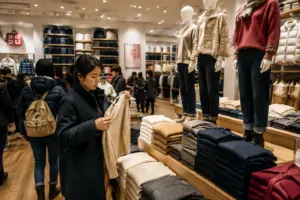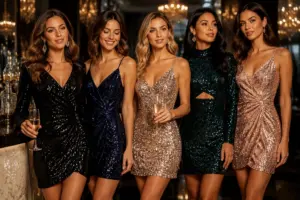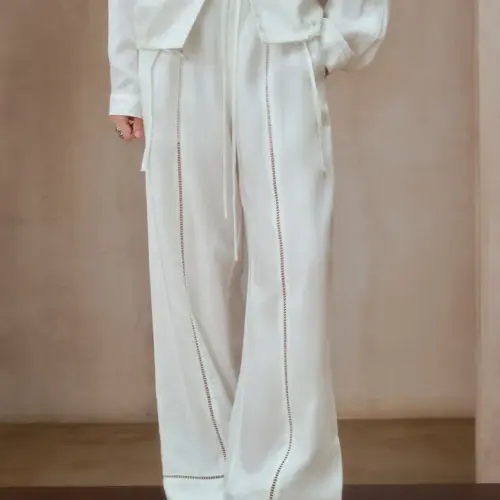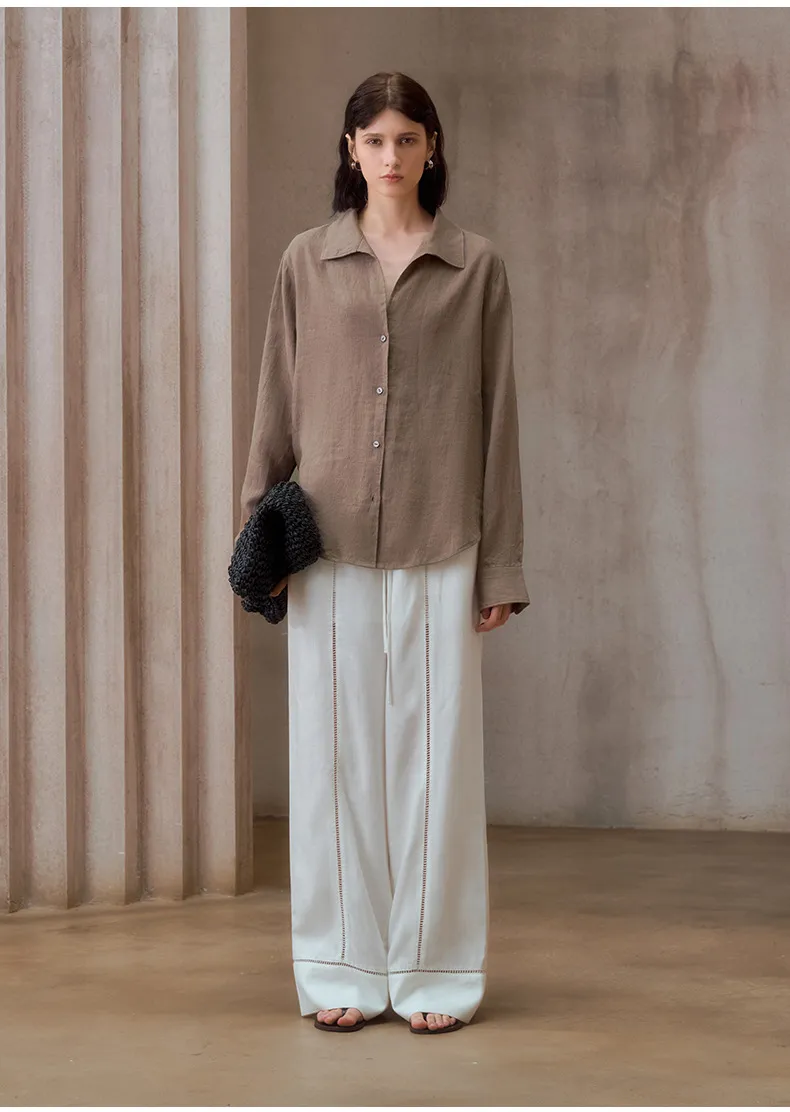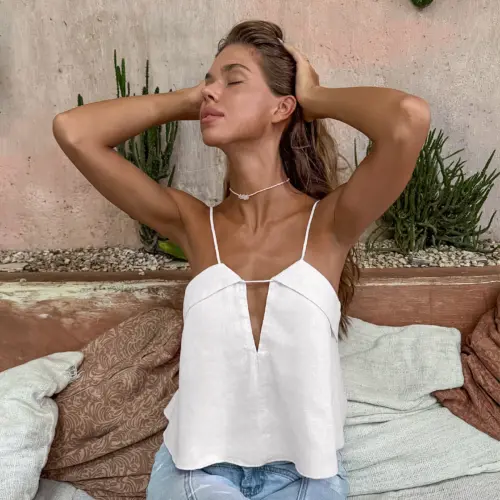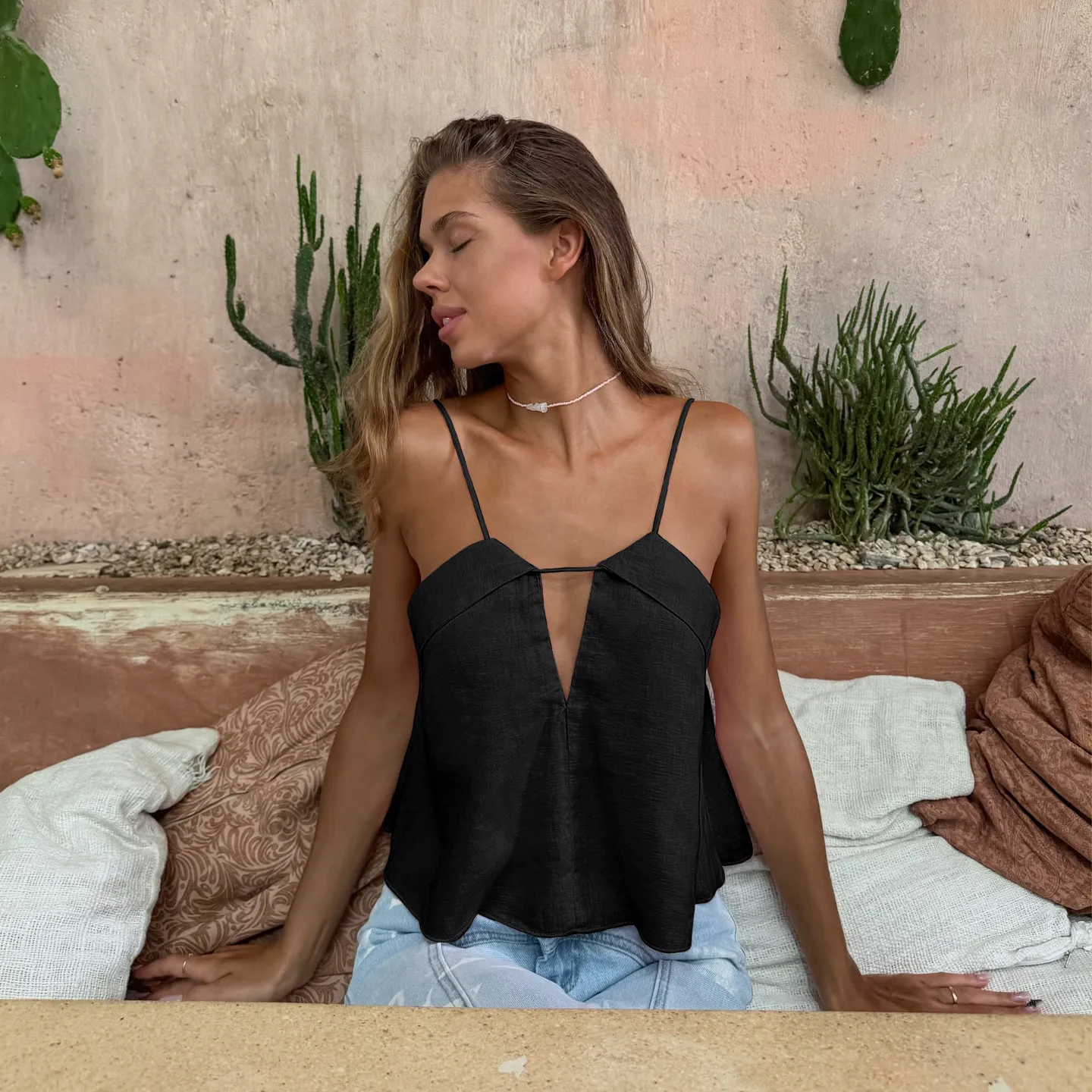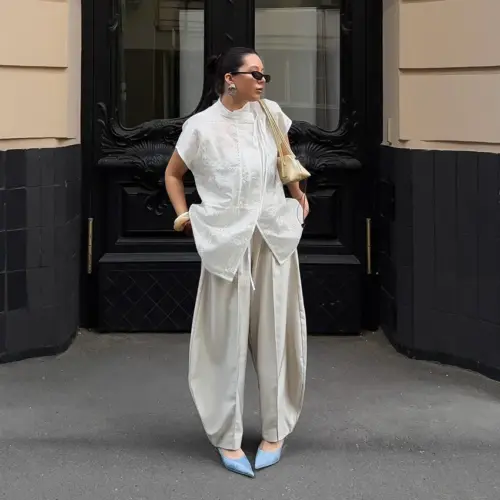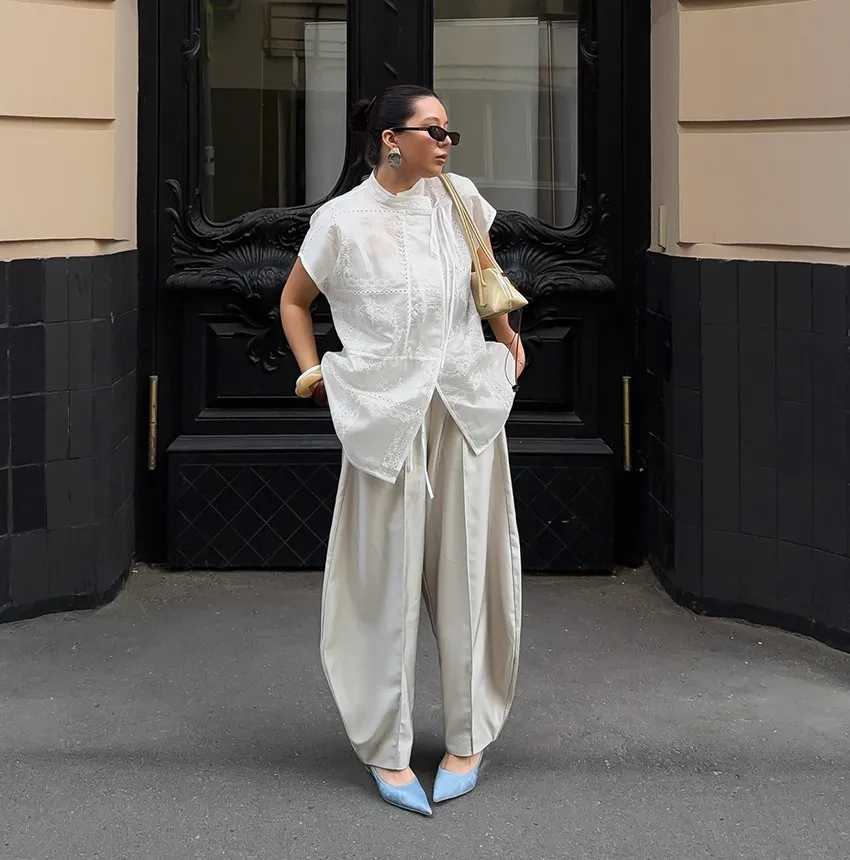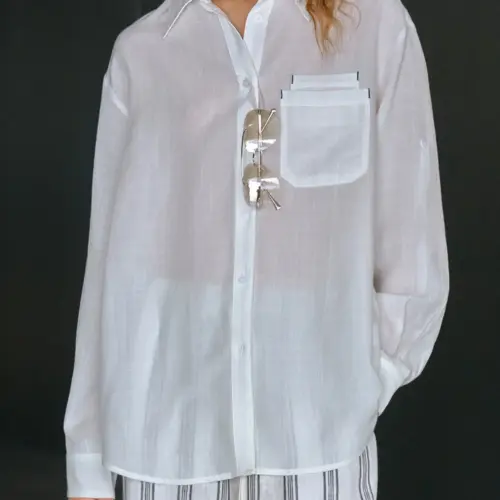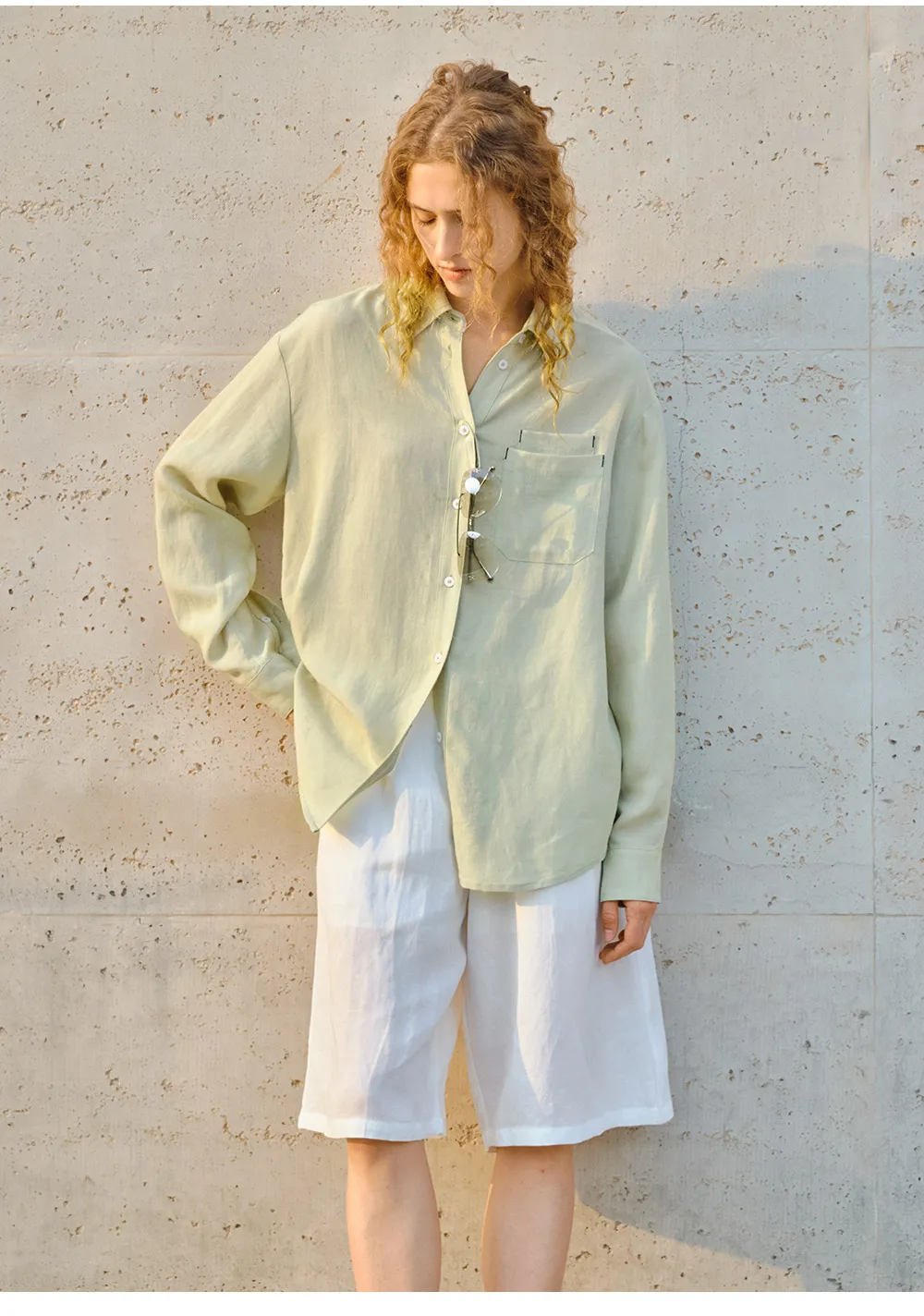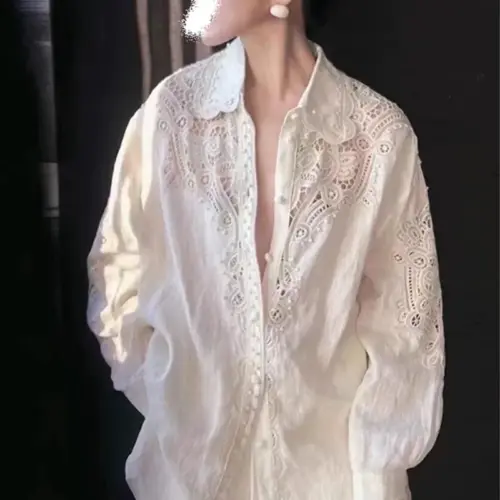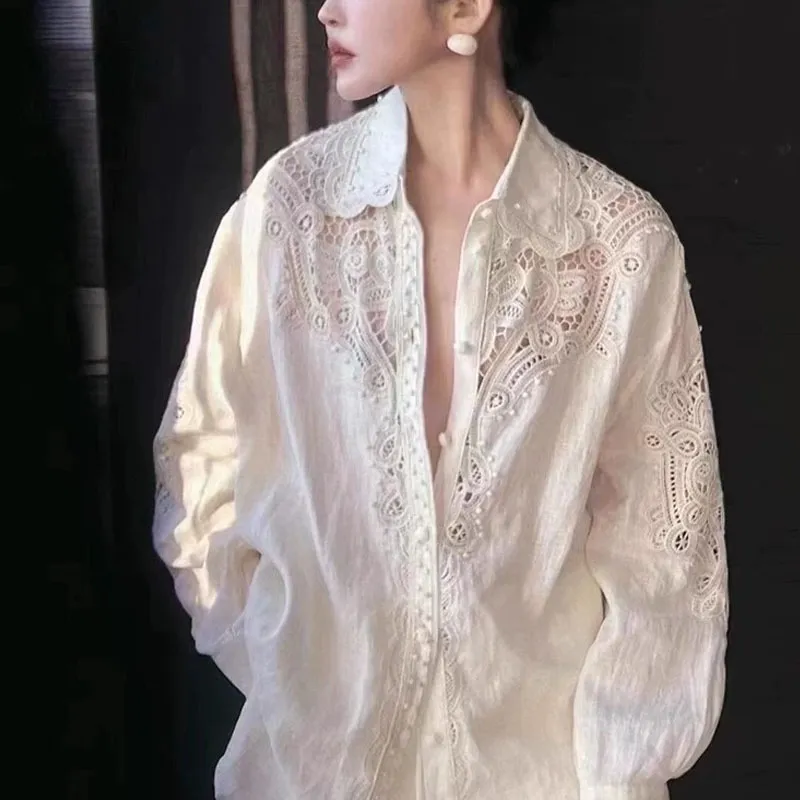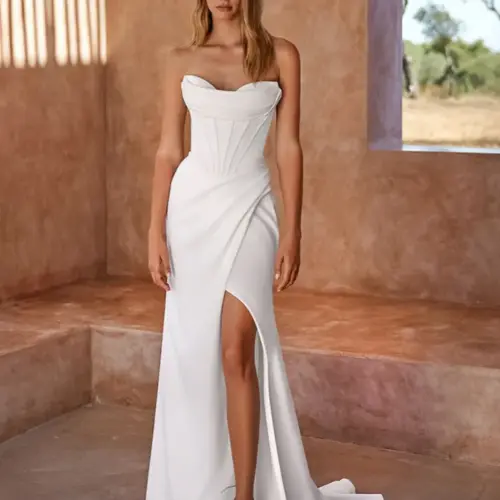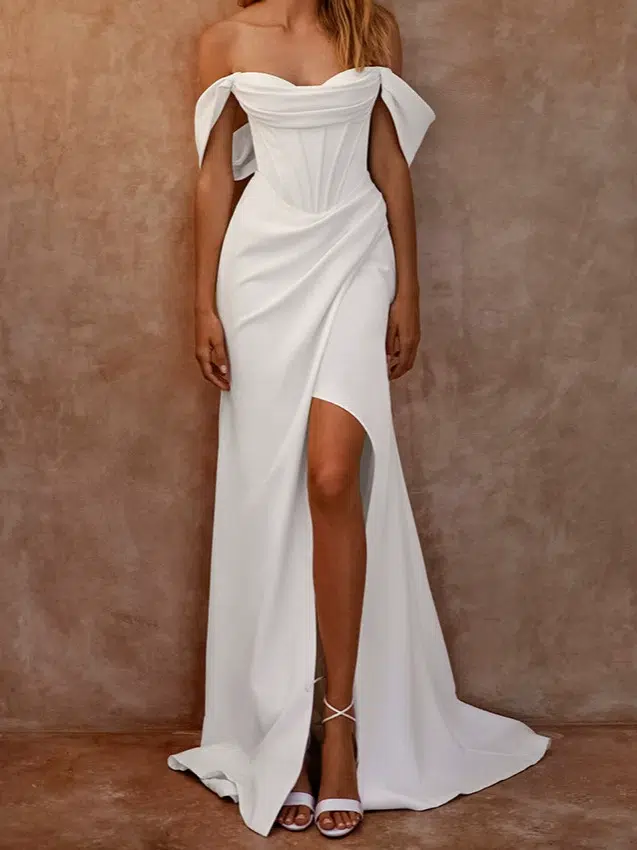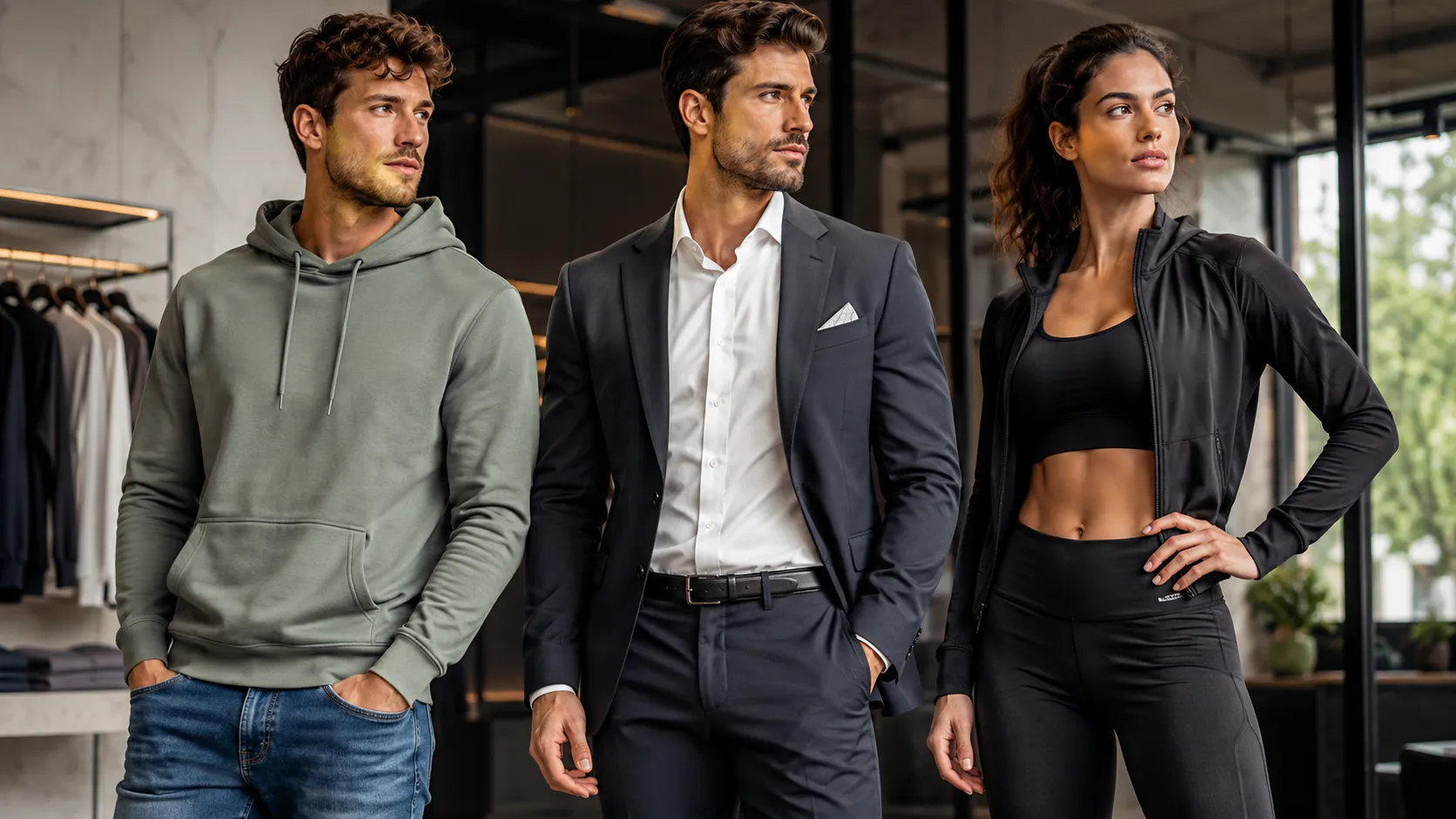

I tre tipi principali di vestiti Sono abbigliamento casual, abbigliamento formale e abbigliamento sportivo. L'abbigliamento casual è pensato per il comfort quotidiano, l'abbigliamento formale è utilizzato per il lavoro o le occasioni speciali, mentre l'abbigliamento sportivo è progettato per lo sport, il movimento e le prestazioni.
Per i marchi di abbigliamento, le startup del settore moda e gli acquirenti all'ingrosso, comprendere queste tre tipologie di abbigliamento è utile anche per pianificare tessuti, vestibilità, livelli di prezzo, standard di qualità e collezioni di prodotti.
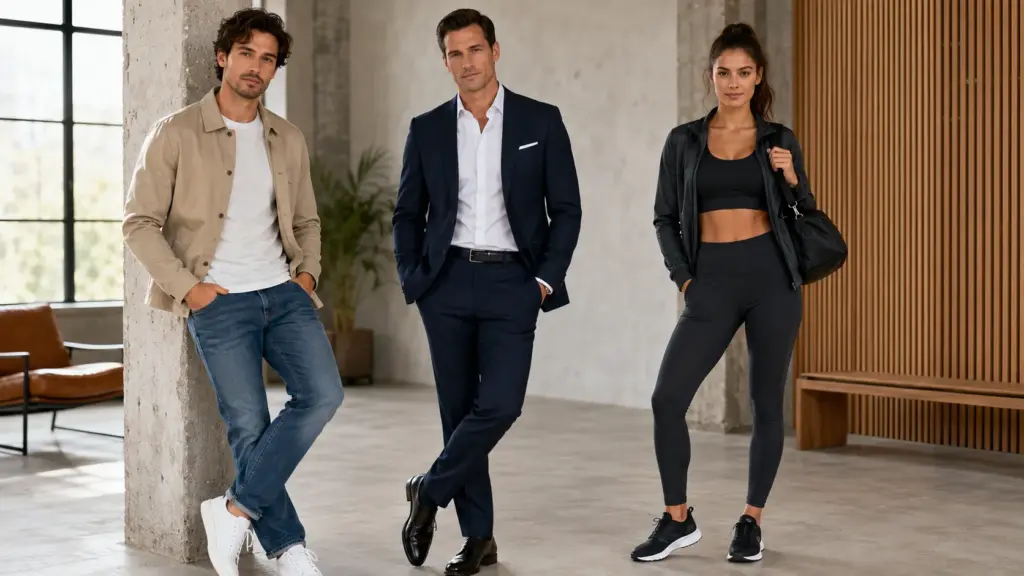
Risposta rapida: I tre principali tipi di abbigliamento
| Tipo di abbigliamento | Scopo principale | Esempi comuni | Focus principale sui tessuti |
|---|---|---|---|
| Abbigliamento casual | Comfort quotidiano e stile semplice | Magliette, felpe con cappuccio, jeans, abiti casual, pantaloni della tuta | Cotone, jersey, denim, pile, coste |
| Abbigliamento formale | Affari, eventi e occasioni speciali | Camicie, blazer, abiti, abiti formali, cappotti | Popeline, twill, misto lana, crêpe, raso |
| Abbigliamento sportivo | Sport, movimento e performance | Leggings, reggiseni sportivi, tute da ginnastica, top da palestra, pantaloncini da corsa | Poliestere, nylon, spandex, rete, tessuti traspiranti |
Queste tre categorie di abbigliamento coprono la maggior parte dei guardaroba di tutti i giorni. Tuttavia, molti prodotti possono anche sovrapporsi. Ad esempio, una polo può essere un capo casual, un abbigliamento business casual o parte di un'uniforme. Una tuta sportiva può essere un capo sportivo, streetwear o casual a seconda del design e del tessuto.
Che cosa sono i vestiti?
Gli abiti sono indumenti che le persone indossano per coprirsi, proteggersi, decorarsi o esprimere se stesse. Possono essere progettati per il comfort, il lavoro, lo sport, la protezione dalle intemperie, le occasioni speciali, le esigenze culturali o l'identità di un marchio.
Nel linguaggio quotidiano, le persone usano spesso parole come vestiti, vestiario, indumenti, E abbigliamento in modi simili. Per una facile comprensione:
- Vestiti Solitamente si riferisce agli oggetti di uso quotidiano che le persone indossano.
- Vestiario è un termine più generico che si riferisce a tutti gli articoli indossabili.
- Abbigliamento Viene spesso utilizzato nella produzione e nel commercio.
- Abbigliamento è comunemente utilizzato nell'industria della moda e dell'abbigliamento all'ingrosso.
Per acquirenti e marchi, la tipologia di abbigliamento è importante perché ogni categoria ha requisiti diversi in termini di tessuti, dettagli di cucitura, standard di taglia e punti di controllo qualità.
1. Abbigliamento casual
L'abbigliamento casual è un tipo di abbigliamento pensato per la vita di tutti i giorni. Solitamente è comodo, facile da abbinare e adatto a occasioni informali.
I prodotti di abbigliamento casual più comuni includono:
- Magliette
- Felpe con cappuccio
- Felpe
- Jeans
- Jogger
- camicie casual
- Abiti casual
- Pantaloncini
- Maglie in maglia
- Cardigan
L'abbigliamento casual è spesso la prima categoria scelta da molti nuovi marchi di abbigliamento perché è più facile da indossare, più facile da vendere e adatto a una clientela più ampia.
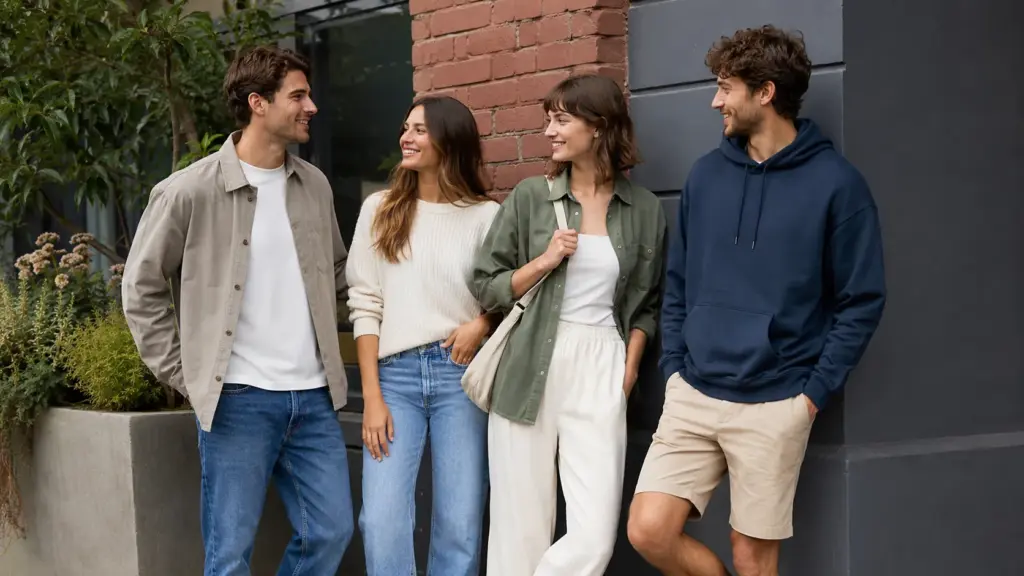
Tessuti comuni Per abbigliamento casual
L'abbigliamento casual si concentra solitamente su comfort, lavabilità e resistenza nell'uso quotidiano. I tessuti più comuni includono:
| Tessuto | Uso comune |
|---|---|
| Maglia di cotone | Magliette, top, abiti casual |
| pile di cotone | Felpe con cappuccio, felpe, pantaloni della tuta |
| French terry | Felpe leggere, completi casual |
| Denim | Jeans, giacche, gonne |
| tessuto a coste | Canotte, polsini, colletti, top aderenti |
| Popeline di cotone | Camicie casual, abiti estivi |
Nella produzione di abbigliamento casual, la morbidezza del tessuto, il controllo del restringimento, la solidità del colore e la stabilità delle taglie sono aspetti fondamentali. Una t-shirt o una felpa con cappuccio possono sembrare semplici, ma una scarsa elasticità del tessuto, la deformazione dopo il lavaggio o misure instabili possono compromettere rapidamente l'esperienza del cliente.
Consigli per l'approvvigionamento di abbigliamento casual per i marchi
Se stai sviluppando abbigliamento casual, dovresti verificare:
- Composizione del tessuto e GSM
- Tasso di restringimento dopo il lavaggio
- Metodo di stampa o ricamo
- Costruzione del colletto e del polsino
- Tolleranza dimensionale
- Requisiti di etichettatura e imballaggio
- Quantità per ordini all'ingrosso e tempi di consegna
L'abbigliamento casual è adatto a marchi di moda, brand di streetwear, aziende di abbigliamento promozionale, negozi online e acquirenti di abbigliamento all'ingrosso.
2. Abbigliamento formale
L'abbigliamento formale è un tipo di abbigliamento pensato per occasioni professionali, lavorative, cerimoniali o eleganti. Rispetto all'abbigliamento casual, l'abbigliamento formale richiede solitamente una struttura migliore, finiture più curate e una vestibilità più precisa.
I prodotti più comuni per l'abbigliamento formale includono:
- camicie eleganti
- Blazer
- Abiti
- Pantaloni
- abiti formali
- Gonne
- Cappotti
- Gilet
- Uniformi aziendali
L'abbigliamento formale non riguarda solo il tessuto. La modellistica, la precisione del taglio, la fodera, la stiratura e le finiture influiscono tutte sul risultato finale.
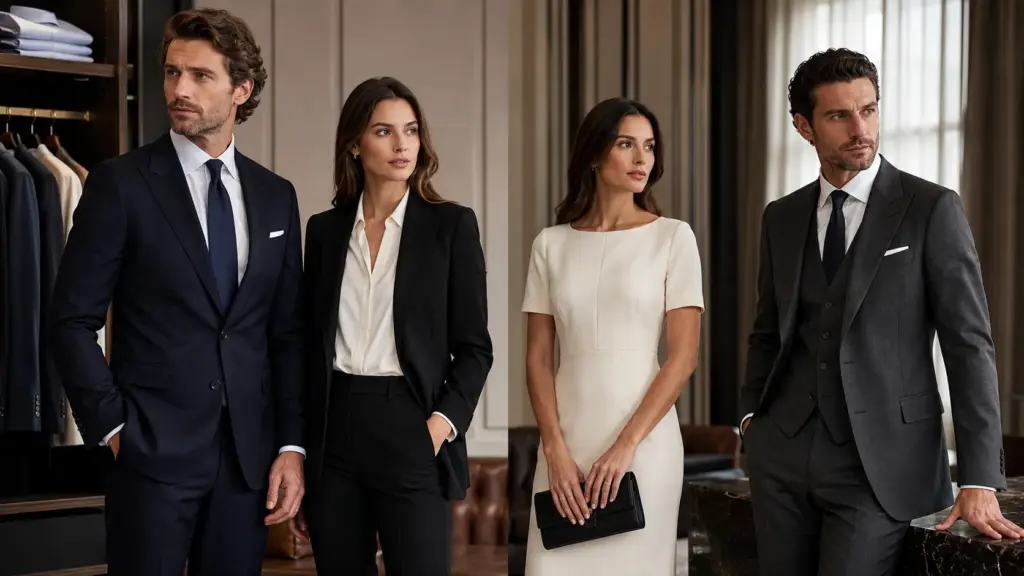
Tessuti comuni per abiti formali
Nell'abbigliamento formale si utilizzano spesso tessuti dall'aspetto più pulito, con una migliore vestibilità e una trama più raffinata.
| Tessuto | Uso comune |
|---|---|
| Popeline | Camicie, bluse |
| Twill | Camicie, pantaloni, uniformi |
| misto lana | Completi, cappotti, pantaloni eleganti |
| Crepe | Abiti, camicette, gonne |
| Raso | Abiti da sera, top eleganti |
| Tessuto per abiti | Blazer, pantaloni, gilet |
| Tessuto di fodera | Giacche, cappotti, abiti strutturati |
La produzione di abbigliamento formale richiede solitamente un controllo più rigoroso rispetto all'abbigliamento casual di base. Piccoli difetti come colletti asimmetrici, spalle dalla forma inadeguata, maniche di lunghezza errata o una stiratura scadente possono conferire al prodotto un aspetto di bassa qualità.
Consigli per l'approvvigionamento di abbigliamento formale per i marchi
Se state sviluppando abiti formali, prestate attenzione a:
- Vestibilità e precisione del modello
- Forma della spalla e del colletto
- Qualità di bottoni, cerniere e fodera
- levigatezza della cucitura
- Pressatura e finitura
- Caduta del tessuto e resistenza alle pieghe
- Classificazione delle taglie in base ai diversi tipi di corporatura
L'abbigliamento formale è adatto a marchi di abbigliamento aziendale, collezioni di abbigliamento da ufficio, marchi di moda boutique, fornitori di uniformi e acquirenti di abbigliamento per eventi.
3. Abbigliamento sportivo
L'abbigliamento sportivo è un indumento progettato per lo sport, l'esercizio fisico, il movimento e le prestazioni atletiche. Deve essere comodo, flessibile, traspirante e resistente.
I prodotti di abbigliamento sportivo più comuni includono:
- Ghette
- reggiseni sportivi
- Gymtops
- Canotte
- tute da ginnastica
- Jogger
- Pantaloncini da corsa
- Pantaloni da yoga
- Giacche da allenamento
- Abbigliamento sportivo
L'abbigliamento sportivo si differenzia dall'abbigliamento casual di base perché il tessuto deve favorire il movimento. Elasticità, recupero della forma, traspirabilità, resistenza delle cuciture e vestibilità sono tutti fattori importanti.
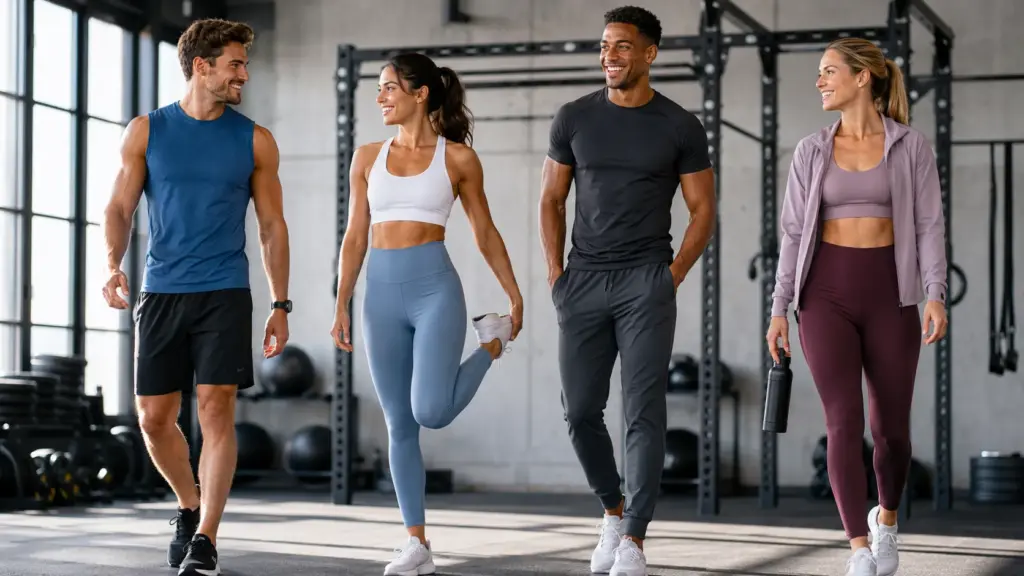
Tessuti comuni per abbigliamento sportivo
L'abbigliamento sportivo utilizza spesso tessuti sintetici o misti perché offrono elasticità, capacità di recupero della forma e gestione dell'umidità.
| Tessuto | Uso comune |
|---|---|
| spandex di poliestere | Top da palestra, leggings, reggiseni sportivi |
| Nylon spandex | Abbigliamento yoga, abbigliamento sportivo di alta qualità |
| Tessuto a rete | Pannelli traspiranti, top sportivi |
| Maglia intrecciata | Tute da ginnastica, abbigliamento da allenamento |
| Tessuto elasticizzato a coste | Top aderenti, completi sportivi |
| Tessuto traspirante | Abbigliamento da corsa, abbigliamento da palestra |
Nell'abbigliamento sportivo, la qualità del tessuto è particolarmente importante. Un tessuto scadente può diventare trasparente, perdere elasticità, formare pallini facilmente o risultare scomodo durante il movimento.
Consigli per l'approvvigionamento di abbigliamento sportivo per i marchi
Se stai sviluppando abbigliamento sportivo, dovresti controllare:
- Percentuale di allungamento
- Recupero del tessuto
- Leggings a prova di squat
- Funzione di assorbimento dell'umidità
- Resistenza della cucitura
- qualità dell'elastico
- Imbottitura per reggiseni sportivi
- Resistenza del colore dopo il lavaggio e la sudorazione
L'abbigliamento sportivo è adatto a marchi di fitness, marchi di yoga, aziende di abbigliamento per palestre, società sportive, marchi di athleisure e venditori online di abbigliamento sportivo.
Sono questi gli unici tre tipi di abbigliamento?
No. Abbigliamento casual, abbigliamento formale e abbigliamento sportivo sono le tre categorie principali di abbigliamento, ma esistono molte altre sottocategorie.
Altri tipi di abbigliamento includono:
- Capispalla
- Abbigliamento da lavoro
- Uniformi
- Abbigliamento per bambini
- Biancheria intima
- pigiami
- Costumi da bagno
- Abbigliamento premaman
- Abbigliamento da strada
- Abbigliamento per esterni
- Indumenti protettivi
Molte di queste categorie possono ancora rientrare nelle tre tipologie principali. Ad esempio, un'uniforme scolastica può essere considerata abbigliamento formale, una giacca in pile abbigliamento casual e una giacca da corsa abbigliamento sportivo.
Per i marchi di abbigliamento, il modo migliore per pianificare una collezione non è solo chiedersi "Che tipo di abiti dovremmo realizzare?", ma anche "Chi indosserà questo prodotto, dove lo indosserà e quale problema dovrebbe risolvere?".“
Vestiti vs Abbigliamento vs Indumenti vs Accessori
Queste parole sono correlate, ma vengono spesso utilizzate in contesti diversi.
| Parola | Significato comune | Dove viene spesso utilizzato |
|---|---|---|
| Vestiti | oggetti di uso quotidiano che le persone indossano | conversazione quotidiana |
| Vestiario | Termine generico per i prodotti indossabili | Vendita al dettaglio, istruzione, descrizioni dei prodotti |
| Abbigliamento | singoli capi di abbigliamento fabbricati | Fabbriche, produzione, commercio di esportazione |
| Abbigliamento | Prodotti di abbigliamento alla moda e commerciali | B2B, commercio all'ingrosso, approvvigionamento, branding |
Ad esempio, un cliente potrebbe dire: "Voglio comprare dei vestiti". Un marchio di moda potrebbe dire: "Stiamo sviluppando una collezione di abbigliamento". Una fabbrica potrebbe dire: "Produciamo capi di abbigliamento". Un grossista potrebbe dire: "Ci riforniamo di abbigliamento dai produttori".“
Comprendere questi termini aiuta gli acquirenti a comunicare in modo più chiaro con fornitori e produttori.
Come dovrebbero scegliere i marchi di abbigliamento la tipologia di capi più adatta?
La scelta del tipo di abbigliamento più adatto dipende dal cliente target, dalla fascia di prezzo, dalla stagione, dal canale di vendita e dal budget di produzione.
Un nuovo marchio non dovrebbe limitarsi a seguire le tendenze. Dovrebbe scegliere prodotti che si adattino ai suoi clienti, all'identità del marchio e alla capacità della sua catena di approvvigionamento.
1. Inizia dal tuo cliente target
Chiediti:
- Chi indosserà questi abiti?
- Acquistano per uso quotidiano, lavoro, sport o eventi?
- Che livello di prezzo sono disposti ad accettare?
- Preferiscono comfort, moda, prestazioni o durata?
Ad esempio, un marchio di streetwear potrebbe iniziare con felpe con cappuccio e t-shirt. Un marchio di abbigliamento sportivo potrebbe iniziare con leggings e reggiseni sportivi. Un marchio di abbigliamento femminile di nicchia potrebbe iniziare con abiti, camicette e pantaloni sartoriali.
2. Abbina il tessuto al tipo di prodotto
Diversi tipi di abbigliamento richiedono tessuti diversi.
| Tipo di prodotto | Priorità del tessuto |
|---|---|
| Abbigliamento casual | Comfort, morbidezza, lavabilità |
| abbigliamento formale | Drappeggio, struttura, superficie liscia |
| Abbigliamento sportivo | Allungamento, recupero, traspirabilità |
| Abbigliamento da lavoro | Durata e resistenza all'abrasione |
| Abbigliamento per bambini | Sicurezza, comfort, facilità di lavaggio |
La scelta del tessuto influisce direttamente sul costo finale, sulla vestibilità e sull'esperienza del cliente.
3. Considerare il quantitativo minimo d'ordine (MOQ) e la complessità della produzione.
I prodotti semplici come t-shirt e felpe sono generalmente più facili da realizzare all'inizio. I prodotti strutturati come blazer, cappotti e abiti formali richiedono più tempo di sviluppo e un maggiore controllo tecnico.
Il quantitativo minimo d'ordine (MOQ) dipende anche dalla disponibilità del tessuto, dal colore, dal livello di personalizzazione, dalla stampa, dal ricamo, dalle etichette e dall'imballaggio.
Per la produzione di abbigliamento personalizzato, il MOQ di solito parte da 100-200 pezzi per modello o colore, a seconda del prodotto e del materiale. Per alcuni modelli preconfezionati o semplici, potrebbero essere possibili quantità di prova più piccole.
Come le fabbriche sviluppano diversi tipi di abbigliamento
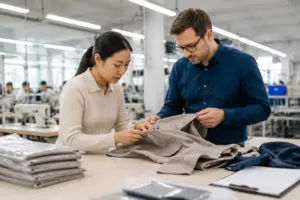
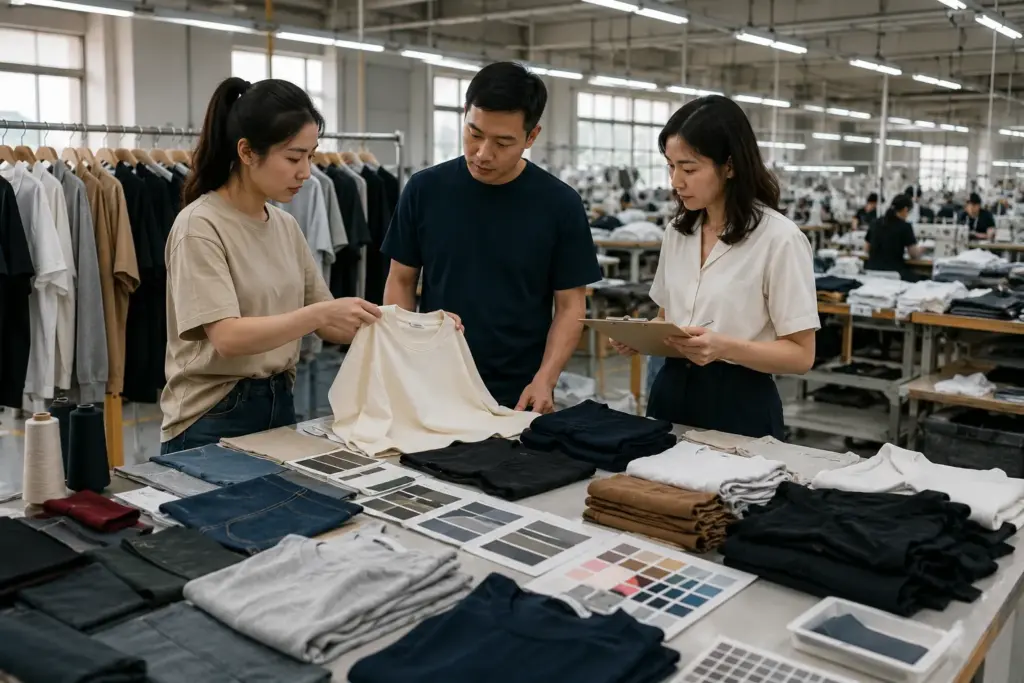
Un affidabile produttore di abbigliamento Non bisogna trattare tutti i prodotti allo stesso modo. L'abbigliamento casual, quello formale e quello sportivo richiedono metodi di sviluppo e controllo qualità differenti.
Sviluppo dell'abbigliamento casual
Per l'abbigliamento casual, la fabbrica si concentra solitamente su:
- Sensazione del tessuto al tatto
- GSM e restringimento
- Qualità di stampa o ricamo
- Vestibilità e comfort di base
- Prestazioni di lavaggio
- Produzione stabile in serie
L'abbigliamento casual può sembrare semplice, ma la coerenza è fondamentale. Un marchio ha bisogno che ogni t-shirt, felpa con cappuccio o pantalone da jogging mantenga la stessa taglia, colore e qualità anche in caso di produzione in serie.
Sviluppo dell'abbigliamento formale
Per l'abbigliamento formale, la fabbrica necessita di modelli più robusti e di una maggiore capacità di cucito. I punti importanti includono:
- Taglio netto
- Misurazioni accurate
- Forma del colletto e della spalla
- Fodera e interfodera
- Posizionamento dei pulsanti
- Pressatura e finitura
- Cuciture lisce
Spesso, per gli abiti formali sono necessari più prototipi e prove di vestibilità prima della produzione in serie.
Sviluppo di abbigliamento sportivo
Per l'abbigliamento sportivo, la fabbrica deve comprendere i tessuti elasticizzati e i movimenti del corpo. I punti importanti includono:
- Test di allungamento e recupero
- Adatto durante il movimento
- Resistenza della cucitura
- Qualità dell'elastico
- Traspirabilità
- Opacità
- Prestazioni di traspirazione
L'abbigliamento sportivo non deve solo essere bello da vedere in foto. Deve anche garantire prestazioni ottimali quando chi lo indossa si muove, si allunga, suda e viene lavato ripetutamente.
Esempi dei tre principali tipi di abbigliamento
Ecco alcuni semplici esempi per aiutarti a comprendere meglio i tre tipi principali.
| Articolo di abbigliamento | Categoria principale | Note |
|---|---|---|
| T-shirt basic | Abbigliamento casual | Capo d'abbigliamento quotidiano |
| Felpa | Abbigliamento casual | Popolare anche nello streetwear |
| Jeans | Abbigliamento casual | Resistente e facile da acconciare |
| Blazer | abbigliamento formale | Adatto per look formali o smart casual. |
| camicia elegante | abbigliamento formale | Comune nelle collezioni di abiti da ufficio e uniformi |
| Abito da sposa | abbigliamento formale | Utilizzato per eventi e occasioni speciali |
| Ghette | Abbigliamento sportivo | Utilizzato per yoga, palestra e abbigliamento sportivo casual. |
| reggiseno sportivo | Abbigliamento sportivo | Richiede supporto e controllo dell'allungamento |
| Tuta | Abbigliamento sportivo | Può anche essere casual o streetwear |
| Polo | Casual / formale / uniforme | Dipende dal tessuto e dallo stile |
Ecco perché le categorie di abbigliamento non sono sempre fisse. Lo stesso prodotto può appartenere a categorie diverse a seconda del design, del materiale e dell'utilizzo.
Quale tipo di abbigliamento è più adatto per un nuovo marchio?
Per molti nuovi marchi di abbigliamento, l'abbigliamento casual è il punto di partenza più semplice. Prodotti come t-shirt, felpe con cappuccio, felpe, pantaloni della tuta e abiti casual sono più facili da comprendere e da vendere.
Tuttavia, la scelta migliore dipende dal posizionamento del tuo marchio.
| Tipo di marca | Prodotti iniziali consigliati |
|---|---|
| Marchio di streetwear | Magliette, felpe con cappuccio, pantaloni della tuta, giacche |
| Marchio di abbigliamento femminile | Abiti, camicette, gonne, pantaloni |
| marchio fitness | Leggings, reggiseni sportivi, canotte, tute da ginnastica |
| Marchio di lusso | Camicie, abiti, cappotti, capi su misura |
| Uniforme aziendale | Polo, camicie, abbigliamento da lavoro, giacche |
| Marchio di abbigliamento per bambini | Magliette, completi, vestiti, pantaloni |
Se state lanciando una nuova collezione, di solito è meglio iniziare con pochi modelli e testare prima il mercato. Una collezione più piccola e mirata è più facile da gestire rispetto a una con troppi modelli, tessuti diversi e dettagli complessi.
Come collaborare con un produttore di abbigliamento
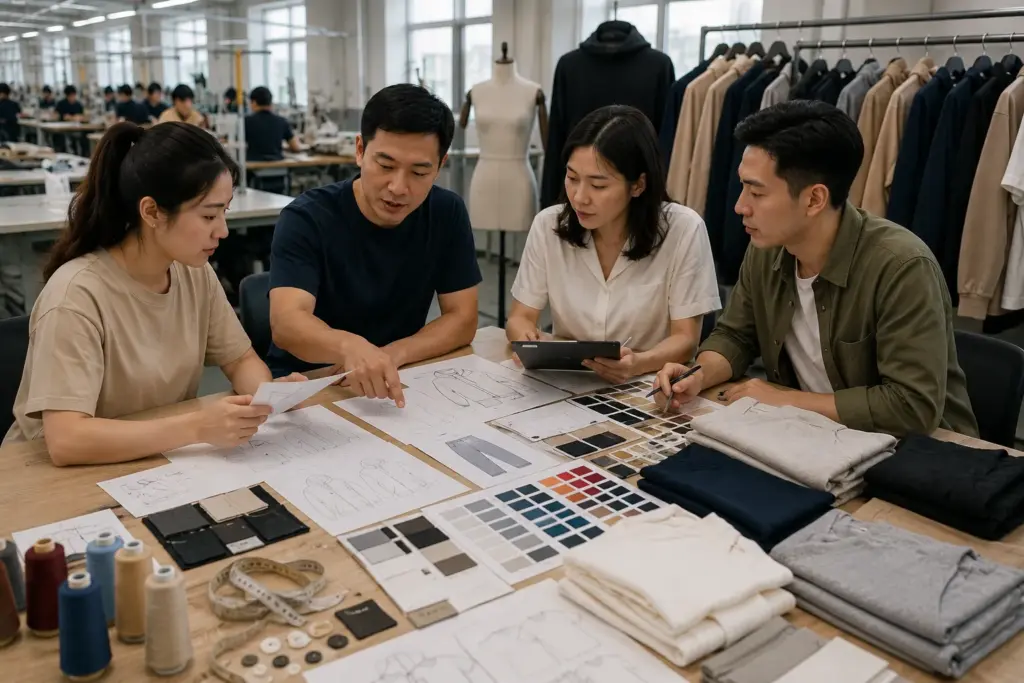
Quando si collabora con un produttore di abbigliamento, è opportuno preparare informazioni chiare sul prodotto prima di richiedere un preventivo.
Le informazioni utili includono:
- Foto o schizzi del prodotto
- Pacchetto tecnico, se disponibile
- Composizione del tessuto e GSM
- Gamma taglie
- Opzioni di colore
- Metodo del logo
- Requisiti di etichettatura e imballaggio
- Quantità stimata dell'ordine
- Prezzo target
- Scadenza consegna
- Paese di spedizione
Più dettagli fornirai, più accurato sarà il preventivo. Anche senza una scheda tecnica completa, un buon produttore può comunque aiutarti a esaminare le immagini di riferimento e suggerirti opzioni per tessuti, costruzione e campionatura.
Domande frequenti sui tre principali tipi di abbigliamento
Quali sono i tre principali tipi di vestiti?
I tre tipi principali di abbigliamento sono abbigliamento casual, abbigliamento formale e abbigliamento sportivo. L'abbigliamento casual è per la vita di tutti i giorni, l'abbigliamento formale è per il lavoro o le occasioni speciali, e l'abbigliamento sportivo è per lo sport, il fitness e il movimento.
Quali sono alcuni esempi di abbigliamento casual?
Esempi di abbigliamento casual includono magliette, felpe con cappuccio, felpe, jeans, pantaloni della tuta, pantaloncini, camicie casual, cardigan e abiti casual.
Quali sono alcuni esempi di abbigliamento formale?
Esempi di abbigliamento formale includono camicie eleganti, blazer, abiti, pantaloni, vestiti formali, gonne, cappotti e uniformi da lavoro.
Quali sono alcuni esempi di abbigliamento sportivo?
Esempi di abbigliamento sportivo includono leggings, reggiseni sportivi, top da palestra, pantaloncini da corsa, pantaloni da yoga, tute, canotte e giacche da allenamento.
L'abbigliamento attivo è la stessa cosa dell'abbigliamento sportivo?
L'abbigliamento sportivo e quello per il tempo libero sono simili, ma non sempre coincidono esattamente. L'abbigliamento sportivo è solitamente progettato per sport specifici, mentre l'abbigliamento per il tempo libero può includere anche abbigliamento da palestra, abbigliamento yoga, abbigliamento athleisure e indumenti comodi per il movimento.
Lo streetwear è abbigliamento casual?
Sì, lo streetwear è generalmente un tipo di abbigliamento casual. Tuttavia, lo streetwear presenta spesso elementi di design più marcati, vestibilità oversize, stampe grafiche, ricami e un'identità di marca ben definita.
Qual è la differenza tra vestiti e abbigliamento?
“Il termine "vestiti" è più comune nel linguaggio quotidiano, mentre "abbigliamento" è un termine più ampio e formale. Entrambi si riferiscono a indumenti indossati.
Qual è la differenza tra indumenti e abbigliamento?
“Il termine "capi di abbigliamento" si riferisce generalmente a singoli articoli di abbigliamento prodotti industrialmente, soprattutto nell'ambito della produzione e dell'esportazione. Il termine "abbigliamento" è comunemente usato nel settore della moda, della vendita al dettaglio e all'ingrosso di abbigliamento.
Qual è il tipo di abbigliamento più facile da lanciare per un nuovo marchio?
L'abbigliamento casual è spesso più facile da lanciare per un nuovo marchio, perché prodotti come t-shirt, felpe con cappuccio e felpe senza cappuccio sono più facili da sviluppare e più facili da indossare per i clienti. Tuttavia, la scelta migliore dipende dal target di riferimento e dallo stile del marchio.
Cosa dovrebbero verificare gli acquirenti prima di ordinare abiti su misura?
Prima di effettuare un ordine all'ingrosso, gli acquirenti sono tenuti a verificare la qualità del tessuto, la tabella delle taglie, la vestibilità del campione, il metodo di applicazione del logo, la solidità del colore, il restringimento, la qualità delle cuciture, l'imballaggio, il quantitativo minimo d'ordine (MOQ), i tempi di consegna e le condizioni di pagamento.
Considerazioni finali
I tre tipi principali di abbigliamento sono abbigliamento casual, abbigliamento formale e abbigliamento sportivo. Queste categorie aiutano a capire come l'abbigliamento viene utilizzato nella vita quotidiana, nel mondo del lavoro, nelle occasioni speciali e nello sport.
Per i marchi di abbigliamento e gli acquirenti all'ingrosso, queste categorie sono utili anche per la pianificazione del prodotto, la selezione dei tessuti, la definizione dei prezzi, la campionatura e il controllo della produzione. Una semplice t-shirt, un blazer elegante e un paio di leggings appartengono tutti all'industria dell'abbigliamento, ma richiedono tessuti, modelli, metodi di cucito e standard di qualità differenti.
Se stai pianificando una nuova collezione di abbigliamento, inizia scegliendo la tipologia di prodotto più adatta al tuo target di clientela. Dopodiché, conferma con il produttore il tessuto, la vestibilità, la gamma di taglie, il metodo di applicazione del logo e la quantità da ordinare.
Noi di TrueKung Apparel aiutiamo i marchi a sviluppare e produrre abbigliamento personalizzato per diverse esigenze: casual, formale, sportivo, femminile, per bambini, t-shirt, felpe con cappuccio, abiti, uniformi e abbigliamento a marchio privato. Se avete un'idea di design, un campione di riferimento o un progetto di prodotto, potete inviarci i dettagli e vi aiuteremo a valutare la soluzione di sviluppo e produzione più adatta.
Visualizzazioni: 271