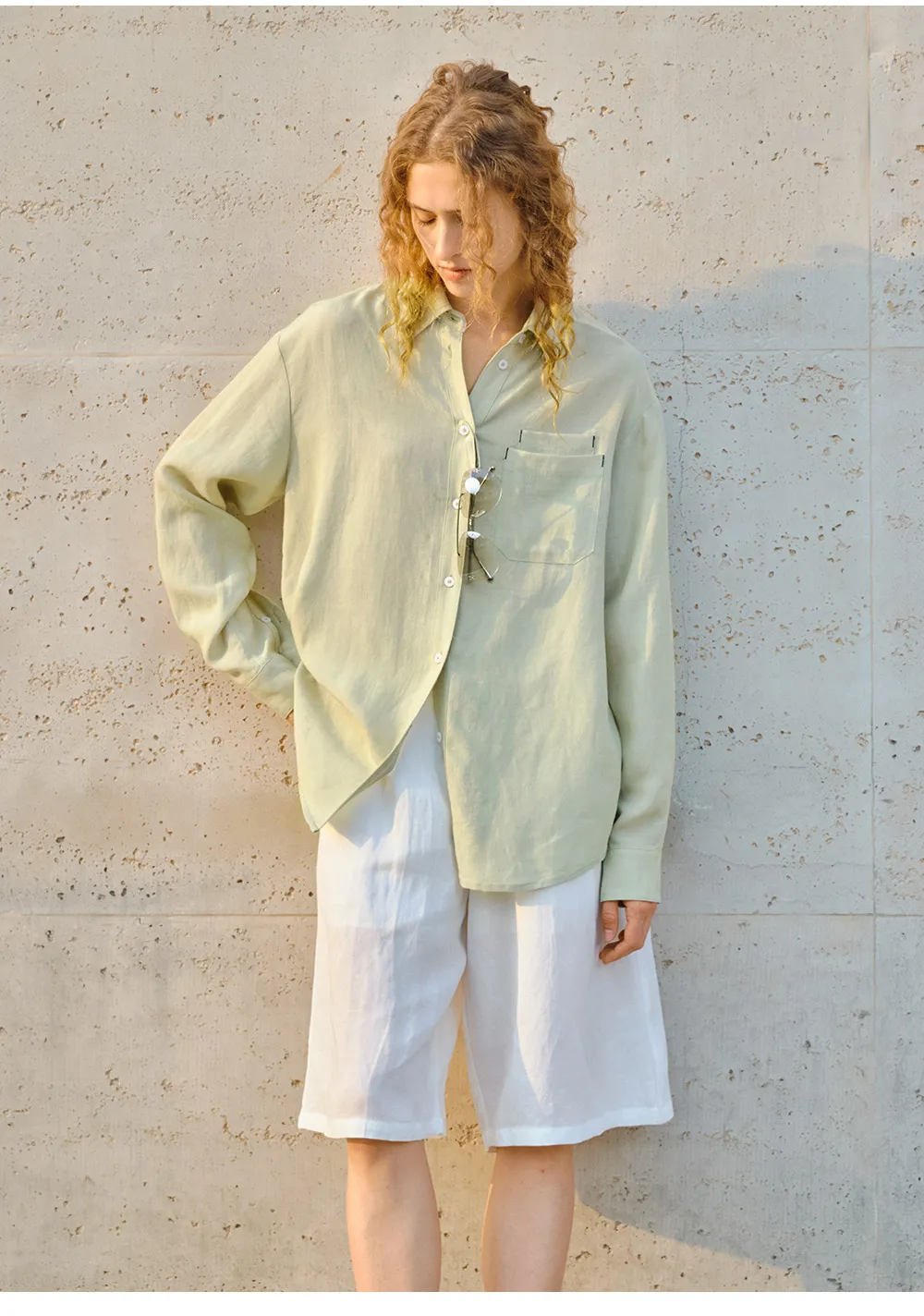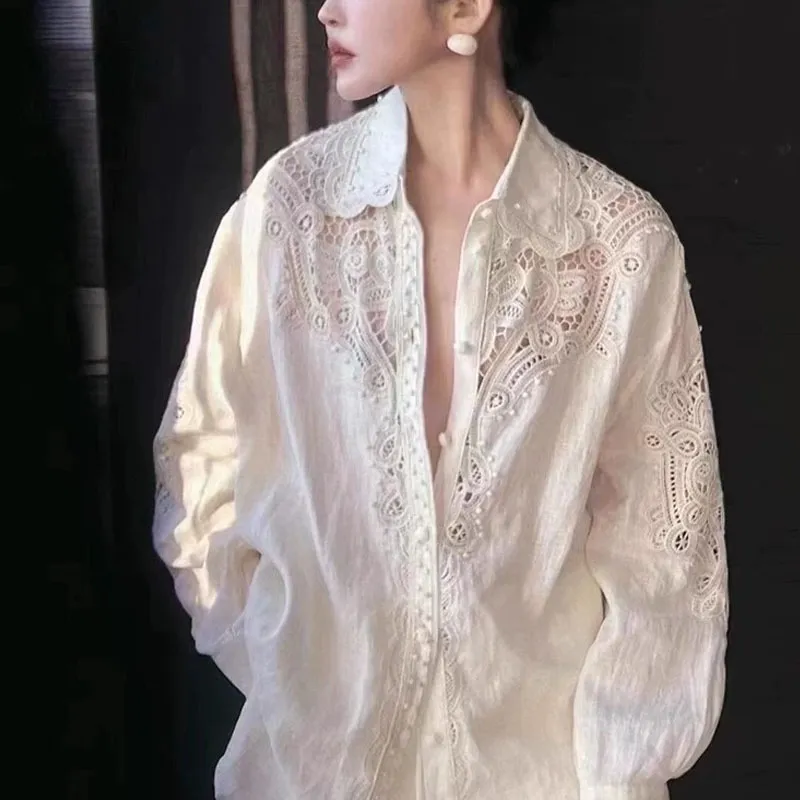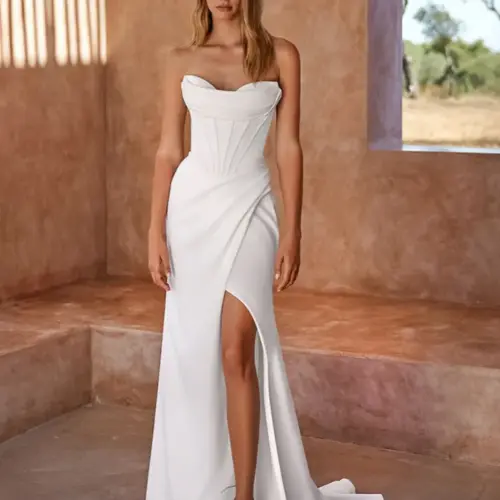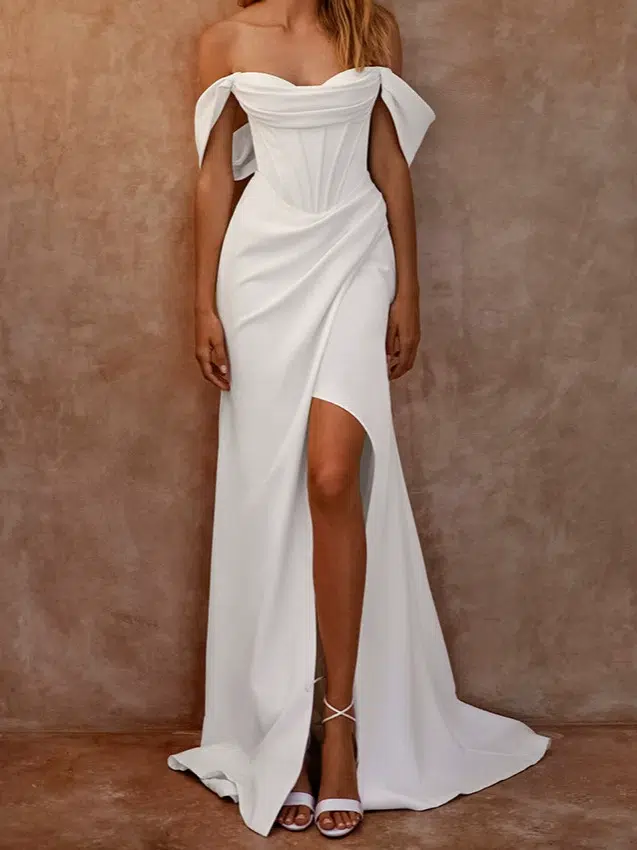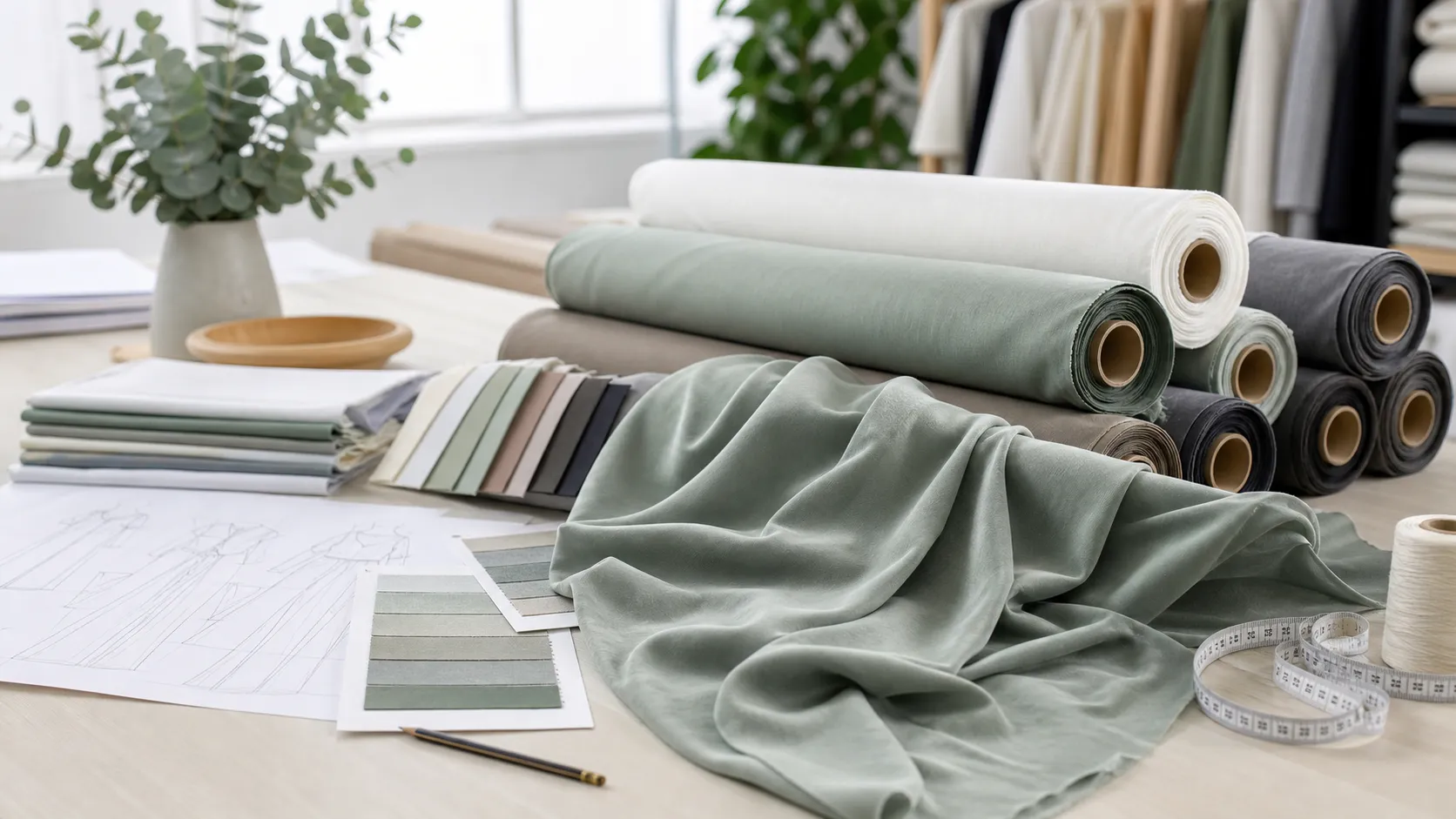

Lyocell tessuto è diventato uno dei materiali più apprezzati dai marchi di moda che desiderano morbidezza, comfort e un forte impegno per la sostenibilità.
Ma per gli acquirenti di abbigliamento, la vera domanda non è semplicemente: “Il lyocell è un buon tessuto?”
La domanda migliore è:
Il lyocell è il tessuto giusto per il tuo capo, prezzo obiettivo, etichetta di cura, aspettative del cliente e produzione piano?
In qualità di produttori di abbigliamento, notiamo che molti marchi sono interessati al lyocell perché lo percepiscono come un materiale di alta qualità ed ecologico. Questo interesse è comprensibile. Il lyocell può essere morbido, traspirante, liscio e adatto a molte categorie di abbigliamento moderno.
Tuttavia, non tutti i tessuti in lyocell si comportano allo stesso modo. Il risultato finale dipende dalla qualità delle fibre, dalla struttura del tessuto, dal rapporto di miscelazione, dalla tintura, dalla finitura, dal design del capo, dai test di lavaggio e dal controllo della produzione in serie.
Questa guida spiega come gli acquirenti del settore moda dovrebbero valutare il lyocell prima di effettuare un ordine di produzione.
Che cos'è il tessuto Lyocell?
Il Lyocell è una fibra di cellulosa rigenerata ricavata dalla polpa di legno. Appartiene alla stessa ampia famiglia della viscosa e del modal, ma viene solitamente prodotta attraverso un processo a ciclo chiuso più controllato.
In parole semplici:
- La materia prima proviene da cellulosa di origine vegetale.
- La polpa viene disciolta e filata in fibra.
- La fibra viene trasformata in filato e tessuto.
- Il tessuto può quindi essere utilizzato per abiti, camicie, pantaloni, abbigliamento per il tempo libero, tessuti misti per abbigliamento sportivo e altri capi di abbigliamento.
Il lyocell è spesso apprezzato perché combina una sensazione di morbidezza al tatto con una buona traspirabilità e capacità di assorbimento dell'umidità. Per gli acquirenti, questo lo rende utile in prodotti in cui comfort e vestibilità sono importanti.
Lyocell contro TENCEL: cosa devono sapere gli acquirenti
Molte persone usano i termini "lyocell" e "TENCEL" come se fossero sinonimi, ma non lo sono affatto.
Lyocell è il tipo di fibra generico.
TENCEL™ Lyocell è una fibra di lyocell di marca prodotta da Lenzing.
Per gli acquirenti di abbigliamento, questa differenza è importante perché le fibre di marca possono offrire una maggiore tracciabilità, certificazioni e valore di marketing. Il lyocell generico può comunque essere una buona opzione, ma è consigliabile richiedere al fornitore informazioni precise sulla composizione del tessuto, la provenienza delle fibre, eventuali certificati e i rapporti di prova.
Se il vostro marchio desidera vantare una sostenibilità, non limitatevi a usare solo la parola "lyocell". Richiedete la documentazione.
Caratteristiche principali del tessuto Lyocell
Il Lyocell è apprezzato perché offre un utile equilibrio tra comfort e prestazioni.
Le proprietà comuni includono:
- Tocco morbido e delicato
- Buona traspirabilità
- Buona capacità di assorbimento dell'umidità
- drappeggio fluido
- Delicato a contatto con la pelle
- Fibre di origine vegetale
- Adatto a molti capi leggeri e di peso medio
La sensazione esatta dipende da come è realizzato il tessuto. Un twill di lyocell, un jersey di lyocell, una miscela di lyocell e lino e un lyocell-cotone La miscela può comportarsi in modi molto diversi.
Ecco perché gli acquirenti non dovrebbero approvare un tessuto basandosi solo sul nome della fibra. È sempre necessario verificare il campione effettivo, il peso, la struttura e i risultati dei test.
Vantaggi e svantaggi del Lyocell per i marchi di abbigliamento
Vantaggi di Lyocell
Il lyocell può essere un'ottima scelta quando il tuo prodotto deve essere morbido, drappeggiato e confortevole.
I principali vantaggi includono:
- Sensazione di morbidezza al tatto: Ideale per indumenti a contatto con la pelle.
- Drappeggio elegante: Utile per abiti, camicette, pantaloni a gamba larga, abbigliamento da vacanza e abbigliamento per il tempo libero.
- Traspirabilità: Adatto per abbigliamento estivo e capi comodi.
- Gestione dell'umidità: Contribuisce a rendere il capo meno appiccicoso rispetto ad alcuni tessuti sintetici.
- Posizionamento Premium: Ideale per i marchi che desiderano una narrazione più raffinata attraverso i materiali.
- Potenziale di sostenibilità: Soprattutto quando la provenienza e la lavorazione della fibra sono adeguatamente documentate.
Limitazioni di Lyocell
Il Lyocell non è perfetto. Una guida all'acquisto affidabile dovrebbe considerare anche i rischi.
Le possibili limitazioni includono:
- Costo più elevato: Il lyocell è spesso più costoso del cotone, del poliestere o della viscosa tradizionali.
- Rischio di rughe: Alcuni tessuti in lyocell possono sgualcirsi a seconda della trama, del peso e della finitura.
- Fibrillazione superficiale: Una finitura scadente o un lavaggio aggressivo possono causare un aspetto superficiale peloso.
- Attenzione alle esigenze individuali: Alcuni tessuti necessitano di un lavaggio delicato o di un'asciugatura a bassa temperatura.
- Confusione sulla sostenibilità: Non tutti i tessuti in lyocell hanno lo stesso profilo ambientale.
- Variante di massa: Prima della produzione in serie, è necessario controllare il colore, il restringimento e la consistenza al tatto.
Per questo motivo, il lyocell va considerato come un materiale che necessita di un adeguato sviluppo, non come una soluzione miracolosa.
I migliori capi da realizzare con il Lyocell
Il lyocell si presta particolarmente bene alle categorie in cui morbidezza, drappeggio e comfort sono importanti.
Abiti
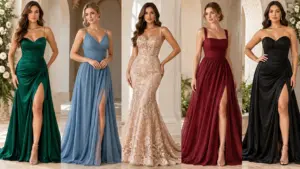
Il lyocell è un'ottima opzione per abiti casual, abiti a camicia, abiti a portafoglio, abiti da resort e abiti estivi. Offre una caduta più morbida rispetto a molti tessuti di cotone e può creare una silhouette più fluida.
Indicazioni di orientamento del tessuto consigliate:
- Tessuto twill di lyocell
- Tessuto in lyocell
- Miscela di lyocell e lino
- Miscela di lyocell e cotone
Camicette e camicie
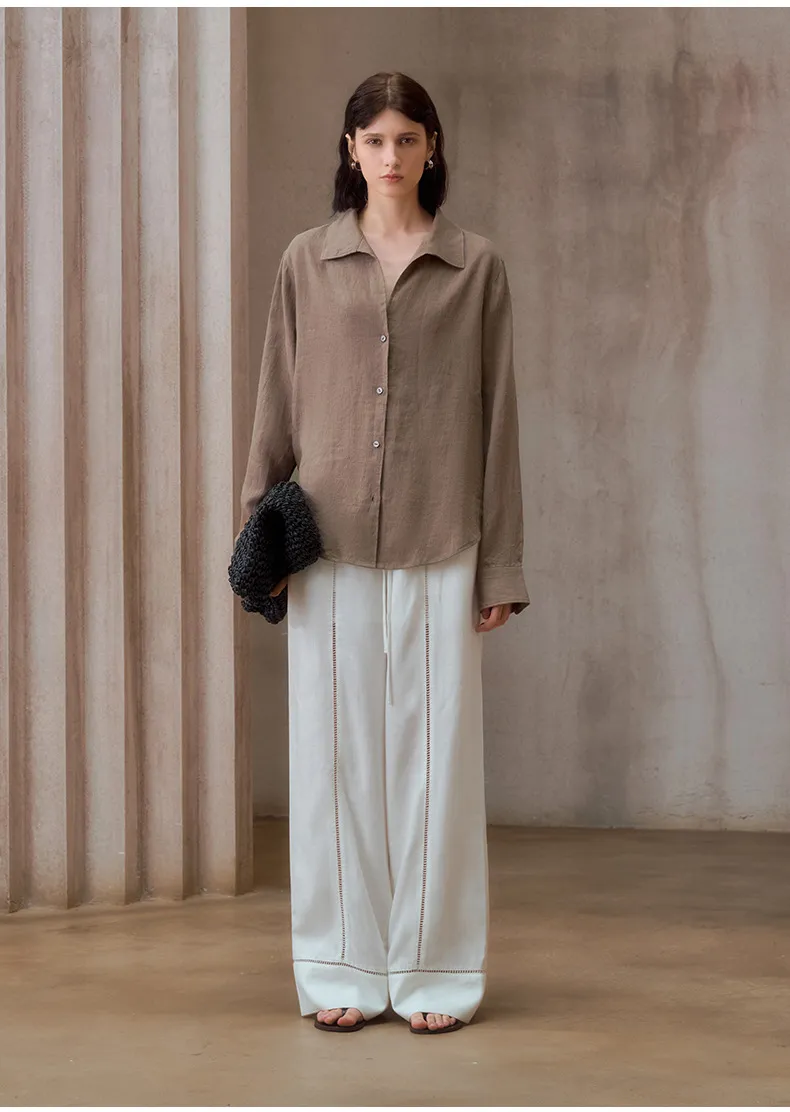
Per camicette e camicie, il lyocell può creare una sensazione di morbidezza, traspirabilità e un tocco di lusso. È adatto per collezioni casual da ufficio, guardaroba da viaggio e capi basic di alta qualità.
Nota per l'acquirente: verificare la resistenza alle pieghe e la solidità del colore prima della produzione in serie.
Pantaloni e calzoni a gamba larga
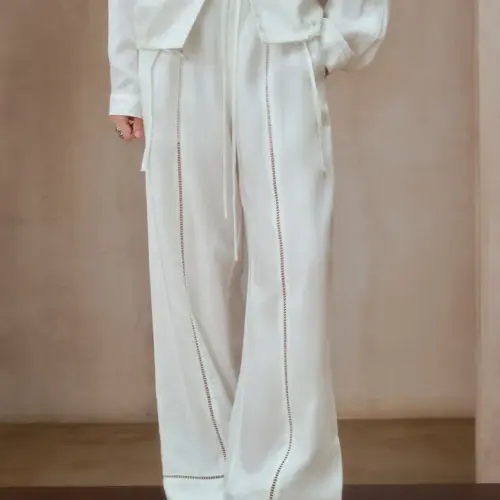
I tessuti misti a base di lyocell sono ideali per pantaloni comodi e a gamba larga. La loro vestibilità favorisce il movimento, mentre la giusta miscela può migliorarne la stabilità.
Nota per l'acquirente: per i pantaloni, verificare la resistenza delle cuciture, il restringimento e la presenza di pieghe all'altezza delle ginocchia o dei glutei.
Abbigliamento da casa e pigiami
Il lyocell è naturalmente adatto all'abbigliamento per il tempo libero perché è morbido e confortevole al tatto. Si presta bene alla realizzazione di tessuti in jersey, a coste, a trama fitta o misti.
Nota per l'acquirente: verificare la resistenza al pilling e la capacità di lavaggio, soprattutto per i prodotti che si indossano ripetutamente.
Yoga e abbigliamento sportivo
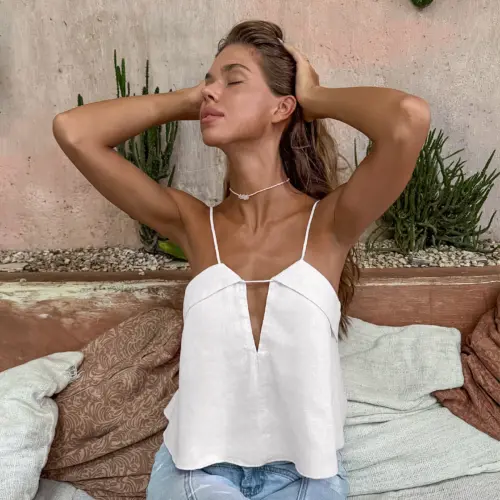
Il lyocell può essere utilizzato per top da yoga, strati tecnici morbidi e capi athleisure, spesso in miscela con elastan o altre fibre.
Nota per l'acquirente: per l'abbigliamento sportivo che provoca un'elevata sudorazione, non giudicare solo in base alla morbidezza. Valutare anche la capacità di recupero della forma, la velocità di asciugatura, il controllo degli odori e la stabilità dell'elasticità.
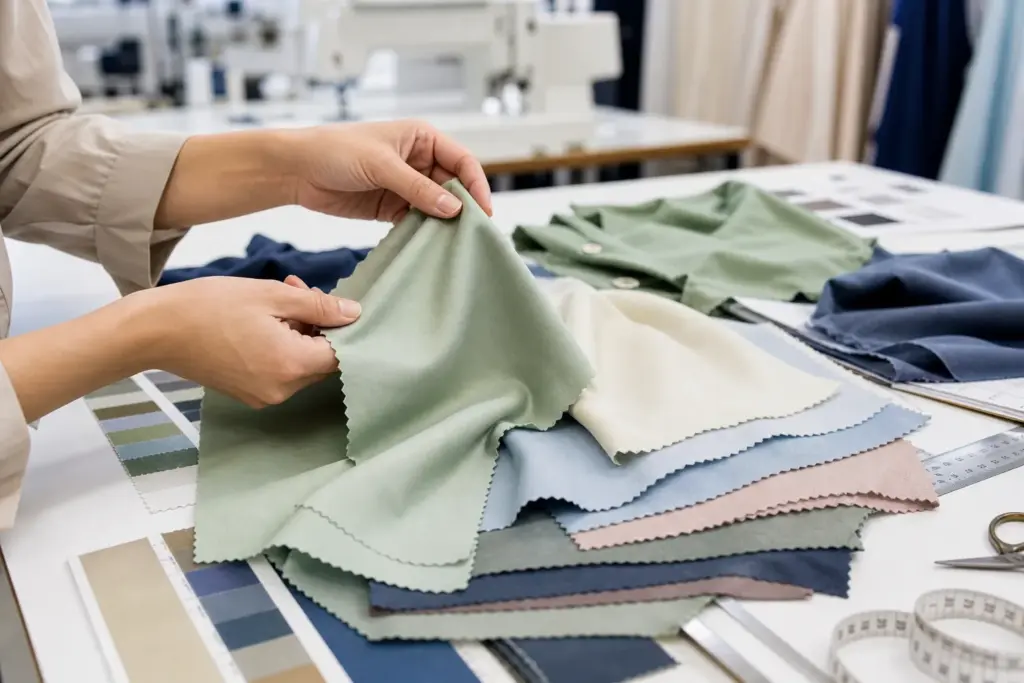
Miscele comuni di tessuti in Lyocell
Molti capi di abbigliamento commerciali non utilizzano il lyocell 100%. Spesso si ricorre a miscele per bilanciare costi, prestazioni e stabilità del capo.
| Tessuto misto | Perché i marchi lo usano | Attenzione acquirenti |
|---|---|---|
| 100% Lyocell | Morbido, liscio, drappeggio di alta qualità | Potrebbe sgualcirsi o necessitare di un lavaggio delicato |
| Lyocell + Cotone | Sensazione al tatto più familiare, migliore controllo dei costi. | Il restringimento deve essere testato |
| Lyocell + Lino | Texture naturale, look da resortwear | Il livello di rughe potrebbe aumentare |
| Lyocell + Spandex | Elasticità e comfort | Verificare il recupero dopo il lavaggio |
| Lyocell + Poliestere | Costo inferiore, migliore mantenimento della forma | L'affermazione sulla sostenibilità si indebolisce |
| Lyocell + Modal | Massima morbidezza e fluidità | Potrebbe essere necessaria una struttura più robusta per alcuni capi di abbigliamento. |
| Lyocell + Lana | Tessuto morbido da indossare a strati | È necessario prestare attenzione al costo e all'etichetta di cura. |
La combinazione migliore dipende dalla categoria di indumento. Un vestito, un top da yoga, un pigiama e un pantalone non dovrebbero essere abbinati seguendo la stessa logica.
Lyocell contro Cotone contro Viscosa contro Modal contro Poliestere
Gli acquirenti del settore moda spesso confrontano il lyocell con altre fibre comuni. Ecco una panoramica pratica.
| Tessuto | Tatto | Traspirabilità | drappeggio | Livello di costo | Ideale per | Rischio per il buyer |
|---|---|---|---|---|---|---|
| Lyocell | Morbido, liscio | Alto | Fluido | Da medio ad alto | Abiti, camicie, abbigliamento per la casa, abbigliamento sportivo leggero | Costo, pieghe, qualità della finitura |
| Cotone | Naturale, familiare | Alto | Medio | Da basso a medio | Magliette, camicie, abbigliamento casual | Ritiro, consumo di acqua, deformazione |
| Viscosa | Morbido, fluido | Da medio ad alto | Molto fluido | Da basso a medio | Abiti, camicette | Scarsa resistenza all'umidità, restringimento |
| Modale | Molto morbido | Da medio ad alto | Fluido | Medio | Intimo, abbigliamento da casa, maglieria | Può mancare di struttura |
| Poliestere | liscio o tecnico | Da basso a medio | Varia | Basso | Abbigliamento sportivo, capispalla, uniformi | Odore, ritenzione del calore, problemi di sostenibilità |
| Biancheria | Secco, dalla consistenza | Alto | Croccante | Da medio ad alto | Camicie estive, abiti, abbigliamento da resort | Si sgualcisce facilmente |
Il lyocell rappresenta spesso un ottimo compromesso per i marchi che desiderano maggiore morbidezza e fluidità rispetto al cotone, con un profilo di sostenibilità superiore a quello del poliestere.
Quali problemi possono sorgere con il tessuto in lyocell?
Un tessuto può apparire splendido in un piccolo campione, ma risultare di scarsa qualità dopo la produzione. Prima di utilizzare il lyocell in grandi quantità, gli acquirenti dovrebbero essere consapevoli dei rischi più comuni.
1. Restringimento dopo il lavaggio
I tessuti in lyocell possono restringersi a seconda della struttura e della finitura. Si consiglia di richiedere sempre test di lavaggio pre-produzione.
Chiedi al tuo fornitore:
- Qual è il tasso di restringimento dopo il lavaggio?
- Il tessuto è stato prelavato?
- Il capo richiede particolari istruzioni per la cura?
2. Fibrillazione superficiale
Alcuni tessuti in lyocell possono sviluppare una superficie vellutata o simile alla buccia di pesca dopo l'attrito o il lavaggio. Questo non è sempre un difetto, ma deve corrispondere alle caratteristiche previste del prodotto.
Per capi puliti e lisci, richiedete test di abrasione e lavaggio prima dell'approvazione.
3. Rughe
Il lyocell può sgualcirsi, soprattutto nei tessuti leggeri. La miscelazione e la finitura possono ridurre questo problema.
Se il tuo cliente ideale si aspetta capi di facile manutenzione, verifica la capacità di recupero dalle pieghe prima della produzione in serie.
4. Problemi di solidità del colore
Il lyocell si presta benissimo alla tintura, ma la resa del colore dipende dalla qualità del processo di tintura e finitura.
Controllo:
- Resistenza del colore al lavaggio
- Resistenza del colore allo sfregamento
- Resistenza del colore al sudore
- Differenza di colore tra il campione di laboratorio e il tessuto sfuso.
5. Affermazioni di sostenibilità deboli
Se un capo contiene solo una piccola quantità di lyocell, o se è fortemente mischiato con fibre sintetiche, la sua argomentazione a favore della sostenibilità si indebolisce.
Se la sostenibilità è parte integrante della tua strategia di marketing, assicurati che quanto affermi corrisponda alla composizione effettiva del prodotto e alla relativa documentazione.
Come scegliere il tessuto Lyocell per la produzione in serie
Prima di approvare il tessuto in lyocell, gli acquirenti dovrebbero valutare sia il tessuto stesso che la sua applicazione finale sul capo d'abbigliamento.
Passaggio 1: Definire la categoria di indumento
Partite dal prodotto, non dalla fibra.
Chiedere:
- Si tratta di un vestito, una camicetta, un pantalone, un pigiama, un top da yoga o un'uniforme?
- Il capo deve essere elasticizzato?
- Ha bisogno di struttura o di un drappeggio fluido?
- È adatto per l'estate, l'inverno, i viaggi, il lavoro o l'attività sportiva?
Fase 2: Confermare le specifiche del tessuto
Richiedi le specifiche complete del tessuto, incluse:
- Composizione delle fibre
- GSM o peso del tessuto
- Costruzione del tessuto
- Larghezza
- Metodo di tintura
- Processo di finitura
- Dati di restringimento
- MOQ
- Tempi di consegna
- Colori disponibili
- Opzioni di certificazione, se necessarie
Fase 3: Esaminare la sensazione al tatto e la vestibilità
Il lyocell viene spesso scelto per la sua morbidezza e fluidità al tatto. Non fidatevi solo di una foto. Avete bisogno di campioni fisici.
Controllo:
- Morbidezza
- drappeggio
- Spessore
- Opacità
- Stirata
- Recupero
- trama superficiale
- Comportamento delle rughe
Passaggio 4: Realizzare un capo di prova
Un campione di tessuto non è sufficiente. Il campione del capo mostrerà se il tessuto è adatto al modello, alla cucitura, alla vestibilità e alla confezione.
Per esempio:
- Un bel tessuto in lyocell potrebbe risultare troppo morbido per dei pantaloni sartoriali.
- Una maglia in lyocell può risultare comoda, ma non offre la stessa capacità di recupero della forma.
- Un tessuto misto lyocell e lino può sembrare di alta qualità, ma si sgualcisce più facilmente del previsto.
Il campionamento previene costosi errori di produzione su larga scala.
Fase 5: Test prima della produzione in serie
Per ordini consistenti, si prega di richiedere dei test prima di confermare l'acquisto di grandi quantità di tessuto.
Tra i test importanti figurano:
- restringimento
- Solidità del colore
- Pilling
- Resistenza della cucitura
- Resistenza alla trazione
- Spiralità per maglieria
- Aspetto del lavaggio
- uniformità del peso del tessuto
Lista di controllo per la qualità del tessuto Lyocell per gli acquirenti
Utilizza questa lista di controllo prima di effettuare un ordine all'ingrosso.
- Il tessuto 100% è in lyocell o in una miscela?
- Se si tratta di fibra di marca, è disponibile la documentazione?
- Cos'è il GSM?
- Il tessuto è adatto al capo d'abbigliamento in questione?
- È stato effettuato un test di restringimento?
- È stata testata la resistenza del colore?
- Il tessuto si sgualcisce troppo facilmente?
- La superficie diventa lanuginosa dopo il lavaggio?
- Il capo mantiene la sua forma dopo essere stato indossato?
- Il quantitativo minimo d'ordine (MOQ) è adeguato alla fase di sviluppo del tuo marchio?
- Le istruzioni per la cura del prodotto riportate sull'etichetta sono realistiche per il cliente?
- Le affermazioni relative alla sostenibilità sono accurate?
- Il campione di prova è stato approvato prima della produzione in serie?
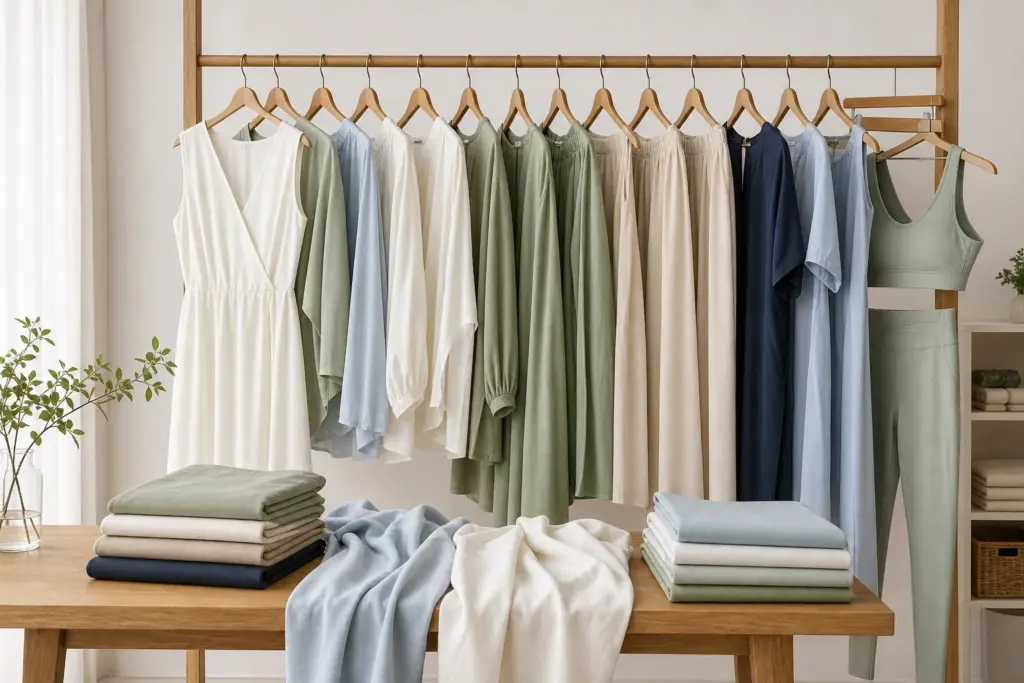
Considerazioni relative a costi, quantità minima d'ordine (MOQ), campionamento e tempi di consegna
Il lyocell non è solitamente il tessuto più economico. Per i nuovi marchi, l'approccio migliore è spesso quello di iniziare con una gamma di prodotti controllata, anziché utilizzare il lyocell per l'intera collezione.
Costo
Il lyocell spesso costa di più rispetto al cotone, al poliestere o alla viscosa tradizionali. Il lyocell di marca può costare di più rispetto al lyocell generico.
Il costo dipende da:
- Tipo di fibra
- Costruzione del tessuto
- Peso
- Tintura
- Finitura
- Quantità dell'ordine
- Requisiti di certificazione
- Disponibilità del fornitore
MOQ
Il quantitativo minimo d'ordine (MOQ) può variare notevolmente. Alcuni tessuti standard possono supportare quantità inferiori, mentre le tinture personalizzate o le miscele speciali solitamente richiedono quantitativi minimi più elevati.
Se siete una startup, chiedete al produttore se è in grado di fornire colori standard o campioni di piccole quantità prima di impegnarvi in una produzione all'ingrosso.
Campionamento
Per i capi in lyocell, la campionatura è particolarmente importante perché il comportamento del tessuto influisce sulla vestibilità e sull'aspetto finale.
Un buon processo di campionamento dovrebbe includere:
- Approvazione del campione di tessuto
- Approvazione del campione di colore in laboratorio, se necessario, per una colorazione personalizzata.
- Campione di adattamento
- Test di lavaggio
- Campione di pre-produzione
- Controllo qualità della massa
Tempi di consegna
I tempi di consegna dipendono dal fatto che il tessuto sia disponibile a magazzino o sviluppato su misura. I tessuti in lyocell a magazzino hanno tempi di consegna più rapidi. Colori personalizzati, miscele speciali e requisiti di certificazione possono allungare i tempi.
Quando un marchio di moda dovrebbe scegliere il Lyocell?
Lyocell è un'ottima scelta quando il tuo marchio ha bisogno di:
- Morbidezza
- Traspirabilità
- Drappeggio migliore
- Una storia di tessuti pregiati
- Prodotti incentrati sul comfort
- Abbigliamento estivo o adatto ai viaggi
- Opzioni di materiali più sostenibili
Potrebbe non essere la scelta migliore quando:
- Il tuo prezzo obiettivo è molto basso
- Il capo necessita di una struttura molto robusta
- Il cliente si aspetta un'asciugatura in macchina ad alta temperatura
- Non è possibile testare il restringimento e le prestazioni di lavaggio
- Per un utilizzo intensivo è necessaria un'elevatissima resistenza all'abrasione.
La risposta giusta dipende dal prodotto e dal cliente.
Come TrueKung aiuta i marchi a reperire abbigliamento in lyocell
Noi di TrueKung aiutiamo i marchi di abbigliamento a trasformare le idee sui tessuti in capi pronti per la produzione.
Per i progetti relativi al lyocell, possiamo offrire supporto per:
- Tessuto fonte
- Sviluppo del tessuto
- confronto dei campioni
- Sviluppo campione
- Regolazione del modello e della vestibilità
- pianificazione della produzione in piccoli lotti
- Produzione di abbigliamento in serie
- Ispezione qualità
- Imballaggio e spedizione
Se non siete sicuri che il lyocell sia adatto alla vostra collezione, il primo passo migliore è confrontare i campioni e realizzare un capo di prova prima di avviare la produzione in serie.
Domande frequenti sul tessuto Lyocell
Il lyocell è adatto per gli abiti estivi?
Sì. Il lyocell è traspirante, morbido e assorbe l'umidità, il che lo rende adatto per abiti estivi, camicie, bluse, pantaloni e abbigliamento da resort. Tuttavia, il peso e la struttura del tessuto sono comunque importanti.
Il lyocell è migliore del cotone?
Dipende dal capo. Il lyocell di solito ha una consistenza più liscia e una caduta più fluida rispetto al cotone. Il cotone può essere più familiare, più facile da reperire e più adatto per alcuni capi basici strutturati. Gli acquirenti dovrebbero confrontare entrambi i materiali in base all'utilizzo del prodotto, al costo, alla manutenzione e al cliente di riferimento.
Qual è la differenza tra lyocell e TENCEL?
Il lyocell è il tipo di fibra generico. TENCEL™ Lyocell è una fibra di lyocell di marca prodotta da Lenzing. Se il vostro marchio desidera una maggiore tracciabilità o supporto di marketing, chiedete al vostro fornitore se è disponibile la documentazione relativa alla fibra di marca.
Il lyocell si restringe dopo il lavaggio?
Alcuni tessuti in lyocell possono restringersi dopo il lavaggio. Il grado di restringimento dipende dalla struttura e dalla finitura del tessuto. Si consiglia di richiedere sempre un test di restringimento prima della produzione in serie.
Il lyocell si sgualcisce facilmente?
Il lyocell può sgualcirsi, soprattutto nei tessuti leggeri. Le miscele e le finiture possono migliorare la resistenza alle pieghe. Se la facilità di manutenzione è importante, è consigliabile testare la capacità di recupero dalle pieghe prima di approvare il tessuto.
Il lyocell è adatto per l'abbigliamento sportivo?
Il lyocell può essere utilizzato per abbigliamento sportivo morbido, top da yoga, abbigliamento athleisure e strati comfort. Per l'abbigliamento sportivo ad alte prestazioni, prima della produzione in serie, è necessario testare la capacità di recupero elastico, la velocità di asciugatura, la resistenza al pilling e la resistenza al lavaggio.
Qual è la grammatura ideale (GSM) per i capi in lyocell?
Non esiste un unico GSM ideale. Il lyocell leggero può essere adatto per camicette e abiti estivi, mentre i tessuti più pesanti sono più indicati per pantaloni o capi strutturati. Il GSM giusto dipende dal tipo di capo, dall'opacità, dalla vestibilità e dalla stagione.
Il lyocell può essere miscelato con cotone, lino o spandex?
Sì. Il lyocell viene comunemente miscelato con cotone, lino, modal, poliestere, lana o spandex. Le miscele possono migliorare il costo, la consistenza, l'elasticità, la stabilità o la facilità di manutenzione.
Il lyocell è costoso per la produzione di abbigliamento su larga scala?
Il lyocell è generalmente più costoso del cotone, del poliestere o della viscosa tradizionali. Il costo finale dipende dal tipo di fibra, dal peso del tessuto, dalla tintura, dalla finitura, dal quantitativo minimo d'ordine (MOQ) e dai requisiti di certificazione.
Come dovrebbero testare i marchi il tessuto in lyocell prima della produzione?
I marchi dovrebbero testare il restringimento, la solidità del colore, la formazione di pelucchi, l'aspetto dopo il lavaggio, la resistenza delle cuciture, il peso del tessuto e la vestibilità del capo. Si raccomanda vivamente di realizzare un capo campione prima della produzione in serie.
Conclusioni
Il lyocell può essere un tessuto eccellente per i marchi di moda, ma la sua scelta deve essere basata su una chiara logica di prodotto.
Non basta dire che un tessuto è morbido o sostenibile. Gli acquirenti devono sapere come si comporta una volta indossato, come si comporta dopo il lavaggio, se il prezzo è adeguato al prodotto e se il fornitore è in grado di controllare la qualità nella produzione su larga scala.
Se stai sviluppando abiti, camicette, abbigliamento per il tempo libero, abbigliamento per lo yoga o capi basici morbidi di alta qualità, vale la pena testare il lyocell.
Iniziate con dei campioni di tessuto. Realizzate dei campioni di prova. Testate con attenzione. Poi decidete se il lyocell fa al caso vostro nella prossima collezione.
Hai bisogno di aiuto per reperire tessuto in lyocell o per sviluppare capi d'abbigliamento in lyocell? Contatta TrueKung per esaminare il tuo progetto, i requisiti del tessuto, il quantitativo minimo d'ordine (MOQ) e il piano di campionatura.
Visualizzazioni: 211