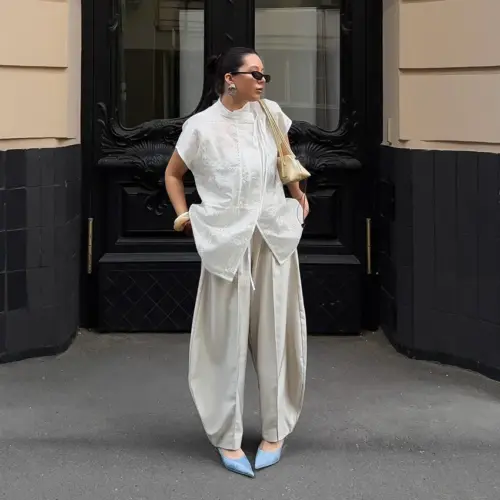
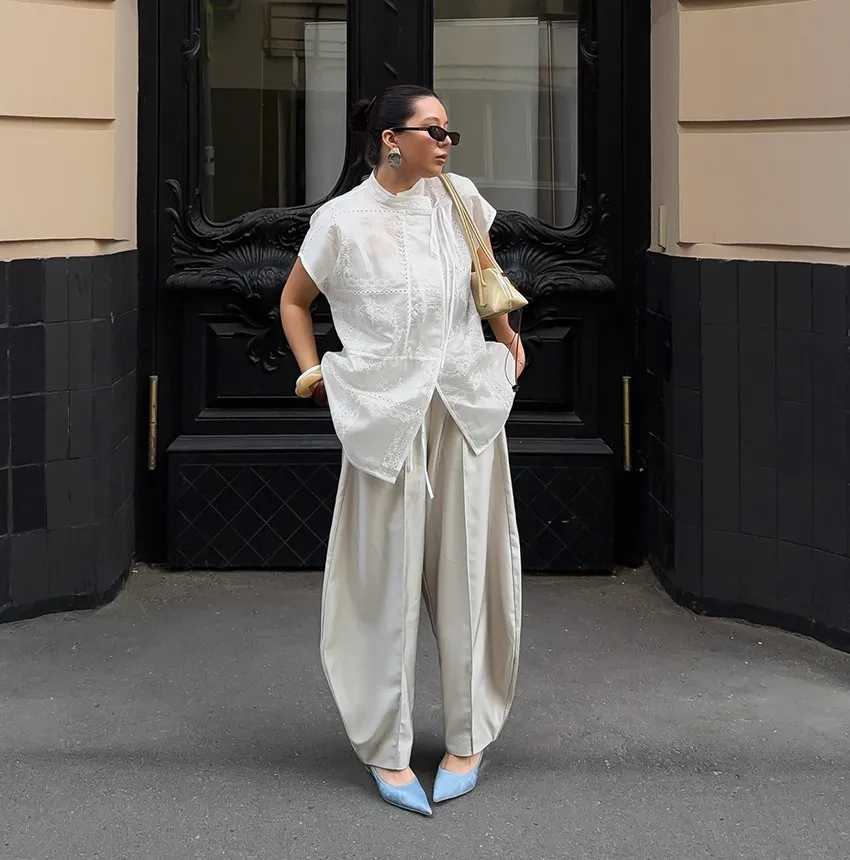
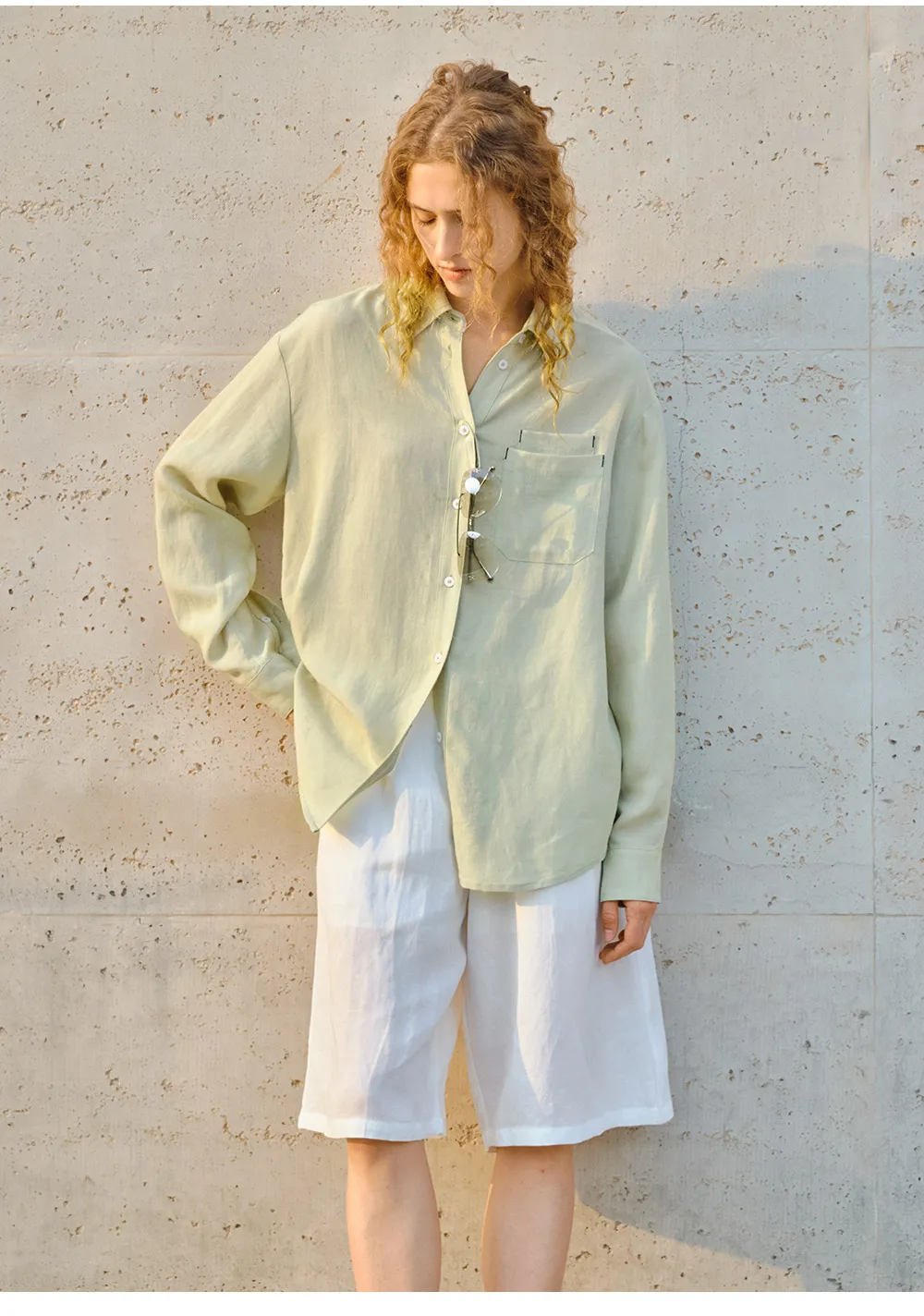
Avant, je pensais “vieille monnaie style hommes”Cela signifiait acheter des choses chères. Je me sentais bloquée car mes tenues avaient encore un aspect criard et neuf. Ce style restait hors de ma portée.
J'habille les hommes à l'esthétique classique et raffinée en privilégiant les couleurs sobres, les coupes impeccables et les tissus résistants, puis en répétant des formules vestimentaires simples. J'évite les logos ostentatoires, je veille à la propreté des chaussures et je laisse la texture et la qualité de la confection s'exprimer pleinement.

J'ai vite compris que le style “ vieille fortune ” ne se résume pas à une seule tenue. Je le vois comme un système. Je peux commencer par de petites pièces et parvenir à créer une garde-robe harmonieuse, élégante et mature. C'est pourquoi je continue à me documenter et à enrichir mon style.
Qu’est-ce qui caractérise le style des hommes issus de la vieille aristocratie, et qu’est-ce qui lui donne un aspect “ cher ” même lorsqu’il ne l’est pas ?
Je vois beaucoup d'hommes copier un look viral et être déçus. Je l'ai ressenti aussi. Le problème, c'est qu'un seul vêtement ne peut pas compenser une coupe mal faite, un tissu de mauvaise qualité et des détails trop voyants.
Le style des hommes fortunés d'antan se caractérise par des coupes classiques, des tons neutres et des basiques de qualité. Je privilégie la coupe, le tissu et la sobriété pour un rendu naturel, sans artifice.

Les trois règles que je suis systématiquement
Je privilégie la simplicité car elle est efficace au quotidien. Je suis trois règles : je choisis des pièces classiques, antérieures aux réseaux sociaux ; je privilégie la discrétion pour les marques, car un logo trop voyant détourne l’attention de la coupe ; je choisis des tissus au beau tombé, car la matière est le premier signe de qualité que l’on remarque, même sans savoir l’expliquer.
| Règle | Ce que je fais | Ce que j'évite |
|---|---|---|
| Ajuster d'abord | Je fais des retouches sur les manches, la taille et les ourlets de pantalons. | Je porte des épaules larges ou des sièges serrés |
| Palette silencieuse | Je reste fidèle au bleu marine, crème, beige, gris, marron, olive | Je porte des couleurs fluo, des contrastes marqués, des imprimés chargés. |
| Signaux de qualité | Je choisis la laine, le coton, le lin, le cuir, les beaux tricots. | Je privilégie les matières synthétiques fines et les finitions brillantes. |
L'esthétique de la vieille fortune contre le style de la nouvelle fortune
Je fais également la distinction entre l'esthétique de la vieille aristocratie et les tenues des nouveaux riches. Je perçois le style des nouveaux riches comme une recherche d'attention, tandis que celui de la vieille aristocratie me semble empreint de sérénité. Je n'ai pas besoin de juger qui que ce soit. Il me suffit de choisir le message que mes vêtements véhiculent. Lorsque je souhaite adopter le style vestimentaire de la vieille aristocratie, j'élimine les pièces ostentatoires : logos imposants, monogrammes massifs et bijoux métalliques voyants. Je les remplace par un col soigné, un blazer structuré et des chaussures cirées.
Quels sont les vêtements de base qui permettent aux hommes fortunés de composer des tenues qu'ils peuvent porter toute l'année ?
Avant, j'achetais des vêtements au hasard, sans aucun accord. Je gaspillais de l'argent et des matinées. J'avais l'impression de n'avoir “ rien à me mettre ”, même avec une armoire pleine à craquer.
Adopter un style masculin classique et élégant devient facile avec une petite collection de basiques : un blazer bleu marine, des chemises impeccables, des polos de qualité, des chinos bien coupés, des pantalons en laine, des pulls simples et des chaussures en cuir classiques. Je les décline par petites touches de couleur.

Ma liste de “ vêtements essentiels ” qui convient à la plupart des hommes
Je limite volontairement la liste. Je veux des pièces faciles à assortir. Je veux des pièces qui s'embellissent avec le temps, pas l'inverse.
| Catégorie | Des produits essentiels sur lesquels je compte | Notes que je vérifie avant d'acheter |
|---|---|---|
| Vestes | Blazer bleu marine, veste de sport, trench ou manteau en laine | La coupe des épaules et la longueur des manches sont les éléments les plus importants. |
| Hauts | Chemise Oxford blanche et bleue, polo en maille fine à col rond | Le tissu ne doit pas avoir un aspect brillant ou fin. |
| Bas | Chino beige, pantalon en laine grise, jean droit foncé | ourlet net, sans superposition |
| Chaussures | Mocassins marron, derbies marron, baskets blanches simples | La finition du cuir et la propreté des semelles sont importantes. |
| Accessoires | Ceinture en cuir, montre classique, lunettes de soleil sobres | Je maintiens le matériel informatique petit et silencieux. |
Le détail de l'usine auquel je fais attention
Je travaille quotidiennement dans la confection de vêtements, donc je suis très attentif à la qualité de la fabrication. J'examine la densité des points, la rectitude des coutures et l'alignement des poches. Je regarde aussi comment le tissu reprend sa forme après avoir été pressé. Un tissu froissé donne un aspect négligé à la tenue. À l'inverse, un tissu qui reprend sa forme initiale lui donne un aspect frais et moderne. C'est pourquoi j'apprécie les beaux cotons, les mélanges de laine et les tricots stables pour une clientèle masculine élégante et raffinée. Je peux me permettre des petits budgets, mais il est essentiel que le tissu se comporte bien.
Comment composer des tenues business casual et des tenues de week-end élégantes et décontractées, sans trop réfléchir ?
Avant, je m'habillais trop formellement pour les sorties décontractées, et trop décontractéement pour le travail. Je me sentais mal à l'aise dans les deux cas. Je voulais une solution simple et claire.
Pour un look business décontracté et élégant, j'associe un blazer ou un pull à un chino ou un pantalon en laine, le tout dans une palette de couleurs sobres. Le week-end, je conserve la même palette et la même coupe, mais j'opte pour des polos, des pulls et des baskets propres.

Mes formules de tenues qui ne ratent presque jamais
Je considère les tenues comme des modèles. Je change une pièce à la fois, pour ne pas perdre cette impression d'élégance masculine à l'ancienne.
| Situation | Formule que j'utilise | J'aime les combinaisons de couleurs faciles. |
|---|---|---|
| Bureau | Blazer + OCBD + chino + mocassins | Marine/blanc/beige, Gris/bleu, Beige/marine |
| Dîner avec les clients | Veste sport + pull fin + pantalon en laine + derbies | Gris anthracite/crème, marine/camel |
| Café du week-end | Polo en maille + chino + baskets propres | Crème/olive, bleu clair/beige |
| Voyage | Gilet + t-shirt + jean foncé + mocassins | Bleu marine/gris, marron/crème |
Les petits détails qui rendent l'ensemble crédible
Je veille à ce que mes cols soient impeccables. Mes tricots sont toujours lisses. Mes chaussures sont toujours propres. J'assortis le cuir de ma ceinture à celui de mes chaussures : marron avec marron, noir avec noir. J'évite les chaussettes à motifs voyants, car elles cassent l'harmonie de l'ensemble. Je suis également attentif à la brillance de chaque pièce. Un seul vêtement brillant peut donner un aspect bon marché à la tenue. Pour une allure masculine sophistiquée, je privilégie les matières mates et texturées : laine, sergé, daim et maille.
Comment s'habiller comme un homme riche de longue date avec un budget limité sans avoir l'air d'un “ vieux riche radin ” ?
Je comprends le problème budgétaire car j'observe la tarification au niveau de la production. Je sais aussi qu'un prix bas peut paraître correct, et qu'un prix élevé peut donner une impression de négligence.
Je m'habille comme une femme de la vieille aristocratie, mais avec un budget limité : j'achète moins de pièces, je les fais retoucher et j'en prends grand soin. Je privilégie la laine et le coton de seconde main, j'évite les matières synthétiques fines et j'entretiens mes vêtements avec soin pour qu'ils restent impeccables.

J'adopte une approche basée sur le “ coût par utilisation ”, tout en restant pragmatique. J'achète moins d'articles, je les porte plus souvent et je les répare au besoin.
| Étape | Ce que je fais | Pourquoi ça marche pour la mode masculine des familles aisées |
|---|---|---|
| Achetez un smartphone d'occasion | Je chine des blazers, des manteaux et des pantalons en laine. | La laine plus ancienne a souvent un meilleur drapé. |
| Tailleur d'abord | Je fais des ourlets de pantalons et j'ajuste la taille ou les manches. | Fit est la mise à niveau la plus rapide |
| Points de contact améliorés | J'investis dans des chaussures, des ceintures et des tricots | Les gens les remarquent de près. |
| routine de soins | Je brosse les tricots, je repasse les chemises à la vapeur et je range bien les chaussures. | Des lignes épurées, synonymes d'“ hommes élégants et aisés ”.” |
Les “ choses à ne pas faire ” que je garde à l'esprit
Je n'achète pas d'emblée des vêtements à motifs voyants. Je ne suis pas les tendances éphémères. Je n'achète pas de logos surdimensionnés pour “ prouver ” ma valeur. Je prends également soin de mon apparence. Mes cheveux sont soignés et mes ongles propres, car l'esthétique de la vieille aristocratie repose sur une allure soignée, et pas seulement sur une tenue élégante. Lorsque je souhaite adopter le style masculin de la vieille aristocratie, je considère mes vêtements comme des pièces durables. Je les traite avec respect afin qu'ils conservent leur forme et leur couleur.
Conclusion
Je crée un look classique et élégant avec des couleurs sobres, des coupes impeccables et des tissus résistants, puis je répète des formules simples et je soigne les détails, pour un style à la fois calme et intemporel.
Pourquoi j’écris ceci
Je dirige Truekung en Chine. J'accompagne les acheteurs B2B en leur fournissant des vêtements et des services OEM/ODM. Je travaille avec une équipe de plus de 200 ouvriers et je mets à profit mes 20 ans d'expérience à l'export pour aider les marques à garantir une qualité constante et des livraisons dans les délais.
Je m'appelle Lancy Chia. Mon adresse courriel est [email protected]. Mon site web est https://truekung.com.
Vues : 8100