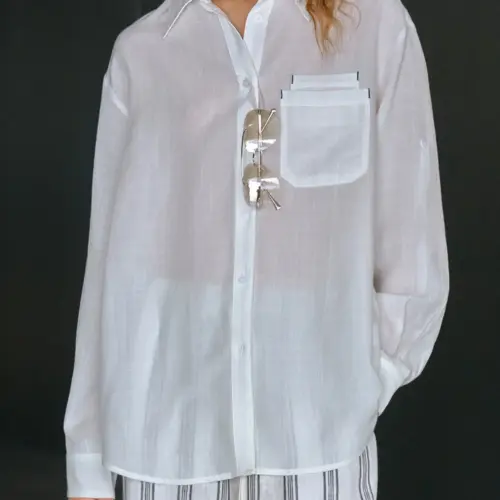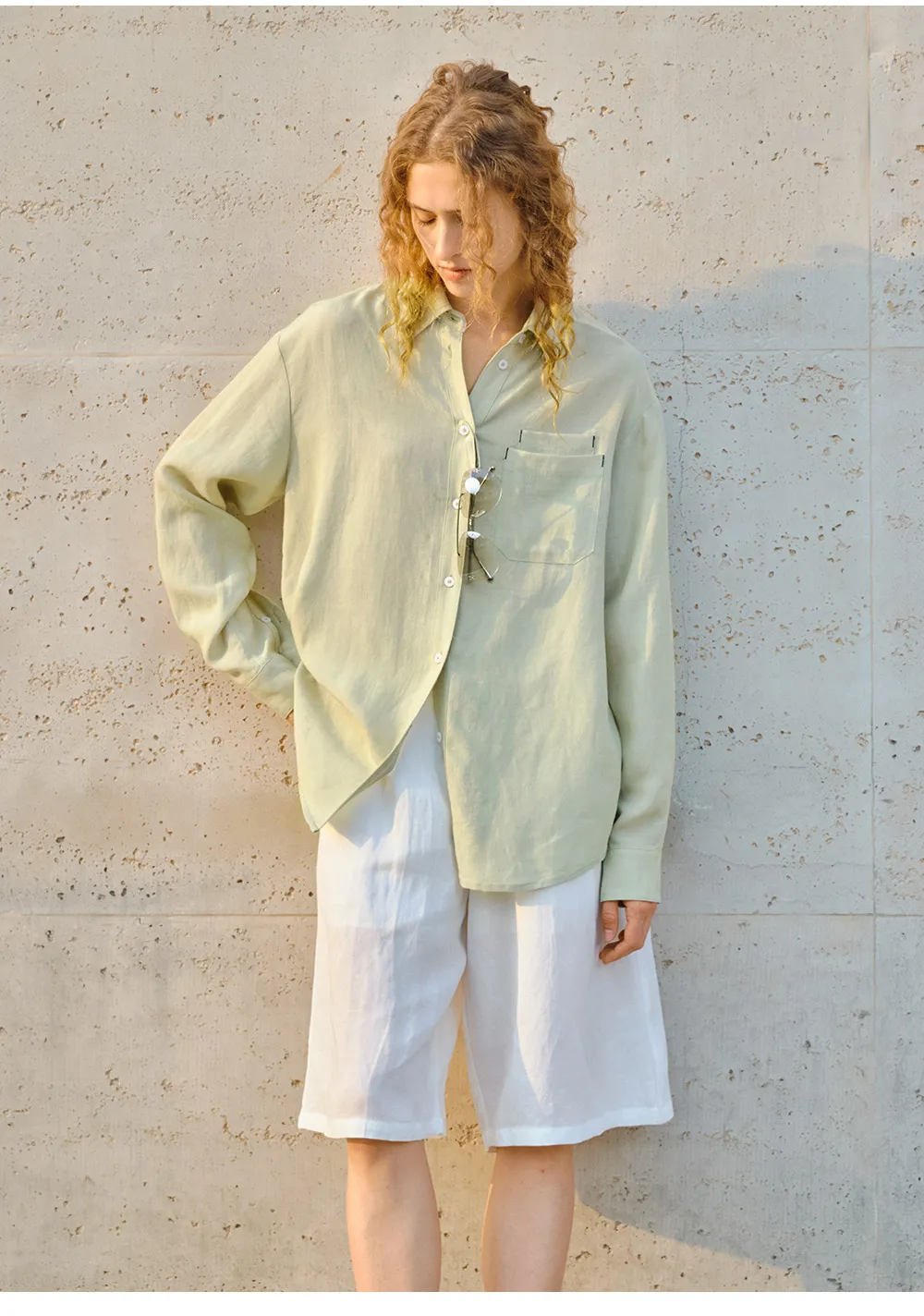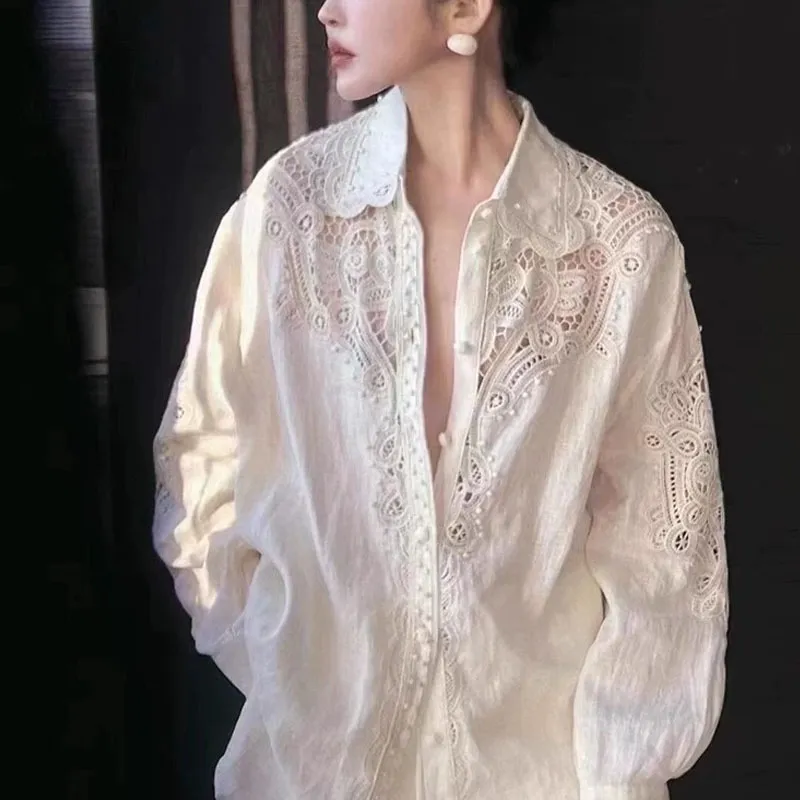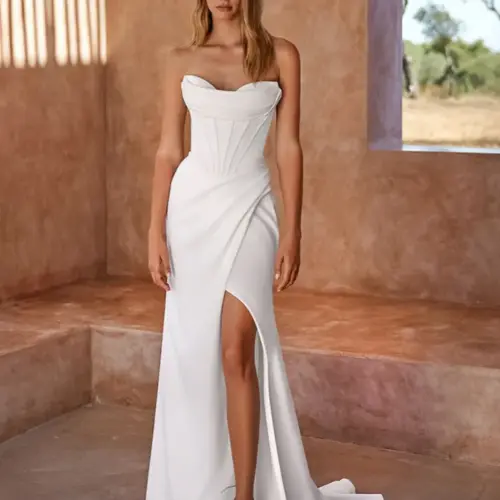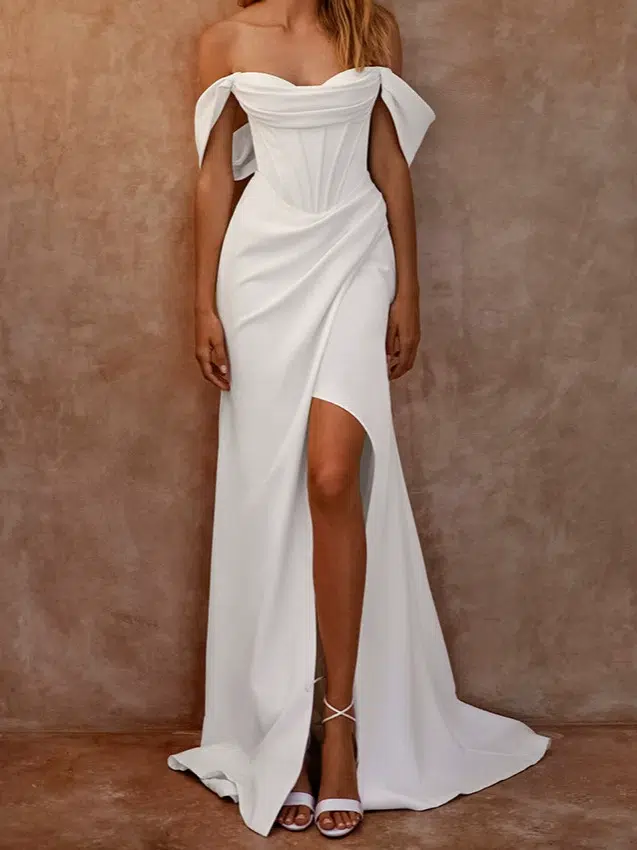

Bisnesvaatteet saattavat näyttää yksinkertaisilta, mutta niiden löytäminen oikein ei ole aina helppoa. Väärä kangas, istuvuus, pituus tai rakenne voivat nopeasti tehdä työvaatteista liian arkisia. Brändeille ja ostajille nämä yksityiskohdat vaikuttavat myös hintaan, laatuun ja asiakkaiden hyväksyntään.
Naisten bisnes- ja juhlapukeutumiseen kuuluvat yleensä räätälöidyt bleiserit, housut, hameet, strukturoidut mekot ja tyylikkäät puserot. Tärkeintä on tyylikäs ulkonäkö, asianmukainen peittävyys, siisti istuvuus ja käytännöllinen mukavuus. Vaatteiden ostajille kangas, rakenne, mitoitus, työn laatu ja tasaisuus ovat aivan yhtä tärkeitä kuin itse malli.

Olen Lancy Chia Truekungista. Olemme kiinalainen vaatetehdas, jolla on 20 vuoden kokemus viennistä ja yli 200 työntekijää. Tuemme ulkomaisia ostajia OEM/ODM-tuotannossa, omilla tuotemerkeillä, näytekappaleiden kehittämisessä, irtotuotannossa, laadunvalvonnassa ja vientiviestinnässä.
Kokemukseni mukaan tehtaassa menestyvä yrityksen muodollinen mallisto tarvitsee enemmän kuin houkuttelevia referenssikuvia. Ostajien on otettava huomioon, miten vaate istuu, miten kangas käyttäytyy, kuinka muodollinen lopullisen ulkonäön tulisi olla ja voidaanko vaatimukset toistaa johdonmukaisesti massatuotannossa.
Alla selitän naisten business-juhlavuotteiden pääelementit ja hankintalähteet, jotka ostajien tulisi tarkistaa ennen tilauksen tekemistä.
Millainen on naisten bisnes- ja juhlapukeutuminen?
Business formal -asu sekoitetaan usein yleiseen toimistoasumiseen tai business casual -asumiseen. Tämä voi aiheuttaa ongelmia, jos brändi kehittää malliston määrittelemättä selkeästi kohdeyleisöään ja pukukoodiaan.
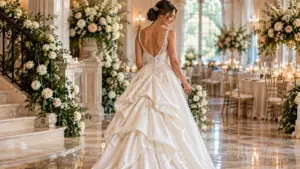
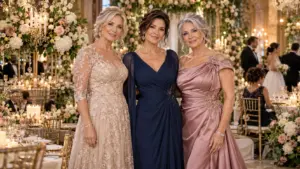
Naisten bisnespuku on ammattimainen pukeutumisstandardi, joka perustuu kiillotettuun, strukturoituun ja suhteellisen konservatiiviseen vaatetukseen. Yleisiä tuotteita ovat räätälöidyt puvut, bleiserit, housut, juhlamekot, hameet ja hienostuneet paidat tai puserot. Tarkka tyyli voi vaihdella toimialan, yrityskulttuurin, tilaisuuden ja markkinoiden mukaan.

Rakenne luo ammattimaisen ilmeen
Ensimmäinen ero arkivaatteiden ja muodollisten bisnesvaatteiden välillä on yleensä siluetti.
Business-bleiserin tulisi säilyttää siisti hartioiden muoto ja tasapainoinen kaulus. Muodollisten housujen tulisi laskeutua sujuvasti vyötäröltä ja lantiolta ilman näkyvää kiertymistä tai venymistä. Naisten business-mekon tulisi tarjota riittävästi liikkuvuutta istumiseen ja kävelyyn säilyttäen samalla hallitun siluetin. Hameiden kohdalla on myös otettava huolellisesti huomioon vyötärön asento, lantion helppous, halkioiden rakenne ja lopullinen pituus.
Kankaalla on suuri vaikutus näihin tuloksiin. Liian ohut kangas voi tuoda esiin vartalon linjat, rypistyä helposti tai lakata tukemasta tarkoitettua rakennetta. Liian raskas kangas voi tehdä vaatteesta jäykän ja epämukavan. Jousto voi parantaa käyttömukavuutta, mutta liika joustavuus voi saada räätälöidyn vaatteen näyttämään rennommalta.
Myös sisäpuolinen rakenne on tärkeä. Mallista riippuen bleiserissä voi olla vuori, välivuori, olkapäiden muotoilu, taskut, napit ja prässäys. Muodollisessa mekossa saatetaan tarvita vuori tai lisärakennetta pääntien, vyötärön, vetoketjun tai halkion ympärillä.
Yleensä pyydän ostajia tarkistamaan koko näytteen sen sijaan, että arvioisivat mallia pelkän luonnoksen perusteella. Kangas, kaava, rakenne ja prässäys yhdessä luovat ammattimaisen ulkonäön.
Miksi toimistovaatteet voivat näyttää liian rennoilta
Kaikki toimistossa käytetyt vaatteet eivät ole bisnesasuja.
Esimerkiksi ylisuuri takki yhdistettynä rennon T-paitaan voi toimia hyvin luovalla työpaikalla, mutta se ei välttämättä täytä tiukkoja yrityksen pukukoodia. Hyvin lyhyet hameet, läpikuultavat kankaat, syvät pääntiet, suuret koriste-elementit tai erittäin rennot neulemateriaalit voivat aiheuttaa saman ongelman.
Istuvuus on toinen tärkeä tekijä. Naisten juhlamekossa voi olla hyvä kangas ja siisti ompelu, mutta se voi silti näyttää epäammattimaiselta, jos hartiat ovat liian leveät, vyötärö on väärin aseteltu tai vaate on liian tiukka rinnan tai lantion ympäriltä.
Ostajien tulisi myös olla varovaisia vaihtaessaan materiaaleja näytteen hyväksymisen jälkeen. Kankaan korvaaminen halvemmalla vaihtoehdolla voi vaikuttaa laskeutumiseen, peittävyyteen, rypistymättömyyteen tai tuntumaan kädessä. Vuorin poistaminen voi vähentää kustannuksia, mutta se voi myös muuttaa sitä, miten vaate roikkuu vartalolla.
Vakavasti otettavan vaatetoimittajan tulisi selittää, mitkä muutokset vaikuttavat lopputuotteeseen, sen sijaan, että jokaista korvausta kohdeltaisiin yksinkertaisena kustannusten oikaisuna.
Tämä näyttää pieneltä, mutta se voi vaikuttaa asiakkaan käsitykseen koko mallistosta.
Mikä tekee vaateliiketoiminnasta muodollisen?
| Mitä tarkistaa | Miksi sillä on merkitystä | Mitä ehdotan |
|---|---|---|
| Siluetti | Määrittelee ammattimaisen ilmeen | Hyväksy fyysisen näytteen muoto |
| Kankaan paino | Muuttaa rakennetta ja verhoa | Sovita paino vaatteeseen |
| Läpinäkymättömyys | Tärkeää mekkojen ja puseroiden kohdalla | Tarkista normaalissa valaistuksessa |
| Sopii | Vaikuttaa mukavuuteen ja ulkonäköön | Vahvista mitat sovituksen jälkeen |
| Vuori | Voi parantaa peittävyyttä ja rakennetta | Päätä näytteen kehityksen aikana |
| Vaatteen pituus | Vaikuttaa muodollisuuden tasoon | Laita valmiit mitat teknisten tietojen pakkausmateriaaliin |
| Leikkaus | Napit ja vetoketjut vaikuttavat ulkonäköön | Hyväksy laatu, koko ja väri |
| Painaminen | Tärkeää räätälöidyille vaatteille | Tarkista lopullinen vaate laadunvalvonnan aikana |
Miten mukavuus muuttaa kustannuksia ja rakentamista
Naisten modernin virallisen bisnesasun on usein oltava tasapainossa rakenteen ja mukavuuden kanssa. Asiakkaat saattavat käyttää bleiseriä, housuja, hametta tai mekkoa kahdeksan tai useamman työtunnin ajan, joten vaate ei riitä näyttämään hyvältä vain valokuvauksessa seisten. Sen on myös oltava riittävän liikkuva ja mukava käyttää.
Oletetaan, että ostaja suunnittelee istuvan juhlamekon keskipaksusta kudotusta kankaasta, jossa on hieman joustoa ja tarvittaessa vuori. Saatuaan tarjouksen ostaja haluaa alentaa yksikköhintaa. Yksi vaihtoehto on vaihtaa ohuempaan kankaaseen ja poistaa vuori.
Hinta voi laskea, mutta vaatteesta voi tulla läpinäkyvämpi eikä se välttämättä pidä samaa muotoaan. Uudistettu versio ei siis ole vain alkuperäisen tuotteen halvempi versio. Se on eri tuote.
Kustannusten hallintaan voi olla parempiakin tapoja. Ostaja voisi yksinkertaistaa koristeellisia yksityiskohtia, käyttää enemmän vakiolistoja, valita saatavilla olevan kaupallisen kankaan tai harkita uudelleen pakkausvaatimuksia.
Ehdotukseni on suojata ominaisuudet, jotka asiakkaat voivat nähdä ja tuntea.
Hyödyllinen päätöksentekosääntö on yksinkertainen: jos kustannusalennus muuttaa istuvuutta, läpinäkyvyyttä, rakennetta, mukavuutta tai kestävyyttä, tee ja hyväksy tarkistettu näyte ennen massatuotantoa.
Mitä vaatteita yrityksen virallisen malliston tulisi sisältää?
Naisten business-juhlavaatemalliston on oltava riittävän monipuolinen, jotta sillä voi luoda erilaisia asuja, mutta liian monet toisiinsa liittymättömät tuotteet voivat vaikeuttaa hankintaa ja varastointia. Ostajien tulisi ensin rakentaa vaatteita, joita asiakkaat voivat helposti yhdistellä.
Naisten business-juhlavuotteisiin kuuluu yleensä bleisereitä, räätälöityjä housuja, hameita, strukturoituja mekkoja, paitoja ja puseroita. Brändin positiosta riippuen ostajat voivat lisätä myös yhteensopivia takkeja, moderneja erillisiä asusteita tai pehmeämpiä räätälöintejä säilyttäen samalla ammattimaisen yleisilmeen.

Aloita ydinliiketoiminnan muodollisista osista
Bleiseri on yksi tunnistettavimmista vaatekappaleista naisten ammattiasussa.
Se voi olla yksirivinen, kaksirivinen, istuva, rento, lyhyt tai pitkä. Siluetin tulisi kuitenkin sopia kohdeyleisöön. Perinteinen yritysasiakas saattaa haluta puhtaamman ja hallitumman muodon, kun taas nykyaikainen muotibrändi voi valita pehmeämmän räätälöinnin.
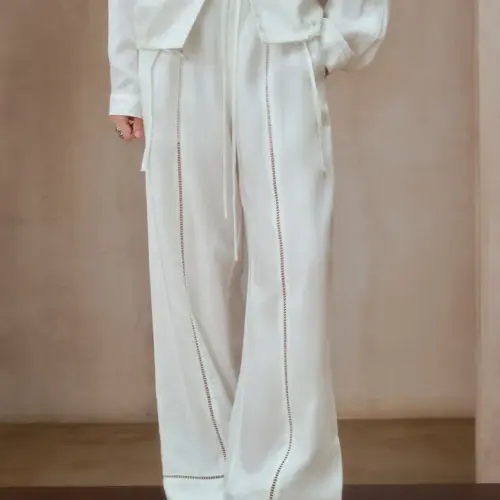
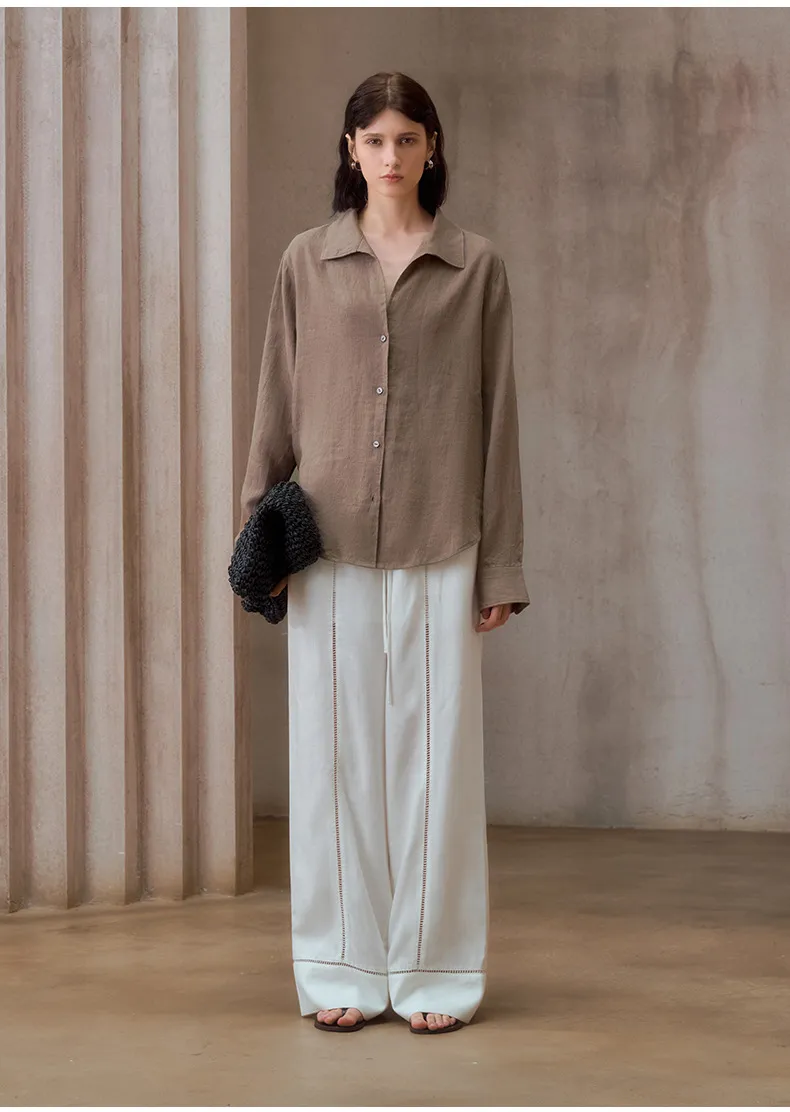
Muodolliset housut voivat olla suoria, kapenevia, leveälahkeisia tai hieman leveneviä. Ostajien on kiinnitettävä huomiota vyötärön rakenteeseen, vyötärönympärykseen, lantion helppouteen, lahkeiden muotoon, taskuihin, sulkemiseen ja valmiiseen pituuteen.
Hameissa käytetään yleisesti kynänmuotoisia, suoria tai hillittyjä A-linjaisia siluetteja. Naisten bisnesmekoissa vartalonmyötäiset mekot, räätälöidyt midimekot ja muut strukturoidut mallit voivat toimia hyvin, kun pääntie, istuvuus, pituus ja liike ovat hallinnassa.
Puserot ja paidat antavat asiakkaalle enemmän mahdollisuuksia yhdistellä asuja. Ne voivat myös tuoda mukanaan väri- ja vuodenaikojen mukaisia kangasmuutoksia ilman, että koko mallistoa tarvitsee suunnitella uudelleen.
Tehtaan näkökulmasta näillä vaatteilla on erilaiset kustannusrakenteet. Puseroa ei voida hinnoitella samalla tavalla kuin vuorattua mittatilaustyönä tehtyä bleiseriä. Kankaan kulutus, vuori, välivuori, ompelutoiminnot, taskut, napit, prässäys ja viimeistely vaikuttavat kaikki lopulliseen hintaan.
Siksi selkeät tekniset pakkaukset tai referenssinäytteet ovat tärkeitä tarjouspyyntöjä tehtäessä.
Miksi yhteensopivien pukujen valitseminen vaatii lisäkontrollia
Yhteensopiva bleiseri ja housut saattavat näyttää yksinkertaiselta kaksiosaiselta tuotteelta, mutta tuotanto vaatii huolellista koordinointia.
Yksi ongelma on kankaan sävy. Jos bleiseri ja housut on suunniteltu käytettäväksi yhdessä, näkyvät värierot voivat aiheuttaa valituksia. Eri kangasvalmistus- tai värjäyserien välillä voi esiintyä pieniä sävyeroja materiaalista ja prosessista riippuen.
Tästä syystä ostajien, jotka suunnittelevat yhteensopivia liike-elämän juhla-asuja, tulisi keskustella kangassuunnittelusta toimittajan kanssa.
Istuvuus luo toisenlaisen päätöksen. Jotkut tuotemerkit myyvät takin ja housut yhtenä kiinteänä settinä. Tämä voi yksinkertaistaa tuote-esittelyä, mutta asiakkaat eivät aina käytä samaa kokoa ylä- ja alavartalossa. Tuotteiden myyminen erikseen antaa asiakkaille enemmän joustavuutta kokojen valinnassa, mutta se myös luo lisää tuotenumeroita ja varastosuunnittelua.
Myös etiketteihin ja hoito-ohjeisiin on kiinnitettävä huomiota. Eri materiaalit saattavat vaatia erilaisia hoito-ohjeita, vaikka tuotteet kuuluisivat samaan mallistoon.
Olen nähnyt ostajien menettävän aikaa, koska he hyväksyivät yksittäisiä tyylejä, mutta eivät ottaneet huomioon, miten ne sopisivat yhteen kokoelmana.
Ennen irtotuotantoa tarkista värit, kankaat, reunukset, koot, hoito-ohjeet ja tyylien suhteet yhteensopivien tuotteiden välillä.
Mitä kunkin tuotteen osalta on vahvistettava
| Mitä tarkistaa | Miksi sillä on merkitystä | Mitä ehdotan |
|---|---|---|
| Bleiserin rakenne | Ohjaa räätälöityä ulkonäköä | Tarkista olkapää, kaulus, vuori ja prässäys |
| Housujen istuvuus | Vaikuttaa mukavuuteen ja ulkonäköön | Tarkista vaakasuora ympärysmitta, lantio, reisi ja lahkeen sisäsauman ympärys |
| Hameen pituus | Muuttaa muodollisuutta ja käytettävyyttä | Määritä valmiit mittaukset |
| Mekon rakentaminen | Vaikuttaa istuvuuteen ja liikkuvuuteen | Tarkista rinnanympärys, vyötärö, lantio, halkio ja vuori |
| Puseron läpinäkymättömyys | Ohut kangas voi aiheuttaa ongelmia | Testaa valittu kangas |
| Yhteensopivat värit | Tärkeää pukujen ja settien kannalta | Hallitse kangaseriä tarvittaessa |
| Kokoluokka | Muuttaa kulutustottumuksia ja -malleja | Vahvista kokotaulukko ajoissa |
| Tarrat | Vaaditaan omien merkkien tuotannossa | Hyväksy sisältö ja sijoittelu |
Useammat tyylit voivat aiheuttaa MOQ-ongelmia
Suurempi kokoelma antaa asiakkaille enemmän valinnanvaraa, mutta se myös jakaa ostajan tilauksen pienempiin tuotantomääriin.
Kuvittele, että ostaja haluaa neljä bleiserityyliä, neljä housua, kolme hametta ja viisi bisnesmekkoa. Jokainen tyyli on suunniteltu kuudessa värissä. Kokonaistilaus voi näyttää paperilla suurelta, mutta tyylin ja värin määrä voi olla melko pieni.
Tämä aiheuttaa haasteita kankaan hankinnassa, värjäyksessä, vuorin valinnassa, nappien, vetoketjujen, etikettien valmistuksessa, leikkaamisessa ja tuotannon suunnittelussa. Siksi vähimmäistilausmäärää ei pitäisi käsitellä vain yhtenä kokonaistilausnumerona.
Todellinen vaatimus voi riippua tyylistä, väristä, kankaasta, reunuksista, räätälöinnistä ja rakenteesta. Ei ole olemassa yhtä ainoaa vähimmäismäärää, joka koskisi kaikkia naisten juhlavaatteita.
Yksi käytännöllinen tapa on käyttää samaa hyväksyttyä kangasta useissa yhteensopivissa tyyleissä, kun se on sopivaa. Toinen vaihtoehto on keskittää ensimmäinen tilaus tärkeisiin kaupallisiin väreihin, kuten mustaan, tummansiniseen, harmaaseen tai muihin brändiin sopiviin väreihin, ja ottaa sitten käyttöön lisää värejä kysynnän selventyessä.
Kokemukseni mukaan ostajat saavat hyödyllisempiä tilausmääristä ja hinnoittelusta keskusteluja, kun he ilmoittavat määrät tyyli- ja värikohtaisesti.
Ostajille sääntöni on: jos määrä pirstaloituu liikaa värien ja tyylien lisäämisen jälkeen, vähennä varianttien määrää ennen kuin pyydät tehdasta ratkaisemaan ongelman vain alentamalla vähimmäistilausmäärää.
Miten sinun pitäisi hankkia bisnes- ja juhlavaatteet vaatetehtaalta?
Ammattimainenkin suunnittelu voi epäonnistua tuotannon aikana, jos vaatimukset ovat epäselvät. Naisten juhlavaatteissa istuvuus-, kangas-, prässäys- ja rakenneongelmat paljastuvat usein helpommin kuin yksinkertaisissa arkivaatteissa.
Kun ostajat hankkivat liike-elämän juhlavaatteita, heidän tulee varmistaa suunnittelu, kangas, mitat, näytekappale, työn laatu, vähittäismyyntimäärä, etiketit, pakkaus, laadunvalvontavaatimukset, läpimenoaika ja markkinoiden vaatimukset ennen irtotuotantoa. Alhainen tarjous on arvoton, kun toimittajalla ja ostajalla on erilaiset tuotetiedot.
Kankaan valinta on ennen massatuotantoa
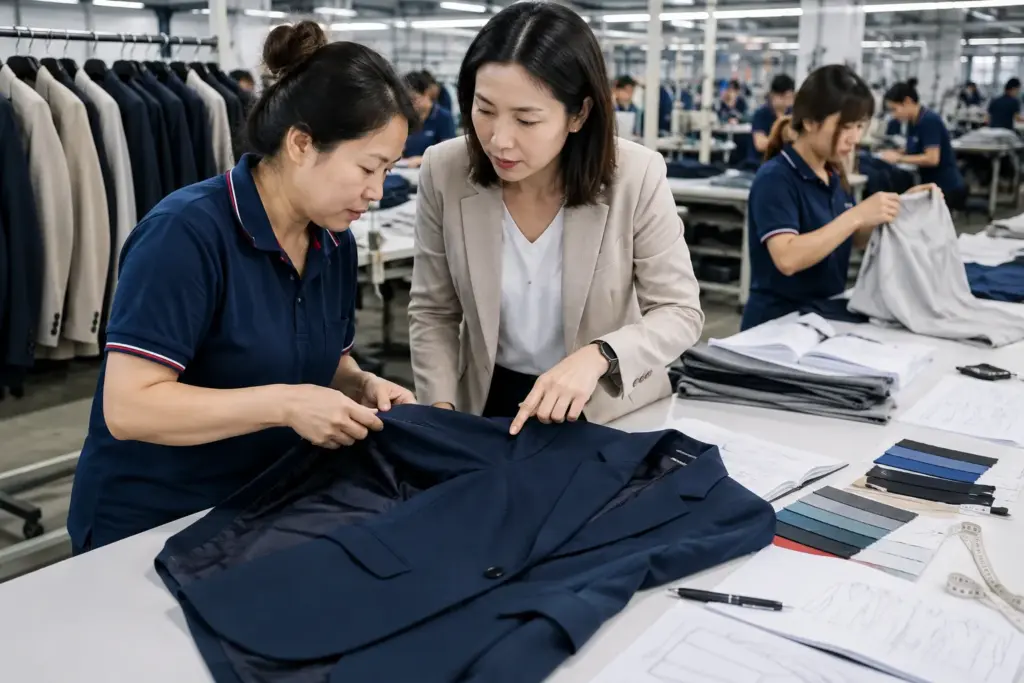
Kankaasta tulisi keskustella jo varhaisessa vaiheessa, kun suunnitellaan liike-elämän juhlamekkoa, bleiseriä, housuja tai hametta.
Ostajat voivat antaa koostumusvaatimuksia, toivottua tuntumaa käteen, likimääräistä painoa tai paksuutta, venyvyysvaatimuksia, väriviitteitä, pinnan ulkonäköä ja muita tuotteen kannalta tärkeitä suorituskykyodotuksia.
Jos et tiedä tarkkaa kangasta, kerro tehtaalle haluamasi lopputuloksen. Myös vertailuvaate voi olla hyödyllinen.
Visuaalisesti samankaltaiset kankaat eivät kuitenkaan aina toimi samalla tavalla. Kahdella mustalla kudotulla kankaalla voi olla erilainen paino, joustavuus, rypistymiskäyttäytyminen, peittävyys, kutistuminen ja laskeutuminen. Nämä erot voivat vaikuttaa sekä istuvuuteen että hintaan.
Näytteiden kehittäminen antaa ostajalle mahdollisuuden arvioida näitä yksityiskohtia ennen massatuotantoa.
Sovituksen aikana annettujen kommenttien tulisi olla tarkkoja. “Tee mekosta ammattimaisempi” tai “paranna vyötäröä” antavat kaavaustiimille vain vähän tietoa. Selkeät kommentit hartioiden leveydestä, rinnanympäryksestä, vyötäröstä, lantiosta, hihan pituudesta, vaatteen pituudesta tai muista mitoista on helpompi toteuttaa ja varmistaa.
Tarkistusten jälkeen ostajien tulisi tunnistaa, mikä näyte edustaa hyväksyttyä standardia.
Pyydän yleensä ostajia tarkistamaan, että lopulliset mitat, kankaat, reunukset, etiketit, värit, rakennetiedot ja pakkausvaatimukset on dokumentoitu ennen tuotannon aloittamista.
Miksi halvin tarjous voi olla erilainen
Hintavertailut ovat hyödyllisiä vain silloin, kun kaikki toimittajat tarjoavat samaa hintaa.
Harkitse naisten business-tyylistä juhlableiseria. Yksi toimittaja voi tarjota takin, jossa on tietty päällinen, täysvuori, tietty välivuori, toiminnalliset taskut, valitut napit ja määritelty pakkaus. Toinen toimittaja voi laskea hinnan käyttämällä kevyempää kangasta, yksinkertaisempaa sisärakennetta, erilaisia reunuksia tai erilaista pakkausta.
Toinen tarjous voi näyttää paljon halvemmalta, vaikka se ei todellisuudessa edustakaan samaa vaatetta.
Ostajien kannattaa siis kysyä, mitä hintaan sisältyy.
Sama periaate pätee myös liike-elämän juhlamekkoihin. Kankaan kulutus, vuori, vetoketjun tyyppi, kaavan monimutkaisuus, laskokset, paneelit, taskut, koristeelliset yksityiskohdat, ompeluvaatimukset ja tilausmäärä voivat kaikki vaikuttaa hintaan.
Myös pakkaukset voivat aiheuttaa eroja. Yksittäiset muovipussit, roikkuvat hintalaput, viivakooditarrat, brändätyt laatikot, erityiset taittomenetelmät tai muut vaatimukset voivat vaikuttaa sekä kustannuksiin että valmistusaikaan.
Pyydän yleensä ostajia tarkistamaan tekniset tiedot ennen lopullisen numeron vertailua.
Alhaisempi hinta voi olla hyödyllinen, kun se johtuu tehokkaasta materiaalivalinnasta tai tuotannon suunnittelusta. Siitä tulee riskialtis, kun se johtuu yksityiskohtien poistamisesta, joiden ostaja oletti sisältyvän tuotteisiin.
Mitä hyväksytään ennen tuotantoa
| Mitä tarkistaa | Miksi sillä on merkitystä | Mitä ehdotan |
|---|---|---|
| Hyväksytty näyte | Määrittelee odotetun tuotteen | Pidä lopullinen viite selkeänä |
| Kangas | Hallitsee ulkonäköä ja kustannuksia | Hyväksy laatu ja väri |
| Mitat | Ohjaimet sopivat | Käytä lopullista kokomääritystä |
| Ammattitaito | Estää erilaiset tulkinnat | Määrittele tärkeät rakennuskohdat |
| Määrä | Vaikuttaa toteutettavuuteen ja yksikköhintaan | Vahvista tyylillä ja värillä |
| Tarrat | Tärkeää yksityismerkkitilauksille | Hyväksy taideteokset ja sijoittelu |
| Pakkaus | Vaikuttaa kustannuksiin ja toimituksen valmisteluun | Määritä pussit, laatikot, viivakoodit ja tunnisteet |
| Laadunvalvonta | Säätelee massan sakeutta | Sopikaa tarkastusvaatimuksista |
| Läpimenoaika | Vaikuttaa laukaisusuunnitteluun | Sisällytä materiaali ja tuotantoaikataulu |
| Todisteet | Riippuu tuotteesta ja markkinasta | Valtion vaatimat asiakirjat ajoissa |
Hinta, laatu ja toimitus ovat yhteydessä toisiinsa
Useimmat ostajat haluavat kolmea asiaa samanaikaisesti: kilpailukykyisen hinnan, hyvän laadun ja nopean toimituksen. Vaatetuotannossa yhden muuttaminen voi vaikuttaa muihin.
Kuvittele esimerkiksi ostaja, joka kehittää modernia, muodollista naistenvaatemallistoa tiettyä julkaisupäivää varten. Hyväksytyissä malleissa käytetään erityistä kangasväriä ja räätälöityjä nappeja. Myöhemmin ostaja tarvitsee tuotantoa alun perin suunniteltua aikaisemmin.
Jokaisen räätälöidyn elementin pitäminen mielessä voi aiheuttaa paineita aikataululle, koska kankaan ja reunusten valmistelu vie aikaa. Saatavilla olevien materiaalien käyttö voi parantaa ajoitusta, mutta lopputulos ei ole täysin sama kuin alkuperäinen erittely.
Oikea valinta riippuu ostajan prioriteeteista.
Jos varaston saapumispäivämäärää ei voida siirtää, joitakin valinnaisia räätälöintejä on ehkä muutettava. Jos tarkka kangas ja brändätyt yksityiskohdat ovat mallistolle olennaisia, ostajan tulee suojata nämä vaatimukset ja varata realistinen tuotantoaikataulu.
Sama pätee kustannusten vähentämiseen. Tärkeiden rakenteiden poistaminen ei ole ainoa vaihtoehto. Kankaan valinta, reunukset, suunnittelun monimutkaisuus, pakkaus, tilausmäärä ja värisuunnittelu voidaan kaikki tarkistaa.
Ehdotukseni on asettaa neljä asiaa tärkeysjärjestykseen ennen tilaamista: laatu, tavoitehinta, räätälöinti ja määräaika. Kun ne ovat ristiriidassa, suojaa tuotetta määrittelevät vaatimukset ja säädä ensin valinnaisia vaatimuksia.
Mitä sinun tulisi valmistautua ennen kuin otat yhteyttä kiinalaiseen vaatetehtaaseen?
Tehdas voi antaa tarkemman tarjouksen, kun kysely sisältää hyödyllistä tietoa. Selkeät erittelyt auttavat meitä myös arvioimaan kehitysaikaa, keskustelemaan materiaaleista, tarkistamaan tuotannon toteutettavuuden ja suunnittelemaan tilauksen.
| Tiedot | Esimerkki | Miksi sitä tarvitaan |
|---|---|---|
| Tuote | Mekko, takki tai urheiluvaatteet | Vahvistaa tehtaan soveltuvuuden |
| Kuvat/tekniikkapaketti | Kuvat, mitat, rakenne | Tukee hinnoittelua ja kehitystä |
| Kangas | Puuvilla, denim, polyesteri tai tuntematon | Vaikuttaa kustannuksiin, MOQ-tilauksiin ja ajoitukseen |
| Koot | XS–XL tai mukautettu kaavio | Vaikuttaa malleihin ja kulutukseen |
| Määrä | Tyylin ja värin mukaan | Vaikuttaa MOQ-määrään ja yksikköhintaan |
| Markkinoida | EU, Iso-Britannia, Yhdysvallat tai Australia | Vaikuttaa kokoon ja vaatimustenmukaisuuteen |
| Laatutaso | Tukku- tai premium-hinta | Oppaiden materiaalit ja työn laatu |
| Pakkaus | Muovipussi, laatikko tai viivakoodi | Vaikuttaa kustannuksiin ja ajoitukseen |
| Tarrat | Kaula, hoito, koko ja ripustuslappu | Vaikuttaa taideteoksiin, tilausmäärään ja kustannuksiin |
| Määräaika | Varaston saapumispäivämäärä | Tukee tuotannon suunnittelua |
| Todisteet | Vaaditut sertifikaatit | Vahvistaa vaatimustenmukaisuuden |
| Tavoitehinta | FOB- tai toimitushinta | Auttaa ehdottamaan realistisia vaihtoehtoja |
Selkeät tiedot auttavat tehdasta tarjoamaan tarkemman hinnan, aikataulun, materiaaliehdotuksen ja tuotantosuunnitelman.
Sinun ei tarvitse tietää kaikkia teknisiä kysymyksiä ennen kuin otat yhteyttä toimittajaan. Jos esimerkiksi kangas on vielä epävarma, voit toimittaa referenssikuvan, tavoitelaadun, kohdemarkkinat ja hintatason, jotta tehdas ymmärtää, mitä yrität kehittää.
Suosittelen myös erottamaan välttämättömät vaatimukset valinnaisista mieltymyksistä.
Sopivuus, tavoitelaatu, vaadittu vaatimustenmukaisuus tai varaston määräaika voivat olla olennaisia. Erikoisnappi, lisäväri, epätavallinen pakkausyksityiskohta tai tietty koriste-elementti voivat olla valinnaisia.
Tämän eron tekeminen varhaisessa vaiheessa antaa ostajalle ja tehtaalle enemmän liikkumavaraa ratkaista ongelmia muuttamatta ydintuotetta.
Milloin sinun kannattaa pyytää Truekungilta tarjous?
Truekung voi sopia ostajille, jotka tarvitsevat OEM/ODM-vaatteiden tuotantoa, yksityisten merkkien kehittämistä, näytekappaleiden kehittämistä, irtotavaratuotantoa, laadunvalvontaa, vakaata vientiviestintää ja käytännön tehdastukea.
Naisten business-juhlavuotteiden kohdalla haluan mieluummin ymmärtää tuotteen ennen yksityiskohtaisen tarjouksen tekemistä. Kaksi bleiseriä tai mekkoa, jotka näyttävät valokuvissa samankaltaisilta, voivat vaatia hyvin erilaisia kankaita, kuoseja, sisäpuolisia rakenteita, reunuksia ja ompeluprosesseja.
Jos haluat meidän arvioivan projektin, lähetä meille tuotekuvat tai tekniset pakkaukset, arvioitu määrä tyyliä ja väriä kohden, kohdemarkkinat, laatuvaatimukset ja odotettu toimituspäivämäärä.
Voit myös sisällyttää haluamasi kankaan, kokoluokan, yksityiset tuotemerkit, pakkausvaatimukset, tarvittavat sertifikaatit ja tavoitehinnan, jos nämä tiedot ovat jo saatavilla.
Jos jotkin eritelmät ovat vielä avoimia, kerro meille vain, mitkä vaatimukset ovat olennaisia ja mitä voidaan mukauttaa. Tämä auttaa meitä ymmärtämään, mistä vaihtoehdoista voimme realistisesti keskustella kanssasi.
Sähköposti: [email protected]
Verkkosivusto: https://truekung.com
Johtopäätös
Hyvä työasu riippuu istuvuudesta, kankaasta, rakenteesta, mukavuudesta ja tasaisesta tuotannosta. Naisten työvaatteita suunnitteleville ostajille selkeät erittelyt, huolellinen näytteenotto, realistinen määrätilausten suunnittelu ja lopullinen laadunvalvonta ovat olennaisia vaiheita ennen irtotilauksen tekemistä.
Näkymät: 124