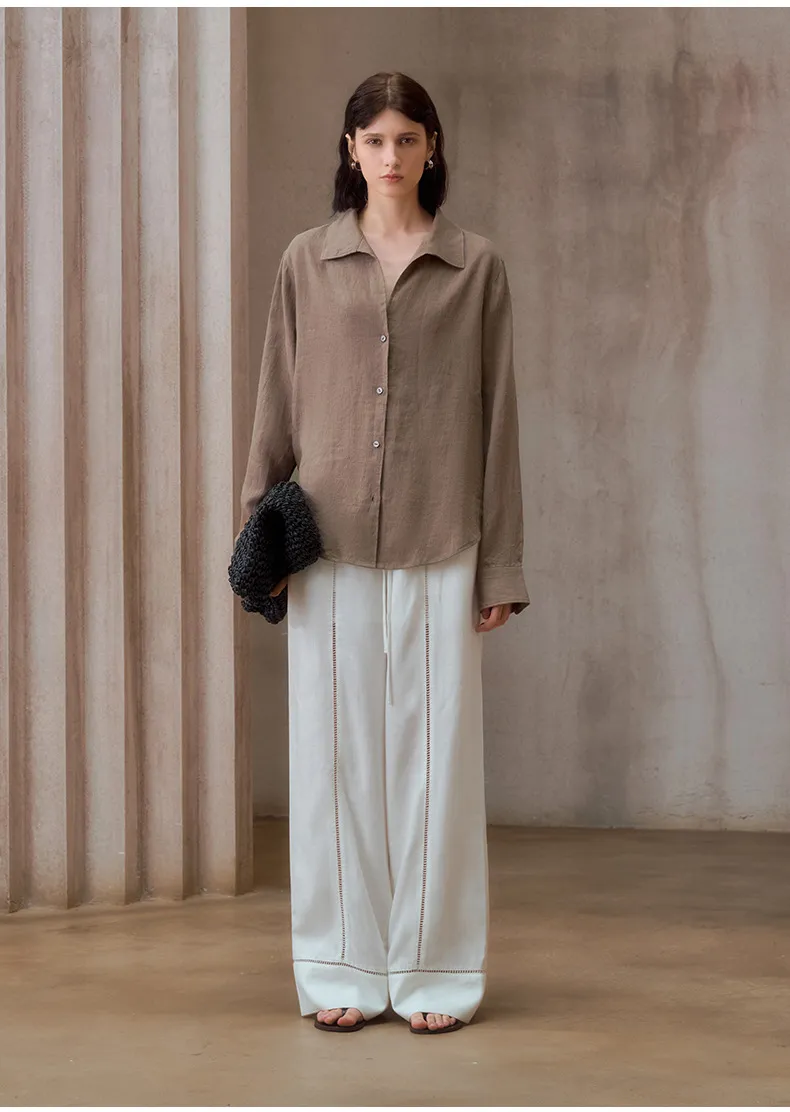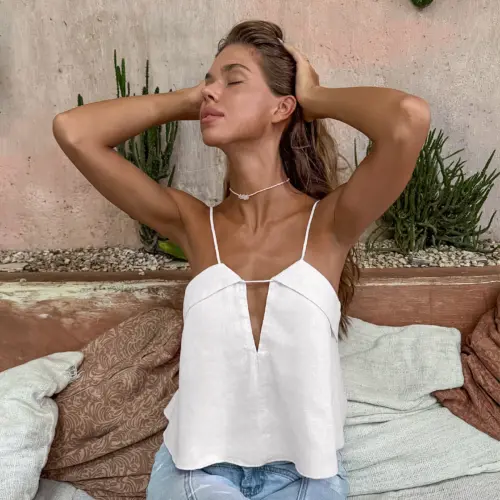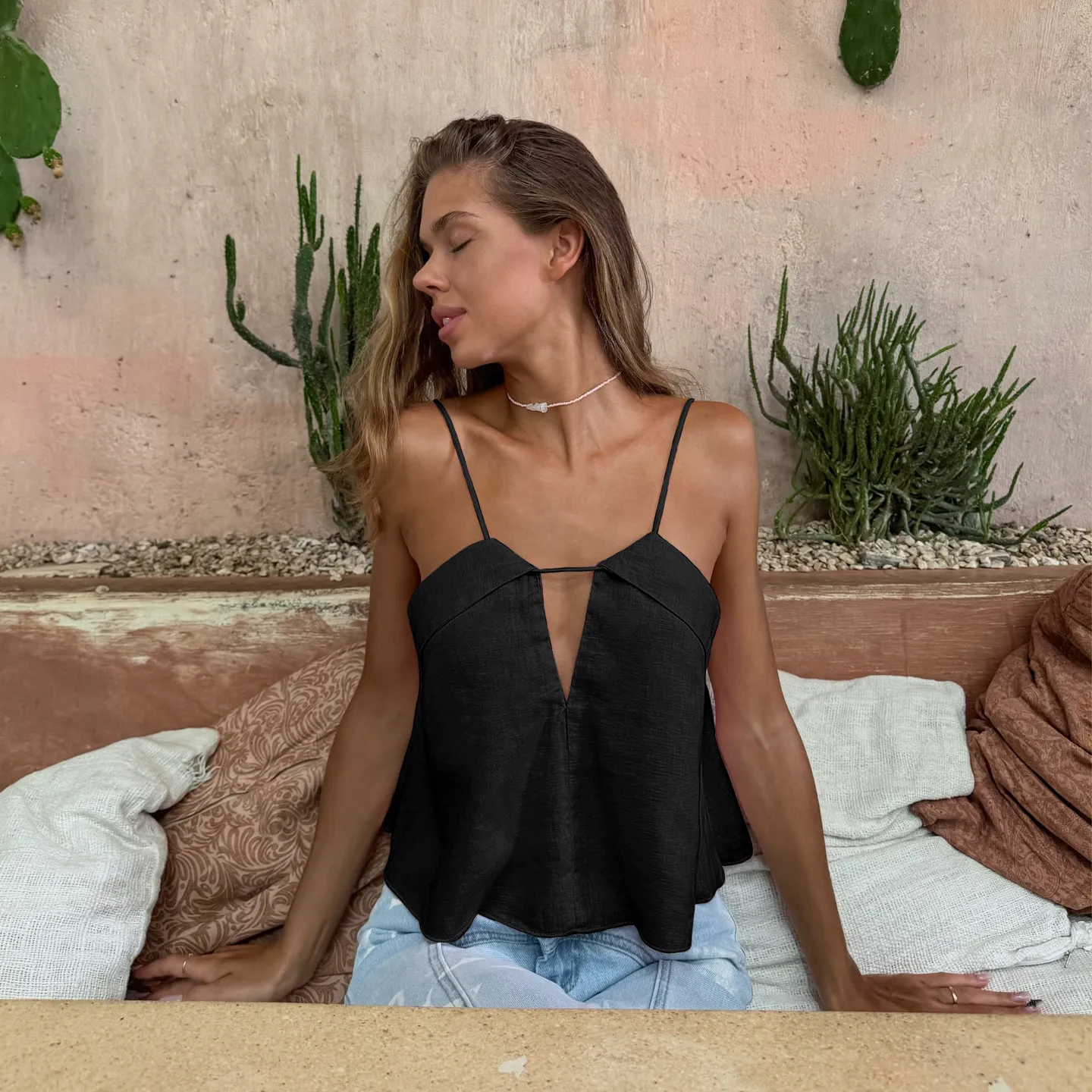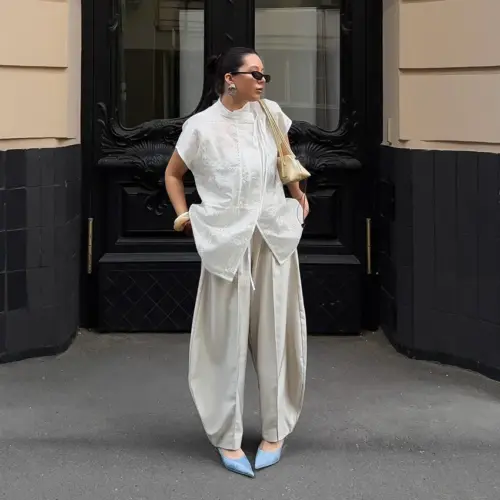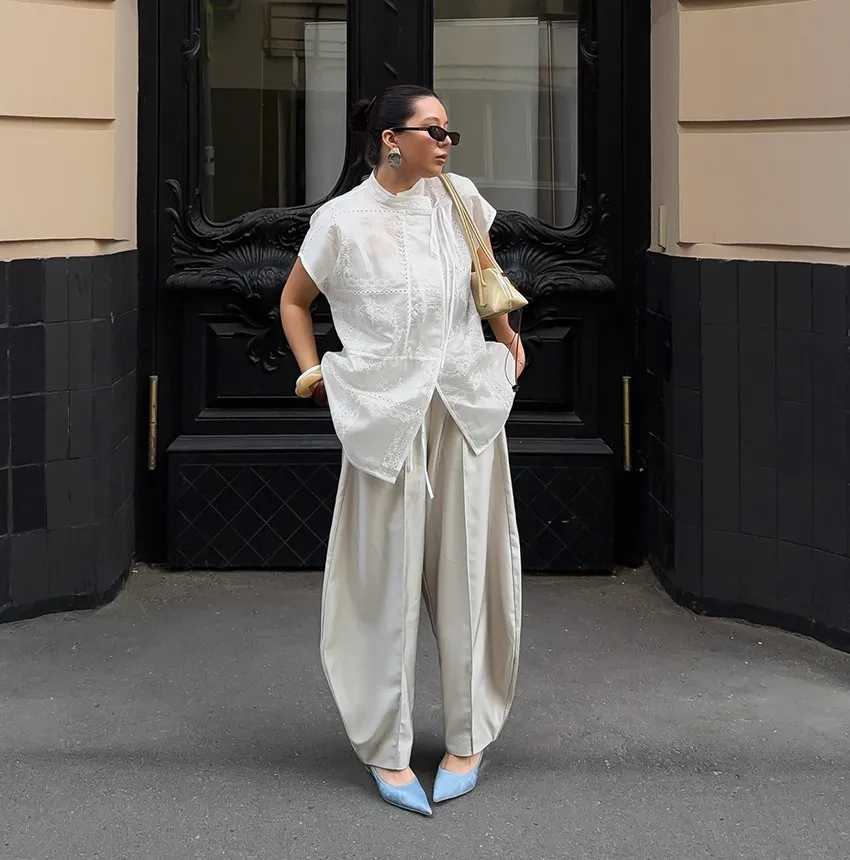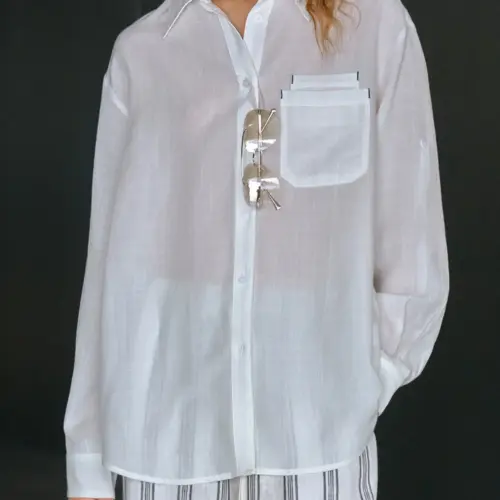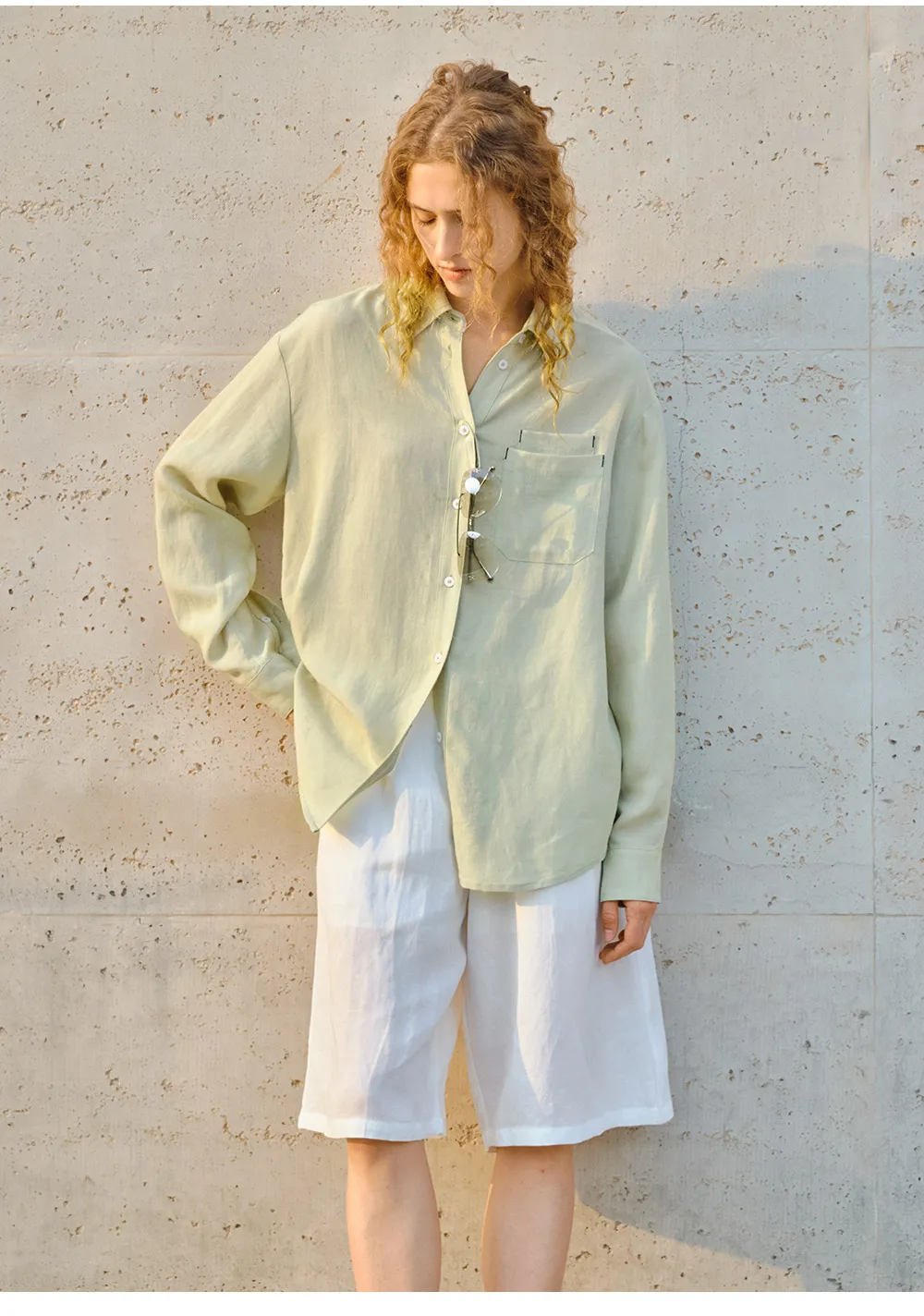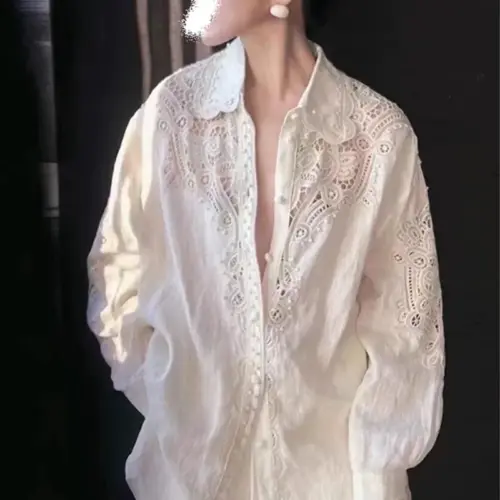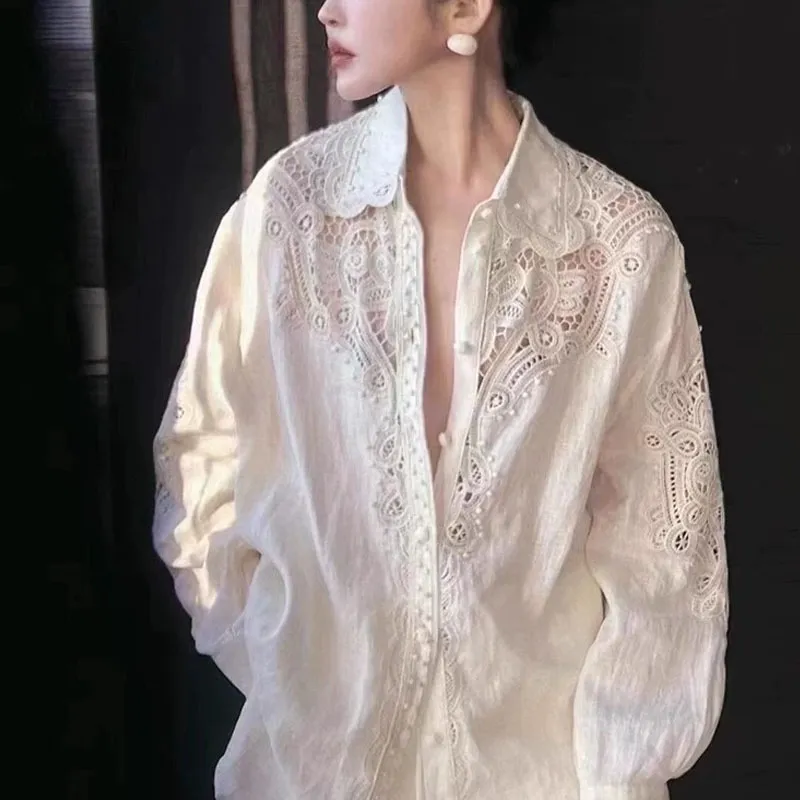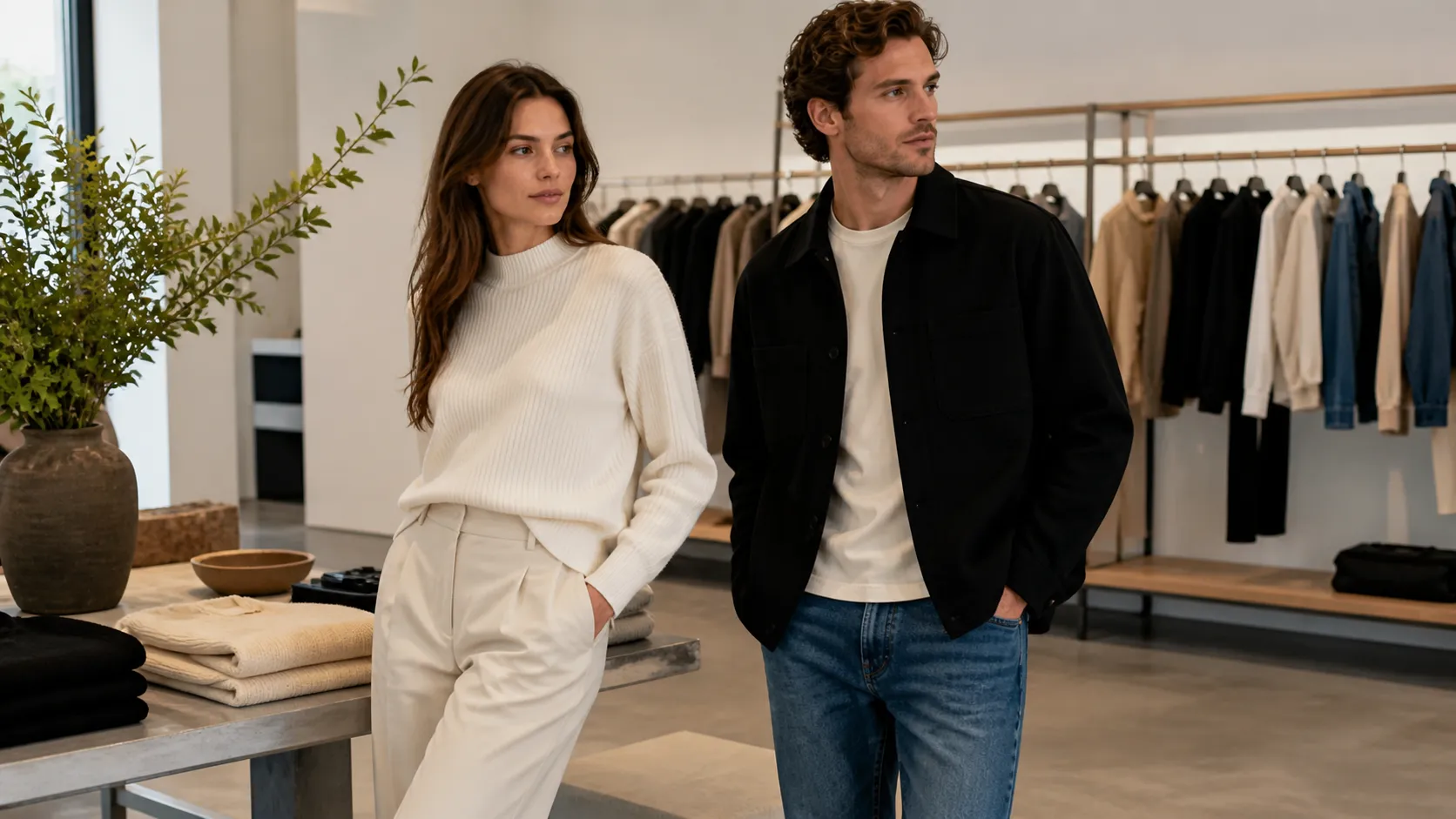
Näen ostajien maksavan enemmän "perusvaatteista" ja silti olevansa epävarmoja. Minusta tuntui samalta, kun ensimmäisen kerran yritin arvioida Everlanea. laatu pelkästään valokuvista.
Everlane voi tuntua "hintansa arvoiselta", kun haluat puhtaita perustarvikkeita, tasaista laatua ja merkki tarina eettisestä tuotanto ja läpinäkyvyyttä, mutta sinun on silti arvioitava kangasta, ompeleita ja tehdas hallita samalla tavalla kuin minkä tahansa toimittajan kanssa.
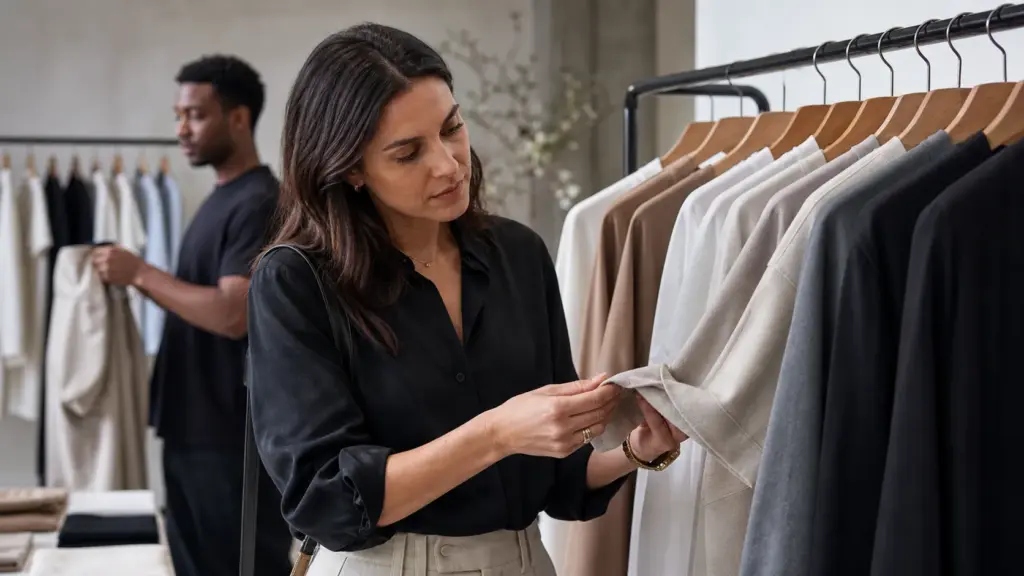
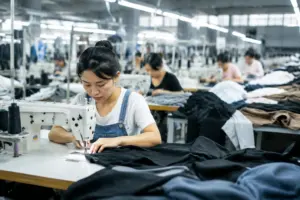
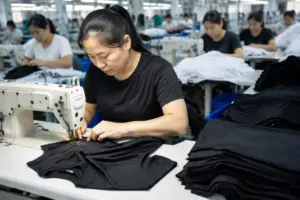
Minulla on tehdasyritys, joten en suhtaudu Everlaneen kuin faniin. Suhtaudun siihen kuin ostajaan, jonka on vältettävä palautuksia, viivästyksiä ja "kaunista sanaa heikon tuotteen kanssa". Tunnen myös Maria-tyyppisiä ostajia, jotka johtavat puhetta ja esittävät vaikeita kysymyksiä laadunvalvonnasta, sertifikaateista ja toimituksesta. Pidän tuosta energiasta, koska se pakottaa totuuden näkymään. Jos haluat ymmärtää, miksi Everlanen suosio kasvaa jatkuvasti, sinun on tarkasteltava, mitä ihmiset ajattelevat ja mitä tehtaat tekevät päivittäin. Kerron siis selkeästi, mitä sinäkin voit käyttää.
Miksi Everlane on niin suosittu?
Monet tuotemerkit puhuvat "paremmista perusvaatteista", mutta monet ostajat tuntevat silti olonsa eksyneiksi. Minäkin tunsin saman tuskan, kun näin kaksi samanlaista t-paitaa hyvin eri hinnoissa.
Everlanen suosio tulee usein puhtaan muotoilun, yksinkertaisen viestinnän ja eettisen tuotannon tarinan yhdistelmästä, jotta ostajat tuntevat olonsa turvalliseksi valitessaan.
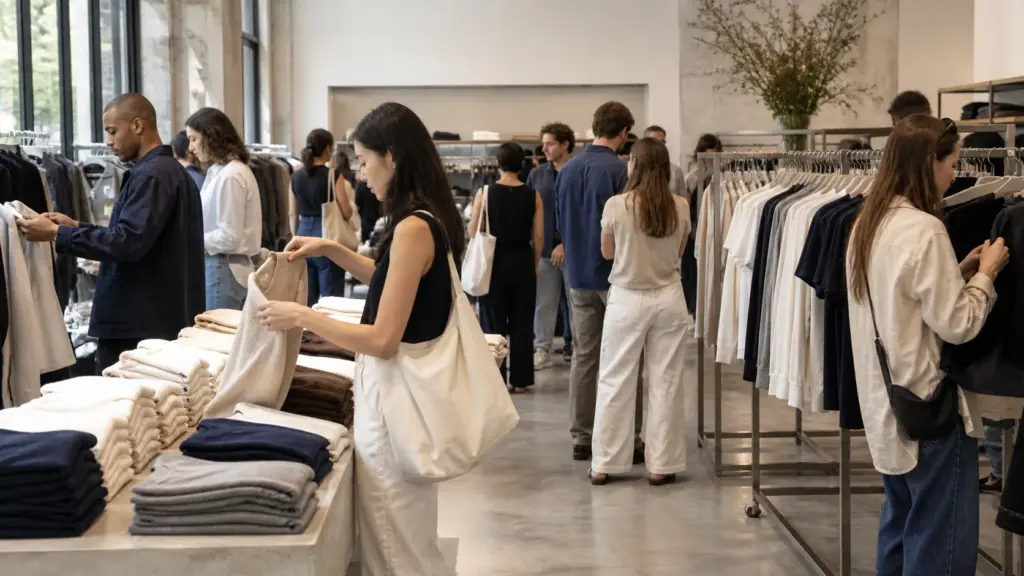
Suosio ei ole taikaa, se on toistuvaa luottamusta
Näen kolme moottoria, jotka voivat viedä tällaista brändiä eteenpäin. Ensimmäinen moottori on toistuva kuluminen. Kun t-paita pitää muotonsa pesujen jälkeen, ostaja lakkaa miettimästä ja alkaa tilata uudelleen. Toinen moottori on alhainen päätöksentekostressi. Minimalistiset värit ja siistit istuvuudet tekevät ostoksista helpon tuntuisia. Kolmas moottori on "Tiedän mistä maksoin". Monet ihmiset pitävät kustannustarinoista, vaikka he eivät tarkistaisikaan jokaista yksityiskohtaa.
Signaalit, joihin ostajat reagoivat
Kun puhun tuotemerkkien omistajien kanssa, huomaan heidän reagoivan signaaleihin, eivät tehdaskieleen. He haluavat kuulla sanoja “tämä ei väänny”, “tämä ei pöyhiydy nopeasti” ja “tämä saapuu ajoissa”. He haluavat myös välttää kiusallisia yllätyksiä, kuten “tukkuväri ei ole sama kuin näytepakkauksen väri”. Everlane-tyyliset tuotemerkit vähentävät tätä pelkoa pitämällä tyylit yksinkertaisina ja toistamalla ydintuotenumeroita.
| Mitä ostajat näkevät | Mitä tarkistan tuotannossa | Mikä voi mennä pieleen |
|---|---|---|
| Selkeät perusasiat ja yksinkertaiset valokuvat | Kuvion vakaus, kutistumisen hallinta, sävyn hallinta | Kiertyvät saumat, koon vaihtelu, sävyn epäsuhta |
| “"Parempi laatu" -viesti | Kankaan testaustiedot, ompeleen SPI, sauman lujuus | Nyppyyntyminen, saumojen pullistuminen, nopea kuluminen rasituskohdissa |
| “Eettisen tuotannon” tarina | Auditointivalmius, palkka-/työaikakirjanpito, turvallisuuslokit | Väärennetyt todistukset, huono alihankintavalvonta |
Käytännön näkemykseni valmistajana
Opin läksyn vuosia sitten asiakkaalle tehdyn "minimalistisen" ohjelman myötä. Luulin, että yksinkertaiset tyylit olisivat helppoja. Olin väärässä. Yksinkertaisissa tyyleissä jokainen virhe on helppo nähdä. Sotkuinen pääntie, epätasainen tikki tai aaltoileva sauma näkyvät nopeasti. Joten kun ajattelen Everlanen laatua ja suosiota, en ajattele hienoa designia. Ajattelen toteutuskuria. Ajattelen sitä, kuinka monta tarkistusta tehdään ennen pakkaamista. Ajattelen sitä, kuinka nopeasti tehdas korjaa virheet riitelemättä. Se on se tylsä osa, joka luo "suositun" osan.
Missä Everlanen vaatteita valmistetaan?
Monet ostajat kysyvät tätä kysymystä aivan kuin siihen olisi yksi selkeä vastaus. Minä kysyin sitä ennen samalla tavalla, ja sitten opin vaikeimman osan.
Everlanen vaatteet valmistetaan maailmanlaajuisen toimittajaverkoston kautta eri maissa, joten "missä" on vähemmän merkitystä kuin sillä, miten kukin tehdas valvoo laatua, työehtoja ja toimitusta.
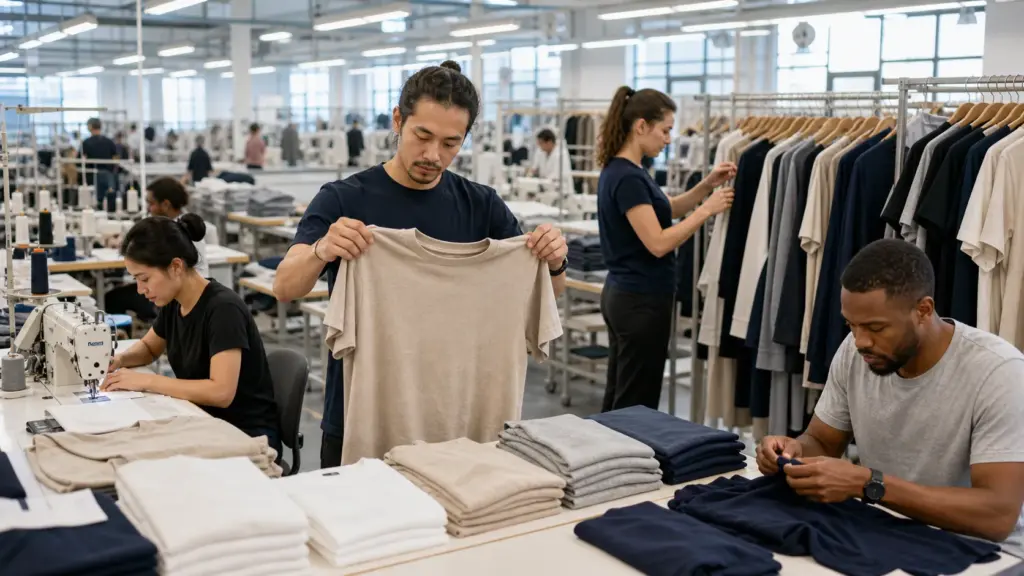
“"Made in" on vihje, ei takuu
Työskentelen Kiinassa ja vien tuotteitani maailmanlaajuisesti, joten tiedän ihmisten ennakkoluulot. Jotkut ostajat ajattelevat, että "Kiina" tarkoittaa halpaa. Jotkut ostajat ajattelevat, että "Italia" tarkoittaa täydellistä. Molemmat ideat voivat epäonnistua. Hyvä tehdas voi sijaita missä tahansa, ja heikko tehdas voi sijaita missä tahansa. Maamerkki on lähtökohta, ei maaliviiva.
Mikä on tärkeämpää kuin maa
Kun Maria kysyy minulta hankinnoista, hän välittää kolmesta asiasta: vakaasta laadusta, vakaasta toimitusajasta ja vakaasta paperityöstä. Niinpä käännän kysymyksen "missä Everlanen vaatteet valmistetaan" tarkistuslistaksi, jota mikä tahansa brändi voi käyttää.
1) Tehtaan valintasäännöt
Haluan tietää, käyttääkö brändi pitkäaikaisia kumppaneita vai vaihtaako se tehtaita usein. Vakaa kumppani oppii sopimaan ja toleranssit ajan myötä.
2) Prosessinohjaus tehtaan sisällä
Haluan tietää, käyttääkö tehdas linjan sisäistä tarkastusta, linjan lopputarkastusta ja lähetystä edeltävää tarkastusta. Haluan nähdä, miten he käsittelevät uudelleenkäsittelyn.
3) Alihankintariski
Haluan tietää, pysyvätkö leikkaaminen, ompelu, peseminen ja pakkaaminen yhdessä kontrolloidussa järjestelmässä. Jos työ siirtyy ulos, riski kasvaa.
| Kysymys, jonka ostaja esittää | Mitä kysyn tehtaalta | Pyydän todisteita |
|---|---|---|
| Voitteko pitää toimitukset sesongin aikana? | Mikä on kapasiteettisuunnitelmanne viikoittain? | Tuotantoaikataulu + linjasuunnitelma |
| Pystytkö pitämään koon vakaana? | Mikä on kutistumiskoemenetelmänne? | Testiraportti + pesustandardi |
| Voitko todistaa eettisen tuotannon? | Kuka omistaa tilintarkastuksen ja asiakirjat? | Tarkastusraportti + paikan päällä otetut valokuvat + tiedot |
Tarinani lattialta
Muistan ostajan, joka halusi "nopeaa ohjelmaa", kuten suositun suoratoimitusbrändin. Ostaja vaati nopeutta, ja tehdas suostui liian nopeasti. Ensimmäinen irtotavaralähetys tuli myöhässä, eikä ostaja ehtinyt myynti-ikkunaan. Sen jälkeen rakensimme suunnitelman uudelleen yksinkertaisilla vaiheilla: aikaisemmalla kangasvarauksella, kiinteällä tuotantoa edeltävällä kokouksella ja selkeällä viivästyssakolla. Siksi käsittelen "missä"-kysymystä järjestelmäkysymyksenä. Jos haluat Everlanen kaltaista hallintaa, tarvitset toimittajan, joka osaa suunnitella, ei vain tuottaa.
Mitä materiaaleja Everlanen vaatteissa käytetään?
Kangas kuulostaa yksinkertaiselta, mutta kangas ratkaisee suurimman osan "tuntumasta" ja suurimmasta osasta valituksia. Huomasin tämän, kun kosketin pehmeää näytettä ja sitten näin karhean irtomateriaalirullan.
Everlanen materiaalit keskittyvät usein jokapäiväiseen mukavuuteen ja pidempään käyttöikään, ja oikea valinta tarkoittaa yleensä tasapainottelua kätevyyden, kestävyyden, kutistumisriskin ja brändin kestävän kehityksen tavoitteiden välillä.
Kangasvalinnat, jotka muokkaavat “Everlane-laatua”
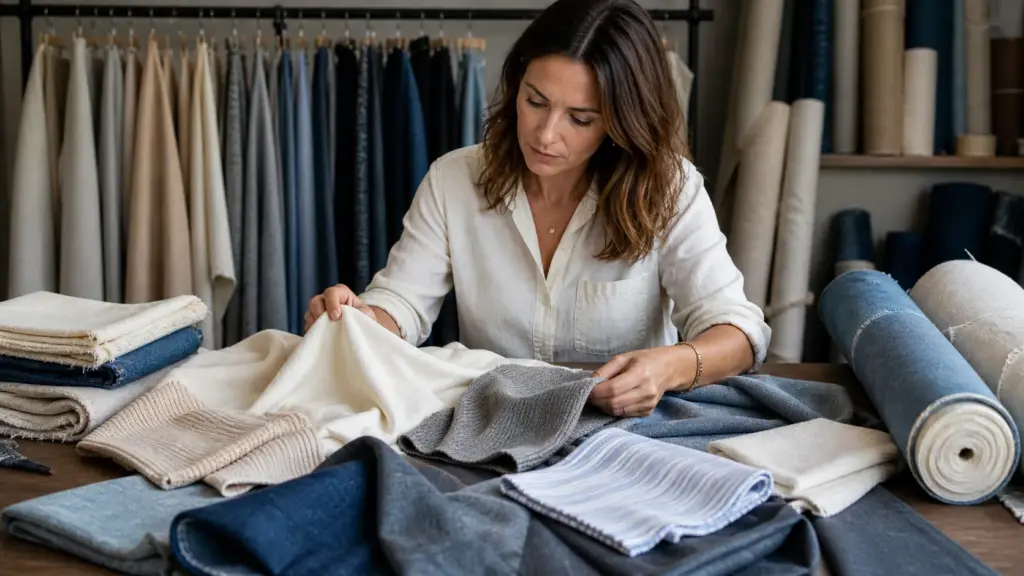
Kun ihmiset sanovat “Everlane-laatua”, he tarkoittavat yleensä kolmea asiaa: kangas tuntuu hyvältä, muoto pysyy hyvänä ja vaate näyttää siistiltä toistojen jälkeen. Työssäni nämä tulokset johtuvat kankaan rakenteesta ja viimeistelyvalinnoista. Sileämpi lanka ja tiheämpi neulos voivat vähentää nukkaa. Parempi värjäysprosessi voi vähentää vaatteen kroppausta. Vakaa viimeistely voi vähentää kiertymistä ja kutistumista.
Kestävän kehityksen keskusteluissa tarvitaan edelleen suorituskyvyn tarkastuksia
Monet tuotemerkit haluavat luomupuuvillaa, kierrätyskuituja tai muita ympäristöystävällisempiä vaihtoehtoja. Kunnioitan tätä tavoitetta. Tiedän myös, että "hyvä" kangas voi aiheuttaa huonon kulutustuloksen, jos toimittaja ei hallitse yksityiskohtia. Kierrätyssekoitukset voivat nukkaantua nopeammin, jos kuidun pituus on lyhyt. Jotkut pehmeät viimeistelyt tuntuvat upeilta ensimmäisenä päivänä, mutta haalistuvat pesujen jälkeen. Siksi yhdistän aina "kestävät materiaalit" testisuunnitelmiin.
| Materiaalivalinta | Miksi ostajat pitävät siitä | Mitä tarkistan ennen suurten erien valmistusta |
|---|---|---|
| Puuvillaperusvaatteet (usein luomua) | Pehmeä kädessä pidettävä ja helppokäyttöinen | Kutistuminen, kiertyminen, nyppiminen, värinkesto |
| Kierrätyskuitusekoitukset | Kestävän kehityksen tarina ja markkinointiarvo | Nyppyyntyminen, saumojen luistamattomuus, palautuminen, lujuus |
| Selluloosapohjaiset kuidut (kuten lyocell-tyypit) | Verhoilu ja mukavuus | Kutistuminen, tarttuminen, saumojen rypistyminen, sävynhallinta |
| Villa- tai kashmirsekoitukset | Lämpöä ja ensiluokkaista tuntumaa | Karvaisuus, nukkaantuminen, pesumenetelmän stabiilius |
Kuinka opastan ostajaa, joka haluaa "Everlanen kaltaisia" perusasioita
Jos Maria kertoo minulle haluavansa Everlane-lookin, en aloita "kankaan nimellä". Aloitan käytöstä. Kysyn: Käyttääkö asiakas sitä kuumalla säällä? Peseekö asiakas sitä usein? Hyväksyykö asiakas pienen ryppyisyyden? Sitten ehdotan kahta tai kolmea kangasvaihtoehtoa selkeillä kompromisseilla. Lukitsen myös testaussuunnitelman ennen näytteenoton päättymistä. Tämä vaihe suojaa ostajaa pahimmalta yllätykseltä, eli massakankaalta, joka käyttäytyy eri tavalla kuin näyte. Tässä kohtaa konseptina valmistettujen Everlane-vaatteiden toteutuminen toteutuu. Valmistus ei ole vain ompelua. Valmistus on kankaan valvontaa, testausta ja toistettavia standardeja.
Johtopäätös
Everlanen suosio tulee yksinkertaisesta suunnittelusta ja luottamussignaaleista, mutta todellinen arvo riippuu silti kangasvalinnoista ja tehtaan valvonnasta, joten arvioin sitä kuten mitä tahansa vakavaa hankintapäätöstä.
Miksi kirjoitan tämän
Olen Lancy Chia Truekungista Kiinasta. Johdan tukkumyyntiä harjoittavaa vaatetehdasta, jossa on yli 200 työntekijää ja 20 vuoden vientikokemus. Tarjoan vaatetustuotteita ja OEM/ODM-palveluita tuotemerkeille ja supermarketeille maailmanlaajuisesti. Keskityn naisten muotiin, takkeihin, hameisiin, mekkoihin, farkkuihin, t-paitoihin, collegepaitoihin, untuvatakkeihin, tuulitakkeihin, päällystakkeihin, muotilaukkuihin, urheiluvaatteisiin, lastenvaatteisiin, alusvaatteisiin ja muuhun. Työskentelen ostajien kanssa, joille laadunvalvonta, sertifiointi, logistiikka ja turvalliset maksuehdot ovat tärkeitä. Jos haluat Everlane-tyylisen perusohjelman, jossa on vakaa laadunvalvonta ja selkeä viestintä, voit ottaa minuun yhteyttä osoitteessa [email protected] tai käymällä osoitteessa https://truekung.com.
Näkymät: 54