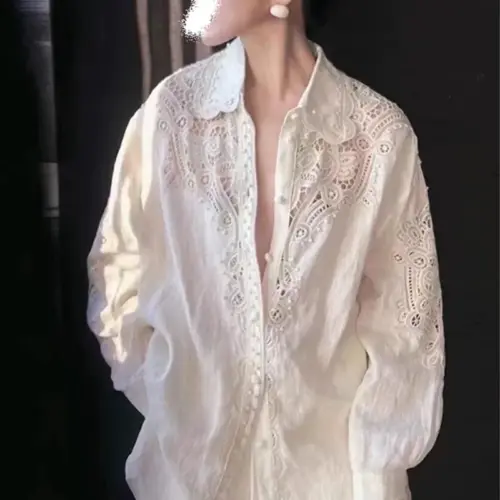
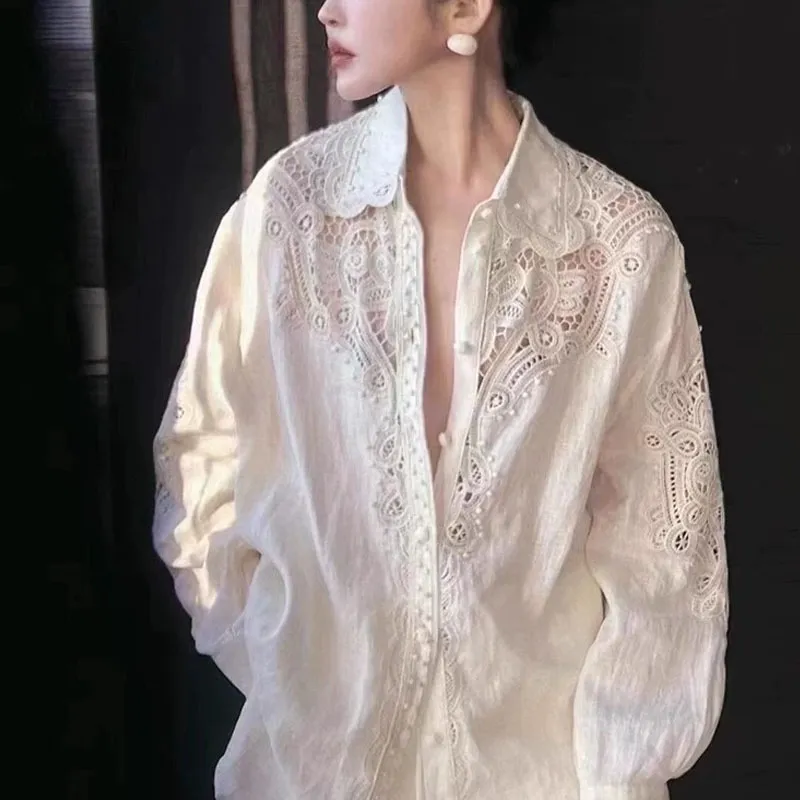
Veo que los compradores hacen pedidos de mujeres cimas Y aún así recibimos devoluciones porque los clientes no saben cómo combinarlas. Ese desperdicio perjudica los márgenes. Lo soluciono con un sencillo plan de estilismo, paso a paso.
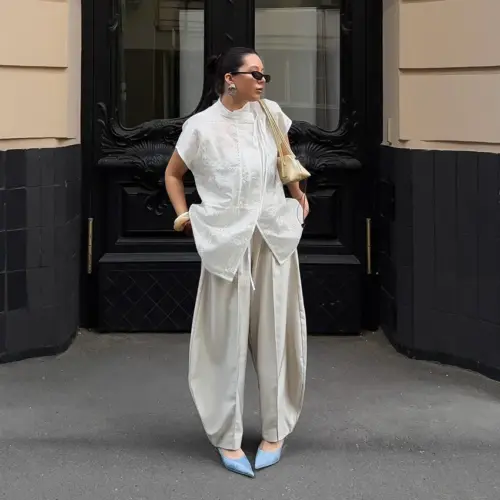
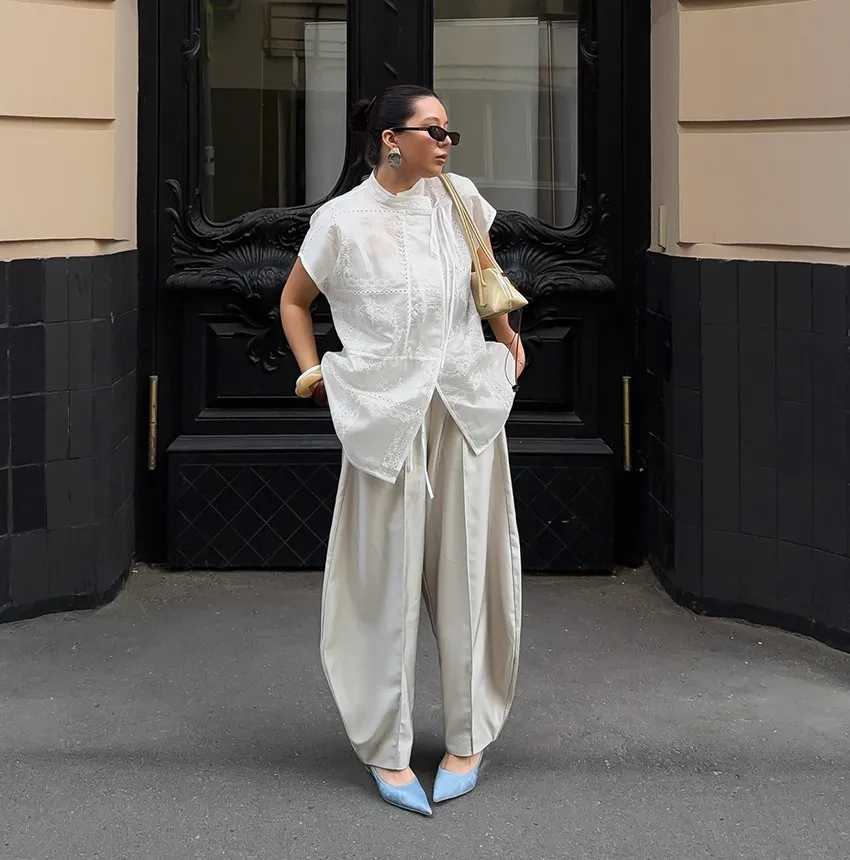
Para crear diferentes estilos de blusas para mujer, combino tres elementos: el volumen, el largo del bajo y el escote, con la forma de la prenda inferior y la ocasión. Utilizo camisetas ajustadas con pantalones más anchos, blusas cruzadas y con volantes para resaltar la cintura, túnicas con pantalones ajustados y camisas o blusas impecables para un look de trabajo más sofisticado.

Trato los "tipos de blusas para mujer" como un menú, no como una lista de tendencias, porque quiero ventas recurrentes y no modas pasajeras. Mantengo los nombres de las blusas para mujer sencillos, como camisetas, blusas, blusas cruzadas, blusas sin mangas, túnicas, blusas peplum, blusas con hombros descubiertos, crop tops, camisas abotonadas y bodys. Aplico la misma lógica en cada prueba de vestuario, y esta se mantiene estable incluso cuando cambian los colores y los estampados, así puedo crear una línea que funcione en el día a día y que a la vez luzca moderna. Empiezo con las blusas más básicas, luego añado una o dos prendas más informales y termino con una opción más elegante, porque esa combinación mantiene a las clientas explorando y a las compradoras activas.
¿Cuál T-camisa ¿Los estilos funcionan más allá de los fines de semana?
Observo cómo los compradores tratan las camisetas como algo secundario, y entonces toda la línea se ve sosa. Eso hace que los clientes se vayan. Yo les doy protagonismo a las camisetas asignándoles un papel definido en los conjuntos.
Utilizo camisetas de mujer como “capa base” para la mayoría de los conjuntos, y elijo la tee Forma según la parte inferior: las camisetas ajustadas equilibran los pantalones de pierna ancha, las camisetas cuadradas equilibran los pantalones ajustados. vaqueros, y las camisetas cortas combinan con faldas de talle alto sin añadir volumen.
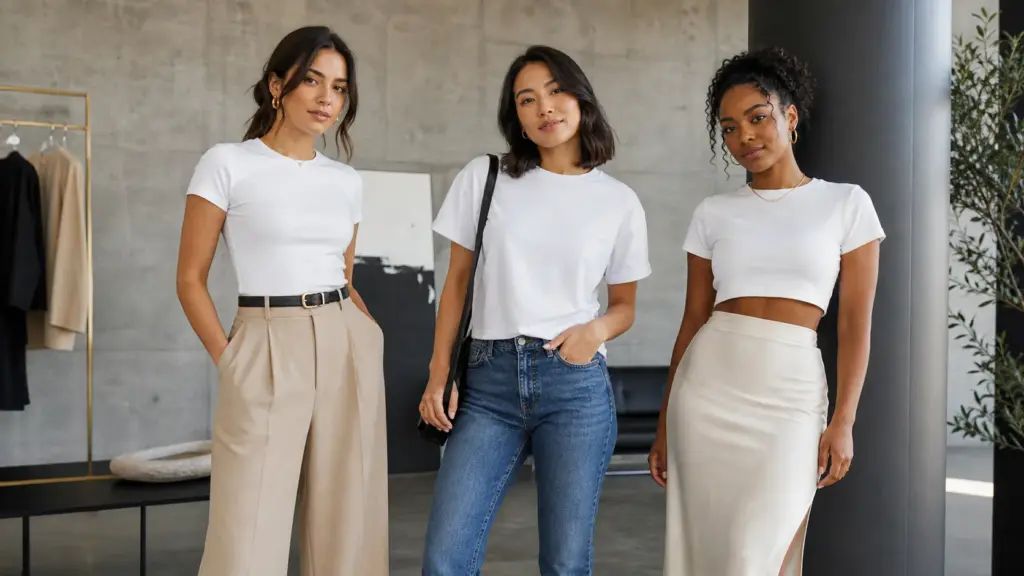
Los roles de camiseta que planeo a propósito
Considero cada camiseta como un producto multifuncional, por lo que planifico las formas de las camisetas de la misma manera que planifico los colores. Utilizo un cuello redondo ajustado cuando necesito una prenda básica debajo de un blazer. Utilizo un cuello en V cuando quiero que el cuello se vea más largo tanto en la percha como puesto. Utilizo una camiseta oversize cuando busco un look urbano relajado, y la combino con una prenda inferior más ajustada para que el conjunto conserve su forma. También diseño camisetas cortas para mujer, como una camiseta ligeramente recortada, porque hace que una prenda inferior de talle alto se vea más moderna y reduce las arrugas. Cuando pruebo las muestras en mi fábrica, primero mido la abertura de la manga y la inclinación del hombro, porque esos dos puntos determinan si una camiseta se ve "barata" o "elegante" en las fotos.
| Tipo de camiseta (tipos de camisas de mujer) | Mejor fondo | Mejor capa | Pequeño detalle de ajuste que reviso |
|---|---|---|---|
| Camiseta ajustada de cuello redondo | pantalones de pierna ancha | Chaqueta de sport | recuperación de las costillas del cuello |
| Camiseta holgada | vaqueros rectos | chaqueta vaquera | Largo caído sobre los hombros |
| camiseta corta | Falda de talle alto | Rebeca ligera | control de rizos del dobladillo |
| Camiseta de gran tamaño | Леггинсы | abrigo largo | Resistencia de la abertura lateral |
| camiseta sin mangas | Pantalones cortos a medida | Camisa usada abierta | Abertura de la sisa |
¿Cómo puedo elegir entre diferentes tipos de blusas y camisas para mujer?
Veo que los compradores confunden blusas con camisas de botones, y la colección pierde coherencia. Esa confusión dificulta las decisiones de compra. Yo las separo por estructura, tejido y cómo quedan en el cuerpo.
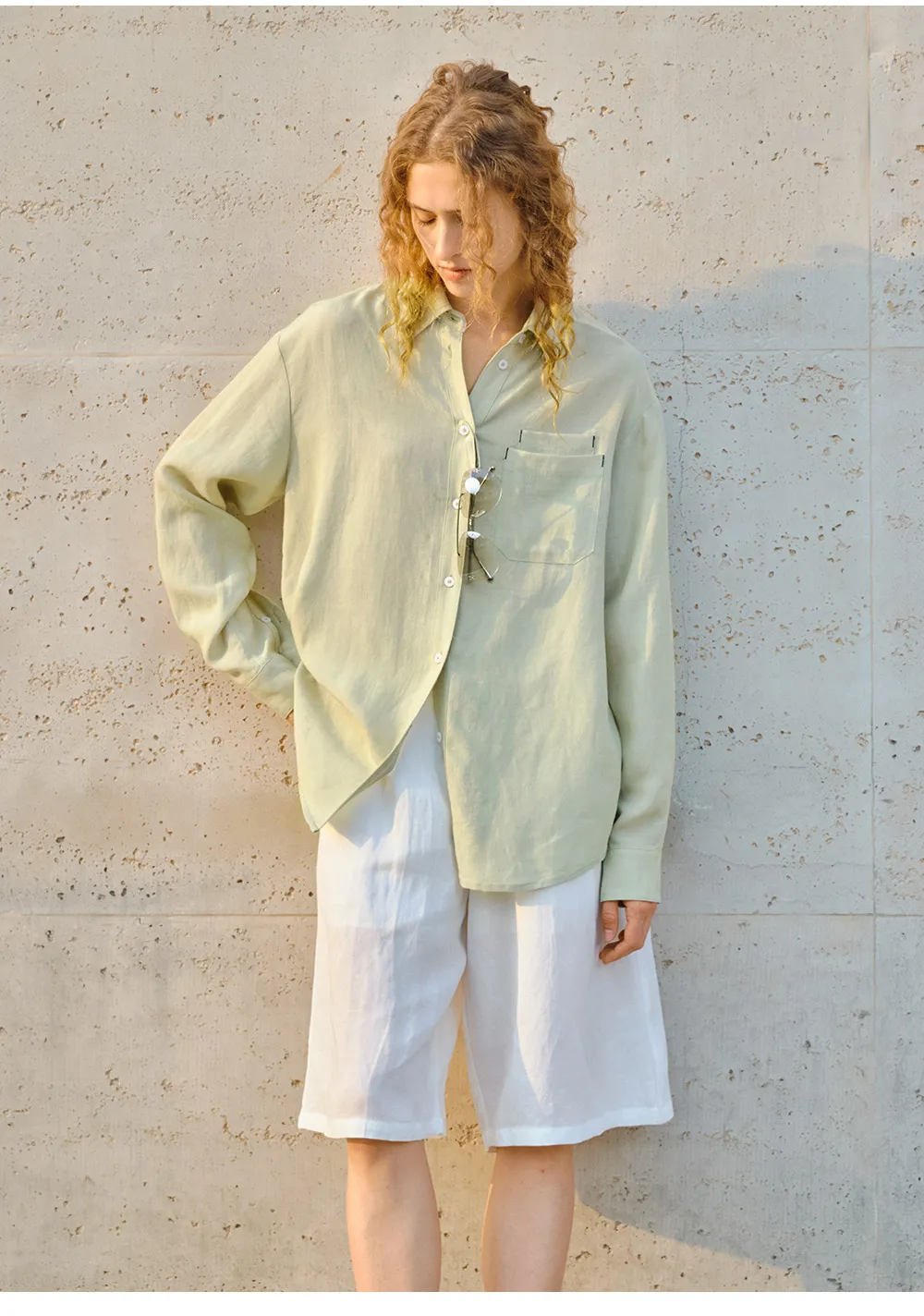
Considero la blusa como una prenda más suave que cae con fluidez, y la camisa como una prenda estructurada que define la línea. Uso blusas para lograr movimiento y suavidad, y camisas abotonadas para líneas definidas y un estilo profesional.
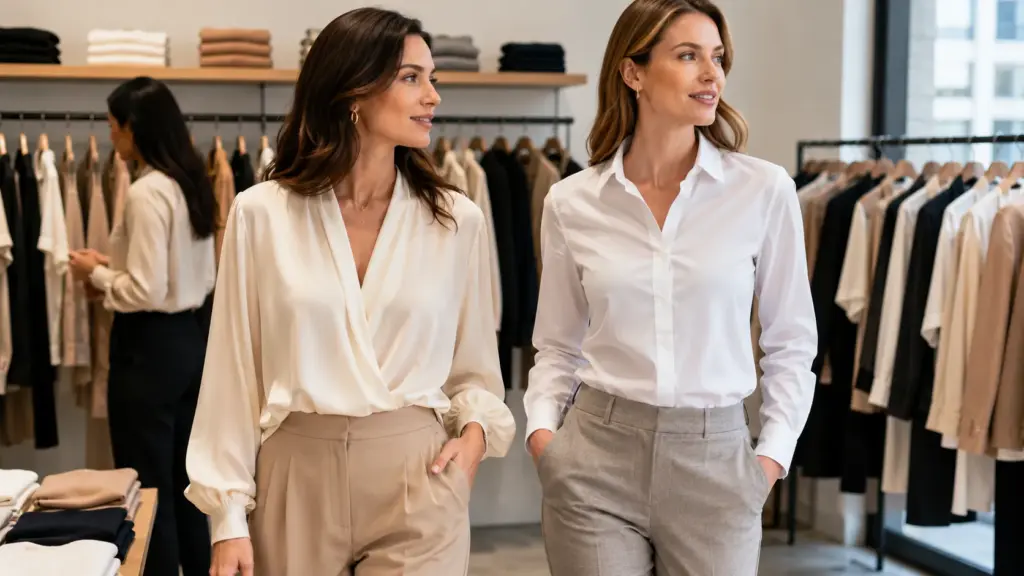
La diferencia que les explico a los compradores en un minuto.
Defino los "tipos de blusa" por su caída y detalles, así que busco telas suaves, frunces delicados y detalles en el cuello como lazos o escotes cruzados. Defino las "camisas de mujer" por su rigidez, así que busco un cuello que se mantenga erguido, una tapeta que permanezca plana y puños que conserven su forma después del lavado. Cuando desarrollo diferentes tipos de blusas de mujer para venta al por mayor, mantengo ambas categorías porque cada una se vende en un momento diferente. Una blusa se vende cuando la clienta quiere verse femenina pero no formal. Una camisa se vende cuando la clienta quiere verse competente y elegante. También planifico "tipos de blusas para vestidos" en esta categoría, porque una blusa sencilla o una camisa ajustada se pueden usar debajo de un vestido de tirantes o un vestido lencero cuando cambia la temporada.
| Categoría | Estilos comunes (diferentes estilos de blusas) | Donde lo coloco en una línea | Un punto de control de calidad que nunca me salto. |
|---|---|---|---|
| Blusas | Blusa con cuello anudado, estilo cruzado, botones suaves y mangas con volantes. | De la oficina a la cena | Prueba de transparencia bajo la luz |
| Camisas de mujer | Camisa clásica abotonada, camisa extragrande, camisa de popelina | Conceptos básicos del trabajo | Simetría del soporte del collar |
| Blusas elegantes | Blusa de satén, blusa adornada | noches de fiesta | Comprobación de arrugas en las costuras |
| Blusas tejidas de corte relajado | Cuello tipo campamento, manga corta tejida | Días informales | Encogimiento después del lavado |
¿Por qué las blusas cruzadas y las blusas con volantes favorecen a tantos tipos de cuerpo?
Escucho a clientas decir: “No tengo cintura”, y entonces evitan las blusas ajustadas. Ese miedo frena las ventas. Utilizo blusas cruzadas y con volantes porque estilizan la figura de forma favorecedora.
Las blusas cruzadas y las blusas con volantes favorecen a muchos tipos de cuerpo porque dirigen la mirada hacia la cintura sin comprimirla. Utilizo líneas cruzadas para crear una V definida y el volumen de los volantes para equilibrar las caderas y los hombros.
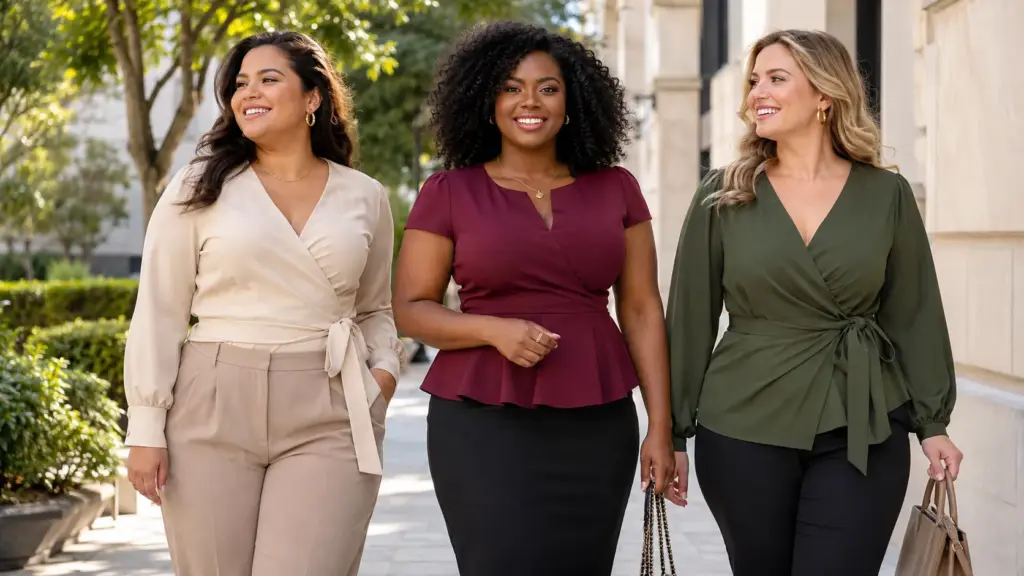
La lógica de la forma del cuerpo que utilizo en las pruebas de ajuste.
Utilizo el mismo método que uso al revisar guías como las de Adrianna Papell y artículos similares sobre "tipos de blusas", pero lo pruebo en muestras reales y conjuntos de tallas reales. Para una figura de manzana, prefiero un vestido cruzado que se cruce más arriba, ya que atrae la atención hacia arriba y evita que se vea en la parte más ancha. Para una figura de pera, prefiero un vestido cruzado con detalle en el hombro o con forma de manga, ya que equilibra la parte superior del cuerpo. Para una figura de reloj de arena, mantengo el cinturón fijo y evito el exceso de tela en el busto. Para una figura rectangular, prefiero el peplum porque añade curvas, y me gusta el detalle del cinturón porque define la cintura. También controlo el vuelo del peplum, ya que un vuelo excesivo hace que la prenda se vea voluminosa en el perchero y dificulta el empaquetado.
| Tipo de cuerpo | Detalle de la parte superior cruzada que elegí | Detalle de peplum que elijo | Detalle que evito |
|---|---|---|---|
| Manzana | V más alta, lazo suave | Destello ligero, peplum más largo | Cintura gruesa |
| Pera | Escote más ancho, mayor volumen en las mangas | Acampanado medio, costura definida | Peplum muy corto |
| Reloj de arena | Cierre seguro, espalda ajustada | Costura de cintura limpia, cadera lisa | Volantes adicionales |
| Rectángulo | Envoltura con fruncido | Gran efecto acampanado, opción de cinturón | Frente plano y sin forma |
¿Qué hace que las camisetas sin mangas, los tops y los bodys sean fáciles de combinar?
Veo que las blusas sin mangas se venden rápido, pero luego recibo quejas sobre las sisas y las marcas del sujetador. Eso hace que dejen de comprar. Para mí, el diseño de blusas sin mangas es un producto técnico, no un simple corte.
Las blusas y los bodys sin mangas son fáciles de combinar porque se superponen sin problemas y se mantienen lisos debajo de las chaquetas. Elijo el escote según la ocasión y la forma de la sisa para mayor comodidad y cobertura.

Las reglas de estilo que mantengo sencillas para clientes y compradores
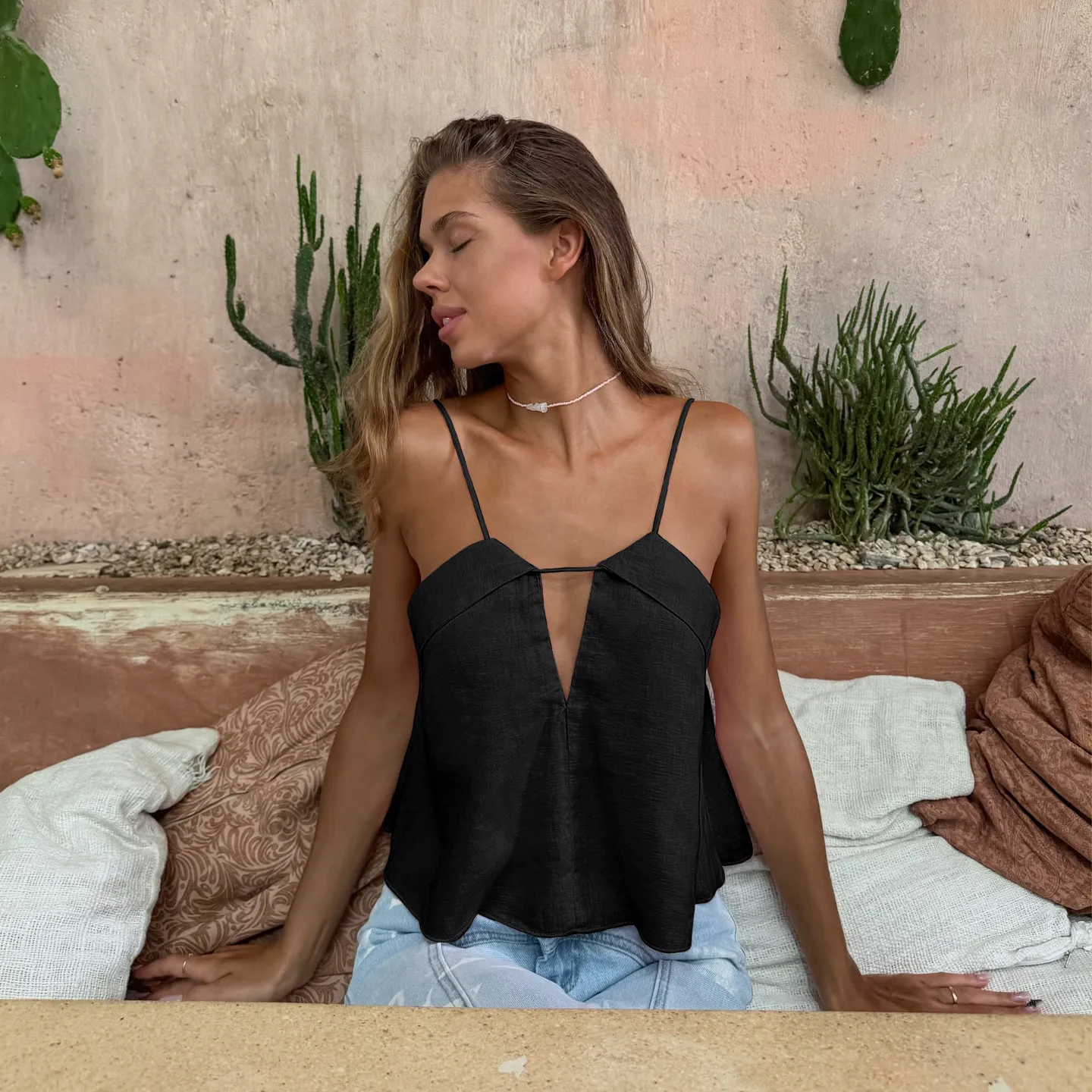
Planifico las blusas sin mangas como "prendas clave" en un armario. Uso una blusa sin mangas de cuello alto cuando quiero un look moderno con pantalones de pierna ancha, y mantengo las joyas sencillas porque el escote ya es el protagonista. Uso una camiseta de tirantes clásica cuando quiero un look casual, y le añado una camisa abierta encima para que el conjunto se vea completo. Uso un top halter cuando la clienta quiere un look más elegante, pero advierto a las compradoras que el ajuste de los tops halter requiere una cuidadosa selección de tallas, ya que el punto del cuello varía según la talla. Uso bodys cuando quiero un look de prenda metida por dentro sin que se vea voluminosa, y los combino con faldas o pantalones de cintura definida. En la producción, verifico la elasticidad y la resistencia de los broches, porque un body falla cuando se deforma o cuando se rompen los broches.
| Estilo | Opciones de escote | La mejor combinación | Detalle clave de la construcción |
|---|---|---|---|
| Tanque | Cuchara, cuadrada | Pantalones vaqueros de corte relajado | Ribete de sisa |
| Cuello alto sin mangas | Mock, tripulación | pantalones de pierna ancha | Estabilidad del acabado del cuello |
| Cabestro | Corbata, fija | Falda de satén, pantalones de corte sastre | Resistencia de la correa |
| Body | V, cuadrado, tripulación | Pantalones de talle alto | Recuperación de estiramientos + chasquidos |
¿Cuándo debo elegir una túnica y cómo puedo combinarla sin que parezca recargada?
Veo que a las clientas les encanta la idea de una prenda que las cubra, pero luego les preocupa que una túnica las haga ver más grandes. Esa preocupación hace que no puedan comprar. Yo consigo que las túnicas luzcan impecables controlando el largo y la forma de los laterales.
Elijo una túnica cuando quiero cobertura y una silueta sencilla, y la combino con una prenda inferior ajustada para mantener el equilibrio. Utilizo aberturas laterales, telas ligeras y una línea de hombros definida para que la túnica luzca intencionada, no demasiado holgada.
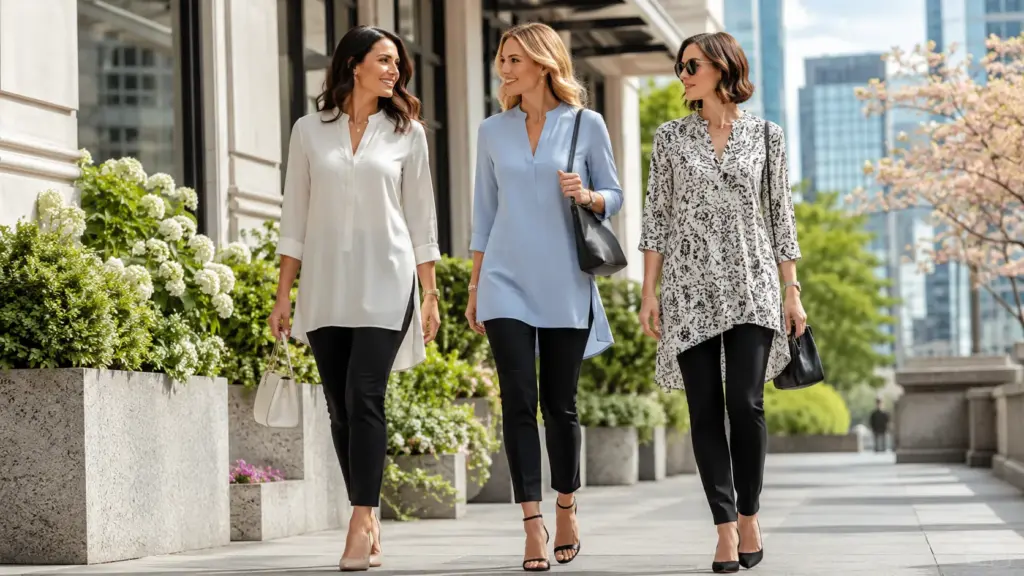
El equilibrio de la túnica que mantiene los conjuntos impecables
Considero las túnicas como una prenda cómoda y segura de mí misma. Las combino con leggings o jeans ajustados, ya que el conjunto necesita una parte ceñida cuando la parte superior tiene más volumen. También uso una túnica con una falda midi recta cuando la túnica tiene una abertura lateral definida, porque la abertura crea una línea vertical y mantiene el movimiento. A veces uso una túnica como una de las "prendas para vestidos" en climas fríos, porque una túnica de punto ligero se puede superponer a un vestido lencero sencillo como una capa superior, y el vestido se convierte en una falda debajo. Mantengo la costura del hombro cerca del punto del hombro, porque un hombro caído más un largo extra a menudo se ve pesado en las fotos. Al hacer las pruebas, reviso la caída del dobladillo después del lavado, porque los dobladillos de las túnicas se ven rápidamente cuando se retuercen.
| Tipo túnica | Mejor fondo | Pieza de estilo adicional | Detalle que evita “pesado” |
|---|---|---|---|
| Túnica recta | Леггинсы | collar largo | Aberturas laterales |
| Túnica de corte A | Vaqueros ajustados | Cinturón estrecho | Tejido ligero |
| túnica camisa | pantalones ajustados | Blazer abierto | Cuello y tapeta impecables |
| túnica de punto | Vestido lencero como base | Botines | Dobladillo estable + canalé |
¿Siguen siendo una buena opción comprar tops con los hombros descubiertos y tops cortos?
Veo que las prendas de moda se venden rápidamente, y luego los compradores temen que desaparezcan la próxima temporada. Ese temor paraliza los pedidos. Yo trato las prendas de moda como un riesgo controlado con un público objetivo bien definido.
Las blusas con los hombros descubiertos se siguen vendiendo bien cuando el escote es estable y la tela se siente segura, y los crop tops se venden bien cuando combinan con pantalones de talle alto. Las compro como conjuntos cápsula específicos, no como la colección completa.

El plan de compra y estilismo que utilizo para las prendas de tendencia.
Mantengo los tops con hombros descubiertos en las colecciones de primavera y verano porque el escote aporta un toque de fin de semana instantáneo. Utilizo elástico suave pero resistente, ya que el elástico áspero deja marcas y el débil se resbala. También añado mangas que se mantienen en su sitio, lo que reduce las devoluciones. Mantengo los crop tops como prendas básicas que combinan bien con vaqueros y faldas de talle alto, porque el espacio entre el top y la falda es mínimo y la clienta se siente segura. No considero los crop tops solo para clientas jóvenes, ya que muchas mujeres buscan un top más corto con talle alto para conseguir una proporción armoniosa. Además, controlo el largo del crop top en centímetros, ya que un pequeño cambio puede convertir la prenda de ponible a arriesgada. Cuando hablo con compradoras como María, combino estas prendas con tops básicos fiables de la misma gama de colores, para que la colección se vea completa.
| Estilo de tendencia | Momento del cliente | Mejor fondo | Detalle decisivo |
|---|---|---|---|
| Hombros descubiertos | Cita nocturna, vacaciones | Falda de talle alto | Recuperación elástica |
| Punto Bardot | Brunch informal | vaqueros rectos | Estabilidad del escote |
| camiseta corta | Informal urbano | Vaqueros de talle alto | Longitud corporal exacta |
| Blusa corta | Fiesta, cena | pantalones de pierna ancha | Revestimiento u opacidad |
Conclusión
Diseño blusas para mujer combinando la forma, el largo y el escote con la parte inferior y la ocasión, para que cada tipo de blusa sea fácil de usar y fácil de vender.
Visitas: 106