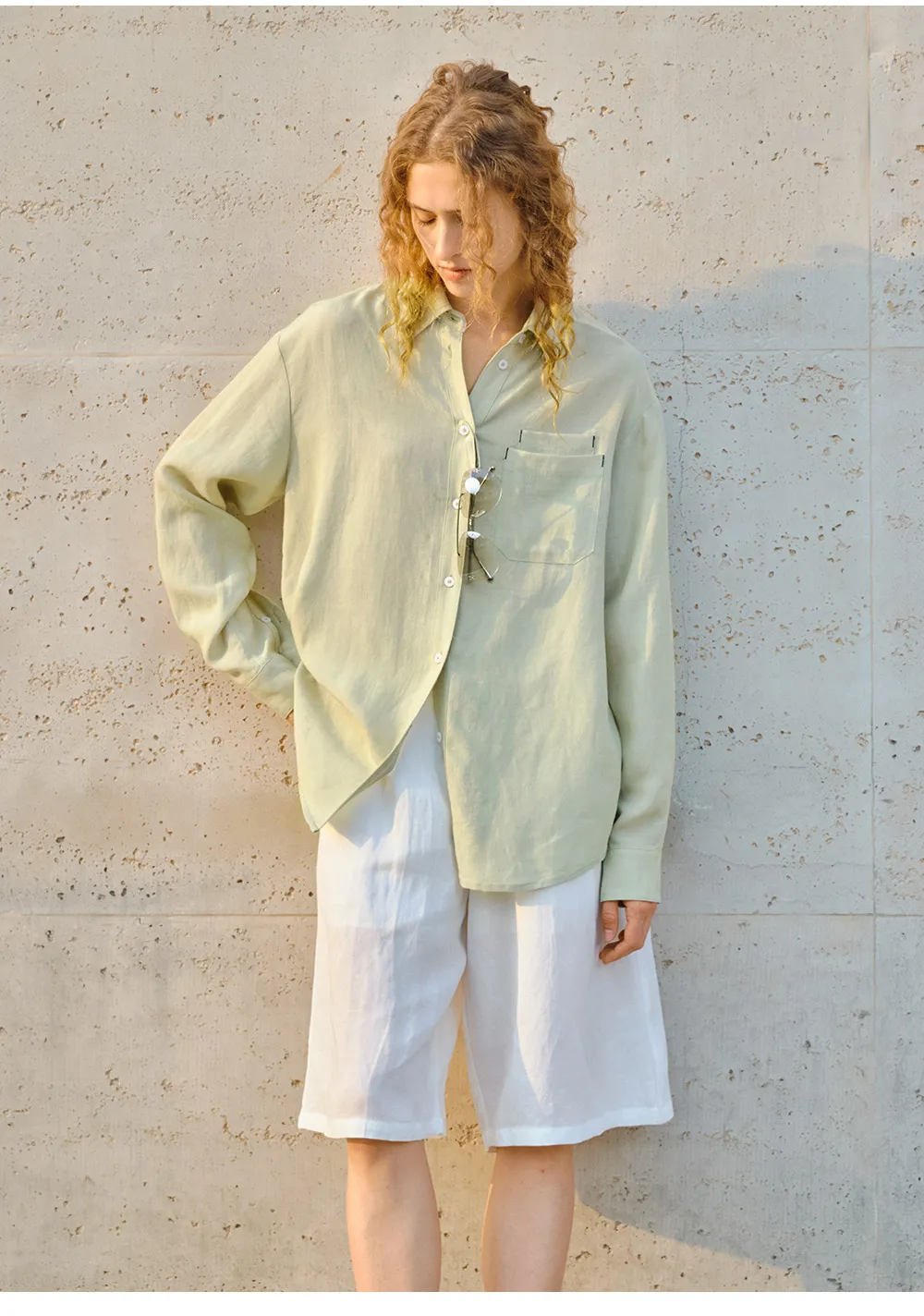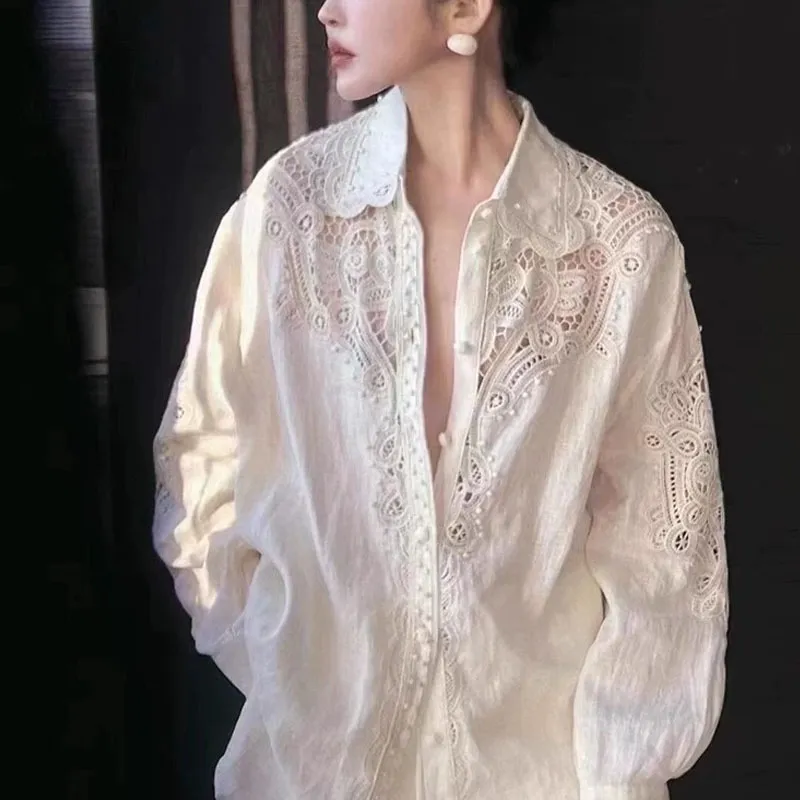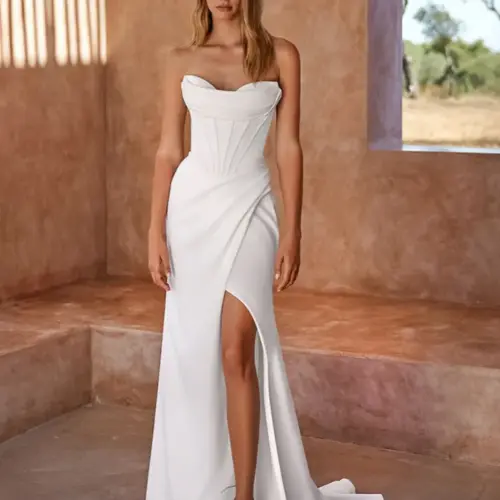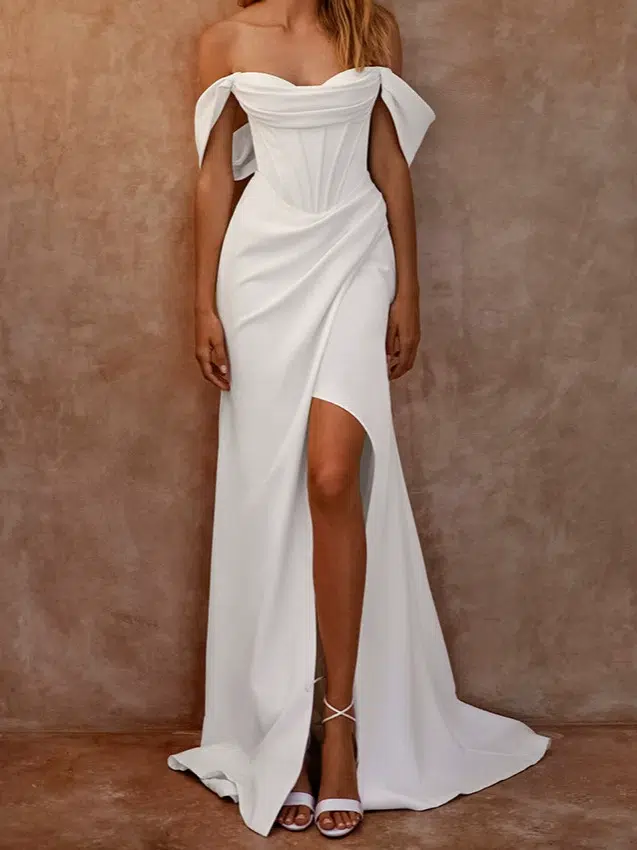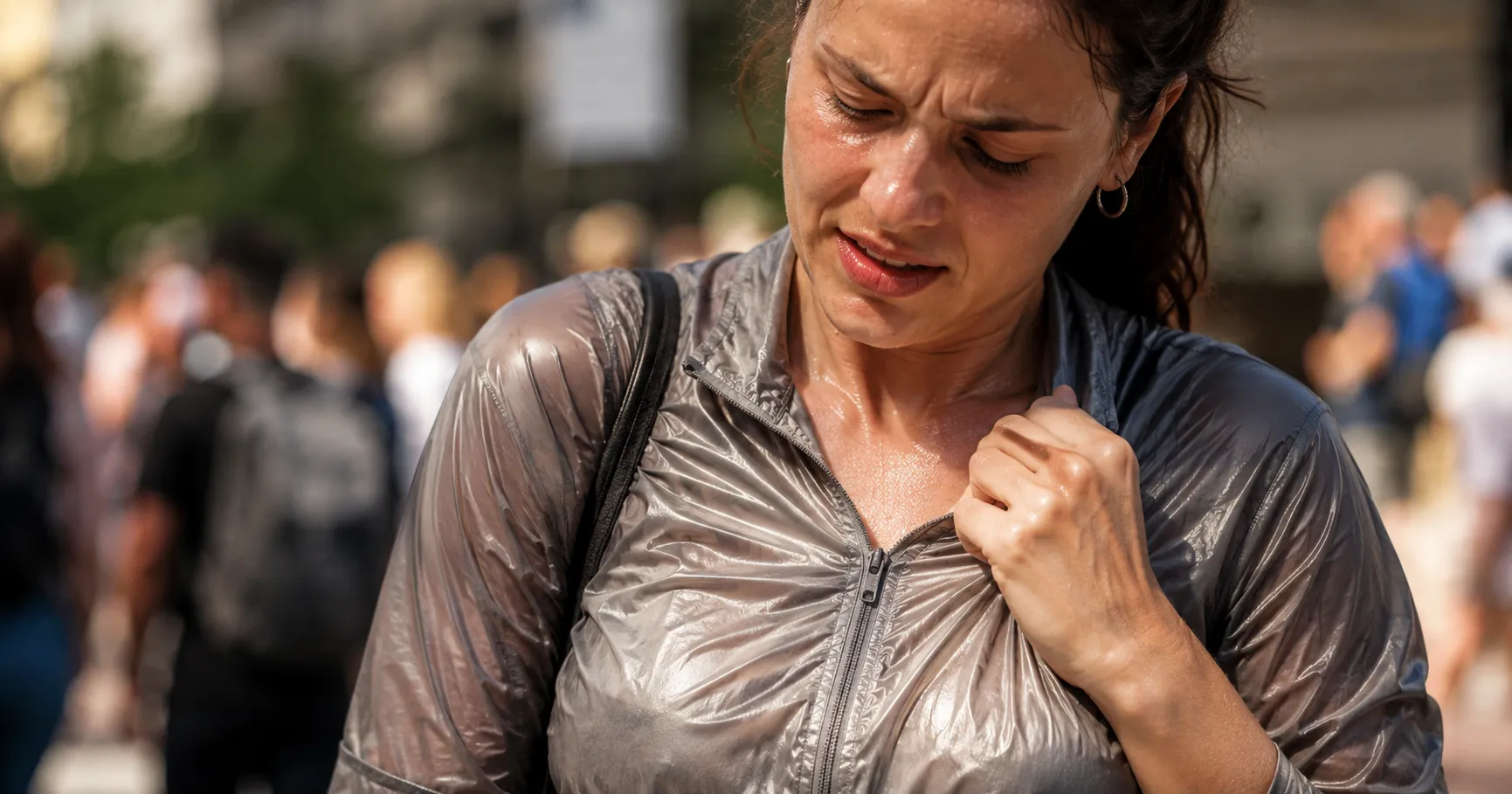

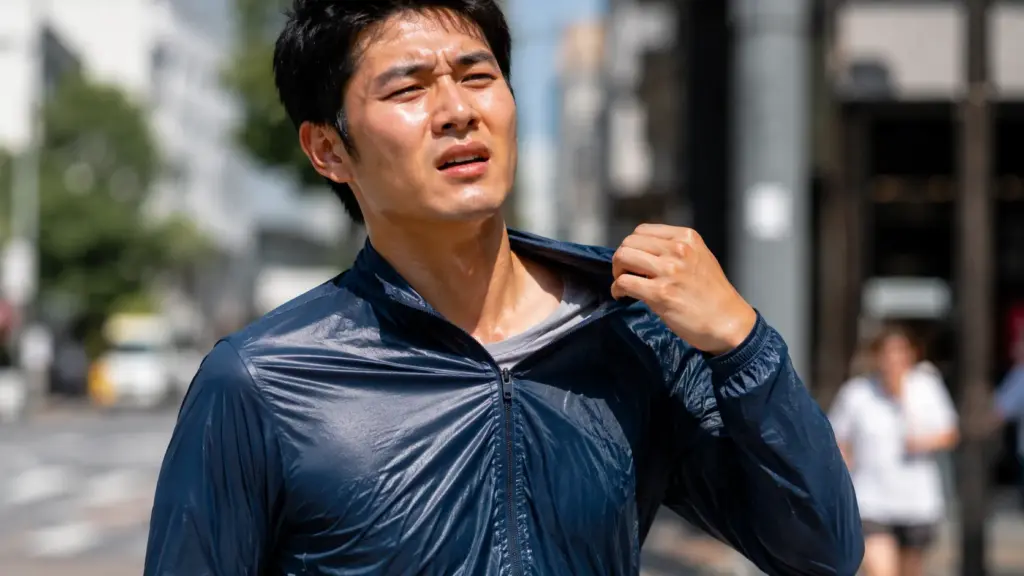
Multor cumpărători le plac hainele din nailon pentru că arată rezistent. Apoi, clienții se plâng de căldură, transpirație, miros și disconfortul pielii. Aici începe costul real.
Nylonul nu este cea mai bună alegere pentru majoritatea hainelor de zi cu zi, deoarece este sintetic, mai puțin respirabil, reține căldura și nu este ideal pentru contactul prelungit cu pielea. Încă folosesc nylon atunci când contează rezistența, rezistența la apă sau greutatea redusă, dar rareori îl aleg ca material principal. material textil pentru tricouri de zi cu zi, lenjerie intimă sau ținute de vară.
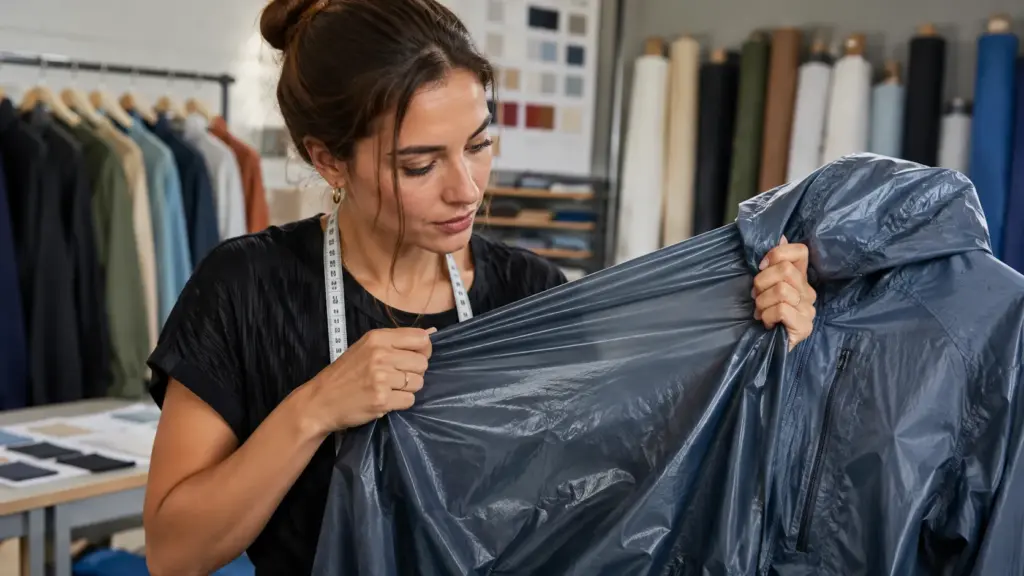
Nu resping nailonul din material textil într-un mod simplu. Mă uit la îmbrăcăminte, sezon, client și preț de vânzare. În munca mea în fabrică, am văzut cum nailonul a salvat o comandă de jachete și am văzut, de asemenea, cum nailonul a ruinat un program de producție pentru cămăși simple. Așadar, întrebarea mai bună nu este doar “este nailonul un material bun?”. Întrebarea mai bună este “unde ar trebui să folosesc nailonul și unde ar trebui să-l evit?”.”
Din ce este fabricată țesătura de nailon?
Mulți oameni ating hainele din nailon și cred că sunt doar niște materiale netede. Problema începe atunci când nu știu ce se ascunde în spatele acelei senzații fine la atingere.
Nylonul este o fibră sintetică fabricată din plastic poliamidic. Nu este bumbac, ...și nu este o fibră naturală. Când explic din ce este fabricată țesătura de nailon, le spun cumpărătorilor că nailonul este rezistent, ușor și util, dar este totuși un material de îmbrăcăminte pe bază de plastic artificial.
Răspunsul material simplu
Când un cumpărător mă întreabă “din ce este alcătuit nailonul?”, dau mai întâi un răspuns simplu. Nylonul este fabricat din polimeri cu lanț lung numiți poliamide. În limbajul de aprovizionare zilnic, aceasta înseamnă că nailonul este sintetic, nu natural. Așadar, când oamenii întreabă “nailonul este sintetic sau natural?”, răspund clar. Nylonul este sintetic. Când oamenii întreabă “nailonul este fabricat din plastic?”, spun că da, este un tip de plastic care poate fi transformat în fibre, fire, țesături și îmbrăcăminte.
| Întrebarea cumpărătorului | Răspunsul meu clar | De ce contează în îmbrăcăminte |
|---|---|---|
| Este nailonul o fibră sintetică? | Da. | S-ar putea să se simtă mai puțin natural pe piele. |
| Nylonul este bumbac? | Nu. | Bumbacul și nailonul se comportă foarte diferit. |
| Nylonul este fabricat din plastic? | Da, în termeni practici de aprovizionare. | Poate elimina microfibrele sintetice. |
| Cum se simte nailonul? | Neted, rece la prima atingere și uneori alunecos. | Se poate simți lipicios atunci când corpul transpiră. |
| Nylonul la ce se folosește? | Jachete, genți, îmbrăcăminte sport, căptușeli, costume de baie și accesorii. | Funcționează cel mai bine atunci când funcționalitatea contează mai mult decât confortul moale. |
De ce este important acest lucru pentru planificarea produsului
Îmi pasă de acest aspect deoarece multe mărci aleg un material doar în funcție de senzația la atingere. O jachetă roșie din nailon, o jachetă albastră din nailon sau o fustă albă din nailon pot arăta foarte curate într-o sală de mostre. Dar clientul final poartă articolul de îmbrăcăminte ore în șir. Atunci respirabilitatea, căldura, umiditatea și atingerea pielii devin mai importante decât aspectul din showroom. De asemenea, verific dacă nailonul este țesut, tricotat, ripstop, twill, acoperit sau amestecat. Un amestec de nailon și bumbac se poate simți foarte diferit de nailonul 100%. O cămașă din nailon și elastan se poate întinde bine, dar totuși poate fi caldă. De aceea nu tratez niciodată toate materialele de îmbrăcăminte din nailon ca pe un singur lucru.
Care sunt principalele dezavantaje ale îmbrăcămintei din nailon?
O mostră de nailon poate arăta perfect pe un umeraș. Apoi, purtătorul simte căldura, transpirația și disconfortul după o zi întreagă. Aceasta este problema ascunsă.
Principalele dezavantaje ale îmbrăcămintei din nailon sunt respirabilitatea scăzută, retenția de căldură, posibila acumulare de mirosuri, electricitatea statică, disconfortul pielii și problemele legate de mediu. Consider nailonul un material util și performant, dar nu îl consider cel mai bun material principal pentru majoritatea hainelor de zi cu zi.
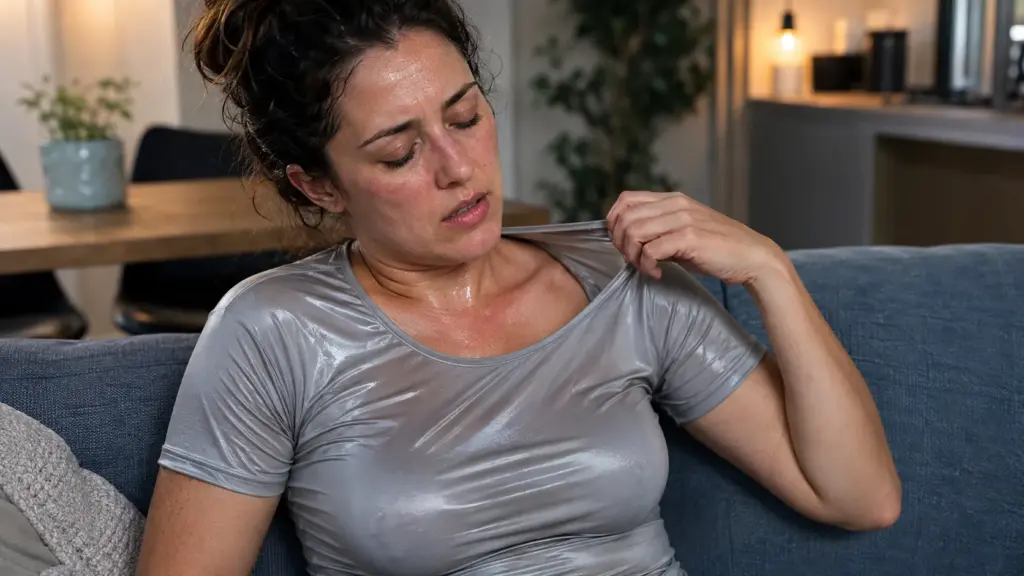
Problema confortului
Adesea încep cu un test simplu. Întreb unde atinge corpul haina. Fie că este un tricou tip nailon, lenjerie intimă din nailon sau o cămașă din material textil din nailon pentru vară, devin atent. Nailonul poate absorbi o parte din umezeală în anumite construcții și se poate usca rapid. Dar nu respiră întotdeauna bine. Multe haine din nailon prind aerul cald în apropierea corpului. Acest lucru poate face ca transpirația să fie lipicioasă. De aceea, oamenii caută “este nailonul respirabil?”, “respiră nailonul” și “este nailonul un material textil respirabil”. În cazul multor articole vestimentare de zi cu zi, răspunsul meu este nu, nu este suficient.
| Dezavantaj | Ceea ce poate simți clientul | Acțiunea mea din partea cumpărătorului |
|---|---|---|
| Respirabilitate scăzută | Se acumulează căldură și transpirație. | Evit nailonul 100% pentru hainele de bază de vară. |
| Atingere lipicioasă după transpirație | Materialul se simte lipicios. | Folosesc amestecuri sau zone de plasă. |
| Risc de miros | Mirosul de transpirație persistă mai mult timp. | Testez spălarea și uscarea. |
| Static | Haina se lipește de piele. | Recenziez finisajele și amestecul de fibre. |
| Disconfort cutanat | Unii purtători simt mâncărimi sau frecare. | Îl evit pentru produsele pentru pielea sensibilă. |
Problema potrivirii și a sezonului
Nylonul este puternic. Nylonul este durabil. Nylonul este ușor. Acestea sunt beneficii reale ale nailonului. Dar beneficiile pot deveni probleme atunci când utilizarea este greșită. De exemplu, o jachetă din nailon tip pulover poate funcționa bine pe vreme de vânt. Însă un top din nailon tip pulover, purtat în interior, poate fi prea cald. Pantalonii de trening din nailon pot arăta sport, dar s-ar putea să nu fie confortabili în orașele cu umiditate ridicată. Nylon poliester Pantalonii pot fi rezistenți, dar ambele fibre sunt sintetice. Așa că adaptez întotdeauna nailonul la climă și la utilizarea de către client. De asemenea, testez contracția, alunecarea cusăturilor, rezistența culorii și frecarea. O fustă de nailon bej, o jachetă din nailon ripstop portocaliu sau o geantă din nylon twill pot trece teste diferite. Tipul de produs decide riscul.
Este nailonul mai bun decât poliesterul pentru haine?
Mulți cumpărători mă roagă să aleg un câștigător. Dar această întrebare îi poate împinge în decizia greșită. Nylonul și poliesterul rezolvă probleme diferite.
Nylonul este adesea mai rezistent și mai rezistent la abraziune, în timp ce poliesterul este adesea mai stabil, mai ieftin și mai ușor de manevrat pentru multe haine. În ceea ce privește îmbrăcămintea din nailon față de cea din poliester, aleg în funcție de utilizarea articolului de îmbrăcăminte, prețul țintă, nivelul de confort și nevoile de îngrijire.
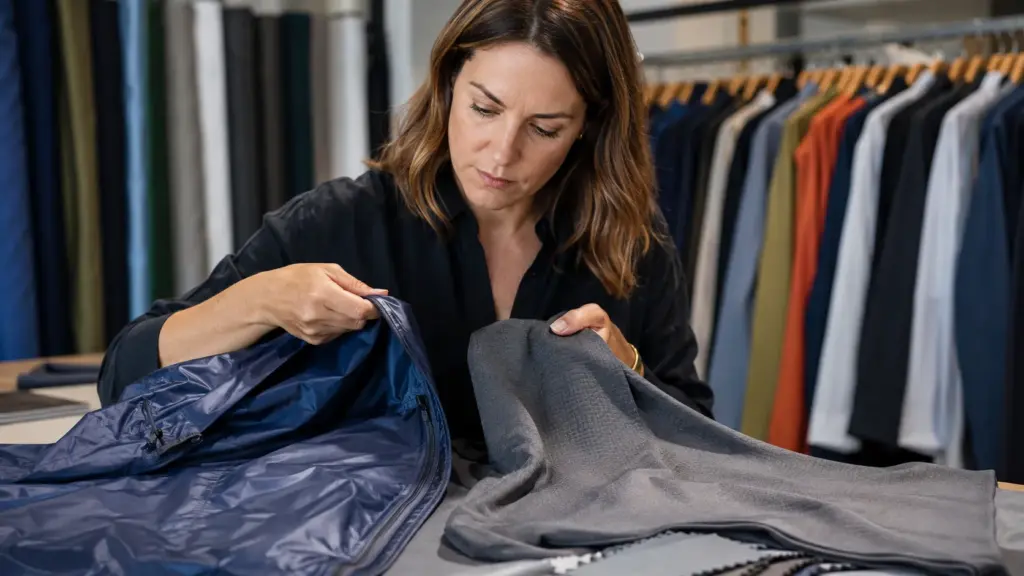
Țesătură din nailon vs. poliester
Când un cumpărător întreabă “este nailonul mai bun decât poliesterul?”, nu răspund cu da sau nu. Întreb ce trebuie să facă articolul de îmbrăcăminte. Pentru jachetele de exterior, nailonul poate fi o opțiune bună. Pentru multe tricouri, hanorace, rochii și topuri de zi cu zi, amestecurile de poliester sau de bumbac pot fi mai ușor de vândut. Poliesterul își păstrează adesea bine culoarea. De asemenea, are o bună stabilitate a formei. Nailonul se poate simți mai neted și mai rezistent, dar poate absorbi puțin mai multă umiditate decât poliesterul și poate prelua vopseaua diferit. Așadar, nailonul vs. poliester nu este un concurs de frumusețe. Este o decizie de produs.
| Compararea materialelor | Unde l-aș putea folosi | Unde stau atent |
|---|---|---|
| Haine din nailon vs. poliester | Jachete, genți, panouri sport, geci de vânt. | Cămăși, lenjerie intimă, bluze pentru vreme caldă. |
| Polipropilenă vs. nailon | Izolație ușoară, straturi tehnice, utilizare sportivă. | Articole de modă care necesită o senzație moale la atingere. |
| Poliuretan vs. nailon | Acoperire, piele ecologică, folii elastice. | Articole vestimentare care acoperă tot corpul și care au o circulație slabă a aerului. |
| Polietilenă vs. nailon | Ambalaj, utilizări tehnice, unele ornamente. | Material obișnuit pentru îmbrăcăminte la modă. |
| Nylon vs. Delrin | Nasturi, catarame, părți dure. | Decizii privind materialul, deoarece Delrinul nu este un material obișnuit pentru îmbrăcăminte. |
| Este spuma mai bună decât nailonul? | Spuma poate funcționa ca și căptușeală. | Spuma nu înlocuiește materialul exterior. |
De ce cumpărătorii nu ar trebui să compare doar prețul
Am văzut cumpărători care se concentrează doar pe prețul materialului. Acest lucru poate fi periculos. Un material sintetic cu preț mai mic poate crea un risc de returnare mai mare atunci când clienții nu-i plac senzația pe care o oferă. Un program de îmbrăcăminte din nailon poate părea profitabil la început. Dar reclamațiile târzii pot dăuna unui brand. Prefer să compar costul la livrare, rata de defecte, senzația la atingere a materialului, testele de laborator, confortul și riscul de pe eticheta de îngrijire. Nylonul poate fi bun pentru o geacă la modă. Poate fi bun pentru o geacă rezistentă la vânt. Poate fi bun pentru o jachetă shell din puf. Dar un tricou sau o lenjerie intimă din nailon pot fi bune sau rele în funcție de structura tricotajului, raportul de amestec, finisajul și așteptările clienților. De aceea testez înainte de a aprob materialul vrac.
Este nailonul sigur de purtat și sigur pentru piele?
Unii clienți văd cuvântul „sintetic” și devin îngrijorați. Unii furnizori spun că nu există nicio problemă. Cred că ambele părți au nevoie de un răspuns mai clar.
Nylonul este folosit în general în îmbrăcăminte, dar s-ar putea să nu fie sigur sau confortabil pentru orice tip de piele. Principalele probleme sunt căldura, transpirația, frecarea, coloranții, substanțele chimice de finisare și durata lungă de purtare. Pentru pielea sensibilă, prefer amestecuri naturale mai moi sau țesături testate cu iritații reduse.
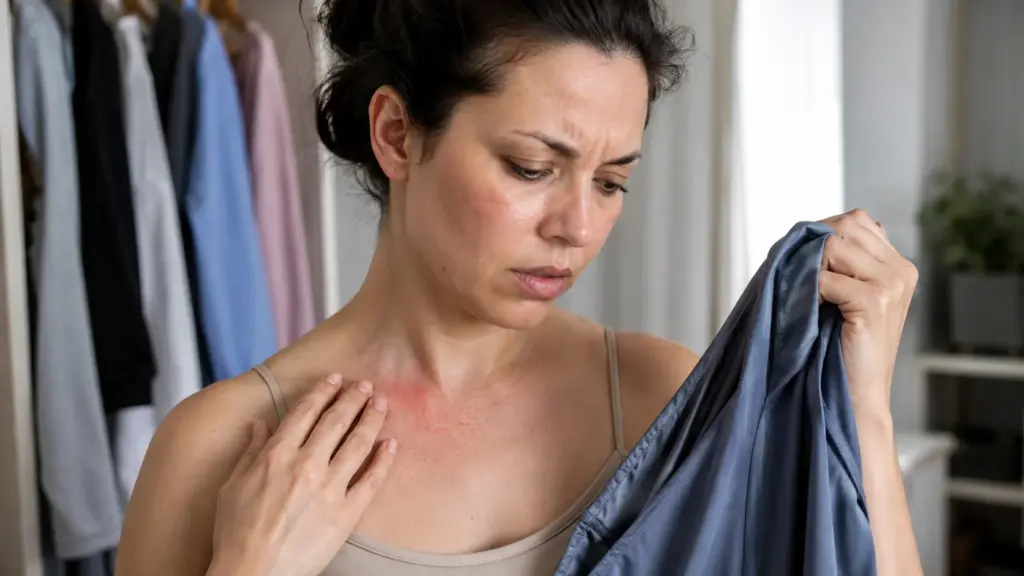
Este țesătura de nailon toxică?
Când cumpărătorii întreabă “este nailonul toxic de purtat?” sau “este țesătura din nailon toxică?”, evit răspunsurile bazate pe frică. O țesătură din nailon conformă, provenită de la o fabrică serioasă, ar trebui să îndeplinească regulile de siguranță și standardele de testare. Dar “conform” nu înseamnă întotdeauna “confortabil”. Problemele pielii provin adesea din transpirația acumulată, frecarea cusăturilor, vopsirea deficitară, agenți de finisare puternici sau un control al calității deficitar. Așa că verific întregul articol de îmbrăcăminte. Nu verific doar denumirea fibrei.
| Îngrijorare | Ce ar putea cauza | Ce verific în producție |
|---|---|---|
| Este nailonul sigur pentru piele? | Căldură, transpirație, frecare sau reziduuri chimice. | Rapoarte de testare a țesăturilor și test de spălare. |
| Este nailonul dăunător pentru piele? | Pielea sensibilă poate reacționa la un confort insuficient. | Senzație la atingere, plasarea cusăturilor și finisaj. |
| Este lenjeria intimă din nailon bună sau rea? | Contact prelungit cu pielea și acumulare de umiditate. | Respirabilitate, căptușeală, clin și siguranță la vopsire. |
| Este nailonul toxic pentru piele? | De obicei, nu fibra în sine, ci și prelucrarea defectuoasă poate fi un risc. | Înregistrările și certificarea furnizorilor. |
| Este nailonul sigur? | Depinde de utilizare, rezultatele testelor și nevoile purtătorului. | Testare de laborator înainte de producția în vrac. |
De ce este importantă certificarea pentru comenzile B2B
Pentru producția de îmbrăcăminte B2B, nu am încredere doar în cuvinte. Cer rapoarte de testare, conținut de fibre, rezistență a culorii, contracție și verificări ale substanțelor restricționate. Acest lucru contează mai mult atunci când comanda include haine pentru copii, lenjerie intimă, îmbrăcăminte sport strâmtă sau articole vestimentare pentru vreme caldă. Unii cumpărători au avut probleme cu furnizorii care au falsificat certificate. Înțeleg această problemă. Așadar, prefer controlul direct din fabrică, revizuirea clară a documentelor și testarea aleatorie înainte de expediere. Un material textil poate arăta bine, dar un cumpărător are nevoie de dovezi. Acesta este și motivul pentru care le spun clienților să spele hainele noi înainte de a le purta. Spălarea poate reduce vopseaua liberă, praful și unele reziduuri de suprafață. De asemenea, oferă cumpărătorilor o modalitate simplă de a verifica comportamentul țesăturilor în viața reală.
Conține îmbrăcămintea din nailon microplastice?
O haină poate arăta curată și premium. Dar fiecare spălare poate elibera fibre minuscule pe care niciun client nu le poate vedea. Aceasta este o preocupare modernă serioasă.
Da, îmbrăcămintea din nailon poate contribui la poluarea cu microfibre și microplastice, deoarece nailonul este o fibră sintetică pe bază de plastic. Îmbrăcămintea din nailon reciclat poate reduce o parte din utilizarea materialelor virgine, dar nu elimină complet problema microfibrei în timpul purtării și spălării.
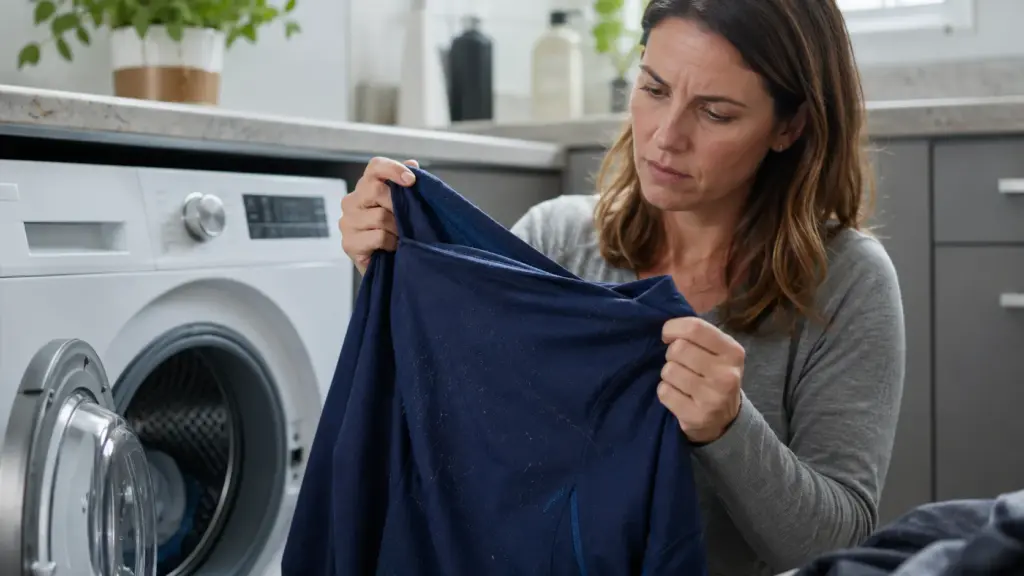
Problema spălării
Când oamenii mă întreabă “are nailonul microplastic?”, explic într-un mod simplu. Nylonul în sine este o fibră sintetică. În timpul purtării și spălării, fibre minuscule se pot desprinde de suprafața țesăturii. Aceste fibre pot pătrunde în sistemele de apă. Cantitatea poate varia în funcție de calitatea firului, structura țesăturii, periere, finisare, metoda de spălare și vârsta hainei. Un twill de nailon țesut dens se poate comporta diferit față de un tricotaj lejer. O țesătură exterior acoperită se poate comporta diferit față de un material periat moale. Așadar, nu fac o singură afirmație simplă pentru toate ținutele din nailon. Testez și reduc riscurile acolo unde pot.
| Alegere | Un punct mai bun | Îngrijorare persistentă |
|---|---|---|
| nailon virgin | Puternic și disponibil pe scară largă. | Preocupare legată de microfibrele sintetice și pe bază de fosile. |
| Îmbrăcăminte din nailon reciclat | Folosește materiale reziduale și poate reduce aportul de materiale virgine. | Încă sintetic și poate pierde fibre. |
| Nylon pe bază biologică | Poate reduce aportul de combustibili fosili în unele cazuri. | Trebuie verificate aprovizionarea, costul și performanța. |
| Amestec de nailon și bumbac | Poate îmbunătăți confortul. | Conține în continuare nailon sintetic. |
| Construcție mai bună a țesăturii | Poate reduce riscul de năpârlire. | Necesită control și testare la moară. |
Ce recomand cumpărătorilor
Nu folosesc sustenabilitatea ca slogan. O folosesc ca pe o listă de verificare a aprovizionării. În primul rând, întreb dacă nailonul este cu adevărat necesar. Dacă produsul are nevoie de rezistență la abraziune, greutate redusă sau protecție împotriva vântului, nailonul ar putea fi o opțiune rezonabilă. Dacă produsul este un tricou simplu, aleg adesea bumbac, bumbac modal, bumbac poliester, amestecuri de viscoză sau alte opțiuni mai moi. În al doilea rând, întreb fabrica despre nailonul reciclat, calitatea firului și testare. În al treilea rând, verific instrucțiunile de spălare. O haină care rezistă mai mult poate reduce risipa. Dar o haină care este inconfortabilă poate fi purtată o singură dată. Și aceasta este o risipă. Pentru mine, alegerea responsabilă a țesăturilor înseamnă că trebuie echilibrate confortul, durabilitatea, prețul și riscul pentru mediu.
Când ar trebui să mai folosesc nailon în îmbrăcăminte?
Unii oameni aud dezavantajele nailonului și vor să-l elimine din fiecare produs. Nu cred că aceasta este o aprovizionare inteligentă.
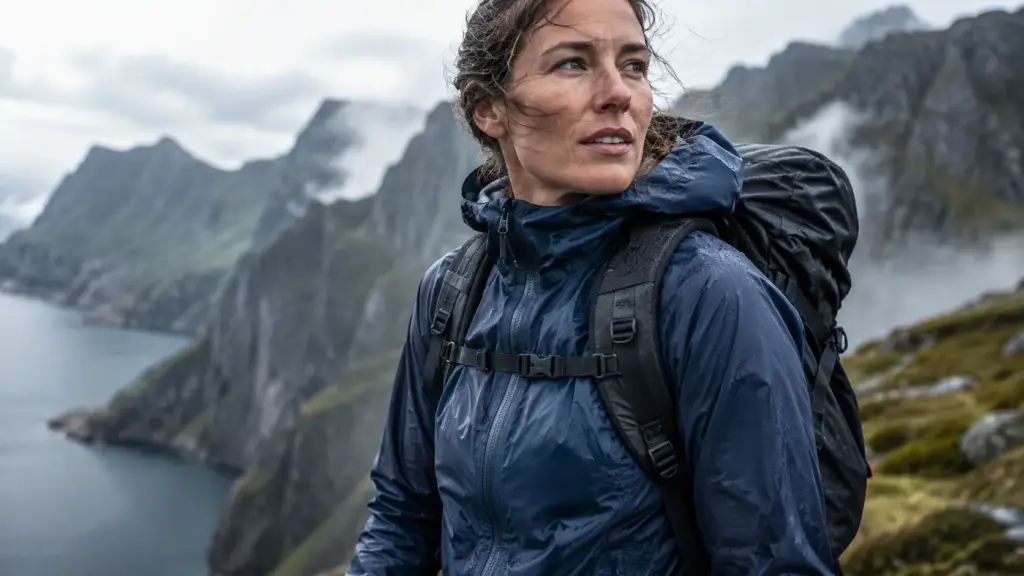
Încă folosesc nailon atunci când hainele necesită rezistență, greutate redusă, rezistență la abraziune, rezistență la apă sau un aspect tehnic neted. Nailonul nu este ideal pentru majoritatea hainelor de zi cu zi care intră în contact cu pielea, dar poate fi excelent pentru îmbrăcăminte exterioară, genți, garnituri și panouri performante.
Utilizări bune pentru nailon
La ce se folosește nailonul? În munca mea, îl folosesc adesea pentru jachete, geci de vânt, paltoane, jachete cu puf, genți la modă, panouri sport, căptușeli, buzunare și unele articole de îmbrăcăminte pentru exterior. O jachetă roșie din nailon se poate vinde bine. O geacă de vânt din material textil alb din nailon poate arăta modern. Materialul textil portocaliu ripstop poate fi potrivit pentru moda în aer liber sau inspirată de siguranță. Nylonul twill poate fi bun pentru genți și ornamente. Nylonul este rezistent, iar această rezistență are o valoare reală.
| Tipul de produs | Decizia mea privind nailonul | Motiv |
|---|---|---|
| Geacă de vânt | Bună alegere. | Ușor, neted și rezistent la vânt. |
| Geacă de puf | Adesea bine. | Ajută la menținerea umpluturii și la reducerea greutății. |
| Geantă de modă | Bună alegere. | Puternic și ușor de curățat. |
| Tricou din nailon | De obicei, atent. | Confortul pielii poate fi slab. |
| Cămașă din material de nailon | Depinde de amestec și sezon. | Mai potrivit pentru un look la modă decât pentru confortul pe vreme caldă. |
| Pantaloni de jogging din nailon | Depinde de climă. | Potrivit pentru stilul sport, dar poate fi călduros. |
| Pulover din nailon | Mai bine ca haină de exterior. | Nu este ideal ca bluză de zi cu zi pentru interior. |
Cum fac nailonul să funcționeze mai bine
Când este nevoie de nailon, îl îmbunătățesc prin design. Pot folosi căptușeală din plasă, găuri de ventilație, o croială mai lejeră, căptușeală din bumbac sau panouri mixte. Pot alege țesătura pentru cămașă din nailon și elastan doar atunci când elasticitatea și recuperarea contează. Pot folosi pantaloni din nailon și poliester atunci când durabilitatea și forma sunt mai importante decât atingerea naturală. Pot folosi un amestec de nailon și bumbac atunci când cumpărătorul dorește atât rezistență, cât și confort. De asemenea, acord o atenție deosebită culorii. Țesăturile din nailon bej, nailon albastru, nailon roșu și nailon alb pot necesita un control diferit al vopselei și al rezistenței culorii. Aceeași țesătură de culoare închisă și de culoare deschisă poate avea performanțe diferite. Acesta este motivul pentru care echipa mea testează imersiile în laborator, țesăturile vrac și articolele finite înainte de expediere.
Cum pot cumpărătorii la comandă personalizată să aleagă o țesătură mai bună cu Truekung?
Mulți cumpărători nu pierd bani pentru că au ales nailonul. Pierd bani pentru că au ales nailonul fără un motiv clar, un plan de testare sau control din partea furnizorului.
Pentru cumpărătorii B2B, recomand alegerea nailonului doar după verificarea utilizării hainelor, a sezonului, a clientului țintă, a certificării, a comportamentului de spălare și a prețului. La Truekung, ajut brandurile și angrosiștii să selecteze țesături practice pentru comenzile de îmbrăcăminte OEM/ODM înainte de începerea producției în vrac.
Lista mea de verificare a materialelor textile din fabrică
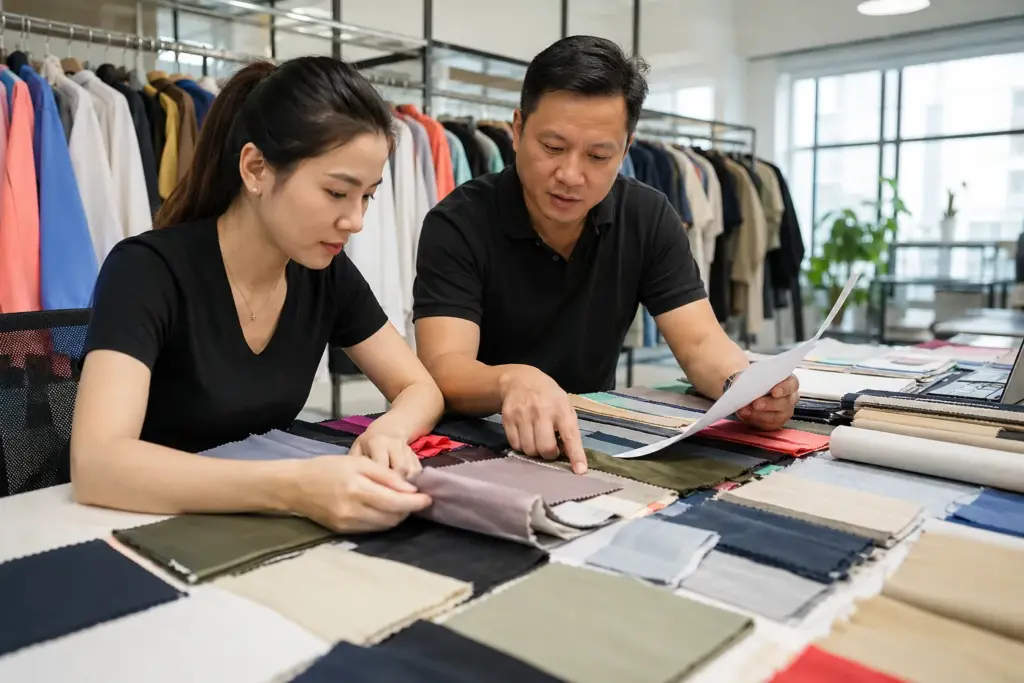
Lucrez cu cumpărători cărora le pasă de calitate, dar au nevoie și de prețuri competitive. Înțeleg acest echilibru. Un cumpărător ar putea dori o ținută din nailon pentru o linie de produse de marcă proprie. Un alt cumpărător ar putea dori stoc gata preparat pentru reetichetare. Un alt cumpărător ar putea dori jachete, rochii, fuste, blugi, tricouri, hanorace, jachete cu puf, paltoane, articole sport, haine pentru copii sau lenjerie intimă pentru femei. Nu promovez același material pentru fiecare comandă. Încep cu piața de vânzări și cu clientul real.
| Punct de control B2B | Ce cer eu | De ce protejează cumpărătorul |
|---|---|---|
| Utilizarea produsului | Nylonul atinge pielea sau este folosit ca material exterior? | Evită plângerile legate de confort. |
| Sezonul pieței | Produsul este pentru vară, iarnă sau ploaie? | Evită greutatea greșită a țesăturii. |
| Preț țintă | Care este intervalul de prețuri cu amănuntul și en-gros? | Menține marja realistă. |
| Certificare | De ce rapoarte de testare are nevoie cumpărătorul? | Reduce riscul de conformitate. |
| Timpul de livrare | Când este sezonul reducerilor? | Evită ratarea vânzărilor de ferestre. |
| Logistică | În ce țară și metodă de livrare? | Reduce întârzierile și surprizele legate de costuri. |
| Modalitate de plată | Ce termeni sunt siguri pentru ambele părți? | Creează încredere înainte de comanda în vrac. |
Pentru cumpărătorii de îmbrăcăminte en-gros
Sunt Lancy Chia din Truekung, China. Fabrica mea lucrează doar în domeniul comerțului en-gros B2B. Avem peste 200 de angajați și oferim servicii de producție de îmbrăcăminte OEM/ODM pentru branduri, angrosiști și supermarketuri. Am văzut multe probleme legate de țesături care s-au transformat în probleme de afaceri. O alegere greșită a nailonului poate duce la schimbări târzii, mostre nereușite, reclamații ale clienților și sezoane ratate. Un plan bun privind țesăturile poate face ca procesul de comandă să fie mai ușor.
Dacă sunteți în căutare de îmbrăcăminte pentru femei la modă, jachete, rochii, blugi, tricouri, hanorace, paltoane, articole sport, haine pentru copii, lenjerie intimă sau genți la modă, vă pot ajuta să comparați țesăturile din nailon cu cele din poliester, amestecurile de bumbac, îmbrăcămintea din nailon reciclat și alte opțiuni practice. Puteți trimite designul, prețul țintă, cantitatea și țara de piață la [email protected]. De asemenea, puteți vizita https://truekung.com pentru a afla mai multe despre Truekung. Vă voi ajuta să alegeți țesăturile într-un mod care să protejeze confortul, calitatea, prețul, livrarea și reputația mărcii dvs.
Concluzie
Nu resping nailonul. Îl aleg cu grijă. Pentru comenzile de îmbrăcăminte B2B, cel mai bun material protejează confortul, timpul, calitatea și marja de profit.
Vizualizări: 112