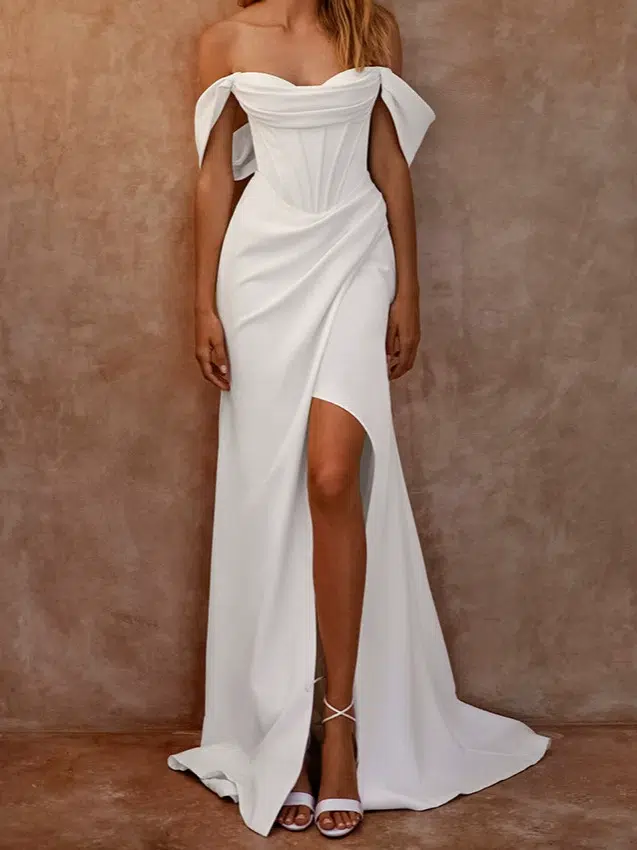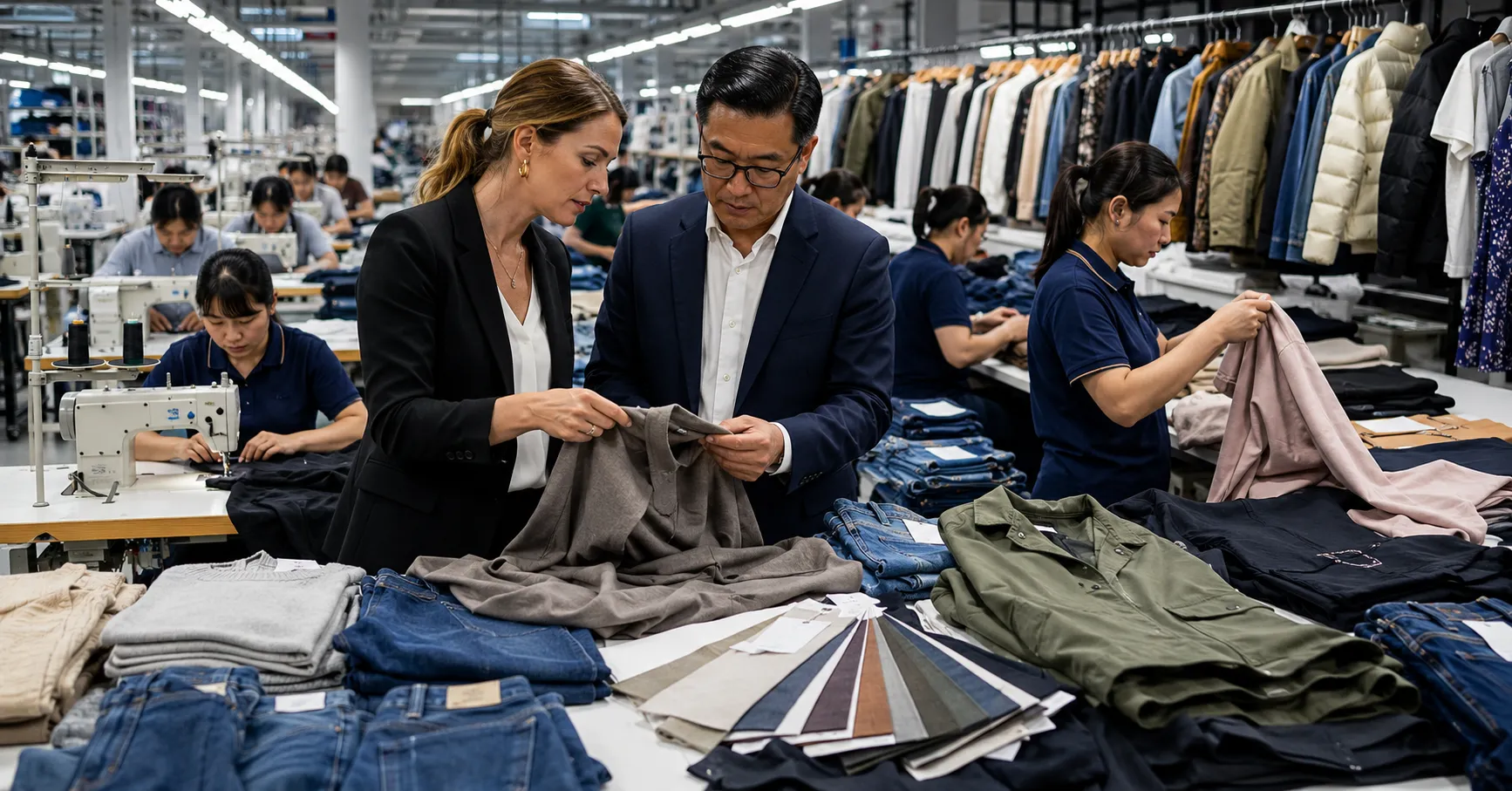

Mulți cumpărători pun această întrebare pentru că vor viteză la Zara. Copiază suprafața, apoi se confruntă cu livrări întârziate, mostre slabe și control neclar din fabrică.
Îmbrăcămintea Zara nu este fabricată de un singur producător. Zara lucrează prin intermediul unei companii globale. lanț de aprovizionare sub Inditex, folosind diferite fabrici din Spania, Portugalia, Maroc, Turcia, China, Vietnam, Bangladesh, India și alte piețe de aprovizionare. Adevărata lecție nu este numele fabricii. Adevărata lecție este controlul fabricii, viteza, sistemele de calitate și structura clară de aprovizionare.
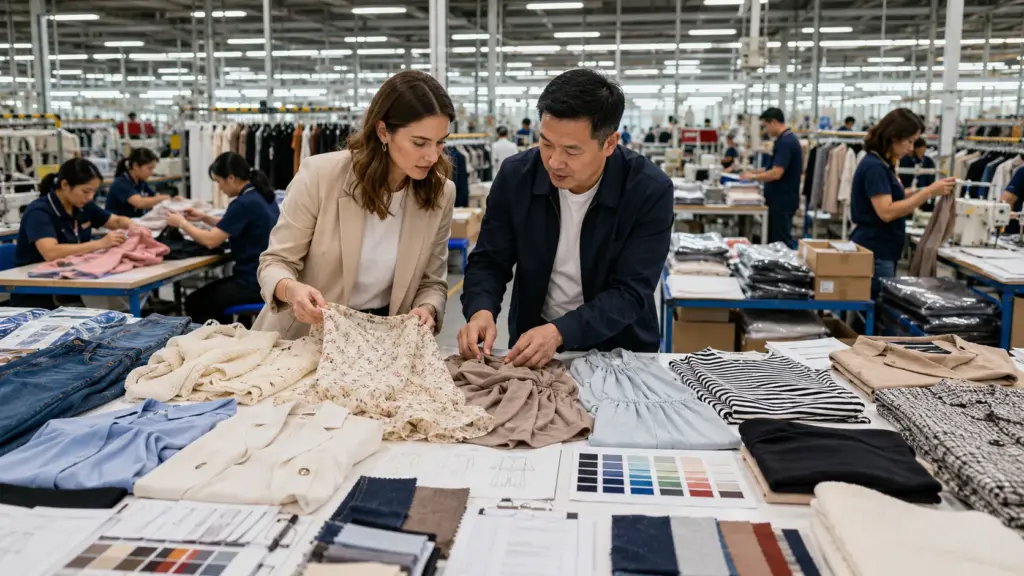
Am întâlnit mulți proprietari de mărci care mă întreabă: “Poți găsi aceeași fabrică ca Zara?”. Înțeleg motivul. Zara este un retailer de îmbrăcăminte puternic. Vinde rapid articole de modă. Actualizează stilurile des. De asemenea, menține prețurile la un nivel pe care mulți clienți îl pot accepta. Dar le spun întotdeauna cumpărătorilor că întrebarea mai bună este aceasta: “Poate furnizorul meu să construiască un lanț de aprovizionare care să se potrivească propriei mele piețe, nivelului meu de calitate și sezonului meu de reduceri?”. Această întrebare este mai utilă pentru un cumpărător angro.
Zara este făcută de unul singur? Producător de îmbrăcăminte?
Unii cumpărători cred că Zara are o fabrică secretă. Ideea pare simplă, dar nu așa funcționează marile magazine de modă.
Zara este produsă de o rețea de producători de textile pentru îmbrăcăminte, nu de o singură fabrică. Inditex controlează sistemul de aprovizionare, standardele de produs, auditurile, planificarea și logistica. Diferite categorii de îmbrăcăminte utilizează fabrici diferite în funcție de viteză, cost, material, competențe și volumul comenzilor.
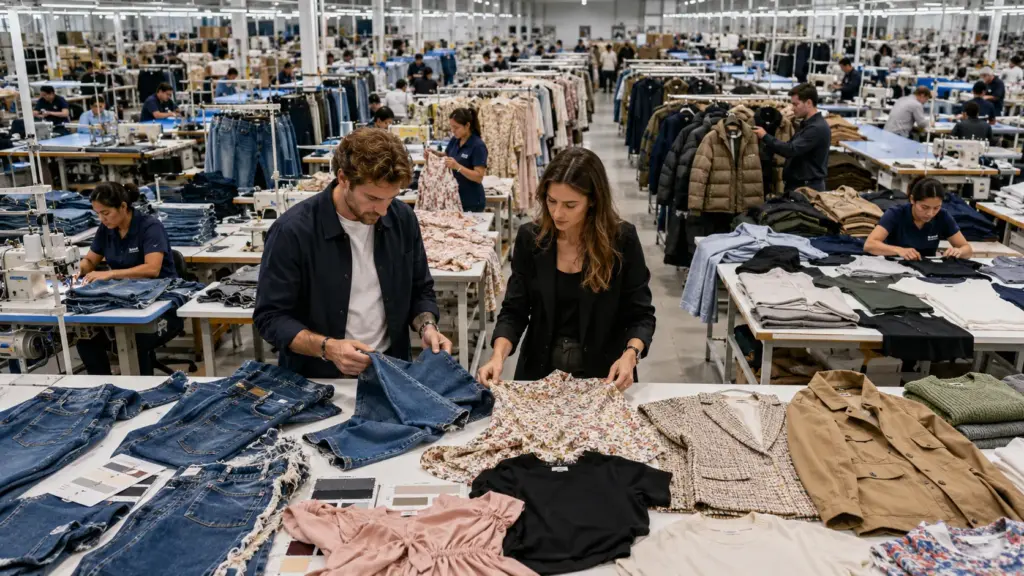
De ce o fabrică nu poate gestiona un brand precum Zara
Nu cred că un cumpărător serios ar trebui să urmărească un singur nume de “fabrică Zara”. O companie precum Zara vinde modă pentru femei, blugi Zara, articole Zara Basic, costume, paltoane, tricotaje, rochii, tricouri, îmbrăcăminte sport și accesorii. O singură fabrică nu poate produce toate aceste produse bine. O fabrică de denim poate fi puternică la spălare. O fabrică de paltoane poate fi puternică la căptușeală și modelare. O fabrică de rochii poate fi puternică la țesături ușoare și detalii de cusut.
| Tipul de produs | Probabilă forță de producție necesară | Riscul cumpărătorului în caz de alegere greșită |
|---|---|---|
| Produse în stil blugi Zara | Spălare denim, controlul contracției, cusut intens | Potrivire nepotrivită, decolorare, efect de spălare neplăcut |
| Paltoane și jachete | Forma modelului, lucrul căptușelii, controlul umpluturii | Formă voluminoasă, căldură slabă, producție târzie |
| Rochii și fuste | Manevrare ușoară a țesăturilor, cusături curate | Cusături răsucite, drapaj prost, probleme de dimensiune |
| Tricouri și hanorace | Material stabil, producție în masă, control al imprimării | Contracție, scărpuire, crăpare la imprimare |
În propria mea muncă cu cumpărătorii, văd adesea mărci care aleg o singură fabrică doar pentru că prețul pare atractiv. Apoi adaugă prea multe categorii în aceeași comandă. Prima mostră pare acceptabilă. Producția în vrac eșuează deoarece fabrica nu are linia de mașini sau muncitorii potriviți pentru acea categorie. Producția Zara funcționează deoarece lanțul de aprovizionare este împărțit în funcție de necesarul de produs. Cred că aceasta este partea pe care cumpărătorii ar trebui să o copieze. Nu copiați numele mărcii. Copiați structura. Asociați produsul cu fabrica corectă. Apoi verificați fabrica înainte ca comanda să fie mutată.
Unde sunt fabricate hainele Zara?
Mulți cumpărători verifică eticheta și văd țări diferite. Acest lucru creează confuzie, deoarece o rochie Zara poate fi fabricată în China, iar o altă haină poate fi fabricată în Turcia.
Hainele Zara sunt fabricate în multe țări. Zonele comune de aprovizionare includ Spania, Portugalia, Maroc, Turcia, China, Vietnam, Bangladesh, India, Pakistan și Cambodgia. Țara depinde de tipul de produs, material, viteza de producție, volumul comenzilor și obiectivul de cost.
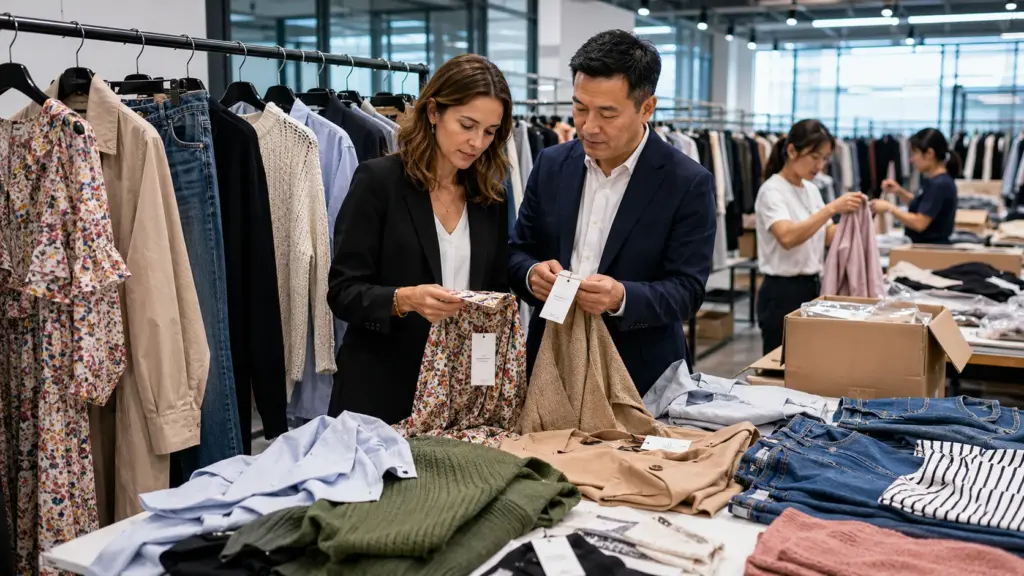
De ce se schimbă țara de origine în funcție de produs
Când oamenii caută “unde sunt fabricate hainele Zara” sau “unde este fabricată Zara”, adesea așteaptă un singur răspuns. În producția reală, eticheta indică doar țara de origine finală a articolului de îmbrăcăminte respectiv. Nu indică întregul lanț de aprovizionare. Materialul textil poate proveni dintr-o țară. Garniturile pot proveni dintr-o altă țară. Cusutul se poate face într-o țară terță. Acest lucru este comun în fabricarea de îmbrăcăminte.
| Întrebare de căutare | Răspuns practic |
|---|---|
| Unde își produce Zara hainele? | Într-o rețea globală de furnizori din Europa, Africa de Nord și Asia |
| Unde își produce Zara hainele? | Fabrici apropiate de piață pentru viteză și fabrici îndepărtate pentru volum sau cost |
| Zara este fabricată în China? | Unele produse Zara sunt fabricate în China, dar Zara nu este o marcă chinezească. |
| Zara este fabricată în Turcia? | Unele produse pot fi fabricate în Turcia, în special categoriile de modă rapidă și îmbrăcăminte de exterior |
| Zara este fabricată în Egipt? | Unele articole de îmbrăcăminte din comerțul cu amănuntul la nivel global pot folosi Egiptul, dar cumpărătorii ar trebui să verifice fiecare etichetă și documentul furnizorului. |
Deseori explic asta cu un exemplu simplu de cumpărător. Dacă Maria din Rusia își dorește paltoane de damă pentru toamnă, nu ar trebui să ceară doar cel mai mic preț FOB. Ar trebui să întrebe de unde provine materialul, cât timp este nevoie pentru producția în vrac, cum controlează fabrica umplerea, cum ambalează paltonul și cum va ajunge livrarea înainte de sezonul de reduceri. Numele țării este util, dar nu este suficient. “Zara fabricat în China” poate fi bun pentru un produs și nu pentru altul. “Zara fabricat în Turcia” poate fi rapid pentru Europa, dar s-ar putea să nu depășească China la anumite opțiuni de țesături sau niveluri de preț. Cumpărătorul inteligent compară întregul lanț de produse, nu doar eticheta.
Cine deține compania Zara?
Unii oameni caută “cine deține compania Zara” pentru că vor să înțeleagă puterea din spatele mărcii. Răspunsul este important pentru învățarea lanțului de aprovizionare.
Zara este deținută de Inditex, un grup spaniol de retail de modă. Marca Zara își are originea în Spania, iar brandul a apărut în Galicia. Inditex deține și alte mărci de retail, ceea ce îi conferă o putere puternică în aprovizionare, logistică, achiziții și dezvoltare de produse.
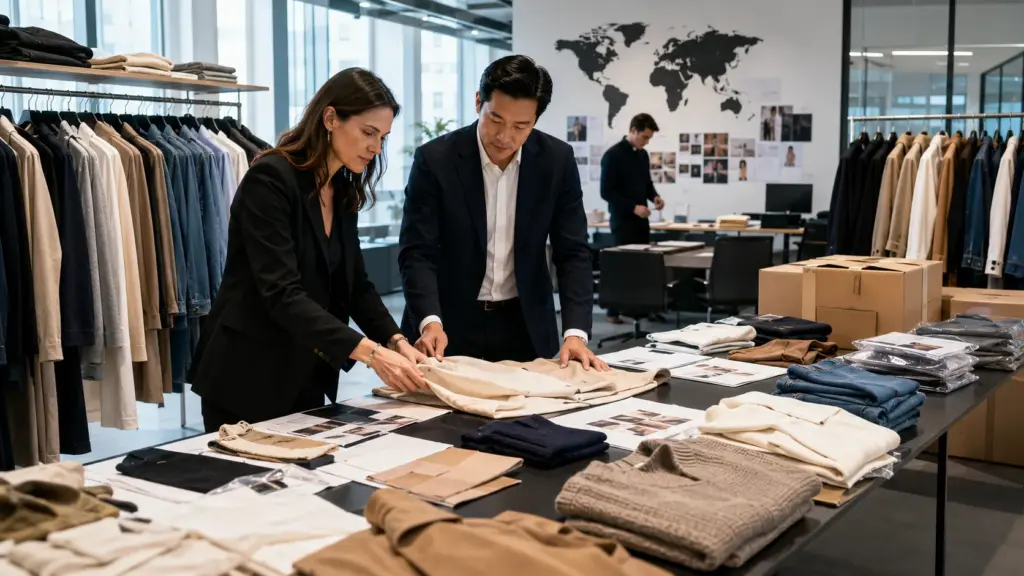
De ce contează proprietatea pentru cumpărători
Zara nu este doar un magazin. Face parte dintr-un sistem de grup mai mare. Acest sistem ajută brandul să mute rapid designurile în magazine. De asemenea, ajută la gestionarea datelor, logisticii, controlul furnizorilor și planificarea produselor. Când oamenii întreabă “Din ce țară este brandul Zara” sau “Din ce țară este Zara”, răspunsul corect și simplu este Spania. Dar din punct de vedere al producției, Zara este globală.
| Subiect | Semnificație pentru cumpărători |
|---|---|
| Originea mărcii Zara | Spania, deci modelul de design și retail a început în Europa |
| Companiile din grupul Inditex | Zara este o marcă în cadrul unui grup mai larg de retail de modă |
| Modelul de retailer de îmbrăcăminte Zara | Răspuns rapid, noutăți frecvente, date solide din magazin și online |
| Exporturile Zara | Produsele finite se deplasează printr-o rețea globală de logistică și vânzare cu amănuntul |
Nu cred că brandurile mici și mijlocii ar trebui să încerce să devină Zara peste noapte. Acest obiectiv este prea larg. Un obiectiv mai bun este de a construi mai întâi o linie de produse puternică. De exemplu, una dintre cumpărătoarele mele a vrut odată să lanseze jachete, rochii, blugi și genți în același timp. I-am spus că echipa ei va pierde controlul. Am început mai întâi cu jachetele și rochiile. Am construit tabele de mărimi, fișe de materiale, reguli de ambalare și puncte de inspecție. După aceea, am adăugat mai multe categorii. Așa gândesc și eu despre învățarea de la Zara. Un cumpărător nu are nevoie de mărimea Inditex. Un cumpărător are nevoie de disciplină în stil Inditex într-un sistem mai mic.
Zara produce în China?
Mulți cumpărători întreabă despre Zara din China, deoarece China este una dintre cele mai mari țări furnizoare de îmbrăcăminte din lume. Răspunsul necesită echilibru.
Da, unele produse Zara sunt fabricate în China. Dar Zara nu este din China și nu toate hainele Zara sunt fabricate în China. China este o parte a rețelei globale de producție Zara, în special pentru categoriile care necesită o varietate de țesături, o capacitate mare, cusut calificat și o aprovizionare solidă cu materiale de finisare.
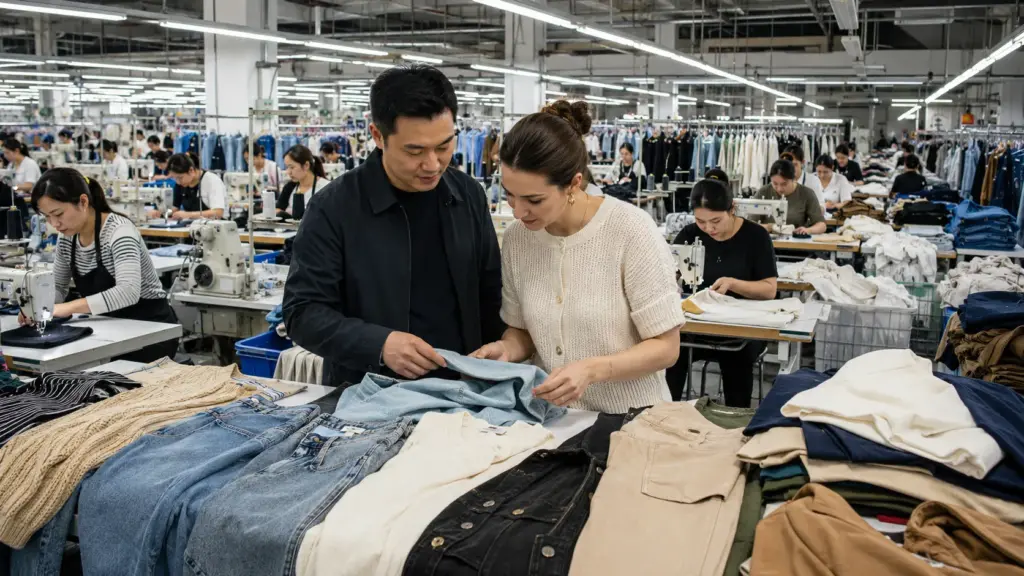
Ce poate face China bine pentru cumpărătorii de îmbrăcăminte
Ca proprietar de fabrică din China, văd zilnic rolul Chinei în aprovizionarea cu articole de îmbrăcăminte. China nu se rezumă doar la costuri reduse. Valoarea mai mare este întregul lanț de aprovizionare. Putem găsi materiale textile, garnituri, spălători, imprimare, broderie, ambalaje, etichete și servicii de export într-un singur sistem. Acest lucru este important pentru cumpărătorii care doresc servicii OEM sau ODM.
| Puterea aprovizionării cu China | De ce ajută un cumpărător |
|---|---|
| Adâncimea pieței de țesături | Mai multe opțiuni pentru îmbrăcăminte la modă pentru femei și stiluri sezoniere |
| Viteza de eșantionare | Dezvoltare mai rapidă atunci când furnizorul are o echipă internă de eșantioane |
| Interval de categorii | Jachete, rochii, blugi, tricouri, hanorace, paltoane, îmbrăcăminte sport și îmbrăcăminte pentru copii |
| Experiență în export | O mai bună gestionare a documentelor, marcare a cutiilor și planificare a expedierilor |
| Opțiuni de preț | Mai ușor de construit niveluri de preț de tipul bun-mai bun-cel mai bun |
Dar le spun și cumpărătorilor să fie atenți. Producătorii de îmbrăcăminte Alibaba pot fi utili pentru prima căutare, dar un cumpărător nu ar trebui să se oprească aici. O fotografie de profil bună și un preț scăzut nu dovedesc capacitatea de producție. Ai nevoie de verificări ale licențelor comerciale, videoclipuri din fabrică, teste de mostre, rapoarte despre țesături și comunicare reală despre producție. Punctul slab al Mariei este comun. Unii furnizori răspund rapid înainte de plată, apoi devin lenți după depunere. Unii furnizori pot chiar să arate certificate care nu corespund cu fabrica. De aceea, sugerez întotdeauna un dosar clar al furnizorului. Acesta ar trebui să includă înregistrări de audit, rapoarte de testare, fotografii de producție, fotografii de ambalare și documente de expediere. China poate fi foarte puternică, dar cumpărătorul are nevoie în continuare de control.
Zara este un brand de designer sau un retailer de modă rapidă?
Mulți cumpărători caută “este Zara o marcă de designer?”, deoarece Zara arată adesea la modă. Stilul produsului poate părea apropiat de tendințele podiumului.
Zara este cel mai bine înțeleasă ca un comerciant de haine fast-fashion, nu ca un brand tradițional de designer. Folosește design rapid, aprovizionare rapidă, feedback de la piață și actualizări frecvente ale produselor pentru a vinde haine la modă la prețuri de vânzare cu amănuntul accesibile.
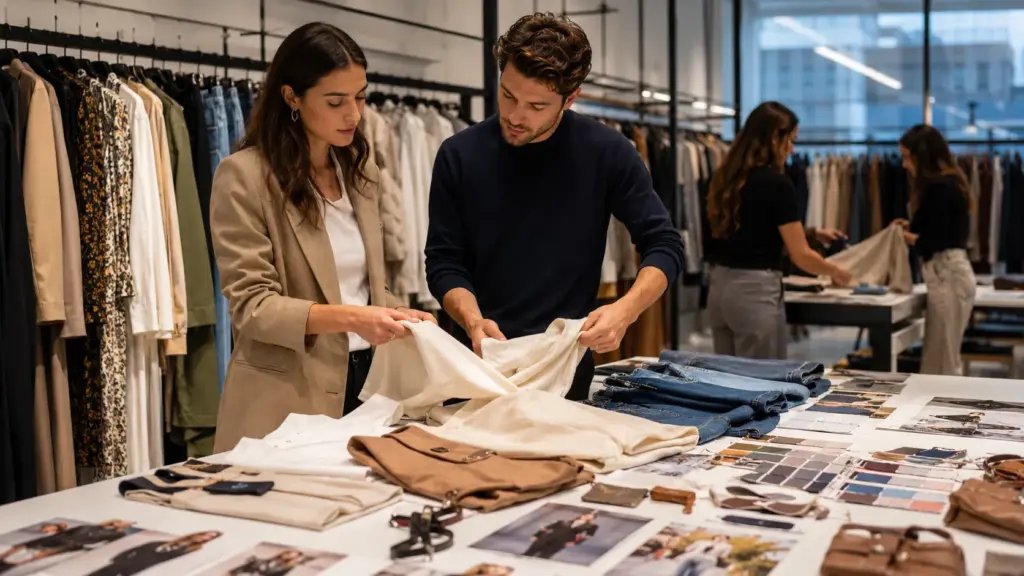
Ce ar trebui să învețe cumpărătorii de la produsele Zara Basic și Trend
Zara Basic este o idee utilă pentru angrosiști. Un brand are nevoie de produse la modă, dar are nevoie și de produse stabile. Produsele la modă atrag atenția. Produsele de bază aduc vânzări repetate. În opinia mea, un cumpărător inteligent ar trebui să echilibreze ambele.
| Grup de produse | Rol în vânzări | Cerința fabricii |
|---|---|---|
| Tricouri simple | Comandă repetată și stoc stabil | Stabilitatea țesăturii și consecvența dimensiunii |
| Rochii de modă | Atractivitatea și noutatea magazinului | Dezvoltarea mostrei și detaliile de cusut |
| Blugi | Identitatea mărcii și potrivirea repetată | Controlul spălării și precizia modelului |
| Paltoane și costume, produse în stil Zara | Valoare mai mare a coșului de cumpărături | Controlul formei și calitatea finisajelor |
| Modele de treninguri de scufundări | Tendință casual și confort | Senzația la atingere a țesăturii și rezistența cusăturii |
Am văzut cumpărători eșuând pentru că urmăresc doar modele la modă. Cumpără ceea ce arată bine în fotografie, dar ignoră logica de rearanjare a comenzilor. O afacere en-gros are nevoie atât de o reacție rapidă, cât și de o planificare stabilă. Dacă fiecare stil este nou, echipa are prea mult de lucru. Dacă fiecare stil este simplu, magazinul arată plictisitor. Punctul forte al Zara nu este doar viteza. Punctul său forte este amestecul dintre simplu și modă. Când ajut un cumpărător să planifice o linie de produse, deseori separ produsele în stiluri de bază, stiluri sezoniere și stiluri de test. Stilurile de bază necesită un material stabil și o culoare repetată. Stilurile sezoniere necesită o sincronizare bună. Stilurile de test necesită cantități mici și feedback rapid. Această metodă reduce riscul.
Cum pot cumpărătorii să găsească producători de îmbrăcăminte de încredere, precum furnizorii Zara?
Unii cumpărători încearcă să caute “fabrica Zara”, “tongli clothing Zara”, “lira mfg company” sau “fabrica Zara”. Înțeleg intenția, dar nu cred că aceasta este cea mai bună cale.
Cumpărătorii nu ar trebui să se concentreze pe găsirea fabricii exacte a Zara. Ar trebui să se concentreze pe găsirea unui producător de îmbrăcăminte de încredere, cu competențe adecvate în categoria de produse, sistem de calitate, onestitate în certificare, experiență în export, capacitate de eșantionare și comunicare clară.
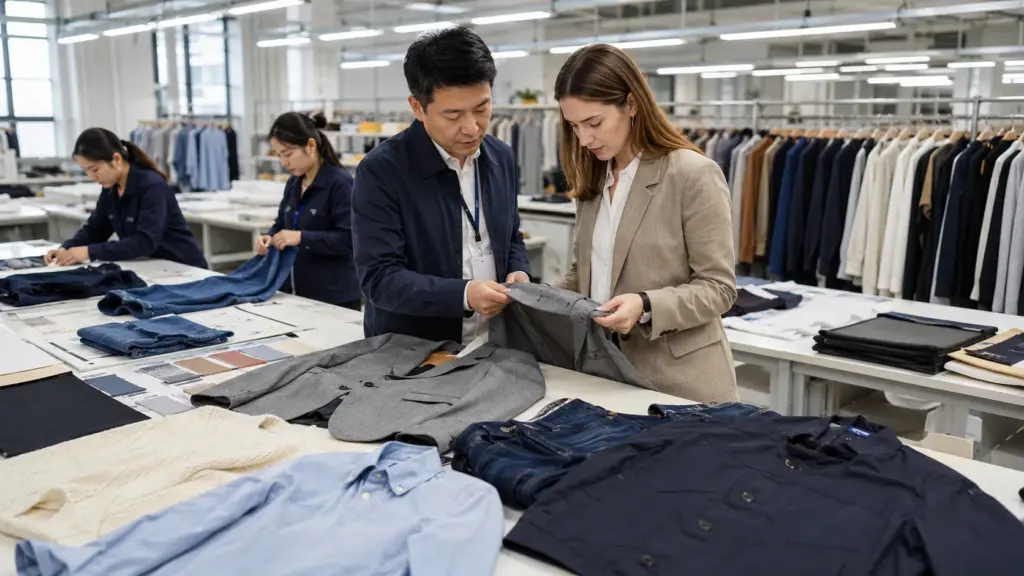
O metodă mai bună de selecție a furnizorilor
Întotdeauna sugerez o verificare practică a furnizorului înainte ca un cumpărător să plaseze o comandă serioasă. Această metodă este simplă, dar economisește bani.
| Pas | Ce verific | De ce contează |
|---|---|---|
| Potrivire de produs | A mai fabricat fabrica această categorie înainte? | Abilitățile din categorie reduc defectele |
| Calitatea probei | Se potrivește mostra cu pachetul tehnic? | Mostrele bune arată un control real |
| Comunicare | Echipa de vânzări răspunde clar? | Comunicarea deficitară duce la mărfuri vrac greșite |
| Dovada certificatului | Poate fabrica să prezinte documente valide? | Certificatele false creează riscuri de import |
| Plan de producție | Poate fabrica să arate o cronologie reală? | Livrarea cu întârziere poate pierde sezonul de vânzări |
| Procesul de inspecție | Există o inspecție în linie și una finală? | Controlul calității trebuie să se întâmple înainte de expediere |
| Suport logistic | Pot gestiona documente de export? | Documentele curate reduc problemele vamale |
Știu că mulți cumpărători din Rusia, Europa și Orientul Mijlociu sunt preocupați atât de calitate, cât și de prețurile competitive. Este rezonabil. Dar prețul nu ar trebui să fie singurul filtru. O fabrică cu un preț cu 8% mai mic poate genera o pierdere cu 30% mai mare dacă livrarea întârzie. O fabrică care nu poate citi un pachet tehnic poate produce sute de articole de îmbrăcăminte greșite. Un furnizor care ascunde subcontractarea poate crea riscuri serioase. Prefer discuțiile deschise. Dacă fabrica mea nu poate produce bine un produs, aș prefera să anunț cumpărătorul din timp. Încrederea face parte din producție. Nu este un slogan. Este un obicei de lucru.
Ce pot copia cumpărătorii angro din lanțul de aprovizionare Zara?
Majoritatea cumpărătorilor nu pot copia scara Zara. Dar pot copia gândirea din spatele sistemului.
Cumpărătorii angro pot copia logica lanțului de aprovizionare al Zara folosind comenzi de testare mai mici, mostre mai rapide, categorii clare de produse, fabrici fiabile, verificări stricte ale calității și logistică planificată. Acest lucru îi ajută să reducă riscurile și să reacționeze mai rapid la cererea pieței.
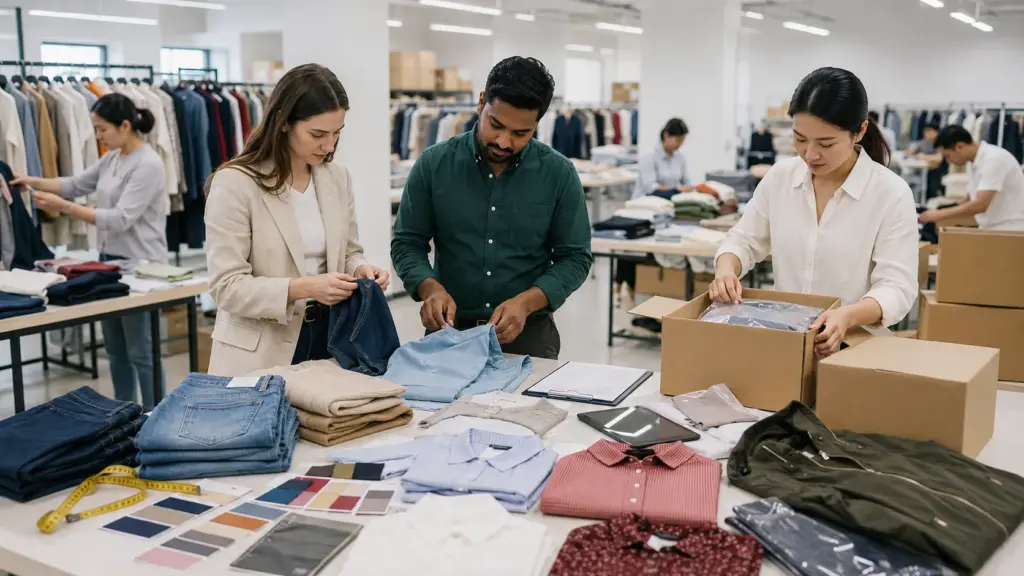
Un model simplu pentru branduri mai mici
Îmi place să construiesc un plan de aprovizionare cu trei straturi. Primul strat îl reprezintă produsele de bază. Acestea sunt produse stabile care se pot repeta. Al doilea strat îl reprezintă produsele sezoniere. Acestea corespund sezonului pieței. Al treilea strat îl reprezintă testele de tendință. Acestea sunt comenzi mici folosite pentru a verifica reacția clienților.
| Strat | Strategia de comandă | Cele mai bune exemple de produse |
|---|---|---|
| Produse de bază | Repetați cu material și culoare stabile | Tricouri, hanorace, rochii simple, blugi |
| Produse sezoniere | Planificați din timp și controlați livrarea | paltoane, geci de vânt, jachete cu puf, tricotaje |
| Teste de tendințe | Cantitate mică și feedback rapid | fuste speciale, genți la modă, modele de treninguri de scuba |
Acest model este util pentru cumpărătorii care vând prin buticuri, supermarketuri, magazine online sau mărci private. De asemenea, ajută cumpărătorii care redefinesc produsele spot. Le spun adesea cumpărătorilor să nu investească toți banii într-o singură comandă mare. O modalitate mai bună este să testeze stilul, să testeze mărimea și să testeze furnizorul. Apoi, scalează comanda după feedback real. Zara se poate mișca rapid deoarece are date și procese. Un cumpărător mai mic se poate mișca, de asemenea, mai rapid prin luarea unor decizii mai mici și o comunicare mai bună cu furnizorul. Comanda poate să nu fie uriașă, dar logica poate fi puternică.
Concluzie
Adevăratul producător al Zara este un lanț de aprovizionare global controlat, nu o fabrică secretă. Cred că cumpărătorii ar trebui să-i copieze disciplina, nu să-i urmărească lista de furnizori.
Ești gata să-ți construiești propriul lanț de aprovizionare cu haine fiabil?
Sunt Lancy Chia din Truekung, China. Suntem un producător de îmbrăcăminte en-gros B2B cu peste 200 de angajați și 20 de ani de experiență în producția și exportul de îmbrăcăminte în comerțul exterior. Acceptăm comenzi OEM și ODM pentru îmbrăcăminte la modă pentru femei, jachete, fuste, rochii, blugi, tricouri, hanorace, jachete cu puf, geci de vânt, paltoane, genți la modă, îmbrăcăminte sport, îmbrăcăminte pentru copii și lenjerie intimă.
Dacă doriți un producător de îmbrăcăminte din China cu o comunicare clară, control al calității, prețuri competitive și experiență în export, contactați-mă la [email protected] sau vizitați https://truekung.com.
Vizualizări: 238