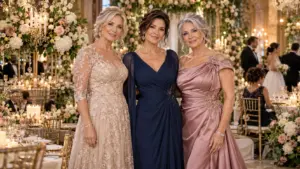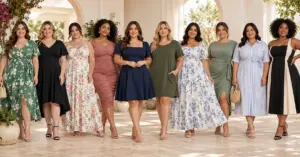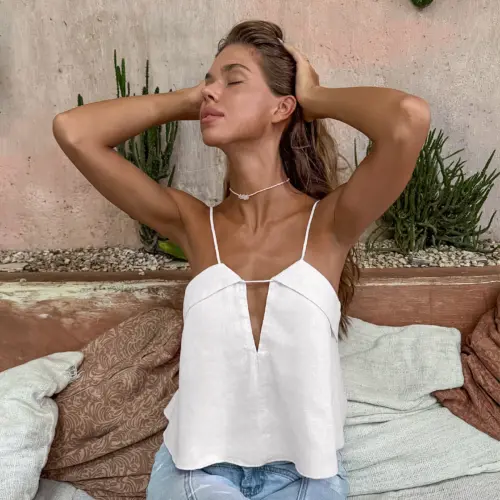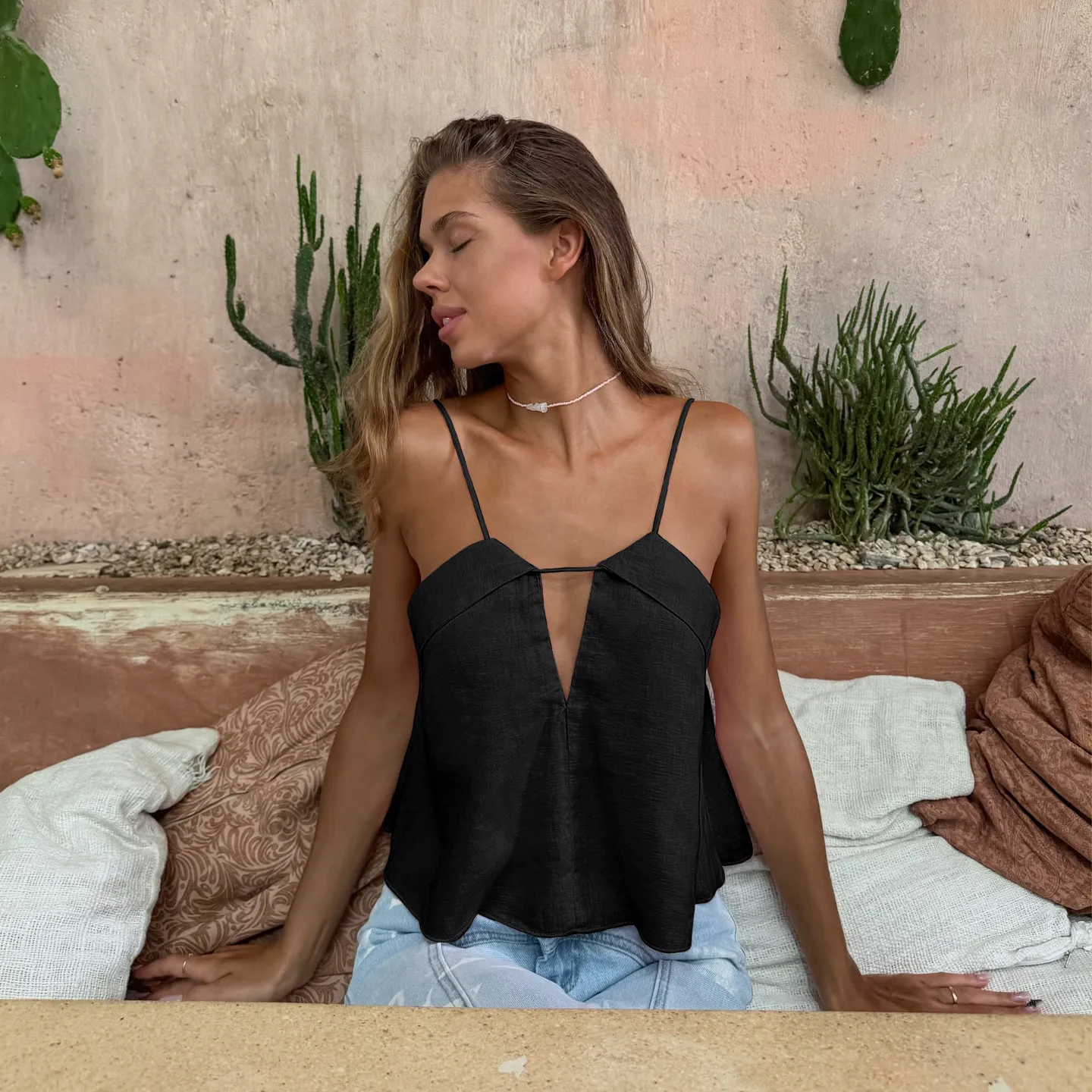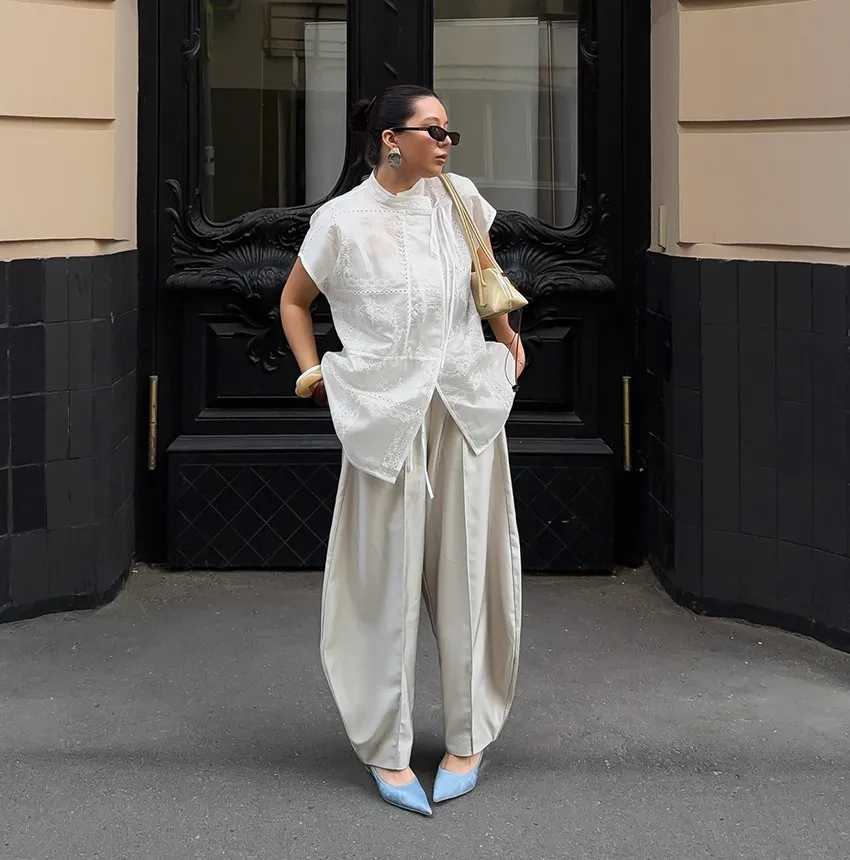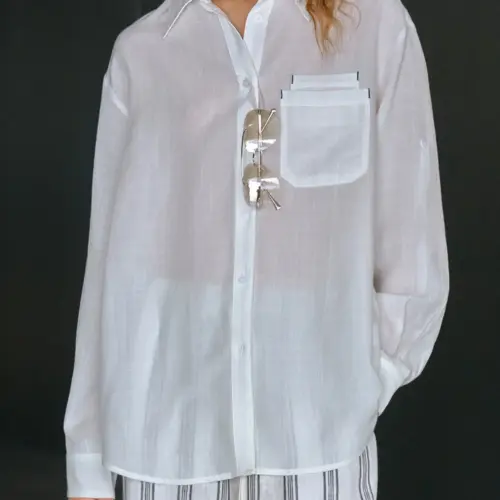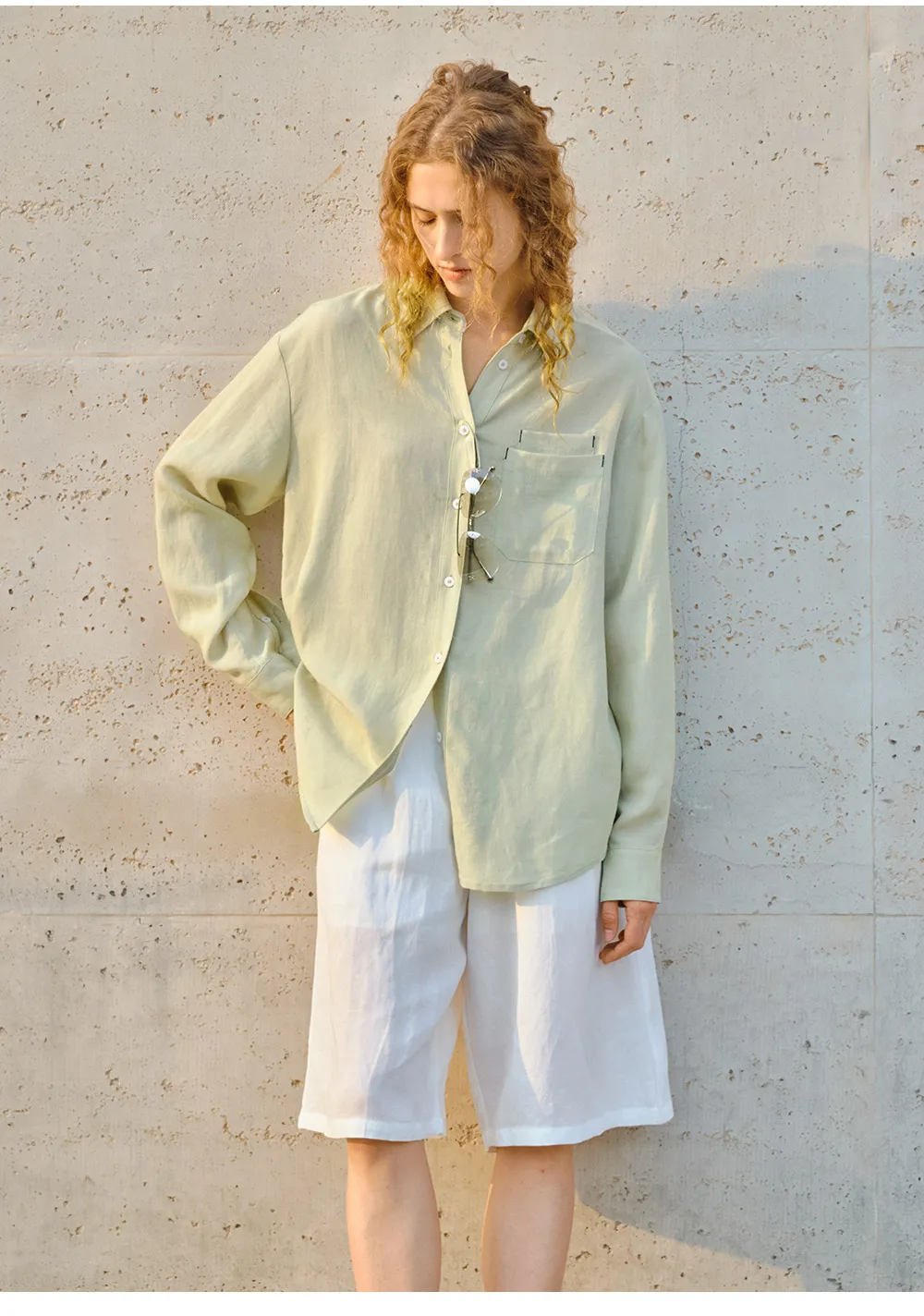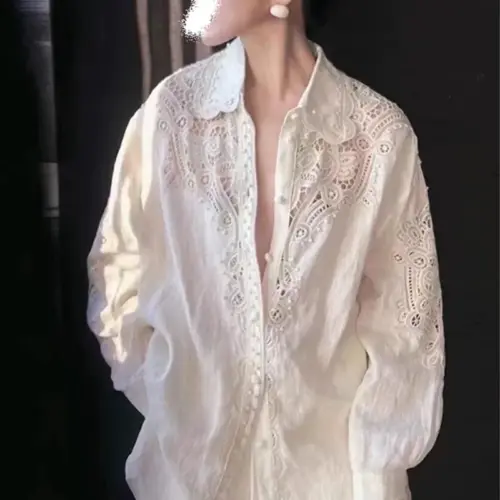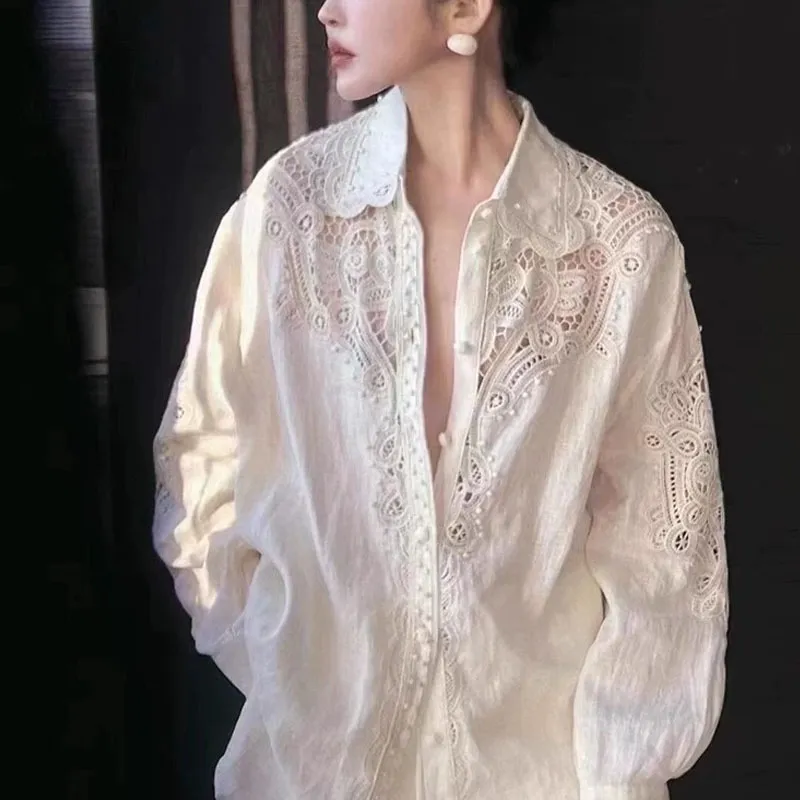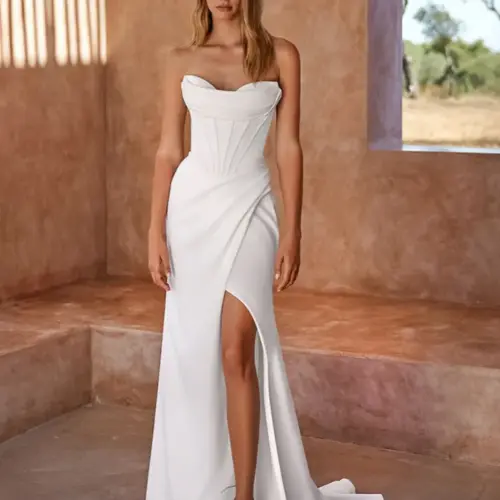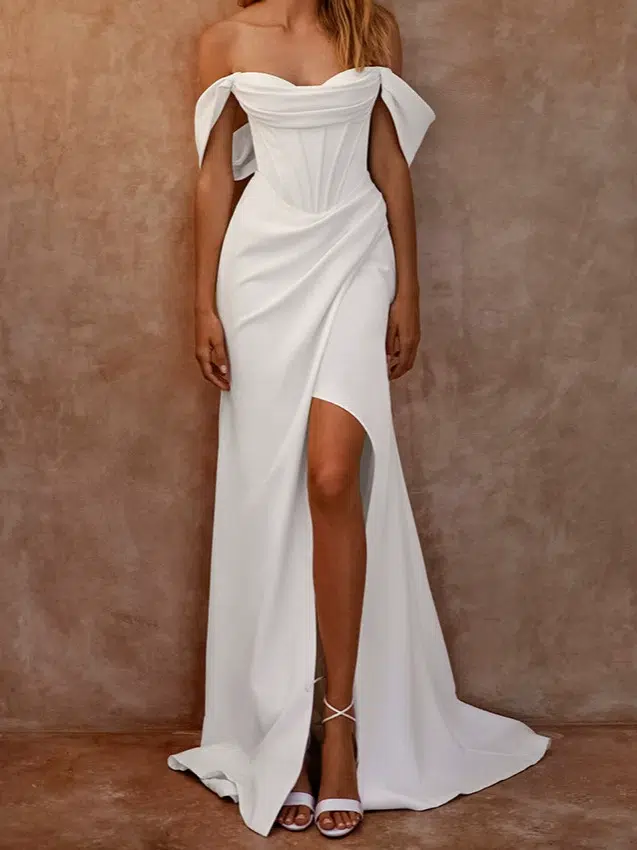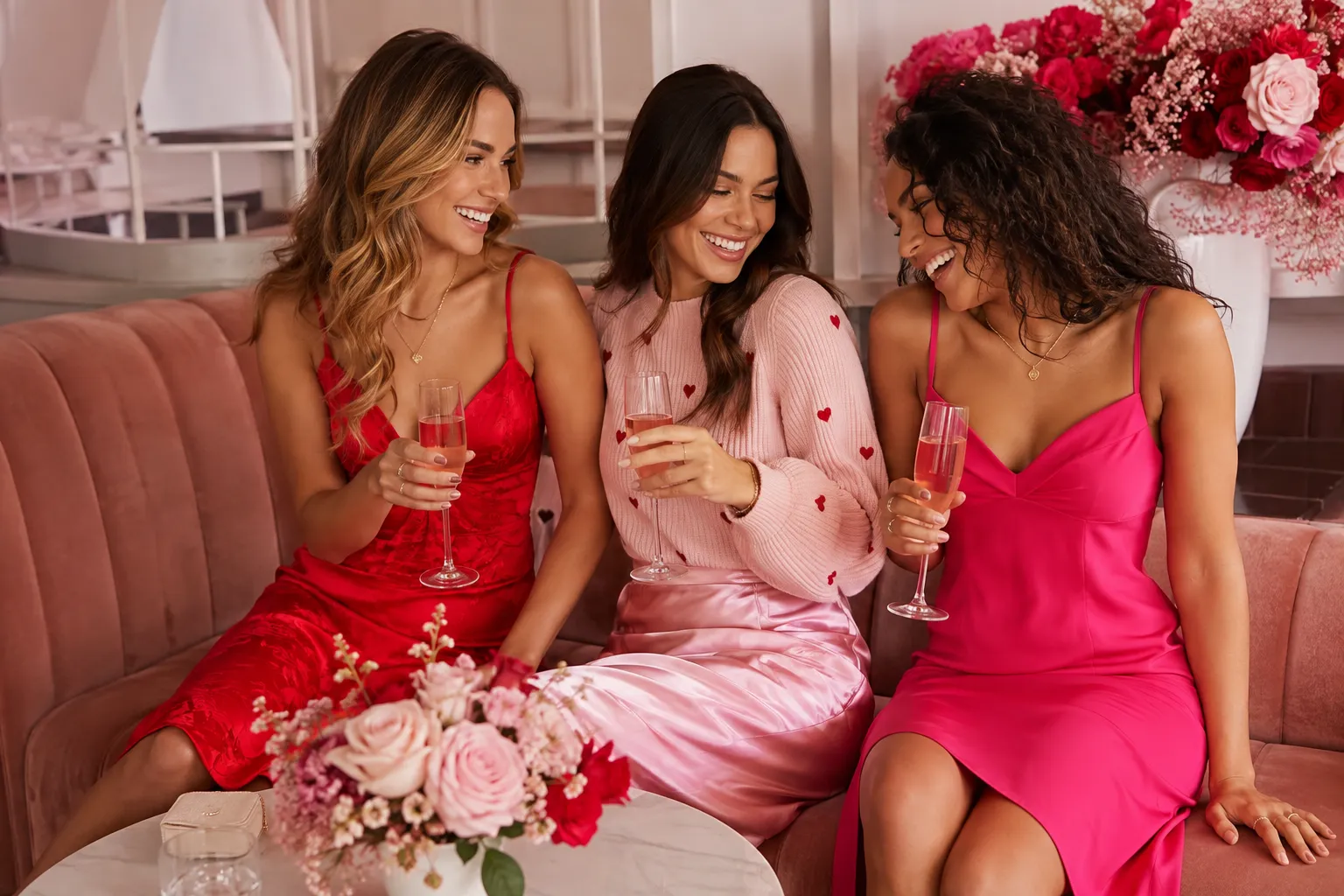

Moda de Ziua Îndrăgostiților pare simplă până când o colecție trebuie să se vândă pentru diferite ocazii. Cumpărătorii au nevoie de mai mult decât rochii roșii și imprimeuri cu inimioare. Au nevoie de stilurile, culorile, materialele, prețurile și planul de livrare potrivite pentru modul în care clienții sărbătoresc efectiv ziua.
Fragment recomandat: Ce să porți de Ziua Îndrăgostiților depinde de ocazie. Rochiile roșii și roz se potrivesc bine pentru cine romantice, în timp ce tricotajele, seturile coordonate, fustele și topurile casual se potrivesc pentru brunch sau Ziua Îndrăgostiților. Pentru o colecție de retail din 2026, sugerez să echilibrezi culorile ușor de recunoscut de Ziua Îndrăgostiților cu piese pe care clienții le pot purta în continuare după 14 februarie.
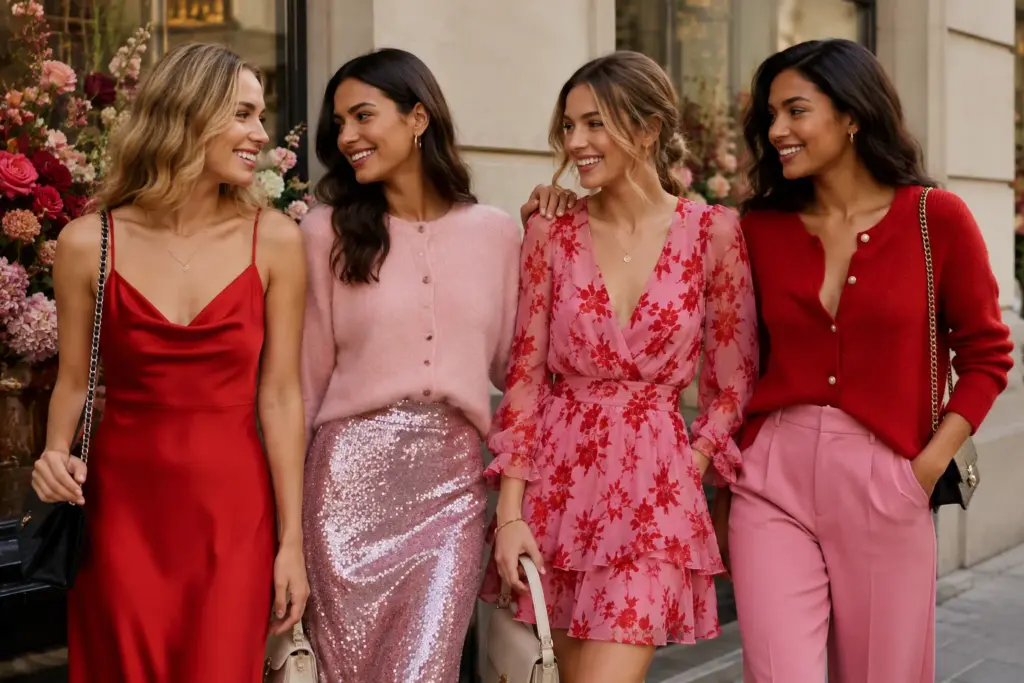
Sunt Lancy Chia din Truekung. Suntem o fabrică de îmbrăcăminte din China cu 20 de ani de experiență în export și peste 200 de angajați. Din punctul de vedere al fabricii, privesc moda de Ziua Îndrăgostiților diferit față de un ghid de stil pentru consumatori. O idee frumoasă are nevoie în continuare de material funcțional, construcție, MOQ (minimum command), eșantionare, control al calității, ambalare și un program de producție realist.
Pentru mărci, angrosiști, cumpărători din supermarketuri și manageri de aprovizionare, întrebarea importantă nu este doar ce să porți de Ziua Îndrăgostiților. De asemenea, este vorba despre ce este probabil să cumpere clienții, câte modele specifice de Ziua Îndrăgostiților să fie dezvoltate și cum să controlezi riscul stocurilor după sărbătoare.
Mai jos sunt punctele practice pe care le-aș lua în considerare atunci când dezvolt o colecție de Ziua Îndrăgostiților pentru 2026.
Ce ținute de Ziua Îndrăgostiților ar trebui să incluzi într-o colecție din 2026?
O colecție de Ziua Îndrăgostiților poate deveni foarte repede prea restrânsă. Dacă fiecare piesă vestimentară este de un roșu aprins, acoperită cu inimioare sau concepută doar pentru o cină romantică, clienții au mai puține motive să o cumpere înainte sau după 14 februarie.
O practică Colecția de Ziua Îndrăgostiților 2026 poate include rochii pentru cină, tricotaje și topuri pentru ocazii casual, seturi coordonate pentru Ziua Îndrăgostiților și un număr mai mic de piese tematice puternice. Sortimentul ar trebui să acopere diferite coduri vestimentare, păstrând în același timp o identitate clară de Ziua Îndrăgostiților.
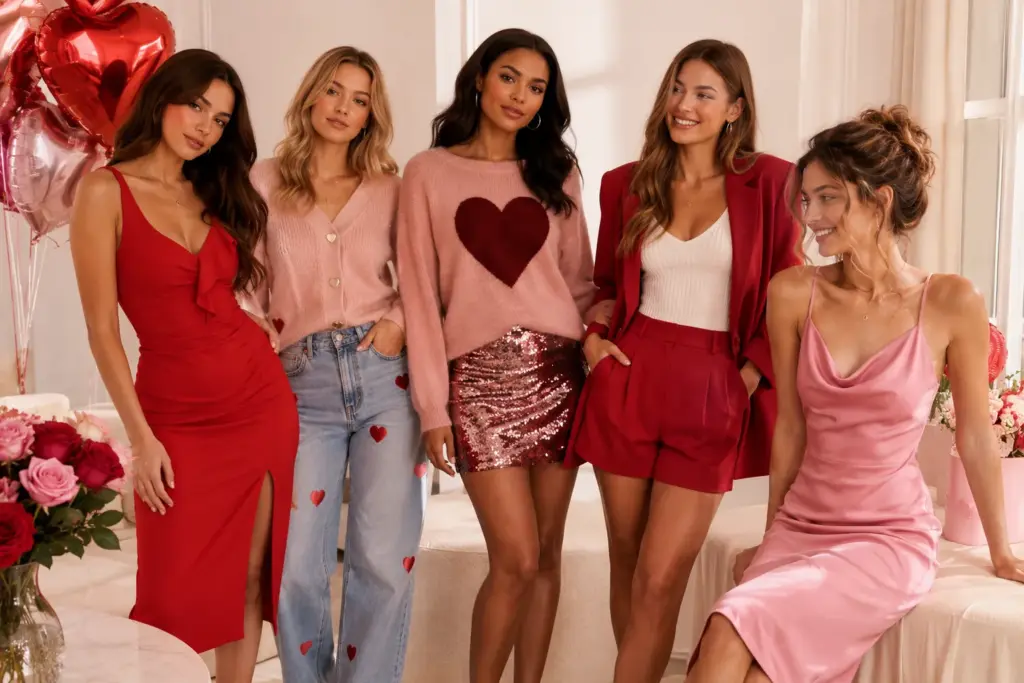
Construiește stiluri în jurul unor ocazii reale
Când cumpărătorii mă întreabă despre Tendințe de Ziua Îndrăgostiților în 2026, prefer să încep prin a purta haine de ocazie în loc de haine individuale.
Un client care ia cina ar putea dori o rochie midi mulată, o fustă de satin, un top elegant, o jachetă croită sau un set asortat. Cineva care își întâlnește prietenii pentru brunch-ul Galentine ar putea prefera un pulover, un cardigan, o rochie casual, o fustă sau un set confortabil asortat. Clienții mai tineri ar putea prefera topuri scurte, tricouri grafice, hanorace și detalii jucăușe cu inimioare.
Aceasta oferă cumpărătorului mai multe grupuri comerciale:
- rochii și fuste pentru cină romantică;
- pulovere și hanorace casual de Ziua Îndrăgostiților;
- Seturi coordonate de Ziua Galentinei;
- topuri feminine cu funde, dantelă sau detalii subtile în formă de inimioară;
- articole de bază roșii și roz pentru zi cu zi;
- jachete sau straturi exterioare pentru piețele mai reci;
- mici piese vestimentare sezoniere, cum ar fi tricourile de Ziua Îndrăgostiților.
Din experiența mea în fabrică, planificarea evenimentelor ajută și la producție. Mai multe stiluri pot avea aceeași țesătură de bază, aceleași garnituri sau aceeași paletă de culori. Acest lucru poate face achiziționarea de materiale mai ușoară decât dezvoltarea fiecărui stil independent.
De exemplu, un cumpărător ar putea folosi o singură calitate de tricotaj roz pentru un pulover și un cardigan sau ar putea folosi un singur material țesut pentru o rochie, o fustă și un top. Fezabilitatea exactă depinde de construcție și de cantitatea comenzii, dar această abordare merită discutată înainte de eșantionare.
Evitați să faceți fiecare piesă prea sezonieră
Un risc major cu haine pentru Ziua Îndrăgostiților este fereastra de vânzare în lipsă.
O rochie midi din satin roșu poate fi încă vândută pentru petreceri, cine festive, nunți și alte ocazii. Un pulover roz poate continua să fie purtat până în primăvară. O rochie neagră cu un accesoriu detașabil cu o inimă are o durată de viață mai lungă decât o piesă vestimentară acoperită permanent cu grafice mari cu 14 februarie.
Produsele cu sezon foarte intens funcționează diferit. De exemplu, un tricou imprimat cu “Ziua Îndrăgostiților 2026” are o valoare limitată odată ce data trece.
Acest lucru este important deoarece întârzierile în producție pot transforma un produs bun într-un stoc dificil. Aprovizionarea cu materiale textile, aprobarea mostrelor, imprimarea, broderia, etichetele, cusutul în vrac, inspecția, ambalarea și transportul internațional necesită timp.
Am văzut cumpărători care pierd timp pentru că tratează comenzile sezoniere ca pe niște comenzi normale de reaprovizionare. Aprobă lucrările de artă cu întârziere sau schimbă culorile după eșantionare, dar termenul limită de vânzare cu amănuntul nu se modifică.
Pare un lucru minor, dar poate afecta livrarea.
Pentru programele sezoniere, de obicei le cer cumpărătorilor să lucreze înapoi de la data de sosire în depozit necesară, în loc să întreb pur și simplu fabrica: “Cât de repede îl puteți produce?”
Verificați colecția înainte de prelevarea probelor
| Ce să verificați | De ce contează | Ceea ce sugerez |
|---|---|---|
| Purtare ocazională | Definește stilul și construcția | Stiluri separate pentru cină, casual și Galentine's |
| Grafică sezonieră | Poate scurta durata de viață a vânzărilor | Folosește selectiv grafică puternică |
| Partajarea materialelor textile | Poate simplifica aprovizionarea | Verificați dacă mai multe stiluri pot partaja materiale |
| Cantitate de culoare | Afectează planificarea materialelor | Concentrează-te mai întâi pe culorile comerciale de bază |
| Interval de dimensiuni | Afectează modelele și consumul | Confirmați tabelul de mărimi înainte de prelevarea probei |
| Decorare | Adaugă operațiuni și puncte QC | Confirmați imprimeul, broderia, paietele sau aplicația din timp |
| Termen limită pentru vânzarea cu amănuntul | Bunurile sezoniere nu pot ajunge cu întârziere | Planificare inversă de la sosirea în depozit |
| Ambalaj | Poate necesita materiale personalizate | Confirmați din timp cutiile de cadouri, autocolantele, codurile de bare și etichetele |
Identitate sezonieră versus durată mai lungă de vânzare
Există întotdeauna un compromis între a face o colecție de Ziua Îndrăgostiților ușor de recunoscut și a o face utilă din punct de vedere comercial după 14 februarie. Un imprimeu foarte puternic cu inimioare poate avea performanțe bune în timpul campaniei de sărbători, dar stocul rămas devine mai greu de vândut. O rochie petrecută bordo are un branding de Ziua Îndrăgostiților mai puțin evident, însă clienta o poate purta pentru multe alte ocazii.
De exemplu, imaginați-vă un cumpărător care dezvoltă 12 stiluri. O opțiune este să le faceți pe toate cele 12 cu o tematică puternic inspirată din Ziua Îndrăgostiților. O alta este să dezvoltați trei stiluri sezoniere evidente, cinci stiluri la modă roșii sau roz fără decorațiuni specifice datei și patru stiluri neutre care se coordonează cu colecția. A doua abordare oferă comerciantului cu amănuntul mai multe modalități de a comercializa stocul rămas după sărbători.
Din partea fabricii, acest lucru ar putea permite, de asemenea, partajarea materialelor între diferite produse, în loc să se apeleze la numeroase materiale personalizate în volume mici.
Regula mea de decizie este simplă: Cu cât perioada utilă de vânzare a unui design este mai scurtă, cu atât mai atent ar trebui să controlați cantitatea și programul de producție al acestuia.
Dacă produsul devine dificil de vândut imediat după Ziua Îndrăgostiților, tratați momentul și stocul la fel de serios ca designul hainei în sine.
Ce culori ar trebui să porți de Ziua Îndrăgostiților în 2026?
Alegerea paletei de culori greșite poate face o colecție repetitivă. Roșul este puternic asociat cu Ziua Îndrăgostiților, dar producerea fiecărei rochii, pulovere, cămăși și seturi în același roșu nu creează automat un sortiment mai bogat.
Tradiționalul culorile Zilei Îndrăgostiților sunt roșu și roz, dar o paletă de culori utilă pentru Ziua Îndrăgostiților poate include și vișiniu, roz pal, crem, negru, violet și anumite accente metalice. Cumpărătorii ar trebui să aleagă culorile în funcție de categoria de produs, clientul țintă, materialul și piața.
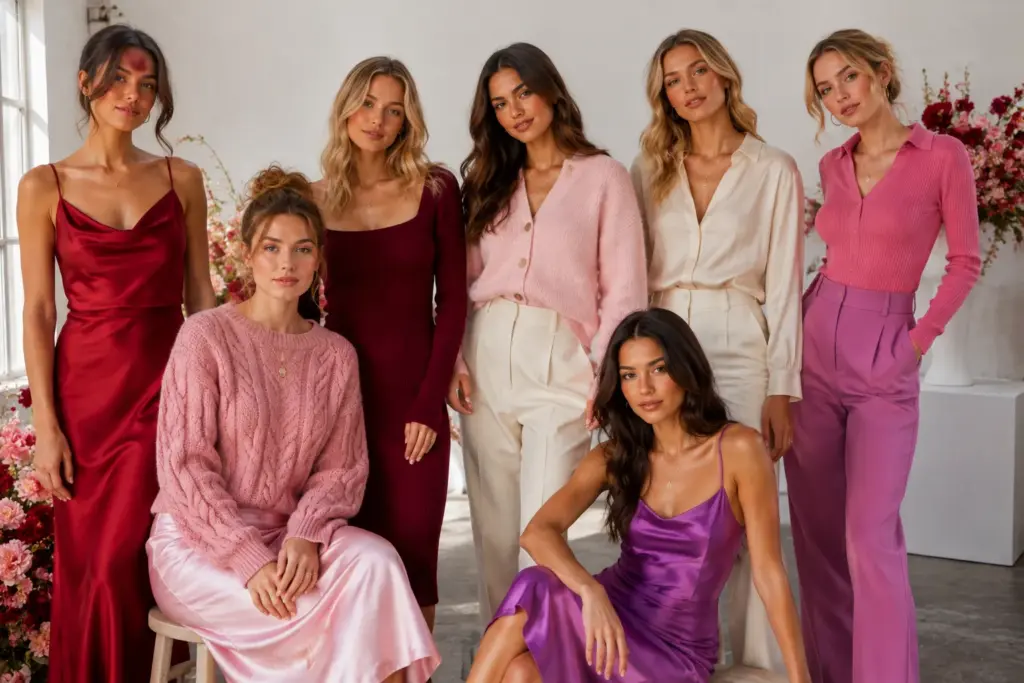
Potriviți culoarea cu materialul și produsul
Când cumpărătorii întreabă ce culoare să porți de Ziua Îndrăgostiților, roșul este de obicei primul răspuns. Din perspectiva producției, însă, “roșu” nu este o singură culoare.
Roșu-cireș, roșu-vin, vișiniu, stacojiu și roșu închis pot arăta foarte diferit. Rozul are aceeași problemă. Rozul pal, rozul prăfuit, rozul gumă de mestecat, rozul aprins și movul creează stări diferite.
Materialul își schimbă din nou aspectul.
O rochie roșie din satin reflectă lumina diferit față de un tricou roșu din bumbac. Un hanorac periat poate părea mai moale și mai puțin saturat. Catifeaua oferă o profunzime vizuală mai închisă. Materialele tricotate cu nervuri, denimul, dantela și țesăturile din poliester produc, de asemenea, rezultate diferite.
De aceea prefer ca și cumpărătorii să ofere o referință de culoare, în loc să scrie doar “roșu Valentine” într-un pachet tehnic.
Cel/Cea/Cei/Cele paletă de culori de Ziua Îndrăgostiților ar trebui să se potrivească și produsului dorit. Roșul intens se poate potrivi bine cu o rochie de seară sau un palton. Rozul pal se poate potrivi cu tricotaje și topuri casual. Cremul și negrul pot echilibra culorile sezoniere mai puternice. Detaliile metalice pot fi folosite prin garnituri sau accesorii fără a face întregul articol vestimentar dificil de purtat.
Un furnizor serios de îmbrăcăminte ar trebui să explice când disponibilitatea materialului, vopsirea, imprimarea sau cerințele minime de materiale pot influența alegerea finală a culorii.
Urmăriți potrivirea culorilor la toate articolele de îmbrăcăminte
Problemele de culoare devin mai vizibile atunci când mai multe piese sunt concepute pentru a fi purtate împreună.
Să presupunem că un cumpărător comandă un top roșu și o fustă roșie ca Set de Ziua Îndrăgostiților. Dacă cele două articole de îmbrăcăminte folosesc compoziții de țesături diferite sau provin de la furnizori de materiale diferiți, potrivirea nuanțelor poate necesita mai mult control decât simpla specificare a aceluiași nume de culoare.
Chiar și mici diferențe pot deveni evidente atunci când hainele stau una lângă alta.
Aceeași problemă apare în cazul garniturilor cu nervuri, căptușelii, dantelei, firului de brodat, fermoarelor, nasturilor și logo-urilor imprimate. Cumpărătorii se concentrează uneori pe materialul exterior, dar uită că garniturile contribuie și ele la aspectul final.
Pentru seturi coordonate, de obicei rog cumpărătorii să verifice culoarea în condiții de iluminare constantă în timpul aprobării mostrei. Dacă este esențială o potrivire exactă, această cerință ar trebui să fie clară înainte de a comanda material vrac.
Un alt risc este comunicarea digitală. Culorile vizualizate pe ecranul unui telefon sau al unui computer nu sunt întotdeauna referințe fiabile pentru producția în masă.
Pentru culorile personalizate importante, referințele fizice sau standardele de culoare aprobate corespunzător sunt mai sigure.
Scopul nu este de a complica dezvoltarea culorilor. Ci de a defini de ce nivel de potrivire are nevoie produsul înainte de a începe producția în vrac.
Confirmați culorile înainte de a vrac materialul
| Ce să verificați | De ce contează | Ceea ce sugerez |
|---|---|---|
| Umbră exactă | “Roșu” sau “roz” este un termen prea general. | Furnizați o referință clară a culorii |
| Compoziția țesăturii | Fibre diferite prezintă culoarea diferit | Aprobați culoarea pe materialul real |
| Piese coordonate | Diferențele de nuanță sunt mai ușor de observat | Revizuiți partea de sus și cea de jos împreună |
| Garnituri | Dantela, nervurile, firul și fermoarele pot fi nepotrivite | Includeți ornamentele importante în aprobare |
| Imprimare | Culoarea imprimată poate diferi de cea a materialului vopsit | Aprobați grafica și culorile de imprimare |
| MOQ de culoare | Culorile personalizate pot necesita cantități minime de materiale | Întreabă înainte de a finaliza intervalul |
| Iluminat | Modificări ale aspectului culorii | Folosiți condiții consecvente pentru aprobare |
Mai multe culori versus o eficiență mai bună a materialelor
Adăugarea de culori face ca o colecție de Ziua Îndrăgostiților să fie interesantă din punct de vedere vizual, dar fiecare culoare suplimentară poate complica aprovizionarea și inventarul. Impactul depinde de furnizorul de țesături, material, metoda de vopsire, procesul de imprimare și cantitate, așa că cumpărătorii nu ar trebui să presupună că fiecare culoare poate fi produsă economic într-un volum foarte mic.
Să luăm în considerare o colecție cu șase articole vestimentare. Un cumpărător ar putea solicita fiecare model în roșu, roz pal, vișiniu, crem, negru și violet. Aceasta creează 36 de combinații stil-culoare înainte de a fi luate în considerare mărimile. Dacă cantitățile sunt limitate, comanda devine fragmentată.
Un exemplu mai practic ar putea folosi roșu și roz ca și culori de campanie, negru și crem ca și culori secundare și vișiniu doar pe anumite rochii sau haine de exterior. Acest lucru creează în continuare un aspect recognoscibil. Stilul de Ziua Îndrăgostiților fără a forța fiecare produs în fiecare nuanță.
Regula mea de decizie este: adăugați o culoare atunci când aceasta servește unui scop clar de merchandising, nu doar pentru că aparține paletei de culori de Ziua Îndrăgostiților.
Înainte de a aproba gama, întrebați fabrica cum afectează alegerile de culori cantitatea minimă de material (MOQ), disponibilitatea materialelor, dezvoltarea mostrelor, planificarea producției și prețul. Uneori, reducerea unei culori în volum redus oferă cumpărătorului mai multă flexibilitate pentru a îmbunătăți materialul sau manopera.
Cum ar trebui cumpărătorii să dezvolte rochii, topuri și seturi pentru Ziua Îndrăgostiților?
O schiță poate arăta excelent pe ecran, dar poate deveni scumpă sau dificilă atunci când este transformată într-un articol vestimentar real. Produsele de Ziua Îndrăgostiților folosesc adesea satin, dantelă, paiete, broderii, funde, imprimeuri speciale sau ornamente decorative, creând mai multe detalii care necesită aprobare.
Începeți dezvoltarea cu referințe clare ale produsului, măsurători, materiale textile, culori, detalii de construcție, decorațiuni, cantități, piață țintă și data de livrare necesară. Verificați punctele importante de potrivire și manoperă înainte de a confirma producția în vrac.
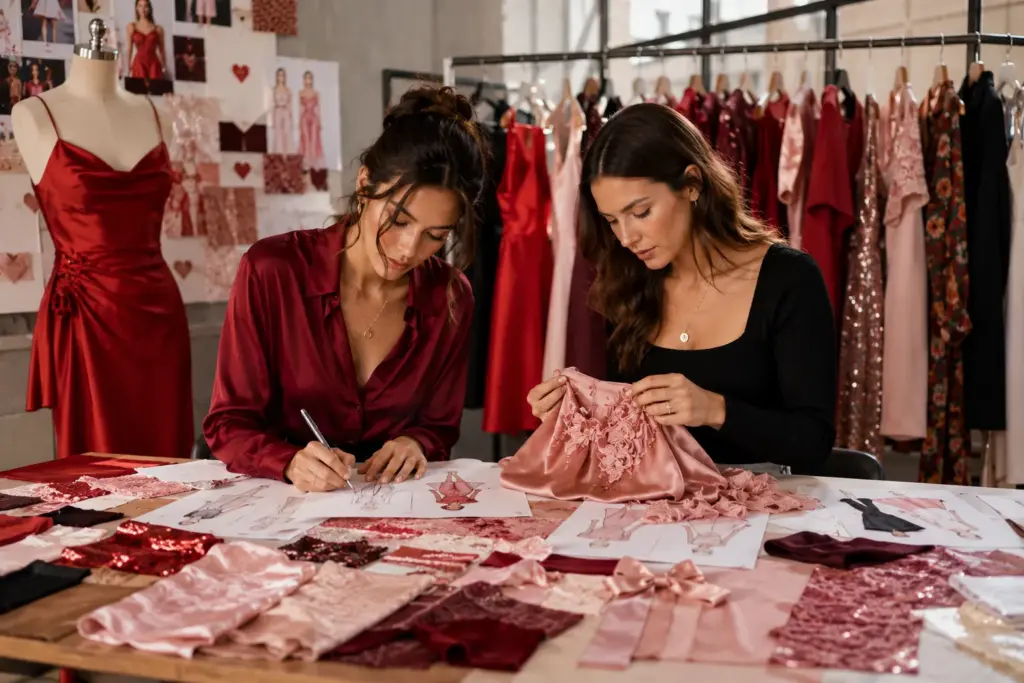
Exemplu de detalii Notificare pentru clienți
A rochie roșie de Ziua Îndrăgostiților Programul poate părea simplu, dar croiala și construcția determină în continuare dacă se simte ca o haină de sezon ieftină sau ca un produs potrivit pentru nivelul de calitate dorit de cumpărător.
Pentru rochii, acord atenție unor aspecte precum forma decolteului, croiala bustului, poziția taliei, instalarea fermoarului, căptușeala, finisajul tivului, aspectul cusăturii și comportamentul materialului. Pentru o rochie roz de Ziua Îndrăgostiților Stilul, țesăturile de culoare deschisă pot necesita atenție și la opacitate și căptușeală.
Topurile au aspecte diferite. Plasarea fundei, volumul mânecilor, stabilitatea decolteului, poziția imprimeului, calitatea broderiei și recuperarea elasticității pot afecta rezultatul final.
Seturile asortate necesită consecvență între piese. Proporțiile trebuie să se potrivească, iar culorile și ornamentele trebuie să arate intenționate.
Prin urmare, o mostră nu este doar o confirmare vizuală. Este un test de producție.
Cumpărătorii ar trebui să utilizeze eșantionarea pentru a identifica ce necesită corecții înainte ca aceeași problemă să fie repetată în bloc. Comentariile ar trebui să fie specifice. În loc să spună “fă-l să se potrivească mai bine”, indică ce măsurătoare sau formă necesită ajustări.
De obicei, le cer cumpărătorilor să verifice separat potrivirea, construcția, senzația la atingere a materialului, culoarea, finisajele, decorațiunile și măsurătorile. Comentariile clare fac ca următoarea mostră să fie mult mai ușor de îmbunătățit.
Modificările târzii pot amenința fereastra de vânzare
Dezvoltarea sezonieră creează presiune, deoarece cumpărătorii doresc în mod natural să îmbunătățească produsul, încercând în același timp să îl lanseze la timp.
Problema apare atunci când schimbările majore continuă după ce au fost aranjate materialele sau producția în vrac.
Schimbarea decolteului poate afecta modelul și operațiunea de cusut. Schimbarea unui material poate afecta contracția, croiala, prețul, culoarea și disponibilitatea materialului. Adăugarea broderiei poate introduce aprobarea graficii și un alt proces de producție. Schimbarea ambalajului poate necesita pungi, cutii, autocolante sau coduri de bare noi.
De aceea, Cele mai recente tendințe de Ziua Îndrăgostiților 2026 nu ar trebui să devină un motiv pentru a schimba colecția de fiecare dată când apare o nouă imagine pe rețelele sociale.
Reacția la tendințe este utilă în timpul planificării produsului. Devine costisitoare atunci când resetează în mod repetat dezvoltarea aprobată.
Pentru comenzile de export, cumpărătorii trebuie să acorde, de asemenea, timp după producție pentru inspecție, ambalare, expediere, proceduri vamale și transport local. Programul exact depinde de comandă și de metoda de livrare.
Sugestia mea este să definiți intern un termen limită pentru aprobarea mostrei și un termen limită pentru producția în vrac. După aceste date, separați corecțiile esențiale de îmbunătățirile opționale.
O mică schimbare opțională de stil rareori merită ratată într-o vitrină de vânzare cu amănuntul sezonieră.
Aprobați aceste puncte înainte de producție
| Ce să verificați | De ce contează | Ceea ce sugerez |
|---|---|---|
| Eșantion de potrivire | Confirmă forma și măsurătorile | Potrivire pe clientul sau formularul țintă |
| Material textil | Controale aspect, senzație și cost | Aprobați calitatea reală înainte de vânzarea în vrac |
| Culoare | Important pentru merchandisingul de Ziua Îndrăgostiților | Confirmă fiecare culoare a tastei |
| Decorare | Poate crea defecte și întârzieri | Aprobați amplasarea, dimensiunea și manopera |
| Etichete | Necesar pentru comenzile de marcă proprie | Finalizează lucrările de artă din timp |
| Informații despre îngrijire | Trebuie să corespundă cerințelor de îmbrăcăminte | Confirmați înainte de producerea etichetei |
| Ambalaj | Afectează prezentarea și momentul | Furnizați specificații și coduri de bare |
| Standard QC | Previne așteptările diferite | Definiți punctele importante de inspecție |
| Data livrării | Controlează întregul program | Lucrați înapoi de la sosirea în depozit |
| Conformitate | Depinde de produs și destinație | Menționați în mod clar testele sau certificatele necesare |
Personalizare mai bună versus livrare mai rapidă
Personalizarea poate face Haine de Ziua Îndrăgostiților pentru femei mai distinctiv, dar fiecare element personalizat trebuie să-și câștige locul. Materiale speciale, culori vopsite personalizat, broderii, căptușeală imprimată, accesorii personalizate, etichete personalizate, etichete suspendate și ambalaje pentru cadouri pot îmbunătăți diferențierea. De asemenea, pot introduce cerințe suplimentare de aprovizionare, eșantionare, aprobare, MOQ și QC.
De exemplu, imaginați-vă două rochii pentru cină de Ziua Îndrăgostiților. Prima folosește un material disponibil, cu o etichetă personalizată și o croială ajustată. A doua necesită un material special, o culoare personalizată, confecționarea dantelă, un fermoar personalizat, broderie și o cutie cadou personalizată. Al doilea stil poate crea o poveste de brand mai puternică, dar are și mai multe puncte care trebuie confirmate înainte de producție.
Dacă data lansării este aproape, simplificarea detaliilor personalizate ascunse sau cu valoare redusă ar putea proteja funcțiile mai importante orientate către client.
Regula mea de decizie este: Protejați detaliile pe care clienții le observă și le apreciază primele. Simplificați detaliile care adaugă riscuri de dezvoltare fără a îmbunătăți în mod clar produsul.
Înainte de a solicita fiecare posibilă personalizare, întrebați ce influențează MOQ-ul materialului, numărul de mostre, prețul unitar, manopera, calitatea calității și livrarea. Acest lucru permite echipei de design și echipei de aprovizionare să ia deciziile împreună, în loc să descopere limitările de producție după ce colecția a fost deja comercializată.
Ce ar trebui să pregătiți înainte de a contacta o fabrică de îmbrăcăminte din China?
Informațiile clare ajută o fabrică să ofere un preț, un calendar, sugestii de materiale și un plan de producție mai precise. Nu trebuie să cunoașteți fiecare detaliu tehnic, dar fabrica are nevoie de suficiente informații pentru a înțelege ce încercați să produceți.
| Informaţii | Exemplu | De ce este necesar |
|---|---|---|
| Produs | Rochie, jachetă sau echipament sport | Confirmă compatibilitatea din fabrică |
| Pachet foto/tehnic | Imagini, măsurători, construcție | Sprijină stabilirea prețurilor și dezvoltarea |
| Material textil | Bumbac, denim, poliester sau necunoscut | Afectează costul, MOQ-ul și termenele de livrare |
| Dimensiuni | XS–XL sau diagramă personalizată | Afectează modelele și consumul |
| Cantitate | După stil și culoare | Afectează MOQ-ul și prețul unitar |
| Piaţă | UE, Regatul Unit, SUA sau Australia | Afectează dimensionarea și conformitatea |
| Nivel de calitate | En-gros sau premium | Ghiduri pentru materiale și manoperă |
| Ambalaj | Pungă de polietilenă, cutie sau cod de bare | Afectează costul și timpul |
| Etichete | Gât, îngrijire, mărime și etichetă de prindere | Afectează grafica, MOQ-ul și costul |
| Termen limită | Data sosirii în depozit | Susține planificarea producției |
| Certificate | Certificate necesare | Confirmă conformitatea |
| Preț țintă | Preț FOB sau preț livrat | Ajută la sugerarea unor opțiuni realiste |
De asemenea, recomand separarea cerințe esențiale din preferințele opționale.
De exemplu, compoziția materialului, croiala, amplasarea logo-ului, cerințele de siguranță și termenul limită de livrare în depozit pot fi esențiale. O clanță specială pentru fermoar, o broderie suplimentară sau o cutie cadou premium pot fi opționale.
Această distincție devine utilă atunci când fabrica trebuie să rezolve o problemă legată de cost, MOQ sau timp de livrare. În loc să modificăm produsul orbește, putem proteja cerințele care contează cel mai mult pentru clientul dumneavoastră.
Când ar trebui să cereți o ofertă de la Truekung?
Truekung poate fi potrivit atunci când aveți nevoie de producție de îmbrăcăminte OEM/ODM, dezvoltare de mărci private, dezvoltare de mostre, producție în vrac, control al calității și comunicare la export din China.
Pentru o Colecția de Ziua Îndrăgostiților 2026, este mai bine să ne contactați cât timp mai aveți suficient timp pentru a discuta despre material, mostre, culori, ornamentele, ambalaj, producție în vrac și livrare, decât să așteptați până la apropierea termenului limită de vânzare cu amănuntul.
Îmi puteți trimite fotografii ale produselor sau pachete tehnice, cantitatea estimată per stil și culoare, piața țintă, cerințele de calitate și data estimată de livrare. Dacă nu știți încă exact ce material doriți, spuneți-mi aspectul, senzația la atingere, preferințele de compoziție sau prețul țintă. Putem discuta opțiuni practice bazate pe proiect.
E-mail: [email protected]
Site web: https://truekung.com
Concluzie
Bun Idei de ținute pentru Ziua Îndrăgostiților 2026 Aveți nevoie de mai mult decât modele atrăgătoare în roșu și roz. Construiți colecția în jurul unor ocazii reale, controlați inventarul sezonier, confirmați cu atenție culorile și mostrele și planificați producția în sens invers, pornind de la data de livrare necesară.
Vizualizări: 101