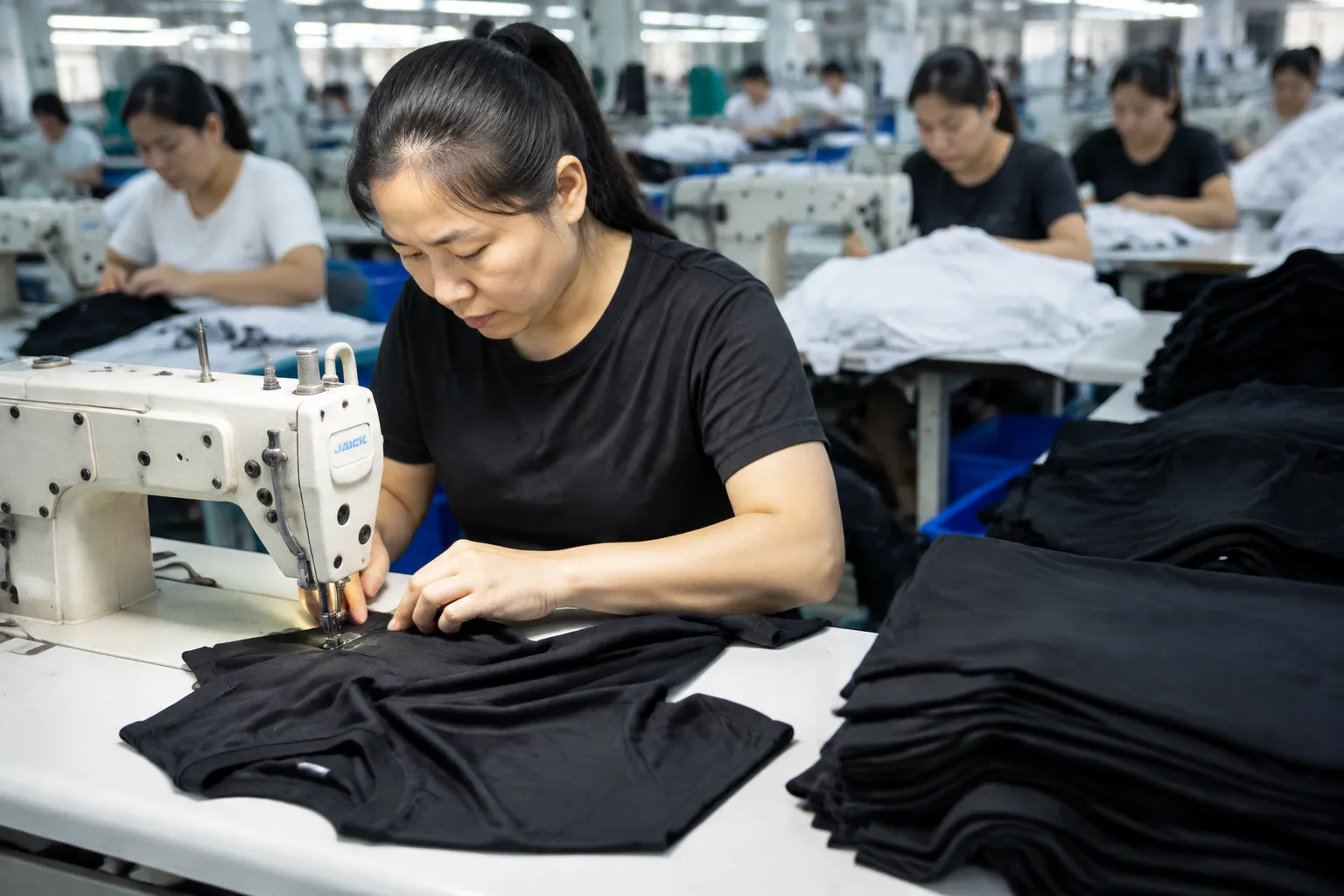

Molti acquirenti chiedono come realizzare una t-shirt personalizzata, ma spesso si concentrano solo sul design. Una scelta errata del tessuto, una richiesta di campione poco chiara o una scarsa comunicazione con la fabbrica possono aumentare i costi e ritardare la consegna. La soluzione è comprendere l'intero processo produttivo prima di effettuare un ordine.
Per produrre magliette personalizzate, prepara il design, scegli tessuto e metodo produttivo, sviluppa un campione, conferma i dettagli qualità e collabora con una fabbrica affidabile per la produzione bulk.
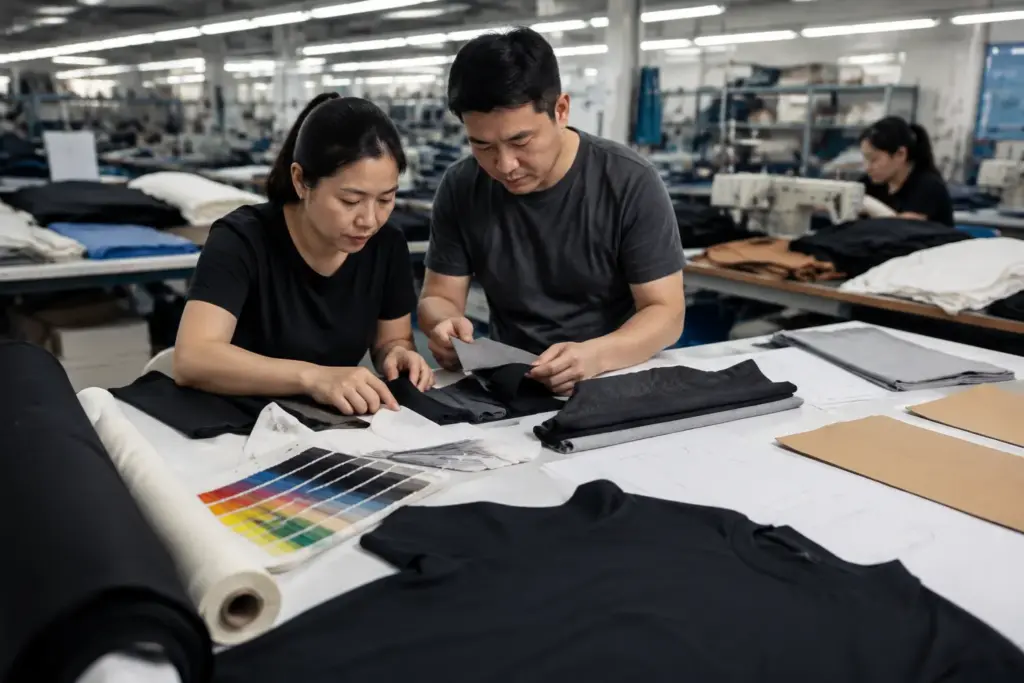
Sono Lancy Chia di Truekung. Nella mia esperienza in fabbrica, ho lavorato con acquirenti esteri che necessitavano di produzione di abbigliamento OEM/ODM, prodotti di moda a marchio privato e supporto per la vendita all'ingrosso di abbigliamento. Una t-shirt personalizzata può sembrare semplice, ma la sua produzione implica numerose decisioni riguardanti tessuto, stampa, taglie, controllo qualità, imballaggio e spedizione.
In questa guida spiego come realizzare una maglietta personalizzata dal punto di vista della fabbrica. Tratterò preparazione del design, fasi produttive, fattori di costo, scelta del fornitore ed errori comuni da evitare.
Come progettare una maglietta personalizzata prima della produzione?
Molti nuovi marchi nascono da un'idea ma non sanno come trasformarla in un prodotto pronto per la produzione. Un semplice problema di progettazione può causare ritardi nella campionatura e costi aggiuntivi. Un processo di sviluppo chiaro aiuta a evitare errori.
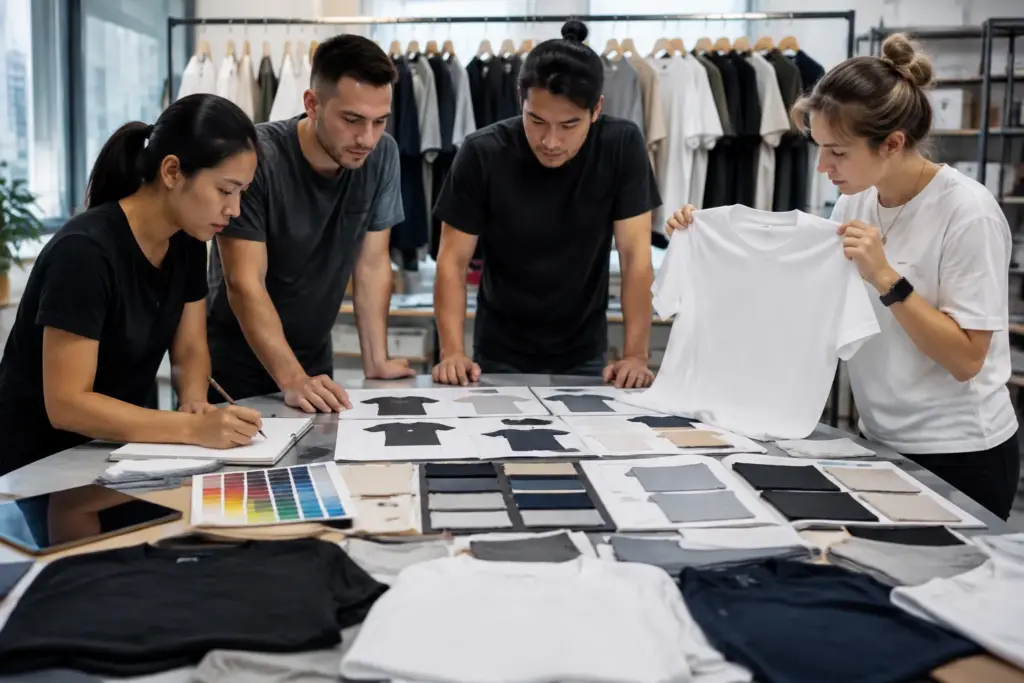
Prima della produzione, è necessario definire il concept della t-shirt, la grafica, la preferenza per il tessuto, le taglie richieste, il metodo di stampa e le aspettative di qualità. La fabbrica utilizzerà queste informazioni per creare un campione e un preventivo accurati.
Punto di vista della fabbrica
Quando un acquirente mi chiede come si realizza una t-shirt personalizzata, di solito spiego che la produzione inizia prima ancora di tagliare il tessuto. Il primo passo è la pianificazione del prodotto.
Una fabbrica deve capire:
- Stile della t-shirt e mercato di riferimento
- Composizione e peso del tessuto
- Preferenza di vestibilità
- Requisiti di colore
- Dettagli di stampa o ricamo
- Esigenze di etichettatura e confezionamento
- Quantità dell'ordine
Ad esempio, un marchio di streetwear potrebbe aver bisogno di una t-shirt di cotone oversize con un tessuto pesante. Un responsabile acquisti di un supermercato potrebbe invece aver bisogno di una semplice t-shirt promozionale con un budget inferiore. Questi due prodotti presentano differenze in termini di tessuti, metodi di produzione e prezzi.
La scelta del tessuto è una delle prime decisioni importanti. Le opzioni più comuni includono cotone, poliestere, misto cotone e tessuti riciclati. Il peso del tessuto, la morbidezza, il controllo del restringimento e la resa del colore influiscono sul prodotto finale.
Per le t-shirt a marchio privato, gli acquirenti devono anche preparare i dettagli del marchio, come etichette per il collo, cartellini, etichette di manutenzione e requisiti di imballaggio.
Rischio per il buyer
Molti acquirenti inviano solo un logo e chiedono un prezzo. Questo crea problemi perché la fabbrica non conosce lo standard del prodotto finale.
Ho visto acquirenti perdere tempo perché spiegano solo l'idea del progetto ma non forniscono dettagli su:
- La sensazione del tessuto che ci si aspetta
- Il prezzo di vendita obiettivo
- La posizione di mercato
- La data di consegna richiesta
Una fabbrica può produrre un campione che sembra accettabile ma non corrisponde alle aspettative dell'acquirente.
Controllo pratico
| Perché conta | Perché è importante | Cosa suggerisco |
|---|---|---|
| foto di riferimento della maglietta | Aiuta a spiegare la direzione stilistica | Inviami prodotti simili che ti piacciono |
| Requisiti del tessuto | Influisce sul prezzo e sulla qualità | Confermare la composizione e il peso |
| File dell'immagine | Influisce sulla qualità di stampa | Se possibile, fornire file vettoriali nitidi. |
| Tabella delle taglie | Previene problemi di montaggio | Confermare le misurazioni prima del prelievo |
| Mercato target | Influisce sulla scelta del prodotto | Comunica alla fabbrica il tuo gruppo di clienti |
Approfondimento
Progettare una t-shirt personalizzata è un equilibrio tra creatività e realtà produttiva. Molti nuovi marchi di abbigliamento si concentrano prima sulla grafica, ma le fabbriche valutano l'intera struttura del prodotto.
Nella mia esperienza in fabbrica, un buon design per una t-shirt deve tenere conto delle caratteristiche del tessuto, del metodo di cucitura, dei limiti di stampa e dei costi di produzione. Ad esempio, una grande grafica stampata può sembrare attraente, ma il metodo di stampa può incidere significativamente sul costo. La serigrafia funziona bene per grandi quantità, mentre la stampa digitale può essere più adatta per ordini più piccoli o grafiche complesse.
Lo stesso modello può avere prezzi diversi a seconda del tessuto scelto. Una t-shirt in cotone 100% con finiture di alta qualità costerà di più rispetto a una t-shirt base in misto cotone-poliestere. Gli acquirenti devono decidere se competere sul prezzo, sulla qualità o sul valore del design.
Il mio suggerimento è di preparare una descrizione dettagliata del prodotto prima di contattare una fabbrica. Più informazioni fornisce l'acquirente, più facile sarà per la fabbrica suggerire il tessuto, il metodo di produzione e il livello di prezzo più adatti. Un fornitore di abbigliamento serio dovrebbe spiegare queste opzioni, anziché limitarsi a proporre un prezzo basso.
Come una fabbrica di abbigliamento produce magliette personalizzate?
Molti acquirenti comprendono la fase di progettazione, ma non sanno cosa accade all'interno di una fabbrica. Senza comprendere il processo produttivo, è difficile valutare le capacità del fornitore e il rispetto delle promesse di consegna.
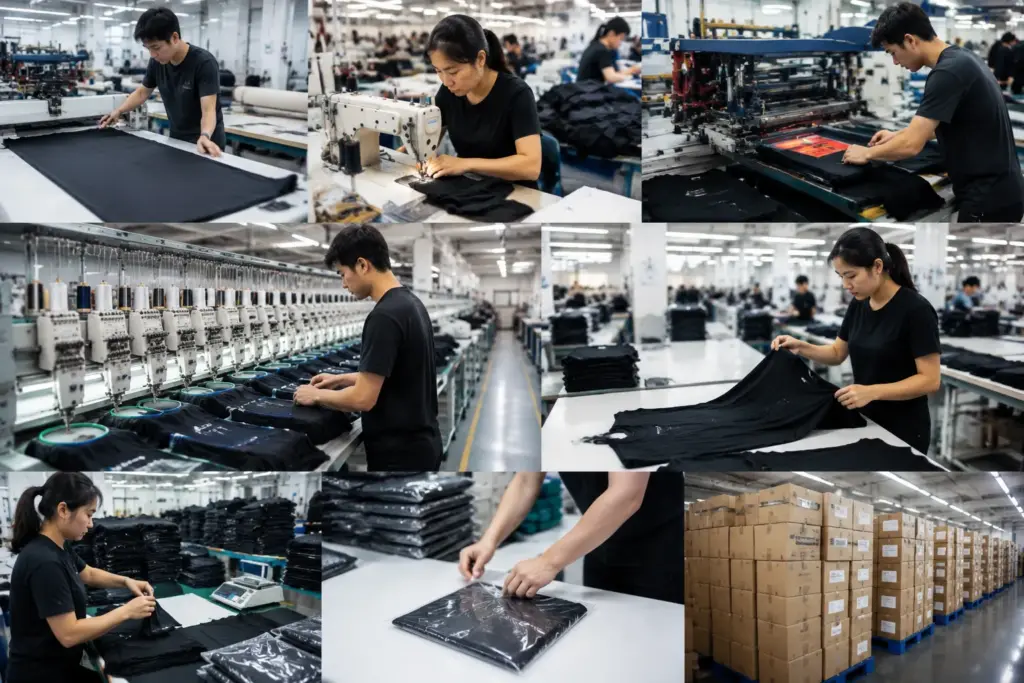
Una fabbrica di abbigliamento produce magliette personalizzate in più fasi: sourcing tessuti, cartamodello, sviluppo campione, taglio, cucitura, stampa o ricamo, controllo qualità, packaging e preparazione export.
Punto di vista della fabbrica
La produzione di t-shirt personalizzate inizia solitamente dopo la fase di approvazione del campione.
Il processo di fabbrica normalmente comprende:
- Conferma del tessuto
- sviluppo del modello
- Realizzazione di campioni
- Approvazione dell'acquirente
- Preparazione del tessuto in massa
- Taglio
- Cucito
- Processo di decorazione
- Controllo di qualità
- Imballaggio e spedizione
Noi di Truekung prestiamo la massima attenzione alla comunicazione in ogni fase, perché piccoli errori possono diventare molto costosi durante la produzione su larga scala.
Ad esempio, prima di tagliare il tessuto in grandi quantità, la fabbrica dovrebbe confermare:
- Campione approvato
- Tabella delle taglie finali
- Standard cromatico
- Posizionamento dell'etichetta
- Posizione di stampa
Può sembrare una cosa da poco, ma può influire sulla consegna.
Nella produzione di abbigliamento su misura, la campionatura è una fase fondamentale. Un campione permette all'acquirente e alla fabbrica di verificare vestibilità, costruzione, aspetto e qualità della lavorazione prima di avviare la produzione su larga scala.
Rischio per il buyer
Il rischio maggiore è quello di scegliere un fornitore che promette una produzione rapida senza spiegare il processo.
Alcuni fornitori potrebbero omettere la conferma dettagliata dei campioni o utilizzare materiali diversi durante la produzione in serie. Ciò può causare problemi di qualità.
I problemi più comuni includono:
- Tessuto con sensazione al tatto diversa rispetto al campione.
- Posizione di stampa errata
- cuciture irregolari
- Misurazioni errate
- Differenze di colore
Un preventivo basso non è sempre sinonimo di buon affare se l'acquirente deve dedicare del tempo extra alla risoluzione di eventuali problemi.
Controllo pratico
| Perché conta | Perché è importante | Cosa suggerisco |
|---|---|---|
| Processo di approvazione campione | Conferma lo standard di produzione | Approva tutti i dettagli prima di effettuare l'ordine all'ingrosso. |
| Timeline di produzione | Controllo del rischio di consegna | Richiedi tempi di consegna realistici |
| Procedura di controllo qualità | Protegge la qualità del prodotto | Confermare il punto di ispezione |
| Velocità di comunicazione | Riduce gli errori | Scegli un fornitore reattivo |
Approfondimento
La differenza tra una società commerciale e una vera e propria fabbrica emerge spesso durante la comunicazione con il produttore. Una fabbrica comprende come il tessuto, la cucitura e la finitura influenzino il prodotto finale.
Di solito chiedo agli acquirenti di verificare come un fornitore spiega i problemi di produzione. Un fornitore professionale dovrebbe spiegare perché si verifica un problema e come intende risolverlo.
Ad esempio, se un acquirente richiede una t-shirt oversize molto morbida a un prezzo contenuto, la fabbrica deve spiegare i compromessi. Un tessuto più pesante, un processo di lavaggio speciale o un cotone di qualità superiore potrebbero aumentare i costi e i tempi di produzione.
Una buona regola decisionale è semplice: se un fornitore parla solo di prezzo ma non è in grado di fornire dettagli su tessuto, campioni, controllo qualità e consegna, l'acquirente dovrebbe essere cauto.
La produzione di t-shirt personalizzate non si limita alla realizzazione di un prodotto. Si tratta di creare un prodotto riproducibile, in grado di mantenere una qualità costante nel tempo.
Quanto costa produrre magliette personalizzate e scegliere un fornitore?
Il costo è una delle prime domande che gli acquirenti si pongono, ma il fornitore più economico non è sempre la scelta più adatta. Il costo reale dipende da molti fattori di produzione.
Il costo di produzione delle magliette personalizzate dipende da tessuto, quantità, complessità del design, metodo di stampa, livello di personalizzazione, packaging e spedizione.
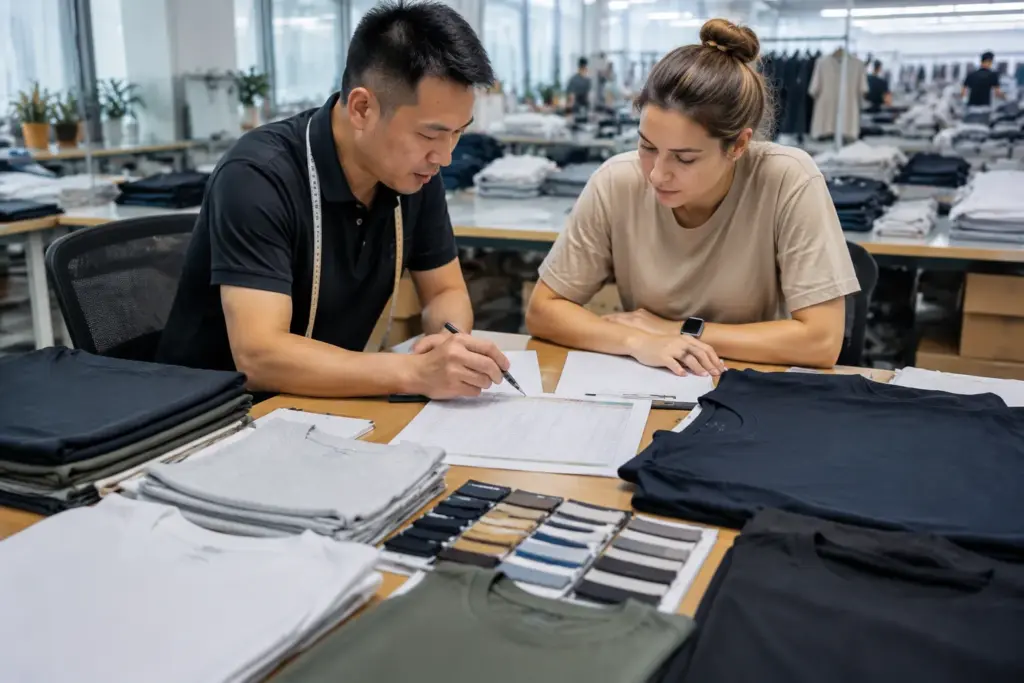
Punto di vista della fabbrica
Quando gli acquirenti richiedono un preventivo, valuto più del semplice design della maglietta.
Tra i fattori di costo più importanti si annoverano:
- Tipo di tessuto
- Peso del tessuto
- Quantità dell'ordine
- Numero di colori
- Metodo di stampa
- Dettagli di cucito
- Etichette e imballaggi
- Requisiti di qualità
Anche il quantitativo minimo d'ordine (MOQ) influisce sul prezzo. Gli ordini più consistenti consentono generalmente alle fabbriche di controllare meglio l'acquisto dei materiali e l'efficienza produttiva. Gli ordini di piccole dimensioni possono avere costi unitari più elevati perché i costi di allestimento vengono ripartiti su un numero inferiore di pezzi.
Per le t-shirt a marchio privato, gli acquirenti dovrebbero considerare anche i costi di sviluppo, come quelli relativi a campioni, etichette personalizzate e imballaggi speciali.
Rischio per il buyer
Molti acquirenti confrontano solo il prezzo unitario. Questo può creare problemi in seguito.
Un prezzo molto basso può significare:
- Qualità del tessuto inferiore
- Personalizzazione limitata
- Controllo qualità inadeguato
- Tempo di correzione più lungo
- Comunicazione scadente
Ho visto acquirenti scegliere i fornitori basandosi solo sul prezzo e poi spendere di più perché i prodotti non soddisfacevano le loro aspettative di mercato.
Controllo pratico
| Perché conta | Perché è importante | Cosa suggerisco |
|---|---|---|
| Preventivo completo | Evita i costi nascosti | Richiedi un preventivo dettagliato. |
| Requisito MOQ | Influisce sugli investimenti | Abbinare la quantità alla fase aziendale |
| costo del campione | Mostra il processo di sviluppo | Confermare prima di iniziare |
| Condizioni di spedizione | Influisce sul costo finale | Discutere la logistica fin da subito |
Approfondimento
La scelta di un fornitore di t-shirt personalizzate è una decisione aziendale, non solo una decisione di acquisto. Gli acquirenti dovrebbero valutare se il fornitore è in grado di supportare la crescita futura.
Un piccolo marchio può iniziare con un solo modello di t-shirt, ma in seguito necessitare di più colori, nuovi design, giacche, felpe con cappuccio o altre categorie di abbigliamento. Una fabbrica che comprende lo sviluppo e la produzione può diventare un partner a lungo termine.
Il mio suggerimento è di confrontare i fornitori in base alla qualità della comunicazione, alla conoscenza della produzione e al controllo qualità, non solo al prezzo.
Un fornitore di abbigliamento serio dovrebbe spiegare il motivo del preventivo. Se il prezzo è più alto, il fornitore dovrebbe chiarire se ciò è dovuto a un tessuto migliore, una lavorazione più robusta, un controllo qualità più accurato o una maggiore personalizzazione.
Cosa preparare prima di contattare una fabbrica di abbigliamento in Cina?
Una richiesta chiara aiuta la fabbrica a fornire prezzo, tempi e suggerimenti produttivi più accurati.
| Informazioni da preparare | Esempio | Perché serve alla fabbrica |
|---|---|---|
| Categoria prodotto | T-shirt personalizzata | Comprendere i requisiti di produzione |
| Foto riferimento o tech pack | Stili o disegni simili | Confermare la direzione progettuale |
| Tessuto | 100% cotone, 240 g/m² | Calcola il costo dei materiali |
| Gamma taglie | S-XXL | Preparare il modello e la gradazione |
| Quantità per modello/colore | 500 pezzi per colore | Piano di stima della produzione |
| Mercato target | USA, Europa, Australia | Suggerire standard adeguati |
| Livello qualità | Base o premium | metodo di produzione di partite |
| Packaging | Sacchetto di plastica, cartone, etichette | Calcola il costo finale |
| Etichettatura | Etichette del marchio ed etichette di manutenzione | Prepara la personalizzazione |
| Scadenza consegna | Data di spedizione richiesta | Pianificare il programma di produzione |
| Certificati | Documenti richiesti dal mercato | Verificare la fattibilità |
| Prezzo target | Intervallo di costo previsto | Suggerire opzioni adatte |
Una richiesta chiara aiuta la fabbrica a fornire un prezzo, una tempistica e un'offerta di produzione più accurati.
Quando richiedere un preventivo a Truekung?
Se hai già un’idea prodotto, campioni di riferimento, requisiti brand o un piano wholesale, è il momento giusto per contattare Truekung.
Truekung supporta gli acquirenti che necessitano di produzione di abbigliamento OEM/ODM, prodotti di moda a marchio privato, una comunicazione stabile per l'esportazione e un supporto pratico da parte della fabbrica.
Puoi contattarmi a questo indirizzo:
Conclusione
Capire come produrre una maglietta personalizzata aiuta i buyer a controllare qualità, costo e consegna. Con preparazione chiara e comunicazione efficace con la fabbrica, la tua idea di T-shirt può diventare un prodotto affidabile per il mercato.
Visualizzazioni: 132