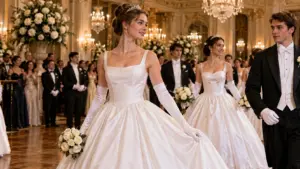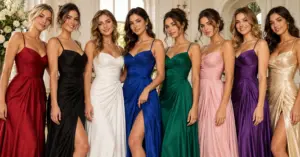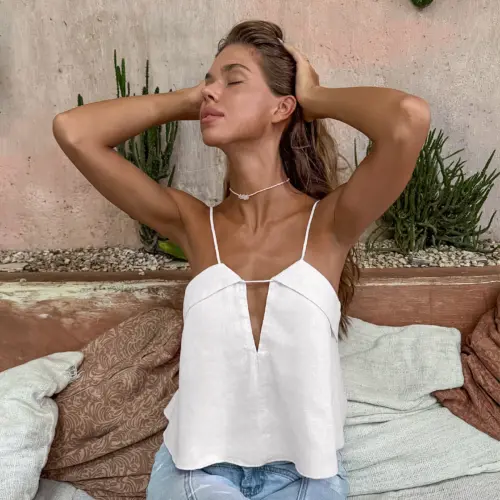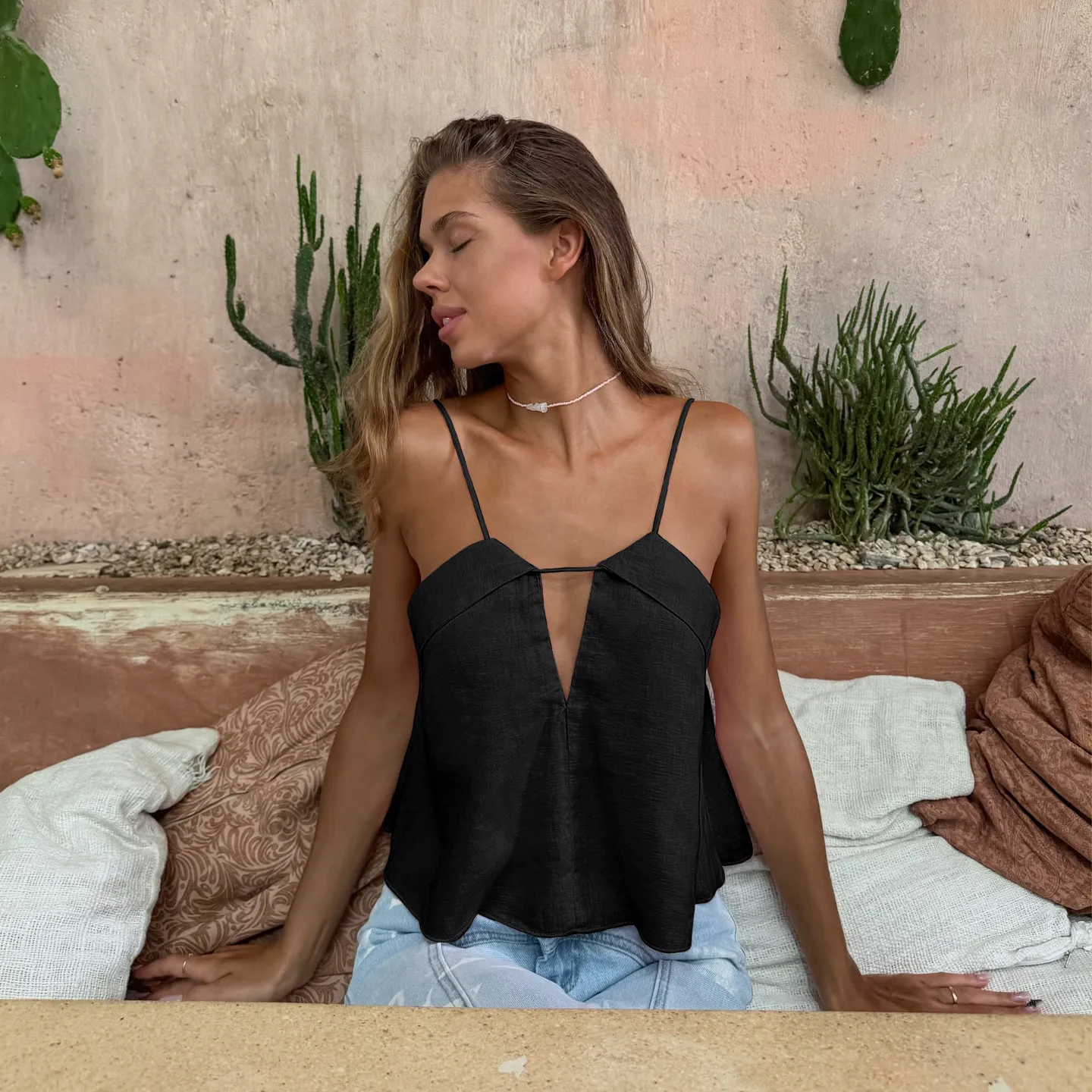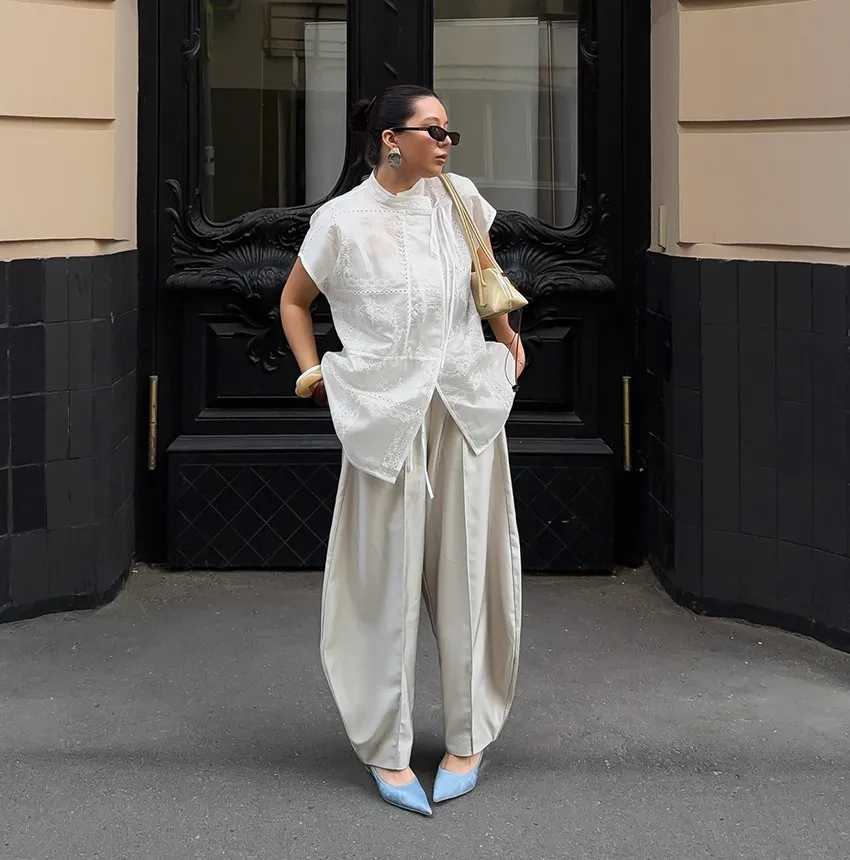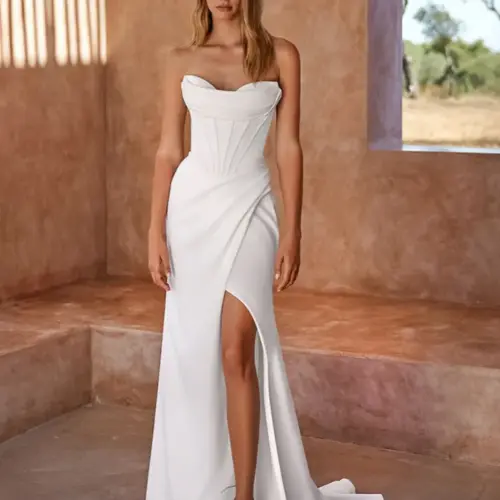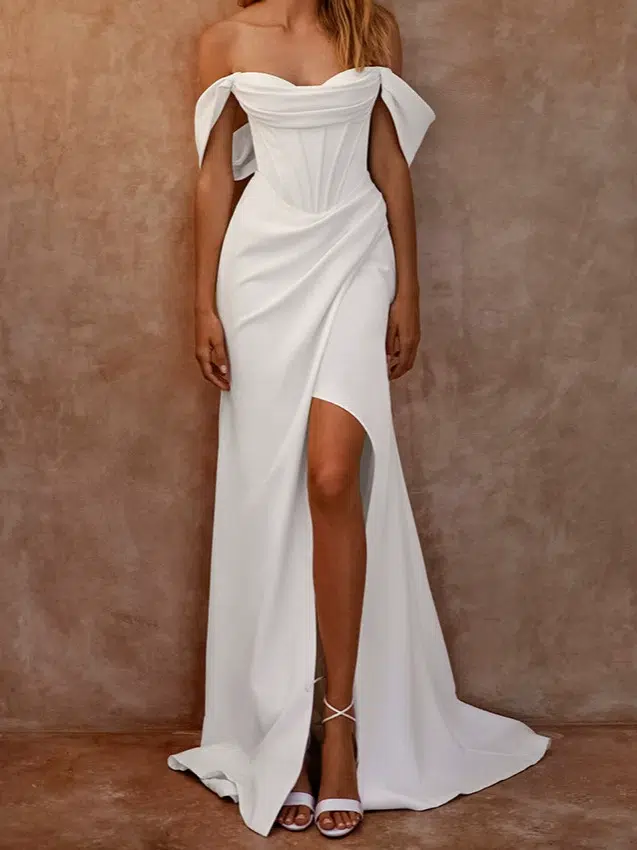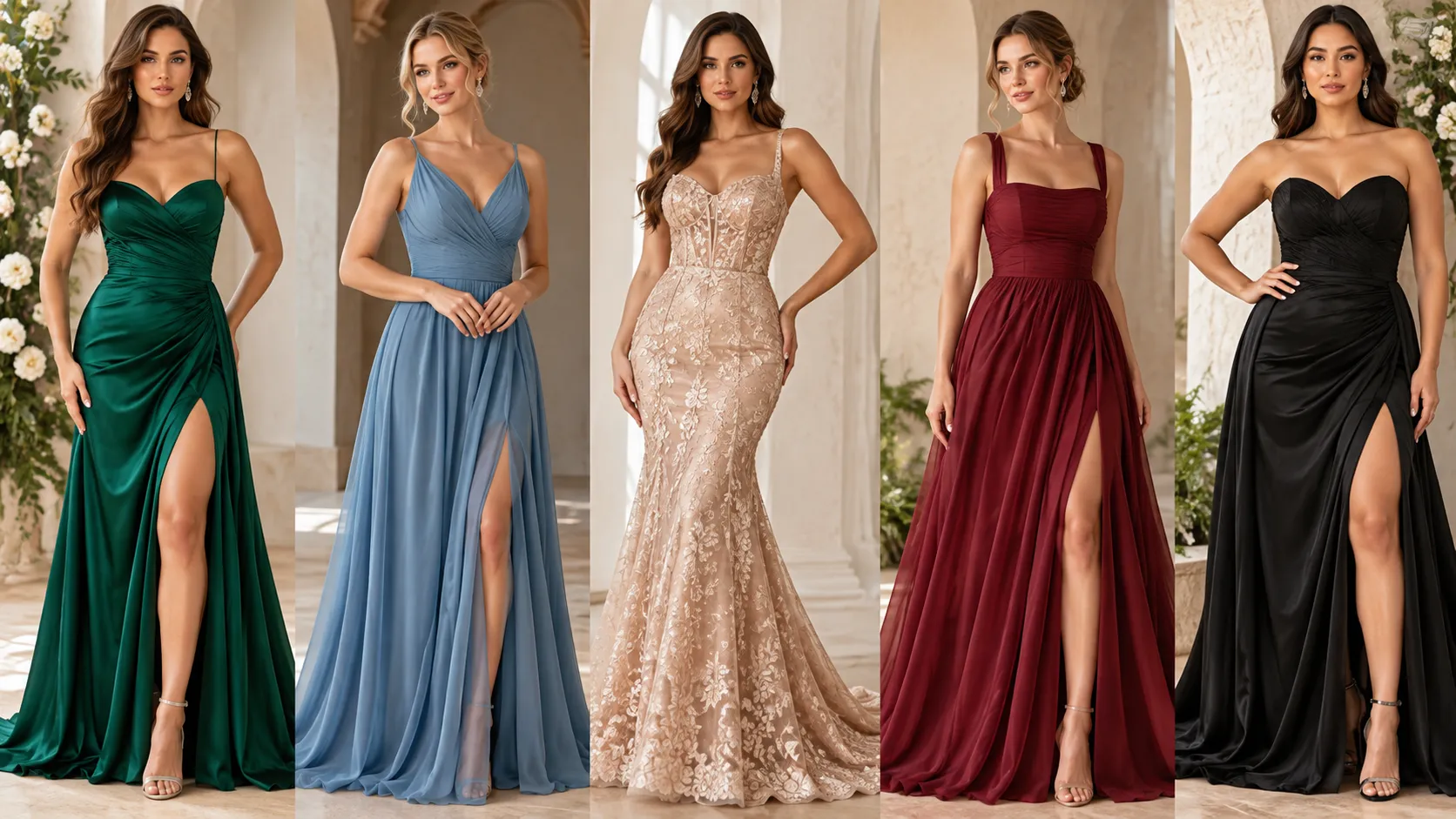

Choosing a formal dress by appearance alone can create fit problems later. A beautiful design may sit differently across body shapes, sizes, and fabrics. The better approach is to match silhouette, construction, and material to the proportions the dress is designed to support.
Featured snippet: The best dress for your body type depends on proportion, not only size. A-line dresses offer flexible fitting, while hourglass figures often suit defined waists, pear shapes benefit from balanced shoulders and flowing skirts, inverted triangles can use lower-body volume, and rectangle shapes often benefit from strategic shaping and seam placement.
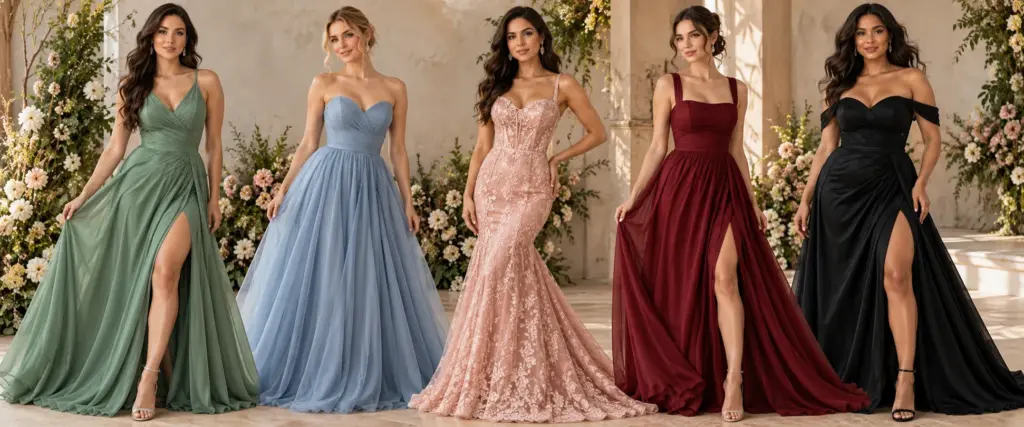
I am Lancy Chia from Truekung, a clothing factory in China with 20 years of export experience and more than 200 workers. When we develop dresses for overseas brands, I look at this question differently from a consumer stylist. A flattering sketch is only the beginning. Pattern shape, fabric weight, bust construction, waist position, lining, seam placement, grading, and size range determine whether the final dress actually gives the intended silhouette.
This is especially important for buyers developing formal dresses for different body types. A style that looks excellent on one fitting model may become difficult to sell across a wider size range if the pattern, fabric, or internal structure is not planned correctly. Below, I will explain how I evaluate dress shapes from both the design and factory sides.
Which Dress Silhouettes Work Best for Different Body Types?
A buyer may select an attractive silhouette and assume the factory can simply grade it into every size. The problem is that body proportions do not increase evenly. Without considering shape, support, fabric, and grading, the same dress can perform very differently across a size range.
For dresses by body type, start with proportion. Hourglass shapes often work well with waist definition, pear shapes usually benefit from controlled volume below the waist and upper-body interest, inverted triangles can use fuller skirts, and rectangle shapes can use seams, waist shaping, or volume to create definition. These are design guidelines, not fixed rules.
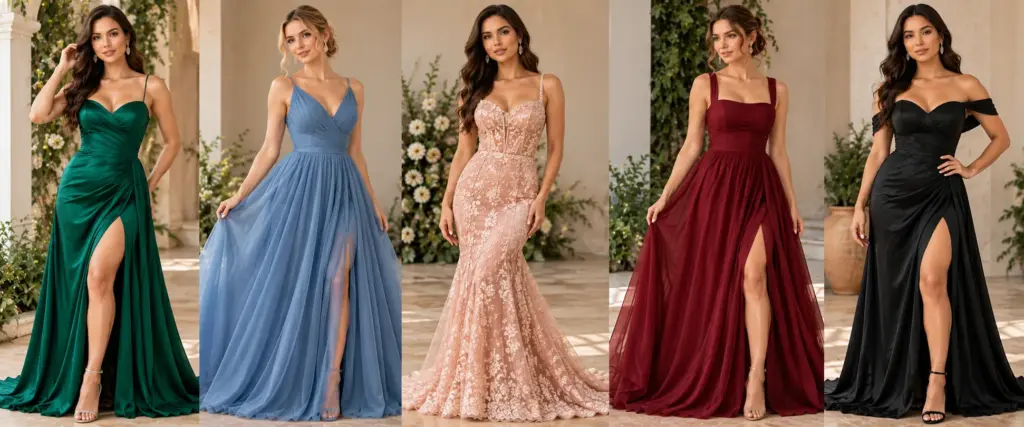
How Silhouette Changes the Visual Balance
When developing a dress for body type requirements, I first look at the relationship between the bodice, waist, hips, and skirt rather than treating the dress as one shape.
For an hourglass figure, a defined waist is often important. Fit-and-flare, wrap-inspired, trumpet, and some mermaid constructions can follow the existing proportion. However, the waist seam must sit in the correct position. If it is too high or too low, the intended effect can disappear.
For pear-shaped proportions, an A-line or fuller skirt can provide more room through the hip while keeping the waist visually defined. Details around the neckline, shoulders, or upper bodice can also change the overall balance.
For an inverted triangle body shape, I often look at designs with cleaner shoulders and more visual weight below the waist. A fuller skirt, pleats, controlled gathers, or an A-line shape can support this direction.
For rectangle proportions, princess seams, shaped waist panels, belts, contrast panels, ruching, or fit-and-flare construction can create more definition.
An apple-shaped figure may need a different approach. Empire lines, controlled A-line shapes, V-necklines, and carefully placed draping can reduce fitting pressure around the natural waist.
These are starting points. A serious clothing supplier should explain that the same silhouette can change significantly depending on fabric and construction.
Why One Style Cannot Fit Everyone
One common buyer mistake is using a sample fitted on one model and assuming normal grading will solve every later fit issue.
It often does not.
Suppose a fitted formal dress is approved in a middle size. When the pattern is graded upward, the bust, waist, hip, armhole, neckline, strap position, and garment length cannot always increase at the same rate. Larger sizes may need additional consideration for bust support and balance. Smaller sizes may need narrower straps, reduced neckline width, or different proportions.
This becomes more important with a strapless gown, sweetheart neckline, corset-style bodice, or fitted mermaid dress. These designs have less room for fitting errors.
The fabric also changes the result. A woven satin with almost no stretch needs enough wearing ease. A stretch crepe can tolerate more movement. Chiffon may look soft in a photo, but it usually needs lining and suitable internal construction. Heavy sequins can pull a bodice downward.
In my factory experience, I usually ask buyers to check the fit sample on the intended size range before confirming a large order when the design is highly fitted.
The question should not only be, “What dress is best for my body type?” For a brand, it should also be, “Can this design maintain the intended fit across my customer size range?”
What Buyers Should Check Before Grading
| Mitä tarkistaa | Miksi sillä on merkitystä | Mitä ehdotan |
|---|---|---|
| Bust and waist position | Controls the overall proportion | Confirm measurements on the fit sample |
| Lonkan helppous | Affects movement and appearance | Check sitting and walking, not only standing |
| Kaula-aukon muoto | Can change after grading | Review neckline width and depth by size |
| Strap position | Poor placement causes slipping | Confirm strap spacing on the sample |
| Skirt volume | Muuttaa siluettia | Specify sweep, gathers, or pleat amount |
| Mekon pituus | Affects petite and tall customers | Define length and measurement points |
| Kankaan venytys | Changes fitting tolerance | Test actual bulk fabric or approved quality |
| Vuori | Affects comfort and drape | Match lining to shell construction |
| Internal support | Important for fitted bodices | Confirm cups, boning, interfacing, or elastic |
| Kokoluokitus | Determines fit consistency | Approve a grading rule before bulk production |
When a Flexible Silhouette Is the Better Choice
For a new brand, I often see a trade-off between a dramatic silhouette and a commercially flexible fit. Imagine a buyer developing a formal collection in six sizes. Style A is a fitted satin mermaid gown with a structured sweetheart neckline. Style B is an A-line dress with a shaped bodice, defined waist, and moderately flowing skirt. Style A can create a strong visual effect, but small differences in bust, waist, hip, and torso length are easier to notice. It may require more fit corrections, stronger internal construction, and closer grading control. Style B gives the pattern more tolerance below the waist and can be easier to manage across different proportions. This does not mean an A-line is automatically the best dress for every body type. It means the commercial fitting risk may be lower. My suggestion is to match silhouette complexity to your development budget and target customer. If you have strong sales data, detailed measurements, and time for several fitting rounds, you can develop more body-conscious styles. If you are testing a new market or customer profile, choose silhouettes with reasonable fitting tolerance first. My buyer decision rule is simple: the less certain you are about customer measurements, the more carefully you should use highly fitted formal dress shapes.
How Do Fabric and Construction Affect the Best Dress for Your Body Shape?
Two dresses can use the same pattern idea but look completely different after production. Fabric weight, stretch, drape, lining, boning, seams, and interfacing determine how closely a dress follows the body and how much support or volume it provides.
The best dress for your body shape depends on construction as much as silhouette. Structured satin can hold a defined bodice, chiffon creates softer movement, stretch crepe follows curves, and tulle can build skirt volume. Buyers should therefore select the fabric and dress shape together rather than approving them separately.
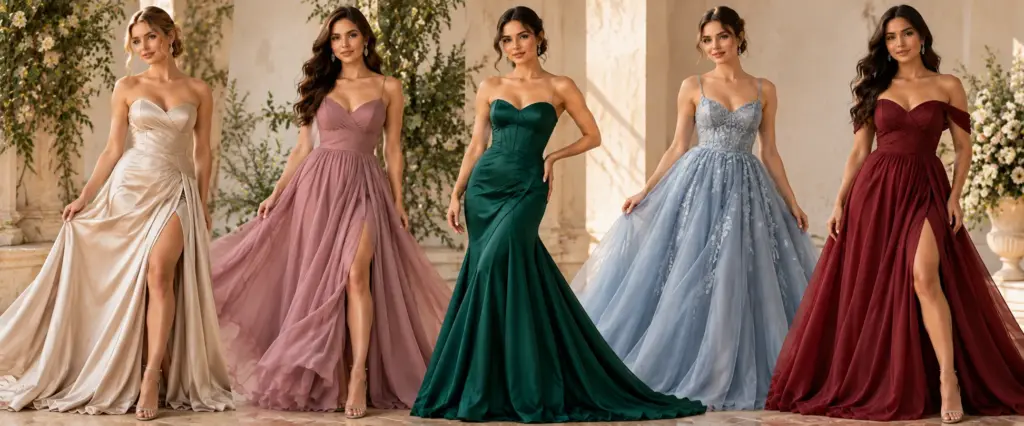
How Fabric Changes the Same Pattern
Fabric is one of the first things I check when a buyer sends a formal dress reference.
A soft fabric and a structured fabric cannot be expected to create the same body shape.
For example, an A-line dress made from chiffon can fall softly from the waist. The same general silhouette made from mikado-style fabric can look much more architectural and hold more volume. A stretch crepe may follow the hips closely, while a firm woven satin may need additional ease and shaping seams.
This matters when buyers are developing formal dresses for hourglass figures or other fitted styles. A fabric that is too thin may reveal seam lines and construction underneath. A fabric that is too stiff may create tension across the hip or bust. A material with excessive stretch may lose the clean shape that the original design requires.
The direction of stretch is also important. Two fabrics that look similar online may behave differently during cutting, sewing, and fitting.
For formal dresses, we may also need to consider lining, fusible materials, boning, cups, mesh, elastic, horsehair braid, and other supporting components depending on the design.
I usually ask buyers to check the fabric together with the approved sample construction. Changing fabric after sample approval can change the fit, appearance, and even required pattern measurements.
Why Necklines Need More Than Styling
Necklines receive a lot of attention in discussions about dress styles for body types. Sweetheart necklines, V-necks, halters, off-shoulder designs, and strapless clothes all create different visual lines.
From the factory side, however, a neckline is also an engineering issue.
Take a sweetheart neckline. A soft sweetheart shape on a dress with straps is relatively different from a deep sweetheart neckline on a strapless gown. The strapless version may depend on the bodice structure to remain in position.
The factory may need to consider boning placement, cup shape, seam structure, interfacing, elastic, lining, and the height of the back bodice. If these details are weak, the customer may keep pulling the dress upward even when the dress looks correct on a hanger.
A deep V-neck creates another problem. The buyer must consider neckline stability, coverage, facing or lining construction, and whether mesh is required.
Off-shoulder styles also need movement testing. A beautiful neckline that restricts arm movement may generate complaints.
This looks small, but it can affect delivery. If the buyer changes the neckline after fitting, the pattern, lining, support materials, and sewing process may all need adjustment.
For this reason, I do not recommend choosing a sweet heart neckline or strapless gown only because it is considered flattering for a certain body shape.
What to Confirm for Formal Dress Construction
| Mitä tarkistaa | Miksi sillä on merkitystä | Mitä ehdotan |
|---|---|---|
| Kankaan paino | Changes drape and support | Approve actual fabric quality |
| Venytysprosentti | Affects fit and measurements | Confirm stretch before pattern finalization |
| Vuori | Changes comfort and opacity | Check color, hand feel, and stretch |
| Boning | Supports structured bodices | Confirm type and placement |
| Rintakupit | Affect shape and coverage | Test them inside the actual sample |
| Pääntie | Influences fit and support | Check standing, sitting, and movement |
| Vetoketju | Receives stress in fitted gowns | Test operation on the fitted sample |
| Saumat | Create body shaping | Review princess seams and waist seams |
| Hem structure | Controls skirt appearance | Confirm normal hem or special support |
| Kaunistus | Adds weight to the garment | Check whether support needs adjustment |
When Better Construction Is Worth the Cost
There is always a cost trade-off between simple construction and stronger body shaping. Consider a buyer developing a party wear gown with a strapless sweetheart bodice. A low-cost version might use shell fabric, lining, cups, and limited reinforcement. Another version might require additional interfacing, several pieces of boning, better lining, more precise bodice panels, and extra sewing operations. The second version will normally involve more materials and labor, but those components may be necessary if the design depends on the bodice holding its position. Removing them only to reach a target price can change how the dress performs. On the other hand, not every dress needs corset-level construction. Adding unnecessary layers to a soft summer formal dress can make it heavy, hot, and expensive. I have seen buyers lose time because they first requested a low price and later compared the sample with a reference dress that used much more internal structure. My suggestion is to identify the construction features that create the intended silhouette before negotiating cost reductions. My buyer decision rule is: never remove a component until you understand its function. If it is decorative, simplification may be possible. If it controls support, fit, opacity, or shape, test the revised sample before approving the change for bulk production.
How Should Brands Develop Dresses for Different Body Shapes and Sizes?
A dress can look correct in one sample size and still create returns in other sizes. Brands therefore need more than an attractive sample. They need a clear target customer, reliable measurements, suitable grading, controlled production tolerances, and fitting checks before bulk production.
For brands selling dresses for different body shapes, define the target size range before finalizing the design. Test fitted styles carefully, review grading around the bust, waist, hip, neckline, and length, and use production measurements that the factory can inspect. The wider the size range, the more important fit validation becomes.
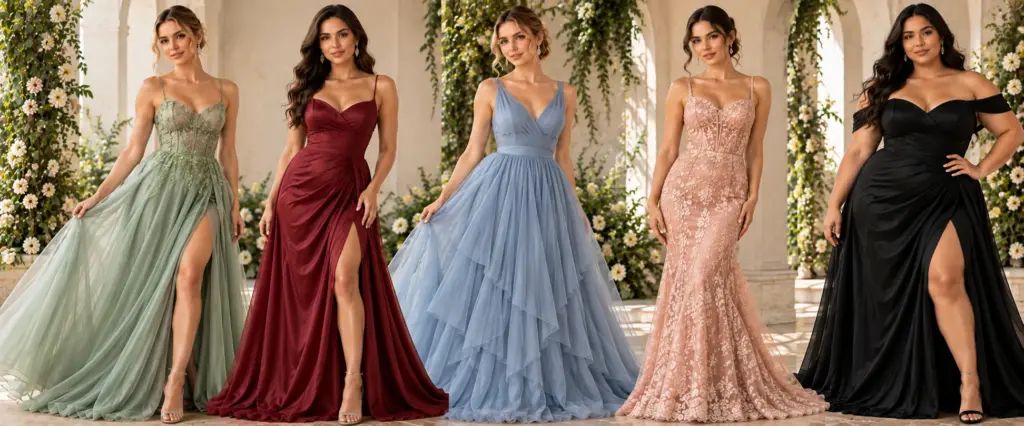
Why Size Charts Need Product Logic
A size chart is not only a list of body measurements.
For production, we also need garment measurements and construction logic. If a buyer sends only bust, waist, and hip body measurements, the factory still needs to know how much ease the style requires and where those measurements should be taken on the garment.
This becomes important with different types of formal dress.
A fitted mermaid gown needs controlled measurements through the bust, waist, hip, thigh, and sometimes knee area. An A-line dress may have more freedom below the waist. A wrap-style bodice can provide some adjustment, while a fixed waist seam provides much less.
Sleeves add another set of measurements. A fitted long sleeve needs bicep and cuff consideration. An off-shoulder design needs the upper opening controlled. A halter dress may depend heavily on neck and bust positioning.
Length is another frequent issue. Formal gowns are often designed to reach the floor, but customer height and heel height vary. Brands selling internationally need to decide whether they will use one standard length, offer petite or tall options, or expect customers to alter the hem.
I usually ask buyers to check which measurements are truly critical to the silhouette. These should receive closer attention during sampling and QC.
Why Grading Needs Special Attention
Normal grading is necessary for dresses for body types, but it cannot make one design equally suitable for every possible body proportion.
For example, formal dresses for an hourglass body may be designed around a noticeable difference between waist and hip measurements. If the target customer has a straighter proportion, the same garment could fit at the hip but feel loose at the waist.
A dress designed for large hips may need additional consideration around hip ease, skirt opening, seam placement, and zipper stress. A design for an athletic body type may require different thinking around shoulders, armholes, and upper-body movement.
Plus-size development also should not be treated as simply enlarging every pattern point. The bodice structure, strap width, bust shaping, armhole, neckline, waist placement, and internal support may need review as sizes increase.
This is why buyers should define the intended customer before development begins.
If your brand has previous sales data, customer measurements, return reasons, or fit comments, these can be valuable when developing the next collection. They tell the pattern team where your actual customers have problems.
Without this information, the factory can work from the supplied size chart and specifications, but buyers should understand that a generic chart cannot represent every body shape in a market.
What to Check Before Bulk Production
| Mitä tarkistaa | Miksi sillä on merkitystä | Mitä ehdotan |
|---|---|---|
| Kohdeasiakas | Guides fit decisions | Define market and expected size range |
| Pohjan koko | Becomes the development reference | Choose a representative fitting size |
| Kokotaulukko | Controls grading | Send your approved measurements |
| Sovita näyte | Paljastaa mittasuhteisiin liittyvät ongelmat | Test it before bulk approval |
| Large and small sizes | Shows grading behavior | Review additional sizes for fitted designs |
| Liike | Static fit is not enough | Sit, walk, raise arms, and use stairs |
| Zipper stress | Common issue in fitted dresses | Check closure under normal movement |
| Sauman lujuus | Formal dresses can carry weight | Inspect high-stress areas |
| Mittaustoleranssi | Needed for production QC | Define acceptable tolerances |
| Irtotavaraa | Can behave differently from sample fabric | Confirm fabric before cutting |
When More Fit Testing Saves More Money
Extra fit development adds sample cost and time, so buyers sometimes want to approve production after seeing only one sample. Whether this is reasonable depends on the design. Imagine two styles. The first is a loose chiffon A-line gown with an adjustable waist detail. The second is a non-stretch fitted formal dress with a strapless bodice, shaped waist, narrow hip, and mermaid skirt. The second style has more critical fitting points and less tolerance for measurement variation. Approving it after one fitting may save time at the beginning, but problems discovered after bulk cutting are much harder to correct. In my factory experience, this is where buyers should think about risk rather than sample cost alone. For a fitted style covering a broad size range, checking an additional size or requesting a size-set review can reveal whether grading is creating neckline, bust, waist, or hip problems. For a forgiving silhouette, extensive fitting rounds may provide less additional value. My suggestion is to spend development time where the pattern has the least tolerance. My buyer decision rule is: count the critical fitting points. The more areas that must sit closely on the body, the stronger the reason to test grading before bulk cutting. A sample fee is visible immediately; a fit problem across a finished order is much more expensive.
Mitä sinun tulisi valmistautua ennen kuin otat yhteyttä kiinalaiseen vaatetehtaaseen?
Before asking a factory for a quotation, prepare enough information for the supplier to understand the product, customer, quantity, and required quality level.
| Tiedot | Esimerkki | Miksi sitä tarvitaan |
|---|---|---|
| Tuote | Mekko, takki tai urheiluvaatteet | Vahvistaa tehtaan soveltuvuuden |
| Kuvat/tekniikkapaketti | Kuvat, mitat, rakenne | Tukee hinnoittelua ja kehitystä |
| Kangas | Puuvilla, denim, polyesteri tai tuntematon | Vaikuttaa kustannuksiin, MOQ-tilauksiin ja ajoitukseen |
| Koot | XS–XL tai mukautettu kaavio | Vaikuttaa malleihin ja kulutukseen |
| Määrä | Tyylin ja värin mukaan | Vaikuttaa MOQ-määrään ja yksikköhintaan |
| Markkinoida | EU, Iso-Britannia, Yhdysvallat tai Australia | Vaikuttaa kokoon ja vaatimustenmukaisuuteen |
| Laatutaso | Tukku- tai premium-hinta | Oppaiden materiaalit ja työn laatu |
| Pakkaus | Muovipussi, laatikko tai viivakoodi | Vaikuttaa kustannuksiin ja ajoitukseen |
| Tarrat | Kaula, hoito, koko ja ripustuslappu | Vaikuttaa taideteoksiin, tilausmäärään ja kustannuksiin |
| Määräaika | Varaston saapumispäivämäärä | Tukee tuotannon suunnittelua |
| Todisteet | Vaaditut sertifikaatit | Vahvistaa vaatimustenmukaisuuden |
| Tavoitehinta | FOB- tai toimitushinta | Auttaa ehdottamaan realistisia vaihtoehtoja |
Selkeät tiedot auttavat tehdasta tarjoamaan tarkemman hinnan, aikataulun, materiaaliehdotuksen ja tuotantosuunnitelman.
For formal dresses, I also suggest sending reference photos from the front and back, your required size chart, dress length, fabric preference, lining requirements, and details about internal construction. If you want a sweetheart neckline, built-in cups, boning, a corset-style back, sequins, lace, or special skirt volume, mention these details early.
If you do not know the exact fabric, that is fine. Tell the supplier what you need the fabric to achieve. For example, you may need a soft drape, strong structure, slight stretch, matte surface, or lower target cost. The factory can then discuss possible directions with you.
MOQ should also be discussed by style, color, and size breakdown rather than only as a total order quantity. Fabric minimums, dyeing requirements, printing, labels, trims, and special accessories can create different minimum quantities.
Suosittelen myös eroa olennaiset vaatimukset alkaen valinnaiset asetukset.
If a certain fabric composition, measurement, color, certificate, packaging method, or delivery date is essential, mark it clearly. If a detail can change to control cost or MOQ, tell the factory that as well.
This makes communication faster and gives the supplier room to suggest realistic alternatives without changing the core product.
Milloin sinun kannattaa pyytää Truekungilta tarjous?
Truekung may be suitable when you need OEM/ODM clothing production, private label development, sample development, bulk production, QC coordination, and export communication from China.
For formal dress projects, it is better to contact us after you have at least a clear product direction. You do not need to have every technical detail finalized.
You can send product images or a tech pack, expected quantity per style and color, target market, size range, quality requirements, and delivery expectations. If you already know the fabric, packaging, labels, or required certificates, include those details as well.
If some specifications are still uncertain, tell us which points are open for discussion. We can review the information from a production perspective and discuss what needs to be confirmed before sampling or quotation.
For buyers developing dresses for body types or a broad size range, I also suggest sharing your existing size chart and any important fit requirements. This gives us more useful information than a reference image alone.
Yhteystiedot: [email protected]
Verkkosivusto: https://truekung.com
Johtopäätös
The best dress for your body type starts with proportion, but successful production also depends on fabric, construction, grading, and fit testing. For brands and buyers, choose the silhouette and production method together, then verify critical measurements before bulk production.
Näkymät: 15