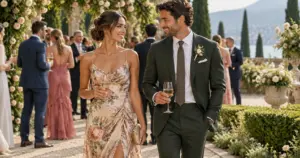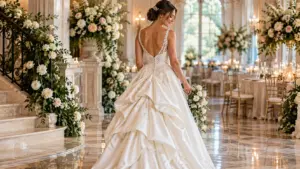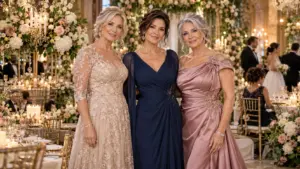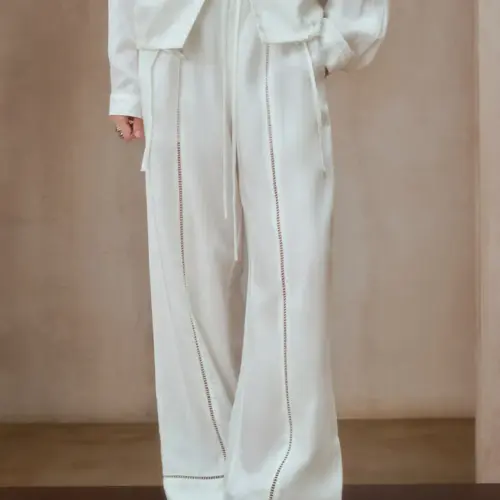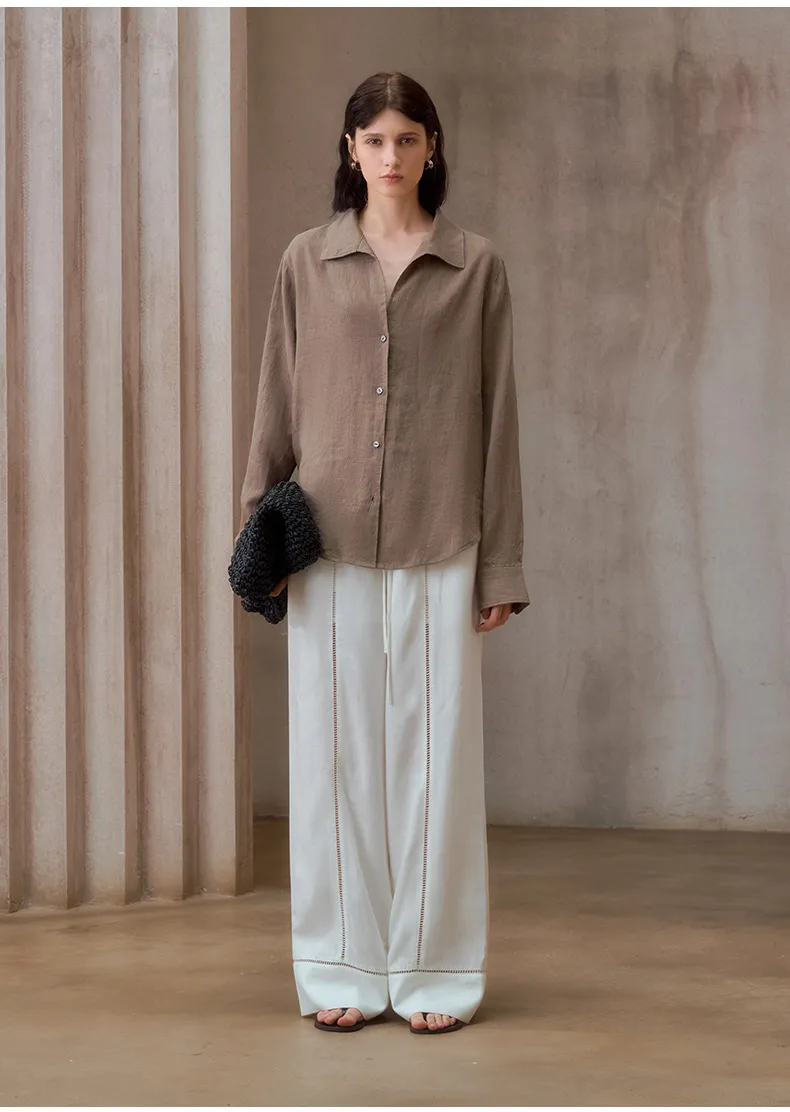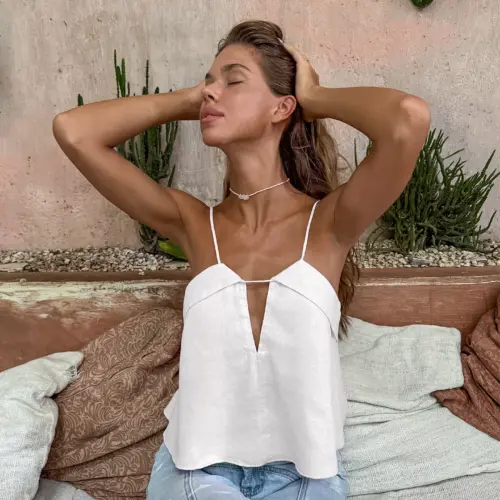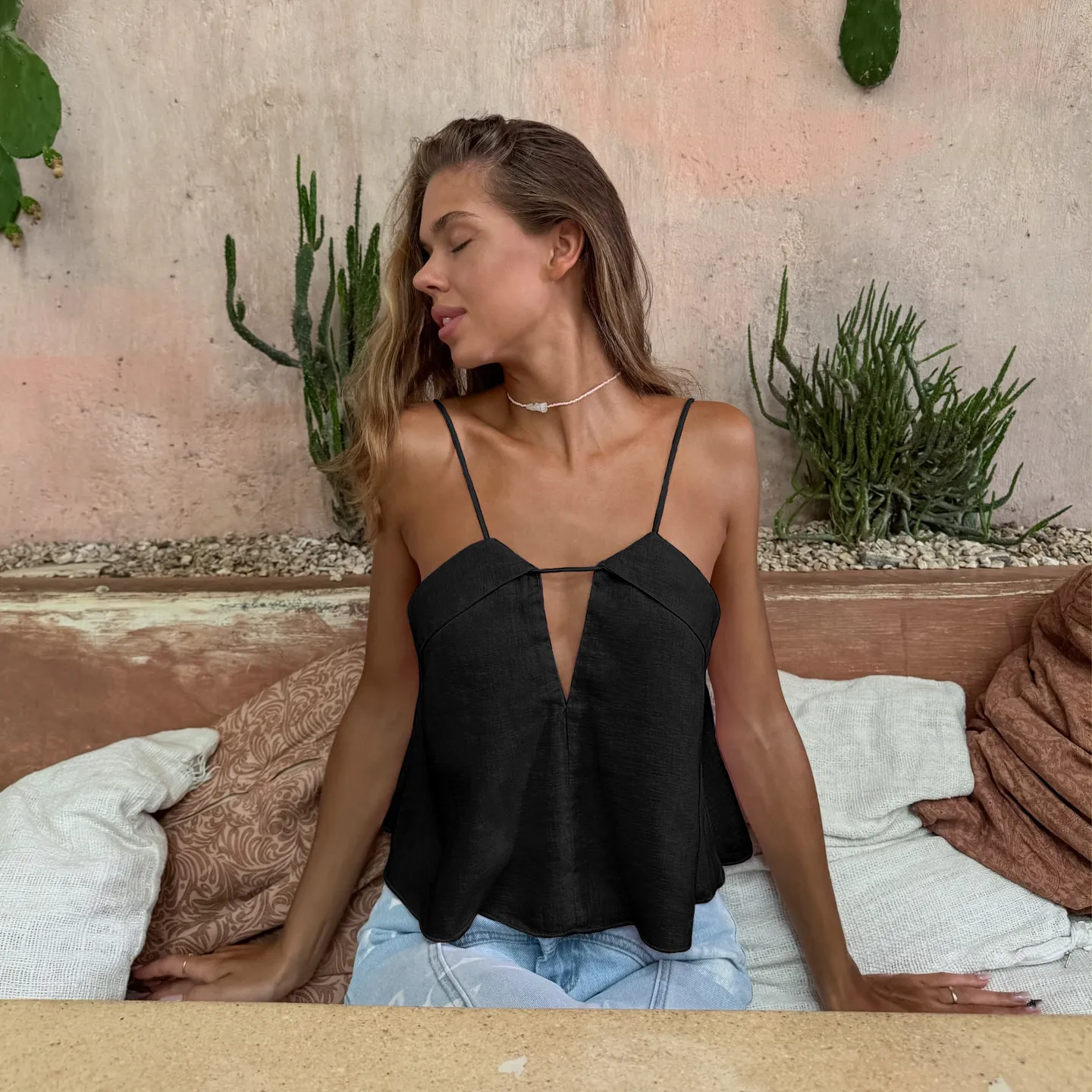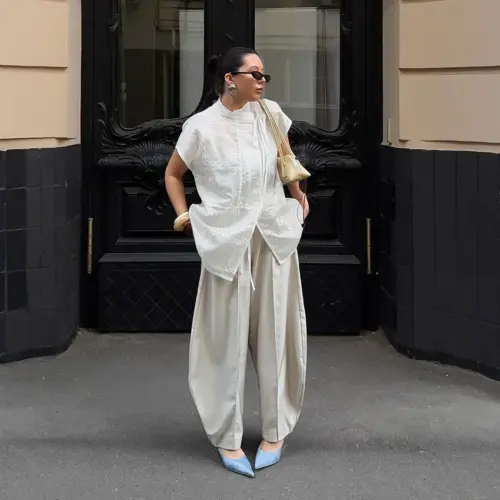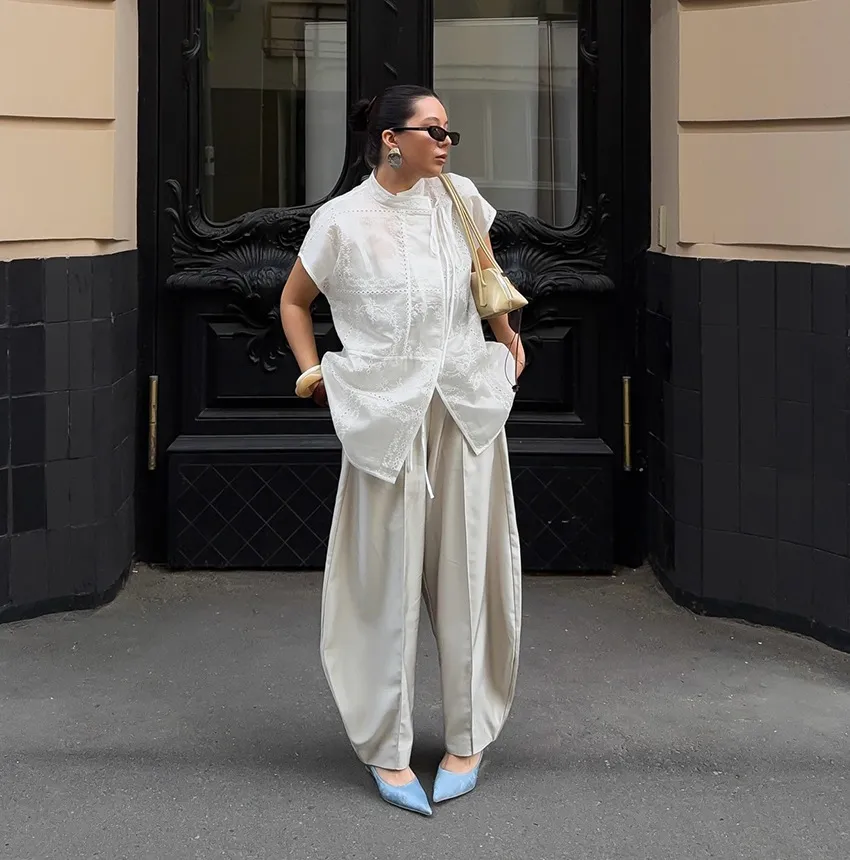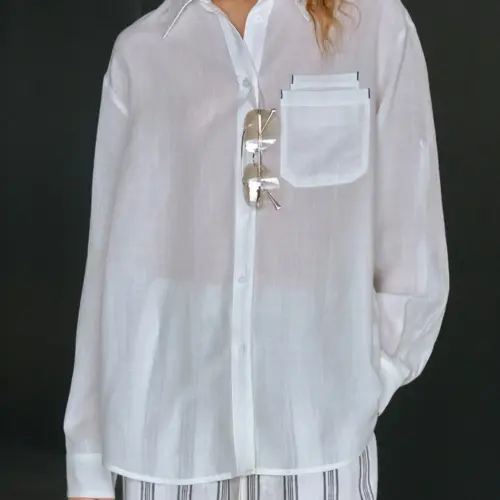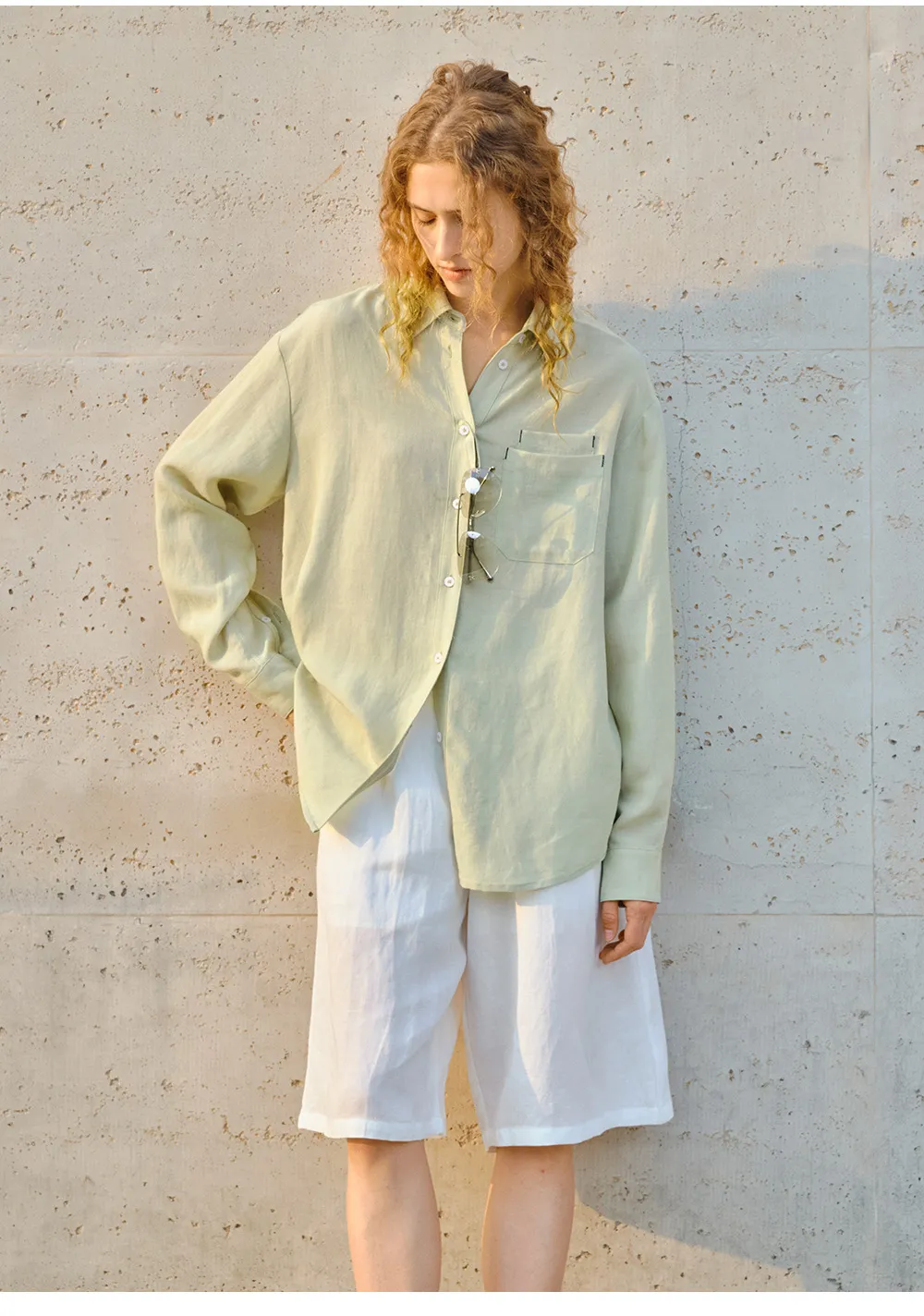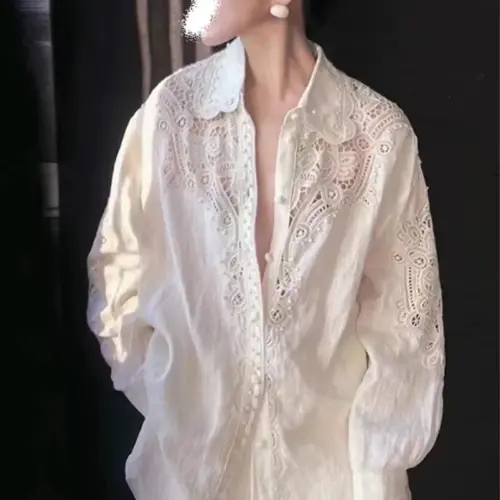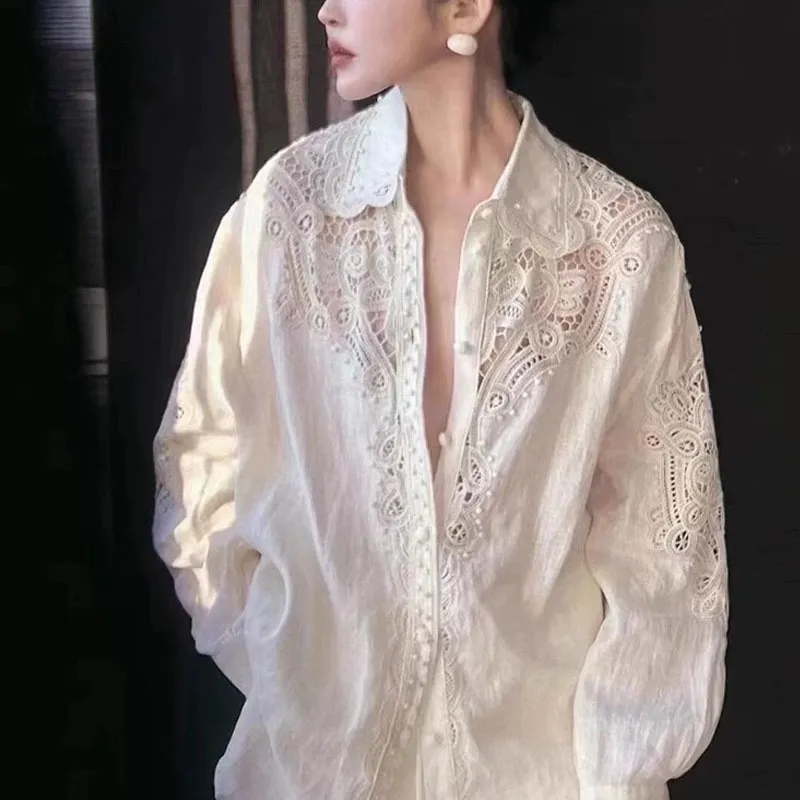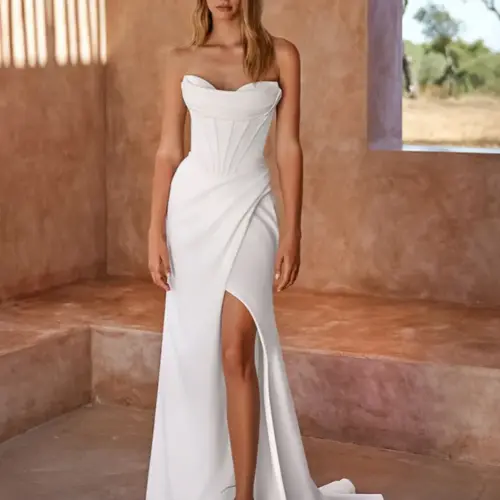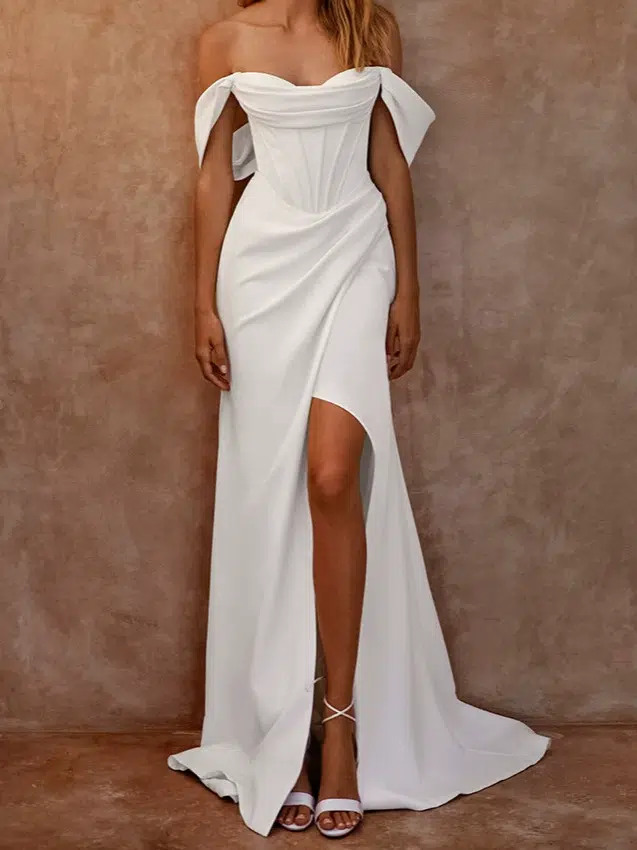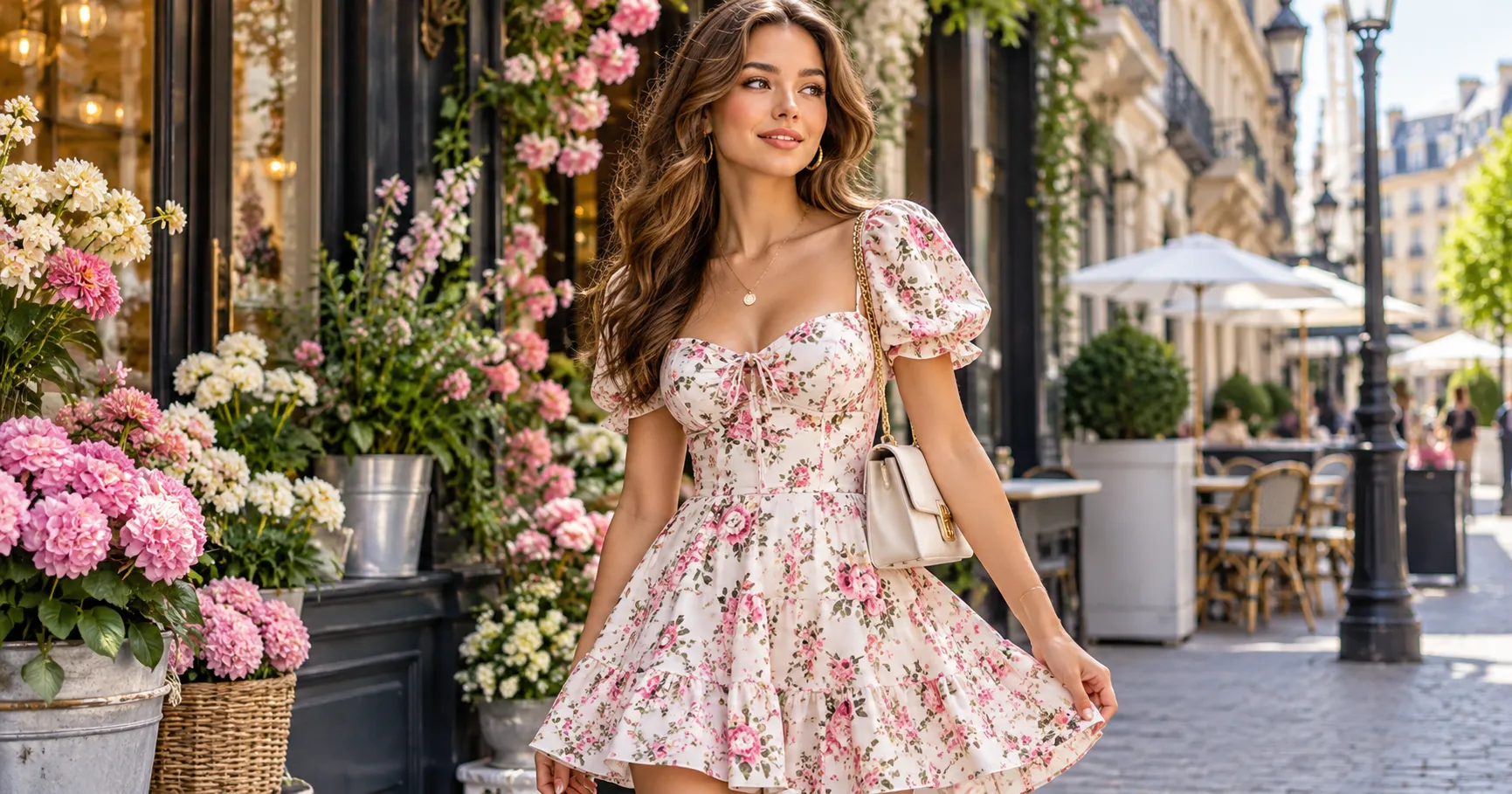

Learning how to dress cute can feel difficult when there are so many styles, colors, and dress designs to choose from. The wrong fit or fabric can make a beautiful outfit uncomfortable. The solution is to understand your style, choose suitable pieces, and focus on details that make you feel confident.
To dress cute, choose clothes that fit comfortably, match your personality, and work well together. Start with flattering dresses, soft or expressive colors, simple accessories, and versatile basics. Combine these elements to create cute outfits that suit your daily activities and special occasions.
I am Lancy Chia from Truekung, a China clothing factory with 20 years of export experience and more than 200 workers. Through our OEM and ODM clothing production, I have learned how fabric, garment construction, colors, and small design details influence the final appearance of clothing. We work with different fashion categories, including women’s dresses, skirts, jackets, jeans, T-shirts, and other everyday clothing.
I believe cute fashion is not only about following trends. It is also about choosing the right silhouette, fabric, color, and details. In this guide, I will share practical ideas to help you discover cute styles, create attractive outfits, and understand what makes a dress both beautiful and comfortable.
1. How Can You Choose Cute Dresses That Suit Your Personal Style?
Choosing cute dresses should be enjoyable, but too many options can make shopping confusing. A dress may look beautiful in pictures but feel uncomfortable when you wear it. Start with your preferred silhouette, daily activities, and personal taste.
The best cute dresses are those that combine a flattering shape, comfortable fabric, and thoughtful details. Consider mini, midi, A-line, and fitted designs. Choose the length and neckline that suit your preferences, then use accessories to complete your look.
Start With a Silhouette That Makes You Comfortable
The silhouette is one of the first things I recommend considering when choosing a dress. It determines the overall shape of the garment and influences how the dress moves when you walk, sit, or dance.
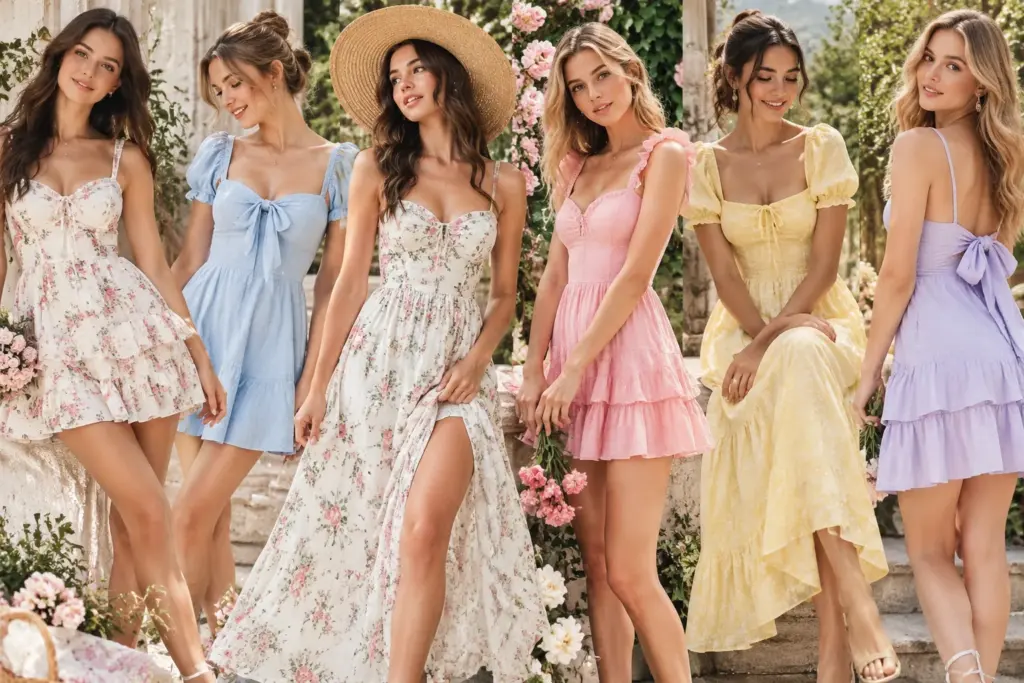
Here are several cute dress styles worth exploring:
- A-line dresses: These dresses have a fitted upper section and a skirt that gradually widens. They create a balanced appearance and work well for casual outings, parties, and everyday wear.
- Mini dresses: Short and cute dresses can create a playful appearance. They work well for summer activities, casual dates, and social events.
- Midi dresses: These designs offer more coverage while maintaining a feminine appearance. They are suitable for work, shopping, and relaxed gatherings.
- Slip dresses: Simple and lightweight, slip dresses can create an elegant look without too many decorative details.
- Fit-and-flare dresses: A defined waist and a fuller skirt create movement and a soft feminine shape.
- Shirt dresses: These are practical options for women who prefer cute clothes with a relaxed and slightly polished appearance.
When developing these designs, I pay attention to the relationship between the pattern, fabric, and garment structure.
For example, a lightweight fabric may work well for a flowing A-line skirt. A more structured fabric may be better for a dress that needs to maintain a defined shape.
Why Beautiful Dress Pictures Can Be Misleading
Many shoppers save cute dresses pictures from social media or online stores. However, pictures of cute dresses do not always show how a garment feels or performs in real life.
A dress can look attractive in a photograph but have problems with fit, lining, transparency, or movement.
I usually ask buyers to check several details before selecting a design:
- Does the neckline stay in place?
- Is the fabric comfortable against the skin?
- Does the dress become too tight when sitting?
- Is the skirt length suitable for the intended occasion?
- Are the seams and hems finished neatly?
- Does the garment maintain its shape after washing?
These details also matter during garment development. A beautiful design needs suitable construction to achieve its intended appearance.
For example, a dress with a fitted waist may require careful pattern adjustment. If the waist measurement is incorrect, the garment may pull across the body or create unwanted wrinkles.
What to Check Before Choosing a Dress
| Por qué importa | Por qué es importante | Mi recomendación |
|---|---|---|
| Silueta del vestido | Influences the overall appearance | Compare A-line, fitted, and flowing designs |
| Largo del vestido | Affects comfort and occasion suitability | Check mini, midi, and longer options |
| Escote | Changes the visual balance | Choose a neckline you feel comfortable wearing |
| Tejido | Influences drape and movement | Check softness, weight, and stretch |
| Recubrimiento | Affects coverage and comfort | Check whether the fabric needs additional lining |
| Construcción | Influences durability and appearance | Inspect seams, hems, and closures |
Balancing Comfort, Shape, and Decorative Details
In my factory experience, a dress with more decorative details is not automatically a better dress. Sometimes, a simple design creates a more attractive result because the fabric and silhouette already work well together. For example, imagine developing a short floral dress with a fitted bodice and a flowing skirt. Adding lace, ruffles, bows, and multiple layers may make the design look more elaborate, but it can also increase fabric consumption, sewing time, and production complexity. If the fabric is lightweight, too many decorative elements may affect how the skirt hangs. If the bodice is already detailed, additional decoration may make the overall design look crowded. I would first develop the basic silhouette and check its proportions. Then I would add only the details that improve the appearance or function. This approach also helps control manufacturing costs without removing the personality of the design. My suggestion is to choose one or two main features that make a dress special. These might be a flattering neckline, an attractive sleeve, a waist detail, or a beautiful print. If comfort is important, prioritize fabric quality and movement before decorative extras. A cute dress should look good from different angles and remain comfortable throughout the day.
2. How Can You Choose Cute Colors and Fabrics for Your Outfits?
Color and fabric can completely change the appearance of an outfit. However, choosing too many colors or combining unsuitable materials can make an outfit look less coordinated. A thoughtful combination usually creates a more attractive result.
To create cute styles, start with colors you enjoy wearing and fabrics suitable for the season. Pastels, neutrals, floral prints, and brighter shades can all work beautifully. Match the fabric weight and texture with the dress design and intended occasion.
Choose Fabrics That Support the Design
Fabric selection is an important part of clothing production. Different materials create different visual effects, even when they are used for similar dress designs.
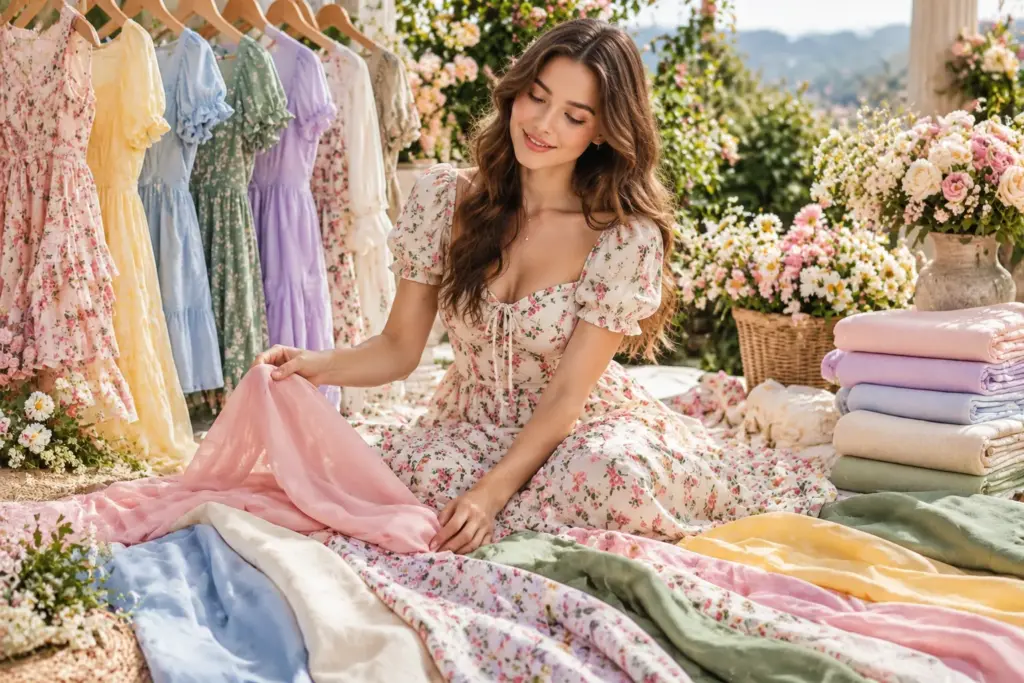
Here are some common fabric choices for cute fashion dresses:
- Algodón: A practical choice for casual dresses. It is comfortable and suitable for many everyday designs.
- Mezclas de algodón: These fabrics can offer a balance of comfort, durability, and easier care, depending on their composition.
- Chiffon: Lightweight and flowing, chiffon works well for romantic dresses, layered skirts, and feminine sleeves.
- Satin: Its smooth surface and soft shine make it suitable for party dresses and dressier outfits.
- Linen blends: These are useful for relaxed summer dresses and natural-looking outfits.
- Polyester: Available in different textures and weights, polyester can be used for printed dresses, structured designs, and easy-care fashion products.
- Dril: A good option for casual shirt dresses, mini dresses, and youthful everyday looks.
When we develop a new garment, I consider the fabric’s weight, stretch, thickness, drape, and washing requirements.
For instance, a fabric that works well for a loose summer dress may not provide enough structure for a fitted bodice. Selecting materials according to the design helps improve the final result.
Find Cute Colors That Match Your Style
There is no single color palette that defines cute fashion. Some women prefer soft and romantic colors, while others enjoy bright shades and strong contrasts.
Here are several cute colors for dresses and outfit combinations:
- Pastel pink: Creates a soft, feminine appearance.
- Baby blue: Gives outfits a fresh and relaxed feeling.
- Lavender: Adds a gentle touch of color without looking too strong.
- Cream and beige: Suitable for simple, elegant, and versatile outfits.
- Butter yellow: Brings warmth and a cheerful feeling to summer fashion.
- Sage green: Works well with neutral accessories and natural textures.
- Negro: A versatile choice for casual, dressy, and evening outfits.
- Red: Creates a more noticeable appearance and works well for special occasions.
You can also combine solid colors with floral patterns, small prints, stripes, or subtle decorative elements.
If you prefer cute simple dresses, try using one main color and adding visual interest through the neckline, sleeves, buttons, or skirt shape.
What to Check When Selecting Fabric and Color
| Por qué importa | Por qué es importante | Mi recomendación |
|---|---|---|
| Peso de la tela | Influences the dress shape | Match fabric weight with the design |
| Cortina de tela | Determines how the garment falls | Test a fabric sample before development |
| consistencia del color | Affects the finished appearance | Confirm approved color standards |
| Calidad de impresión | Influye en el atractivo visual | Check print placement and clarity |
| Fabric transparency | Afecta la cobertura | Consider lining where necessary |
| Solidez del color | Affects washing performance | Request appropriate fabric testing |
| Textura del tejido | Influye en la comodidad | Check the material by touch and wear testing |
When a Beautiful Fabric Costs More Than Expected
Fabric choice affects more than the appearance of a dress. It also influences material consumption, sewing difficulty, production efficiency, and final pricing. For example, imagine a buyer developing two similar floral dresses. One uses a standard printed polyester fabric, while the other uses a lightweight fabric with a more delicate surface and additional lining. Both designs may look attractive, but the second option could require more careful cutting, handling, and sewing. The cost difference does not come from the fabric price alone. It may also involve extra labor and additional construction steps. I have seen how small design changes can influence the entire production process. A buyer may request a larger print repeat, special color matching, or additional layers without considering how these details affect material consumption. This looks small, but it can affect delivery. My suggestion is to separate essential design requirements from optional details before confirming a sample. If a particular color or fabric texture is important to your brand identity, prioritize it. If a decorative feature does not significantly improve the finished dress, consider a simpler alternative. The best decision is not always choosing the cheapest fabric. It is choosing a material that provides the appearance, comfort, and performance your target customer expects.
3. How Can You Create Cute Outfits for Different Occasions?
Having beautiful clothes in your wardrobe does not always make outfit planning easy. A dress suitable for a casual afternoon may not work for a formal dinner or an important event. The key is to understand the occasion and adjust your outfit accordingly.
You can create cute outfits with dresses by combining suitable silhouettes, shoes, accessories, and outerwear. Keep casual looks comfortable, add refined details for formal occasions, and choose practical layers when the weather changes.
Build Everyday Outfits Around Cute Basics
Cute basics make it easier to create different outfits without buying too many clothes.
I recommend starting with a few versatile pieces that can be combined in several ways.
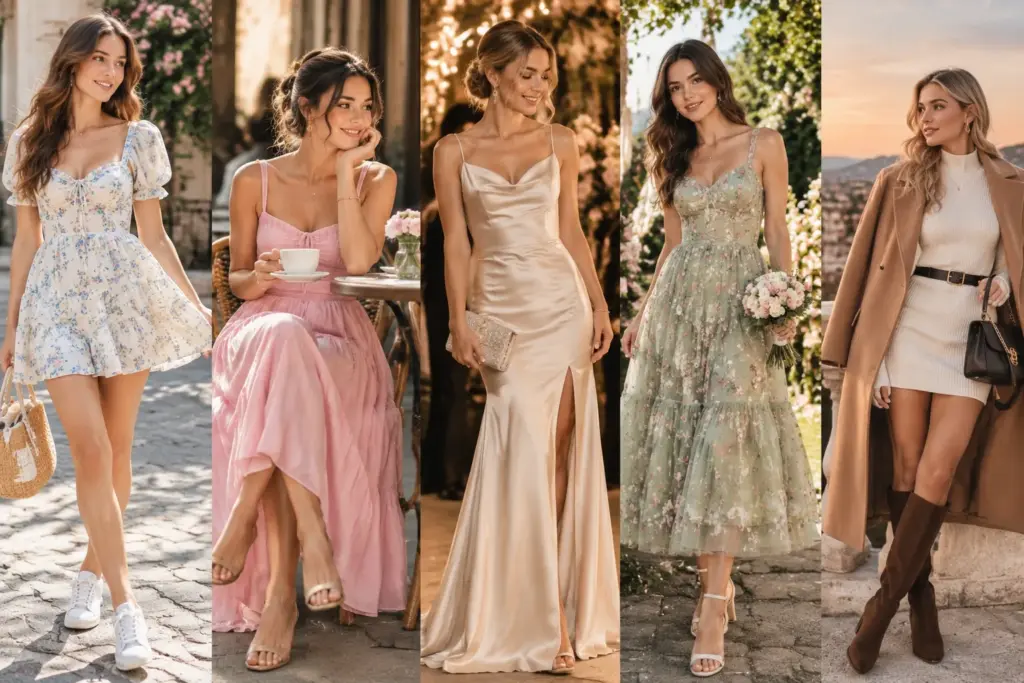
For a casual daytime look
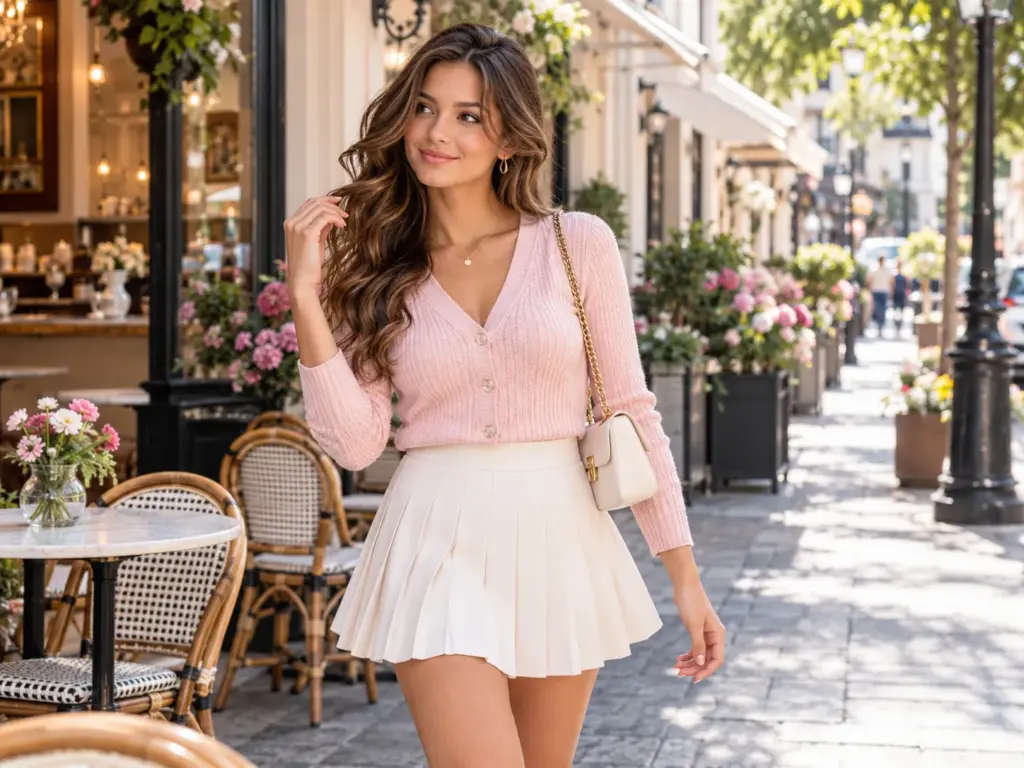
Try light-wash jeans with a simple T-shirt and a pastel cardigan. You can also wear a cotton mini dress with comfortable sneakers and a small shoulder bag.
For a feminine weekend outfit
Choose a floral dress, a lightweight cardigan, and simple flats. A small hair accessory can add a playful touch without making the outfit too complicated.
For a relaxed summer look
A simple dress with sandals and a woven bag creates an easy summer outfit. Choose breathable fabrics and comfortable silhouettes when spending time outdoors.
For a polished casual appearance
A midi dress with a lightweight jacket and clean-looking shoes can create a more refined outfit while remaining comfortable.
For a romantic date
Try a soft-colored dress with delicate jewelry and a small handbag. You can choose subtle ruffles, lace details, or a flattering neckline to add personality.
The most useful cute basics are pieces that match your existing wardrobe. This makes it easier to create more outfits with fewer individual items.
Dress for Parties and Special Events
Special occasions often require more attention to dress design, fabric, and styling.
For a birthday party, you might choose a short dress with an interesting neckline or a playful skirt. For a formal dinner, a longer dress in satin or another suitable fabric may create a more elegant appearance.
If you are deciding how to dress for an award ceremony, consider the event’s dress code first. A refined cocktail dress or a more formal evening dress may be appropriate, depending on the occasion.
Here are some useful outfit ideas:
- Birthday party: A short dress with ruffles, a bow, or a floral print.
- Graduation event: A simple midi dress with comfortable shoes and minimal accessories.
- Wedding guest outfit: A well-fitted dress in an appropriate color and fabric.
- Award ceremony: An elegant dress with a balanced silhouette and carefully selected accessories.
- Evening party: A satin or embellished dress with simple jewelry.
- Casual celebration: A cute dress with comfortable shoes and a small handbag.
When designing these products, garment construction becomes especially important.
For example, dresses with decorative beads or sequins may require additional attention to attachment and finishing. A formal dress should also allow enough movement for sitting, walking, and participating in the event.
What to Check When Styling Different Outfits
| Por qué importa | Por qué es importante | Mi recomendación |
|---|---|---|
| Ocasión | Determines the suitable level of formality | Check the dress code |
| Zapatos | Influence comfort and outfit balance | Match footwear with the activity |
| Accesorios | Complete the overall appearance | Avoid too many competing details |
| Ropa de calle | Adds style and practical coverage | Choose layers that complement the dress |
| Clima | Affects comfort throughout the day | Consider breathable or warmer materials |
| Dress movement | Influences ease of wearing | Test walking, sitting, and dancing |
| Packaging and care | Affect garment condition | Follow appropriate garment care instructions |
Choosing Between a Trendy Outfit and a Versatile One
When creating cute outfits, I think buyers should consider how often they will wear each item. A highly decorative dress may look exciting for one event, but a simpler design can offer more styling opportunities. For example, imagine choosing between a bright mini dress with several decorative features and a simple midi dress in a versatile color. The mini dress may be perfect for a birthday party or a summer gathering. The midi dress may work for casual outings, dinners, and some semi-formal occasions with different accessories. From a garment development perspective, both products can be valuable, but they serve different customer needs. A highly detailed design may require more sewing operations, special materials, or additional quality checks. A simpler design may be easier to style and easier to wear across different situations. This does not mean that trendy dresses are a poor choice. Fashion customers also want new colors, interesting details, and seasonal designs. My suggestion is to balance statement pieces with practical basics. Before choosing an outfit, ask yourself where you will wear it, how comfortable it feels, and whether you can combine it with other items you already own. If you are buying for a specific event, prioritize the event requirements. If you want a dress for regular use, prioritize versatility, comfort, and easy care.
¿Qué preparar antes de contactar con una fábrica de ropa en China?
If you are a fashion brand owner, wholesaler, or clothing buyer looking to develop cute fashion dresses, preparing your product information can make communication with a manufacturer much easier.
A clear product brief helps the factory understand your design, recommend suitable materials, estimate production costs, and plan the development schedule.
I usually recommend preparing the following information before requesting a quotation.
| Información | Ejemplo | Por qué es necesario |
|---|---|---|
| Producto | Vestido, chaqueta o ropa deportiva | Confirma la idoneidad de la fábrica. |
| Fotos/paquete técnico | Imágenes, medidas, construcción | Apoya la fijación de precios y el desarrollo. |
| Tejido | Algodón, mezclilla, poliéster o desconocido | Afecta al costo, la cantidad mínima de pedido y el tiempo. |
| Tallas | Tabla de tallas XS–XL o personalizada | Afecta a los patrones y al consumo. |
| Cantidad | Por estilo y color | Afecta al MOQ y al precio unitario. |
| Mercado | UE, Reino Unido, EE. UU. o Australia | Afecta al tamaño y al cumplimiento |
| Nivel de calidad | Mayorista o premium | Guía de materiales y mano de obra |
| Embalaje | Bolsa de polietileno, caja o código de barras | Afecta al costo y al momento oportuno. |
| Etiquetas | Cuello, instrucciones de cuidado, talla y etiqueta colgante | Afecta al diseño gráfico, la cantidad mínima de pedido y el costo. |
| Fecha límite | fecha de llegada al almacén | Apoya la planificación de la producción |
| Certificados | Certificados requeridos | Confirma el cumplimiento |
| Precio objetivo | Precio FOB o con entrega incluida | Ayuda a sugerir opciones realistas |
Separate Essential Requirements From Optional Preferences
Not every design detail needs to be finalized before contacting a factory.
For example, you may already know the dress silhouette, target fabric, and size range but still be deciding between two sleeve designs.
That is normal during product development.
I suggest dividing your requirements into two groups:
Essential requirements:
- Main garment design and silhouette.
- Important measurements and size range.
- Target fabric or material requirements.
- Expected quantity.
- Mercado objetivo.
- Required quality standards.
- Delivery expectations.
Optional preferences:
- Additional decorative buttons.
- Special embroidery.
- Alternative color combinations.
- Extra accessories.
- Optional packaging upgrades.
This distinction helps the factory understand which details cannot change and where we can suggest alternatives.
At Truekung, our work includes sample development, OEM/ODM production, private label clothing, bulk manufacturing, quality control, and export support.
With clear product information, we can discuss more realistic material options, pricing, sample requirements, and production arrangements.
¿Cuándo pedir presupuesto a Truekung?
If you are developing a new clothing collection or looking for a manufacturing partner, contacting a factory early can help you understand the available production options.
Truekung works with overseas fashion brands, wholesalers, and sourcing teams that need OEM/ODM production, private label clothing, sample development, bulk production, and practical export communication.
We produce different clothing categories, including:
- Women’s dresses, skirts, and fashion tops.
- Jeans and casual clothing.
- T-shirts and sweatshirts.
- Jackets, coats, and down jackets.
- Sportswear and children’s clothing.
- Underwear and bags.
What I Need to Understand Your Project
When you contact me, please share as much of the following information as possible:
- Product images, reference pictures, or a technical package.
- Estimated order quantity per style and color.
- Your target market and customer group.
- Fabric preferences or material requirements.
- Expected quality level and workmanship.
- Required labels and packaging.
- Your target price and delivery expectations.
If you only have reference pictures and a general design idea, you can still contact us. We can first discuss the product requirements and determine what additional information is needed for sample development.
I believe good manufacturing communication should be clear from the beginning. Buyers should understand the material options, sample process, production requirements, and possible cost differences before confirming an order.
For project inquiries, you can contact me directly:
Correo electrónico: [email protected]
Sitio web: https://truekung.com
I will be happy to discuss your clothing development requirements and see how Truekung can support your project.
Conclusión
Learning how to dress cute starts with choosing comfortable silhouettes, suitable fabrics, and colors that express your personality. Focus on fit, quality, and versatility, and build outfits that make you feel confident on every occasion.
Visitas: 1