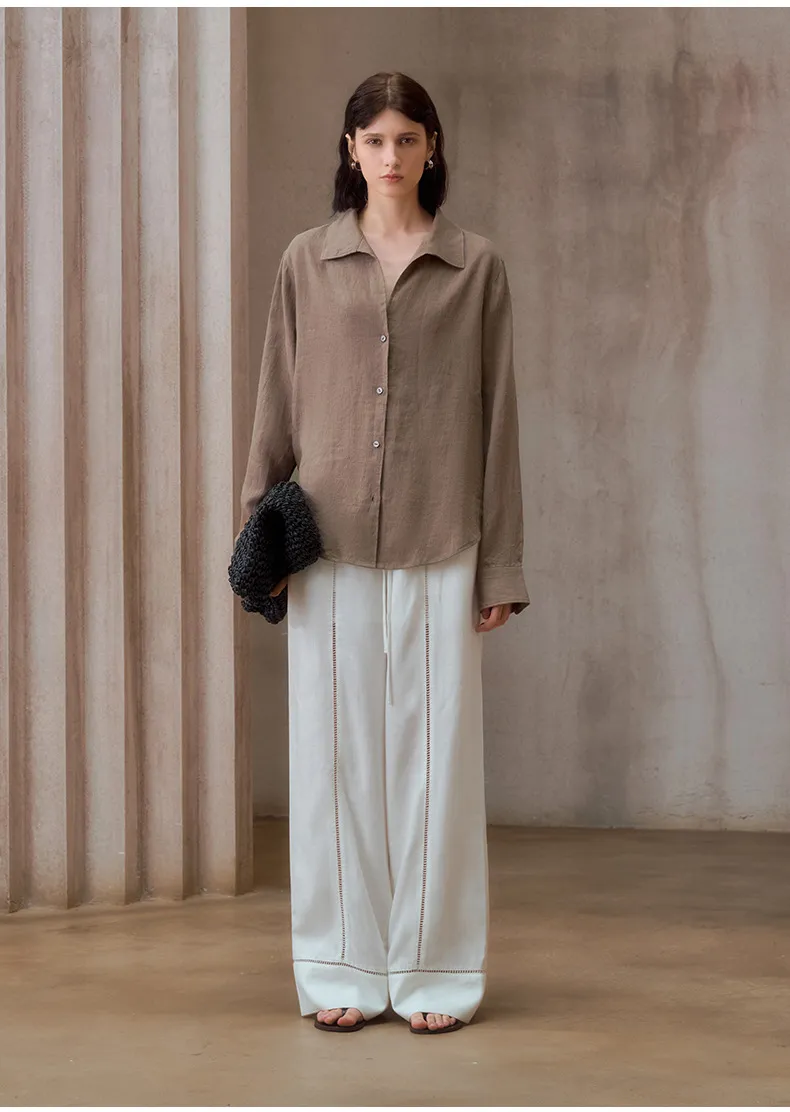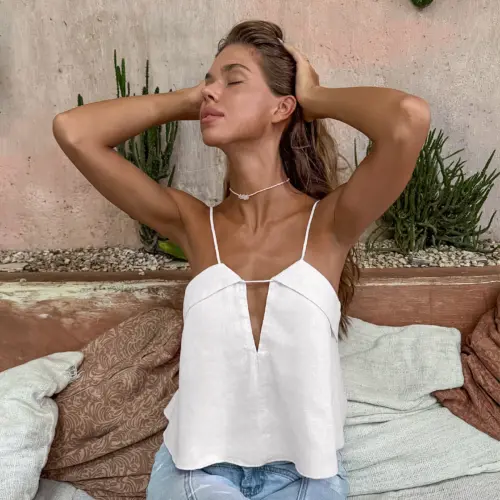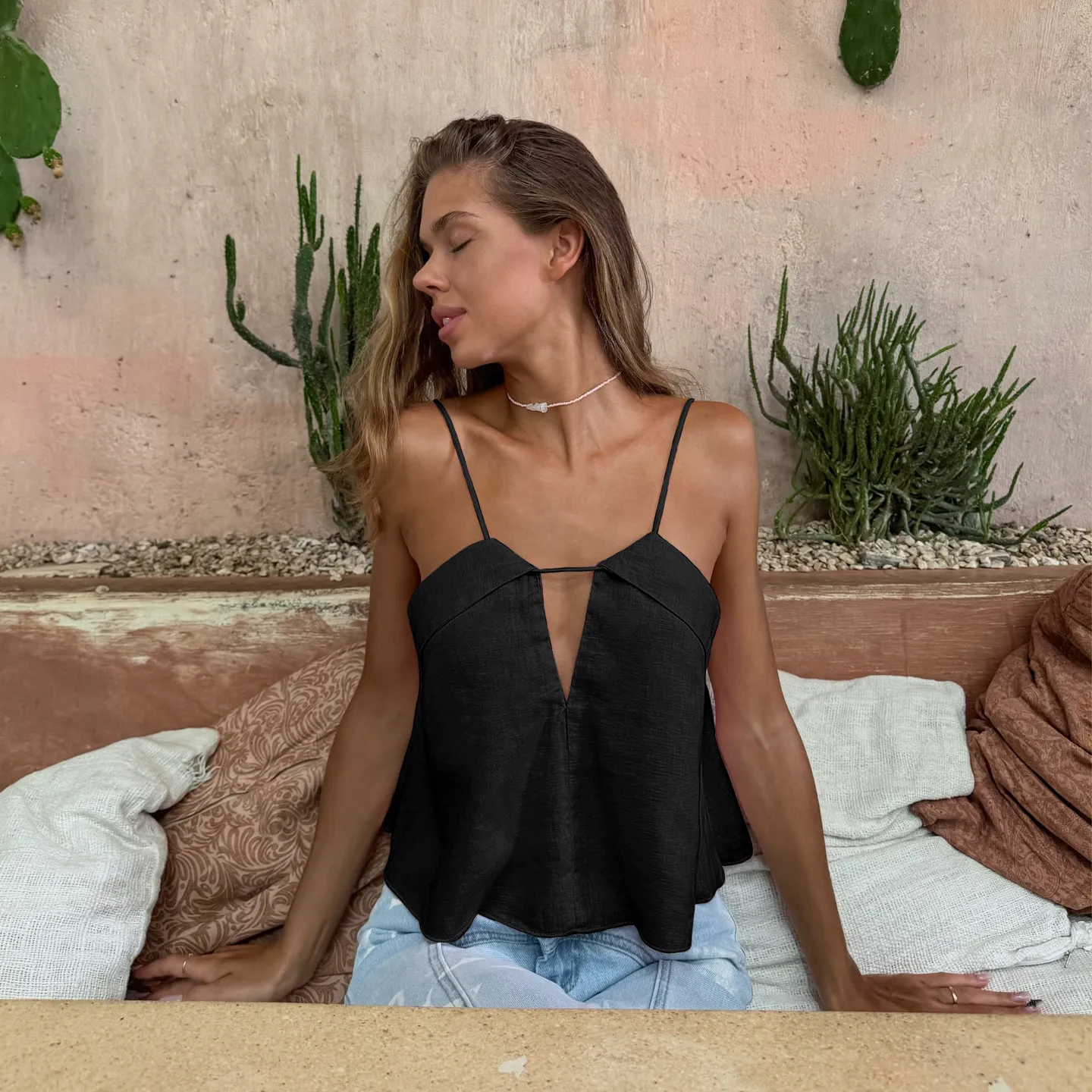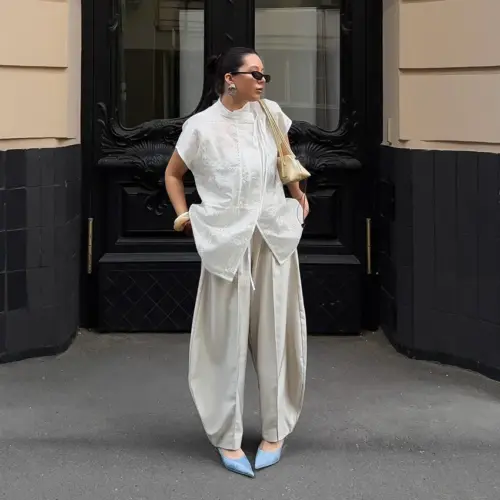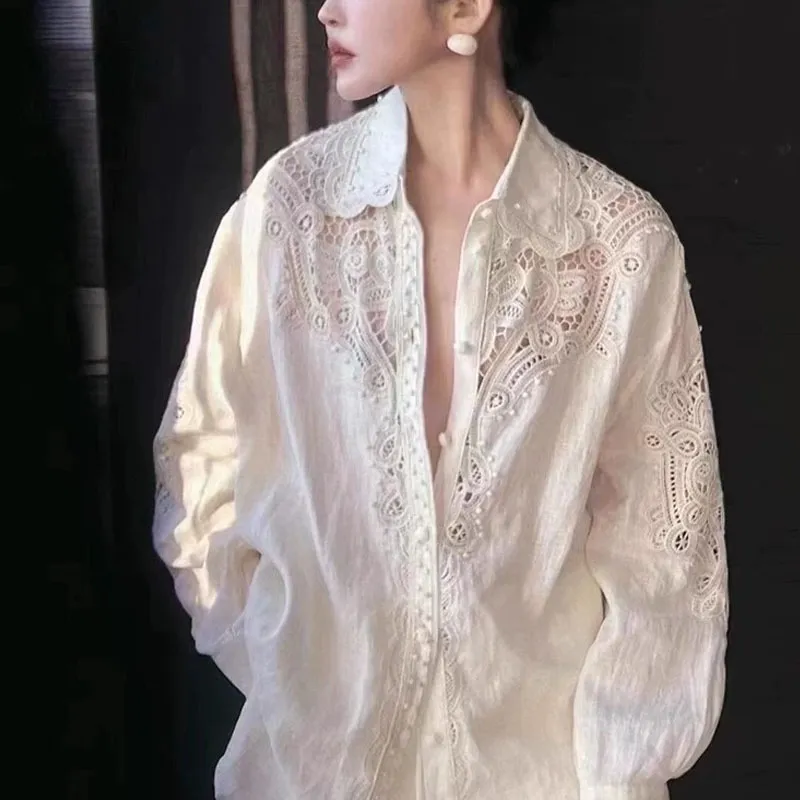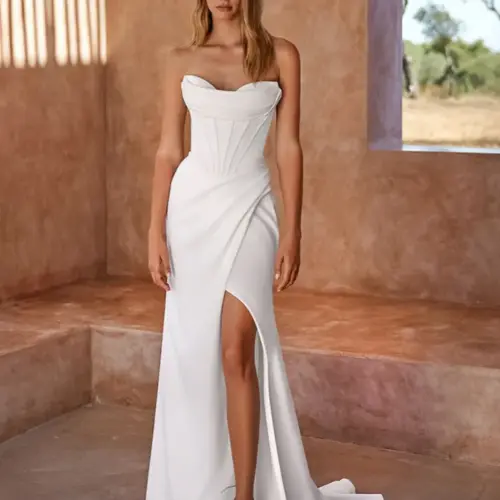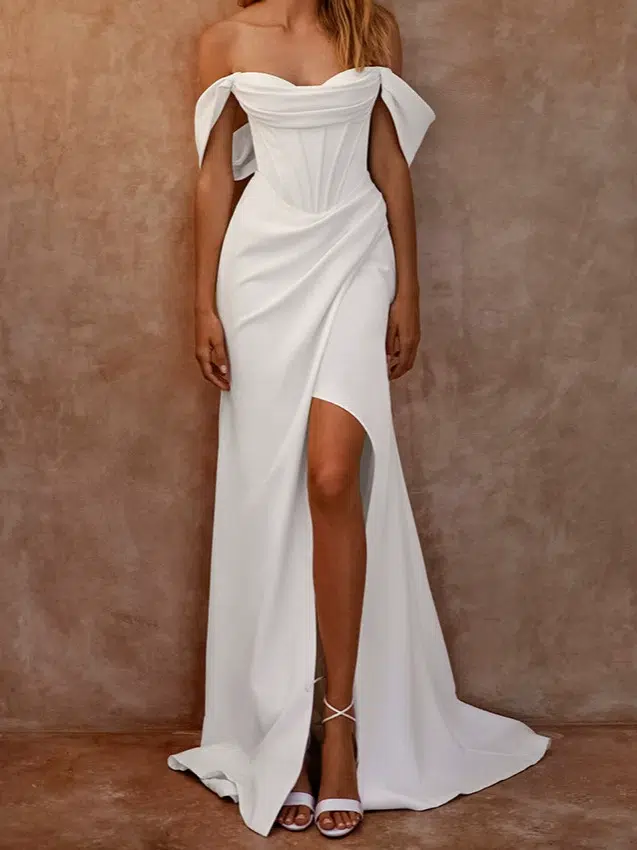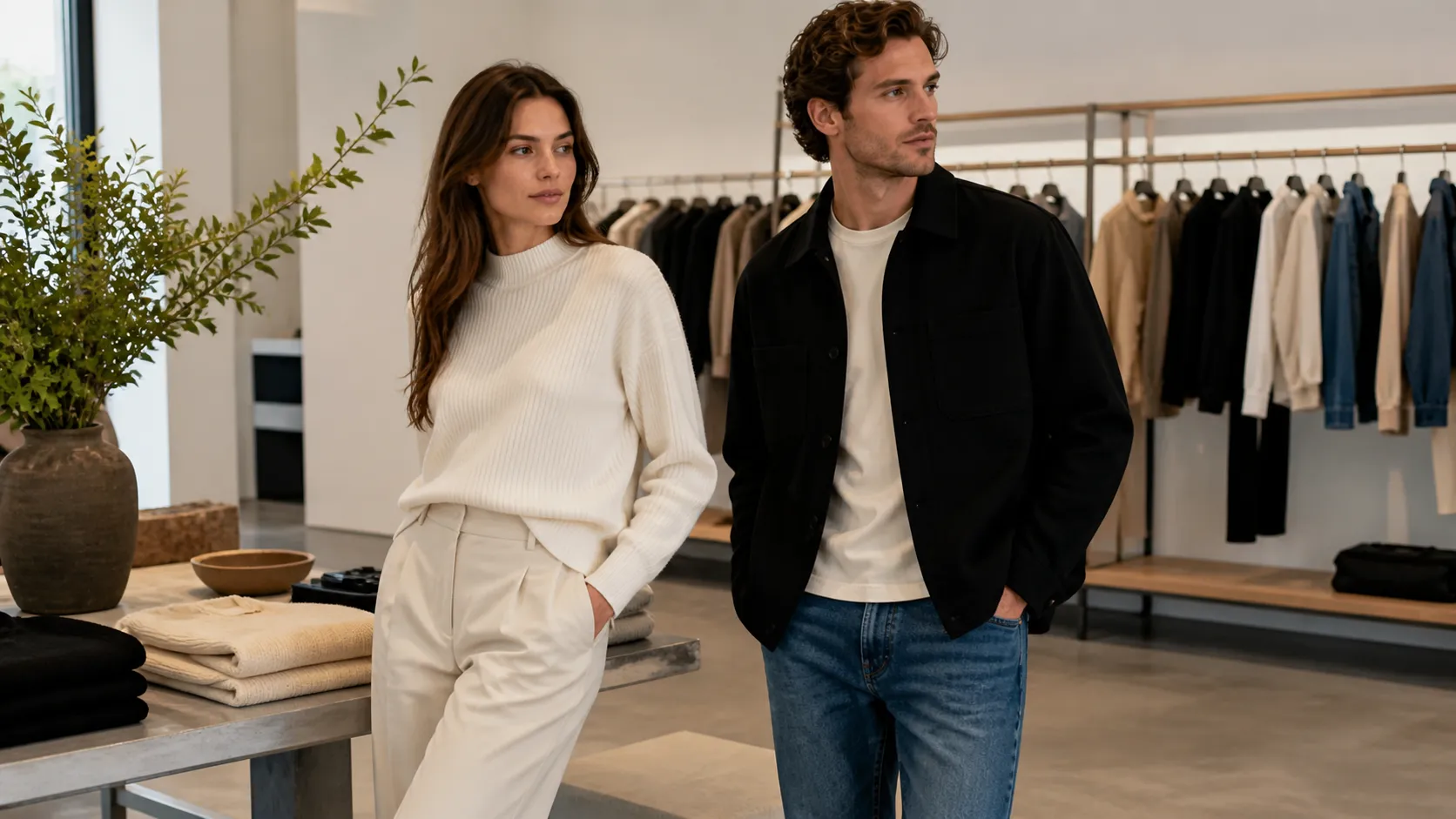

Ich sehe, dass Käufer mehr für “einfache” Kleidung bezahlen und sich trotzdem unsicher fühlen. Mir ging es genauso, als ich Everlane zum ersten Mal beurteilen wollte. Qualität Allein anhand von Fotos.
Everlane kann sich lohnen, wenn man Wert auf schlichte Basics, gleichbleibende Qualität und ein ansprechendes Design legt. Marke Geschichte über ethisches Produktion und Transparenz, aber man muss trotzdem Stoff, Nähte und Fabrik Kontrollieren Sie die Vorgehensweise wie bei jedem anderen Lieferanten.
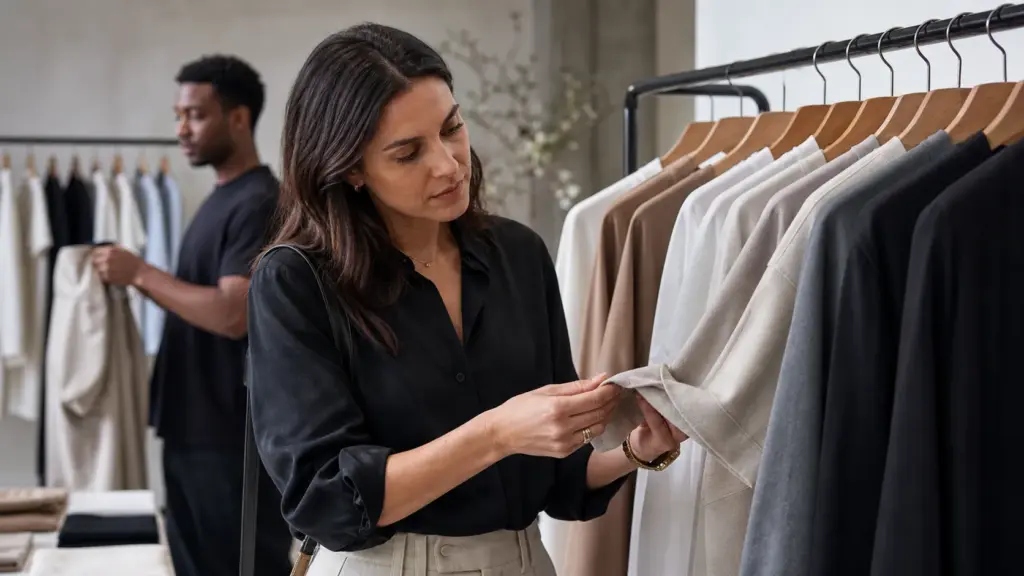
Ich leite ein Produktionsunternehmen und betrachte Everlane daher nicht aus der Perspektive eines Fans. Ich sehe es als Einkäufer, der Retouren, Lieferverzögerungen und “schöne Worte bei minderwertiger Ware” vermeiden muss. Ich kenne auch Einkäufer vom Typ Maria, die die Gespräche führen und kritische Fragen zu Qualitätskontrolle, Zertifikaten und Lieferung stellen. Diese Herangehensweise gefällt mir, weil sie die Wahrheit ans Licht bringt. Um zu verstehen, warum Everlane immer beliebter wird, muss man sich die Gefühle der Kunden und den Arbeitsalltag der Fabriken ansehen. Ich erkläre es Ihnen daher kurz und verständlich.
Warum ist Everlane so beliebt?
Viele Marken sprechen von “besseren Basics”, doch viele Käufer fühlen sich trotzdem überfordert. Ich habe das selbst erlebt, als ich zwei ähnliche T-Shirts zu völlig unterschiedlichen Preisen sah.
Die Popularität von Everlane beruht oft auf einer Mischung aus klarem Design, einfacher Kommunikation und einer Geschichte über ethische Produktion, sodass sich die Käufer bei ihrer Wahl sicher fühlen.
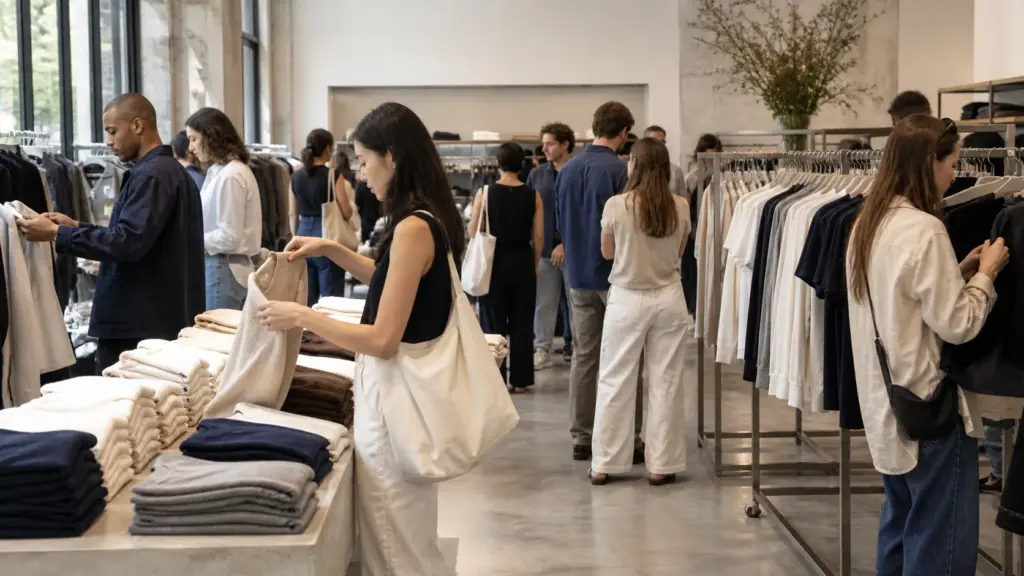
Popularität ist keine Magie, sondern beruht auf wiederholtem Vertrauen.
Ich sehe drei Faktoren, die eine Marke wie diese voranbringen können. Erstens: Wiederverwendbarkeit. Wenn ein T-Shirt auch nach dem Waschen formstabil bleibt, bestellt der Käufer es immer wieder. Zweitens: Weniger Stress bei der Kaufentscheidung. Wenige Farben und klare Schnitte machen das Einkaufen angenehm. Drittens: Transparenz. Viele Menschen schätzen Preisinformationen, selbst wenn sie nicht jedes Detail prüfen.
Die Signale, auf die Käufer reagieren
Wenn ich mit Markeninhabern spreche, fällt mir auf, dass sie auf konkrete Signale reagieren, nicht auf Fachjargon. Sie wollen hören: “Das verzieht sich nicht”, “Das fusselt nicht so schnell” und “Die Lieferung erfolgt pünktlich”. Außerdem wollen sie unangenehme Überraschungen vermeiden, wie zum Beispiel: “Die Farbe der Großpackung entspricht nicht der Farbe des Musters.” Marken im Everlane-Stil reduzieren diese Angst, indem sie auf schlichte Designs und wiederkehrende Kernartikel setzen.
| Was die Käufer sehen | Was ich in der Produktion überprüfe | Was kann schiefgehen? |
|---|---|---|
| Klare Basics und einfache Fotos | Musterstabilität, Schrumpfkontrolle, Farbtonkontrolle | Verdrehte Nähte, Größenabweichungen, Farbunterschiede |
| “Botschaft ”Bessere Qualität“ | Stoffprüfdaten, Stichdichte (SPI), Nahtfestigkeit | Pilling, Nahtauflösung, schneller Verschleiß an Belastungspunkten |
| “Geschichte über ”ethische Produktion“ | Auditbereitschaft, Lohn-/Stundenaufzeichnungen, Sicherheitsprotokolle | Gefälschte Zertifikate, mangelhafte Kontrolle von Subunternehmern |
Meine praktische Einschätzung als Hersteller
Vor Jahren habe ich bei einem “minimalistischen” Programm für einen Kunden eine wichtige Lektion gelernt. Ich dachte, schlichte Schnitte wären einfach. Ich habe mich geirrt. Schlichte Schnitte lassen jeden Fehler sofort erkennen. Ein unsauberer Halsausschnitt, eine ungleichmäßige Steppnaht oder eine wellige Naht fallen sofort auf. Wenn ich also an die Qualität und Beliebtheit von Everlane denke, denke ich nicht an aufwendiges Design. Ich denke an die sorgfältige Ausführung. Ich denke daran, wie viele Kontrollen vor dem Verpacken stattfinden. Ich denke daran, wie schnell eine Fabrik Mängel ohne Diskussionen behebt. Das ist der scheinbar unscheinbare Teil, der die Beliebtheit ausmacht.
Wo werden die Kleidungsstücke von Everlane hergestellt?
Viele Käufer stellen diese Frage, als gäbe es nur eine einfache Antwort. Früher habe ich sie genauso gestellt, und dann habe ich die Schwierigkeit kennengelernt.
Die Kleidung von Everlane wird über ein globales Lieferantennetzwerk in verschiedenen Ländern hergestellt, daher ist der Produktionsort weniger wichtig als die Art und Weise, wie die einzelnen Fabriken Qualität, Arbeitsbedingungen und Lieferbedingungen kontrollieren.
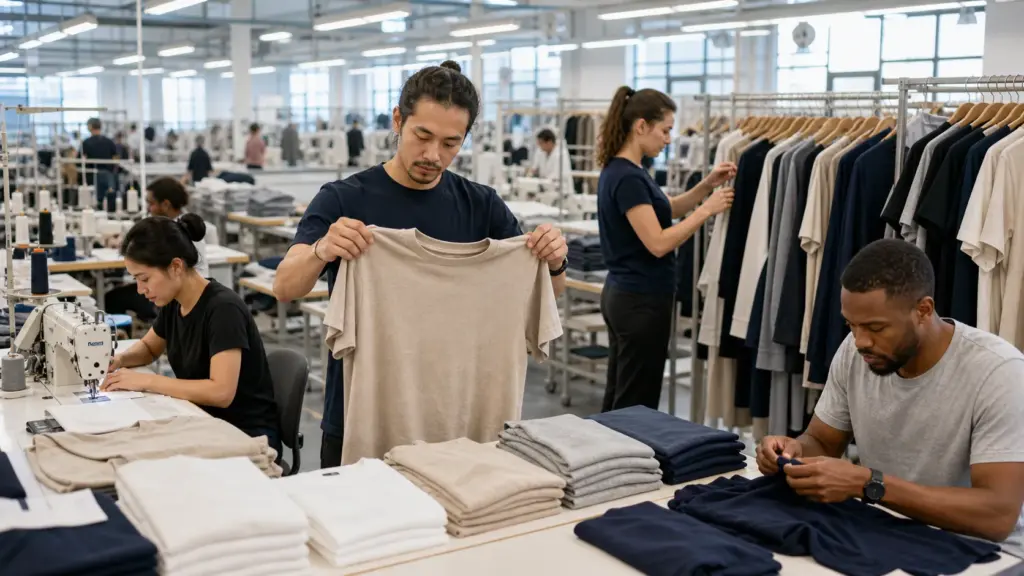
“Hergestellt in” ist ein Hinweis, keine Garantie.
Ich arbeite in China und exportiere weltweit, daher kenne ich die gängigen Vorurteile. Manche Käufer verbinden mit “China” billige Produkte, andere mit “Italien” Perfektion. Beide Annahmen sind falsch. Gute und schlechte Fabriken gibt es überall. Das Herkunftsland ist ein Ausgangspunkt, kein Endpunkt.
Was ist wichtiger als das Land?
Wenn Maria mich nach der Beschaffung fragt, sind ihr drei Dinge wichtig: gleichbleibende Qualität, verlässliche Lieferzeiten und transparente Dokumentation. Deshalb erstelle ich aus der Frage “Wo werden die Everlane-Kleidungsstücke hergestellt?” eine Checkliste, die jede Marke nutzen kann.
1) Regeln für die Werksauswahl
Ich möchte wissen, ob die Marke mit langfristigen Partnern zusammenarbeitet oder häufig die Produktionsstätten wechselt. Ein stabiler Partner lernt mit der Zeit Passform und Toleranzen kennen.
2) Prozesskontrolle innerhalb der Fabrik
Ich möchte wissen, ob das Werk Inline-, End- und Vorversandkontrollen durchführt. Ich möchte sehen, wie Nacharbeiten gehandhabt werden.
3) Subunternehmerrisiko
Ich möchte wissen, ob Zuschneiden, Nähen, Waschen und Verpacken in einem kontrollierten System ablaufen. Wenn Arbeiten außerhalb des Systems stattfinden, steigt auch das Risiko.
| Frage, die ein Käufer stellt | Was ich von der Fabrik verlange | Ich bitte um Nachweise |
|---|---|---|
| Können Sie die Lieferung saisongerecht gewährleisten? | Wie sieht Ihre wöchentliche Kapazitätsplanung aus? | Produktionsplan + Linienplan |
| Können Sie die Größe konstant halten? | Welche Methode verwenden Sie zum Testen des Schrumpfens? | Testbericht + Waschstandard |
| Lässt sich eine ethische Produktion nachweisen? | Wem gehören die Prüfungsunterlagen und die Aufzeichnungen? | Prüfbericht + Fotos vor Ort + Aufzeichnungen |
Meine Geschichte vom Boden
Ich erinnere mich an einen Käufer, der ein “Schnellprogramm” wie eine beliebte Direktvertriebsmarke wollte. Er drängte auf Eile, und die Fabrik stimmte zu schnell zu. Die erste Großlieferung kam verspätet an, und der Käufer verpasste den Verkaufszeitraum. Daraufhin überarbeiteten wir den Plan mit einfachen Schritten: frühere Stoffbestellung, ein festes Vorproduktionsmeeting und eine klare Strafregelung für Verzögerungen. Deshalb betrachte ich die Frage nach dem “Wo” als eine Systemfrage. Wenn Sie eine Kontrolle wie bei Everlane anstreben, brauchen Sie einen Lieferanten, der nicht nur produzieren, sondern auch planen kann.
Welche Materialien werden für die Kleidung von Everlane verwendet?
Stoff klingt simpel, aber er bestimmt maßgeblich das Tragegefühl und die meisten Reklamationen. Das habe ich gemerkt, als ich ein weiches Stoffmuster berührte und dann eine raue Stoffrolle sah.
Bei Everlane steht oft der Tragekomfort im Alltag und die Langlebigkeit der Materialien im Vordergrund. Die richtige Wahl bedeutet in der Regel, ein Gleichgewicht zwischen Haptik, Haltbarkeit, Einlaufrisiko und den Nachhaltigkeitszielen der Marke zu finden.
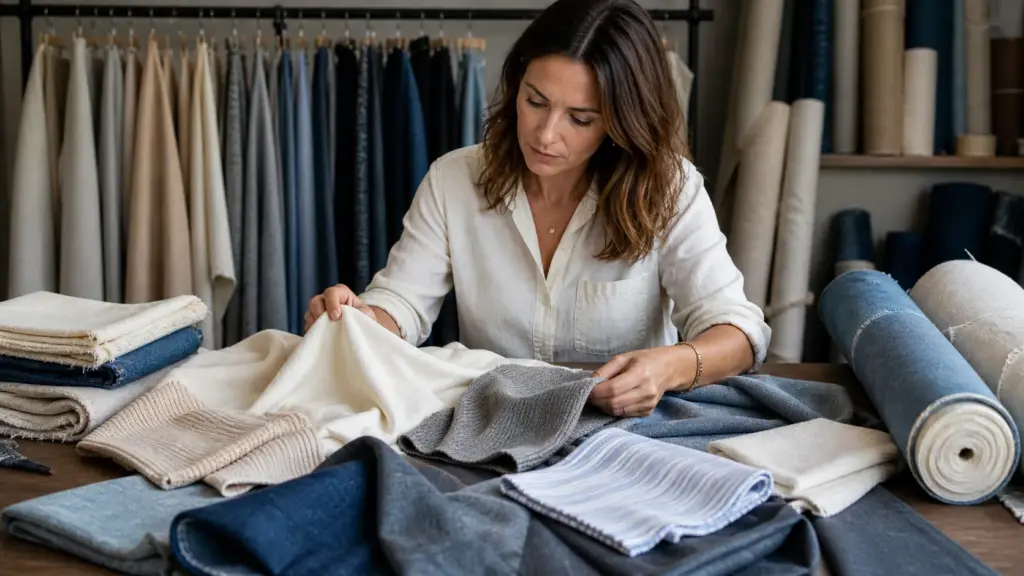
Stoffauswahl, die die “Everlane-Qualität” prägt”
Wenn von “Everlane-Qualität” die Rede ist, meint man in der Regel drei Dinge: Der Stoff fühlt sich gut an, er behält seine Form und das Kleidungsstück sieht auch nach mehrmaligem Tragen noch sauber aus. In meiner Arbeit resultieren diese Ergebnisse aus der Stoffstruktur und der sorgfältigen Auswahl der Veredelungsmaterialien. Ein glatteres Garn und ein dichteres Gestrick reduzieren das Fusseln. Ein optimiertes Färbeverfahren minimiert das Abfärben. Eine stabile Ausrüstung reduziert Verdrehen und Einlaufen.
Die Diskussion um Nachhaltigkeit bedarf weiterhin einer Leistungsprüfung.
Viele Marken wünschen sich Bio-Baumwolle, Recyclingfasern oder andere umweltschonendere Alternativen. Ich respektiere dieses Ziel. Mir ist aber auch bewusst, dass ein Stoff, der eigentlich gut sein sollte, schnell zu einem schlechten Tragegefühl führen kann, wenn der Lieferant die Details nicht im Blick hat. Recyclingmischgewebe neigen beispielsweise schneller zum Pilling, wenn die Fasern zu kurz sind. Manche weiche Oberflächen fühlen sich am ersten Tag fantastisch an, bleichen aber nach dem Waschen aus. Deshalb verknüpfe ich “nachhaltige Materialien” immer mit Testverfahren.
| Materialauswahl | Warum es Käufern gefällt | Was ich vor der Massenproduktion teste |
|---|---|---|
| Basics aus Baumwolle (oft aus Bio-Baumwolle) | Weiches Tragegefühl und angenehmer Tragekomfort | Einlaufen, Verdrehen, Pilling, Farbechtheit |
| Mischungen aus recycelten Fasern | Nachhaltigkeitsgeschichte und Marketingwert | Pilling, Nahtverschiebung, Rückstellvermögen, Festigkeit |
| Zellulosebasierte Fasern (wie Lyocell-Typen) | Fall und Komfort | Einlaufen, Hängenbleiben, Faltenbildung an Nähten, Schattensteuerung |
| Woll- oder Kaschmirmischungen | Wärme und hochwertiges Tragegefühl | Haarigkeit, Pilling, Stabilität der Waschmethode |
Wie ich einen Käufer berate, der nach Basics im Stil von Everlane sucht
Wenn Maria mir sagt, dass sie den Everlane-Look möchte, beginne ich nicht mit dem Stoffnamen, sondern mit dem Verwendungszweck. Ich frage: Wird die Kundin das Kleidungsstück bei warmem Wetter tragen? Wird sie es oft waschen? Ist sie bereit, leichte Falten zu akzeptieren? Dann schlage ich zwei oder drei Stoffoptionen mit klaren Vor- und Nachteilen vor. Außerdem lege ich einen Testplan fest, bevor die Mustererstellung abgeschlossen ist. Dieser Schritt schützt die Kundin vor der schlimmsten Überraschung: einem Stoff in großen Mengen, der sich anders verhält als das Muster. Hier wird die Idee der Everlane-Kleidung als Produktionskonzept Realität. Produktion bedeutet mehr als nur Nähen. Produktion umfasst Stoffkontrolle, Tests und reproduzierbare Standards.
Fazit
Die Popularität von Everlane beruht auf schlichtem Design und Vertrauenssignalen, aber der wahre Wert hängt immer noch von der Stoffauswahl und der Kontrolle der Fabrik ab, daher bewerte ich es wie jede ernsthafte Beschaffungsentscheidung.
Warum ich das schreibe
Ich bin Lancy Chia von Truekung in China. Ich leite eine auf den Großhandel spezialisierte Bekleidungsfabrik mit über 200 Mitarbeitern und 20 Jahren Exporterfahrung. Wir bieten Bekleidungsprodukte und OEM/ODM-Services für Marken und Supermärkte weltweit an. Unser Fokus liegt auf Damenmode, Jacken, Röcken, Kleidern, Jeans, T-Shirts, Sweatshirts, Daunenjacken, Windjacken, Mänteln, modischen Taschen, Sportbekleidung, Kinderbekleidung, Unterwäsche und vielem mehr. Wir arbeiten mit Käufern zusammen, die Wert auf Qualitätskontrolle, Zertifizierung, Logistik und sichere Zahlungsbedingungen legen. Wenn Sie ein Basics-Programm im Everlane-Stil mit stabiler Qualitätskontrolle und transparenter Kommunikation wünschen, erreichen Sie mich unter [email protected] oder besuchen Sie unsere Website https://truekung.com.
Ansichten: 74