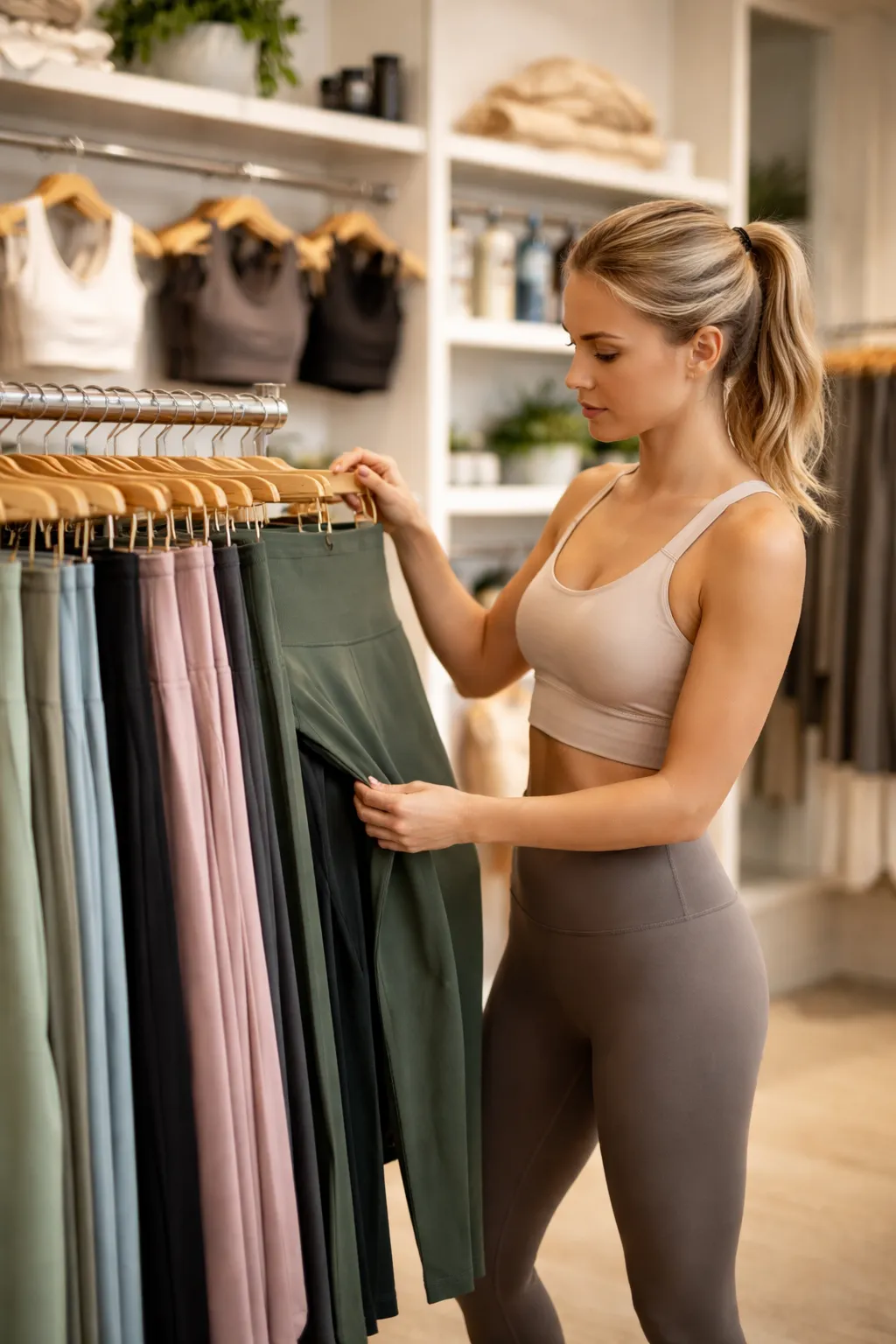
Früher dachte ich Yoga Es waren einfach nur Stretchhosen, bis ich sah, wie Käufer angesichts des Preises wieder gingen. Der Schock lässt die Leute aufgeben, bevor sie überhaupt angefangen haben.
Yogakleidung sieht teuer aus, weil man für besondere Produkte bezahlt. Stoff, Sorgfältige Verarbeitung, Passformtests, Markenauftritt und Einzelhandelskosten spielen dabei eine Rolle. Ich finde immer noch preiswerte Yogakleidung, wenn ich mich auf die Funktionalität und nicht auf den Hype konzentriere.
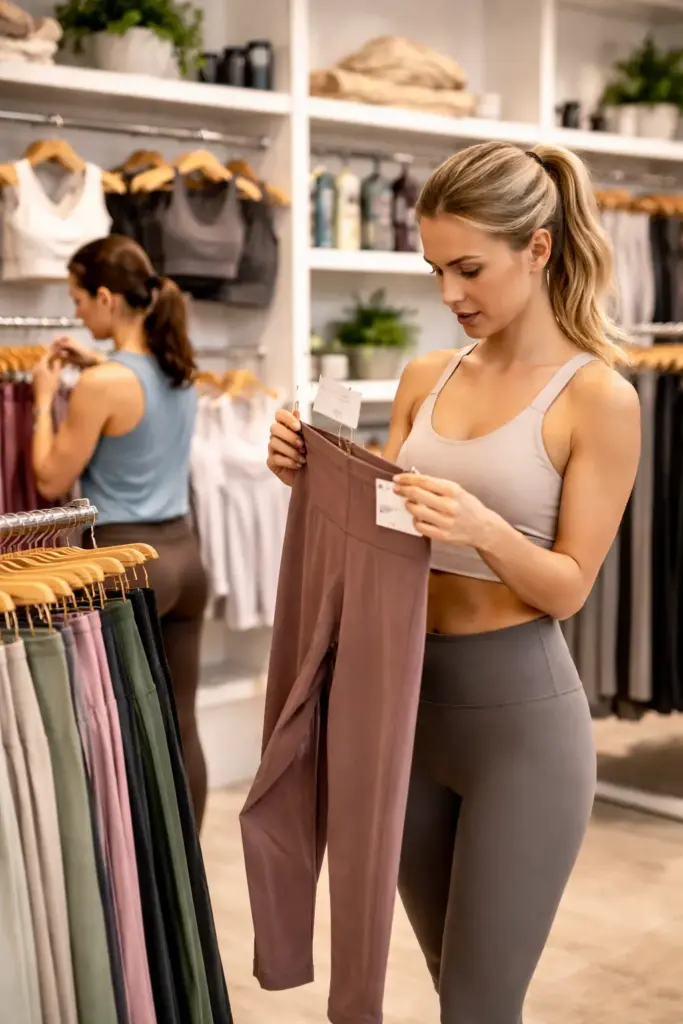
Immer wieder treffe ich Leute, die in aller Eile “YPGA-Hosen” oder “Yuga-Hosen” eingeben, das Etikett $120 sehen und sofort denken, die ganze Kategorie sei Betrug. Anfangs hatte ich dieselben Zweifel, aber als ich sah, wie eine gute Yogahose gefertigt wird, wurden mir die wahren Kosten bewusst.
Wofür bezahlt man eigentlich mit Yogakleidung?
Ich höre Käufer sagen, Yogakleidung sei “einfach nur Gamaschen,Und dann platzt die Naht genau im ungünstigsten Moment. Ich sehe auch, wie Fabriken an der Qualität sparen, und die Kunden bekommen das sofort zu spüren.
Wenn ich frage “Was ist Yogakleidung?”, antworte ich in einem Satz: Es sind Kleidungsstücke, die sich bewegen und formstabil sein müssen, Schweiß ableiten und auch unter Dehnung bequem bleiben müssen.
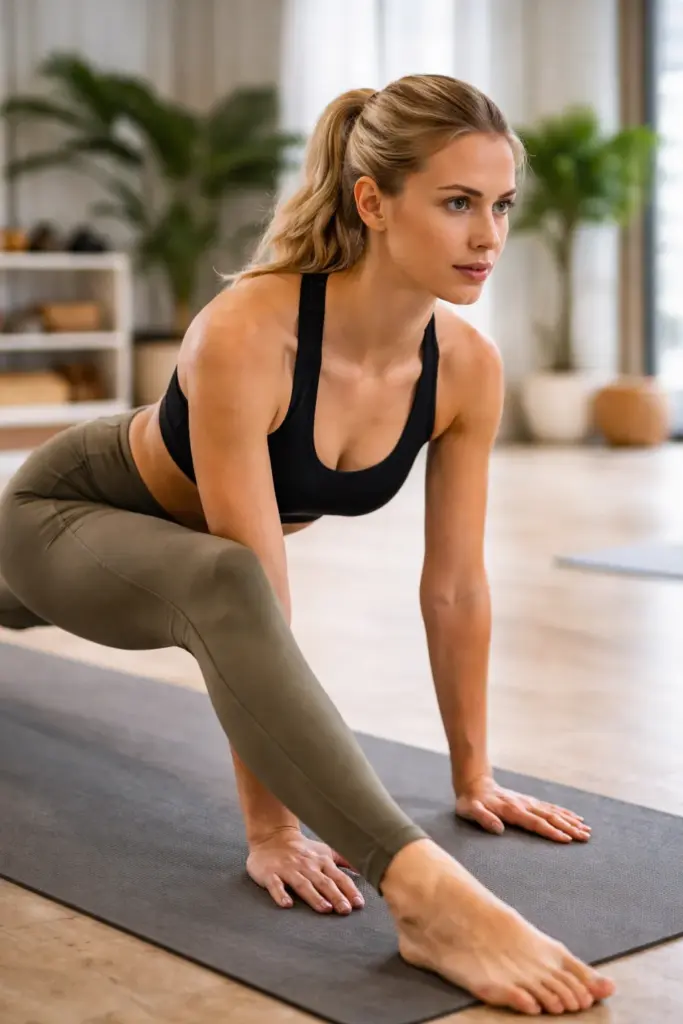
Ich beginne mit dem Stoff, nicht mit dem Logo.
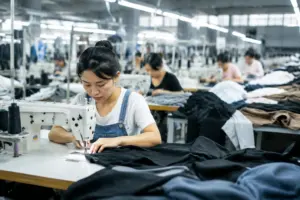
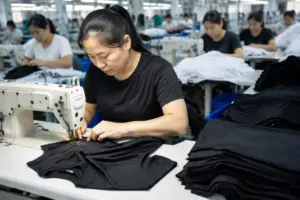
Ich leite in China eine Bekleidungsfabrik unter dem Namen Truekung und bin ausschließlich im Großhandel tätig. Ich beschäftige über 200 Mitarbeiter in der Produktion und exportiere seit etwa 20 Jahren. Mir wurde früh klar, dass die Stoffwahl den Preis maßgeblich beeinflusst. Ein billiger Strickstoff mag auf dem Bügel gut aussehen, kann aber glänzend, dünn und durchsichtig werden, sobald man sich bückt. Man nennt das “glänzende Leggings”, und ich sehe diese Reklamation immer wieder bei Rücksendungen.
Eine hochwertige Yogahose wird oft aus besserem Garn gefertigt, ist dichter gestrickt und hat eine höhere Rücksprungkraft. Das bedeutet, dass der Stoff an den Knien nicht ausbeult, sondern seine Form behält. Dadurch ist er auch pro Meter teurer. Ich zahle außerdem mehr, wenn ich eine angeraute Haptik, eine weiche Innenseite oder eine matte Außenseite wünsche. Ich kann zwar auch weite Yogahosen herstellen, aber deren Preis hängt trotzdem vom Stoffgewicht und der Rücksprungkraft ab.
Wenn ein Kunde fragt, warum es “teure Yogakleidung” gibt, verweise ich auf Schritte, die auf Fotos nicht zu sehen sind:
| Versteckte Kosten | Wofür ich bezahle | Was es verhindert |
|---|---|---|
| Passformprüfung | Mehrere Runden von Mustern und Proben | Herunterrollen des Bundes und seltsame Schrittlinien |
| Stretchnähte | Nadeln, Fäden, Maschinen, die auf elastische Nähte abgestimmt sind | Nähte platzen bei tiefen Kniebeugen |
| Farbstoffkontrolle | Farbechtheitsprüfungen und Waschtests | Verblassen und Ausbluten |
| Schnittgenauigkeit | Geschickte Zuschnitte und saubere Verlegeplanung | Verdrehte Beine und ungleichmäßige Säume |
| Qualitätskontrolle | Zwischenprüfungen und Endprüfungen | Zufällige Mängel, die Rezensionen ruinieren |
Ich erinnere mich an eine Einkäuferin wie Maria aus Russland, die das Gespräch führte und direkte Fragen stellte. Ihr waren Qualität und Preis gleichermaßen wichtig. Sie verlangte auch Nachweise. Sie erzählte mir, sie habe schon erlebt, wie Lieferanten Zertifikate fälschten. Ich habe gelernt, bei der Preisgestaltung echte Tests und echte Dokumente einzubeziehen, denn gefälschte Dokumente können das Vertrauen in eine einzige Lieferung zerstören.
Mir fällt auf, dass “Yogahosen” mittlerweile ein weltweiter Suchbegriff ist, nicht mehr nur ein Produkt.
Ich beobachte, wie Menschen in verschiedenen Sprachen suchen. Ich sehe Begriffe wie “ropa de yoga”, “pantaloni da yoga”, “yogabukser” und “yoga hose baumwoll”. Auch Rechtschreibfehler wie “yoga pabts”, “yoga pents”, “yoga pents” und “yoga clothe” fallen mir auf. Ich deute das als Hinweise. Die Leute wollen Komfort, aber auch Verständlichkeit. Ich versuche, diese Verständlichkeit zu vermitteln, indem ich erkläre, wofür das Kleidungsstück gedacht ist, und nicht, indem ich einem Trend folge.
Hier sind einige Suchbegriffe, die Käufer und Endkunden verwenden, und sie zeigen, wie breit der Markt ist:
| “Yogahosen” und ähnliche Varianten | “Begriffe für ”Sportbekleidung“ und Fitnessstudio-Einkauf | Marken, Geschäfte und lokale Absichten |
|---|---|---|
| Yogahosen | Sportbekleidung | Yogakleidung in meiner Nähe |
| Yogahose | günstige Sportbekleidung | Sportbekleidungsgeschäfte in meiner Nähe |
| Yogahosen | preiswerte Sportbekleidung | Sportbekleidungsgeschäfte |
| Yogahosen Yoga | preiswerte Yogakleidung | Wo bekommt man günstige Sportkleidung? |
| Günstige Yogahosen | günstige Sportkleidung für Damen | Wo kann ich günstige Sportkleidung kaufen? |
| ypga Hosen | günstige Sportoutfits | günstigste Sportbekleidung |
| Yuga-Hosen | günstige Sportkleidung für Damen | Yoga-Ausrüstung im Angebot |
| Yoga-Pabts | Sportbekleidung | Old Navy Active Damen |
| Yoga-Pens | Fitnessstudio-Tausch | alte Nancy aktiv |
| Yogahosen für Herren | Pantalon Fitnessstudio | Nike Damen-Trainingshose |
| Yogahosen für Männer | Navigationskleidung | Nike-Set mit weitem Bein |
| Preis für weite Yogahosen | aktiver Einser | robustere Bekleidung |
Ich sehe auch immer wieder, wie Leute Yogaprodukte mit Fitnessbekleidung vergleichen, zum Beispiel mit “Wolves Club Sportkleidung”, “Rich Piana Merchandise”, “Mini Beast Bekleidung”, “Buff Buddy”, “Gorilawear” oder sogar einem “Warhammer 40k Fitnessshirt”. Ich verurteile diesen Geschmack nicht. Ich trenne einfach nur Merchandise von Funktion. Merchandise verkauft Identität. Yogakleidung verkauft Bewegung.
Warum fühlt sich teure Yogakleidung anders an?
Ich sehe, wie Leute eine hochwertige Yogahose berühren, und ihr Gesichtsausdruck verändert sich schlagartig. Ich sehe auch, wie sie zögern, wenn sie das Preisschild sehen, und ich verstehe dieses Gefühl.
Teure Yogakleidung fühlt sich oft besser an, weil der Stoff dichter ist, die Nähte flacher sind und der Schnitt auf echte Bewegungsfreiheit und nicht auf ein Foto ausgelegt ist.
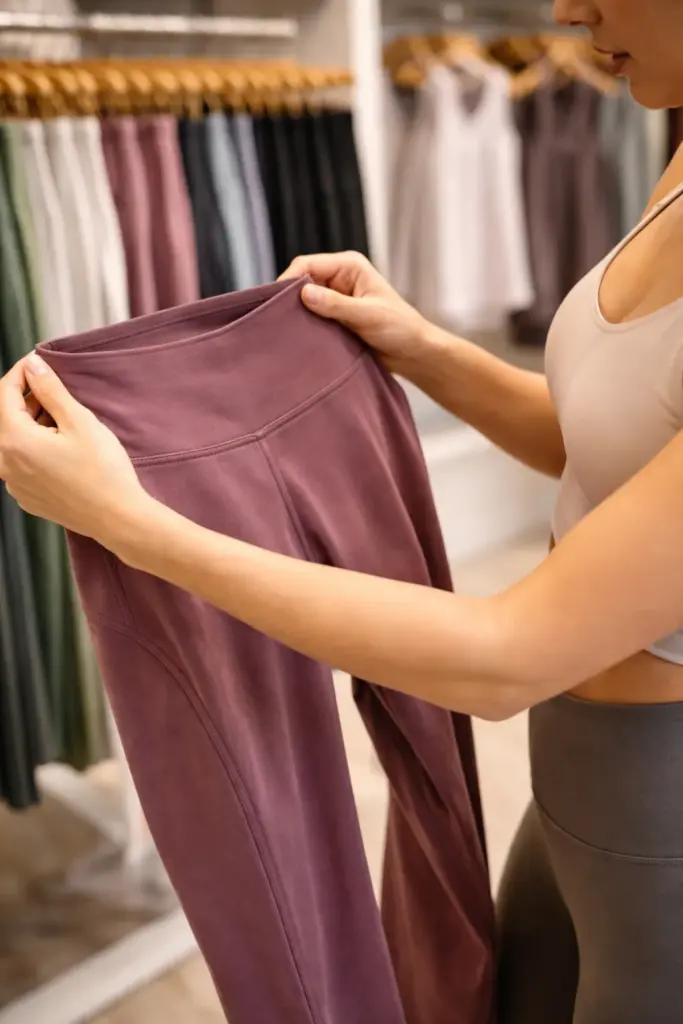
Ich überprüfe drei “Gefühlssignale”, die mit der tatsächlichen Bauausführung in Verbindung stehen.
Ich verlasse mich nicht auf Marketingfloskeln. Ich nutze einfache Kontrollen:
1) Ich dehne den Hosenbund und schaue, ob er sich wellt.
2) Ich reibe den Stoff und schaue, ob er schnell fusselt.
3) Ich falte den Stoff über meine Hand und prüfe die Opazität.
Wenn diese Tests erfolgreich verlaufen, hält die Hose in der Regel lange. Wenn sie fehlschlägt, gibt es Retouren und verärgerte Kommentare. Ein gutes Beispiel dafür ist ein Yoga-Shirt aus luftigem Netzgewebe. Manche Netzstoffe sind billig und kratzig. Andere sind weich und formstabil. Der Unterschied liegt im Garn, der Strickstruktur und der Verarbeitung.
Ich erkläre, warum die “Markensteuer” nicht die ganze Geschichte ist.
Ich weiß, manche Marken verlangen höhere Preise, weil sie es können. Ich weiß auch, dass manche Marken höhere Preise verlangen, weil sie Kosten tragen, die kleine Händler vermeiden. Einzelhandelsgeschäfte zahlen Miete, Personal und Retouren. Online-Shops zahlen Versand, Umtausch und Werbung. Influencer-Marketing kostet Geld und schlägt sich im Preis nieder. Deshalb vergleichen Leute Sonderangebote wie den “Alphalete Black Friday” und fragen sich, warum das Angebot so verlockend erscheint. Das Angebot kann verlockend wirken, weil der reguläre Preis bereits viele Gemeinkosten beinhaltet.
Ich vergleiche Kanäle manchmal so:
| Wo ich kaufe | Was ich normalerweise bekomme | Was ich normalerweise riskiere |
|---|---|---|
| Großes Markengeschäft | Gleichbleibende Passform und einfache Rückgabe | Höherer Preis aufgrund von Gemeinkosten |
| Outlet und Sale | Gutes Preis-Leistungs-Verhältnis bei älteren Farben | Begrenzte Stückzahl und vom Umtausch ausgeschlossen |
| Marktplatzverkäufer | Viele Optionen, schnelles Scrollen | Unklare Stoffspezifikationen |
| Fabrikgroßhandel (wie meiner) | Beste Stückkosten im Maßstab | Mindestbestellmenge, Lieferzeit und Versandplanung |
Wenn Maria nach Logistik und Bezahlung fragt, spreche ich über Zeit. Eine verspätete Lieferung kann eine ganze Verkaufssaison verpassen lassen, und dieser Verlust wiegt schwerer als die Einsparung von 1 TP4T1 pro Stück. Diese Tatsache treibt Käufer dazu, sich an Lieferanten zu wenden, die gut planen – und diese Lieferanten sind in der Regel auch teurer.
Ich zeige, wie “in meiner Nähe”-Suchen irreführend sein können.
Ich sehe Suchanfragen wie “Yoga McKinney TX”, “Yoga Natomas”, “Yoga Apopka”, “Yoga Salt Lake City Utah”, “Yoga in York PA” und “Yogakurse Stamford CT”. Auch “Astoria Shop” und “Athletic Attic Boise” werden häufig genannt. Die Leute suchen nach etwas Lokalem und Schnellem, deshalb suchen sie nach “Sportbekleidungsgeschäften” oder “Yogabekleidung in meiner Nähe”. Lokale Geschäfte können toll sein, aber die lokalen Betriebskosten sind nicht zu unterschätzen. Diese Kosten schlagen sich oft im Preis nieder.
Wie finde ich preiswerte Yogakleidung, ohne es zu bereuen?
Ich treffe immer wieder Leute, die ein Schnäppchen machen wollen, und das kann ich verstehen. Ich sehe auch, wie sie das billigste Modell kaufen und es dann nie tragen.
Preisgünstige Yogakleidung finde ich, indem ich auf das richtige Stoffgewicht, schlichte Designs und zuverlässige Verkäufer achte und auf zusätzliche Markenlogos und empfindliche Details verzichte.
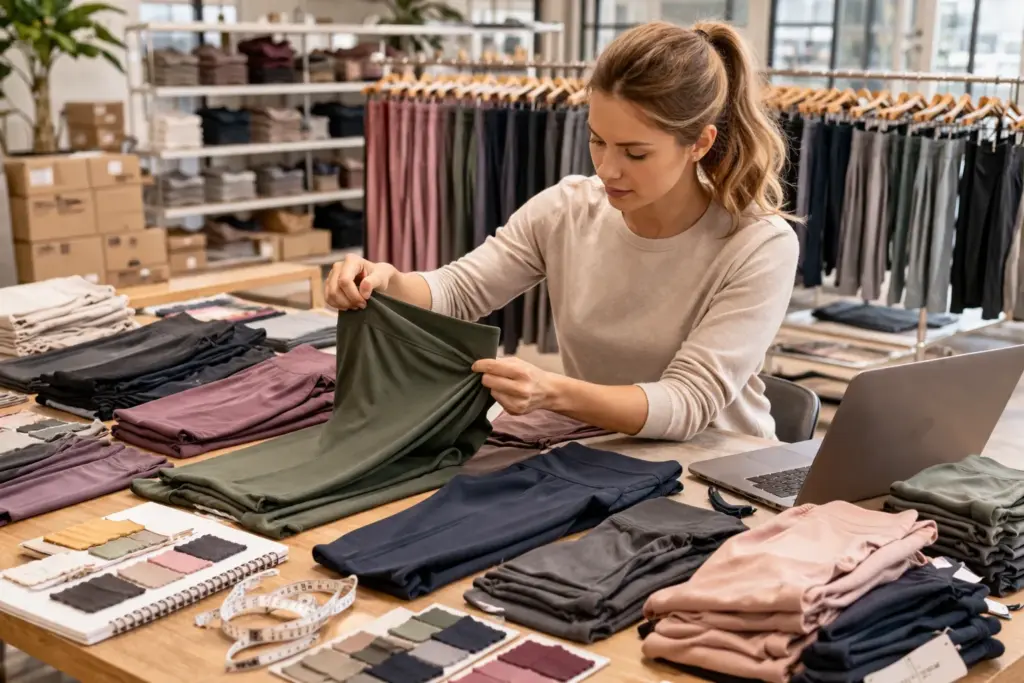
Ich entscheide, was für meinen Körper und meine Nutzung wichtig ist.
Ich beginne mit dem Anwendungsfall. Für Hot Yoga achte ich auf Atmungsaktivität und schnelles Trocknen. Für sanfte Bewegungsabläufe bevorzuge ich weiche Materialien und einen rutschfesten Bund. Wenn ich Laufen und Yoga kombinieren möchte, achte ich auf Dämpfung und die Platzierung der Taschen. Oft werde ich gefragt: “Ist das bezahlbare Sportbekleidung für Laufen und Yoga?” Meine Antwort lautet: Ja, aber ich wähle die Eigenschaften, die für beide Sportarten geeignet sind.
Ich halte mich an eine einfache Regel: Ich investiere in leistungssteigernde Teile und spare an Designteilen.
| Unverzichtbare Funktionen | Wünschenswerte Funktionen | Ich überspringe diese Option, wenn ich sparen möchte. |
|---|---|---|
| Squat-sichere Blickdichte | Trendfarben | Schwere Logodrucke |
| Starke Erholung | Zierbänder | Komplizierte Ausschnitte |
| Flache Nähte | Schicke Anhänger | Saisonale Einwegtropfen |
| Atmungsaktives Garn | Kleine reflektierende Zierelemente | Schwache Netzgewebe |
Ich nutze Vertrieb und Grundlagen auf intelligente Weise.
Ich empfehle oft Basics aus günstigen Modelinien. Ständig sehe ich Suchanfragen nach “Old Navy Active Damenbekleidung” und viele, die mit den Basics für Yoga im Alltag zufrieden sind. Auch sehe ich immer wieder Vergleiche zwischen verschiedenen “Nike Damen-Trainingshosen”, wenn jemand ein sportliches Marken-Feeling sucht. Ich behaupte nicht, dass ein Produkt immer besser ist. Die beste Wahl hängt vielmehr von der jeweiligen Zielgruppe und dem individuellen Körperbau ab.
Ich rate außerdem dazu, nach Angeboten außerhalb der Saison und reduzierten Farben Ausschau zu halten. Ich empfehle, die Materialzusammensetzung und die Grammatur (GSM) in der Produktbeschreibung zu lesen. Wenn Materialangaben in einer Produktbeschreibung fehlen, betrachte ich das als Warnsignal.
Ich wähle Lieferanten mit klarer Kommunikation und Nachweisen.
Im B2B-Bereich lege ich Wert auf mehr als nur den Stückpreis. Mir sind klare Antworten, aussagekräftige Fotos und verlässliche Lieferzeiten wichtig. Maria erzählte mir, dass mangelhafte Kommunikation für sie ein großes Problem darstellt. Dem stimme ich zu. Ein Lieferant, der einen Stoff nicht erklären kann, kann ihn auch nicht kontrollieren. Außerdem lege ich Wert auf echte Zertifikate, nicht auf gefälschte PDFs.“
Wenn ich einem Großhändler ein Angebot erstelle, erkläre ich die Kostentreiber und was sich ändern lässt. Ich kann die Kosten senken, indem ich Taschen weglasse, Nähte vereinfache, die Stoffstärke ändere oder Standardfarben verwende. Kostensenkung ohne Kompromisse bei hochwertigen Details ist nicht möglich. Dieser Kompromiss ist real, und ich spreche ihn klar an, damit der Käufer sicher planen kann.
Fazit
Ich finde, Yogakleidung kann teuer werden, wenn Stoffkosten, Tests, Nähte, Markenbildung und Einzelhandelskosten zusammenkommen. Ich kaufe trotzdem bewusst ein, indem ich auf Funktionalität achte und auf unnötigen Schnickschnack verzichte.
Ansichten: 60